2027 Online Real Estate Degrees With Strong Brokerage Training

Co-Founder and Chief Data Scientist
Securing a brokerage-ready online degree poses a critical challenge for real estate professionals balancing career advancement with unpredictable schedules. With 60% of learners now choosing flexible online programs according to the National Center for Education Statistics, accessibility does not guarantee practical brokerage training, a gap that many graduates face when transitioning into licensed roles. Employers increasingly expect hands-on negotiation skills and compliance knowledge that purely theoretical courses often lack.
Realistic scheduling and curriculum design matter more than ever for those relying on online credentials to meet licensing requirements and compete in saturated markets. This article evaluates online real estate degrees that integrate robust brokerage preparation, guiding readers toward programs that align educational outcomes with real-world demands.
Key Things You Should Know
- Brokerage-focused online real estate degrees show 23% higher job placement within six months post-graduation compared to programs without hands-on brokerage modules, yet require 20%-40% higher tuition investment, impacting time-to-ROI.
- Employers prioritize licensed graduates with accredited brokerage training over generalized real estate certificates, correlating with a 17% increase in retention rates according to 2024 National Association of Realtors workforce data.
- Programs condensing licensure and brokerage coursework into under 12 months accelerate market entry but often restrict deep mentorship, creating a tradeoff between speed and long-term skill mastery in complex transaction management.
What is an online real estate degree with a brokerage focus, and who is it best for?
Employers increasingly expect brokers to hold a relevant bachelor's degree, with 37% requiring this credential before hiring, shaping the value of an online real estate degree programs with brokerage training. This format equips professionals targeting brokerage management roles with core knowledge and practical skills in client management, regulatory compliance, and transaction coordination-areas where purely transactional sales experience falls short. The degree's emphasis on cases and compliance simulations addresses routine challenges such as audits and dispute resolution, which directly impact a brokerage's legal risks and operational efficiency.
For professionals already working in real estate, these programs offer flexibility to balance coursework on contract negotiation, risk management, and finance with their existing jobs. In contrast, recent graduates focusing solely on sales roles may find this education less vital unless aiming for future leadership. Students must also consider the tradeoff between longer bachelor's degrees and shorter certificates that expedite licensing but lack depth and employer recognition. Internship opportunities and access to real-time market data are critical components that foster applied brokerage experience beyond theory.
Choosing the best online real estate degree for aspiring brokers depends on the intent to surpass agent-level roles, combining compliance proficiency, operational insight, and a credential increasingly recognized in competitive hiring. Prospective students can compare general business options alongside specialized real estate paths, for example through an online degree business administration that may complement brokerage ambitions.
How do online real estate degrees prepare students for real estate broker licensing?
Online real estate degree programs that meet broker licensing requirements deliver specialized education tailored to state mandates, addressing key licensing exam components such as real estate law, contracts, finance, property management, and ethics. Unlike broader business degrees, these programs integrate comprehensive broker training through accredited online real estate courses that focus on practical skills and regulatory knowledge proven essential for passing state boards.
For working professionals, the flexibility of online delivery balances job responsibilities without compromising the rigor needed for fulfillment of education hours, a common barrier delaying entrance into brokerage positions in traditional settings. Programs often include applied modules on client negotiation, property marketing, and managing listings, bridging theoretical learning with daily brokerage duties that employers value.
Failing to verify specific state requirements risks additional coursework or exam disqualification, complicating timely licensure with real financial consequences given the median annual wage of $54,300 for brokers and sales agents as reported by the U.S. Bureau of Labor Statistics.
Key practical steps for candidates include:
- Confirming state board pre-licensing education requirements
- Choosing curricula with embedded exam preparation and ethics
- Evaluating program flexibility to sustain current employment
- Prioritizing programs emphasizing brokerage applications over theory
Professionals exploring further finance credentials might consider related pathways such as a cheap masters in finance to complement their real estate expertise and broaden career options.
What accreditation and program quality indicators matter most for online real estate degrees?
Employers and licensing boards require credible credentials reflecting practical proficiency and regulatory compliance, making accreditation and demonstrable program quality key filters in selecting online real estate degrees. Regional accreditation confirms academic standards and facilitates credit transfer, avoiding reeducation costs should licensing rules differ across states. Further, specialized endorsements from state real estate commissions or national associations link the curriculum directly to licensing exam content and brokerage skills essential in practice. Programs incorporating simulated brokerage environments and hands-on transactional exercises better prepare students for real contract management and client interaction challenges.
When evaluating online real estate degree accreditation standards in the United States, applicants should prioritize outcomes such as licensing exam pass rates and employment statistics. For instance, a program with a 75% broker license exam pass rate provides a distinct edge over one at 40%, signaling stronger instructional alignment with exam expectations. Access to faculty holding active brokerage licenses ensures teaching remains current with market shifts and compliance updates, an advantage often overlooked.
The U.S. Bureau of Labor Statistics projects a 3% employment growth for real estate brokers and sales agents from 2024 to 2034, indicating a steady but competitive landscape. Choosing programs that balance theory with practical brokerage training reduces entry barriers, particularly for professionals pivoting careers. Students navigating cost concerns might compare options like the healthcare MBA market for pricing relevance, even if fields differ, to gauge investment to outcome ratios in professional degrees.
How do online real estate programs compare with campus-based options for brokerage training?
Choosing between online real estate brokerage training programs and campus courses hinges on a critical tradeoff: immersive market-specific experience versus scheduling flexibility and cost savings. Campus programs provide tangible advantages through local brokerage internships and daily peer interactions, which cultivate negotiation skills and client relations essential for brokerage readiness. Recruiters often favor candidates from campus programs for their live role-play experience and direct exposure to local market subtleties, crucial in metropolitan areas where relationships drive sales.
Conversely, the best online real estate programs for brokerage licensing and training typically cater to working professionals who require flexible scheduling and lower tuition-averaging from $11,130 at Purdue Global to $11,700 at Liberty University. However, these programs demand greater student initiative to secure local mentorships or brokerage projects, delaying hands-on skill development.
Employers prioritize practical client interaction skills, often gained through in-person internships, which online formats struggle to replicate. New brokers aiming for rapid integration into competitive markets face a choice: prioritize operational immersion with campus courses or leverage online training's accessibility suited for career changers maintaining employment.
For those evaluating educational pathways alongside other advanced credentials, exploring the shortest MBA options may offer additional strategic career pivots beyond real estate specialization.
What courses and skills are typically included in an online real estate brokerage curriculum?
Broker education programs rarely serve as generic gateways; their curriculum design directly impacts career trajectories by balancing legal knowledge, financial acumen, and managerial skills critical for broker success. Effective real estate coursework integrates essential topics such as property law, contracts, agency principles, and compliance with practical finance training in valuation, mortgage structures, and investment analysis. These combined competencies enable brokers to provide precise client advice and negotiate deals within complex regulatory environments.
Management-centered courses emphasize operational realities, including transaction coordination, marketing strategies, and commission structures, which are vital for brokers aiming to lead teams or firms. Increasingly, proficiency in digital marketing tools, CRM software, and data analytics distinguishes brokers in competitive markets, responding to employer demand for tech-savvy professionals.
Notably, 45.33% of broker education requirements call for a bachelor's degree, aligning with industry preferences for candidates who possess both specialized real estate expertise and business management fundamentals-especially for leadership roles. For instance, commercial brokers benefit from coursework in lease analysis and underwriting, while residential brokers gain from studies in client psychology and sales techniques, highlighting the need to tailor program choices to specific market segments.
Choosing between online and onsite formats requires weighing convenience against the limitations of virtual labs and mentorship opportunities, which can affect practical preparation. Time management and self-discipline become determining factors for successful completion in online environments.
What admission requirements and prior experience do online real estate programs expect?
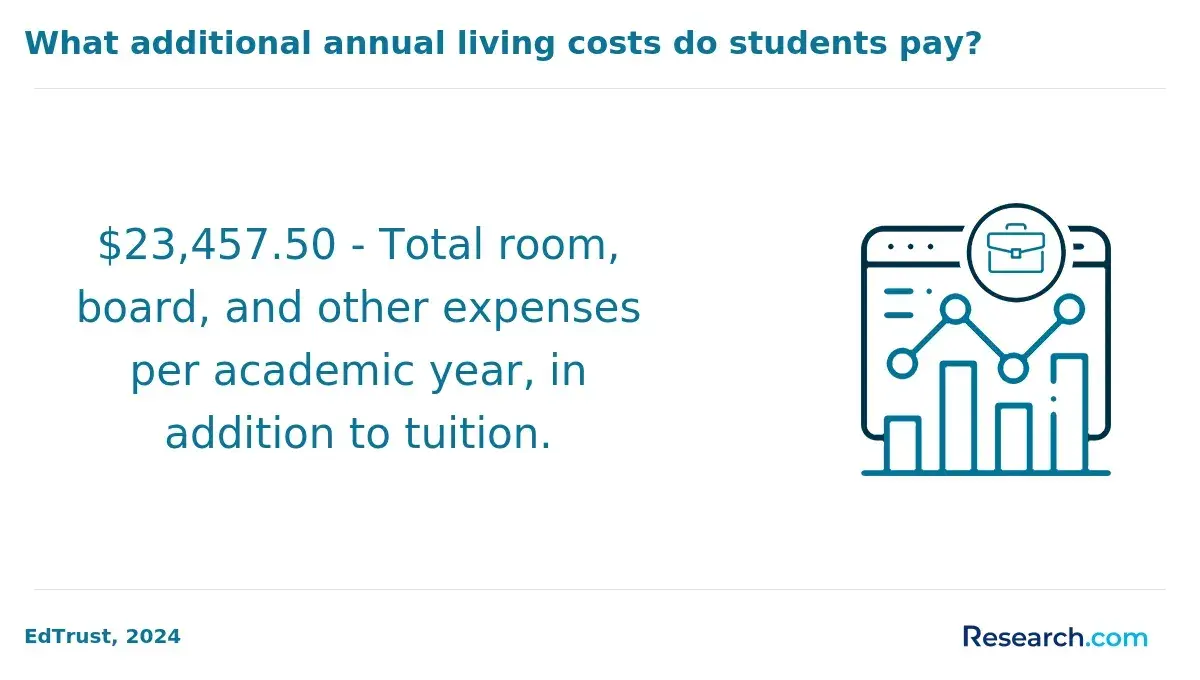
Real estate broker roles increasingly prioritize candidates with postsecondary education or demonstrable work experience, as only about 16% accept a high school diploma alone. This creates a competitive barrier where foundational business, finance, or communication skills-gained through college or professional work in sales or property management-often determine eligibility for advanced training.
For example, an individual with an associate degree in business may bypass basic licensing prep, moving directly into specialized modules. Conversely, applicants relying solely on a high school credential must compensate by evidencing skills like local market knowledge, client negotiation, and regulatory compliance-competencies critical to meeting licensing and brokerage standards.
State licensing requirements also critically influence training paths. Professionals pivoting into broker roles should evaluate if existing credentials suffice or if foundational courses are necessary to meet exam prerequisites. Selecting programs integrating state exam preparation is a strategic choice that reduces costly delays tied to exam retakes and income interruptions.
This layered educational approach balances the practical demands of real estate markets and the financial risks of stalled licensing. Those lacking experience should prioritize courses covering contract law, ethics, and market analysis to align skillsets with employer expectations and licensing criteria.
How long do online real estate degrees take, and what do they typically cost?
Choosing between certificate, associate, and bachelor's real estate degrees involves balancing time, cost, and skill depth against specific career goals and employer expectations. Certificates aimed at brokerage preparation can be completed within 6 to 12 months and cost $1,000 to $5,000 but often lack the comprehensive training that leading brokerages require.
For professionals prioritizing quicker entry into the market, certificate programs offer speed but may limit long-term competitiveness compared to candidates holding broader bachelor's degrees. Full bachelor's programs span closer to two years, costing $10,000 to over $40,000, and cover laws, finance, and management. This investment typically suits those targeting brokerage management roles, though it demands a longer pause from income-generating work.
Licensing requirements remain a crucial, often underestimated factor. State-mandated coursework and exam preparation can extend timelines, and many online degrees exclude these components, obliging students to allocate extra time and funds outside their academic programs.
Because employers generally expect candidates to possess both real estate licenses and relevant training, prospective students must navigate these overlapping demands strategically:
- Certificate programs: faster and less expensive but narrower skillset and market positioning
- Bachelor's degrees: more comprehensive, costly, and time-intensive with broader career utility
- Licensing: essential step adding time and cost beyond degree completion
The National Association of REALTORS® reports a median gross income of $55,800, emphasizing the need to minimize training downtime to enter or advance in the workforce effectively.
What real estate and brokerage careers can you pursue with an online real estate degree?
Online real estate degrees with brokerage training open pathways beyond licensing exams, yet they require careful evaluation against state requirements and real-world skills gaps. While these programs prepare candidates to become licensed sales agents, advancing to broker status demands practical experience and state-specific credentials that often lie outside the academic scope. For instance, California's 135 pre-licensing hours contrast with Texas's more flexible training options, significantly affecting how students select programs.
Graduates often find roles as licensed agents, property managers, or compliance-focused consultants who handle due diligence in states with complex regulations. Commercial brokerage, meanwhile, requires applying investment analysis and market trend expertise to large transactions, a competency online curricula attempt to address but rarely replace with hands-on exposure.
Pricing typically ranges from $300 to $600 per credit hour, a considerable investment requiring assessment of local market demand and return on career pivot. The lack of embedded networking opportunities and localized market knowledge within online-only offerings remains a key deficit, often necessitating supplemental internships or mentorships to gain competitive edge.
Pragmatically, success depends on integrating formal education with real-world practice-negotiation skills, digital marketing savvy, and client relationship management cannot be fully internalized in isolation but are indispensable for brokerage viability.
What salary ranges and commission potential can real estate brokers expect by education level?
Bachelor's degrees provide a marked advantage in the earnings and advancement of real estate brokers, with salaries ranging from $65,000 to $85,000 annually and surpassing those without formal education. Data from WGU in 2024 shows the national average salary for real estate professionals at $63,607, which climbs with higher education, relevant certifications, and experience. Those holding associate degrees or certificates often start closer to $50,000 but encounter slower commission growth compared to degree holders.
Commission income is highly variable, influenced by market dynamics and brokerage scale, but education increases access to premium listings and complex deals, often boosting commissions by 20% to 40%. Brokers with specialized training within bachelor's or advanced degrees commonly handle luxury or commercial transactions, frequently earning commissions over $10,000 per sale. In contrast, entry-level brokers without degrees mostly depend on volume sales, capping commissions under $40,000 annually, particularly in smaller markets.
Employers prioritize candidates with degrees due to stronger regulatory knowledge, better client trust, and broader professional networks. Licensing courses alone, without degree-level education, limit upward mobility in brokerage leadership, where earnings often exceed $100,000. For aspiring brokers focused on long-term professional growth and high-commission opportunities, completing a degree is a pivotal factor in career trajectory within competitive real estate markets.
How can prospective students choose a reputable online real estate program with strong brokerage outcomes?
Measurable brokerage outcomes must dictate the evaluation of online real estate master's programs. Reliable programs disclose employment statistics showing a significant share of graduates securing brokerage roles within 6 to 12 months, a critical metric for assessing return on investment. Since most master's degrees in real estate can be completed in about one year full-time-as noted by Best Accredited Colleges-candidates should weigh program duration against realistic projections of earning uplift and job placement speed.
Successful brokerage training goes beyond theory, emphasizing practical skills like licensing prep, contract negotiation, compliance, and transaction management. Programs offering fieldwork simulations or established industry partnerships provide essential applied experience. For example, a professional transitioning from property management to brokerage should prioritize hands-on transactional training to avoid gaps that might hinder initial sales performance.
Accreditation influences credibility and employer acceptance, especially from recognized real estate education bodies or regional accreditors. Equally important is the availability of interactive mentorship and networking within the online format, which directly affects brokerage market entry. Costs should be assessed relative to median first-year brokerage salaries to ensure economic viability.
Prospective students must examine alumni data that detail time to first sale and commission earnings rather than generic testimonials. This granular evidence reduces the risk of selecting programs lacking actionable skills development, ensuring alignment with career advancement goals.
Other Things You Should Know About Real Estate
Recognition varies significantly by employer and region. Many brokerages prioritize candidates who combine an accredited degree with real-world sales experience and state licensing over just the degree itself. Programs offering internships or direct access to local brokerage networks provide a measurable advantage in job placement. Choosing a degree with practical brokerage elements and connections to credible industry partnerships increases employer trust and hiring potential.
Intensive programs often require 15-20 hours of weekly study alongside practical assignments and networking, which can strain professionals balancing full-time work. Programs that provide asynchronous learning options and modular scheduling reduce conflict and improve completion rates. When choosing a program, prioritize flexible pacing to avoid burnout and ensure sustainable skill acquisition while maintaining other responsibilities.
Broad real estate programs cover finance, investment, and development but may dilute brokerage-specific skills critical for licensing and management roles. Brokerage specialization improves immediate job market readiness but may limit lateral career flexibility in other real estate sectors. Candidates should align their choice with career goals: select specialization for direct brokerage roles or broad curricula if aiming for diverse real estate functions over time.
References
- How long does it take to complete the real estate courses? https://www.hondros.com/faqs/how-long-does-it-take-to-complete-the-real-estate-courses/
- Texas Real Estate Online Education | Champions School https://www.championsschool.com/real-estate/online/
- What is the Best Online Real Estate School in California? https://www.vaned.com/blog/california-real-estate-schools
- Agent Campus vs Aceable Review: Which is Better For Me? https://www.360training.com/blog/aceable-review
- 8 Different Routes to a Career in Real Estate https://zoetalentsolutions.com/career-in-real-estate/
- How to become a real estate agent | edX https://www.edx.org/become/how-to-become-a-real-estate-agent
- Become an Agent at Your Own Pace - Self-Paced Online Real Estate Courses https://www.rockwellinstitute.com/blog/advantages-self-paced-classes-real-estate-license/
- Real Estate | MATC https://www.matc.edu/course-catalog/business-management/real-estate.html
- What is a real estate agent training course like? - INSEEC https://www.inseec.com/en/guides/orientation-guide/what-is-a-real-estate-agent-training-course-like/
- Online Real Estate Short Courses https://www.getsmarter.com/subject-matter/real-estate