2027 Online Real Estate Degrees With Real Estate Marketing Concentrations

Co-Founder and Chief Data Scientist
Real estate professionals aiming to deepen expertise in marketing strategies often confront the dilemma of balancing career demands with continuing education. Notably, nearly 45% of adult learners enrolled in online degree programs in 2024, according to the National Center for Education Statistics, signaling a profound shift toward flexible learning models that accommodate working schedules.
This trend matters because rigid program formats can restrict timely skill acquisition and hinder career mobility amid an increasingly competitive housing market and digital marketing landscape. This article examines online real estate degrees with marketing concentrations, focusing on program structure, accessibility, and outcomes to guide strategic enrollment choices for career advancement.
Key Things You Should Know
- Graduates with 2026 online real estate degrees emphasizing marketing face a median wage 12% below experienced brokers, per BLS 2024, reflecting employer preference for direct sales experience over academic specialization.
- Employers increasingly value digital marketing proficiencies combined with local market expertise, yet 58% of programs lack region-specific practicum, limiting immediate workforce readiness in competitive urban markets.
- While programs reduce opportunity costs by averaging 18 months to completion, tuition averaging $24,500 often necessitates debt, pressuring graduates to prioritize rapid licensing over deeper marketing skill development.
What is an online real estate degree with a real estate marketing concentration?
An online real estate degree with marketing specialization targets the intersection of property knowledge and strategic promotion, equipping graduates to manage campaigns that enhance asset visibility and attract investment. Unlike generic real estate programs, these courses emphasize consumer behavior, digital marketing, and branding specifically for property markets, producing professionals who reduce reliance on external marketing consultants.
This degree suits roles requiring combined expertise, such as brokerage marketing directors or commercial leasing professionals focusing on portfolio promotion. For example, a commercial real estate firm focused on data-driven digital campaigns will favor candidates holding an online real estate marketing degree program over those with traditional credentials, due to their integrated skill set and market responsiveness.
Labor data shows the practical value of this path: holders of a master's in real estate earn an average base salary of $79,000, compared to $52,030 for typical brokers and sales agents. Yet, pursuing an online real estate marketing degree programs requires disciplined self-management and may limit in-person networking, which can be mitigated by engaging in local industry events. Prospective students should verify that their program's marketing depth and licensing equivalency align with career goals and state requirements.
Those evaluating options may also benefit from reviewing a real estate development degree online as a comparative pathway, depending on geographic and professional objectives.
How do online real estate marketing degree programs work compared with on-campus options?
Online real estate marketing degree program differences from on-campus learning manifest mainly in experiential opportunities and networking dynamics, which directly influence employability and skill acquisition. While asynchronous platforms support flexibility suited for working professionals, they often restrict live interaction essential for mastering nuanced marketing strategies through collaborative sessions and immediate feedback. This tradeoff challenges online learners to seek alternative methods for hands-on experience vital in real estate marketing.
Unlike traditional students who benefit from in-person internships and localized industry events, online students frequently need to independently secure remote placements or virtual networking opportunities, thereby potentially limiting direct exposure to real-world marketing environments. Given that digital advertising now accounts for 56% of U.S. real estate marketing spend, fluency with CRM systems, SEO, and paid campaigns remains non-negotiable. Programs incorporating virtual simulations or corporate partnerships can mitigate practical gaps but are less prevalent, requiring strong self-direction.
Employers increasingly prioritize demonstrable skills and portfolios over mere credentialing, underscoring the need for online learners to augment formal coursework with freelance projects or real-world campaigns. Those exploring flexible real estate marketing degree options for online versus traditional students must weigh program support for applied technology training and industry connections over cost and convenience alone. For practitioners considering a strategic pivot, assessing these practical elements is crucial for aligning education with career outcomes.
Professionals evaluating advanced education pathways might also consider a online masters in finance for broader business acumen complementary to real estate marketing expertise.
Which accreditations should online real estate and real estate marketing programs have?
Accreditation status determines the functional value of an online real estate degree program accreditation by directly affecting credit transfer, employer recognition, and professional licensing potential. Regional accreditation from U.S. Department of Education-recognized agencies like the Higher Learning Commission establishes baseline credibility, while specialized accreditation through bodies such as the Appraisal Qualifications Board (AQB) confirms program alignment with industry standards and compliance requirements.
Employers in sectors like commercial real estate brokerage or multifamily housing development prioritize candidates from programs that merge real estate marketing competencies with legal and financial frameworks. A real-world illustration: graduates targeting managerial marketing roles within national firms should favor programs accredited for both marketing and transactional rigor, as these credentials reduce onboarding friction and validate readiness to execute investment valuations or complex market analyses.
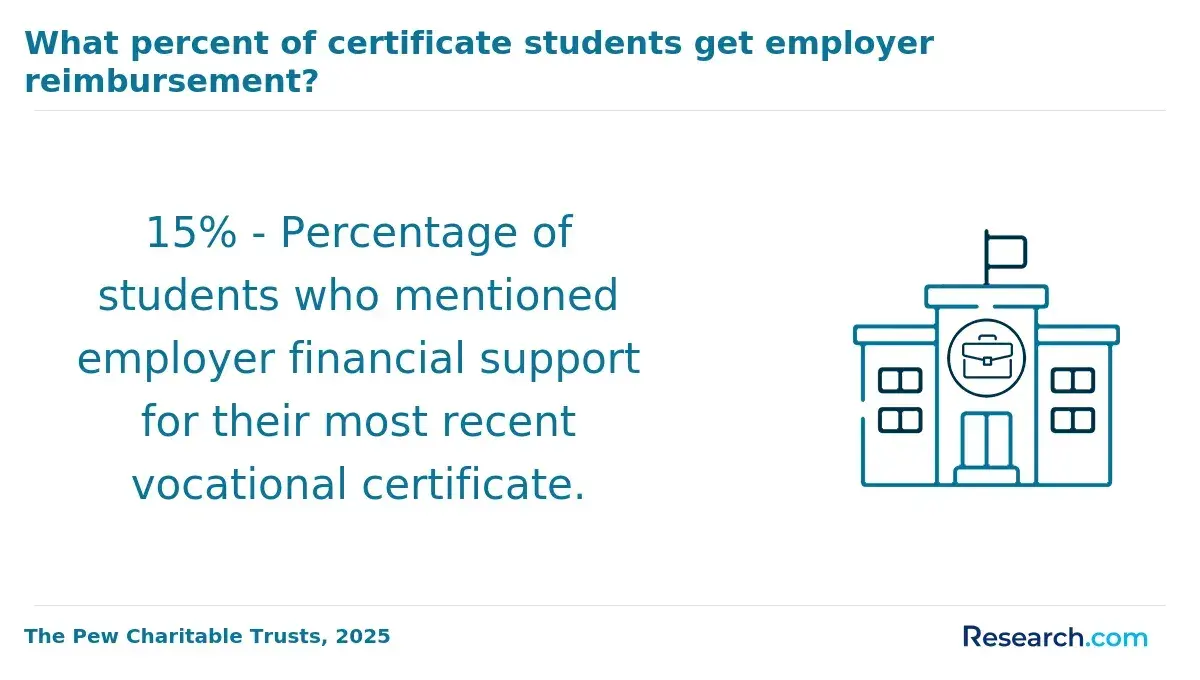
Students opting for unaccredited or narrowly accredited programs risk logistical hurdles such as denied internship eligibility, lost certification credits, and restricted employer tuition aid, all of which limit career pivot options. This is critical given the 20% growth in U.S. institutions awarding real estate degrees recently, which increases variability in program quality.
The best accredited real estate marketing degrees ensure both institutional and programmatic validation, supporting long-term career viability and reducing credential disputes. Prospective learners evaluating cost can also examine construction management degree cost for comparative financial insights.
What courses and skills are covered in a real estate marketing concentration curriculum?
Real estate marketing concentration courses and skills emphasize pragmatic market data analysis and client engagement strategies essential for competitive positioning in both residential and commercial sectors. Programs typically center on interpreting market research to uncover investment risks and opportunities, combined with digital marketing tactics tailored specifically to property sales and leasing. Among these skills, mastering consumer behavior segmentation and targeted messaging is invaluable for brokerage and development firms aiming to differentiate within increasingly fragmented markets.
The online real estate marketing curriculum topics extend beyond foundational marketing to include CRM software proficiency, GIS mapping, and analytical tools designed to integrate data-driven insights directly into campaign decisions. Such technical fluency, coupled with negotiation and communication training, reflects employer expectations for candidates who can manage end-to-end client relationships while navigating legal and ethical transaction standards. Given average annual tuition rates-$12,596 at public institutions versus $28,017 at private schools-evaluating return on investment is critical for students weighing graduate paths against potential job market gains.
Working professionals benefit from curricula that balance theory with real-world application through projects like handling actual listings or creating campaigns responsive to market cycles and interest rate fluctuations. For individuals seeking advanced credentials, pairing these marketing skills with programs such as an online PhD in healthcare management highlights cross-sector leadership opportunities beyond traditional real estate roles.
What are the typical admission requirements for online real estate marketing degree programs?
Admission requirements for online real estate marketing degrees often serve as a preliminary filter reflecting real-world academic and professional expectations rather than mere formalities. A high school diploma or equivalent is the baseline, but many programs expect either some postsecondary education or relevant experience to offset gaps in foundational skills. This is because programs that admit students with GPAs below 3.0 or without work exposure generally see higher attrition and struggle to maintain curriculum rigor aligned with market demands.
Applicants to bachelor's programs rarely face mandatory GRE or GMAT testing, yet master's level candidates encounter these exams more frequently, particularly when coursework emphasizes advanced analytics or digital marketing strategies. Missing prerequisite knowledge in areas like statistics or economics often necessitates additional bridging classes, which can delay program completion and increase costs.
Practical experience in sales, property management, or marketing adds significant value, signaling to admissions committees-and ultimately employers-a candidate's preparedness to integrate technology-driven approaches in real estate markets. Remote formats accommodate working professionals but require demonstrable time management skills and reliable technology access, factors often underestimated but critical for success.
International students face further hurdles such as language proficiency verification and credential evaluations. When applicable, background checks ensure alignment with regulatory standards tied to licensing or internships, imposing additional procedural layers before program entry. Each of these elements influences job readiness and long-term viability in a competitive field where digital fluency and compliance awareness are increasingly non-negotiable.
How long does it take to earn an online real estate degree with this concentration?
An online real estate degree with a marketing concentration demands careful consideration of time investment versus career trajectory. Associate degrees typically require two years full-time, whereas bachelor's programs extend to about four years, often preferred for roles like property and community association management, where a 10.3% job growth projection signals competitiveness and the necessity for specialized marketing skills.
Graduates targeting higher-growth roles - such as real estate appraisers and assessors, which have a projected 14.4% increase - gain a practical edge from combining marketing expertise with valuation competencies. However, part-time students, often working professionals, should anticipate extending completion to six years due to work-study balance and course availability constraints.
Students need to allocate significant effort to marketing components focusing on digital marketing, consumer behavior, and market analysis, which are essential for client engagement and business development in real estate sectors. Additionally, prerequisites in business fundamentals and region-specific licensing requirements can prolong the path, sometimes adding several months beyond degree completion.
Key tradeoffs include balancing a multidisciplinary curriculum against the reality of longer timelines and mandatory certifications. This pragmatic approach better prepares candidates to meet employer expectations and navigate the evolving real estate market landscape.
How much do online real estate marketing degree programs cost, and what aid is available?
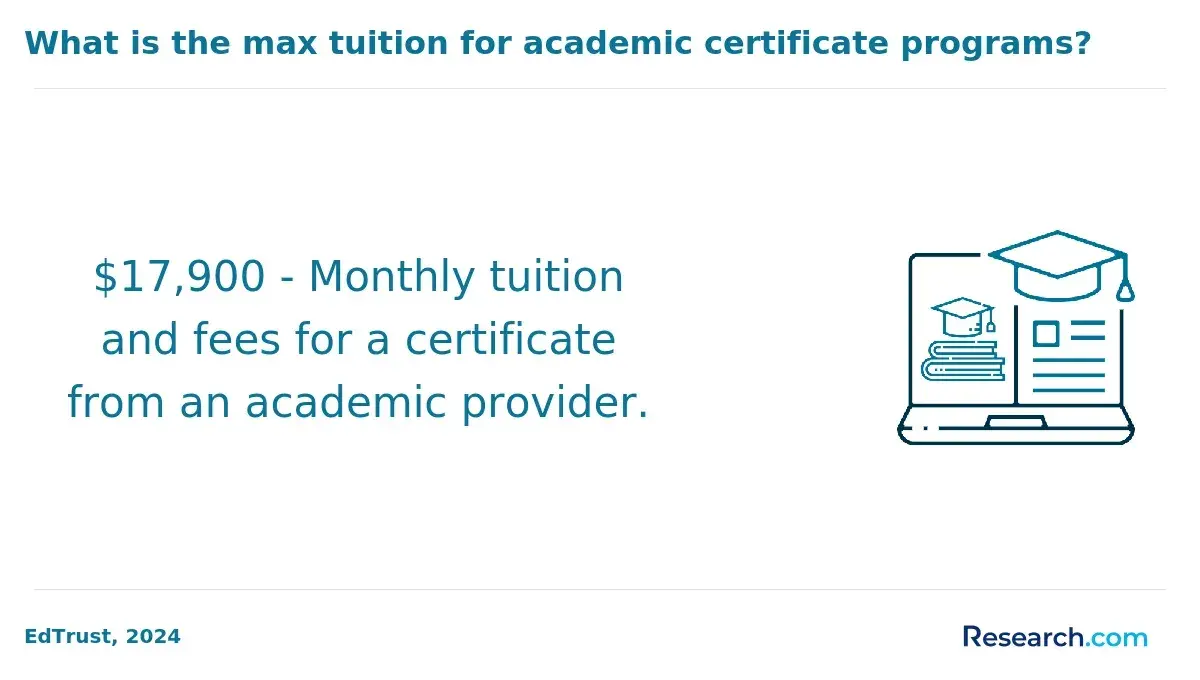
Choosing an online real estate marketing degree requires weighing tangible costs against realistic salary increments and market demand. Programs at public universities frequently fall between $10,000 and $20,000, presenting a cost-effective option especially for in-state students, whereas private institutions typically charge from $30,000 up to $40,000. Graduate concentrations usually cost between $20,000 and $35,000, often billed per credit hour ($300-$700), making total expenses contingent on course load and transferred credits.
Financial aid often influences affordability, including Pell Grants, Direct Loans, merit- or need-based scholarships offered through real estate industry groups, and employer tuition reimbursement aligned with organizational priorities. For working professionals, balancing a hybrid or extended program can maintain income flow while advancing credentials.
From a workforce perspective, marketing expertise within real estate correlates with median annual salaries around $79,000, roughly 50% higher than the general U.S. workforce and significantly above the roughly $48,690 median for sales agents. This wage premium reflects employer demand for candidates who combine marketing skills with real estate knowledge, underscoring the value of program transparency and local market connections.
Prospective students should analyze:
- Cost relative to expected income gains
- Financial aid accessibility
- Employer demand for marketing-savvy professionals
- Program flexibility to accommodate work commitments
These factors directly impact the feasibility and return on investment of pursuing real estate marketing education online.
What careers can you pursue with an online real estate degree focused on marketing?
Online real estate degrees with a marketing focus enable graduates to step into roles that blend data-driven strategy with property industry expertise. Positions such as real estate marketing specialist or digital advertising coordinator require mastery of digital marketing tools like SEO, PPC, CRM systems, and social media platforms. For instance, a marketing specialist at a brokerage might use analytics to identify high-value customer segments, reducing acquisition costs and directly influencing sales.
From a workforce perspective, online programs offer cost advantages-typically a 20-30% reduction compared to on-campus alternatives-due to lower tuition, no relocation needs, and the flexibility to keep working. Additional savings come from providers who include free e-texts, cutting annual textbook expenses by hundreds or thousands of dollars, which is significant for professionals balancing upskilling with financial and time constraints.
However, this pathway demands proactive engagement beyond coursework. The lack of on-campus recruitment channels means graduates must actively pursue internships, local networking, or industry forums to gain practical marketing experience, which is often a prerequisite for employer consideration. This networking hurdle is a key friction point that can affect the effectiveness of the degree in securing competitive roles.
Key considerations include:
- Balancing digital marketing proficiency with real-world exposure through internships or regional events
- Cost savings of online study offset by the necessity of self-driven practical experience acquisition
- Employers' growing insistence on demonstrated fluency in specialized tools and data analytics within real estate marketing
What is the salary potential and job outlook for real estate professionals in marketing roles?
Marketing roles in real estate show a clear divide between traditional skills and the rising demand for technical proficiency. Salaries vary widely-median annual earnings range from $55,000 to $90,000, with senior marketing managers in major urban markets earning over $110,000, according to the U.S. Bureau of Labor Statistics and industry salary reports from 2024. This disparity highlights the premium placed on expertise in digital marketing, proptech, and data analytics.
Employers now expect candidates to proficiently navigate CRM platforms, AI-based market analysis, and data-driven decision-making tools. For instance, an agent leveraging AI can fast-track lead qualification and improve conversion rates, directly impacting commission potential in highly competitive metropolitan markets. Conversely, professionals lacking these digital skills risk stalling in smaller firms that rely on traditional marketing approaches.
The 7% job growth projected through 2030 by the U.S. Department of Labor underscores expanding demand for these hybrid competencies, particularly in commercial real estate segments where tenant acquisition depends heavily on analytical rigor compared to residential marketing. Prospective candidates must weigh program curricula for integrated proptech training to sustain long-term employability and salary growth.
Key recruiter priorities include:
- Combining marketing fundamentals with technical aptitude in real estate-specific tools
- Ongoing investment in skills development focused on CRM and market analytics evolution
- Pragmatic assessment of market segment differences, such as residential versus commercial focus
How does an online real estate marketing degree support real estate licensing and certifications?
An online real estate marketing degree extends beyond basic licensing requirements, combining essential legal and financial knowledge with strategies that enhance client acquisition and competitive positioning. Licensing alone prepares candidates for regulatory compliance but often lacks training in digital marketing, market research, and client management-skills increasingly demanded by employers in dense metropolitan markets.
For instance, an agent licensed in residential sales who seeks a transition into commercial real estate will find that marketing-focused coursework offers practical negotiation tools and demographic targeting capabilities rarely covered in standalone licensing programs. This integration allows career pivots without the time and expense of separate degrees, positioning candidates more favorably in saturated labor markets.
Continuing education requirements by licensing bodies also align well with marketing concentrations, providing dual benefits: maintaining credentials and expanding expertise relevant to evolving workplace demands. Advanced certifications tied to marketing strategies or real estate development further differentiate professionals competing for management roles.
Early-career earnings data from BestColleges and CourseAdvisor demonstrate that real estate graduates with marketing competencies outperform peers holding only licenses, with higher lifetime income trajectories linked to managerial or developmental career paths. Yet, prospective students should weigh the increased upfront investment against market specialization benefits and personal career objectives.
- Licensing courses focus on compliance, while marketing degrees add practical sales and client growth tools.
- Marketing knowledge helps licensed agents transition between residential and commercial sectors.
- Marketing concentrations offer continuing education advantages and pathways to specialized real estate credentials.
Other Things You Should Know About Real Estate
Employers increasingly accept online real estate marketing degrees, especially when the program is regionally accredited and comes from a recognized institution. However, some traditional firms prioritize candidates from established, on-campus programs due to the perceived rigor and networking opportunities. For career pivots or roles that emphasize practical digital marketing skills within real estate, an online degree with strong project work can be equally competitive. Candidates should evaluate programs that offer real-world assignments and industry partnerships to offset any employer skepticism.
Online real estate marketing programs often demand higher self-discipline because coursework is asynchronous and requires independent motivation. The lack of scheduled in-person classes means students must balance deadlines with professional or personal obligations without direct supervision. This tradeoff favors self-starters but can hinder students who struggle with time management. When selecting a program, prioritize those with structured cohort models or regular live sessions if you need external accountability and peer interaction.
Students should weigh their career targets carefully: digital marketing expertise fits roles in online listings, social media campaigns, and lead generation, which dominate the current market, while traditional marketing skills like direct mail or networking remain valuable for local brokerage firms. Given industry trends, prioritizing programs that teach advanced digital platforms and data analytics improves long-term employability. However, combining both approaches offers the broadest flexibility, especially for careers requiring adaptability across varied market conditions.
References
- Real Estate | CTE Resource https://www.cteresource.org/career-clusters/marketing/real-estate/
- Real Estate Marketing Certificate Level 6 - UK Public College https://ukpubliccollege.co.uk/courses/real-estate-marketing-certificate-level-6/
- Deep Dive: Careers in Commercial Real Estate (Updated Nov 2025) https://www.adventuresincre.com/careers-in-real-estate/
- Do You Need a College Degree for Real Estate? The Truth About Real Estate Agents https://www.hommati.com/blog/do-you-need-a-college-degree-for-real-estate-the-truth-about-real-estate-agents
- Real Estate License Cost: How Much Are Real Estate Classes? https://www.360training.com/blog/real-estate-license-cost
- Digital Marketing for Real Estate Certificate https://www.ccis.edu/degrees/real-estate-digital-marketing-certificate
- Comprehensive Guide to Financial Aid for Real Estate School https://www.colibrirealestate.com/career-hub/blog/financial-aid-real-estate-school/
- How Much is Real Estate School Online? https://www.miamiherald.com/careers-education/how-much-is-real-estate-school-online/
- Guide to Online Real Estate Courses and Certificates | Teach.com https://teach.com/online-ed/short-courses/online-real-estate-courses/