2027 Online Real Estate Degrees With Strong Real Estate Finance Training

Co-Founder and Chief Data Scientist
Working professionals aiming to pivot into real estate finance often confront a critical barrier: finding programs that combine flexible scheduling with deep financial expertise without sacrificing career momentum. The National Center for Education Statistics reports a 12% increase in online enrollment among adult students last year, a shift driven by the need to balance work, family, and education. This trend underscores a growing demand for real estate degrees that deliver rigorous financial training through adaptable, technology-driven formats.
Understanding which online programs meet these specific career and learning criteria is essential for making an informed choice in a competitive market. This article evaluates online real estate degree options known for strong finance components, guiding readers toward choices aligned with career acceleration and educational accessibility.
Key Things You Should Know
- Programs emphasizing advanced real estate finance modeling see 22% higher employer demand per Burning Glass Technologies 2024, but often require steep prerequisites, limiting access for non-finance backgrounds.
- Employers prioritize candidates with combined real estate and quantitative finance credentials, pushing programs to integrate both; graduates lacking this hybrid risk slower career advancement per NAR workforce survey 2024.
- Online degree costs averaging $20K to $35K disproportionately affect mid-career pivots, as median real estate analyst salaries rise only 5% annually, per U.S. BLS 2024, challenging return-on-investment timelines.
What is an online real estate degree with a real estate finance focus?
Focusing an online real estate degree on finance prepares graduates for roles demanding rigorous financial analysis rather than transactional skills. Employers in development firms, investment trusts, and brokerage houses expect proficiency with financial modeling software, debt and equity financing structures, and deep familiarity with market cycles. This emphasis contrasts sharply with general real estate programs that often overlook these advanced quantitative skills.
Students in such programs develop expertise in navigating instruments like mortgage-backed securities, Real Estate Investment Trusts (REITs), and leverage strategies. This specialization is critical given that real estate brokers occupying finance-oriented positions can earn upwards of $176,850 annually at the 90th percentile, reflecting significant workforce demand and compensation for these competencies.
Graduates are also equipped to handle practical challenges such as underwriting commercial loans, structuring partnerships, and managing portfolio risk-skills essential for pivoting into asset management, financial advisory, or development finance sectors within real estate. However, these programs require substantial quantitative aptitude and commitment to coursework in economics, accounting, and financial analysis.
Prospective students should weigh the demanding nature of these programs against career benefits, including mastery of industry-standard financial software and continuous market evaluation. For those evaluating cost considerations, resources detailing how much does it cost to get a business degree online may provide valuable guidance. Overall, some of the best online degrees for real estate finance careers integrate practical skills with analytical rigor to meet real market expectations.
How do online real estate degrees compare with on-campus programs for finance training?
Choosing between online real estate finance training versus traditional campus programs requires weighing nuanced tradeoffs in educational depth and professional positioning. Online degrees deliver finance curriculum comparable in core content and quantitative rigor but lack the spontaneous interactions and live mentorship integral to mastering complex concepts like risk assessment. For example, working professionals pivoting to real estate finance benefit from the flexible pacing and immediate application opportunities online formats offer, enabling accelerated integration of finance theory into current projects.
Conversely, recent graduates targeting established real estate finance roles face stiffer competition without the embedded relationship capital and network effects prominent in on-campus settings. Employers increasingly prefer candidates with demonstrable collaboration skills and industry connections forged through immersive, in-person experiences.
Factors prospective students should critically evaluate include:
- Access to experiential learning and live faculty interaction
- Frequency and quality of industry networking opportunities
- Personal quantitative preparedness and capacity for self-directed learning
Online programs can approximate these benefits if supplemented through real-world internships or platforms that extend professional networks virtually. The 9% employment growth projection for financial analysts through 2032 reflects a robust labor market, but candidate differentiation hinges on navigating these educational tradeoffs effectively.
Those interested in further education pathways may explore a construction management online degree as a complementary specialization, expanding operational competencies alongside finance skills.
What types of online real estate degrees offer strong real estate finance preparation?
Choosing the right online real estate degree with comprehensive finance training requires aligning program depth with specific career outcomes. Bachelor's programs focused on real estate finance or finance with real estate concentrations equip students with essential financial modeling, capital markets, and property valuation skills. These form a practical foundation for entry-level roles such as asset management analysts or financial analysts, where familiarity with underwriting and portfolio management software is critical.
More advanced mastery is found in master's degrees, especially Master of Science in Real Estate Finance or MBA tracks specializing in real estate finance. Such programs develop expertise in investment structuring, risk assessment, and debt financing valuable for managing large commercial property portfolios. These skills correspond with higher employer expectations and median wages near $156,100 for top financial managers, per U.S. Bureau of Labor Statistics data.
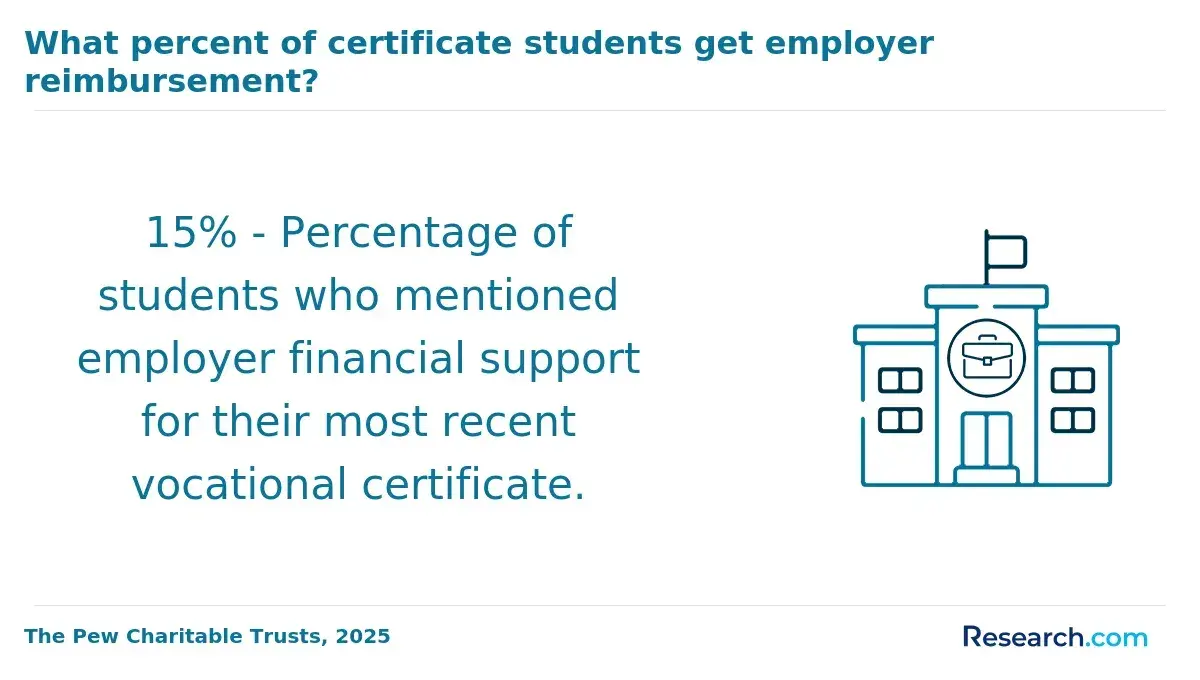
Tradeoffs must be considered: associate degrees and certificates lack the rigorous finance training necessary for leadership roles and thus limit earning potential and responsibility scope. Meanwhile, accessibility to internships and faculty expertise in real estate financial software impacts job readiness. For students weighing options, those seeking analyst roles might examine bachelor's in project management programs with real estate finance emphasis as a practical entry point.
Ultimately, degrees in real estate offering strong finance and investment courses provide decisive advantages in bridging academic preparation with actual employer demands within the dynamic commercial real estate finance sector.
How does accreditation affect online real estate and real estate finance programs?
Accreditation directly shapes employability and legitimacy in online real estate degree accreditation impact, serving as a critical filter for employers. In urban commercial real estate markets, hiring managers prioritize candidates with degrees from accredited programs because these credentials validate proficiency in finance principles such as cash flow analysis and risk assessment. For example, many broker or analyst roles require demonstrating competence through recognized academic standards; lacking accreditation can delay or block advancement.
Employers at regulatory agencies or lending institutions often mandate degrees aligned with licensing prerequisites, making accreditation a practical necessity rather than a formality. Furthermore, credits from non-accredited programs frequently don't transfer, limiting future educational flexibility and complicating pathways to certification. Candidates should evaluate whether programs include coursework supporting certifications like CCIM or RPA to minimize time-to-certification hurdles, an important consideration given the importance of accreditation for real estate finance programs.
Pragmatic decision-making involves confirming that the accrediting body is recognized by the U.S. Department of Education or CHEA. Students who ignore these steps risk lower salary ceilings and hiring obstacles that derive from credential skepticism. Balancing cost against these consequences is essential for those pursuing strategic career pivots in real estate.
For those comparing options, programs offering CAHIIM accredited him degree online exemplify how accreditation integrates into specialized career routes-a model illustrating the value distinct accreditation can add within competitive employment landscapes.
What core courses and finance topics are covered in online real estate curricula?
Programs awarding online real estate degrees must do more than cover theory; mastering finance-specific skills is essential to meet employer expectations in this sector. Graduates are routinely tasked with analyzing investment risks, conducting discounted cash flow assessments, and preparing pro forma financial statements-complexities that demand strong financial modeling and spreadsheet proficiency.
Core coursework typically includes property valuation, real estate law, and fundamentals of finance such as mortgage lending and risk management. Practical knowledge of amortization schedules aids residential financing roles, while commercial real estate careers require fluency with capitalization rates and net operating income calculations. Without these specific skills, candidates may struggle when negotiating financing or advancing beyond entry-level positions.
Online tuition averages around $11,000-$12,000 annually, with institutions like Liberty University offering competitive rates well below many traditional, campus-based business programs. This pricing advantage allows students to access relevant financial instruction while limiting debt burdens that can impede career pivots.
Students should also expect integrated training on regulatory compliance and data analytics, essential for roles such as underwriting loans and advising institutional investors. Graduates lacking these competencies face tangible challenges competing for advanced roles within brokerage, asset management, or development finance.
What are typical admissions requirements for online real estate finance degree programs?
Admission to online real estate finance degrees weighs both academic preparedness and practical alignment with industry expectations. Most programs demand at least a high school diploma, but applicants with associate degrees or college coursework in business, finance, or related fields gain faster entry and likely smoother progress. Admissions committees typically require transcripts that confirm proficiency in mathematics, economics, and accounting-skills essential for handling real estate finance's quantitative demands.
Applicants without a business background often face prerequisite coursework to bridge gaps before full enrollment. Some programs request standardized test scores such as the SAT or ACT, although test-optional policies are increasingly common to broaden candidate pools. For working professionals, maintaining a minimum GPA around 2.5 to 3.0 is a frequent standard. Letters of recommendation and personal statements targeting real estate finance career goals further influence admission decisions, signifying evaluators' interest in candidates' critical thinking and alignment with sector needs.
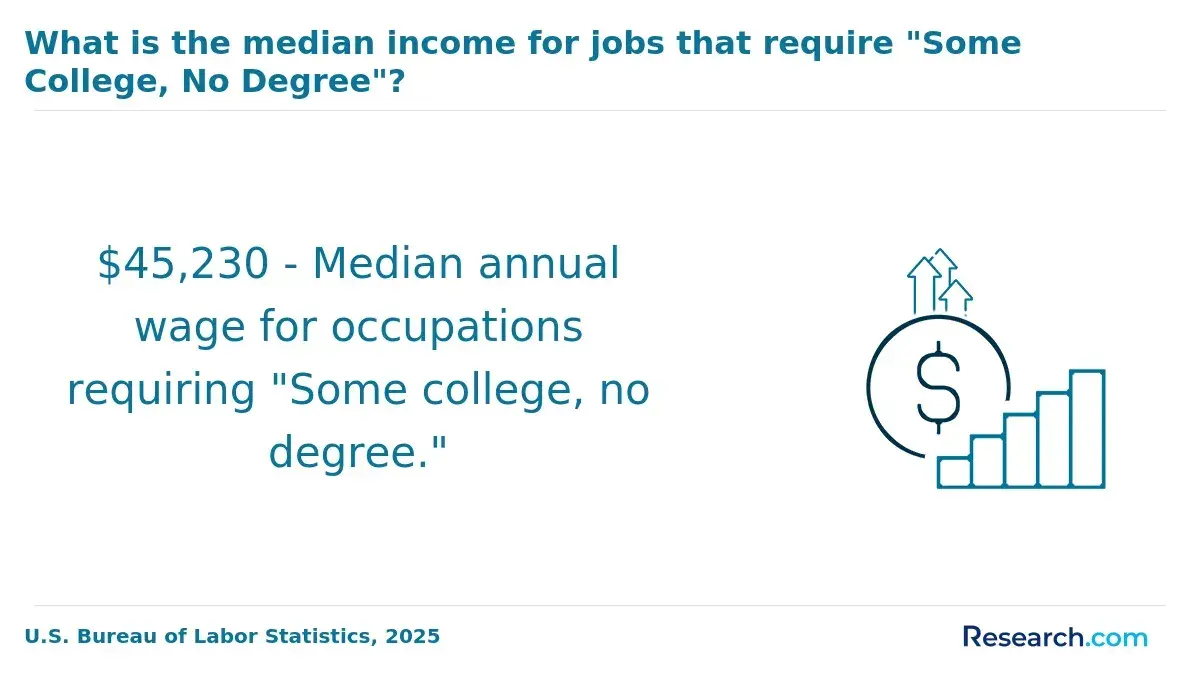
Choosing a pathway without requisite business foundation can delay entry and reduce earnings potential early on. In practice, bachelor's degree holders in business-related disciplines earn median weekly wages of $1,610, a roughly 65% premium over the $975 earned by high school graduates, according to U.S. Bureau of Labor Statistics data. These figures reflect the tangible advantage of meeting admissions benchmarks and completing an accredited degree focused on employer-valued competencies.
How long do online real estate finance degrees take and what do they cost?
Choosing an online real estate finance degree requires weighing time, cost, and curriculum rigor against specific career goals in a competitive job market. Completion times vary widely: associate degrees take about two years, bachelor's degrees three to four years, and master's programs usually one to two years full-time. Part-time or accelerated schedules offer flexibility but may extend duration and affect the depth of learning.
A mid-level property analyst seeking transition into real estate finance, for example, might opt for a three-year part-time bachelor's program costing approximately $25,000. Such a choice balances ongoing employment with skill acquisition but demands discipline and may limit immersion in complex topics. Employers prioritize candidates with strong financial modeling and investment analysis capabilities-skills often absent from cheaper, expedited programs.
Tuition dominates overall expenses, ranging from $10,000 to over $50,000 depending on degree level and institution prestige. Additional costs for fees and learning materials add roughly 10-20% more. Educations.com data notes 248 global programs encompassing fully online and blended formats, reflecting growing demand for adaptable learning environments. Students should rigorously assess cost-to-duration ratios, curriculum specificity, and post-graduation ROI, focusing on applied real estate finance knowledge rather than general business principles to ensure workforce relevance and sustainable career progress.
What real estate and finance careers can you pursue with these online degrees?
Specialized online real estate degrees with integrated finance training prepare graduates for roles demanding advanced financial modeling, data interpretation, and market valuation-skills essential for positions such as real estate financial analyst, asset manager, or portfolio manager. For example, a graduate working as a real estate finance analyst at a commercial bank must evaluate borrower creditworthiness using predictive models developed through targeted coursework, illustrating the practical emphasis on analytics embedded in programs like the Bachelor of Science in Business Administration & Data Analysis.
This analytical rigor offers a marked competitive advantage over general real estate degrees, which often lack quantitative depth. However, the discrepancy between academic frameworks and industry-standard tools-such as Argus and Excel VBA-means newly minted graduates must pursue supplementary certifications or training to bridge workflow proficiency gaps employers expect.
Development firms and REITs increasingly demand professionals capable of leveraging big data and financial theory to inform acquisition strategies, risk management, and asset repositioning efforts. Conversely, professionals transitioning from operational or sales backgrounds without this technical foundation tend to experience slower progression due to missing competencies vital for value optimization in finance-centric roles.
Prospective students should weigh the tradeoff between comprehensive analytics training and the necessity for additional software skills alongside the inherent market value of such degrees within finance-heavy real estate career paths.
What salaries and job outlook can graduates with real estate finance training expect?
Starting salaries for graduates trained in real estate finance typically hover near $60,000 but vary significantly by region and role, with some entry-level financial analysts in investment firms earning about $58,000 and commercial real estate brokers with experience exceeding $75,000. Within five to seven years, compensation can rise beyond $100,000, especially in metropolitan areas where market dynamics accelerate wage growth, albeit sometimes requiring relocation or flexible work arrangements.
Employers prioritize candidates who combine real estate knowledge with practical financial modeling and industry-standard software skills like ARGUS and CoStar. Lacking such competencies often slows career progression despite foundational education. Supplementing a degree with certifications like CFA or CCIM can improve employability and foster advancement amid competitive hiring.
Cost-conscious candidates may consider accredited online degree programs that balance curriculum depth with affordability; for instance, Louisiana State University offers an online B.S. in Finance with a Concentration in Real Estate costing $36,661 or $9,165 if maximum credit transfers apply, making it a pragmatic option for students prioritizing budget without sacrificing core competencies.
This field demands ongoing learning to keep pace with regulatory changes and financial innovation. Graduates must weigh upfront educational investment against long-term earning potential influenced by location, skillset, and industry specialization to build sustained career momentum.
How can you choose a reputable online real estate degree with strong finance training?
Selective admissions and rigorous curriculum remain the strongest indicators of value in online real estate degrees with finance emphasis. Programs like Georgetown University's master's in real estate demonstrate this through a 94% graduation rate and 14% acceptance rate, signaling both academic challenge and student commitment. For professionals targeting complex market roles-such as commercial mortgage-backed securities analysis or REIT portfolio management-depth of finance training within the curriculum matters more than breadth.
Practical tools and industry-standard applications, including Argus and Excel-based financial modeling, must be integrated to develop competencies beyond theory. Graduates successful in this field generally navigate nuanced regulatory environments and capital markets with fluency, a skill set that broadly separates candidates during hiring in competitive urban commercial real estate sectors.
The decision between part-time and full-time study has direct implications on income continuity and skill acquisition. Programs offering flexible schedules alongside dedicated career advising specializing in real estate finance reduce dropout risk and better align with working professionals' realities. Without such support, balancing coursework and employment often delays completion or erodes financial stability.
Prospective students are advised to prioritize data transparency on graduate employment and program selectivity over flashy branding, ensuring an education that closely matches hiring market expectations and real-world financial decision-making.
Other Things You Should Know About Real Estate
Employers increasingly recognize online real estate finance degrees if they come from accredited institutions with rigorous curricula. However, graduates should expect stronger scrutiny regarding real-world experience and demonstrated skills since some employers weigh traditional degrees more heavily for entry-level roles. Prioritizing programs with substantial practical components, such as internships or case-based projects, increases your credibility in the job market.
Shorter certificate programs offer quicker entry and lower cost but typically lack depth in finance theory and quantitative skills that employers expect for advanced roles. Full degree programs require more time and investment but provide comprehensive finance training and better long-term career mobility. When planning a strategic pivot, full degrees are preferable for roles demanding financial modeling and investment analysis.
Online real estate finance degrees often demand comparable workload to on-campus programs with heavy quantitative coursework and project deadlines. Students should allocate consistent weekly study hours and be prepared for finance software and case studies requiring independent analysis. Underestimating the time commitment risks poor grades and missed career opportunities, so adjusting work and personal schedules proactively is critical for success.
References
- NAIOP Learning: Basic Real Estate Finance Course https://learn.naiop.org/products/basic-real-estate-finance-course
- Best Real Estate Investing Courses (2026) - Bankers By Day https://www.bankersbyday.com/real-estate-investing-courses/
- REIA Homepage https://reia-edu.com/
- Why Real Estate Finance is one of the smartest career choices today https://advantere.org/real-estate-finance-smart-career-choice/
- Online Master’s in Real Estate Degree Programs https://www.onlineeducation.com/business/masters-in-real-estate-programs
- Online Real Estate Short Courses https://www.getsmarter.com/subject-matter/real-estate
- Guide to Online Real Estate Courses and Certificates | Teach.com https://teach.com/online-ed/short-courses/online-real-estate-courses/
- Real Estate Finance Certified Course | MREI https://www.mrei.co.uk/certifications/real-estate-finance-certification
- Certified Real Estate Project Development and Financing Manager (CRD) https://charteredcertifications.com/learning/courses/crd-live