2027 Best Online Real Estate Programs for Professionals Seeking Appraisal Careers

Co-Founder and Chief Data Scientist
Many aspiring appraisers face a critical crossroads: how to maintain full-time work while acquiring the specific licensure and skills that meet stringent state requirements. With over 50% of adult learners enrolling in online programs according to the National Center for Education Statistics, flexibility in timing and pacing has become a pivotal factor when selecting appraisal training. This reflects broader workforce shifts that prioritize adaptable credentials alongside hands-on competencies, especially as regulatory standards evolve.
Navigating this balance demands clear insight into program rigor, real-world applicability, and employer expectations. This article evaluates top online real estate programs designed to equip professionals with the knowledge and credentials needed for appraisal careers, focusing on their practical value and strategic fit.
Key Things You Should Know
- Online appraisal programs averaging 600 hours often omit face-to-face exposure, resulting in 18% slower job placement rates per 2024 National Association of Realtors workforce data, indicating a tradeoff between speed and in-person networking.
- Employers prioritize candidates with hands-on field experience, with 72% of surveyed appraisal firms in a 2025 Appraisal Institute report rating practical training as a top hiring filter, affecting graduate employability despite online credentials.
- Cost disparities of 40% between accredited versus non-accredited online programs directly influence long-term licensure timing, since lower-cost pathways frequently require longer study periods according to 2024 Higher Ed Finance Board statistics.
What are the best online real estate programs for professionals pursuing appraisal careers?
Choosing the best online real estate appraisal programs for professionals demands careful consideration of regulatory alignment and practical experience components. Employers increasingly prioritize candidates skilled not only in valuation principles but also in modern appraisal software and data analytics. For instance, commercial appraisal candidates must engage with curricula emphasizing income capitalization and market analysis, whereas residential-focused students benefit from training in sales comparison and property inspection techniques.
Licensure requirements differ by state, so programs offering customizable course paths or credit transfer options aligned with specific state mandates can significantly reduce time-to-licensure. Balancing flexibility with hands-on opportunities is critical; fully asynchronous formats may suit working professionals but often limit mentorship and local field experience. Hybrid models incorporating live sessions or internships offer greater exposure and networking benefits, enhancing employment prospects.
Given the U.S. Bureau of Labor Statistics projects a 5% employment growth for property appraisers and assessors from 2022 to 2032, selecting a program that integrates real-world case studies or internships can help bridge academic knowledge with employer expectations. Prioritizing programs from regionally accredited universities meeting state appraisal board standards ensures eligibility for required experience hours and exams. Those weighing top online courses for real estate appraiser careers should also consider complementary pathways such as an online degree business administration to broaden competitive skills across valuation and business disciplines.
How do online real estate appraisal programs work and what formats do they use?
Online real estate appraisal programs balance flexibility with rigorous state licensing requirements through asynchronous coursework combined with required synchronous sessions or exams. Core lessons utilize video lectures, interactive case studies, and digital simulations that challenge students with realistic scenarios such as commercial property valuation and residential market analysis. These programs deliver critical modules on appraisal principles, market analysis, and report writing while leveraging software platforms that simulate industry-standard tools, allowing working professionals to meet credit or contact hour minimums without full-time campus attendance.
Formats and structures commonly used in online real estate appraisal training include fully self-paced, cohort-based virtual classes, and hybrid approaches with in-person workshops. Each has distinct operational tradeoffs: self-paced suits disciplined learners with appraisal background but limits peer interaction, whereas cohort programs strengthen skill mastery through instructor feedback on topics like highest and best use analysis. Hybrid formats provide practical mentorship but demand more time and travel.
Practical field experience remains a licensing prerequisite and poses logistical challenges, as students must secure supervised hours independently. Programs aligned with professional bodies such as the Appraisal Institute improve licensure portability and employer recognition, a significant factor in metropolitan commercial appraisal sectors. Rural learners may prefer fully online tracks but must proactively arrange field supervision.
Prospective students should weigh these variables against their professional goals and constraints. For those exploring career pivots or advancement, understanding how online real estate appraisal programs deliver flexible learning options will clarify the path. Comparing program structures alongside practical requirements helps anticipate workforce expectations and licensing timelines. More broadly, the choices echo similar considerations faced in other fields, exemplified by the best online accelerated project management degree pathways that emphasize flexible, outcome-focused training models.
What education and licensing are required to become a real estate appraiser?
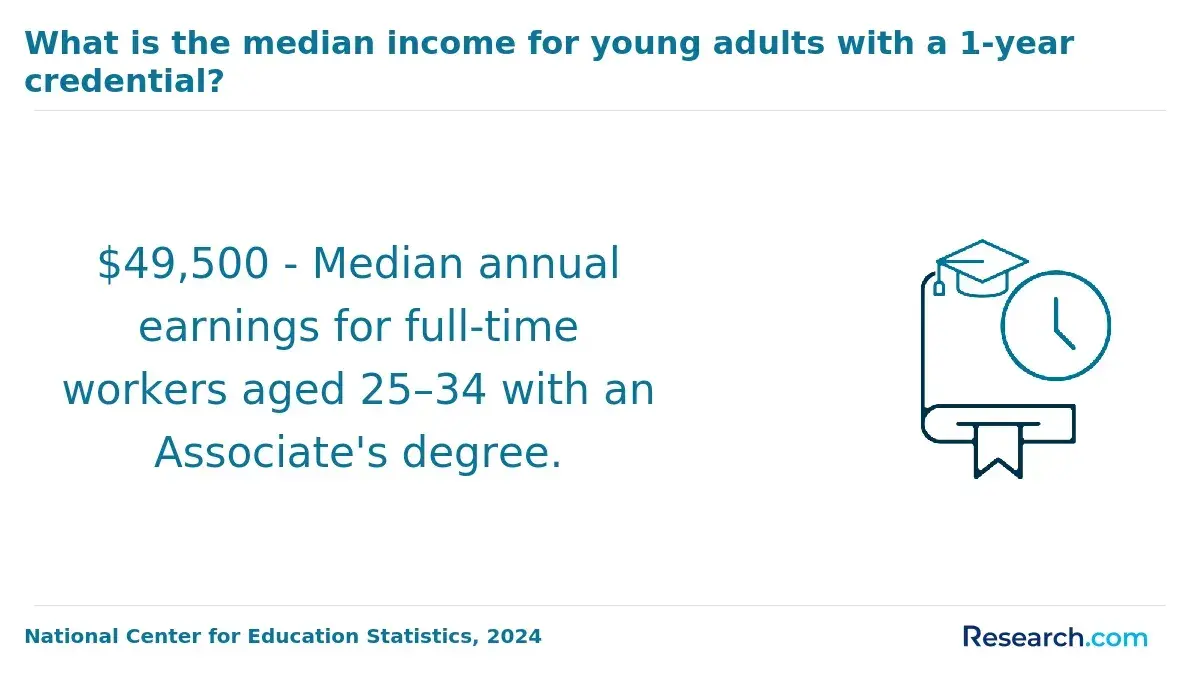
Securing a real estate appraiser license requires navigating a tightly regulated process with significant variation by credential level, mandating a blend of targeted education, hands-on experience, and exam success. Candidates pursuing the education and licensing requirements for real estate appraisers must commit to 75 to 300 hours of coursework, depending on the license tier, alongside 1,000 to 3,000 hours of supervised appraisal work. For example, becoming a licensed residential appraiser generally involves 150 classroom hours plus at least 1,000 hours of field experience, while certified general appraisers face steeper demands including a bachelor's degree and 3,000 hours over 18 months.
How to become a licensed real estate appraiser is influenced by these escalating prerequisites, with residential roles focusing on simpler property types and requiring less experience, while commercial appraisal necessitates deeper expertise and more extensive regulation. Failure to maintain continuing education and complete periodic license renewal can abruptly interrupt professional momentum.
Compared to other career pivots - such as those requiring project management skills - appraisers must anticipate the financial and temporal costs tied to supervised hours and state exams. Interested individuals may also consider whether is project management a good degree for broadening their professional options beyond appraisal roles.
The U.S. Bureau of Labor Statistics data show median pay around $62,000, with top earners exceeding $110,000, reflecting a clear income tradeoff against upfront educational investment. This pathway demands deliberate planning to sequence education, accrue supervised experience without income gaps, and pass rigorous testing that emphasizes both technical and ethical standards within the market.
How do I verify accreditation and state approval for online appraisal programs?
Programs lacking both verified accreditation and clear state approval frequently result in unexpected hurdles such as delayed licensure or outright rejection by employers and regulatory boards. To reliably verify state approval for online appraisal programs, begin by confirming accreditation status of online real estate appraisal courses through recognized U.S. Department of Education agencies or the Council for Higher Education Accreditation (CHEA). However, meeting accreditation alone is insufficient; each state's appraisal board enforces unique approval criteria that must be individually confirmed. For example, aspiring appraisers targeting licensure in California or Texas should consult those states' licensing boards directly to ensure the chosen program is listed as compliant.
Due to the proliferation of over 30 online appraisal courses nationwide, flexibility is greater but practical alignment with state-specific mandates varies widely. Some offerings focus predominantly on theory without integrating required supervised experience or state-mandated content, complicating actual licensure progress.
Before enrollment, students should:
- Cross-check course approval within their state's official appraisal board catalogs.
- Verify that providers supply documented proof of course completion accepted by licensing bodies and employers.
- Clarify if mentorship or practical experience requirements are included or if these must be pursued independently.
Failure to perform these checks can incur costly delays and denials of licensure, especially in states with stringent educational oversight. Those evaluating a strategic real estate pivot may also explore complementary credentials, such as pursuing a PhD in healthcare management, to diversify professional qualifications and enhance market positioning.
What types of real estate degrees and certificates lead to appraisal careers?
Choosing an educational path in real estate appraisal hinges on balancing time, costs, and credential requirements dictated by state licensing boards. Associate's and bachelor's degrees in Real Estate, Finance, or Business Administration offer foundational knowledge critical for appraisal roles, especially in market analysis and property law. However, these degrees often require longer completion times and may include coursework exceeding minimum licensing criteria.
In contrast, state-approved certificate programs focus narrowly on appraisal principles, ethics, procedures, and licensing requirements, aligning more precisely with the Appraisal Qualifications Board's (AQB) minimum education standards for trainee or licensed appraisers. This flexibility suits professionals shifting from related fields such as sales or finance, especially when combined with programs that integrate online coursework and supervised field experience.
Professional realities mean completing required supervised hours often limits rapid credentialing; candidates must carefully consider programs offering practical mentorship networks to avoid delays in logging experience. For example, working adults without ready access to certified appraisers might struggle without these connections.
Advanced designations like Certified Residential or General Appraiser certifications demand further education and extensive fieldwork beyond initial degrees or certificates, with some states requiring in-person instruction for certain advanced credits.
- Employers emphasize verifiable licensing and demonstrable field experience over purely academic credentials.
- Program choice should weigh local licensing rules, training duration, cost, and career focus areas.
- Integrating online education with practical field opportunities offers the most efficient route for many candidates.
What core courses and skills do online real estate appraisal programs teach?
Effective appraisal education centers on developing technical proficiency with valuation methods-sales comparison, cost, and income capitalization-that vary significantly between residential and commercial properties. Commercial appraisals weigh income potential more heavily, while residential valuations depend on localized market trends and recent comparable sales. This distinction impacts how students prioritize learning and apply practical tools in the workforce.
Licensure and ongoing compliance require deep familiarity with USPAP standards and federal/state regulatory frameworks. These are operational imperatives, not optional curriculum components, directly affecting career mobility and risk exposure. Students must also master data analysis and industry software; employers expect fluency in digital platforms that streamline workflow and support compliance documentation.
Nearly all continuing education courses are delivered online, imposing a discipline that balances remote learning with fieldwork and client engagement. This hybrid workflow simulation helps bridge theoretical knowledge with on-the-ground appraisal challenges.
Key professional skills include effective communication tailored to stakeholders such as lenders and government agencies, alongside navigating state-specific licensing processes that can delay or complicate progression. Ethical training addresses conflict-of-interest risks, a vital factor in maintaining credibility and employer trust.
- Distinct commercial vs. residential appraisal approaches influence curriculum and job readiness.
- Regulatory knowledge and software proficiency are mandatory for licensure and employment.
- Online learning demands self-management to integrate theory with practice effectively.
- Ethics and compliance understanding directly affect long-term career resilience.
How do online real estate appraisal programs compare with campus-based options?
Choosing between online and campus-based real estate appraisal training hinges on balancing operational flexibility against in-person engagement opportunities. Campus programs provide face-to-face mentorship and local market immersion, which can benefit students focused on networking and regional specialization. However, their fixed schedules and on-site demands often clash with the realities of professionals managing multiple client deadlines and inspections.
In contrast, online appraisal courses excel at asynchronous delivery, allowing learners to integrate evolving software skills-such as automated form-filling and advanced data analytics-into live assignments. This practical software fluency is increasingly prioritized by employers, evidenced by the McKissock 2024 guide showing top appraisal platforms can halve report-writing time through automation.
For appraisers working across residential, commercial, and industrial properties, immediate access to up-to-date software simulations through online programs promotes continuous skill refinement absent in traditional settings. Campus labs may offer software exposure, but without integrated, real-time application, graduates may face delayed workforce readiness.
- Campus programs favor those valuing direct faculty contact and in-person mentorship.
- Online options suit those prioritizing workflow efficiency and technology proficiency.
- Employer preference trends indicate higher marketability for candidates demonstrating modern software integration.
What are the typical costs, financial aid options, and time to complete these programs?
Online appraisal education costs typically fall between $1,200 and $4,500, shaped by credit hour requirements, program prestige, and included exam prep. Prospective students must weigh lower-cost, self-paced options against more expensive programs offering mentorship or deeper professional networking, a significant determinant in employability after certification.
Federal financial aid rarely supports certificate-level appraisal courses, limiting funding routes for many learners. Exceptions exist when coursework integrates into accredited bachelor's or master's degree tracks that qualify for federal loans and grants. Alternatives include employer tuition assistance and industry scholarships, which play an important role for working professionals. Military-connected individuals may access benefits like the GI Bill, providing an additional funding stream.
Completion timelines vary: accelerated online-only paths can conclude in 3-6 months, suitable for those prioritizing speed to licensing, but often at the expense of practical experience. More comprehensive hybrid programs that include internships or fieldwork extend from 9 to 12 months, aligning better with employer preferences for verified on-the-job training.
Employers increasingly expect candidates to present both formal education and documented field hours. Online programs rarely deliver this combination independently, so candidates must seek mentorship or supervisory engagement post-coursework to fulfill licensing board criteria and improve job prospects.
- Financial tradeoffs between program cost and professional networking opportunities
- Limited federal aid outside degree-linked appraisal tracks
- Time-to-completion impacting hands-on experience and market readiness
- Necessity of supplementary mentorship or internships for licensing and employability
What appraisal career paths, advancement options, and work settings can graduates expect?
Choosing between residential and commercial appraisal education shapes not only your career trajectory but also your earning potential and work environment. Residential appraisers often start with lender-ordered assignments, gaining experience before advancing to supervisory roles within smaller firms or banks. In contrast, commercial appraisers enter focused markets like income-producing properties or corporate asset valuations, often requiring designations such as MAI and leading to senior advisory or consultant positions involving complex portfolios and institutional investors.
Work conditions diverge: residential appraisers usually operate independently or in small local firms, while commercial appraisers typically collaborate in larger firms or government agencies, balancing remote work with team responsibilities. Notably, commercial valuation assignments command higher fees per project, which parallels the need for advanced analytical and management skills.
Licensing and supervised experience hours vary by state, commonly requiring 1,500-3,000 hours over 18-30 months. Selecting programs aligned with state mandates and licensing pathways-Certified Residential or Certified General-streamlines entry and career progression.
Long-term success hinges on ongoing education and tech integration, like automated valuation models and GIS systems, especially for commercial work. Graduates must weigh the tradeoff between high-volume residential work and fewer but higher-value commercial projects demanding specialized expertise. Effective career decisions require evaluating local market demands alongside individual capacity for specialization and client engagement.
What salaries and job outlook can real estate appraisal professionals anticipate in the U.S.?
Appraisal professionals targeting sustainable careers must navigate regional demand variation and credentialing complexity to remain competitive. Median annual salaries approach $63,000 nationally, with top-tier earners-often in urban commercial sectors-exceeding $100,000. Job growth at 7% through 2032 exceeds the average for all occupations, driven by persistent needs in lending, taxation, and capital markets for precise valuations.
Practical career progression depends heavily on strategic educational investment aligned with state licensure requirements. The 2024 Maryland Department of Labor report confirms a growing network of approved online continuing education providers, offering flexibility for working professionals to maintain or upgrade credentials without disruption. For example, residential appraisers in less dynamic suburban markets may face slower income growth, while those with advanced certifications in complex commercial or industrial valuation command premium fees.
Employers prioritize candidates with rigorous, credential-backed training in appraisal methodologies, compliance, and data analysis due to increased market complexity and technological integration. Professionals considering career shifts should weigh upfront education costs against steady income potential and geographic opportunity concentration.
- Median salary near $63,000, top earners over $100,000
- 7% job growth projected through 2032, faster than average
- Online continuing education increasingly accessible for licensure maintenance
- Urban commercial appraisers typically secure higher earnings than suburban residential
Other Things You Should Know About Real Estate
In 2027, both practical experience and formal coursework are crucial for a successful appraisal career. Online programs often integrate fieldwork and practical assessments, allowing professionals to gain real-world insights, which are essential alongside theoretical knowledge to meet industry standards and enhance employability.
Balancing online learning with appraisal fieldwork requires strong time management since field assignments often involve irregular schedules and travel. Students who underestimate this workload risk delayed program completion or poor-quality reports. Programs offering flexible pacing and clear fieldwork guidelines help mitigate these conflicts, making those options more suitable for working professionals.
Program reputation matters primarily within local markets and among certain employers, but licensure and experience remain more critical for job placement. Choosing a well-established, state-approved program can facilitate smoother licensing processes and alumni network benefits, but overinvesting in name recognition at the expense of hands-on training or state compliance is not advisable. Prospective appraisers should prioritize programs with proven licensing pass rates and strong connections to local appraiser communities.
Yes, because ongoing changes in appraisal standards and technology necessitate frequent updates to skills. Selecting initial programs that offer pathways to specialized continuing education or updated certifications improves career adaptability and compliance with evolving state requirements. It is advisable to choose programs affiliated with organizations committed to ongoing professional development rather than one-time certifications.
References
- Real Estate Appraisal & Valuation https://www.nar.realtor/appraisal-valuation
- Appraisal Institute Become an Appraiser https://www.appraisalinstitute.org/the-appraisal-profession/become-an-appraiser
- Practicum https://appraisalfoundation.org/pages/practicum
- 162 Hours of Appraisal QE in the Virtual Classroom | Champions School https://www.championsschool.com/resources/career-hub/appraisal-virtual-classroom/
- Colleges That Offer Complete Financial Aid https://www.collegeessayguy.com/blog/colleges-that-offer-complete-financial-aid
- 8 Examples of Career Pathways for Aspiring Professionals - ICMS https://www.icms.edu.au/degree-discovery/8-examples-of-career-pathways/
- Real Estate Appraiser Course | Stratford Career Institute https://www.scitraining.com/real-estate-appraiser
- How To Become A Real Estate Appraiser | Become With Lantern https://www.learnhowtobecome.org/real-estate-appraiser/
- Appraiser Definition: What Is a Real Estate Appraisal? https://www.360training.com/blog/real-estate-appraiser
- Catalog 2025-2026 https://www.westvalley.edu/catalog/courses/real-estate/rlst094c.html