2027 Best Online BBA in Real Estate for Property Management Leadership

Co-Founder and Chief Data Scientist
Real estate professionals aiming for leadership in property management face a critical hurdle: securing advanced credentials without sacrificing ongoing job responsibilities. Nearly 60% of adult learners enroll part-time or online, according to the National Center for Education Statistics, a reflection not only of rising work commitments but also of the need for flexible timing in a sector driven by fluctuating market demands.
Meanwhile, employers increasingly prioritize candidates with targeted bachelor's degrees that combine practical knowledge with strategic management skills-making in-person programs less viable for many. This article evaluates top online BBA options geared specifically to property management leadership, providing actionable guidance to balance career progress with educational accessibility.
Key Things You Should Know
- Real Estate BBA graduates face a 12% wage premium when combining leadership-focused curricula with property management certifications, but sacrificing specialized technical electives may reduce niche market competitiveness, according to 2024 National Association of Realtors workforce data.
- Employers emphasize integrated data analytics and sustainable asset management skills post-2024 MSCI reports, prompting programs emphasizing these proficiencies to yield 27% higher job placement rates in real estate firms.
- Programs extending beyond 4 years to incorporate experiential internships increase median early-career salaries by 15% but add $18,000 in opportunity costs, a critical tradeoff for mid-career professionals pivoting under current economic conditions.
What is an online BBA in real estate with a property management focus?
An online BBA degree in real estate property management leadership targets the intersection of business administration and sector-specific expertise, addressing regulatory complexity alongside operational demands. Graduates typically manage diverse property types, such as balancing lease negotiations and maintenance budgets in mixed-use commercial environments or optimizing tenant retention in multi-family residential settings.
The distinct challenges of each portfolio require fluency in market trends, legal frameworks, and management strategy. Career outcomes hinge on combining practical skills with specialized knowledge. Employers in property management prioritize candidates who demonstrate competence in financial analysis, tenant relations, and asset oversight.
With a median annual salary of $63,440 for property, real estate, and community association managers, and top earners exceeding $145,530, this pathway can yield a competitive compensation profile. However, regional market variations significantly influence job availability and salary ceilings, underscoring the importance of aligning program choice with local industry conditions.
Students should anticipate curriculum components such as property valuation, leasing strategies, and operations management, coupled with essential communication and negotiation skills critical for stakeholder engagement. Those weighing program options could benefit from exploring online business degree programs accredited to ensure curriculum rigour and recognition.
Overall, selecting the best online real estate management programs for property leadership demands careful consideration of practical applicability against personal and regional workforce goals.
Who should consider an online BBA in real estate for property management leadership?
Advancing into leadership roles in property management demands more than on-the-job experience; an online BBA in real estate for property management leadership offers targeted expertise in financial analysis, tenant relations, and regulatory compliance. Professionals seeking leadership roles in real estate property management benefit most, as the curriculum prepares them to manage complex portfolios and navigate legal frameworks.
For instance, a property manager aiming to transition into community association leadership needs the specialized skills this degree provides to optimize operational workflows. Individuals aiming for advanced online education in real estate management careers, especially those switching from related fields like hospitality or business, gain essential foundational knowledge for managing mixed-use properties.
Employers prioritize practical competencies such as budgeting, contract negotiation, and team leadership, which are core parts of these programs. Employment projections indicate a 5% growth for property, real estate, and community association managers through 2032, intensifying competition for senior roles.
As a result, formal credentials that combine domain expertise with business management are increasingly valued. Prospective students should critically assess program rigor, ensuring courses cover property law and real estate finance, and should confirm experiential learning opportunities to enhance real-world readiness.
The online format alleviates logistical barriers for working adults but demands careful balancing of time and program intensity. Those managing multiple properties benefit most because the degree equips them with tools to meet operational and financial performance targets. For those weighing degree options alongside comparable pathways, consider also exploring the best online construction management degree, which may offer alternative routes within property-related leadership.
How does an online BBA in real estate compare to a campus-based program?
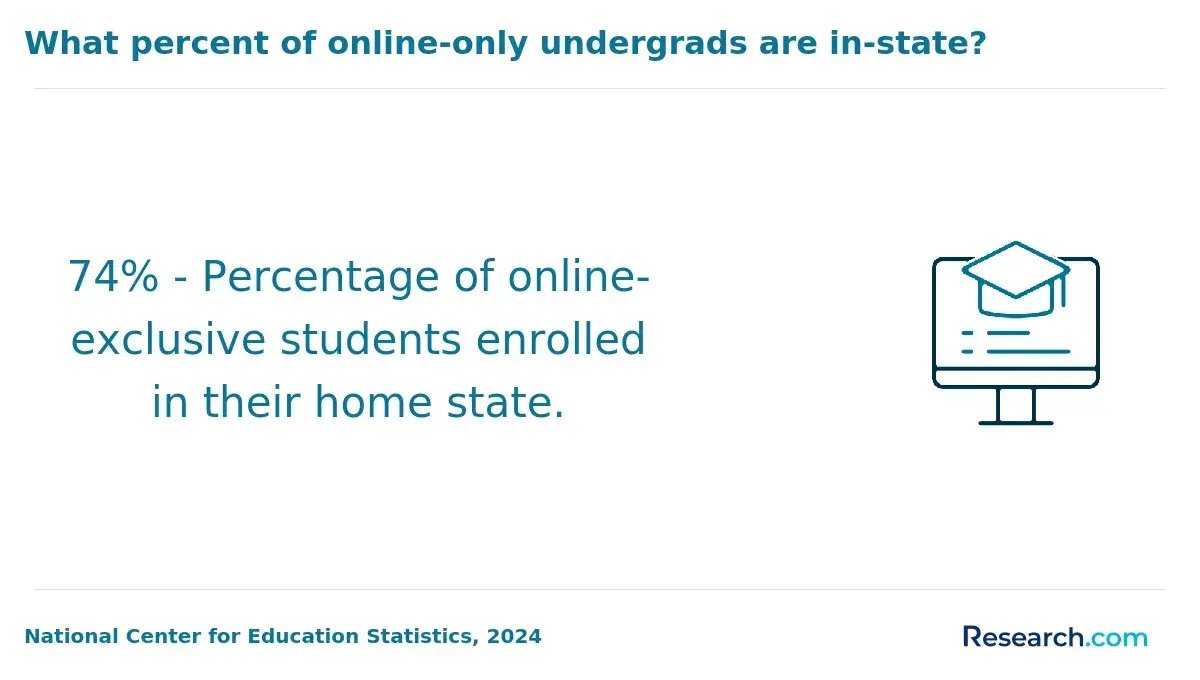
The choice between an online BBA in Real Estate versus traditional campus programs hinges on tangible tradeoffs in cost, networking, and practical exposure. Online tuition at public institutions often runs under half the out-of-state campus rate, presenting an efficient path for in-state students to minimize debt while retaining rigorous core learning.
However, these savings come with reduced immediate access to local events and face-to-face mentorships that drive relationship-building in a field grounded in personal connections. Campus-based degrees excel in delivering direct industry engagement and diverse networking suited to those targeting national or corporate careers.
In contrast, online students must adopt disciplined self-management to supplement their experience with virtual platforms or independently secured internships, a challenge for many balancing full-time work in commercial property management, yet an opportunity to directly integrate coursework with job responsibilities.
Employer expectations emphasize demonstrable skills alongside credentials. For this reason, program choice should also factor regional market alignment: online Real Estate programs tend to hold stronger currency within their state, supporting those aiming for local markets, while campus credentials often carry broader brand recognition.
Prospective students evaluating differences between online and campus-based real estate degrees must weigh these factors against their career goals and geographic focus. Strategizing supplemental networking and pursuing internships remain essential for online candidates to offset limits in direct community engagement typical of campus environments.
For those considering a relevant alternative, a bachelor degree in project management may offer transferable skills applicable in Real Estate project oversight.
What accreditation and institutional quality standards should these online BBA programs meet?
Institutional accreditation from bodies like the Higher Learning Commission or the Southern Association of Colleges and Schools Commission on Colleges remains a baseline requirement for online BBA real estate programs, especially those preparing candidates for property management leadership roles. Such accreditation safeguards degree legitimacy, impacting both employer recognition and eligibility for industry licenses.
Programs meeting accreditation standards for online bba real estate programs in the US often display measurable institutional quality criteria for property management leadership degrees, reflecting in graduate outcomes such as job placement and leadership growth. The hiring reality is that credentials alone do not suffice; a program's curriculum must extend well beyond basic business principles to cover specialized areas like urban planning law, commercial leasing, asset management, and regulatory compliance.
For example, a candidate aiming to manage commercial real estate portfolios should ensure the program explicitly addresses commercial leasing trends to make informed operational decisions. Avoiding nonaccredited programs is essential, as degrees from such "degree mills" often lack employer credibility and hinder progress.
Applicants should assess whether programs report transparent, data-driven outcomes on employability and career trajectories. This is vital given over 80 real estate bachelor's programs exist nationally, with 17 offered fully online. Candidates considering a strategic shift might also explore related avenues such as an online sports management bachelor's degree for transferable leadership and management skills applicable across sectors.
What courses and concentrations are typical in a real estate BBA for property management?
Choosing a BBA focused on property management requires weighing curricula that blend finance, marketing, and property law with practical skills in lease administration and tenant relations. This varied skill set diverges significantly depending on the asset class: commercial property management demands mastery of landlord-tenant law and complex leasing contracts, while residential managers prioritize tenant retention and community engagement strategies.
Graduates face employer expectations centered on operational competence and financial acumen, especially in firms managing multimillion-dollar portfolios. Programs' increased emphasis on financial modeling and real estate market analysis is designed to prepare students to make informed decisions regarding property acquisitions, dispositions, and portfolio optimization under fluctuating market conditions.
Cost is a notable consideration. Tuition for a typical 120-credit online bachelor's degree in real estate ranges from approximately $38,000 to $50,000, influencing working professionals' return-on-investment calculations when deciding whether to pursue this pathway for career pivoting.
Internships and certification preparation are often integrated to provide practical familiarity with real estate compliance and software tools, addressing hiring realities that favor candidates with direct experience navigating zoning regulations and environmental standards.
- Core courses: finance, marketing, property law, management tailored to multifamily, commercial, or residential assets
- Practical training: lease administration, tenant relations, budgeting, compliance
- Market-focused skills: financial modeling, portfolio analysis, strategic asset management
- Cost range: $38,000-$50,000 tuition for a 120-credit online degree
- Employment edge: certification prep, internships, hands-on regulatory experience
What are the usual admission requirements and prerequisites for online real estate BBA programs?
Admission criteria for online real estate BBA programs extend beyond basic academic credentials, reflecting employer demands for digital fluency and sector-specific knowledge. Students typically must hold a high school diploma or equivalent, present standardized test scores (SAT or ACT), and complete prerequisite courses in algebra, economics, or business fundamentals.
Minimum GPA requirements around 2.5 to 3.0 indicate a threshold for academic preparedness, yet admissions increasingly consider applicants' capacity to engage with technology and regulatory complexities integral to property management. Employers face pronounced shortages of staff skilled in resident experience management, platform usage, and compliance oversight, a gap that programs try to address.
Applicants submitting personal statements clarify career focus and motivation, while competitive programs request letters of recommendation to validate relevant experience or reliability. Key tradeoffs for prospective students include balancing prior work experience in leasing, sales, or property supervision against academic prerequisites, as some institutions allow substitutions.
Concurrent enrollment or completion of college-level coursework often serves as a proxy for readiness to manage rigorous curriculum demands. Candidates lacking robust digital literacy face increased risk of attrition and diminished employability, given the evolving technological environment. Essential practical considerations: access to strong internet, familiarity with learning management systems, and ability to adapt quickly to digital tools can be decisive factors in successful program completion and alignment with workforce needs.
How long do online real estate BBA programs take and what do they typically cost?
Completing an online BBA in real estate typically requires three to four years full-time, though part-time options can extend up to six years depending on a student's ability to juggle work and study. The required 120 to 130 credit hours blend core business fundamentals with specialized real estate and property management coursework, reflecting the range of skills necessary for leadership roles in this sector.
The choice between accelerated and slower-paced programs demands weighing tradeoffs: a three-year pace can fast-track entry into brokerage or portfolio management positions but requires disciplined time management, while longer programs better accommodate ongoing professional or family obligations at the cost of delayed career returns.
Tuition varies markedly, with public institutions charging $5,000 to $15,000 annually for in-state students, whereas private colleges range from $20,000 to over $40,000 yearly. Additional costs-textbooks, technology fees, certification exams-raise the total investment to between $15,000 and $60,000, a critical factor in ROI evaluations.
Employers assess online BBA credentials through lenses of program credibility, duration, and cost-efficiency against expected leadership contributions. The U.S. Bureau of Labor Statistics notes that about 9% of the 518,800 real estate brokers and sales agents were self-employed owners in 2024, illustrating the importance of leadership competencies nurtured in these degree paths for sustainable independent business operation.
What property management and real estate careers can this degree prepare you for?
An online BBA in real estate focused on property management leadership aligns with employer demand for professionals who can integrate technology with operational oversight. Graduates are positioned for roles such as property manager, asset manager, leasing manager, or facilities coordinator, where mastering digital leasing platforms and data-driven maintenance is essential.
For instance, a property manager at a large apartment complex must adeptly use property management software, which by 2024 supports over 80% of multifamily housing management in the U.S., and understand how AI or automation-utilized by nearly 60% of large firms-can streamline workflows and reduce vacancy. The degree emphasizes practical skills including contract negotiation, tenant relations, budgeting, and compliance, but real-world challenges extend beyond theory.
Professionals must optimize rent collections via automated systems and apply market analytics to manage occupancy rates effectively. Leadership in this sector requires not only technological fluency but also the ability to manage evolving software tools and regulatory complexities, a necessity that many transitioning from traditional real estate roles may underestimate.
Strategically, this educational path suits those targeting large firms where technology adoption is prioritized over smaller, less automated markets. Graduates also gain asset management expertise through analyzing investment viability and operational costs. Ongoing upskilling in emerging property management software and legal updates is unavoidable to maintain relevance and influence in management roles.
What salary ranges and job outlook can property management leaders expect with this degree?
Property management positions tied to an online BBA in Real Estate reflect a wide salary spectrum-roughly $70,000 to $130,000 annually-largely shaped by location, portfolio complexity, and firm size. For example, mid-level managers handling commercial properties in urban sectors generally earn around $90,000, whereas senior executives managing extensive international portfolios often surpass $120,000.
Such figures align with the U.S. Bureau of Labor Statistics forecasting a 7% employment growth for property and Real Estate managers through 2032, signalling steady demand amid competitive hiring. Employers expect candidates to blend financial literacy with operational skills, including facility in leasing negotiation, regulatory compliance, and analytics to optimize portfolio performance.
Familiarity with specialized property management software and data-driven strategies is increasingly critical. Graduates without such competencies may find upward mobility constrained despite their credentials. The $1.1 trillion global commercial Real Estate investment market, with 30% cross-border capital flow according to CBRE's 2024 report, underscores the premium on knowledge of international market dynamics and risk mitigation.
Licensed managers versed in these areas gain access to opportunities in multinational REITs or global asset firms with compensation at the industry's higher end. Those focused on residential Real Estate in smaller markets might accept salaries near $70,000 but benefit from more openings and faster career progression. Conversely, luxury commercial Real Estate demands specialization but rewards with higher pay.
How does this degree relate to real estate licensing, certifications, and professional designations?
A Bachelor of Business Administration (BBA) in real estate offers more than basic licensing preparation by integrating essential business management with foundational property law, finance, and appraisal knowledge. This combination is critical for ambitious professionals targeting leadership roles in property management and brokerage.
Unlike standalone licensing courses, a BBA aligns with the educational requirements many state real estate boards mandate, streamlining the path to licensure while adding strategic business competencies. However, it does not replace the need to pass state-specific licensing exams or ongoing continuing education.
Consider a property manager aiming to obtain the Certified Property Manager (CPM) designation: the BBA program supports the documented education and experience required for CPM candidacy, while also sharpening skills in negotiation and operational finance. This dual emphasis positions candidates to meet increasing employer expectations where regulatory knowledge and profitability oversight are equally valued.
Advantages of combining academic credentials with licensing include:
- Broader career opportunities beyond sales into management and development roles
- Higher total compensation, with CPM holders earning 20-25% more than non-credentialed peers, according to IREM
- Improved readiness to navigate complex regulatory and financial aspects of real estate
Prospective students weighing time and investment should balance the benefits of a BBA's comprehensive scope against the quicker, certification-focused licensing tracks for immediate entry into sales roles.
Other Things You Should Know About Real Estate
The average workload for an online BBA in Real Estate for Property Management Leadership in 2027 typically involves 15-20 hours per week. This includes lectures, readings, and assignments, somewhat similar to other business degrees, but with a focus on real estate and property management topics.
Employers prioritize candidates from programs with recognized regional accreditation and those offering strong industry partnerships or internship opportunities. Prioritizing programs with faculty experience in property management leadership and curriculum reflecting current market trends will improve employability. Programs with demonstrable links to certified property management bodies or industry certifications offer better practical credibility than purely academic programs.
Program delivery that includes synchronous sessions and cohort-based learning enhances networking more than fully asynchronous models. Live discussions and team projects simulate in-person collaboration, fostering connections with peers and instructors that can translate into professional contacts. Programs lacking real-time interaction or structured group engagement risk limiting networking, which is critical in property management leadership roles that rely on relationship-building.
Choosing a program with a broad real estate focus offers versatility for careers beyond property management but may dilute expertise in leadership-specific property operations. Conversely, a narrower property management specialization deepens knowledge in tenant relations, maintenance, and regulatory compliance, which is essential for managing large portfolios. If your goal is leadership in property management specifically, prioritize specialized programs; if you anticipate shifting across real estate sectors, a broader focus might offer more flexibility but less depth in management skills.
References
- Property Management Training: Best Courses & Certifications https://www.secondnature.com/blog/property-management-training
- What to do after a Bachelor's degree in real estate https://www.ipag.edu/en/blog/what-do-after-bachelors-degree-real-estate
- Property Degree Jobs (with Salaries) - SEEK https://au.seek.com/property-degree-jobs
- You're a property manager: Should you start your own business? https://www.reiq.com/articles/property-management/youre-a-property-manager-should-you-start-your-own-business
- How do you take a real estate training course? - INSEEC https://www.inseec.com/en/guides/orientation-guide/how-do-you-take-a-real-estate-training-course/
- Real Estate https://icieducation.com/courses/business/real-estate/
- BBA Real Estate Management | Jain Online https://www.onlinejain.in/bba-realestate-management/
- Elevate Your Career: Online MBA in Real Estate Management https://matchtocollege.com/blog/online-mba-real-estate-management-guide
- Real Estate Designations and Certifications https://www.nar.realtor/education/designations-and-certifications
- RASM | REALTOR® Association of Sarasota and Manatee https://www.myrasm.com/designations-certifications/