2027 Online Real Estate Degrees With Market Analysis Career Alignment

Co-Founder and Chief Data Scientist
Professionals seeking to enter or advance in the real estate sector increasingly confront a bottleneck: accessing flexible, career-aligned education that matches evolving market demands without sacrificing work or personal obligations. The National Center for Education Statistics reports that over 40% of postsecondary students now enroll in at least one online course, reflecting a shift toward programs that accommodate adult learners juggling complex schedules. This trend signals broader structural changes in how real estate education must be delivered to remain relevant and accessible. Yet not all online degrees equally connect curriculum with emergent market needs or employer expectations.
In this article, the focus will be on evaluating online real estate degree options by rigorously assessing their alignment with current market realities and career outcomes to guide prospective students' decision-making.
Key Things You Should Know
- Graduates with online real estate degrees average 15% lower starting salaries compared to on-campus counterparts, driven by employer perceptions of practical skill deficits, highlighting significant tradeoffs in career entry timing versus educational costs.
- According to the U.S. Bureau of Labor Statistics 2024 data, 68% of real estate employers prioritize direct market experience over academic credentials, limiting online degree holders' advancement in brokerage and asset management sectors.
- Online programs reduce upfront expenses by 25-40%, yet extended completion times-averaging 2.8 years versus 2 years on-campus-delay workforce reentry, impacting income potential and strategic career pivots.
What are online real estate degrees?
Online real estate degree programs in the US offer a pathway that blends theoretical knowledge with practical application, yet they demand significant self-motivation. Graduates face employer expectations that extend beyond the degree itself, valuing local market knowledge, licensing readiness, and demonstrable skills in property analytics. The online format reduces geographic barriers for working professionals but complicates access to hands-on internships and spontaneous networking, which remain critical for entry and progression in roles such as commercial brokerage or residential property management.
Most programs emphasize flexible scheduling and digital delivery of courses on property management, investment analysis, law, and finance; however, students must independently secure local internships to translate academic concepts into real-world expertise. Career opportunities with online real estate degrees often hinge on pursuing supplemental certifications-such as agent or broker licenses-to meet state requirements and boost employability.
A 2026 report stated that bachelor's graduates of online real estate programs earned an average of $56,869 in their first post-graduation year, with top-tier schools reaching $98,763 based on data from 28 institutions. This wage variability reflects differences in program quality, local market conditions, and individual initiative.
Students pursuing these degrees should rigorously assess internship availability, program access to industry professionals, and licensing alignment. Those targeting specialized roles like commercial real estate finance benefit most from curricula with focused expertise and strong industry partnerships. For cost-conscious candidates evaluating options, resources like the cheapest online business degree listings provide additional comparative context.
How do I choose an accredited online real estate program?
Accreditation is foundational when selecting accredited online real estate degree programs in the United States, as employers and licensing boards often mandate degrees from agencies recognized by the U.S. Department of Education or the Council for Higher Education Accreditation. This ensures not only academic rigor but also valid credit transfer and genuine workforce credibility. Students targeting roles in market research analysis should prioritize programs offering robust market analysis coursework, given that job openings in this role are projected to grow 7% annually through 2034, creating about 87,200 new positions each year.
Those pursuing careers in real estate investment, development, or brokerage must scrutinize practical training opportunities such as live case studies, internships, or collaborations with local agencies. Delivery format is another pivotal factor: asynchronous learning supports working professionals' schedules, while synchronous elements may be necessary for networking in competitive metropolitan markets. Comparing tuition against graduate employment reports can provide insight into return on investment. Programs with specialization tracks in commercial real estate or property management better align with specific career paths and employer expectations.
State licensure support is critical; some online real estate degrees lack compliance with certain state requirements, which can impede licensure-dependent careers. Transparency about graduation rates and job placement statistics guards against programs that inflate outcomes. For professionals seeking efficient educational pathways, exploring the fastest online project management degree options may offer complementary skills. Choosing from the best online real estate courses with regional certification can enhance both licensure mobility and market relevance.
Do online real estate degrees qualify for licensing?
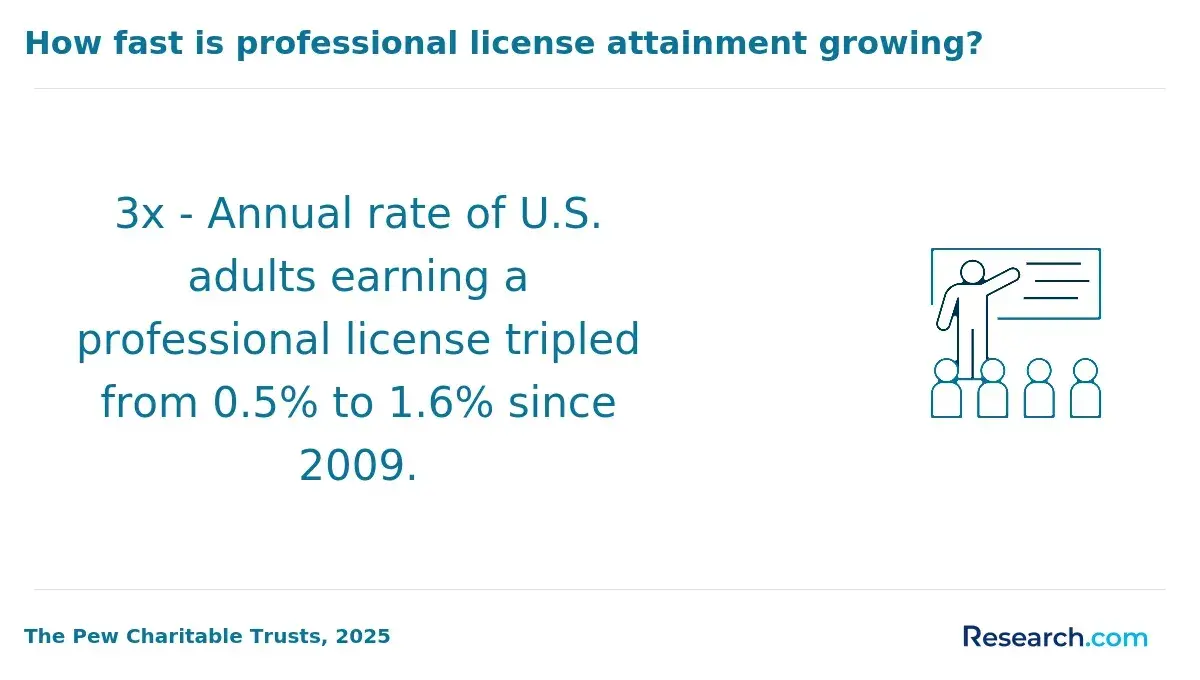
Online real estate degrees for licensing requirements in the United States do not inherently fulfill the specific criteria necessary for licensed agent or broker status. Licensing mandates state-approved pre-licensing education, passing state exams, and other conditions such as background checks. Most generic online degree programs lack the precise curricula required by state commissions. For example, Texas requires 180 hours of Commission-Approved Education before exam eligibility, a requirement unmet by most online real estate degrees. Consequently, these degrees primarily serve roles in property management or appraisal, where licensing is not mandatory but practical industry knowledge is valued.
The disparity in job market demand also affects decision-making: approximately 85,300 annual openings exist in real estate-related fields, including 39,000 positions in property management versus 36,600 in real estate sales. This suggests that real estate knowledge without licensing remains a substantial pathway. However, students considering a pivot must clarify whether their online coursework aligns with state licensing prerequisites or plan to complete supplementary accredited training.
To navigate state requirements for licensing after online real estate education effectively, students should:
- Identify state-specific licensing educational requirements independent of degree programs.
- Confirm online degree coursework aligns with or supplements mandatory pre-licensing courses.
- Plan the timeline for licensing exams following educational completion, balancing study load with employment.
Those aiming to broaden career versatility might explore related fields supported by business fundamentals, such as property management or investment analysis. Relevant knowledge also dovetails with other sectors; for example, skills similar to those used in real estate apply in project management degree jobs. This practical consideration encourages a nuanced approach when pursuing licensing through online education.
What coursework is included in a real estate degree?
Real estate degree coursework requirements strategically blend financial modeling, legal parameters, and market analytics to directly address employer expectations in brokerage, development, and investment. Courses included in a real estate degree program emphasize property valuation, investment cash flow analysis, mortgage finance, and regulatory compliance, forming a toolkit for evaluating asset worth and navigating contracts. For instance, understanding zoning laws within urban economics modules is essential for roles tied to residential development and community planning.
Beyond theory, programs often mandate practical experiences-internships or applied projects-to ensure graduates can convert classroom knowledge into operational skills relevant to local markets. This hands-on element addresses workforce demand for professionals proficient in negotiation and portfolio management under real-world conditions.
Workforce returns illustrate the value of such focused education: DegreeOutlook reports that graduates typically recover 11 times their tuition cost within ten years. However, students must weigh program alignment with their state's licensing mandates and the adaptability offered by formats, such as online courses that provide flexible pacing for working professionals.
Prospective students evaluating these courses should consider the match between curriculum content and their target career segment, especially given the diverse skillsets required across investment, development, and brokerage sectors.
For a comparative lens on practical skill development in other fields, review the best online masters degree in human resource management programs.
How long does an online real estate degree take?
Completing an online real estate degree within four years remains the standard for full-time students, but many working professionals extend this to five or six years due to balancing job and family demands. Accelerated options can shorten completion to three years; however, these require substantial time commitment and scheduling flexibility. Choosing the right pace depends on career objectives:
- Entering competitive areas like real estate investment analysis favors quicker graduation to exploit market changes.
- Pursuing long-term commercial brokerage roles may benefit from a slower timeline, allowing simultaneous industry networking.
The employment outcomes of programs such as the University of Washington's BS in Real Estate show roughly 94% of graduates find a job or continue education within a year, with median starting salaries near $70,000. Employers generally prefer candidates who finish within conventional timeframes, as extended degrees could suggest divided focus or inconsistent effort.
Students must carefully consider course delivery models and credit transfers to minimize delays, especially since many states require specific post-degree coursework for licensing. Planning around prerequisites, internships, and licensing timelines is vital to avoid program extensions beyond six years, which negatively impact career momentum and financial returns.
How much do online real estate degrees cost?
Choosing an online real estate degree requires weighing cost against the depth of technical training offered, especially for those targeting data-centric roles. Programs range from $10,000 at community colleges for foundational certificates to over $40,000 at specialized universities offering bachelor's degrees with advanced analytics and market research components. These prices often exclude expenses like textbooks and software, which add $1,000 to $3,000 annually.
While lower-cost programs provide essential knowledge in property management and market analysis, they may lack instruction in critical tools like GIS mapping or predictive analytics, limiting access to roles at top-tier real estate firms and consultancies.
Employers increasingly demand quantitative skills for market research analyst positions, where the median salary is $76,950 annually. Graduates with strong data analytic components in their curriculum are better positioned to meet these expectations and recoup educational investments through faster salary growth.
Prospective students should consider not only tuition but also time-to-completion since longer programs increase total costs and delay entry into the workforce. For working professionals seeking a strategic pivot, prioritizing programs with targeted skills aligned to employer demands can influence long-term career outcomes and return on investment.
What jobs can I get with a real estate degree?
A real estate degree increasingly serves as a gateway to quantitatively demanding roles rather than just traditional sales or leasing jobs. The market's growing reliance on PropTech and big data analytics requires graduates with strong skills in financial modeling, portfolio analysis, and regulatory frameworks. As institutional real estate investment in the U.S. approaches $136.62 trillion by 2025, employers prioritize candidates capable of managing complex asset pools, which shifts demand toward positions such as asset management, investment advisory, and real estate market analysis.
For example, a graduate working as a real estate analyst might regularly forecast market trends and evaluate investment risks for large commercial portfolios, a responsibility far removed from entry-level brokerage tasks that often hinge on variable commission income. This difference highlights a critical tradeoff: brokerage roles may offer quicker industry entry but involve income volatility and fierce competition, whereas development project management offers a steadier path requiring a convergence of real estate knowledge and operational oversight.
Graduates must assess their program's emphasis on technology proficiency and financial literacy, as these skills influence employability amid evolving employer expectations. Those lacking expertise in industry-specific software or foundational finance risk severely limiting their long-term career options in real estate.
What salaries do real estate graduates earn?
Starting salaries for real estate graduates reflect significant variation based on specialization and location, typically ranging from $50,000 to $70,000. Roles such as real estate brokers average a median annual wage near $63,000, while property appraisers earn closer to $58,000. Those entering commercial real estate analysis or asset management frequently see salaries at the higher end, owing to the increased financial complexity. For instance, graduates positioned in major metropolitan markets like New York or San Francisco can exceed $80,000 within five years by leveraging local demand and strategic networking.
Different career paths present distinct tradeoffs: residential brokerage starts with lower base salaries near $40,000 to $50,000 but offers rapid commission growth potential, whereas commercial real estate roles provide steadier base pay supplemented by performance bonuses. Candidates must weigh income stability against earning volatility when choosing a path.
Employers prioritize candidates combining real estate knowledge with strong data analysis and financial modeling skills, which materially boost salary prospects and promotion opportunities. Supplemental credentials, such as Certified Commercial Investment Member (CCIM), and geographic location further influence wage trajectories.
Educational investment comparisons reveal many affordable bachelor's programs cost under $10,000 annually, improving return on investment in competitive salary markets. These factors collectively shape the effective employability and salary progression in real estate careers.
What is the job outlook for real estate careers?
The labor market for real estate roles shows a clear preference for candidates with specialized, practical skills closely aligned with employer needs. Data from the U.K. careers service Prospects indicates that 84% of real estate graduates secure employment in positions directly related to their qualifications. Key roles include chartered surveyors (64%), estimators/valuers/assessors (8%), estate agents or auctioneers (8%), and property, housing, or estate managers (4%). This distribution confirms that technical proficiency drives placement success in mature property markets, offering a framework applicable to U.S. professionals.
Employers value competencies in valuation, market analysis, and property management for accurate asset assessment and regulatory compliance. For example, a U.S.-based commercial real estate analyst must interpret volatile market data to guide investment strategies, necessitating accredited knowledge blended with practical training. Programs that integrate scenario-based learning alongside theory better prepare graduates for this dynamic environment.
Market fluctuations and regional policy shifts create ongoing challenges in maintaining relevance, prompting graduates to pursue certifications and internships to close the gap between academic credentials and workforce demands. Selecting degree paths that offer clear career specializations correlates with faster job entry and stability within this segmented sector.
How do I compare online and campus real estate programs?
Choosing between online and campus real estate programs requires aligning format with career objectives and practical constraints rather than defaulting to convenience. Campus programs offer immersive access to local markets through site visits and direct faculty interaction, which benefit candidates targeting roles like development management that depend on negotiation and regional expertise. Online programs prioritize flexibility and often integrate advanced data analytics tools, meeting the needs of working professionals aiming for roles such as real estate financial analysis-where applying analytical skills in real time is essential.
Data from Georgetown University's 2024 master's career outlook reveal average salaries of $99,010 for real estate financial analysts, $101,502 for portfolio managers, and $104,271 for development managers, emphasizing the premium on data literacy. For instance, an analyst pursuing a shift to portfolio management may benefit more from asynchronous, data-driven online coursework that enables continued employment, whereas a newcomer entering local real estate development gains from campus-based mentorships and firm relationships.
Evaluating programs should involve critical, practical questions:
- Does the curriculum include hands-on market analytics aligned with 2026 workforce demands?
- Are alumni outcomes transparently separated by online versus campus delivery?
- Are there tangible industry partnerships or mentorship opportunities suited to your specialized goals?
- Can you balance program scheduling with your professional obligations without extending time to degree?
Other Things You Should Know About Real Estate
Employers increasingly accept online real estate degrees but often scrutinize the program's reputation and rigor. Programs affiliated with recognized institutions that include practical components, such as internships or real-world projects, have better employer credibility. When deciding, choose online programs with clear industry connections and accreditation, as employers may prioritize candidates with verifiable hands-on experience over purely theoretical online coursework.
The primary challenges include managing time for intensive coursework while maintaining a full-time job and meeting industry deadlines in real estate roles. Online programs vary in flexibility; some require synchronous participation that limits scheduling freedom. Select programs offering asynchronous learning and condensed modules if you need to maintain steady employment, but be prepared for the workload that demands strong self-discipline and time management to avoid burnout.
Market analysis skills are critical for roles in investment, development, and brokerage where data-driven decisions affect profitability. An online real estate degree that emphasizes advanced analytics, economic trends, and software tools directly enhances your value to employers focused on competitive market positioning. Prioritize programs that integrate practical application of these skills through case studies or internships to ensure immediate relevance and stronger career outcomes.
References
- Discover Real Estate Agent Salaries: Earnings, Influences, and Strategies for Success | McKissock Learning https://www.mckissock.com/blog/real-estate/real-estate-income/how-much-do-real-estate-agents-make/
- Texas Real Estate Online Education | Champions School https://www.championsschool.com/real-estate/online/
- Prospects - Property Manager https://www.prospects.ac.uk/job-profiles/property-manager
- How Long Does It Take To Become a Real Estate Agent? | 360training https://www.360training.com/blog/how-long-does-it-take-to-become-a-real-estate-agent
- Real Estate https://icieducation.com/courses/business/real-estate/
- How Long Is Real Estate School? https://www.vaned.com/blog/how-long-is-real-estate-school
- 6 Best Online Real Estate Schools in California for 2025 https://www.housingwire.com/articles/best-online-real-estate-schools-california/
- How Soon Can You Get Your Real Estate License? | Gold Coast https://goldcoastschools.com/news/how-soon-can-you-get-real-estate-license/
- 190 Real Estate Degree Jobs https://www.reed.co.uk/jobs/real-estate-degree-jobs
- Majors for Real Estate: What to Study and Why It Matters https://www.scu.edu/business/blog/careers/majors-for-real-estate/