2027 Real Estate Specializations That Best Match Sales-Oriented Property Careers

Co-Founder and Chief Data Scientist
Sales-oriented professionals entering real estate frequently encounter a disconnect between their ambition and the specialization that best leverages their skills. With 62% of working adults engaging in flexible online education by 2024 according to the National Center for Education Statistics, timing and program format have become decisive factors in choosing a specialization that aligns with both career trajectory and life demands. Employers increasingly prioritize practical knowledge tailored to niche markets over generic credentials, complicating the path for those pivoting careers or seeking advancement.
This article identifies which real estate specializations most effectively augment sales-driven property careers, guiding strategic educational and professional decisions in a complex market.
Key Things You Should Know
- Specializing in commercial real estate sales commands 15% higher median earnings but requires complex financial analysis skills, delaying initial income compared to residential sales by 18 months, per National Association of Realtors 2024 data.
- Employers prioritize candidates with expert local zoning knowledge in urban development sectors, correlating with 27% faster promotion rates and sustained client retention, according to the Urban Land Institute's 2024 workforce report.
- Certifications for luxury residential sales impose 30% greater upfront training costs and stricter client vetting but yield 22% higher closing rates, creating a critical early investment barrier for new entrants, based on the Institute for Luxury Home Marketing 2024 outcomes study.
What real estate specializations are best for sales-driven careers in residential and commercial property?
Sales-oriented careers in real estate require strategic specialization choices that balance transaction volume against deal value. Residential property sales focusing on single-family homes and condominiums remain the most accessible path due to higher transaction frequency, enabling faster client turnover and more immediate income opportunities. In contrast, commercial real estate sales-especially in retail, office leasing, or investment properties-entail fewer but significantly larger transactions, demanding advanced financial literacy and tolerance for extended sales cycles often lasting months to over a year.
Within the residential sector, agents specializing in new construction benefit from developer incentives and bulk client exposure yet face intense competition requiring resilient relationship management. Luxury home sales shift demands toward refined negotiation skills and market insight to engage affluent buyers, where slower deal flows are offset by larger commissions.
Commercial sales professionals often broaden income sources through mixed leasing and sales, but must navigate complex regulations and cultivate expertise in areas like industrial properties or multi-family housing. Those working with commercial real estate investment trusts (REITs) or high-net-worth clients need sophisticated deal structuring and the ability to coordinate with finance and legal teams.
Employers increasingly prioritize agents with specialized certifications and proficiency in digital marketing and CRM platforms, where technical aptitude supplements sales expertise. For professionals evaluating top real estate career paths focused on property sales performance, understanding these tradeoffs is critical. Incorporating formal education, such as an accelerated online finance degree, can strengthen financial acumen essential for commercial real estate roles while enhancing employability across residential and commercial domains.
What education and licensing do you need to become a real estate sales agent or broker?
Meeting real estate sales agent licensing requirements in your state typically demands completion of 60 to 135 hours of pre-licensing education focused on legal principles, contracts, property valuation, and ethics. Candidates must then pass a comprehensive state exam and meet age and background check criteria. These state-specific variations make understanding local benchmarks crucial for timely licensure and entry-level practice.
Advancing to licensed real estate broker status requires two to three years of active sales experience and broker-specific coursework in areas like advanced property management, real estate finance, and brokerage law, followed by passing a broker licensing exam. This progression is essential for managing agents and handling complex transactions within larger brokerages.
Employers in commercial real estate or luxury residential markets often prioritize candidates who hold a bachelor's degree in business, finance, or real estate due to the rigorous financial analysis involved. Practical licensing suffices for many entry-level roles, but limited formal education constrains upward mobility in high-stakes environments.
A real-world scenario illustrates this: an agent specializing in metropolitan luxury homes gains competitive advantage by investing in advanced negotiation training and finance coursework beyond state requirements, directly impacting deal closure rates and compensation. Neglecting further education can stall income growth well below the top earnings ceiling of $280,000 annually reported by ZipRecruiter.
Incorporating targeted education such as construction management degrees can also complement real estate expertise, enhancing marketability and versatility. Prospective professionals must weigh these educational investments against practical gains to navigate career trajectories effectively.
Which real estate degrees and certificates most closely align with sales-focused career paths?
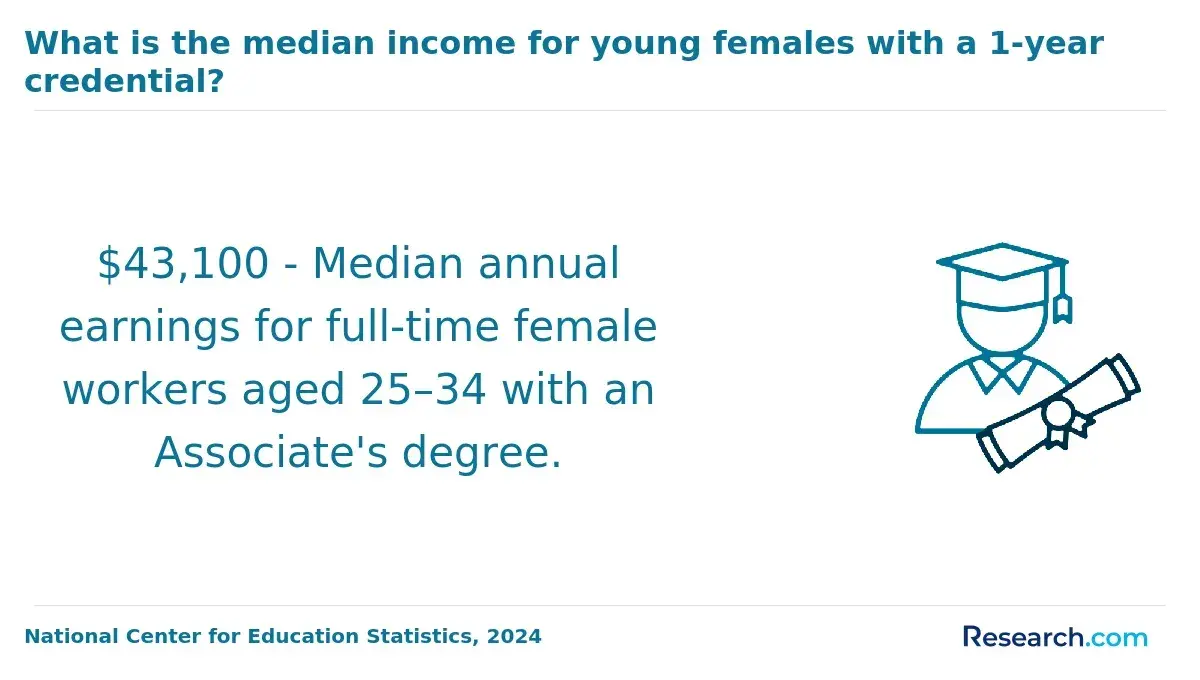
Choosing an educational path for sales-focused real estate careers requires balancing foundational market knowledge with practical client engagement skills. Associate degrees in real estate sales and business administration concentrating on real estate combine broad business understanding with essential sales, marketing, and negotiation techniques that align with employer priorities. Meanwhile, bachelor's degrees in real estate or finance provide a more comprehensive framework but can vary in applicability; for instance, a real estate law degree may insufficiently prepare candidates for direct sales challenges.
Certification remains a critical step-licensed real estate salesperson or broker credentials enable immediate market entry and are often legally required. However, candidates prioritizing speed over depth might opt for accelerated certifications, while those targeting high-value residential or commercial sales benefit from thorough programs emphasizing market analysis and sales psychology. Evidence of client relationship management, often demonstrated through internships or practicum experiences integrated into degrees, can significantly enhance employability beyond certifications alone.
In evaluating best real estate certifications for property sales professionals, consider that certifications rarely substitute for the business acumen necessary for advancement into brokerage leadership or investment advisory roles. Brokers' median wages-reported at $72,280 in May 2024 by the U.S. Bureau of Labor Statistics-reflect strong market demand, validating investment in comprehensive credentials.
Prospective students weighing degree formats might explore affordable online project management degrees as a complementary skill set to enhance organizational and client project handling in sales-focused real estate careers.
How do residential, commercial, luxury, and industrial real estate tracks differ for sales professionals?
Transitions between commercial vs residential real estate sales career differences highlight divergent competencies and economic realities. Residential sales focus on volume and emotional intelligence, targeting individuals or families with often quicker, lower-value transactions. In contrast, commercial real estate requires advanced skills in financial modeling and long-term business relationships, as deals are fewer but larger and more complex. This tradeoff makes entry easier in residential sales, but financial upside and required expertise favor commercial roles.
Luxury and industrial real estate sales specialization comparison reveals distinct operational demands. Luxury sales involve cultivating trust with affluent clients, coordinating wealth advisors, and managing longer sales cycles with substantial commissions-ZipRecruiter notes top luxury agents earning up to $280,000 annually. Industrial sales require knowledge of zoning, logistics, and regulatory issues, often leading to contractual engagements with corporate clients for scalable spaces rather than frequent transactions.
A real-world example includes a sales professional shifting from residential to commercial sectors who must invest in certifications and financial acumen before accessing higher commissions. Prospective candidates should weigh educational investments, as commercial and luxury routes often necessitate credentials like CCIM or specialized training, potentially delaying income growth. Residential remains accessible but with tighter margins and competition.
Given the complex factors shaping these tracks, it is practical to explore complementary educational options. For individuals seeking structured advancement beyond property transactions, programs like CAHIIM accredited him degree online provide models of certification rigor and market relevance. This perspective underscores the importance of targeted credentials aligned with workforce standards for sustainable career progression.
What coursework and skills do real estate majors cover that prepare you for property sales?
Real estate degree programs equip candidates with specific skills geared toward property sales but demand critical scrutiny regarding their real-world applicability. While coursework in property valuation, market analysis, and contract law provides foundational knowledge, actual employment success hinges on practical negotiation ability and adapting to shifting market dynamics.
Key competencies include: property appraisal to price listings competitively; interpreting economic indicators for targeted market opportunities; fluency in financing options like mortgage structures; and understanding legal constraints that frequently challenge timely deal closure.
Income volatility remains a defining factor for agents, with a median wage around $56,320, reflecting the dependence on sales volume and client acquisition strategies. In urban markets, the gap between classroom instruction and practical sales is pronounced-agents must leverage advanced digital marketing and persistent lead generation to sustain earnings, skills seldom emphasized outside specialized coursework.
Real estate programs integrating internships or real-time market projects better prepare students for the complexities behind contract negotiation, zoning issues, and economic fluctuations that standard simulations underrepresent. Prospective students should weigh these program features heavily when assessing career readiness.
How do online real estate programs compare with campus options for aspiring sales agents?
Choosing between online and campus-based real estate programs hinges on practical tradeoffs that affect skill acquisition, employability, and career trajectory. Campus programs foster in-person interactions essential for developing negotiation and presentation skills. For instance, leasing agents negotiating complex commercial leases benefit from role-playing exercises and mentorship available only on campus, which can translate directly into stronger employer preference.
Online programs offer flexible scheduling and often lower upfront costs, appealing to career changers balancing work and study. However, they tend to lack comprehensive exam prep and live networking, requiring students to supplement learning with local workshops or internships to gain comparable practical exposure. This gap can delay full productivity and reduce immediate workforce readiness.
The national average salary for a leasing agent is $62,908, reflecting employer expectations for proven interpersonal competence and quick adaptability-qualities that campus settings more robustly cultivate. Compliance with licensing is similar across formats, but the depth of hands-on experience often differs.
Key considerations include:
- Whether the candidate needs flexible pacing or immersive skill-building
- Access to local job market demands and relationships
- Willingness to invest proactively in experiential learning beyond remote coursework
Ultimately, combining online education with targeted live experience offers a practical path but success depends less on format and more on the student's initiative to develop real-world skills alongside credentials.
What are typical tuition costs, program lengths, and financial aid options for real estate studies?
Choosing a real estate educational path requires weighing upfront costs, program length, and employer preferences against long-term career goals. Certificate programs, costing between $3,000 and $15,000, offer 3 to 9 months of focused licensing exam preparation, enabling rapid entry into sales roles where practical experience is often valued over advanced degrees.
Associate and bachelor degrees, ranging from $10,000 to $40,000, span 18 months to 4 years and include broader business, finance, and legal coursework. These degrees suit candidates aiming for brokerage or commercial specialties, where higher tuition is offset by stronger advancement potential and income growth.
Financial aid-federal, state, employer reimbursement, and private scholarships-can reduce tuition burdens but rarely covers all indirect costs like exam and licensing fees. For example, an associate degree seeker might still cover approximately $5,000 out-of-pocket despite assistance, impacting the net investment in career readiness.
Employers commonly prioritize licensing and proven practical skills, especially in property management, where the national average salary is around $56,000. Students should evaluate:
- Program accreditation and state-specific licensing requirements
- Balance of cost versus time to workforce entry
- The impact of educational choices on salary trajectories and job roles
Decisions must align with realistic career objectives to optimize return on educational investment amid evolving market demands.
What entry-level and advanced job roles can you pursue with a sales-oriented real estate specialization?
Success in a sales-oriented real estate path demands rapid adaptation to market dynamics and nuanced understanding of client needs at multiple levels. Entry-level roles-such as real estate sales agents, leasing consultants, and property acquisition analysts-prioritize sales skills and client engagement but offer limited stability and income without licensure and experience. For instance, a real estate appraiser earning a national average of $63,355 annually integrates valuation expertise with sales savvy to assess investment risk, illustrating the blend of technical and interpersonal skills required as one progresses.
Advancement typically hinges on earning professional licenses and certifications that bolster credibility and open managerial positions like sales manager or commercial leasing manager. These roles require leadership, data-driven oversight, and negotiation with high-level stakeholders, reflecting a shift from volume-driven transactions (common in residential sales) to fewer, larger-scale commercial deals.
Practical tradeoffs include balancing the fast-paced, commission-based nature of entry sales roles against the longer-term stability and responsibility of managerial positions. Transitioning between residential and commercial sectors also involves distinct market knowledge and regulatory fluency. Prioritizing licensure, establishing a sales pipeline, and gaining valuation experience are essential steps to improve earning potential and career resilience.
What salary ranges and commission structures do real estate sales specialists typically earn?
Real estate agents' earnings hinge on commission variability and brokerage splits, factors that significantly influence net income and career trajectory. Median annual wages for real estate brokers stand around $72,280 according to the U.S. Bureau of Labor Statistics, but this figure conceals sharp disparities tied to market activity and commission arrangements. For instance, a 3% commission on a $500,000 home sale in a high-demand area yields $15,000 per transaction, underscoring why high-volume or luxury markets often deliver superior financial outcomes.
New agents typically face 50/50 commission splits with brokers, reducing take-home pay while they build client networks, whereas seasoned agents may negotiate splits as advantageous as 90/10. Beyond raw commissions, ongoing costs such as licensing, education, marketing, and administration reduce effective earnings, creating a need for strategic financial management.
Tradeoffs between residential and commercial real estate careers further complicate the picture. Commercial deals offer higher commissions but entail prolonged sales cycles and payment delays. Consequently, prospective agents must weigh regional market demand, commission frameworks, and cost structures carefully before committing to a specific real estate pathway.
How can you evaluate accredited real estate schools and choose a reputable sales-focused program?
The selection of an accredited real estate school must weigh regulatory compliance against practical outcomes, as licensing approval and program pass rates directly reflect curriculum rigor and preparation quality. Aligning with recognized bodies like ARELLO guarantees standardized oversight, yet candidates should prioritize programs that equip them for high-earning sales roles through targeted training in negotiation, client management, and market analysis. For instance, those aiming for luxury residential sales will benefit from modules tailored to affluent clientele and refined marketing strategies.
Employment statistics and salary benchmarks provide an objective measure of a program's return on investment. Top sales jobs earning up to $280,000 annually indicate that advanced sales techniques and lead generation are critical components of effective training. Practical considerations such as program delivery formats-part-time or online-must also accommodate working professionals balancing current income with skill acquisition.
Post-licensing support and continuing education credits aligned with state requirements are non-negotiable for maintaining licensure and market relevance. Requesting detailed syllabi and faculty qualifications helps distinguish programs rooted in theory from those focused on sales-driven practical skills, which employers increasingly demand in competitive hiring environments.
Other Things You Should Know About Real Estate
In 2027, real estate sales agents face challenges with commission-based income due to market fluctuations impacting earnings. Agents must balance immediate financial needs with long-term career growth strategies, such as diversifying skills and building strong client relationships, to ensure stability despite variable income.
Specializations vary significantly in workload patterns. For example, luxury and commercial real estate often require longer sales cycles and extensive client engagement, increasing time spent on relationship building and market research. Residential sales tend to have quicker turnover but require constant availability to clients. Choose a specialization aligned with your ability to manage variable hours and client expectations, as poor fit leads to burnout and missed sales opportunities.
Additional certifications can enhance marketability, especially in niche markets like commercial or luxury properties, but they also require time and financial investment without guaranteed ROI. Employers and clients increasingly expect agents to demonstrate specialized knowledge through certifications. Prioritize certifications that match your target market and offer tangible networking or client access advantages rather than broad credentials with little practical impact.
Independent brokers gain autonomy but face higher overheads and must handle all sales, marketing, and administrative tasks alone, challenging time and resource management. Team-based models provide shared leads, support, and specialized roles, which can accelerate sales but reduce individual commission percentages. Evaluate your preference for control versus collaborative support, as well as your self-management skills and growth goals, before committing to one structure.
References
- Commercial vs Residential Property: Key Differences & Investment Potential https://www.kalpataru.com/blogs/commercial-property-vs-residential-property-guide
- How to Choose the Right Real Estate Training Course - Harcourts Real Estate Training Centre https://www.realestatetrainingcentre.com/2023/08/how-to-choose-the-right-real-estate-training-course/
- Apply For a License https://www.ncrec.gov/Licensing/ApplyLicense
- Texas Real Estate Online Education | Champions School https://www.championsschool.com/real-estate/online/
- What is a Real Estate Agent? - Career Insights | Teal https://www.tealhq.com/career-paths/real-estate-agent
- Real Estate Agent Commissions Work | How Do Realtors Get Paid? https://www.360training.com/blog/real-estate-agents-commissions
- Average Cost Of College 2024-2025 | Bankrate https://www.bankrate.com/loans/student-loans/average-cost-of-college/
- Certificates: A Fast Track to a Real Estate Career https://www.collegexpress.com/articles-and-advice/majors-and-academics/blog/real-estate-certificates-fast-track-your-way-to-a-smart-career/
- Majors for Real Estate: What to Study and Why It Matters https://www.scu.edu/business/blog/careers/majors-for-real-estate/
- Sales Commission Rates by Industry – Benchmarks & Examples https://www.captivateiq.com/blog/sales-commission-rates-by-industry