2027 Appraiser Roles You Can Target With a Real Estate Degree

Co-Founder and Chief Data Scientist
Facing uncertainty about which appraiser roles align with a real estate degree often traps professionals in dead-end positions or unnecessary credentialing steps. This problem intensifies as labor market data from the U.S. Bureau of Labor Statistics in 2024 reveal a 14% projected growth in property appraisal jobs driven by expanding real estate transactions and increasing regulatory scrutiny. Yet, many programs overlook specialization pathways critical for immediate job market entry, leaving graduates underprepared for niche roles like commercial or residential appraisal. Recognizing the practical distinctions between these appraiser career tracks can optimize educational choices and credential timing. This article maps specific appraiser roles accessible with a real estate degree to help refine career targeting and strategic skill development.
Key Things You Should Know
- Appraiser roles tied to a real estate degree show a wage premium of 15% versus unrelated fields but require 1,500 hours of supervised experience, presenting a decisive barrier for career switchers, per the Appraisal Foundation 2024 report.
- Employers increasingly prioritize candidate expertise in commercial property valuation due to a 12% projected job growth in commercial evaluation through 2030, highlighting a strategic focus beyond residential appraisal specialization.
- Accredited degree programs with integrated licensing components reduce time-to-employment by approximately 30%, yet cost differentials above $20,000 may limit access for mid-career professionals, influencing long-term return on educational investment.
What appraiser roles can you pursue with a real estate degree?
A real estate degree opens distinct but challenging paths within appraisal and assessment, each demanding targeted skills and certifications. Residential appraisers primarily evaluate single-family homes and small residential properties, frequently interacting with mortgage lenders and individual homeowners. Median annual wages for property appraisers and assessors were $65,420, with a 4% growth forecast and roughly 6,300 job openings yearly, pointing to steady demand tempered by competitive entry and progression.
For those targeting specialized appraiser roles for real estate graduates, commercial appraisals represent a more technically rigorous option. These professionals handle retail, office, and industrial property valuations, requiring advanced market analysis and often state licensure beyond a basic degree. Although the barriers to entry are higher, commercial appraisers benefit from broader opportunities and stronger earning potential.
Real estate assessors typically operate within government agencies, providing stable public-sector roles focused on tax-related property valuations. This niche emphasizes data integrity and regulatory compliance, appealing to those prioritizing consistent work schedules over private-sector variability.
Certification processes necessitate supervised appraisal experience and passing state exams, with additional commercial designations improving job prospects. Graduates should measure these qualification costs against expected wages and career goals. Practical decision-making also involves choosing between private sector flexibility and public agency stability.
Prospective candidates may consider programs like a business administration degree online for complementary skills applicable across real estate disciplines.
How does a real estate degree prepare you for real estate appraiser licensing?
A real estate degree expedites meeting licensing board requirements by covering mandatory subjects like property valuation, finance, market analysis, and real estate law, which reduces or eliminates extra coursework. This practical advantage shortens the timeline toward eligibility for state certification exams. However, such degrees do not replace the required 1,500 to 3,000 hours of supervised field experience, a critical step that candidates must integrate alongside education.
The benefits of a real estate degree for appraiser licensing extend beyond meeting formal criteria. Graduates gain analytical skills crucial for interpreting complex market data. For instance, those with expertise in real estate finance are better prepared to appraise commercial properties, aligning with workforce demands where commercial appraisers average $97,000 annually. This highlights how financial literacy embedded in degree programs correlates with employability and earning potential in appraisal roles.
Employers often favor candidates from programs emphasizing ethics, appraisal methodology, and effective report writing, since these elements tie directly to regulatory compliance and professional standards. Given this, prospective students should carefully evaluate steps to obtain an appraiser license with a real estate degree by prioritizing accredited programs recognized by state boards. Continuing education post-licensing is equally necessary to stay current with evolving industry regulations.
For professionals seeking to build on a strong financial foundation, exploring options like the best online masters in finance can complement real estate expertise and enhance commercial appraisal credentials.
What education and training do you need to qualify as an appraiser trainee?
Meeting appraiser trainee education requirements in the US involves navigating state-specific mandates that balance formal education and supervised field experience. Typically, candidates must complete at least 75 hours of foundational coursework, covering appraisal principles, procedures, and the Uniform Standards of Professional Appraisal Practice (USPAP), before qualifying to log required hours under a certified supervisory appraiser. This dual requirement ensures trainees develop both theoretical knowledge and practical skills across diverse valuation scenarios.
Pre-licensing courses for real estate appraisal trainees vary in duration and focus based on state regulations, but generally require between 1,000 and 2,000 hours of verified work experience over six months to two years. Candidates with a bachelor's degree in real estate, finance, or related fields may reduce classroom hours or experience time, while those without such credentials face longer pathways, often extending time to licensure. This tradeoff impacts not just time but also employability within competitive markets.
Public sector demand-especially for roles linked to property tax assessments-remains steady, with states like Indiana forecasting employment growth of 3.72% and thousands of openings. However, insufficient compliance with education or experience standards leads to stalled licensure and diminished competitiveness. Trainees weighing options should consider these regulatory and market factors carefully.
For professionals exploring further educational investment, pursuing an MBA entrepreneurship online may complement appraisal skills with strategic business acumen, supporting career pivots or advancement in this evolving sector.
How do residential and commercial real estate appraiser careers differ?
Choosing between residential vs commercial real estate appraiser career paths presents distinct practical challenges tied to property type complexity and client expectations. Residential appraisers focus on single-family homes and smaller buildings, relying on recent local sales data to generate timely, volume-driven appraisals. This path suits those comfortable with repetitive, deadline-sensitive workflows influenced heavily by market trends and evolving appraisal technology.
In contrast, commercial appraisers manage diverse properties-office buildings, retail centers, warehouses-requiring nuanced financial analyses such as income capitalization and cost approaches. Their work depends on interpreting lease agreements, business operations, and projected income streams, typically demanding longer education and specialized certifications. The differences between residential and commercial real estate appraisal jobs underscore the tradeoff between analytical depth and operational volume.
Senior roles such as bank and review appraisers reveal career progression disparities. Review appraisers often oversee compliance and quality control in commercial-focused firms and can ascend to chief or owner positions earning $78,000-$120,000+ annually after more than a decade in the field. These leadership positions entail navigating regulatory complexities uncommon in residential appraisal.
Given these dynamics, candidates must weigh tolerance for market volatility, analytical aptitude, and client interaction variety when selecting an appraisal discipline. Those pursuing advanced management roles may consider complementing appraisal experience with an accelerated MBA, enhancing leadership and financial skills relevant to real estate administration.
What advanced appraisal roles become available with graduate study in real estate?
Advanced roles in real estate appraisal tied to public-sector projects demand expertise beyond typical residential or commercial valuations. Positions such as eminent domain appraisers require specialized skills in legal frameworks, infrastructure impacts, and government acquisition processes. For example, federal appraisers in the GS-1171 series use graduate-level knowledge to progress from GS-9 to GS-12, a shift that can increase base salary by over 40%. This progression illustrates the direct financial and professional benefits of mastering complex appraisal methodologies related to government takings and environmental assessments.
Graduate programs incorporate coursework on advanced market analysis and statutory procedures to prepare candidates for challenges like litigation support and negotiation assistance in public infrastructure projects. However, these roles often require additional credentials beyond a master's degree, including relevant state licensure or eminent domain-specific certifications.
Tradeoffs include longer qualification timelines and geographic flexibility since infrastructure projects may be location-dependent. Yet, candidates gain stronger job security and higher earning potential compared to standard real estate appraisal tracks. Success in this niche depends on continuous education in government protocols and developing analytical skills meshed with regulatory knowledge.
Key considerations for prospective students:
- Advanced legal and regulatory literacy is essential.
- Professional certification beyond graduate education is often necessary.
- Geographic mobility aligns with project locations but offers enhanced job stability.
- Increased salary potential reflects the role's complexity and specialization.
How do online real estate programs compare with campus options for aspiring appraisers?
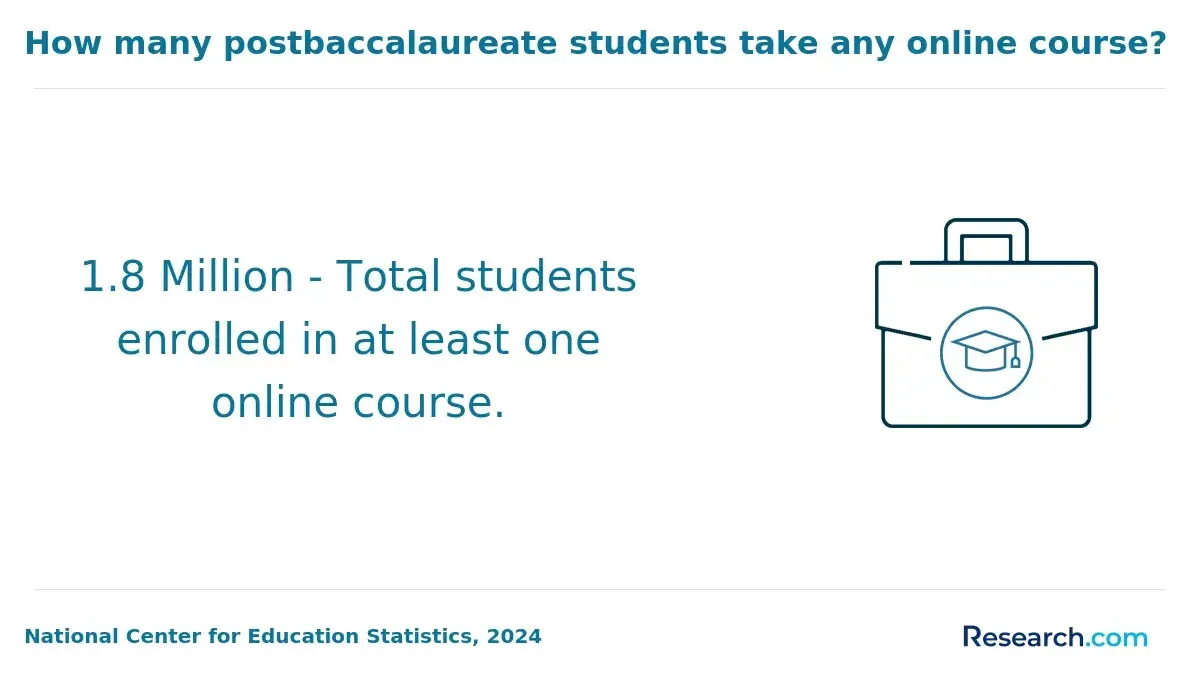
Online real estate programs offer a flexible path to meet formal education requirements, especially since nearly half of certified real estate appraiser job postings require a bachelor's degree and a smaller share demand a master's. However, these programs often lack the structured mentorship and local market immersion that campus-based training provides, which are critical for acquiring licenses and practical appraisal skills. For instance, candidates aiming for government appraiser positions in metropolitan areas benefit significantly from on-campus access to local zoning insights and direct connections with municipal offices-elements difficult to replicate in a purely virtual format.
Successful appraisal careers hinge on combining accredited coursework with applied experience. Online learners must proactively seek apprenticeships or internships to compensate for reduced networking and hands-on opportunities typical of campus programs. Employers expect verifiable education alongside appraisal-specific training, often favoring candidates who demonstrate local market knowledge and practical competency cultivated through faculty expertise and fieldwork support.
To weigh options effectively:
- Consider if your existing professional network and self-discipline offset the lack of on-site mentorship in online programs.
- Recognize that campus offerings frequently integrate real-time, place-based learning critical for navigating complex appraisal regulations.
- Prepare to supplement online education with field experience to avoid gaps in applied skills that can limit employability.
What core courses in a real estate degree are most important for appraisal work?
Effective appraisal education demands more than foundational knowledge; it requires targeted skills that align with specific real estate markets and regulatory environments. Core courses in real estate finance, property valuation, and real estate law form the analytical and compliance foundation critical for appraisal accuracy. These disciplines enable appraisers to interpret market signals, apply valuation methodologies such as sales comparison and income approaches, and navigate legal zoning constraints.
For Rural or Agricultural Land Appraisers, specialized coursework in agricultural economics and land use planning is indispensable because these properties behave differently from urban assets. The U.S. Bureau of Labor Statistics projects 4% growth in appraisal jobs outside metropolitan areas over the next decade, largely driven by agricultural and timber property valuation demand. This workforce trend highlights the necessity of aligning curriculum choices with geographic and sector-specific realities.
Practical proficiency in appraisal software and report writing is frequently overlooked, yet essential, as employers expect readiness for immediate client-facing tasks. The absence of hands-on modules or internships in programs can delay employability and reduce competitiveness. Students ought to evaluate programs on their ability to deliver applied case studies and internships alongside core valuation theory.
What are the typical salary ranges and earning potential for different appraiser roles?
Appraiser salaries vary notably depending on specialization, credentials, and market focus. Entry-level residential appraisers report median salaries between $50,000 and $65,000 annually, reflecting a relatively accessible but competitively saturated field. Commercial appraisers typically earn between $70,000 and $90,000, a range tied to the complexity and scale of commercial and industrial properties, demanding deeper market insight and broader professional networks.
Specialized roles such as litigation or expert witness appraisers push compensation well beyond these figures, often above $120,000 annually. This niche requires legal knowledge, complex valuation skills, and significant ongoing credentialing, making it a suitable path for professionals willing to invest in sustained skill development and consulting independence.
Practical career implications include:
- Residential appraisers risk earnings plateauing without advanced certifications or diversification into complex property types.
- Commercial appraisal can lead to salary growth beyond the standard range but demands continuous market expertise and professional relationships.
- Litigation-focused appraisers benefit from scarce legal valuation expertise, substantially increasing their income potential.
Professionals seeking to pivot or advance should weigh whether the time and networking required for higher-tier appraisal roles align with their resources and long-term goals, as less specialized paths often entail slower growth and greater competition.
What is the job outlook and industry demand for real estate appraisers in the U.S.?
The job market for real estate appraisers requires navigating uneven demand shaped by refinancing waves, property transaction rates, and regulatory mandates for thorough valuation. While employment growth is moderate, true income gains stem from shifting into supervisory roles. Certified appraisers earning $60,000-$85,000 can significantly increase earnings, sometimes beyond $120,000, by advancing to chief appraiser or management positions, which demand leadership skills and accountability for team performance.
Urban and suburban commercial and residential markets generate the highest demand. Licensed appraisers with expertise in specialized property types-such as commercial or agricultural-benefit from reduced competition and premium pay. Yet, market volatility frequently disrupts workload consistency, making skill diversification or managerial career pivots essential for income stability.
Employers now expect proficiency with appraisal software and data analytics alongside formal credentials. Professionals holding degrees in Real Estate aiming for appraisal roles must also commit to ongoing certification and potentially broaden expertise toward brokerage or property management to stay competitive.
Choosing the right employer type influences career trajectory and compensation. Smaller firms may offer an expedited path to leadership but may lack scale and benefits. Larger institutions provide structured advancement and job security but typically require formal management training and experience.
How can you choose an accredited real estate program that meets appraiser requirements?
Choosing a real estate education program without AQB approval risks investing time and money in coursework that may not count toward licensure, especially when field experience is mandatory. Programs that align training with the Uniform Standards of Professional Appraisal Practice (USPAP) provide a baseline recognized federally and by state regulators, which is critical for roles requiring commercial versus residential specialization. For instance, a student aiming at commercial appraisal in dense urban markets must prioritize courses on income capitalization methods, while residential-focused candidates gain more from market analysis and inspection techniques.
Hands-on experience is non-negotiable; many states require verified supervised fieldwork before granting appraiser licenses. Labor market data from FixMyCareer reveal senior appraisers earning $90,000-$120,000 often combine accredited education with practical mentorship, particularly in international valuation niches, underscoring the value of programs that facilitate such connections.
Delivery flexibility affects working professionals who juggle schedules, making hybrid or online formats an important consideration. Regional or national accreditation beyond AQB ensures credential portability and recognition in evolving employment markets. Additionally, programs supporting continuing education credits reduce future barriers to license renewal amid shifting regulatory and industry standards.
Other Things You Should Know About Real Estate
New appraisers often underestimate the importance of time management, the need for ongoing education, and the necessity of strong communication skills to effectively convey appraisal results. Employers also expect punctuality, attention to detail, and a thorough understanding of real estate market trends.
General certification allows appraisers to work broadly, but does not guarantee readiness for all property types, leading to potential skill gaps and reduced marketability in niche sectors. Specialized certifications demand focused education and experience but position candidates for higher-value assignments and client trust in that specialty. For professionals targeting long-term growth and stability, pursuing specialization in commercial or industrial appraisal is advisable due to less competition and higher income potential.
Graduates often face a tradeoff between accumulating practical experience and meeting continuing education requirements. Prioritizing hands-on appraisal work accelerates skill development and boosts employability but may delay completion of mandatory courses needed for licensing upgrades. It's essential to map out a clear timeline to integrate continuing education with fieldwork to avoid licensing delays and maintain compliance with evolving appraisal standards.
References
- Path to Designation - Appraisal Institute of Canada https://www.aicanada.ca/become-an-appraiser/path-aic-designation/
- How to Become an Appraiser https://appraisalfoundation.org/pages/how-to-become-an-appraiser
- Best Online Real Estate Schools Florida 2025 | Top Courses https://goldcoastschools.com/becoming-an-agent/2025-best-online-real-estate-schools-florida/
- North Carolina Appraisal Qualifying Education (QE) Classes | Champions School https://www.championsschool.com/appraisal/nc/qe/
- Appraisal Institute Become an Appraiser https://www.appraisalinstitute.org/the-appraisal-profession/become-an-appraiser
- Types of Appraisal Careers https://www.hondros.com/programs/appraisal/types-appraisal-careers/
- Real Estate Appraiser Career Path | Accounting.com https://www.accounting.com/careers/real-estate-appraiser/
- Real Estate Appraiser Salary https://www.nar.realtor/appraisal-valuation/real-estate-appraiser-salary
- Education and Training https://www.nbarea.org/become-an-appraiser/education-and-training/
- Postgraduate pathways in property https://gradireland.com/careers-advice/postgraduate-study/postgraduate-pathways-property