2027 First Real Estate Roles for Finance-Oriented Students Entering Real Estate

Co-Founder and Chief Data Scientist
Aspiring finance-focused entrants often face a sharp dilemma when selecting their initial real estate roles: balancing the urgency of market entry against limited hands-on exposure and specialized knowledge in property finance. The Bureau of Labor Statistics indicates a projected 10% growth in real estate employment by 2032, but this demand intensifies competition for positions requiring nuanced financial acumen and familiarity with asset valuation. Meanwhile, over 40% of adult learners now rely on hybrid or online programs, signaling a shift towards flexible education critical for career mobility.
Navigating this complex landscape demands clear insight into viable entry roles that align academic strengths with on-the-ground finance responsibilities. This article identifies those roles and pathways to optimize early career decisions within real estate's competitive and evolving marketplace.
Key Things You Should Know
- Data from the National Association of Realtors shows 42% of entry-level finance-oriented real estate roles now require proficiency in real estate financial modeling software, raising the bar for skill acquisition before employment.
- The Bureau of Labor Statistics reports median entry wages for real estate financial analysts diverge by 18% between metropolitan and rural markets, forcing location-based tradeoffs in compensation versus cost of living.
- Analysis from the Urban Land Institute reveals certificate programs compress time-to-hire by 25% compared to traditional degrees but limit long-term career advancement typically unlocked through full finance curricula.
What are the best first real estate roles for finance-oriented students and new graduates?
Positions that blend financial analysis with strategic deal execution provide the most solid foundation for finance-oriented students entering the real estate sector. Entry-level roles such as financial analyst, asset management analyst, and acquisitions analyst allow professionals to build expertise in underwriting, portfolio evaluation, and investment modeling. These opportunities demand strong Excel skills, financial statement literacy, and market trend interpretation, which are indispensable for data-driven decision-making.
For example, an acquisitions analyst at a real estate investment trust (REIT) takes on tasks like discounted cash flow modeling and risk assessment, skills that are directly relevant to advancing into senior finance roles. Such roles contrast sharply with sales-focused positions, which might limit exposure to rigorous financial modeling and thereby hinder those aiming to deepen their financial acumen. This distinction is critical when evaluating the best entry level real estate finance roles.
Compensation data from Data USA reveals a stark pay gap between full-time and part-time workers in this field-$112,350 annually for full-time employees versus $46,246 for part-time-highlighting the incentive to secure full-time employment early on. Employers prioritize candidates with hands-on analytic experience and structured financial training.
Students and new graduates should prioritize programs and employers offering mentorship and exposure to diverse property types that emphasize intensive financial modeling and market research rather than administrative tasks. For those considering educational pathways that lead to such roles, a bachelor of business administration online can be a practical route combining flexibility and relevant financial training to meet workforce expectations for top real estate positions for finance graduates.
How does a finance background translate into entry-level careers in real estate?
A finance background in entry level real estate careers equips candidates with critical skills-financial modeling, cash flow analysis, and risk assessment-that differentiate them from sales or brokerage trajectories. Positions such as financial analyst or underwriting analyst demand an analytical approach, focusing on data-driven valuation methods like discounted cash flow (DCF). For instance, an entry-level analyst at a commercial real estate firm will routinely evaluate acquisition proposals using DCF and comparable sales, contrasting with property management roles that emphasize operational and tenant relations. This distinction underscores the impact of finance skills on first real estate roles, requiring proficiency with tools like Argus and Excel from day one.
Career mobility hinges on versatility across asset classes, as professionals may shift between retail, multifamily, or industrial portfolios, adapting underwriting tactics to cap rate and rent growth nuances. The U.S. commercial real estate finance market offers salaries ranging roughly from $101,309 to $232,000, with job growth projected at 9% annually through 2033. Early-career tradeoffs often involve choosing between large firms that provide structured training and smaller firms offering faster responsibility but less formal instruction. Candidates must commit to continuous self-directed learning in specialized real estate finance concepts to stay competitive and advance.
Understanding these realities can guide choices about educational preparation. Those exploring alternative routes may consider programs like a construction management degree online as complementary or backup options in real estate career planning.
What education, degrees, or training do you need for entry-level real estate finance jobs?
Entry-level real estate finance education requirements demand more than a generic business degree; employers specifically seek candidates trained in financial modeling, underwriting, and credit analysis. For example, loan officer roles require targeted knowledge of credit risk assessment and loan structuring, often backed by certifications from mortgage industry organizations. Meanwhile, financial analyst positions demand proficiency in valuation techniques and real estate market analysis, emphasizing the need for specialized coursework.
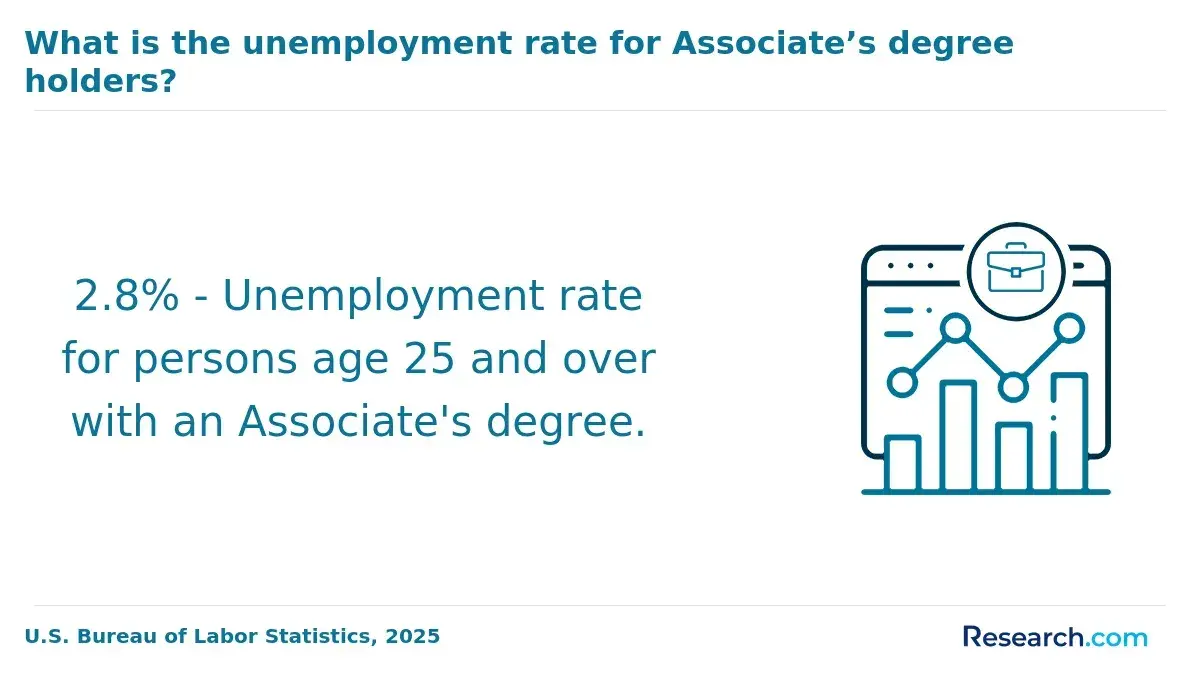
While associate degrees or certificates combined with internships can provide an entry point, these paths typically result in slower career progression and lower starting salaries. According to U.S. Bureau of Labor Statistics 2024 data, loan officers make a median annual salary of $74,180 compared to $101,350 for financial analysts, reflecting the impact of education and skill depth. Hands-on experience with software like Argus or advanced Excel significantly improves prospects in underwriting roles.
Licensing requirements, such as mortgage broker licenses, add complexity with state-specific exams and continuing education, underscoring the practical challenges within the field. Employers in fast-paced underwriting environments expect immediate competence in analyzing complex deals, making real estate-specific internships or cooperative education critical for employability.
Those weighing degrees and training for real estate finance careers should carefully consider the tradeoff between broad finance programs and specialized real estate finance degrees, the latter accelerating the acquisition of applied skills crucial for early career success. Prospective students may explore options such as the cheapest construction management degree pathways to mitigate upfront costs while meeting industry expectations.
Which first real estate roles offer the strongest salary growth and bonus potential?
Investment analyst and asset management roles within real estate finance positions with top bonus potential deliver the most notable salary and incentive growth for early-career entrants. These roles demand advanced financial modeling and portfolio optimization skills, producing starting salaries typically between $70,000 and $90,000. Advancement is strongly linked to fund and deal performance, with analysts affiliated with institutional investors or private equity firms often achieving more than 10% annual raises plus performance bonuses that can exceed 30% of base salary within 3 to 5 years.
In contrast, first real estate roles with highest salary growth remain highly competitive and not widely available. Commercial brokerage, for instance, exhibits a significant contraction in entry-level openings-SelectLeaders notes a 26% drop year-over-year for candidates with 0-4 years' experience as of May 2024. Development company analysts in marketing or finance start lower, around $60,000, but benefit from profit-sharing or project completion bonuses that grow with multidisciplinary expertise. Those focusing solely on leasing or property management encounter slower salary increases and limited bonus opportunities due to weaker alignment with capital returns and deal closures.
Securing positions in capital markets or advanced investment roles often requires targeted credentials such as CFA alongside real estate knowledge, plus strategic internships. Candidates pivoting toward structured finance or real estate technology gain an income edge through quantitative and technical proficiency. Given these complexities, students exploring pathways that combine finance and real estate should consider integrated educational programs and practical internships to close skill gaps and enhance employability.
For professionals considering career pivots, programs like a sports management degree illustrate how specialized, outcome-driven education can impact a sector's distinct workforce dynamics, highlighting the importance of aligning credentials with realistic market demand.
How do online real estate and finance programs compare with campus-based options for these careers?
Online real estate and finance programs often sacrifice direct industry engagement-critical for early-career roles involving complex asset management or portfolio analysis-in favor of flexibility and cost savings. Candidates who complete exclusively online education must intentionally pursue internships or certifications to acquire practical skills and develop a robust network. For instance, an aspiring commercial real estate asset manager emerging from an online program typically needs to supplement education with project-based experience and cultivate contacts independently since such programs tend to focus more on theoretical frameworks than transactional simulations or client interactions.
By contrast, campus-based curricula provide embedded live-project collaboration and direct access to mentorship and employer networks. This structure accelerates preparedness for demanding financial management roles prevalent within real estate sectors facing workforce shortages documented by Data USA. Financial managers represent 10.24 million workers, with significant employer expectations demonstrated by an average 43.3-hour workweek and median pay of $112,350, indicating the value placed on both technical skill and experiential learning.
In evaluating educational pathways, individuals balancing work commitments or geographic constraints may find online programs viable if supplemented with deliberate, practical experience. Meanwhile, those able to dedicate full-time efforts often gain a measurable advantage through immersive on-campus experiences that align tightly with employer expectations for readiness in real estate finance workflows.
What core coursework prepares students for investment, development, and capital markets roles?
Success in real estate investment and development hinges on mastering advanced financial analysis and understanding market behavior deeply. Core coursework focusing on valuation methods such as discounted cash flow (DCF) and internal rate of return (IRR) is essential for evaluating project viability and risk. In capital markets roles, proficiency in securitization, debt and equity instruments, and regulatory context equips candidates to manage complex financing structures and investment portfolios effectively.
Development roles demand additional expertise extending beyond finance. Students must become adept at project management, urban economics, and land-use planning to navigate zoning regulations and coordinate diverse stakeholder interests. For instance, when assessing a mixed-use project, a developer must integrate construction finance knowledge with feasibility analysis and negotiation strategies to move from concept to practical execution.
Quantitative skills in econometrics and spreadsheet modeling support predictive analytics, increasingly vital for decision-making amid market volatility. Advanced coursework in negotiation and legal frameworks sharpens the ability to structure contracts that balance risk and financial outcomes.
Real-world compensation data shows entry-level real estate development roles begin near $56,000, with mid to senior positions exceeding six figures, validating the premium on deep financial and operational expertise. Prioritizing educational paths that combine rigorous financial training with applied real estate contexts aligns candidates with employer demands and market realities.
What licenses or certifications help finance-oriented graduates stand out in real estate roles?
Credentials like the Real Estate Salesperson License, CCIM, and CPM differentiate candidates beyond generic finance degrees, directly affecting employability and compensation. Indiana University's Kelley School of Business data show real estate graduates starting at an average salary of $72,840 with a $4,500 median signing bonus-figures below typical finance majors-emphasizing the value of these certifications.
In practice, the Real Estate Salesperson License enables direct client transactions, critical in brokerage roles. The CCIM credential suits those targeting commercial investment, requiring advanced financial analysis and negotiation skills that outperform general finance knowledge in employer preferences. CPM certification leans toward operational management, turning market data into actionable property performance improvements.
Employers frequently mandate licensing for regulatory compliance and risk mitigation, meaning graduates lacking these credentials often face restricted responsibilities and stunted pay progression. This can limit autonomy in deal execution or property management, constraining career path options.
Certification requires strategic choices due to tradeoffs in time and cost: a salesperson license takes months and thousands in fees, whereas CCIM and CPM demand longer-term education and experience. Candidates must align credential pursuit with specific career goals rather than generalized finance ambitions.
- Salesperson License: entry point, client-facing authority
- CCIM: advanced commercial investment skills, negotiation
- CPM: operational management, property-level value focus
How long does it take to qualify for common entry-level real estate finance positions?
Entry into common real estate finance roles typically requires a strategic blend of education, practical experience, and, for some positions, licensing-each influencing time-to-qualification in distinct ways. For example, financial or real estate investment analyst roles generally necessitate a bachelor's degree in finance, real estate, or a related discipline, which takes about four years. However, internships and relevant certifications, such as passing CFA Level 1, can compress this timeline.
Licensing-mandatory for roles like sales agents or brokers-adds complexity. States vary widely, with licensing often demanding 60 to 90 hours of coursework plus an exam, commonly completed in three to six months. Prospective agents must consider the time needed for client acquisition skills, pushing total preparation beyond one year.
In practice, a finance graduate targeting a corporate analyst role at a REIT may qualify within 12 to 18 months by combining degree credentials with targeted internships and certificates. Conversely, aspiring sales agents face longer preparation curves due to licensing and market competition.
Given over 10 million employed in related sectors, competition remains fierce. Employers weigh formal education and real-world experience heavily, making early planning of education, internships, and licensing critical to efficient qualification.
- Education: Bachelor's degree usually required, often four years
- Licensing: State-dependent, 3-6 months of coursework and exam for agents/brokers
- Experience: Internships and certifications can shorten entry timelines
- Workforce: Broad demand but intense competition necessitates measurable credentials
What is the job outlook for early-career professionals in real estate investment and finance?
The early-career demand for professionals in real estate investment and finance is shaped by a significant need for specialized analytical skills aligned with local market and regulatory knowledge. While the U.S. Bureau of Labor Statistics forecasts approximately 942,500 new openings annually through 2034, the reality for candidates is nuanced: employers prioritize expertise in financial modeling, local zoning laws, and risk assessment over broad business credentials. For example, a commercial real estate analyst must quickly interpret regional economic indicators to remain effective amid shifting market cycles.
Compensation reflects this specialization, with median wages around $80,920-well above the general occupational median-yet variability in licensing and practical experience requirements presents barriers for newcomers. Those lacking apprenticeships or internships often experience slower career progression regardless of academic achievements.
Students and professionals should consider:
- Targeting certifications that emphasize localized market intelligence and regulatory frameworks.
- Pursuing internships offering tangible exposure to property finance challenges.
- Aligning skills development with cyclical market trends and employer hiring patterns rather than relying solely on theoretical business education.
This layered approach balances the quantitative demands of finance with essential field-specific insight, providing leverage in a labor market where adaptability and applied knowledge determine advancement potential.
How can students evaluate and choose reputable, accredited programs for real estate finance careers?
Program accreditation by recognized bodies such as the Appraisal Institute or the Mortgage Bankers Association remains fundamental to ensuring curriculum relevance to commercial real estate finance demands. Alumni employment metrics reveal tangible program value; for instance, placement rates within six months at firms in major markets like New York-where the commercial real estate finance workforce exceeds 49,000 jobs with a mean annual salary above $140,000-demonstrate effective industry alignment. Geographic context matters: students targeting California's market, with 35,660 jobs averaging $125,220 annually, must assess whether programs incorporate localized expertise and networks.
Students should rigorously evaluate if programs emphasize critical quantitative skills: financial modeling, underwriting, and capital markets knowledge directly correlate to employer expectations. Internship or practicum integration with reputable firms signals practical readiness, while faculty experience in investment analytics versus purely academic backgrounds affects the applicability of insights. Partnerships with industry associations or alumni networks further facilitate meaningful job connections.
Cost-to-return analysis is essential-balancing tuition against expected starting salaries in chosen metros reduces the risk of debt burden outpacing income, especially outside top-tier urban centers. Flexible delivery formats (part-time, evening, or hybrid) are indispensable for professionals shifting careers, minimizing opportunity costs. Strategic selection involves scrutinizing employment outcomes, experiential components, market-specific positioning, and financial feasibility to maximize long-term career impact.
Other Things You Should Know About Real Estate
Finance students often underestimate the sector-specific knowledge required, such as market cycle dynamics, zoning laws, and property valuation nuances. Employers expect candidates to blend financial analysis skills with a practical understanding of asset management and deal structuring. Students should prioritize internships or project experience involving real estate assets to bridge this knowledge gap rather than relying solely on financial theory.
To succeed in 2027, finance-oriented students need strong analytical skills, the ability to forecast market trends, proficiency in financial modeling and Excel, and a keen understanding of real estate valuation. Effective communication and negotiation skills are also essential for engaging with clients and stakeholders.
Networking with developers offers more direct exposure to project finance and capital sourcing, which is critical for long-term advancement in real estate finance. While brokers provide access to transactional deal flow, developers influence the strategic and operational decisions affecting investment outcomes. Prioritizing developer connections aligns with building a foundation for roles involving complex financial modeling and capital markets engagement.
Early specialization in areas like underwriting, acquisitions, or asset management accelerates skill depth but limits exposure to broader industry functions. However, a broad skill set enhances adaptability across roles, which can be more valuable when progressing through the first five years. For finance-oriented students, balancing foundational finance skills with real estate-specific expertise offers greater versatility and resilience in shifting market conditions.
References
- How to Become a Real Estate Analyst - Financial Edge https://www.fe.training/free-resources/careers-in-finance/how-to-become-a-real-estate-analyst/
- Careers in real estate overview - Real Estate Balance https://realestatebalance.org/careers-in-real-estate-overview/
- Real Estate Degrees | What Degree Will You Need? (Full Guide) https://www.allbusinessschools.com/real-estate/degrees/
- Top Real Estate Education Courses to Boost Your Career https://www.midsouthacademy.com/post/top-real-estate-education-courses-to-boost-your-career
- How to Get Into Commercial Real Estate: Full Guide https://mergersandinquisitions.com/how-to-get-into-commercial-real-estate/
- Program Mapper https://learningpathways.saddleback.edu/academics/programs/ae787ff8-85c2-7256-2cf4-f5f9926b9e91
- Real Estate Career Paths: What Are the Best Paying Jobs? https://www.360training.com/blog/real-estate-best-paying-jobs
- Is Real Estate Investment Trusts a Good Career Path? - AAOA https://american-apartment-owners-association.org/property-management/is-real-estate-investment-trusts-a-good-career-path/
- Asset management career paths in real estate: where to start https://www.glion.edu/magazine/asset-management-career-paths-in-real-estate/
- Majors for Real Estate: What to Study and Why It Matters https://www.scu.edu/business/blog/careers/majors-for-real-estate/