2027 Best Online Real Estate Degrees for Advancement in Real Estate Leadership

Co-Founder and Chief Data Scientist
Securing leadership roles in real estate demands more than experience; it requires targeted education that fits complex professional schedules. Many mid-career professionals face a catch-22: advancing requires a degree but stepping away from daily responsibilities for traditional programs isn't feasible. The National Center for Education Statistics reports a 15% rise in online enrollment among adult learners since 2022, signaling a clear shift toward flexible, remote options that accommodate full-time jobs.
This trend reflects growing employer recognition of credible online credentials, yet navigating program quality and specialization poses challenges. This article evaluates the best online real estate degrees to optimize career advancement within realistic time and resource constraints.
Key Things You Should Know
- Online real estate degrees show a 15% wage premium for graduates with leadership roles but require tradeoffs in networking access, as 62% of hiring managers prioritize in-person experience over purely virtual credentials, per NAR surveys.
- Employers increasingly demand integrated curriculum exposure to property tech and ESG compliance, yet only 38% of online programs include these, creating skill gaps that can delay leadership entry by 12-18 months, according to industry workforce studies.
- Program cost averaging $22K online vs. $35K traditional limits financial barriers, but extended part-time durations averaging 3.5 years risk opportunity costs that must be weighed against accelerated onsite offerings reported by NCES in 2024.
What is an online real estate degree and how can it advance leadership careers?
An online real estate degree benefits for leadership careers by delivering targeted expertise in areas like property management, investment analysis, and real estate finance, all tailored for working professionals. This pathway notably equips candidates with negotiation tactics, market evaluation skills, and legal frameworks essential in management roles. Employers increasingly seek graduates who meld formal education with applied capabilities, such as navigating zoning disputes or structuring financing for commercial developments.
A common workforce implication appears when a professional managing residential portfolios applies an online real estate degree to shift into commercial leadership. This transition leverages financial modeling and market cycle analysis, positioning graduates to oversee teams and influence strategic decisions more effectively than peers without specialized education. However, students must ensure their programs balance theoretical concepts with local market specifics and practical case studies.
Self-directed learning is a significant tradeoff with online formats, requiring discipline and supplementing coursework with experiential learning or mentorship to meet employer expectations for leadership readiness. In addition, prospective students should closely assess accreditation, alumni outcomes, and industry networks to connect education with tangible career advancement, especially for roles managing large brokerages or investment funds.
The U.S. Bureau of Labor Statistics cites a median annual wage of $72,350 for brokers, reflecting the financial incentive tied to leadership credentials. Programs that reduce geographic or scheduling barriers can facilitate continuous development, but maintaining rigor remains critical.
Those considering a related financial education path might explore an accelerated online finance degree for complementary skills enhancing leadership potential within real estate markets.
How do online real estate degrees compare with on-campus programs for credibility and outcomes?
The practical credibility of online real estate degrees has reached parity with traditional on-campus programs, especially as employers increasingly accept accredited online credentials when coursework and faculty credentials mirror conventional standards. Liberty University's scale-with online enrollment surpassing 39,000 in 2026-reflects the institutional commitment necessary to underpin quality digital education. Nonetheless, the core difference between online real estate degrees versus traditional campus programs lies in experiential opportunities: on-campus students benefit from direct networking, internships, and deeper local market immersion, advantages critical for leadership roles embedded in specific regional contexts.
Career outcomes for graduates of both delivery formats tend to align when educational quality and student engagement are consistent. Yet, those pursuing online real estate degrees must navigate the tradeoff of limited face-to-face client interaction, often mitigating this by securing local internships or projects. For instance, a mid-career professional targeting leadership in commercial real estate investment gains flexibility from online study but still must invest heavily in local networking to handle the localized nature of deals effectively.
Online degrees offer essential access to core real estate principles, finance, and leadership training without geographic constraints, proving especially valuable to working professionals pivoting careers or advancing in their fields. To understand cost-effective educational options in similar professional domains, consider resources listing the cheapest masters in finance.
- Employers value equivalent rigor but prioritize demonstrated local market experience for leadership track roles.
- Physical campus programs provide richer direct networking and hands-on opportunities tied to specific locales.
- Online education requires deliberate effort to supplement learning with practical engagements to close experience gaps.
Which types of online real estate degrees best support advancement into leadership roles?
Leadership roles in real estate demand more than foundational knowledge; they require mastery of financial analysis, project management, and strategic decision-making. Online degrees that best support advancement into leadership roles in real estate include specialized master's programs such as a Master of Real Estate Development (MRED) or an MBA with a concentration in real estate. These programs integrate industry expertise with executive business skills, aligning closely with employer expectations for managing complex projects and leading diverse teams. For example, professionals overseeing multi-million-dollar commercial portfolios rely on competencies typically cultivated in graduate-level curricula.
Bachelor's degrees centered only on real estate principles generally fall short of preparing candidates for upper management. Without exposure to leadership theories and broader market dynamics, those graduates often struggle competing with peers holding graduate qualifications. Working professionals must also weigh practical factors-accredited, asynchronous programs facilitate balancing education with job responsibilities, which is essential for those pursuing the best online real estate degree programs for executive roles.
The decision to pursue targeted graduate programs holds consequences for access to leadership pipelines common in REITs, development firms, and asset management. Choosing a path lacking strategic management focus risks limiting upward mobility in these sectors. Graduates from top-ranked programs, such as those recognized in Niche's 2026 listings, consistently report higher employability and faster promotional trajectories, reflecting the tangible returns on investing in leadership-focused education.
Considering the intersection of real estate and entrepreneurship, some students benefit from pursuing an online MBA entrepreneurship degree to broaden strategic and operational skills that enhance versatility in leadership roles.
What accreditation and program quality standards should online real estate degrees meet?
Accreditation standards for online real estate degrees in the US directly affect a graduate's ability to meet employer expectations and professional licensing requirements. Regional accreditation from recognized bodies ensures not only transferability of credits but also program rigor aligned with industry needs, unlike national accreditation which often signals lower academic and employer recognition standards. Employers typically expect a bachelor's degree with at least 120 credits covering finance, economics, urban planning, and ethics for leadership roles in real estate. Falling short of this benchmark or opting for compressed-credit programs can limit eligibility for senior positions and advanced certifications.
Program quality criteria for top online real estate education extend beyond credit requirements to include alignment with professional standards such as the Appraisal Qualifications Board (AQB) and Counselors of Real Estate. These frameworks ensure graduates gain applicable skills in market analysis, investment strategy, and property law. Students should also consider the practical components offered: internships, real-world case studies, and networking forums often replace the hands-on experience typically gained on campus. Absence of such opportunities can undermine career momentum in client-facing roles, especially in commercial real estate and development sectors.
Prospective students must verify that their chosen online degree completion meets state-specific licensing prerequisites to avoid credential mismatches that stall advancement. This due diligence is as important as reviewing curricular quality. Additionally, those exploring related fields should note options like online health information management degree programs CAHIIM accredited offer rigor modeled on similar accreditation principles, underscoring the value of selecting recognized programs for true workforce readiness.
What courses and specializations do online real estate leadership programs typically include?
Leadership programs in real estate must balance broad managerial skills with specialized technical expertise, a challenge amplified in senior development roles where financial modeling and stakeholder negotiation are equally critical. Curriculum components often include property development, market analysis, financial management, and real estate law, designed to support complex decision-making that aligns with industry expectations.
Tradeoffs between comprehensive leadership training and niche knowledge emerge clearly: programs that focus heavily on commercial real estate strategies or asset management must still integrate core quantitative and regulatory skills to meet employer demands for data-driven valuations and compliance.
Course delivery frequently accommodates working professionals through flexible schedules and asynchronous formats, though rigor in assessments remains necessary to ensure skill proficiency. Practical application through case studies and project work is prioritized given employer preference for candidates who convert classroom insights into operational success under volatile market conditions.
Essential focus areas include:
- Risk analysis, investment portfolio management, and ethical leadership to support long-term performance
- Negotiation tactics tailored to real estate transactions and property tax strategies
- Incorporation of emerging technologies like proptech analytics reflecting evolving market tools
The National Center for Education Statistics projects 16% employment growth in real estate management from 2024 to 2034, signaling stable demand for leadership capabilities aligned with local market nuances and regulatory updates. Prospective students must consider the balance between specialization and leadership breadth to optimize outcomes.
What are the typical admission requirements for online real estate bachelor's and master's programs?
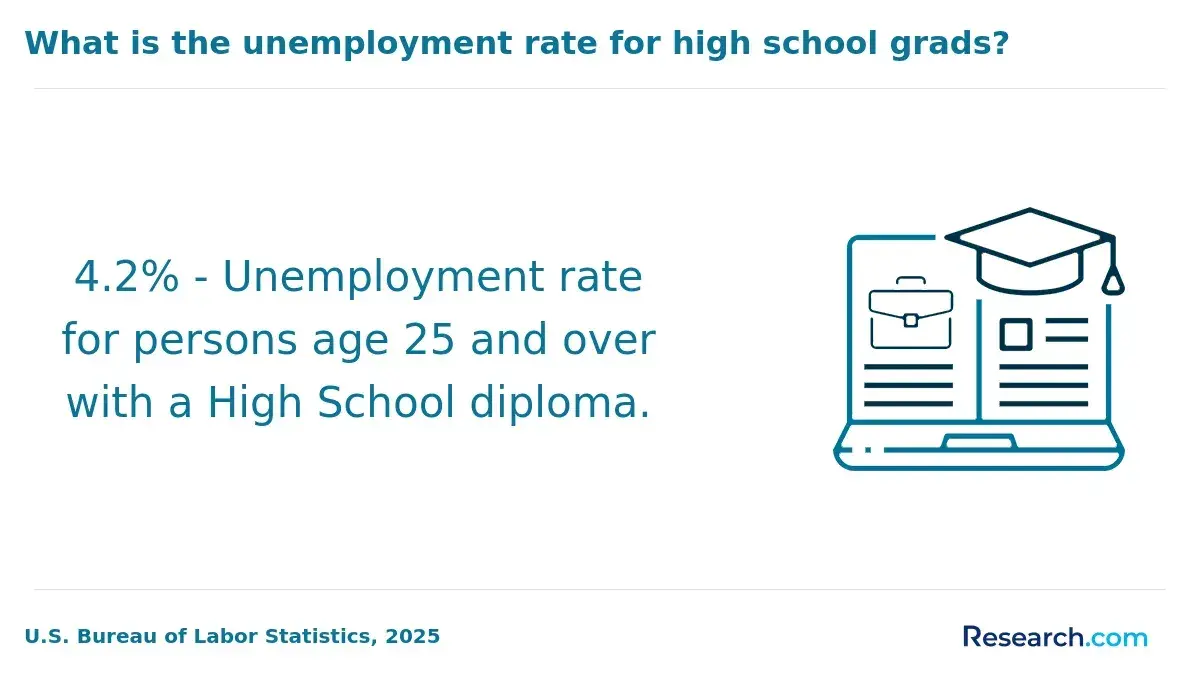
Admission requirements for online bachelor's and master's programs in real estate leadership impose distinct practical barriers shaped by academic rigor and professional relevance. Bachelor's applicants typically need a high school diploma, with some schools requiring SAT or ACT scores unless waived based on GPA or college credit. Transcripts must demonstrate competency in mathematics, economics, or business-related coursework to meet the analytical demands of real estate finance and market evaluation.
Master's admissions prioritize completed undergraduate degrees, often with a minimum GPA near 3.0 and foundational knowledge in real estate, finance, or business. Letters of recommendation and a statement of purpose underscore the emphasis on leadership potential. Many programs de-emphasize standardized tests like GRE or GMAT, instead valuing relevant work experience-such as managing commercial property portfolios-which aligns education with employer expectations for strategic insight.
Prospective students must balance admissions complexity with career responsibilities, especially since tuition ranges from $28,000 to $53,000. Successful candidates clearly map documentation timelines, prerequisite fulfillment, and funding, ensuring educational investment supports tangible career outcomes in real estate development, investment, or asset management.
How long do online real estate degrees take and what do they typically cost?
Choosing an online real estate degree often involves balancing time, cost, and career goals. Master's programs generally require about two years full-time but can extend to three years with part-time or accelerated options, accommodating working professionals. Bachelor's degrees typically take four years but may be shortened online by transfer credits or intensive scheduling.
Tuition differs significantly between public and private institutions, impacting return on investment. Public graduate students in real estate master's programs face average tuition around $12,596, while private counterparts pay over twice that amount, near $28,017. This cost disparity reflects tradeoffs between affordability and access to wider networks or resources often found at private universities.
Financially, candidates must also consider supplementary expenses-technology fees, books, and occasional travel-that add 5%-10% beyond tuition. Employers tend to prefer candidates who complete accredited degrees within two to three years, viewing this timeframe as proof of both proficiency and effective time management under professional constraints.
A mid-career real estate manager pivoting toward leadership might prioritize a flexible public program to minimize income interruption, whereas executives targeting elite firms may justify private program costs for enhanced networking advantages. Understanding these nuances helps clarify which educational investments align best with specific career trajectories and workforce demands.
What real estate leadership careers can graduates pursue and what are the key job duties?
Online real estate degrees equip graduates for specialized roles that demand distinct operational competencies and leadership acumen. For example, a commercial leasing manager in a dense urban development must continuously adjust lease structures to maintain tenant diversity and asset profitability amid fluctuating market dynamics. Key functions across roles include financial analysis, contract negotiation, regulatory navigation, and team coordination.
Typical positions include property managers responsible for tenant relations, budgeting, and legal compliance; real estate investment analysts who interpret market data and guide acquisition strategies; and development project coordinators who manage cross-disciplinary teams through complex project timelines and approval processes.
Employers prioritize candidates proficient in industry software, risk assessment, and data-driven decision-making. Graduates from online programs often benefit from curricula integrating analytics and project management, which fosters smoother transitions to leadership roles. However, the financial burden must be weighed carefully-online real estate degrees average $300 to $600 per credit hour, demanding a commitment justified by salary gains commonly 20-30% above entry-level roles.
Decision factors include program rigor, skill applicability, and alignment with targeted leadership trajectories. Prospective students should assess how well a program develops practical capabilities that meet these operational demands and the realities of an evolving real estate marketplace.
What salary ranges and job outlook can online real estate graduates expect in leadership roles?
Leadership roles in real estate sourced from online degree programs present wide salary variability driven primarily by market scale, firm size, and specific position. Graduates commonly find entry-level wages around $56,620, consistent with broker and sales agent data from Intelligent.com's Best Online Bachelor Degree Programs of 2025, but sustained advancement into management or executive roles can more than double that figure.
Salary ranges for leadership span roughly from $70,000 at smaller or regional agencies to above $110,000 for senior positions like asset managers at commercial real estate firms managing extensive portfolios with performance-tied bonuses. This disparity reflects a direct correlation between leadership salaries and the complexity of asset management responsibilities, deal negotiation proficiency, and financial oversight capabilities.
The job outlook remains stable with growth paralleling urban development trends, yet securing these leadership positions demands more than academic credentials. Employers prioritize candidates with demonstrated results, advanced negotiation skills, and relevant licensing, including certifications such as the Certified Commercial Investment Member (CCIM).
Effective upward mobility requires combining continuing education with strategic networking and experience accumulation. Graduates should anticipate robust competition for leadership roles, where practical expertise and portfolio success strongly influence compensation beyond base salary figures.
How do online real estate degrees align with state licensing and professional certification options?
Online real estate degrees provide foundational knowledge but do not replace state licensing mandates required to legally practice. Licensing requirements are state-specific, emphasizing approved coursework, supervised experience, and successful exam completion-elements that most degree programs do not fully cover. For instance, a candidate pursuing an online real estate degree in California must separately satisfy the California Department of Real Estate's licensing exams and coursework, which often surpass academic curricula in depth and regulatory detail.
Employers, particularly in commercial brokerage and property management, generally prioritize active licensing over academic credentials, including master's degrees. The average annual expense for a master's degree is approximately $12,596 at public institutions and $29,931 at private nonprofits, a cost that often demands alignment with licensing timelines to avoid redundant investment.
Effective career strategies integrate degree pursuits with licensing and certification paths:
- Match state-specific licensing needs with academic offerings to prevent overlapping requirements
- Leverage state-approved course credits within degree programs to streamline exam preparation
- Budget separately for licensing classes and certification exam fees beyond tuition
- Understand that advanced certifications like CCIM or CPM require practical experience and passing post-license examinations
Other Things You Should Know About Real Estate
Employer acceptance varies significantly by program reputation and demonstrated skills rather than the delivery mode alone. Degrees from institutions with strong industry connections and practical project work command more respect. Candidates must emphasize how their online degree equipped them with strategic decision-making and leadership capabilities, as some employers still prioritize traditional credentials but increasingly value relevant outcomes.
Balancing both demands careful program selection; part-time online programs with asynchronous learning offer flexibility but require disciplined time management. However, fewer synchronous networking opportunities and hands-on leadership simulations can limit experiential learning critical for leadership roles. Prioritize programs that integrate real-world case studies and offer mentorship or virtual collaboration to develop leadership acumen alongside work commitments.
Early specialization can accelerate expertise in niche leadership areas like property management or development but may constrain adaptability in dynamic markets. Conversely, a broad curriculum enhances strategic thinking across multiple domains, better preparing graduates for senior leadership roles with diverse responsibilities. For career advancement, choose broader programs aligned with leadership to maximize flexibility, unless you target a specific leadership path requiring deep specialization.
References
- Deep Dive: Careers in Commercial Real Estate (Updated Nov 2025) https://www.adventuresincre.com/careers-in-real-estate/
- 8 Different Routes to a Career in Real Estate https://zoetalentsolutions.com/career-in-real-estate/
- Careers in Real Estate https://www.nar.realtor/membership/careers-in-real-estate
- Online Master’s in Real Estate Degree Programs https://www.onlineeducation.com/business/masters-in-real-estate-programs
- Courses https://www.reic.ca/courses.html
- Real Estate Broker: Salary & Career Insights https://www.onlinemba.com/mba-careers/real-estate/
- Guide to Online Real Estate Courses and Certificates | Teach.com https://teach.com/online-ed/short-courses/online-real-estate-courses/
- Leadership Development Training for Real Estate Companies https://www.elevateleadership.com/industries/real-estate
- Quality Standards and Accreditation of Distance Education Programs in a Pandemic - OJDLA https://ojdla.com/articles/quality-standards-and-accreditation-of-distance-education-programs-in-a-pandemic