2027 Online Real Estate Degrees With Real Estate Development Career Alignment

Co-Founder and Chief Data Scientist
Mid-career professionals seeking to transition into real estate development often confront inflexible program schedules that clash with ongoing job commitments, delaying critical career advancements. A recent report from the National Center for Education Statistics found that over 45% of undergraduate real estate students are adult learners prioritizing flexible online education-a clear market shift driven by the need for accessible, asynchronous program formats. This trend underscores the widening gap between traditional campus-based degrees and the demands of working students seeking timely skill acquisition without geographic constraints. This article examines online real estate degree options strategically aligned with development careers to guide informed choices that minimize delay and maximize employability.
Key Things You Should Know
- Online real estate development degrees in 2026 show a 15% cost premium versus traditional formats, driven by accelerated, competency-based curriculum designs that compress time-to-employment but limit experiential site engagement.
- Employers emphasize hybrid skillsets combining finance analytics with urban planning, with 62% of hiring managers prioritizing graduates versed in GIS and sustainable development, pressuring programs to integrate practical tech tools.
- Labor market data from the Bureau of Labor Statistics reveals a projected 12% increase in real estate development roles through 2030, intensifying competition and elevating credential specificity as a key differentiator for career pivots.
What is an online real estate degree and how does it support real estate development careers?
Online real estate degree programs for real estate development careers focus tightly on competencies that match employer needs in areas such as site planning, urban economics, and investment strategies. Successful candidates show skills in negotiating contracts, analyzing land use, and managing regulatory frameworks-abilities that are necessary when moving beyond entry-level property roles toward development leadership.
Working professionals often seek online real estate degree programs for real estate development careers to balance education with existing job demands. These programs avoid the breadth and potential irrelevance of general business degrees by concentrating on industry-specific tools and terminology, improving practical employability with development firms, construction companies, and local planning agencies.
Employment data projects a 5% growth in real estate developers and managers between 2023 and 2033, adding about 15,700 new positions. This expansion demands graduates who understand complex zoning laws, sustainable design integration, and shifting market dynamics; shortcomings in these areas can delay projects or increase costs.
Students should weigh the tradeoff that online programs may lack essential hands-on site experience. Supplementing coursework with internships or part-time roles in real estate development firms is critical to demonstrating applied problem-solving skills that employers seek in negotiation and project management under real-world conditions.
For those assessing affordability and program focus, see real estate degree options ranked for cost-effectiveness and alignment with career outcomes.
How do online real estate degrees compare with on-campus programs for quality and flexibility?
Choosing between online and on-campus real estate degrees involves assessing specific tradeoffs tied to career timing, market engagement, and learning style. Online real estate degree quality comparison reveals parity in core curriculum rigor and accreditation standards with traditional programs, but the online format demands stronger self-discipline and asynchronous time management. This model suits working professionals pursuing a strategic pivot without disrupting full-time employment, especially in urban or suburban markets where flexibility is vital.
Programs focusing on real estate development incorporate virtual site visits, real-time case studies, and software training aligned with employer expectations. Yet, on-campus options often provide enhanced networking and hands-on experiences through direct industry partnerships and local internships. For example, professionals targeting commercial development roles in major metropolitan areas may benefit from on-campus proximity, which aids quicker access to internships and employer networks. Online learners must compensate with targeted outreach and the use of virtual career services.
Online degrees also broaden access for candidates outside coastal hubs, enabling competition for urban and regional planner roles amid projected 4% growth and median wages of around $81,800. Still, key tradeoffs include limited in-person networking, valued for leadership potential assessment, and the necessity for robust career services in distance programs. Meanwhile, on-campus programs incur commuting or relocation costs and constrain flexibility for those balancing family or work obligations. Decision-makers should carefully weigh these factors alongside their career objectives and local market realities.
For professionals exploring flexible, credible credentials, combining practical workload management with a strong program reputation is critical. Those interested in flexible management education may consider an accelerated online project management degree as a complementary pathway.
What accreditation and state approvals should online real estate programs have?
Regional accreditation from bodies like the Higher Learning Commission or Middle States Commission is essential in assessing online real estate program accreditation requirements. It assures academic integrity and marketplace acceptance, directly impacting licensure eligibility and employer recognition. Specialized accreditations from the Appraisal Institute or the American Real Estate Society may enhance industry alignment but are not substitutes for regional accreditation.
State approvals are a critical, non-negotiable component. Licensing authorities in states such as California and New York demand compliance with local real estate regulations, including curriculum coverage of state-specific laws and ethics. Without this, graduates risk their degrees being invalid for licensure exams or professional certifications, impairing their ability to enter or advance within the field.
The financial implications are significant. For instance, brokers holding a master's degree from an accredited program earn median salaries around $79,000, compared to $56,620 for bachelor's degree holders, reflecting a roughly 40% premium. This advantage hinges on the recognized legitimacy of the credential. Prospective students should prioritize programs that permit credit transfer, guide students through diverse state licensing requirements, and adequately prepare for professional exams.
Ignoring state approvals and accreditation can result in wasted time, effort, and lost earning potential. Consulting state higher education agencies and organizations like the National Council of Real Estate Fiduciaries helps verify program status. For those comparing educational options, examining pathways such as a bachelor project management degree might provide alternative or complementary routes to real estate careers.
Which types of online real estate degrees best align with development-focused career paths?
Programs offering an online master's in real estate development deliver core competencies in project feasibility, land use planning, construction management, and investment analysis that are difficult to replicate through broader business or general real estate degrees. These targeted curricula respond to employer demands for professionals skilled in navigating zoning laws, environmental compliance, and complex developer-lender negotiations-capabilities essential to roles like development consultant or real estate project manager.
For working professionals, particularly those pivoting from fields like architecture, this pathway offers immediate application opportunities through coursework in market analysis, capital markets, and urban economics. Unlike a general MBA with a real estate concentration focused mainly on portfolio management or brokerage, specialized development programs equip students to handle land acquisition and construction finance challenges tied directly to property development careers.
Given an average annual graduate tuition near $20,500, the investment aligns with median salaries ranging from $60,000 to $100,000 for development-specific roles, balancing upfront costs against long-term market returns. Prospective students should scrutinize programs for hands-on case studies or live project simulations, as employers prioritize demonstrated analytical skills and familiarity with local regulatory frameworks over broad theory.
These insights are vital for those assessing the best online real estate degrees aligned with property development. Considerations include:
- Prioritizing real estate development specialization instead of general real estate or finance tracks
- Evaluating if curricula cover land use law, construction management, and investment structuring
- Ensuring online delivery includes access to industry software and professional networking
For individuals comparing pathways, such as an accelerated MBA versus specialized real estate degrees, resources on the shortest MBA can inform strategic timing and focus decisions within their educational plans.
What courses and specializations prepare students for real estate development roles?
Financial modeling and regulatory navigation form the backbone of real estate development education, directly influencing employability and operational efficiency in the field. Core courses focus on analyzing investment cash flows and interpreting urban economics, equipping students to evaluate project viability and zoning constraints practically. For example, expertise in land use planning can prevent costly delays by anticipating municipal restrictions, a frequent challenge in real-world development projects.
Students often face a skill gap when transitioning from theoretical knowledge to managing on-site construction logistics and contractor coordination, both integral to advancing beyond entry-level roles. Supplementing technical coursework with environmental sustainability and property law reflects growing employer demand for compliance-savvy professionals able to address green building requirements and mitigate risk.
Practical competencies extend into data-driven decision-making, where proficiency in geographic information systems (GIS) and data analytics sharpens site selection and market assessment, key factors in minimizing financial exposure. Equally important are negotiation and real estate marketing skills, as developers must persuasively communicate project benefits to stakeholders and investors.
Consider tuition investment carefully: online bachelor's degrees typically range from $32,000 to $60,000, according to U.S. News & World Report data cited by Intelligent.com. This upfront cost should be weighed against projected earnings and career trajectory, acknowledging that skill application and industry connections often determine actual market value post-graduation.
What are typical admission requirements for online real estate bachelor's and master's programs?
Admissions for online real estate bachelor's and master's programs hinge on aligning proven academic readiness with relevant professional experience, with admissions criteria varying by program level and institution type. For undergraduate entry, a high school diploma or equivalent is mandatory, with submission of SAT or ACT scores optional but reinforcing candidacy. Competent applicants typically present transcripts demonstrating a GPA around 2.5 or higher and articulate clear, career-focused personal statements.
At the master's level, candidates need an accredited bachelor's degree, usually with a minimum GPA of 3.0, and most programs require GRE or GMAT scores unless offset by significant professional experience or previous graduate study. Real estate-related work experience, internships, or industry credentials notably enhance an application's competitive edge. Reference letters-generally two or three-should vividly reflect analytical aptitude, leadership capabilities, or sector-specific expertise critical for leadership roles.
Choosing between entry-level bachelor's programs and advanced master's degrees often depends on whether a student aims to pivot into real estate or deepen strategic competencies for career advancement. Early professionals benefit from foundational knowledge pathways, while seasoned industry specialists rely on graduate programs to refine project management skills and expand networks amid ongoing job responsibilities.
Enrollment diversity is increasing, with 30-35% of real estate program students identifying as students of color, yet structural disparities persist in leadership representation. Admission committees now emphasize cross-cultural aptitude and teamwork within application portfolios to bridge these gaps and improve employability in high-impact development roles.
How long do online real estate degrees take and what do they typically cost?
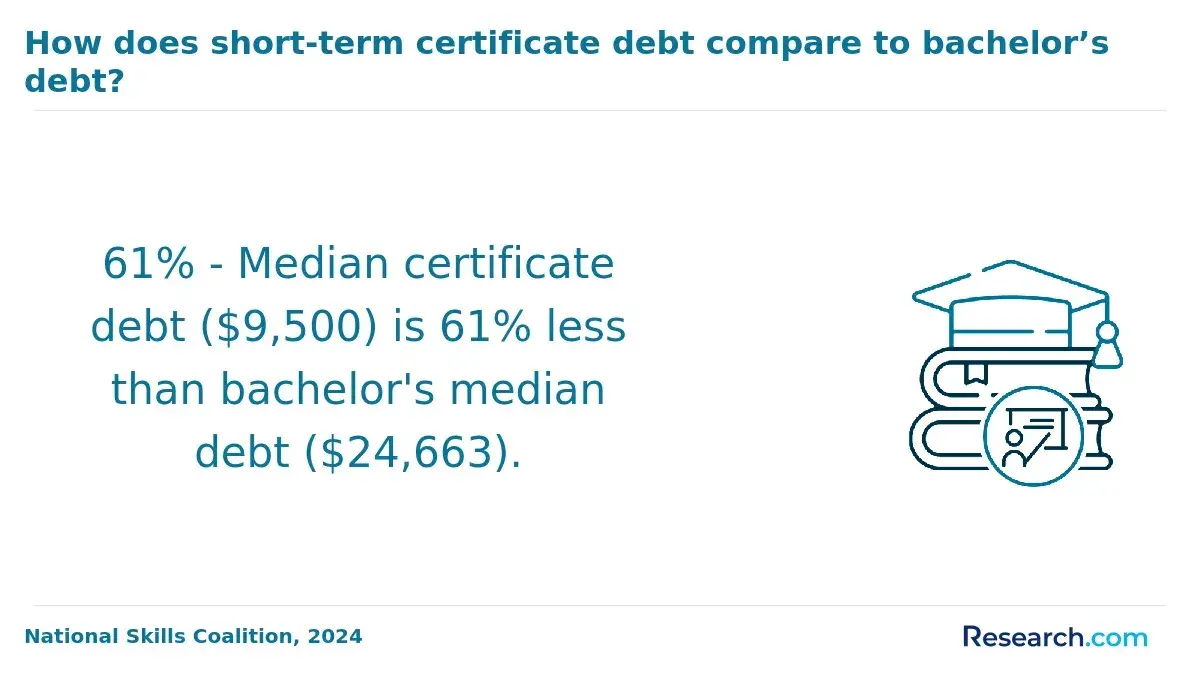
Pragmatic career advancement in real estate development hinges on recognizing that only advanced degrees reliably meet employer expectations for roles demanding strategic, financial, and project management expertise. While certificate programs-typically lasting 1 to 2 years and costing between $2,000 and $10,000-offer swift skill enhancements or necessary credentials for entry-level positions, they seldom suffice for leadership tracks.
Bachelor's degrees require approximately four years of full-time study, with online tuition ranging from $20,000 to $60,000 per year depending on institutional prestige and program scope. These degrees are often the minimum for meaningful advancement beyond support roles. Master's programs, taking an additional 1 to 2 years and often charging upwards of $30,000 annually, deepen analytical and investment competencies critical for higher-level development and investment positions.
Individuals currently employed in real estate might weigh the short-term accessibility of certificates against the extended time and financial investment of degrees. Consider the opportunity cost of reduced earnings and time commitment for multi-year programs versus limited career mobility with certificates.
- Certificates provide quick, affordable upskilling suited for niche expertise or credential maintenance.
- Bachelor's degrees open pathways to supervisory and analytical roles but require significant time and financial resources.
- Master's degrees align with market demand for development leadership roles demanding strategic input and financial rigor.
Budgeting realistically for these educational investments-including foregone wages during intensive study-is essential to align study choices with career objectives in real estate development fields.
What real estate development jobs can graduates pursue and what are the main responsibilities?
Success in real estate development roles hinges on specialized expertise aligned with complex market and regulatory variables. For instance, a development analyst must quantify project viability using internal rate of return (IRR) and net present value (NPV), anticipating financing cost shifts linked to interest rate fluctuations. Project managers navigate multifaceted responsibilities-managing permits, contractor scheduling, zoning compliance, and community relations-that differ sharply between suburban and urban contexts.
The scale of residential market activity, such as 4.09 million home sales and 619,000 new single-family starts annually, creates persistent demand, yet employers expect graduates to mitigate unpredictable challenges. Acquisition specialists prioritize property suitability and redevelopment incentives but must also negotiate amidst tightening urban zoning regulations. Construction managers confront balancing cost controls, timelines, and safety standards while adapting to material price volatility.
Real estate development education typically stresses financial modeling, contract law, and local market dynamics, but graduates face real-world friction navigating diverse regulatory climates-from stringent coastal codes to more lenient inland zones. Asset managers later reconcile tenant relations with portfolio optimization, underscoring that career progression demands both technical fluency and situational adaptability.
What salary ranges and job outlook can real estate development professionals expect?
Salary ranges in real estate development are tightly linked to education, experience, and geography, with mid-career professionals often earning between $95,000 and $110,000 annually. Entry-level positions, commonly filled by those with associate degrees, typically start around $60,000, limiting upward mobility without further credentials or experience. In contrast, bachelor's or master's degrees in real estate development or related fields open pathways to project management and director roles starting near $90,000 and increasing with proven capabilities.
Understanding the tradeoffs is essential: top-paying markets like New York or San Francisco offer compensation premiums but come with higher living costs and more competitive hiring. Mid-sized metro areas may provide steadier job growth and better work-life balance, though at moderate salary levels. Programs integrating capstone projects and strong industry connections better prepare graduates for employer demands, emphasizing real-world skills and project experience beyond coursework.
Specialization in investment analysis or sustainable development can enhance niche market access, directly influencing salary potential and advancement. Online accredited programs have expanded these options, allowing students to align education with specific career functions effectively.
Projected industry growth near 8% through 2032 signals persistent demand for skilled professionals, but advancement hinges on combining credentials with extensive technical skills and practical experience.
Which licenses and certifications matter most for real estate development career advancement?
Securing a licensed real estate broker designation remains the pivotal credential for professionals aiming to negotiate transactions and assume acquisition or capital-raising responsibilities in development contexts. This license is often the minimum requirement for positions that engage directly with project sales and investment negotiations, setting a practical baseline for upward mobility in real estate development organizations.
Complementing the broker license, certifications such as the Certified Commercial Investment Member (CCIM) designation provide demonstrable expertise in commercial investment analysis, a skill set that materially supports value creation and deal structuring. For instance, a developer managing a $30 million mixed-use development who holds broker and Project Management Professional (PMP) credentials can bridge financial negotiation with complex project oversight, a dual capacity that enhances employability and leadership potential.
The growing emphasis on sustainability in real estate pivots on credentials like the LEED Green Associate, which is increasingly essential for professionals involved in projects subject to green building regulations and competitive bidding under environmental mandates. Operational-specific certifications such as Real Property Administrator (RPA) or PMP further equip candidates with the managerial rigor necessary for coordinating complex timelines and budgets in large-scale developments.
Labor market data from the UK Longitudinal Education Outcomes project reveals median salaries rising from £25,113 at 15 months post-graduation to £28,730 at five years, underscoring how credential accumulation correlates with measurable income gains. The practical implication for U.S.-based students and professionals is clear: credentials integrating legal authority, investment acumen, and project management skills materially influence career trajectories and earning power in real estate development.
Other Things You Should Know About Real Estate
Many online real estate development programs do not require prior work experience for admission. However, students with hands-on industry exposure tend to navigate complex projects and financial models more effectively during the coursework. Without relevant experience, learners may struggle to contextualize development-specific challenges, which can impact their ability to fully leverage the curriculum. For those seeking career advancement, gaining some practical experience before or alongside schooling strengthens both learning outcomes and employer appeal.
Networking opportunities in online programs are often more limited and require proactive effort. Real estate development careers rely heavily on personal relationships and local market knowledge, which are harder to cultivate remotely. Students should prioritize programs with structured virtual internships, mentorships, or industry events to bridge this gap. Without deliberate networking strategies, graduates may face disadvantage securing deals, partnerships, or insider market intelligence crucial for development success.
Programs that integrate practical project work aligned with real estate development deliver stronger career value than purely theoretical ones. Application-based learning builds skills in site analysis, financing, zoning, and negotiation under conditions mirroring industry demands. Employers expect graduates who can demonstrate applied knowledge through capstone projects or simulated developments. Prioritizing programs with experiential components maximizes readiness for immediate contribution in development roles.
References
- All you need to know about the property developer's job: studies, salary https://www.inseec.com/en/job-guide/property-developer/
- How long to become a licensed real estate agent https://www.opendoor.com/articles/how-long-to-become-a-licensed-real-estate-agent
- The 4 Best Online Real Estate Schools for 2025 https://www.housingwire.com/articles/best-online-real-estate-school/
- Real Estate Degrees | What Degree Will You Need? (Full Guide) https://www.allbusinessschools.com/real-estate/degrees/
- Intelligent - Best Real Estate Schools https://intelligent.com/real-estate/best-real-estate-schools/
- About https://www.vaned.com/about
- How To Choose an Online Real Estate School | 360training https://www.360training.com/blog/how-to-choose-online-real-estate-school
- Online Bachelor with Smart Cities & Real Estate https://www.global-business-school.org/programs/bachelor-europe-bachelor-of-business-administration-online/online-bachelor-with-smart-cities-real-estate/
- Take Real Estate Classes Online to Get Your Degree https://mycollegeguide.org/online-real-estate-degrees/
- Real Estate https://icieducation.com/courses/business/real-estate/