2027 First Real Estate Roles for Career Changers Seeking Brokerage or Property Paths

Co-Founder and Chief Data Scientist
Transitioning into brokerage or property management roles presents a critical bottleneck for career changers without prior industry experience or credentials. Securing entry often demands both formal licensing and practical exposure, with 48% of adult learners reporting scheduling conflicts as a primary barrier to enrollment, according to the National Center for Education Statistics. This trend illustrates how rigid class formats and limited part-time program availability hinder timely career shifts. Additionally, workforce demand favors candidates demonstrating up-to-date certifications aligned with local market regulations. This article evaluates first real estate roles tailored for career changers, focusing on educational pathways, licensing requirements, and realistic placement opportunities to guide effective career transitions.
Key Things You Should Know
- Brokerage roles require licensing steps averaging 90 days and $1,400 upfront per state, delaying income for career changers; this timing hurdle, combined with fluctuating market commissions, compresses early earning potential according to the National Association of Realtors 2024 data.
- Employers prioritize candidates demonstrating direct client acquisition and negotiation experience within brokerage or property management to mitigate high turnover rates-32% annually in 2023, reported by the Bureau of Labor Statistics-making practical field exposure essential beyond certification.
- Transitioning into property management often demands additional technology proficiency, with 75% of firms in 2024 using AI-driven rent management platforms, creating a skills gap that extends onboarding by three months on average per Harvard Business Review workforce studies.
What are the first real estate jobs for career changers?
Entry into real estate for career changers often involves initial roles like leasing consultants, property management assistants, or licensed agent positions, each with distinct operational realities. Leasing consultants require no license but involve steady hourly wages managing rental property showings and tenant relations, offering immediate income stability with limited commission potential. In contrast, obtaining a real estate license to work as an agent demands significant upfront investment in state-approved courses and exam fees, varying widely between states. This path offers direct client engagement and commission-driven income, which can fluctuate considerably during the transition period.
Entry-level property management jobs for career changers entail supporting property managers through administrative tasks, maintenance coordination, and tenant communication. These roles typically do not require licensing, providing critical industry exposure and network-building opportunities that can accelerate advancement into higher-paying licensed sales or management roles.
Career changers should weigh these tradeoffs carefully, factoring in the 26% of REALTORS® who transitioned from business or management backgrounds and the median gross income of $62,100. Prior experience in sales, negotiation, or project management translates well but does not mitigate income variability inherent in commission-based agent roles. Strategic decisions about residential versus commercial specialization and regional market dynamics also shape hiring preferences and earning trajectories.
For those considering educational routes, pairing real estate career pivots with an online business degree may enhance relevant practical skills and market understanding important for sustained success.
What training do you need for a real estate brokerage career?
The process to become a licensed real estate broker demands more than simply completing state-mandated pre-licensing education. These courses, which vary between 40 to over 90 hours depending on the state, are foundational yet insufficient for practical success in brokerage. Candidates must pass rigorous state exams, but passing alone does not prepare new agents for the operational realities of negotiating deals, managing clients, and analyzing markets. This is a critical gap in many real estate brokerage training requirements in the US, where on-the-job mentorship and brokerage-specific onboarding prove essential to bridge theoretical knowledge with performance expectations.
New brokers often struggle without structured post-licensing support, leading to early career stagnation or exit. Specialized certifications, such as those in commercial real estate or appraisal, significantly influence earning potential and market positioning. For instance, 54% of commercial REALTORS® earned over $150,000 annually, compared to just 16% of residential-only agents, illustrating how targeted credentials shape income trajectories.
Financially, prospective agents should anticipate budgeting $500 to $1,500 for courses, additional exam fees, and ongoing education requirements of 12-18 hours every 1-2 years to maintain licensing. Beyond coursework, access to brokerage resources and customer relationship management (CRM) tools strongly affects early success but often remains outside formal training programs.
Given the complexity of steps to become a licensed real estate broker and the layered nature of training-from mandatory pre-licensing to practical mentorship-those who neglect these stages face longer onboarding times and limited growth.
For professionals seeking to deepen their business acumen, pursuing a master of finance online can complement real estate expertise by enhancing financial analysis skills crucial for high-level brokerage roles.
What training do you need for property management careers?
Property management careers in the US require more than a high school diploma; employers typically expect formal education combined with licensure and practical experience aligned with jurisdictional standards. Candidates often pursue property management training requirements in the US that include a certificate or associate degree in property management, business administration, or real estate principles. Licenses, such as state-specific property management or real estate sales licenses, are compulsory in many areas, especially where leasing transactions and regulatory compliance are involved.
Employers emphasize demonstrated skills in tenant relations, budgeting, property maintenance coordination, and familiarity with legal frameworks specific to commercial or community association management. For instance, commercial real estate managers frequently engage in specialized training on commercial leasing law and facilities oversight, while community association managers focus more on governance and dispute resolution. Without appropriate certifications needed for property management careers, professionals may face limited job options and wage penalties regardless of skill level.
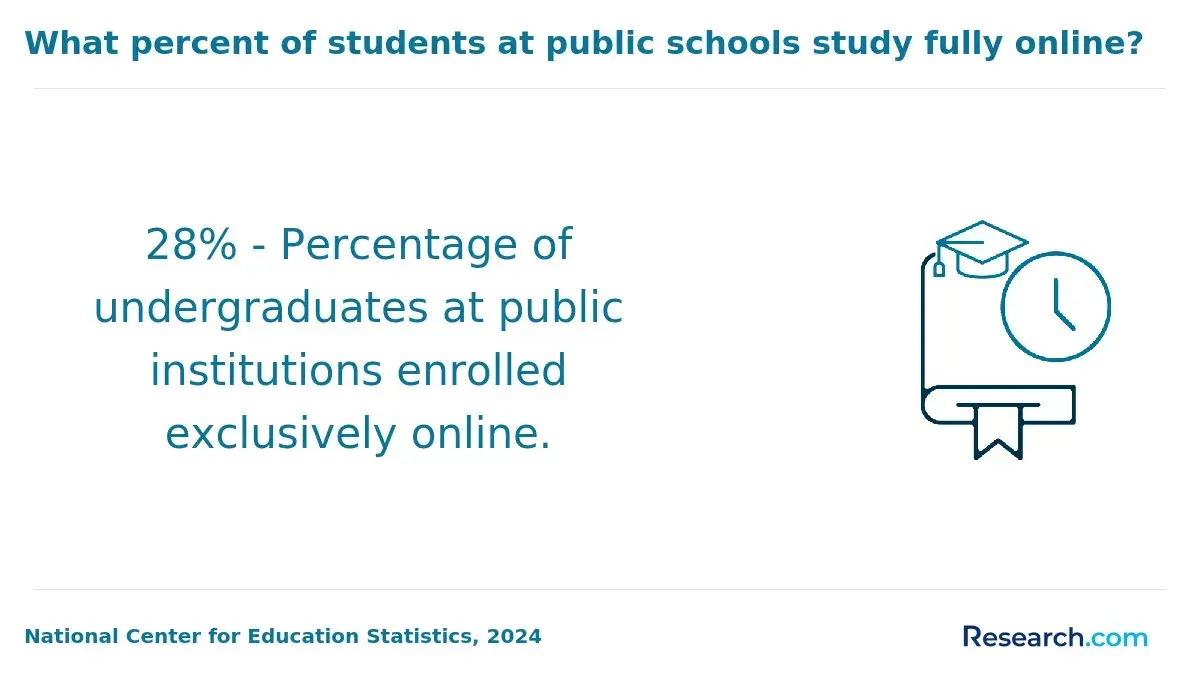
Online courses offer flexibility but often lack the hands-on internships or mentorship that enhance employability. Candidates should balance the time and depth tradeoffs between accelerated certificate programs and associate degrees based on employer expectations in their desired market segment.
Given the U.S. Bureau of Labor Statistics projects a 5% employment growth for property, real estate, and community association managers through 2032, understanding these credentialing distinctions directly impacts access to new job opportunities. For those considering related advanced degrees, exploring MBA healthcare programs may provide a relevant model of affordable, specialized graduate study paths.
How do online and campus real estate programs compare?
Choosing between online and campus real estate certification programs directly affects access to practical experience and networking essential for employment in brokerage or property management. Employers heavily favor candidates with tangible market exposure, which campus programs often facilitate through structured internships, live events, and mentorship opportunities. This dynamic is especially critical in metropolitan areas where personal relationships and in-person trust drive deal flow.
The differences between online and campus real estate training compares sharply in these respects: online programs offer flexibility and pacing advantages for career changers but place the responsibility on learners to secure external work experience and networking. This can slow career progression compared to campus graduates who benefit from embedded career services and quicker licensure readiness.
Consider a professional pivoting to institutional asset management, where compensation for those with 5-9 years of experience reached a median of $225,000 in 2025 per CEL & Associates Real Estate Compensation Survey. That earning potential depends on developing proven transactional and analytical skills generally linked to campus-based opportunities.
- Campus: Immediate engagement in professional ecosystems through internships and events but often requires relocation or full-time commitment.
- Online: Accessibility and self-direction but demands deliberate external effort for practical exposure and relationships.
- Licensure timing varies, with campus programs sometimes expediting exam and state credential readiness.
Prospective students should weigh how these differences align with their personal and professional context. For a deeper comparison of program structures and flexibility in different fields, see best online masters degree in human resource management programs.
What accreditation should a real estate school have?
For those pivoting into brokerage or property management roles, state licensing authority recognition is the baseline requirement for any real estate school. Without state-approved accreditation, licensing eligibility is effectively blocked, limiting immediate entry into brokerage positions. Regional or national accreditation adds credibility but does not substitute state licensure approval, which dictates whether coursework counts toward licensing exams.
Consider a practical scenario: a school might have regional accreditation but lack state licensing approval, rendering its curriculum unusable for licensing in that state. Conversely, schools with only state approval provide a direct, compliant path to licensure but may fall short academically, potentially complicating future academic transfers or widening career options outside brokerage or property management.
Property management, especially at larger or institutional levels, increasingly requires additional credentials such as Certified Property Manager (CPM) certification, beyond basic licensing. These credentials affect competitive positioning and earnings ceiling even if not mandatory for initial licensing.
Other tradeoffs include reciprocal licensing limitations; states with stricter accreditation adherence can restrict cross-border practice, influencing long-term mobility. Entry-level real estate development analysts, by contrast, often need higher academic qualifications and credentials but typically command median base salaries near $95,000, with total compensation exceeding $120,000, reflecting distinct qualification pathways within the field.
What licensing requirements apply to real estate careers?
Obtaining a state-specific real estate license is a mandatory but nuanced step for most brokerage or sales roles in the U.S., with licensing requirements and timelines varying notably by state and job function. Pre-licensing education typically demands 60 to 90 hours, followed by a comprehensive exam and background checks. While entry-level property management roles often bypass initial licensing, managing client portfolios or leasing frequently triggers stricter requirements.
Licensing alone does not guarantee job offers or advancement. Employers favor candidates with additional credentials like Certified Residential Specialist (CRS) certifications or proven acquisition experience, which can substantially raise earning potential. For instance, positions in investment and acquisitions, which combine licensing with advanced industry knowledge, often start between $120,000 and $160,000, based on data from the Cornell SC Johnson College of Business.
Prospective entrants must weigh upfront costs and timelines-licensing preparation spans 3 to 6 months, frequently alongside ongoing employment, with fees ranging from $300 to $1,000. Continuing education every one to two years also factors into long-term planning. Candidates targeting quicker market entry might consider hard entry-level property management positions but should recognize the tradeoff in income ceiling and career growth potential compared to broker roles.
Strategically addressing these licensing and certification demands enables candidates to align educational investments with realistic earnings timelines and position themselves effectively within competitive hiring landscapes.
What coursework is included in real estate programs?
Programs in real estate that emphasize regulatory knowledge and practical skills better align with employer expectations, particularly given the licensing requirements for brokers and agents. Coursework that integrates contract law, fiduciary duties, and ethical agency relationships is critical because licensed professionals must navigate complex compliance environments.
Choosing a program that provides hands-on training in property appraisal techniques and software use addresses both market demand and employment projections-property appraisers will see a steady 5% job growth with thousands of openings annually, according to the U.S. Bureau of Labor Statistics. However, graduates lacking applied projects or internships face longer job searches and limited initial compensation, showing that theoretical knowledge alone is insufficient.
Programs focused on brokerage skills should include negotiation, marketing, and client communication to prepare candidates for real-world transactions. Conversely, those targeting property management must delve into leasing, investment strategies, and facilities management to enable effective asset stewardship over time.
Prospective students must weigh program offerings against career goals, especially regarding state licensing exam preparation and employer recognition of credentials. The tradeoff lies in balancing broad academic coverage with depth in practical skills and clear pathways to licensure, which significantly impact employability and long-term career trajectories in real estate.
How long do real estate programs take, and what do they cost?
Real estate licensing programs typically require 60 to 90 hours of coursework spread over one to three months, but state requirements can range from 40 to 135 hours before exam eligibility. Costs for pre-licensing classes alone vary widely-$300 to $1,200-excluding fees for licensing, exams, fingerprinting, and ongoing education. Selecting a program below 90 hours and around $600 reduces upfront time and expenses but often limits practical skill development sought by employers.
More comprehensive courses costing over $1,000 frequently include exam preparation, business fundamentals, and local market law, enhancing readiness for brokerage roles but demanding larger personal investment. For example, a candidate targeting property management may opt for shorter, cost-effective licensing, while someone pursuing analytical roles benefits from deeper coursework and complementary credentials.
Employers increasingly prioritize applicants with education beyond basic licensing, valuing practical experience and technical skills like data analysis and financial literacy. Workers aiming to shift into specialist positions should consider certificates or associate degrees in Real Estate or business, reflecting labor market patterns where technical roles command median base salaries near $138,000, as reported by 2024 Glassdoor data.
Licensing costs and timelines directly affect time-to-employment and budgeting during career transitions. Candidates must also weigh employer preferences for credentials, practical experience, and advanced knowledge when charting educational pathways.
What salaries do first real estate roles offer?
Starting salaries in first real estate roles differ considerably by sector and region, with brokerage sales, property management, and corporate real estate presenting distinct tradeoffs. Brokerage agents typically encounter compensation structures dominated by commissions and low base pay, creating significant early income volatility. This unpredictability demands that new agents build financial resilience or seek interim supplemental income until client development stabilizes.
Property management offers a more stable entry point, with starting salaries generally between $50,000 and $65,000, though bonus opportunities are more limited. Corporate real estate roles, often tied to administrative and facilities management functions, not only provide steadier pay but are projected to grow by 7% between 2022 and 2032-surpassing many labor market averages and signaling growing demand for relevant skills.
Key considerations for prospective entrants include upfront costs such as licensing fees and marketing expenditures, which heavily influence cash flow timing in brokerage roles. Employers also expect familiarity with real estate software, negotiation techniques, and regulatory compliance from the outset, affecting initial salary offers. Students and professionals should weigh how a commission-based compensation fits personal risk tolerance versus salaried pathways' stability, and calibrate educational investments accordingly, mindful of regional salary disparities driven by local market dynamics and commercial activity.
What is the job outlook for real estate career changers?
Specializing in sustainability roles within real estate significantly shifts earning potential and career trajectory compared to traditional brokerage or property management paths. Green building consultants earn between $82,000 and $150,000 annually, while sustainable development directors can command $182,000 to $270,000, driven by increasing demand for expertise in energy-efficient and environmentally responsible projects. In contrast, general brokerage roles often start with lower entry salaries and involve greater exposure to market volatility and commission-based income fluctuations.
Prospective career changers must weigh educational investments carefully. Programs offering practical certifications in green design, compliance, or real estate technology provide faster return on investment than generic licensure, because employers prefer candidates who demonstrate immediate impact through cost reductions and asset value enhancement. However, these specialized roles typically require domain-specific expertise and networks, which can create barriers for those without related backgrounds.
Consider a mid-career civil engineer who transitioned into sustainable development by obtaining targeted certifications and engaging with industry-specific associations. This strategic pivot accelerated income growth while mitigating the uncertainties tied to traditional brokerage commissions. Without comparable qualifications, job seekers risk remaining limited to entry-level brokerage positions with less stable compensation.
Other Things You Should Know About Real Estate
Career changers often face a steep learning curve in both industry knowledge and local market nuances, which cannot be fully addressed by initial training alone. Real estate brokerage demands strong client relationship skills and self-driven lead generation, skills that many new entrants must develop on the job. Property management roles can involve unpredictable hours and conflict resolution that tests interpersonal and organizational abilities beyond classroom preparation. Assessing personal adaptability to these pressures before committing helps avoid costly turnover.
Prior professional experience can be a significant asset in 2027 real estate roles, providing skills like negotiation, sales, or customer service. It enhances adaptability and problem-solving capabilities, making it easier to navigate the complexities of the industry and build relationships with clients and colleagues.
Entering brokerage roles early allows faster income growth but demands intensive networking and market agility, which can overwhelm new entrants without strong sales backgrounds. Property management offers steadier workflow and clearer procedures but typically caps compensation lower and moves slower on career advancement. Career changers should weigh tolerance for risk and income fluctuation against job stability when selecting their initial focus. Prioritizing brokerage suits those with aggressive self-marketing skills; property management fits those valuing routine and operational precision.
Effective mentorship is critical since licensing and coursework do not cover the full scope of daily challenges in real estate roles. Employers offering structured mentorship programs with clear performance metrics produce higher retention and faster advancement rates. Before accepting a position, candidates should request details on mentorship duration, mentor accessibility, and feedback frequency. Prioritizing organizations with documented training success and supportive culture reduces the risk of stalled career progression and burnout.
References
- How to Choose the Best Real Estate School | Redfin https://www.redfin.com/guides/agent-resources/find-the-best-real-estate-school
- Classroom or Online Real Estate Courses: What’s the Best Fit for You? https://www.hondros.com/resources/blog/classroom-vs-online-real-estate-courses-what-is-the-best-fit-for-you/
- Required criteria and qualifications to work in real estate | The Real Estate Authority https://www.rea.govt.nz/real-estate-professionals/apply-for-your-licence/required-criteria-and-qualifications-to-work-in-real-estate/
- Cost of Real Estate License & Classes in California | Allied Schools https://www.alliedschools.com/blog/how-much-real-estate-license-california/
- Careers in real estate: paths beyond buying and selling homes https://www.glion.edu/magazine/careers-in-real-estate/
- Real Estate Designations & Certifications | Champions School https://www.championsschool.com/real-estate/designations/
- Real Estate License Cost: How Much Are Real Estate Classes? https://www.360training.com/blog/real-estate-license-cost
- Why Real Estate May Be the Career Change You’re Looking For https://www.aceableagent.com/career-center/national/real-estate-career-change/
- What Real Estate Agents Reveal About the Future of Work in the Age of AI https://www.thecareertoolkitbook.com/blog/what-real-estate-agents-reveal-about-the-future-of-work-in-the-age-of-ai
- Get Started in Commercial Real Estate | The CCIM Institute https://www.ccim.com/education/get-started-commercial-real-estate