2027 Best Online BBA in Real Estate With Asset Management Focus

Co-Founder and Chief Data Scientist
Mid-career professionals pursuing leadership roles in real estate asset management often confront the dilemma of balancing continuing education with full-time employment and family obligations. Nearly 60% of adult learners enrolled in online programs in 2024, according to the National Center for Education Statistics, reflecting a decisive shift toward flexible, asynchronous learning models that allow for career continuity without geographic constraints. This rise in online education accessibility directly influences how real estate practitioners evaluate program structure, cohort pacing, and industry relevance, seeking credentials that align with workforce demands without sacrificing immediate income or job stability. This article dissects top online BBA programs emphasizing real estate with an asset management focus, offering critical insights to guide those navigating this complex educational investment amid evolving labor market conditions.
Key Things You Should Know
- Programs with asset management focus often delay entry into direct acquisitions roles due to extended analytic coursework, which can reduce time in revenue-generating activities by an average of 18 months, affecting early career ROI.
- Employers in commercial Real Estate increasingly prioritize graduates with data-driven asset optimization skills, with 62% of hiring managers citing advanced financial modeling proficiency as a top requirement in 2024 industry surveys.
- Tuition premiums for specialized BBA tracks average 25% higher than general business degrees, creating access barriers that disproportionately impact mid-career professionals balancing opportunity costs against credential relevance.
What is an online BBA in real estate with an asset management focus?
An online BBA in real estate with an asset management focus equips graduates with critical skills in managing diverse property portfolios and implementing targeted strategies to optimize investment returns. For instance, managing a commercial office portfolio requires balancing tenant mix, maintenance expenses, and market dynamics to ensure both cash flow and asset appreciation. This contrasts with residential property asset management, which often emphasizes occupancy rates and lease renewals.
The BBA degree with asset management specialization in real estate blends finance, property law, market analytics, and asset valuation. However, such programs demand strong quantitative aptitude and self-discipline, especially given their online format. Students without foundational finance or statistics knowledge may encounter steeper learning curves, affecting progression and ultimately employer readiness.
Industry growth is underscored by real estate assets under management surpassing $4.7 trillion in 2024, a 15% annual increase per MSCI Real Assets data. This expansion elevates the demand for professionals proficient in data-driven risk assessment and regulatory compliance. Employers increasingly expect candidates who can merge analytical rigor with effective stakeholder communication.
Those evaluating online BBA programs in real estate asset management should weigh program accreditation, practical internship opportunities, and market segment alignment. For practical insight into finance education as part of this pathway, prospective students can consider this online degree in finance.
How does an online BBA in real estate asset management compare with on-campus programs?
Choosing between an online BBA in real estate asset management and on-campus programs hinges on the practical exposure and networking crucial in this field. Employers value candidates with verified skills in asset valuation, property law, and portfolio optimization-areas typically reinforced on campus through internships, live case studies, and direct mentorship. In contrast, online students must proactively create their own experiential opportunities, which can slow career entry and initial wage growth.
For example, students enrolled in traditional programs often gain immediate access to local realtors and property managers, accelerating the application of theoretical knowledge in commercial property management. Online learners, however, rely heavily on digital networking and self-driven internships, making the path less straightforward but more flexible for working professionals balancing other commitments. These dynamics illustrate why the differences between online and traditional real estate asset management degrees are not only academic but operational.
Compensation trends in this sector underscore the value of hands-on expertise: according to the U.S. Bureau of Labor Statistics, property, real estate, and community association managers reported a median annual wage of $63,980, with the top 10% earning above $141,210. Employers often see on-campus graduates as ready for immediate contribution, while online graduates face a longer ramp-up to establish credibility without institutional career placement support.
Prospective students who intend to accelerate this process may consider a fast track construction management degree, as building parallel competencies can enhance both marketability and practical skill sets in related real estate asset management roles.
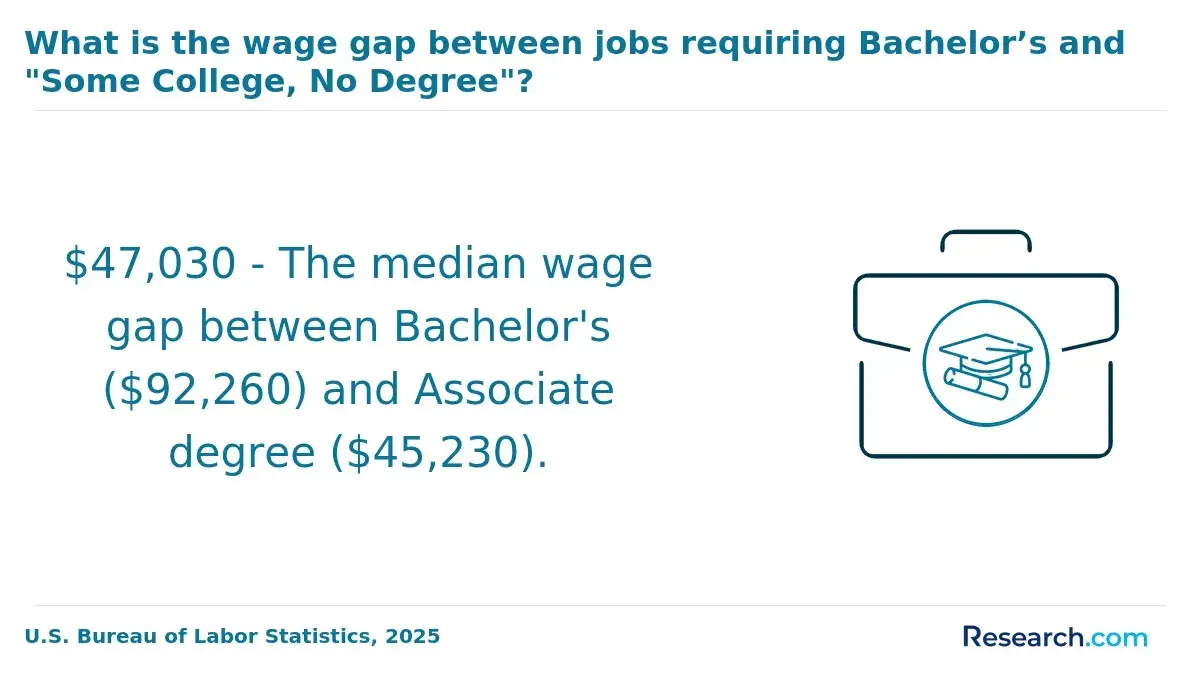
Which accredited schools offer the best online BBA programs in real estate asset management?
Demand for business graduates in real estate asset management is rising, with 79% of related firms planning to hire in 2024 versus 71% in 2023, according to the GMAC Corporate Recruiters Survey. The best online BBA programs in real estate asset management must therefore balance foundational business skills with specialized coursework covering portfolio analysis, financial modeling, and regulatory compliance crucial for diverse property markets.
Top accredited schools for online BBA in real estate asset management often leverage faculty with ongoing industry experience and offer internships or capstone projects simulating realistic asset acquisition and disposition. This practical emphasis is especially important for professionals eyeing roles in public REITs, where expertise in advanced analytics and sustainable asset valuation is prioritized, or in property management firms focused on tenant relations and regulatory risk mitigation.
Choosing a program requires weighing tradeoffs between coursework intensity and flexibility; modular or part-time structures minimize disruption but can delay graduation and slow early-career moves. Prospective students should examine alumni employment outcomes and embedded employer networks to optimize recruiting leverage. Additionally, verifying program accreditation ensures employer recognition and financial aid eligibility. Candidates interested in operational real estate roles might also explore construction management degrees online to complement asset management expertise.
What accreditation and program quality standards should these online real estate BBA programs meet?
Graduates aiming for roles in asset management within commercial Real Estate must prioritize accredited online BBA programs in real estate with asset management focus, as accreditation directly impacts employer recognition and career trajectory. Regional accreditation by bodies like the Higher Learning Commission ensures institutional legitimacy, while specialized recognition from agencies such as AACSB or ACBSP signals relevant curriculum rigor. Employers often favor candidates from AACSB-accredited programs for their thorough understanding of finance, portfolio management, and regulatory environments.
Quality standards for online real estate BBA degrees in asset management include a curriculum integrated with competency-based learning aligned to industry certifications from bodies like the Real Estate Financial Modeling (REFM) and Certified Commercial Investment Member (CCIM). Practical training in property valuation software and asset analytics is essential, as employers expect graduates to demonstrate applicable skills beyond theory.
Financially, while many online programs offer tuition below $8,000 annually compared to the average in-state public on-campus cost of $11,640, lower pricing may come at the cost of content depth or outcome transparency. Prospective students should evaluate programs that provide employment rates, median starting salaries, and graduate debt data, as these metrics reflect real-world viability in asset management positions demanding fiduciary responsibility and analytical precision.
Those seeking accelerated career pivots may also consider an fastest MBA program as an alternative path, depending on their experience and time constraints.
What courses and concentrations are typically included in a real estate asset management BBA curriculum?
Real estate asset management BBA programs prioritize a skill set aligned with current fund structures and employer expectations, rather than traditional academic breadth. Core courses emphasize financial analysis, property valuation, and portfolio management within contexts dominated by value-add and opportunistic fund strategies that represent over 60% of closed-end capital globally. This focus equips students to assess income optimization, risk management, and capital expenditures under evolving market conditions.
Specialized concentrations-such as commercial property management or sustainable development-introduce practical tradeoffs. For example, commercial tracks prioritize tenant negotiations and occupancy stability, essential for revenue continuity, while development pathways engage with feasibility and regulatory compliance challenges that can delay project timelines and affect asset returns.
Graduates are expected to handle complex asset decisions, balancing holding periods against disposition in fluctuating economies. Proficiency in data analytics and financial modeling directly addresses employer demands for quantitative forecasting skills that anticipate cash flow variability and market shifts.
The most effective curricula navigate the tension between theoretical foundation and applicability, preparing candidates for roles in portfolio management, acquisitions, or fund oversight. This approach helps graduates build resumes that align with capital flow trends and dynamic real estate finance environments, ultimately influencing employability and long-term career positioning.
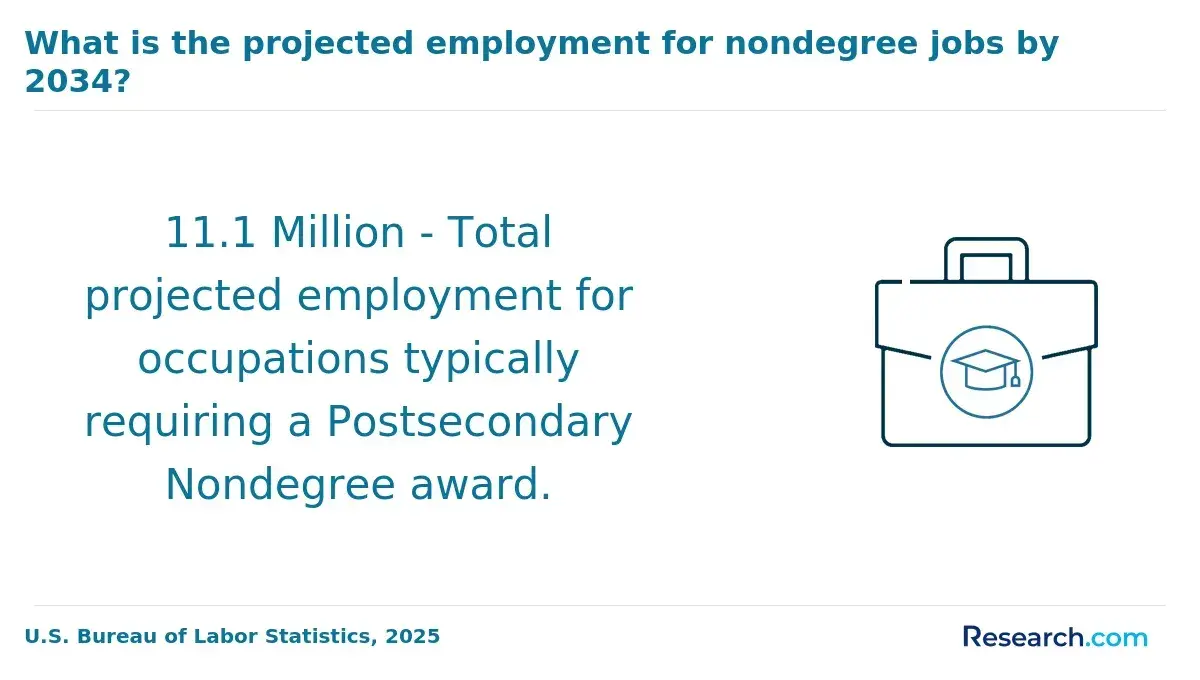
What are the typical admission requirements and application materials for these online BBA programs?
Admission to online BBA programs focused on real estate asset management hinges on demonstrating quantitative aptitude and business fundamentals rather than just academic credentials. While official high school transcripts with minimum GPAs around 2.5 to 3.0 remain standard, some programs accept relevant professional experience to offset academic shortfalls. This flexibility can matter significantly for professionals pivoting into real estate from other industries, although it often comes with requirements to complete foundational business coursework before progressing.
Applicants should expect to provide:
- Official transcripts from secondary or prior college education
- A personal statement linking career objectives to real estate asset management concepts
- A resume documenting relevant real estate, finance, or data analytics experience
- Letters of recommendation emphasizing quantitative skills or professional reliability
- Proof of English proficiency if applicable (TOEFL, IELTS)
Given that over half of commercial real estate executives prioritize advanced analytics and data-driven decision-making, candidates without prior exposure to finance or statistics face practical hurdles. For example, a working professional lacking these backgrounds may endure remedial courses that extend program duration and cost without immediate job market advantage. Admissions committees increasingly weigh such readiness to ensure students manage the rigorous integration of finance and analytics tools crucial for asset management roles.
How long does it take to complete an online BBA in real estate asset management, and what does it cost?
An online BBA in real estate asset management demands a significant time and organizational investment, typically spanning four years full-time. This timeline parallels traditional bachelor's paths, though accelerated or part-time options can compress or extend it-with increased workload intensity and potential restrictions on financial aid eligibility. Working professionals especially face the challenge of maintaining steady academic progress while balancing employment obligations.
Cost-wise, tuition at accredited institutions rarely exceeds $120,000 total, a figure aligned with conventional business undergraduate programs focusing on real estate. This reflects both public and private university averages for online offerings, where technology and resource fees may offset some savings from lower ancillary charges.
Employers prioritize demonstrated skills in real estate finance, asset valuation, and portfolio management over merely program duration or sticker price. For example, Georgetown University's 2024 ROI report shows graduates typically earn about $900,000 more over their lifetime compared to a high school diploma, a tangible premium that offsets upfront costs.
Prospective students must also weigh additional expenses and time for specialized software, certification exams, and networking efforts essential for employability. Regional licensing or continuing education commitments post-graduation add layers of obligation that can extend beyond the core program.
What entry-level and midcareer jobs can graduates pursue in real estate asset management?
Entry-level positions for graduates holding a BBA focused on real estate asset management typically involve analytical and reporting support roles such as Asset Management Analyst or Property Analyst. These jobs demand proficiency with property valuation metrics and foundational financial reporting, serving as essential groundwork before assuming full asset manager duties. Advancement to midcareer roles like Asset Manager or Senior Portfolio Manager requires demonstrated expertise in managing property portfolios, lease negotiations, and implementing value-driven strategies that improve portfolio returns. Professionals in these roles also lead due diligence, budget oversight, and investor communications.
Many working adults pursue flexible online BBA programs to balance employment and study, which aligns with data showing 59% of online U.S. undergraduates are 25 or older and 64% maintain part-time or greater work hours, according to the National Center for Education Statistics. This format permits skill development without pausing career momentum.
Consider a midcareer property manager transitioning into asset management: practical experience alone can limit advancement if not complemented by formal financial modeling and portfolio theory knowledge. Employers prioritize candidates who combine operational insight with quantifiable financial proficiency. Real-world challenges include mastering specialized asset management software and commercial deal structures, necessitating programs with actionable case studies or internships to bridge theory and practice.
What are the salary expectations and job outlook for real estate asset managers and related roles?
Compensation for U.S. real estate asset managers varies significantly based on experience, portfolio complexity, and location, with medians between $85,000 and $125,000 annually and peaks above $150,000 in large commercial markets. Entry roles such as asset analysts generally start near $65,000 but require demonstrated competencies like financial modeling, negotiation, and technology fluency to progress. These skills directly influence asset valuation accuracy and operational efficiency, which employers weigh heavily when hiring.
Job growth aligns with commercial real estate investment trends and evolving portfolio strategies, projecting a modest 5% increase through 2031 for related property management roles. Practical workforce implications include a need for adaptability to fluctuating market demands and continuous proficiency development in CRE technology platforms and ESG compliance standards.
Cross-border activity, accounting for roughly 30% of global commercial real estate investment volume ($174 billion), highlights the premium placed on professionals skilled in multi-jurisdictional regulation and currency risk management. Such expertise translates into leadership opportunities and compensation advantages in global firms.
Those transitioning careers must recognize the tradeoff between specialization and sector focus: operational roles in residential or retail tend to offer lower pay compared to office, industrial, or multifamily commercial portfolios. Progress hinges on a proven track record managing varied asset classes and ongoing skill enhancement, not solely credential accumulation.
How do this degree and experience support licensing, certifications, and professional advancement in real estate?
A BBA in real estate with an asset management focus prepares candidates to efficiently meet licensing requirements essential for broker or property manager roles by addressing property valuation, investment analysis, and compliance. This targeted curriculum aligns with certification demands from institutions such as the Certified Commercial Investment Member (CCIM) Institute and the Institute of Real Estate Management (IREM), which prioritize proven asset management and portfolio strategy skills.
This degree plays a pivotal role for professionals aiming to enter markets where assets under management in REITs and REOCs have more than doubled over the past decade (EPRA/FTSE Global Real Estate Market Size 2024). Employers seek candidates who can integrate licensing credentials with data-driven decision-making and regulatory understanding to reduce hiring friction and accelerate onboarding.
However, candidates should anticipate that exam preparation for state licensing takes an additional 6 to 12 months beyond degree completion, often overlapping with ongoing asset management duties. Those targeting senior positions benefit from the degree's emphasis on market analysis and operational efficiency, which supports success in advanced tracks such as the Certified Property Manager (CPM).
Practical experience, such as internships or project work, paired with deliberate sequencing of coursework and certifications, offers a more competitive profile. Understanding these tradeoffs helps clarify the pathway versus timeframe tension inherent in moving from education to specialized certification and employment in a field shaped by persistent institutional investment growth.
Other Things You Should Know About Real Estate
Online BBA programs in real estate asset management demand disciplined time management to align coursework with practical market dynamics. Many courses integrate case studies and portfolio simulations that reflect current market volatility, requiring students to apply theory under evolving conditions. Expect a workload that mirrors workplace complexity, where juggling financial analysis, property management scenarios, and regulatory considerations happens simultaneously. Prioritize programs that offer synchronous sessions or cohort-based learning for real-time interaction, as this aids in developing practical decision-making skills.
Specialization can sharpen employability but narrowing focus too early may reduce flexibility in a sector sensitive to economic cycles. Programs with modular electives in areas like commercial leasing, investment analysis, or portfolio management enable customization without sacrificing foundational breadth. For students targeting specific employer sectors-such as institutional investors or development firms-prioritizing programs with targeted coursework and relevant project opportunities is advisable. However, for adaptability across fluctuating real estate markets, a balanced curriculum with broad exposure supports longer-term career resilience.
Accelerated online programs reduce time-to-completion but often intensify workload, limiting the ability to pursue internships or part-time real estate roles concurrently. This can restrict experiential learning critical to interpreting asset risks and market behavior directly. Traditional timelines allow deeper industry integration alongside studies, which strengthens practical judgment and networking. Choose accelerated paths only if you have existing real estate experience or can secure external practical exposure concurrently to preserve employability and contextual understanding.
References
- Are Online Degrees Accredited? How to Identify Quality Distance Learning Programs https://www.umassglobal.edu/blog-news/online-degrees-accredited-identify-quality-distance-learning-programs
- Accreditation Guide - Quality Online Schools | Sora Schools https://soraschools.com/blog/accreditation-a-parents-guide-to-quality-online-schools
- The Need of Accreditation in Online Degree Programs https://www.onlinecu.in/blog/cu/the-importance-of-accreditation-in-online-degree-programs.php
- Online BBA vs. On-Campus BBA: What You Should Know Before You Choose | CourseCompare.ca https://www.coursecompare.ca/online-bba-vs-on-campus-bba/
- Salary Spotlight: Asset Manager Salary Explored - Macdonald & Company https://www.macdonaldandcompany.com/blog/asset-manager-salary-explored/
- BBA Real Estate Management | Jain Online https://www.onlinejain.in/bba-realestate-management/
- Quality Standards and Accreditation of Distance Education Programs in a Pandemic - OJDLA https://ojdla.com/articles/quality-standards-and-accreditation-of-distance-education-programs-in-a-pandemic
- Real Estate Investment Management - Warsaw University of Technology Business School https://biznes.edu.pl/en/programmes-2/real-estate-investment-management/
- rushford.ch: Verifying that you are not a robot... https://rushford.ch/programs/mba-in-real-estate-management/
- Bachelors Degrees (BSc) in Real Estate & Property Management https://brive.com/specialization/bachelors/real-estate-property-management/