2027 Online Real Estate Degrees With Appraisal Coursework

Co-Founder and Chief Data Scientist
Real estate professionals seeking to qualify for appraisal credentials often struggle to balance work, licensing requirements, and academic coursework. The Bureau of Labor Statistics projects a steady 4% job growth in real estate appraisal through 2032, yet many mid-career adults face rigid schedules and limited campus access that delay certification.
A 2024 National Center for Education Statistics report shows online enrollment now accounts for 48% of all postsecondary students, reflecting a shift toward flexibility critical for adult learners aiming to reskill without sacrificing income. This article evaluates online real estate degrees that integrate appraisal coursework, guiding candidates through program structures, accessibility, and career alignment to optimize credential attainment and workforce entry.
Key Things You Should Know
- Online real estate degrees with appraisal coursework average 24 months and a $18,500 total cost, per NCES 2024, forcing candidates to weigh accelerated licensure timelines versus comprehensive credential benefits.
- Employers in 2025 increasingly prefer candidates with integrated appraisal skills, as BLS data shows a 12% growth in hybrid appraisal-agent roles, signaling rising interdisciplinary demand in valuation and sales.
- The tradeoff between fully accredited degree programs and shorter certification alternatives impacts long-term career mobility, with 42% of degree holders advancing faster, yet facing higher initial debt burdens (IPEDS 2024).
What is an online real estate degree with appraisal coursework and who is it best for?
Online real estate degree programs with appraisal courses target candidates who require formal appraisal credentials or seek specialized skills in property valuation beyond general real estate knowledge. These degrees integrate appraisal methodologies, market analysis, and legal frameworks, equipping graduates to meet state education requirements critical for licensure, though they do not replace required exams or supervised experience.
For working professionals pivoting into appraisal, the flexibility of such programs allows balancing job demands with education, which is often necessary given appraisal's technical rigor and state-specific regulations. For instance, a metropolitan agent expanding into commercial property appraisal benefits from coursework focused on income approach valuation and site inspection-skills crucial for complex assets.
The U.S. Bureau of Labor Statistics reports a median annual wage of $66,790 for property appraisers and assessors, with the top 10% earning over $124,620, underscoring the value of advanced appraisal expertise and certification in the job market. Employers across banks, government agencies, and appraisal firms emphasize candidates' combined knowledge of real estate transactions and appraisal standards.
Prospective students should evaluate online real estate degrees with appraisal training based on practical outcomes, balancing the program's technical content with the demands of state licensing paths and employer expectations. Those exploring adjacent finance credentials could compare requirements with an online degree in finance to gauge broader career alignment.
What real estate and appraisal licenses can an online degree help you qualify for?
Online real estate degrees that incorporate appraisal coursework serve as a direct route to meeting state appraisal licensing requirements for online degrees, but the path extends beyond education. Many states require not only pre-licensing education but also supervised field experience and successful completion of licensing exams, which means candidates must strategically plan for on-the-job appraisal training in parallel with coursework.
For example, states like California and Texas impose strict mandates on experience hours as part of their licensing criteria. Employment projections indicate a steady 5% growth for property appraisers and assessors through 2032, reflecting consistent demand in sectors such as lending, property management, and government assessment. This demand translates into approximately 6,700 annual job openings.
However, students must carefully evaluate program curricula to ensure they explicitly align with state-specific appraisal licensing requirements for online degrees to prevent delays in qualification. For those weighing broader educational options, combining appraisal training with qualifications like an online MBA operations management can enhance versatility in real estate careers, especially in roles intersecting with property investment and portfolio oversight.
In sum, an online degree with appraisal coursework offers the necessary academic credentials to pursue real estate license qualifications but requires deliberate navigation of experiential and examination hurdles, underscoring the importance of matching program selection with targeted licensing regulations and workforce realities.
How do online real estate degrees with appraisal courses compare to campus programs?
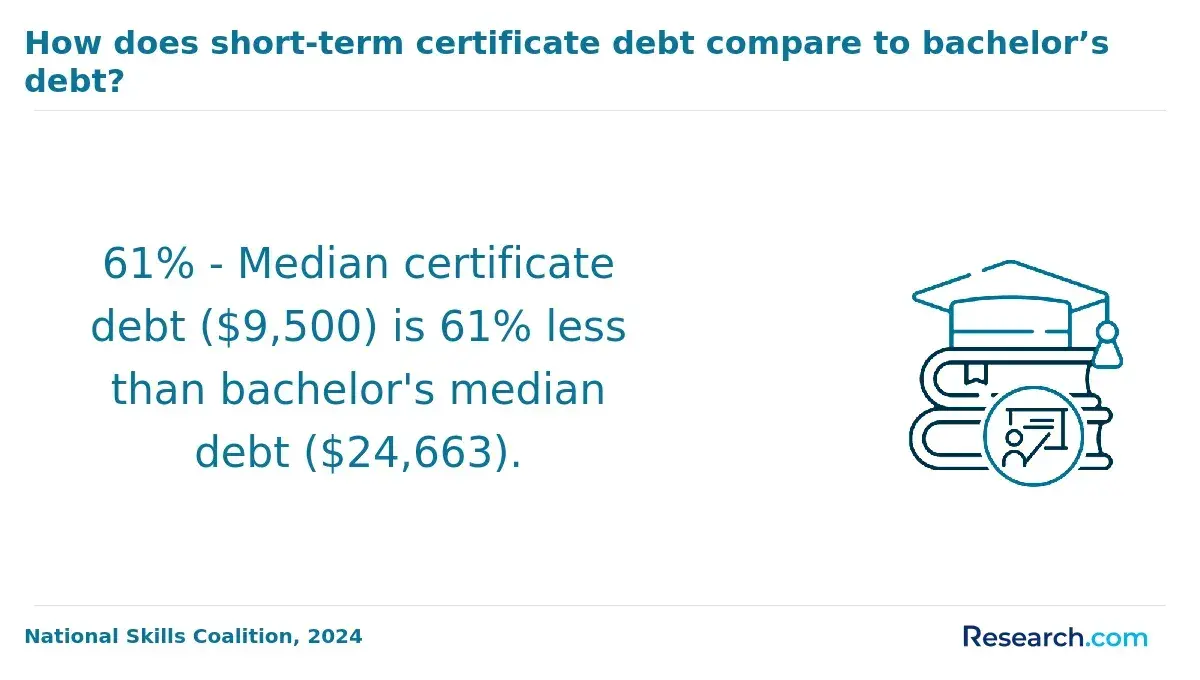
Online real estate degrees with appraisal coursework present a distinct tradeoff: significantly reduced tuition compared to traditional on-campus programs, but less direct access to hands-on experiences essential for appraisal proficiency. The median annual cost for ranked online bachelor's programs is about $11,700, notably lower than private nonprofit campus degrees, which directly impacts affordability and ROI for those targeting appraisal roles.
However, campus-based education offers structured opportunities for practical skill development, including in-person property inspections and live market analysis, aligning closely with real employer expectations, particularly in complex commercial real estate sectors. Employers prioritize candidates from accredited programs that integrate appraisal coursework alongside data analytics and regulatory compliance-criteria some online offerings increasingly meet, but with caveats.
Online formats, while flexible and low-overhead-benefits crucial to working professionals pursuing a pivot, rely heavily on virtual case studies and simulations. This requires students to independently arrange critical site visits, potentially prolonging completion and complicating supervised fieldwork requirements mandated in certain jurisdictions.
Evaluating an online real estate degree with appraisal coursework benefits means understanding these practical limitations and ensuring alignment with state licensure rules and professional standards. Hybrid or campus options may better serve those seeking licensed appraiser status, where extensive supervised experience is non-negotiable.
Students assessing educational pathways should consider balancing cost with the necessity of controlled, hands-on training that fosters credibility among local appraisal employers. For fundamentals in related fields, exploring construction management courses may also offer transferable skills relevant to appraisal contexts.
What accreditation and state approvals should real estate appraisal programs have?
Accreditation for online real estate appraisal programs extends beyond national validation, directly influencing licensure eligibility and employer recognition. The Appraiser Qualifications Board (AQB) sets the foundational education standard, but programs must also secure institutional accreditation recognized by the U.S. Department of Education or CHEA to maintain credit transferability and signal training quality.
Additionally, state-level approval dictates course acceptance for licensure or continuing education, making awareness of state-specific mandates essential for working professionals evaluating online real estate appraisal education programs. For example, a candidate in Texas must ensure their program aligns with AQB pre-license hour requirements and includes Texas-specific appraisal law to meet the Texas Appraiser Licensing and Certification Board's standards.
Meanwhile, Florida professionals seeking continuing education credits must select courses pre-approved by the Florida Real Estate Appraisal Board to avoid wasting time and resources on nonqualifying training. This layered accreditation system can delay licensing progress and increase educational expenses if not carefully navigated.
Employers increasingly expect appraisers to demonstrate skills beyond valuation, emphasizing analytical finance and statistics. Over 45 states acknowledge the Appraisal Institute's Real Estate Finance, Statistics, and Valuation Modeling course for qualification and CE credit-a reflection of the evolving competency demands in the field. Those exploring career shifts may also consider pathways like a PhD in healthcare management to expand strategic expertise in adjacent sectors.
Prospective students must weigh accreditation status and state approval carefully, as these factors directly impact practical outcomes, workforce relevance, and licensure success in real estate appraisal.
What appraisal-focused courses and skills are typically included in these degree programs?
Appraisal-focused degree programs in real estate provide critical competency in valuation techniques that are directly tied to employer expectations and state licensing requirements. Mastery of the sales comparison, cost, and income capitalization approaches forms the technical backbone, but successful employment also demands the ability to synthesize zoning regulations, conduct property inspections, and prepare USPAP-compliant appraisal reports.
This practical expertise is central for roles assessing diverse asset types, from residential to industrial properties. A distinctive challenge within these programs lies in adapting coursework to commercial appraisal needs, which require advanced statistical and forecasting skills to interpret neighborhood trends and property depreciation.
This element is frequently underemphasized but pivotal for appraisers aiming at commercial or specialized sectors like agricultural or historic property types. Students and mid-career professionals must therefore weigh curriculum depth in such advanced areas when evaluating programs, especially given the evolving demands of real estate markets.
Integrating fundamentals from finance, economics, and law ensures graduates meet rigorous analytical and regulatory standards. However, navigating the complexity of various property categories necessitates practical case studies and simulations that translate theory into actionable field skills. The Appraisal Foundation's Real Estate Degree Review Program's recognition of select programs meeting AQB standards carries measurable workforce value, .
What are typical admission requirements for online real estate degrees with appraisal training?
Admission to online real estate degree programs with appraisal coursework often hinges on more than just a high school diploma or GED. Specialized programs calibrate their entry standards to balance applicant readiness with industry expectations, which increasingly demand strong quantitative abilities and analytical skills.
For example, some bachelor's level programs require prior college credits or associate degrees, while others admit high school graduates directly but expect them to complete prerequisite courses in economics or finance to build essential foundational knowledge. Applicants should consider whether their background aligns with these requirements, as work experience in real estate or finance can enhance prospects but rarely substitutes for necessary academic preparation.
Additionally, due to technology-driven instruction and licensing board prerequisites tied to appraiser certification, prospective students must ensure reliable internet access and verify that chosen programs match state-specific education criteria, which can influence long-term credential eligibility.
The industry's evolving wage structure illustrates the practical impact of educational rigor: median pay for property appraisers rose nearly 9% in 2024, surpassing inflation-adjusted growth. This trend signals employer preference for candidates with robust appraisal expertise and suggests admissions processes might tighten to select students capable of meeting elevated analytical demands.
- Standardized test scores are sometimes required, reflecting the field's quantitative emphasis.
- Professional references or statements of purpose provide insight into applicant motivation and relevance of experience.
- Technology readiness is a non-negotiable due to online delivery and specialized software use.
How long do these online real estate programs take and what do they cost?
Online real estate degree programs with appraisal coursework often mirror traditional four-year timelines, but accelerated paths demand heavy course loads that can be impractical for full-time workers. Choosing an online program primarily for tuition savings requires weighing less costly education-2026 figures show annual tuition as low as $5,970 versus $11,260 at public on-campus institutions in 2024-against potential downsides like limited networking and reduced access to hands-on experiences.
For someone targeting residential property appraisal, an online program's virtual internship options and state licensing alignment become vital. Licensing requirements may introduce extra courses or exam fees, extending time and increasing overall cost beyond base tuition. Employer expectations emphasize both coursework and hands-on appraisal hours, meaning program length can be extended to meet practical experience demands.
Careful financial planning must include tuition, fees, technology needs, and potential travel for in-person exams or fieldwork. Students prioritizing immediate appraisal employment should verify that their chosen curriculum supports state licensing prerequisites and offers pathways to gain practical appraisal experience, which strongly influences employability in the market.
Key factors to evaluate include:
- Total four-year cost versus tuition savings
- Practical appraisal experience integration
- Flexibility to manage work and education
- Compatibility with state-specific licensing mandates
Decisions based solely on sticker price without assessing these operational details risk delaying entry into appraisal roles or requiring costly supplementary steps.
What real estate and appraisal careers can you pursue with this type of degree?
Online real estate degrees that include appraisal coursework serve as critical stepping stones to licensure but come with substantial practical and regulatory hurdles. For example, New York's requirements-150 hours of qualifying education for Licensed Residential Appraisers and 300 hours for Certified General Appraisers-illustrate how rigorous formal training must be before students can practically enter the profession.
Beyond coursework, most candidates face the demanding reality of completing over 1,000 hours of supervised field experience, which often delays full credentialing despite academic preparation. The actual job market values graduates from programs embedding appraisal education due to reduced employer onboarding time and increased readiness for state licensing.
Yet, absence of targeted state licensing exam prep within these programs can extend the timeline for licensure. Additionally, while advanced degrees improve qualification profiles, regional economic conditions heavily influence employment options and compensation in appraisal roles.
- Residential appraisal roles typically support mortgage lending and regulated transactions under federal and state oversight
- Commercial appraisal requires specialized knowledge of income-producing properties and aligns with Certified General Appraiser licensure criteria
- Real estate analysts within development firms leverage appraisal skills for project viability and asset valuation
- Government or corporate appraisal divisions focus on portfolio management, tax assessments, and eminent domain valuation cases
Ultimately, prospective students must ensure their chosen online programs align with specific state requirements and understand that appraisal-focused education is only one piece of a broader licensing puzzle involving extensive fieldwork and exam preparation.
How much do real estate appraisers and related professionals typically earn?
Appraisers with focused expertise and quantitative skills substantially increase their earning potential in Real Estate. Median annual wages hover around $63,000, but commercial appraisers or those in major urban markets can earn $80,000 to $120,000. This discrepancy stems from a tradeoff: higher upfront costs for state certifications and continuing education in expensive regions are offset by access to complex property types and premium fees.
For example, a new appraiser entering a costly metro area must budget for significant licensing expenses, yet strategic targeting of commercial clients enables faster recouping of those costs. Employers emphasize credentials combined with practical experience-particularly in financial modeling and statistical valuation-to differentiate candidates in competitive institutional and consulting roles.
Key workforce implications include:
- Demand growth for appraisers skilled in data-driven valuation, as evidenced by increasing enrollment in the Appraisal Institute's advanced courses.
- Comparable wage structures in related positions like property assessors and real estate analysts, though public sector roles trade pay for stability.
- Higher mobility and compensation often require deliberate credentialing aligned with market needs, not just basic licensure.
Understanding these dynamics is essential for anyone considering a meaningful career pivot or advancement in Real Estate appraisal or valuation fields.
How can you choose a reputable online real estate degree that meets appraisal goals?
Selecting an online real estate degree requires evaluating how well a program addresses evolving regulatory and employer demands rather than simply counting credit hours. For example, New York's 2024 appraisal continuing education mandates a minimum of two hours focused on fair housing within a 28-hour cycle.
Programs lacking explicit instruction on appraisal ethics, fair housing law, and state licensing requirements risk providing graduates with credits that do not qualify for certification or ongoing compliance. Accreditation alone does not guarantee practical readiness; the degree's alignment with state-specific pre-licensing education and adaptable course tracks is critical.
Candidates in complex urban or mixed-use markets benefit from curricula that incorporate risk assessment and market evaluation grounded in current industry research. Such content can directly influence an appraiser's capacity to handle multifaceted valuation scenarios. Graduate outcomes like certification pass rates and employment in appraisal-related roles offer a more reliable performance signal than promotional materials.
Programs integrating hands-on components, such as experiential learning or capstone projects that simulate court-defensible appraisal reports, better prepare students for employer expectations and reduce costly retraining. Ongoing advisory support that monitors shifting fair housing requirements and certification renewal processes plays a vital role in avoiding career interruptions linked to outdated training.
Students should weigh these practical elements-content compliance, real-world project experience, and adaptive continuing education-when choosing a program with genuine long-term relevance for a real estate appraisal career.
Other Things You Should Know About Real Estate
Prioritizing appraisal courses early helps build a stronger foundation in valuation methods critical for many real estate careers, especially those targeting appraisal licenses or analytical roles. Waiting until later can delay essential skill development and reduce the time available for practical application through internships or capstone projects. For those certain about a valuation-focused career, front-loading appraisal coursework is recommended to maximize relevant learning and better align with employer expectations.
The combination of core real estate studies and technical appraisal courses typically demands a high level of self-discipline due to complex valuation assignments and math-intensive content. Students balancing full-time work often face heavier weekly workloads than standard online degrees, as appraisal classes require detailed case studies and software proficiency. It is advisable to choose programs offering flexible pacing and strong academic support to manage these demands effectively without compromising learning outcomes.
Programs incorporating state-specific licensure preparation provide a practical advantage by aligning coursework directly with local regulatory requirements and exam formats. This alignment reduces additional study time post-graduation and can accelerate entry into the workforce. Students targeting licensure should prioritize these programs to avoid gaps between degree completion and fulfilling licensure steps, which may delay professional advancement or employment.
References
- Big Changes to College Degree, Experience Requirements https://www.workingre.com/big-changes-to-college-degree-experience-requirements/
- Majors for Real Estate: What to Study and Why It Matters https://www.scu.edu/business/blog/careers/majors-for-real-estate/
- Kaplan Real Estate Classes https://www.kapre.com/real-estate
- Real Estate Degree Review Program https://appraisalfoundation.org/pages/real-estate-degree-review-program
- Appraisal | VanEd https://www.vaned.com/appraisal
- Real Estate Appraiser Career Path | Accounting.com https://www.accounting.com/careers/real-estate-appraiser/
- Real Estate License Cost: How Much Are Real Estate Classes? https://www.360training.com/blog/real-estate-license-cost
- Deciding on the Right Real Estate Brokerage | Champions School https://www.championsschool.com/resources/career-hub/choosing-a-brokerage/
- Do You Need a College Degree to Become an Appraiser? https://appraisalbuzz.com/do-you-need-a-college-degree-to-become-an-appraiser/
- The 6 Best Real Estate Appraisal Schools to Launch your Career https://www.housingwire.com/articles/real-estate-appraisal-schools/