2027 Real Estate Specializations for Real Estate Investment Careers

Co-Founder and Chief Data Scientist
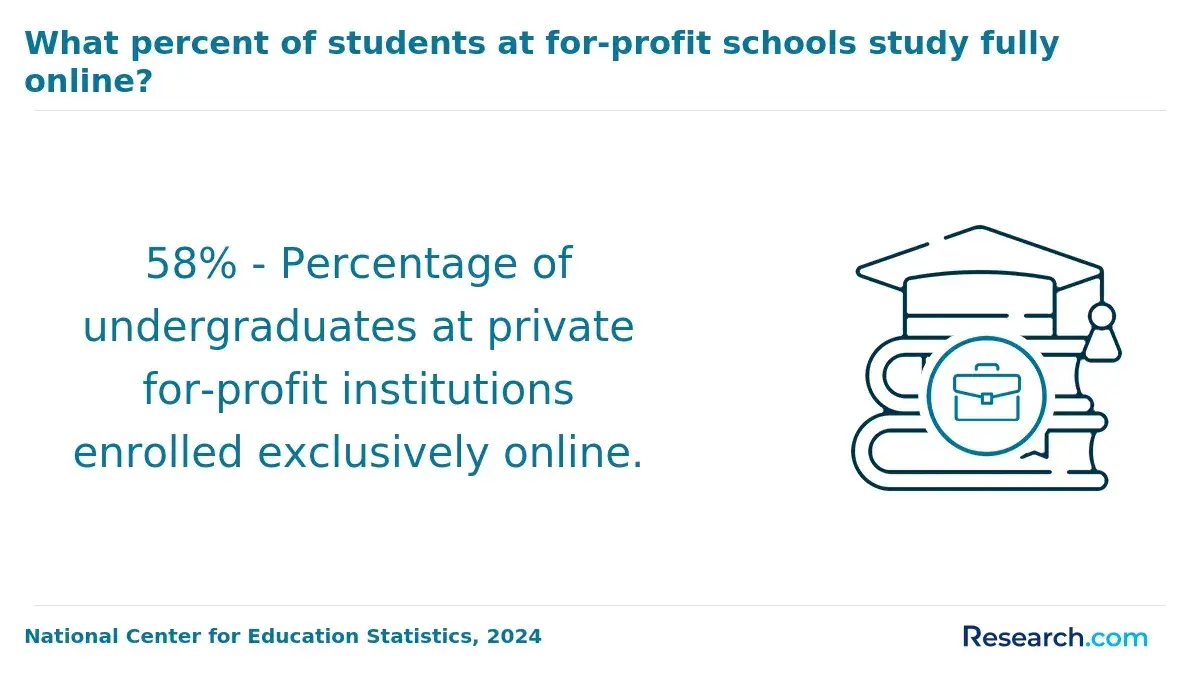
Facing stagnation in career growth, many real estate professionals must weigh specialized knowledge against rapid market shifts and employer demands for niche expertise. The challenge intensifies as 58% of adult learners now seek flexible, hybrid graduate programs, according to the National Center for Education Statistics, indicating a shift toward more accessible yet rigorous education paths. This flexibility influences not only enrollment timing but also the feasibility of balancing continuing education with competitive skill acquisition. Navigating which specialization best aligns with evolving asset classes, investment strategies, and regulatory environments is critical. This article evaluates current real estate specializations, guiding readers to decisions that optimize career advancement and market relevance.
Key Things You Should Know
- Commercial real estate specialization demands deeper financial modeling skills; with 60% of firms prioritizing expertise in complex asset valuation, professionals face higher entry barriers but gain 30% higher median salaries, per NAIOP's 2024 survey.
- Property management roles increasingly require technology proficiency as 52% of employers now mandate software fluency; this skill bias reshapes workforce needs, often sidelining traditional operational experience.
- Investing in green building certifications extends training time by 20%, influencing career timing and cost; however, LEED-accredited investors report a 15% portfolio risk reduction according to USGBC data from 2024.
What are the main real estate specializations for building a real estate investment career?
Specializing in real estate investment demands, navigating distinct operational and regulatory landscapes, where each niche requires tailored skills and educational commitments. The main real estate investment career specializations shape the practical paths available, from residential brokerage's focus on local market savvy and client relations to commercial real estate's complex lease negotiations and financial analysis. These differences impact workforce readiness: commercial roles typically necessitate deeper financial modeling and a solid grasp of commercial zoning laws, reflecting heightened employer expectations and often more rigorous certification standards.
Property management, emphasizing tenant relations and regulatory compliance, demands operational efficiency and swift conflict resolution. Real estate development adds layers of complexity involving land acquisition, project and capital management, alongside zoning and environmental regulations. Meanwhile, specialization in real estate investment trusts (REITs) requires investment analysis expertise and familiarity with securities regulations, reflecting the portfolio management side of the industry.
Employers value demonstrated skills in negotiation adapted to each niche's transaction style and mastery of market analysis. For example, brokers in commercial sectors handle multifaceted leases in contrast to the more straightforward deals in residential sales. Median annual wages vary accordingly-$72,280 for brokers and $56,320 for sales agents-highlighting financial outcomes linked to skill intensity and specialization. With roughly 46,300 job openings projected annually from 2024 to 2034, career entrants must weigh these tradeoffs carefully.
Prospective professionals seeking actionable educational pathways may consider business degrees online as a flexible option, especially when pursuing credentials aligned with these real estate investment niches and the key real estate specializations for investment professionals.
How do different real estate investment specializations align with common career paths and roles?
Real estate investment career specialization options profoundly shape both required competencies and long-term employability. Commercial real estate investment roles typically demand expertise in financial modeling, acquisitions, and asset management, with an emphasis on negotiating complex deals. In contrast, residential real estate careers prioritize operational skills such as property and renovation project management, often requiring licensure and localized market knowledge.
Industrial real estate investment careers focus on logistics and warehouse management, calling for supply chain awareness and understanding of long-term lease structures. Meanwhile, Real Estate Investment Trust (REIT) positions concentrate on portfolio management and equity research, highlighting regulatory and capital market proficiency. The highest-paying institutional roles-such as senior portfolio managers or chief investment officers-require over two decades of experience, strategic acumen, and leadership capabilities, with total compensation often exceeding $500,000.
Choosing a specialization without aligning educational credentials can hinder hiring prospects. For example, commercial real estate careers usually necessitate advanced training in finance and urban economics, while a residential focus benefits from certifications related to sales and property management. Employers seek candidates who couple these specialized skills with broad competencies in finance, legal frameworks, and operations.
For those shifting careers or upgrading skills, consider programs like the best online accelerated project management degree to strengthen project and operational management capabilities. Aligning real estate investment roles with career paths mandates deliberate educational strategies tailored to the asset class and career ambition.
What degrees or certificates best prepare students for real estate investment specializations?
Choosing between degrees in real estate investment and finance or targeted certifications for specialized real estate investment careers impacts career trajectory and employability distinctly. Finance and business administration degrees offer robust financial modeling, asset valuation, and capital market skills crucial for underwriting and investment analysis roles; however, they demand longer study and often broader content beyond real estate specifics. Urban planning degrees add essential land use and zoning expertise, benefiting development-centered positions, but generally lack the quantitative rigor found in finance programs.
Certificate programs focusing on real estate finance, commercial property analysis, or investment risk serve as pragmatic alternatives for professionals seeking swift entry into specialized roles like REIT asset management, an area employing around 3.4 million FTE workers in 2022. These certifications respond to shifting employer requirements by concentrating knowledge for immediate application, but typically do not prepare candidates for leadership or strategic positions.
Employers prioritize candidates demonstrating quantitative skills and practical exposure, making programs with real-world case studies and internships especially valuable. For example, finance degrees integrating Excel-driven valuation prepare students for real market challenges, while certificates emphasize job-ready competencies. Prospective students should weigh the broader adaptability of degrees versus the focused but narrower scope of certificates.
Working professionals considering a pivot might explore offerings such as the MBA in entrepreneurship online, which can complement real estate investment knowledge with entrepreneurial and management skills. Balancing depth, practical experience, and career goals remains critical to maximizing the return on educational investment.
How do online real estate programs compare with campus-based options for investment-focused study?
Online real estate investment study programs comparison reveals a significant practical tradeoff: flexibility versus direct industry engagement. Campus-based programs typically embed experiential learning, live case studies, site visits, and face-to-face networking that develop negotiation skills and local market insight essential for real estate investment careers. For example, a professional transitioning using online courses may find difficulty establishing key regional connections without access to specialized internships available on campus. This disconnect affects employability, given employer preferences for candidates with in-person experience and alumni ties.
Conversely, online real estate investment courses offer accessibility for part-time learners balancing jobs or located outside major hubs, providing updated financial modeling and regulatory frameworks through simulations and video lectures. While these programs can achieve credential parity if accredited, they generally lack immediate feedback and real-world immersion prevalent in campus formats. Decision factors include:
- Immediate career stage and availability favoring online for working professionals.
- Access to regional real estate markets where campus programs excel.
- Employer expectations for in-person internships and local relationship-building.
Prospective students should critically assess these dynamics against their goals, whether for skill certification or detailed market immersion. For a deeper perspective on related program structures, consider the best online human resource management masters degree.
Which accreditation and licensing requirements apply to real estate investment specializations in the U.S.?
Licensing requirements for real estate investors in the U.S. vary sharply depending on whether one acts as an active participant in transactions or as a passive investor. Those who directly manage leases or facilitate sales-such as residential rental investors in states like California or Texas-must secure a state-issued real estate license. This involves completing extensive pre-licensing coursework (often 40 to 90+ hours), passing a challenging state exam, and fulfilling continuing education mandates. The licensing burden reflects the legal necessity to represent others in contracts, ensuring fiduciary compliance and reducing transactional risks.
By contrast, passive investors or syndicators typically operate outside state licensing frameworks but face stringent federal securities regulations when pooling capital, making regulatory navigation equally critical though less visibly credentialed. Additional certifications, including CCIM or RPA, may enhance credibility and wage potential within specialized commercial segments but carry variable practical value, especially for smaller-scale residential investors.
Employment and client preferences increasingly favor licensed professionals, signaling that licensure directly impacts career sustainability and earning power, with average salaries around $81,345. Neglecting licensing can lead to contract invalidation, fines, and lost access to institutional funding sources, which heightens risk in complex or large-scale ventures.
Key considerations include:
- State-specific licensure demands that influence time and financial investments.
- Tradeoffs between licensing cost and expanded transactional authority.
- The relative strategic value of advanced certifications in commercial versus residential investment contexts.
What core courses and skills are emphasized in investment-focused real estate programs?
Investment-focused real estate education demands more than theory; it requires practical financial modeling and critical appraisal skills tailored for diverse asset types like commercial and multifamily properties. Proficiency in forecasting cash flows and interpreting market indicators is essential, given employers' expectations for analysts who can anticipate shifts in demographics and economics that impact property value. For example, analyzing a retail center requires nuanced attention to tenant composition and lease terms, contrasting with strategies used for residential complexes.
Mastering discounted cash flow techniques alongside legal knowledge about contracts and leasing is necessary for effective deal negotiation. This dual focus prepares students to address complexities such as zoning regulations and portfolio diversification, teaching risk mitigation by balancing real estate with other investments. Employment growth projections for property appraisers and assessors underscore the importance of these combined technical skills and regulatory understanding.
Soft skills, including critical thinking and clear communication, underpin client advisement and capital acquisition, areas where candidates often face friction without adequate training. Programs incorporating internships or direct industry partnerships provide tangible experience in valuation and deal structuring, which significantly influences employability in a competitive market. Continuous learning frameworks are vital to remain adaptive as regulatory environments and market conditions evolve.
What are typical program lengths, tuition costs, and financial aid options for real estate investment study?
Choosing between certificate, associate, or bachelor's programs in real estate investment hinges on balancing time, cost, and career scope. Short certificate courses, typically 3 to 6 months, target foundational skills like property valuation and financing. They offer a low-cost entry point-generally $2,000 to $8,000-but may limit initial job opportunities to roles such as leasing agents or investment analyst trainees at smaller firms.
Associate degrees require about two years and cost $6,000 to $20,000, often providing a broader mix of business, legal, and financial knowledge, which employers tend to value more for mid-level positions. Bachelor's degrees span approximately four years and $20,000 to $60,000, frequently offered at public or private institutions, and open doors to higher-tier real estate careers like property management with salaries ranging from $70,000 to $130,000 annually plus bonuses, assuming relevant hands-on experience is also attained.
Financial considerations extend beyond tuition. Federal aid, including Pell Grants and loans, supports eligible candidates at accredited programs, while some states and workforce boards fund real estate training grants or scholarships that are competitive and require early application.
In practice:
- A faster credential may suit individuals seeking quick workforce entry in niche roles.
- Longer degrees typically offer better returns in terms of career flexibility and earning potential.
Students should evaluate employer expectations alongside personal circumstances and program depth rather than default to the shortest or cheapest path.
What salary ranges and earning potential exist across real estate investment specializations?
Income in real estate investment is unevenly distributed across specializations, shaped by skill requirements, capital access, and market realities. For instance, commercial real estate developers and project managers earn between $90,000 and $150,000 annually, with top urban executives exceeding $200,000-though these positions demand substantial experience and institutional connections. In contrast, residential investment roles, including agents focused on small multifamily or single-family rentals, tend to offer $60,000 to $110,000 yearly, with commissions varying widely due to market volatility.
More specialized fields like real estate, private equity, and asset management start closer to $100,000, with significant bonuses tied to fund performance. Meanwhile, loan origination professionals typically earn between $70,000 and $130,000 but rely heavily on deal flow and economic trends. This disparity reveals a key tradeoff: commercial sectors reward upfront expertise and networks, while residential pathways require agility amid shifting markets.
Advancing through certifications or targeted financial training can stabilize earnings and unlock higher ranks across all segments, mitigating early-career volatility common among investors. Reflecting market dynamics, employers consistently prioritize candidates who balance technical acumen with practical deal experience.
What is the job outlook and market demand for different real estate investment career paths?
Real estate careers demand precise adaptation to distinct market realities that vary sharply by role. Consultants sustain steady demand through rigorous market analysis and feasibility assessments, with a median salary near $61,000, rewarding those who integrate real-time data on interest rates and regional policy shifts. Asset managers, increasingly hired within institutional real estate funds and REITs, must refine portfolio management and risk strategies amid economic cycles influencing capitalization and tenant stability.
Acquisition analysts face sharper competition, especially in high-cost commercial centers, where mastering financial modeling and complex deal structuring can differentiate candidates. Notably, analysts positioned in emerging urban regions benefit from more transaction volume due to developmental expansion, an advantage less apparent in saturated markets.
- Career progression frequently hinges on continued learning in AI-driven analytics and modular valuation software.
- Incorporating ESG criteria into investment decisions is rapidly becoming a baseline expectation rather than a niche skill.
Prospective students should evaluate programs offering hands-on experience with these tools alongside regulatory knowledge tailored to localized market conditions. The interplay between practical skill acquisition and market alignment shapes employability more than credential names alone.
How can students choose a reputable real estate program tailored to their investment specialization?
Selecting a real estate education program demands aligning curricula with precise career targets rather than relying on broad labels. For example, aspiring real estate data scientists must prioritize programs offering advanced analytics, machine learning, and geospatial data courses instead of general finance topics. Employment rates above 85% in relevant roles and established partnerships with industry leaders provide concrete evidence of a program's market relevance and student employability.
Faculty expertise is a critical filter; instructors actively publishing or consulting in specialized sectors ensure course content responds to shifting market conditions like ESG investing or urban redevelopment. Accreditation alone often falls short without this dynamic connection to evolving industry practice.
Consider a candidate focused on commercial property acquisition: programs emphasizing practical deal structuring, valuation modeling, and legal frameworks specific to commercial real estate enhance immediate job readiness. A contrasting specialty, such as development, requires in-depth study of zoning laws, construction management, and community impact, underscoring that program choice must reflect these divergent skill sets.
Financial data further inform choices. According to Happily Ever Housing, real estate data scientist salaries range from $100,000 to $170,000 annually, stressing the value of quantitative rigor. Prospective students should weigh tuition and networking opportunities against these realistic salary expectations to assess return on investment.
Alumni outcomes offer the longest-term lens. Programs transparent about graduate trajectories through industry surveys help candidates balance educational costs with potential wage growth and career specialization functionality.
Other Things You Should Know About Real Estate
Early specialization can accelerate mastery and signal expertise to employers or partners, but it risks narrow perspective and missed opportunities in broader market segments. Those without prior industry experience should first build foundational knowledge to understand diverse asset classes and market dynamics. After establishing broad competence, selectively deepen skills in a high-demand specialization that matches your resources and career goals.
Balancing work and study typically extends program completion timelines and limits hands-on learning opportunities like internships. Part-time or online programs offer flexibility but may reduce peer interaction and access to live market case studies, affecting skill application. Carefully evaluate program structure and workload intensity against your capacity to maintain professional performance and family obligations, prioritizing options with strong practical components despite longer duration.
Employers prioritize degrees for foundational knowledge but value targeted certifications that demonstrate specialized skills or compliance expertise. Certifications relevant to valuation, finance, or property management can enhance employability and salary potential, especially when paired with practical experience. Invest in certifications that align with your chosen specialization and employer expectations; otherwise, standalone credentials may have limited career impact without a solid degree or proven track record.
References
- What are the different types of real estate training courses? - INSEEC https://www.inseec.com/en/guides/orientation-guide/what-are-the-different-types-of-real-estate-training-courses/
- How is real estate reported on financial aid applications? - Capstone Wealth Partners https://capstonewealthpartners.com/how-is-real-estate-reported-on-financial-aid-applications/
- Careers in real estate overview - Real Estate Balance https://realestatebalance.org/careers-in-real-estate-overview/
- Careers in Real Estate https://www.nar.realtor/membership/careers-in-real-estate
- Chartered Realty Investor (CRI) Designation | MBA https://www.mba.org/conferences-and-education/certificates-and-designations/chartered-realty-investor-cri-designation
- REIA Homepage https://reia-edu.com/
- REAL ESTATE, INVESTMENT & SECURITIES | Best Corporate Training Institution in Canada https://iccdcanada.org/course/real-estate-investment-securities/
- Real Estate Specialties You Can Pursue After Licensing https://realuniversity.com/official-blog-professional-growth-real-estate-specialties
- Best Real Estate Investing Courses (2026) - Bankers By Day https://www.bankersbyday.com/real-estate-investing-courses/
- Certified Real Estate Financial Modeling, Investment Analysis and Valuation Professional (CRE) https://charteredcertifications.com/learning/courses/cre