2027 Best Online Real Estate Programs for Professionals Seeking Investment Careers

Co-Founder and Chief Data Scientist
Professionals poised to transition into real estate investment face the critical challenge of selecting programs that balance rigorous, career-relevant training with the flexibility demanded by full-time work or irregular schedules. The National Center for Education Statistics reports that over 40% of graduate and certificate program enrollees in 2024 are adult learners prioritizing online or hybrid formats, signaling a decisive shift toward flexible learning models. This trend matters because delayed credentialing or rigid curricula can cost essential career momentum in a field where timing and market responsiveness directly impact opportunity capture and earnings potential. This article evaluates the best online real estate programs designed specifically for professionals aiming to navigate these tradeoffs and advance investment careers with practical, accessible education strategies.
Key Things You Should Know
- Programs emphasizing investment analysis software see 23% higher employer preference, yet often trade off comprehensive legal training, limiting graduates' versatility in multifamily or commercial real estate roles per NAR data.
- Employers increasingly prioritize measurable outcomes like capstone project performance and internship completion, correlating with 17% stronger job placement rates within six months, shifting recruitment toward applied skill certifications.
- Average program costs surged 14% from 2023, disproportionately impacting mid-career entrants without employer tuition support; accelerated course options reduce time-to-credential but risk superficial mastery per NCES economic reports.
What are the best accredited online real estate degree programs for aspiring investment professionals?
Employers evaluating candidates for investment roles prioritize measurable competencies over generic real estate degree titles. The best accredited online real estate degree programs for investment professionals embed critical skills such as valuation modeling, portfolio diversification, and regulatory compliance into their curriculum, often within business schools tied closely to commercial real estate markets. This linkage improves practical relevance through case studies and investment strategy modules that directly address work scenarios.
Working professionals transitioning into real estate investment analysis require programs that provide immediate practical tools like access to proprietary investment software and virtual market simulations. These experiential components mirror real-time data interpretation and deal structuring exercises common in metropolitan investment hubs, which enhances employability. However, logistical tradeoffs exist: synchronous courses may conflict with professional schedules, whereas asynchronous formats offer flexibility but can extend time-to-completion.
The top online real estate education programs for aspiring investment careers also offer transparent outcome metrics, including graduate placement rates and salary data, which are increasingly prioritized by employers screening applicants. Accreditation from bodies such as the Accreditation Council for Business Schools and Programs (ACBSP) confirms academic rigor and market recognition. According to the National Association of Realtors' 2024 Member Profile, 49% of REALTORS completed at least one real-estate-related course online in the past year, underscoring online education's role in workforce development.
Prospective students should consider financial value and institutional reputation; for those seeking broader business foundations, comparing real estate pathways alongside related fields may be strategic. Detailed affordability data can be found for related programs such as business administration degree online.
How do online real estate investment programs compare to on-campus options for working adults?
Online real estate investment programs offer working adults the flexibility to balance full-time employment and continuing education, a critical factor considering the U.S. Bureau of Labor Statistics projects a 15% employment growth for financial and investment analysts from 2023 to 2033. This flexibility contrasts with on-campus programs, which demand fixed schedules and physical presence, often complicating engagement for professionals managing job responsibilities, family, or geographic barriers. Such logistical differences influence the decision-making process for prospective students evaluating the benefits of online versus on-campus real estate education.
While on-campus study provides immersive networking, real-time mentorship, and internship opportunities valuable for career pivots, online tracks focus on asynchronous delivery that emphasizes quantitative skill mastery, including financial modeling and portfolio analysis, suited to self-motivated learners. For example, a mid-level analyst specializing in real estate investment trusts (REITs) may find face-to-face collaboration on campus more conducive to nuanced professional judgment development than remote formats.
Employers increasingly accept accredited online credentials but prioritize demonstrable practical skills and relevant career experience. Working professionals should consider program rigor, industry recognition, and availability of career services alongside format preferences.
Candidates aiming to immediately apply knowledge while sustaining income often choose online study, whereas those targeting intensive skill absorption and networking tend to favor on-campus options. For those weighing expedited educational paths in project-oriented disciplines, including real estate, resources like the online project management degree accelerated may offer strategic insights complementary to real estate investment studies.
What types of online real estate credentials prepare you for investment-focused careers?
Credentials in investment-focused real estate require specialized skills in financial analysis, property valuation, and portfolio management that typical licensing lacks. For professionals shifting from general sales to investment roles, targeted online real estate investment certification programs provide essential training in discounted cash flow (DCF) modeling, real options analysis, and underwriting competencies.
Programs that integrate practical tools such as ARGUS and Excel for financial modeling better prepare candidates for decision-making under market volatility. However, not all credentials deliver the depth needed for institutional investing or emphasize scenario-based training, making curriculum rigor a critical factor in selection.
Workforce data reveals 43% of learners in business and finance tracks-including real estate finance-achieved promotions, new roles, or salary increases within six months post-completion, reflecting strong employer recognition of these credentials. Still, the significant time and cost investment demands a clear alignment with individual career objectives.
Students evaluating the best online real estate credentials for investors should balance program comprehensiveness, case study availability, and direct technology applications against real-world applicability. Additionally, those considering broader educational paths might explore a project management bachelor degree online, which can complement real estate investment skills in complex development projects.
How can you verify accreditation and program quality for online real estate degrees?
Verification of accreditation is fundamental when students seek to verify accreditation of online real estate programs, as employer recognition and credit transfer hinge on institutional legitimacy. Employers in commercial real estate investment often require degrees from regionally accredited institutions, which ensures the curriculum aligns with industry standards and regulatory expectations. Without confirming accreditation status through trusted sources like the U.S. Department of Education's Database of Accredited Postsecondary Institutions and Programs, students risk non-transferable credits and limited hiring prospects in competitive markets.
Program quality extends beyond accreditation to faculty expertise, curriculum relevance, and experiential learning opportunities such as virtual internships or case studies linked to real-world market analytics. Prospective students should also check program graduation rates, employer partnerships, and job placement data to evaluate the long-term impact on career mobility. Additionally, aligning the program with state licensure requirements is critical for those pursuing licensed real estate roles.
Cost efficiency in online programs offers substantial savings-EducationData.org's 2024 data shows online bachelor's degrees save an average of $10,776 over four years compared to on-campus study. Yet, these savings may come with tradeoffs, including reduced instructional support and fewer networking opportunities vital for deal-making careers.
When students consider CAHIIM accredited him degree online, similar care is needed to assess accreditation and program outcomes, framing a useful comparison across disciplines.
What courses and specializations do online real estate programs offer in property investing?
Online real estate programs specializing in property investing increasingly prioritize advanced financial modeling, investment analysis, and market data analytics to close significant skill gaps identified by hiring managers. Deloitte's 2025 Commercial Real Estate Outlook reports that 73% of global executives view these competencies as essential yet insufficiently sourced, making targeted coursework a critical factor for employability.
Coursework often emphasizes discounted cash flow (DCF) modeling, portfolio diversification, and cash-on-cash return metrics, enabling candidates to assess investment risks across property types like multifamily, commercial, and industrial assets. For professionals pivoting from sales or property management roles, programs frequently integrate underwriting practice and negotiation simulations to bridge theoretical models with transactional realities.
Students must navigate the tradeoff between technical analytic skills and broader business or legal instruction, as overly generalized curricula risk underpreparing learners for data-driven decision-making demanded in urban commercial property investment scenarios. Mastery of local market microtrends, financing frameworks, and tenant cash flow forecasting proves indispensable for real-world deal execution and risk management.
Additionally, these programs encompass tax strategy, regulatory compliance, and capital raising techniques, aligning education with multifaceted deal-making contexts. Practical experience with tools like Excel, ARGUS, and Python strengthens data fluency that employers prioritize for competitive hiring.
What are the typical admissions requirements for online real estate investment programs?
Admission requirements for online real estate investment programs typically balance academic qualifications with relevant professional experience, reflecting employer demand for candidates who can navigate complex financial landscapes. Most programs expect a bachelor's degree in fields such as business, finance, or economics to confirm foundational skills in quantitative analysis.
Work experience matters significantly, especially for advanced or specialized tracks like private equity real estate. Candidates usually need 2 to 5 years in finance-related roles, aligning with market trends where $1.7 trillion in assets under management in private real estate funds drive preference for practical deal experience combined with technical aptitude. Without this, access to high-demand pathways can be limited, delaying strategic pivots.
Standardized test requirements vary and are frequently waived for professionals with demonstrated expertise. Admission may also require letters of recommendation evidencing ability to manage complex financial data or lead initiatives, alongside personal statements addressing evolving areas like PropTech or real estate development risk.
Technical prerequisites often include proficiency in Excel modeling, analytics software, or data visualization tools. Some programs mandate prior coursework in finance or statistics to prepare candidates effectively for rigorous curricula. For example, a mid-career analyst lacking an undergraduate degree in a relevant area might face additional coursework before gaining entry into private equity real estate programs.
How long do online real estate degrees take and what do they usually cost?
The length of online real estate degree programs directly affects a student's capacity to balance education with income stability and career momentum. Associate degrees typically take about two years, while bachelor's options extend closer to four. Those with prior credits or access to accelerated tracks may shorten this timeframe, but many part-time students-especially those maintaining full-time roles-commonly take longer than four years, a delay generally understood by employers given the growing acceptance of flexible learning.
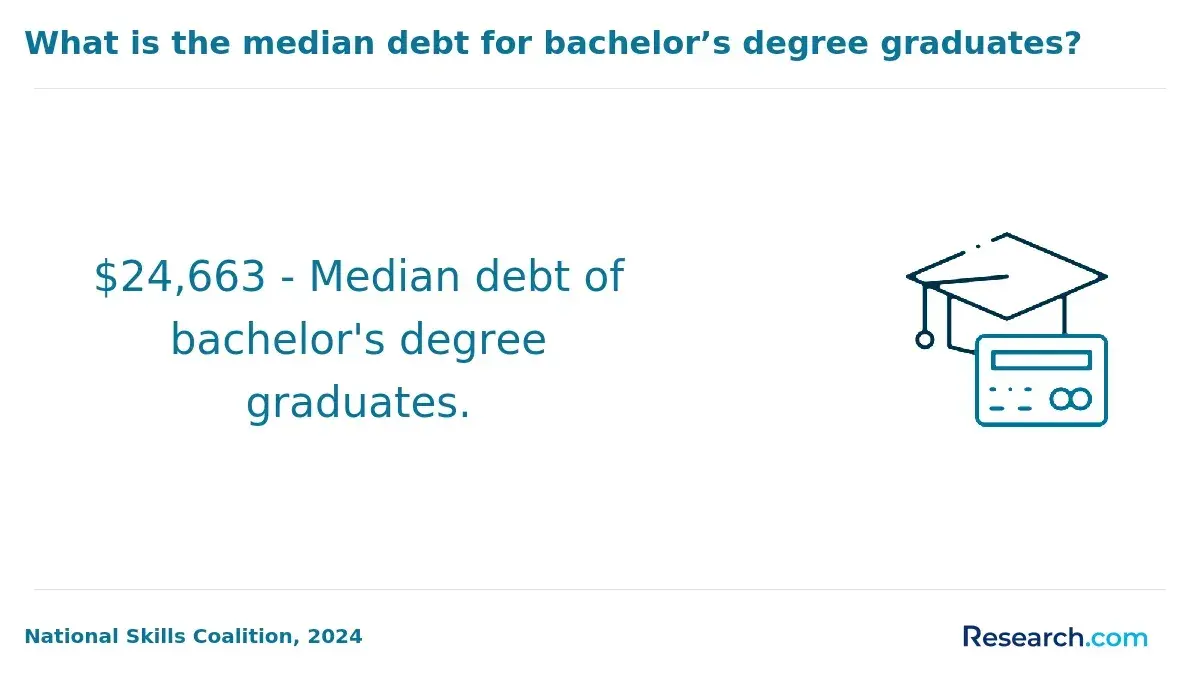
Cost remains a significant variable influencing program choice. Annual tuition for in-state students at public universities ranges from $6,000 to $15,000, whereas private institutions often exceed $20,000 per year. Consequently, a bachelor's degree can total anywhere from $24,000 to beyond $80,000. Many pursue employer tuition assistance or structured payment plans to mitigate upfront financial pressure, recognizing that real estate careers reward demonstrated practical competencies over mere credential duration or cost.
The 2024 U.S. Department of Education report found that nearly 30% of undergraduates study entirely online, reflecting widespread normalization of remote education. For prospective real estate investors, the decision to accelerate completion or extend timelines should consider not only tuition impact but also opportunity costs tied to market timing and steady cash flow.
Key decision factors include program accreditation, cost-efficiency, and realistic duration aligned with job market demands. Employers increasingly prioritize verified skills and sector experience, making the alignment between educational investment and employability outcomes a critical strategic consideration.
What real estate investment careers can you pursue with an online degree?
Online degrees in Real Estate investment offer distinct advantages and limitations depending on the intended career path and regulatory environment. For instance, becoming a licensed real estate agent requires specific pre-licensing courses, which online programs often provide at a lower cost-typically $200 to $800 compared to $800 to $1,500 for in-person options-reducing both financial and time barriers for entry-level candidates.
However, roles like property manager, investment analyst, or consultant demand targeted skills that online formats address differently. Property management certificates focus on tenant relations and leasing law, while analyst and consultant tracks emphasize finance, valuation, and portfolio risk. Despite this, employer preference for hands-on experience and state-mandated internship components can complicate fully remote completion of these credentials.
For working professionals, online degrees enable balancing ongoing employment and education, but the absence of in-person fieldwork requires strategic supplementation with practical experience elsewhere. Candidates must carefully assess their state's licensure requirements, as online programs vary in their ability to satisfy these credentials.
- Lower upfront costs for licensing-focused online courses
- Specialized certificates support niche roles beyond sales
- Potential gaps in hands-on training and internship fulfillment
- Flexibility essential for employed students navigating certification
Choosing a program necessitates weighing employer recognition, cost-effectiveness, and the need for supplementary practical training to offset limitations inherent to theory-driven online instruction.
What is the salary potential and job outlook for real estate investment professionals?
Real estate investment roles in the U.S. show significant variance in compensation, heavily influenced by sector and experience. Median salaries hover around $75,000, but specialized positions in commercial real estate or private equity can command more than $150,000 annually, according to the U.S. Bureau of Labor Statistics 2024 data. Employers emphasize analytical skills, financial expertise, and proficiency with market data platforms, placing practical competencies above academic credentials alone.
Projected job growth at 8% through 2032 reflects ongoing demand driven by urban development, technological integration, and increasing specialization within the industry. This demand shifts educational value toward programs that combine theory with real-world application, since mere degrees without 3-5 years experience rarely unlock top-tier earnings.
Online real estate programs with interactive elements offer measurable skill improvements; a 2024 meta-analysis from the U.S. Department of Education notes these students outperform peers by an effect size equivalent to a 0.20 standard deviation. This corresponds to gaining employer-valued abilities like advanced valuation techniques and deal structuring. However, candidates must weigh cost and time investments carefully, prioritizing programs that provide case studies, mentorship, and professional networking opportunities.
For example, multifamily housing investors in growing metro areas require constant access to local market updates, blending education-driven data skills with practical negotiation and networking. Strategic education choices significantly affect readiness to meet employer expectations and achieve compensation exceeding $100,000.
How do licensing, certifications, and designations work for real estate investment specialists?
Licensing, certifications, and designations in real estate investment represent distinct credentials that shape professional capabilities and market access, each with specific practical implications. Licensing is legally required to engage in brokerage activities such as buying, selling, or leasing properties. However, it mainly authorizes transactional participation and does not confer investment expertise. For example, a licensed agent can legally facilitate deals but may lack the analytical skills employers demand for investment roles.
Certifications like Certified Commercial Investment Member (CCIM) and Certified Real Estate Investment Analyst (CREIA) serve as signals of advanced competence in financial modeling and investment analysis. These credentials are voluntary but often expected for senior-level positions, where candidates must demonstrate deeper strategic understanding beyond basic licensing.
Designations usually emphasize niche expertise or ethical standards, such as the Certified Property Manager (CPM) for professionals focused on managing investment assets. In international contexts, where significant portions of institutional investors increase cross-border activity, credentials emphasizing global market and regulatory acumen become especially relevant.
Choosing the right credentialing pathway involves a tradeoff: licensing offers entry but limited differentiation, while certifications and designations provide competitive advantage but require additional investment in time and education. Missing these advanced credentials can restrict access to institutional networks and cross-border deals, limiting professional mobility and earnings potential in asset-intensive firms.
Practical approach recommendations include starting with state licensing, followed by targeted certifications aligned to desired market niches and roles, recognizing that each stage unlocks different career opportunities and employer expectations.
Other Things You Should Know About Real Estate
In 2027, the best online real estate programs emphasize flexibility, industry expertise, and hands-on learning. Programs offer modules on emerging market trends, advanced investment strategies, and data analytics, all supported by interactive platforms and mentorship opportunities to thoroughly prepare professionals for investment careers.
Employers in real estate investment prioritize demonstrable skills and relevant experience over the mode of education delivery. However, programs from well-known, accredited institutions carry more weight than lesser-known online-only providers. Candidates should seek online degrees with clear connections to practical case studies, internships, or employer partnerships to boost credibility in the job market.
The choice depends on career objectives but focusing on commercial real estate programs often opens access to higher-value investment opportunities and larger networks. Residential investment programs may offer quicker entry and more hands-on portfolio building for those targeting smaller-scale investments. Professionals must evaluate local market dynamics and intended investment scale when selecting program specialization.
Program quality varies widely, but top-tier online courses include comprehensive modules on financial modeling, legal considerations, and market analysis crucial for portfolio management. Programs that integrate simulation tools and live project work provide superior preparation. Students should look beyond theory-heavy curricula and confirm that program outcomes include practical skills applicable to dynamic market conditions.
References
- How to Get Into Commercial Real Estate: Full Guide https://mergersandinquisitions.com/how-to-get-into-commercial-real-estate/
- NAR's Designations, Certifications, and Additional Programs | Orlando Regional REALTOR® Association https://www.orlandorealtors.org/additionalprograms
- How do you take a real estate training course? - INSEEC https://www.inseec.com/en/guides/orientation-guide/how-do-you-take-a-real-estate-training-course/
- Online Real Estate Short Courses https://www.getsmarter.com/subject-matter/real-estate
- Top 10 Highest Paying Real Estate Jobs 2025 (Inc Salaries) | Nexford University https://www.nexford.edu/insights/highest-paying-real-estate-jobs
- Certified Real Estate Financial Modeling, Investment Analysis and Valuation Professional (CRE) https://charteredcertifications.com/learning/courses/cre
- Real Estate Certifications and Designations Guide https://www.kapre.com/resources/real-estate/real-estate-certifications-designations-guide
- 10 Best Paid Real Estate Jobs & Career Paths (2026 Guide) https://www.propphy.com/blog/best-paid-real-estate-jobs-career-paths-2026-salary-guide
- Real Estate Investing (REI) https://www.nar.realtor/education/designations-and-certifications/real-estate-investing-rei
- Colibri Real Estate School | Online Real Estate Education https://www.colibrirealestate.com/