2027 Psychology Career Outcomes by Degree Level Report: Pay, Employment, and Advancement Patterns

Co-Founder and Chief Data Scientist
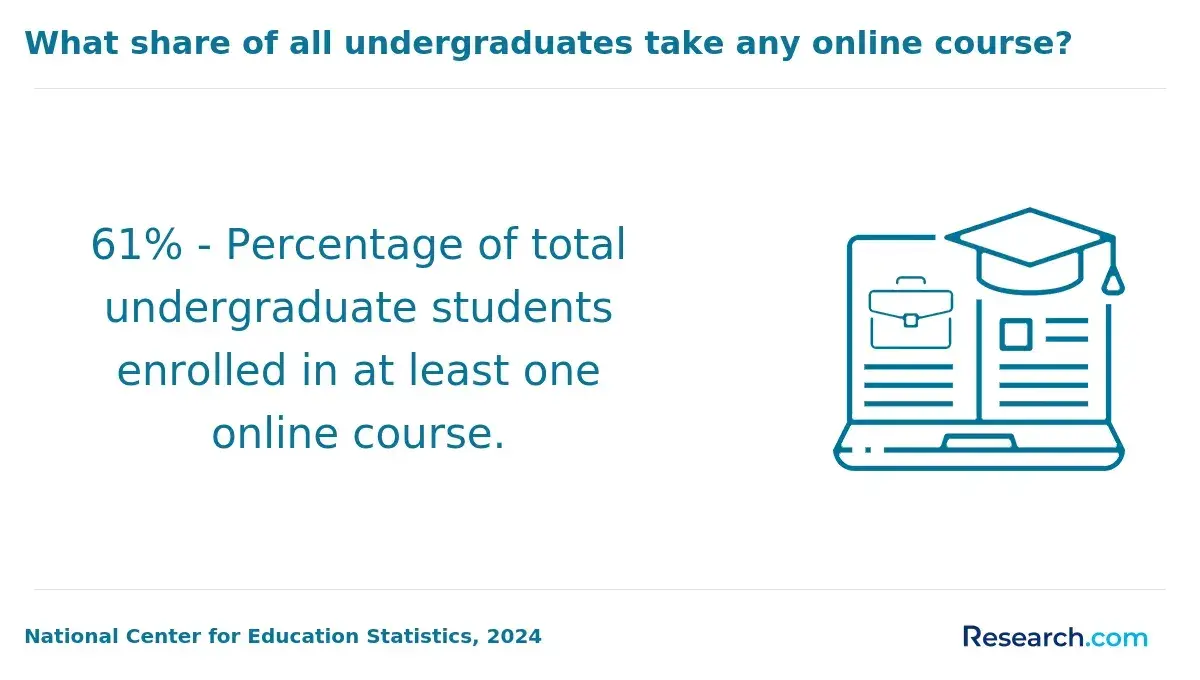
Deciding whether to pursue a bachelor's, master's, or doctoral degree in psychology often hinges on understanding how each level shapes career outcomes, yet most learners struggle to access clear, actionable data. For example, a 2024 study from the National Center for Education Statistics revealed that employment rates among psychology bachelor's degree holders lag behind those with graduate degrees by nearly 20%, highlighting a critical divide in labor market access.
This gap reflects not only wage disparities but also differences in job stability and advancement potential, factors crucial for adult learners balancing work and education. This article analyzes pay, employment, and advancement patterns by degree level to help readers make informed choices grounded in real-world outcome metrics.
Key Things to Know About Psychology Career Outcomes by Degree Level
- Associate and bachelor's degrees often lead to entry-level roles but limit access to licensure-required positions; this constraint slows credential progression and requires master's-level advancement for clinical roles.
- Employers increasingly prefer master's or doctoral credentials for specialized practitioner roles, reflecting a workforce trend toward credentialed expertise, affecting hiring competitiveness and job-market access.
- The extended time and cost of doctoral programs present a tradeoff, delaying workforce entry; this challenges students balancing career timing with advancement versus earlier employability.
- Key Things to Know About Psychology Career Outcomes by Degree Level Key Things to Know About Psychology Career Outcomes by Degree Level
- What Career Outcomes Can Students Expect From Each Psychology Degree Level? Career Outcomes by Degree
- How Much Do Psychology Graduates Earn by Degree Level? Salary by Degree Level
- Which Psychology Degree Level Offers the Strongest Employment Prospects? Best Degrees for Employment
- What Entry-Level Jobs Can You Get With a Psychology Degree? Entry-Level Career Opportunities
- How Do Psychology Degree Levels Affect Career Advancement and Promotion Opportunities? Career Growth by Degree
- Is a Psychology Degree Worth It Based on Salary, Employment, and ROI? Salary, ROI, and Value
- How Do Associate, Bachelor's, Master's, and Doctoral Psychology Degrees Compare? Comparing Degree Levels
- Which Industries and Employers Hire Psychology Graduates by Degree Level? Which Industries and Employers Hire Psychology Graduates by Degree Level?
- What Skills, Credentials, and Experience Improve Psychology Career Outcomes? What Skills, Credentials, and Experience Improve Psychology Career Outcomes?
- Which Psychology Degree Level Is Best for Your Career Goals? Choosing the Right Degree
What Career Outcomes Can Students Expect From Each Psychology Degree Level?
Career trajectories for psychology graduates vary notably with degree level, directly shaping employment access, specialization, and advancement opportunities. For instance, holders of associate degrees or certificates often enter the workforce in support capacities where employer credential preferences and licensing requirements are minimal, allowing quicker entry but constraining long-term mobility and pay growth. This tradeoff is especially relevant for working adults or military-affiliated students balancing time and financial constraints, who might consider online certification programs to expedite entry while knowing these roles typically lack leadership pathways or require additional education to progress.
Bachelor's degree holders in psychology-related fields gain wider occupational pathways, such as research assistance or human services, that offer improved stability and transferable skills, yet this level often demands further graduate education to access licensed clinical roles or leadership positions. This pattern affects transfer students and adult learners deciding how much prior credit to leverage versus continuing toward a master's or doctoral degree where state licensure and specialized skills become prerequisites. The differences in employment and advancement patterns for psychology graduates highlight how degree-level decisions impact work readiness, supervision access, and long-term career mobility in fields increasingly governed by credentialing and regulation.
How Much Do Psychology Graduates Earn by Degree Level?
Earnings for psychology graduates vary significantly by degree level, shaped by the practical demands of licensure, specialization, and industry expectations rather than degree completion alone. Bachelor's degree holders often start near median salaries of $50,000 but typically occupy assistant or support roles with limited autonomy or advancement until further credentials are earned. In contrast, individuals with master's degrees can access specialized positions like licensed counselors or behavioral analysts, where pay approaches $70,000 and often requires supervised clinical hours, reflecting a blend of rigorous credentialing and employer demand. Doctoral-level psychologists command the highest median earnings above $95,000, driven by clinical licensure eligibility, research specialization, and leadership roles, though pursuing these degrees entails significant time and financial investment as well as longer completion timelines.
Associate degrees and certificates typically correspond with lower wages under $40,000 and primarily prepare graduates for entry-level support jobs without licensure prospects or clinical responsibilities, which limits upward mobility without continued education. This stratification emphasizes that pay differences should be weighed alongside employment stability, licensure pathways, geographic labor market conditions, and employer preferences for certifications. Adult learners, transfer students, and working professionals must consider how additional education affects their transfer credits, total completion time, and financial outlay versus realistic local job market opportunities. Choosing to pursue a higher degree often means balancing immediate earning potential against long-term career flexibility and resilience within competitive sectors.
A recent graduate recounted carefully evaluating job postings and local hiring trends after completing a bachelor's in psychology. Initially drawn to master's programs promising higher salaries, they hesitated due to the requirement of supervised clinical hours and program costs. After discussions with licensed counselors and reviewing state licensure requirements, they opted to gain experience in a support role first, using that time to assess whether a graduate degree would realistically improve both their income and job stability in their region. This approach reflected a cautious optimism driven by practical constraints rather than purely aspirational goals.
Which Psychology Degree Level Offers the Strongest Employment Prospects?
Employment prospects in psychology hinge heavily on degree level due to distinct employer expectations and regulatory frameworks. Entry-level credentials like certificates or associate degrees primarily lead to support roles with limited career mobility and lower wages, often suitable for those seeking immediate workforce entry but with constrained advancement. In contrast, bachelor's degree holders face a mixed scenario: while they unlock broader job options in areas like case management or human services, many positions commonly require or prefer graduate study for licensure or leadership, reflecting a bottleneck that can stagnate upward movement despite a roughly 65% employment rate within a year post-graduation according to the College Scorecard.
Master's degrees significantly enhance employability and earnings due to licensing eligibility and specialized skills valued in counseling, industrial-organizational psychology, and similar roles where practical experience integrates tightly with certification requirements. However, this comes with additional time and financial investment, making it a strategic choice for those targeting professional stability and niche expertise rather than rapid entry. Doctoral-level degrees offer the greatest access to high-salary positions, clinical practice, academia, and research but require longer training periods and often greater debt, posing a tradeoff between career longevity and upfront costs. For example, doctoral psychologists report median salaries exceeding $90,000, reflecting their leverage in complex or regulated work environments not accessible to lower degree holders.
Deciding when to advance academically depends on workforce timing and regional labor conditions as some students may benefit from entering with an associate or bachelor's degree and then returning for advanced credentials while employed, thus balancing earning and education. Employers strongly differentiate by credential, with licensure and field-specific experience playing gatekeeper roles in clinical and organizational contexts. This makes the degree level less a simple ladder and more a matrix of credentialing, skill accumulation, and labor market demand that prospective psychology students must navigate with clear understanding of the tradeoffs between immediate access and long-term professional positioning.
What Entry-Level Jobs Can You Get With a Psychology Degree?
Entry-level career options for psychology degree graduates vary widely depending on the degree level and practical experience, with bachelor's degree holders often facing generalist roles that emphasize transferable skills over clinical specialization. Many such positions, common in social services or administrative support, hinge more on communication and data-handling competencies than on direct psychological practice. Approximately 60% of bachelor's graduates enter sectors like social services or sales, illustrating a tradeoff between immediate job availability and limited clinical responsibility, which can affect long-term professional mobility and the need for continuing education.
Advancement into licensed or specialized roles typically requires graduate education paired with internships or supervised clinical training, especially for counseling or school-based psychology jobs where certification is mandatory. Employers tend to place significant weight on practical exposure through internships or practicum experience, making these requirements crucial for navigating entry points that lead toward licensure and higher pay. The variability in job accessibility also reflects geographic and organizational factors, with urban centers offering more remote and specialized opportunities compared to rural areas' preference for broad-skill candidates.
Students planning their paths should weigh entry-level positions not only for their immediate stability but also for how well they build relevant technical skills and meet credentialing prerequisites for graduate study or clinical licenses. Those seeking quicker workforce entry might consider shorter credentials or fields recognized as the easiest associate degree to get online, but must acknowledge these often limit access to advanced roles. Understanding these complexities is key to making informed decisions that balance employability with long-term career advancement in psychology.
How Do Psychology Degree Levels Affect Career Advancement and Promotion Opportunities?
Advancement in psychology careers hinges heavily on degree level due to how employer prerequisites and professional licensure shape promotion pathways. Doctoral degrees, such as PhDs or PsyDs, frequently open doors to leadership roles, supervisory responsibilities, and specialized clinical positions that are otherwise inaccessible. By contrast, master's degree holders often encounter a ceiling in advancement unless they pursue further credentials or accumulate significant specialized experience, particularly in applied fields like counseling or organizational psychology. Bachelor's graduates usually fill assistant or entry-level roles, with limited upward mobility unless they commit to graduate study or develop niche expertise; notably, only about 12% of bachelor's holders reach managerial roles within five years, according to recent federal workforce data.
Degree requirements also influence the timing of career progression, especially for adult learners and those with prior credits balancing work and study. Many employers view doctoral credentials as indicators of leadership readiness and a commitment to ongoing professional development, which can accelerate promotion but require longer upfront investment. For mid-career professionals, deciding whether to pursue an advanced degree or certifications depends on weighing immediate job market entry against potential delays in reaching supervisory roles. Transfer policies and licensure regulations further complicate these decisions, creating practical trade-offs between faster degree completion and career advancement prospects.
One working professional pursuing her master's in psychology shared that although her current role did not require doctoral training, she hesitated before enrolling in a certificate program designed to boost licensure eligibility. She recognized her limited chances of promotion without the advanced credential but worried about the time it would take alongside daily job demands. Her cautious optimism stemmed from employer feedback valuing both academic credentials and demonstrated leadership potential, making her weigh carefully how much additional education would truly alter her internal mobility and professional credibility.
Is a Psychology Degree Worth It Based on Salary, Employment, and ROI?
Salary potential and employment stability in psychology careers vary significantly with degree level, affecting whether further education is a sound investment. Bachelor's degree holders often face limited job roles with lower wages and less security, such as research assistance or case management, which constrains career mobility. In contrast, master's and doctoral degrees open doors to higher-paying clinical, counseling, or specialized roles, but these require an extended time-to-completion and higher upfront financial and opportunity costs. For working adults and transfer students weighing these options, realistic assessment of local labor demand, credential requirements, and the capacity to finish without excessive disruption is essential when considering whether advanced psychology degrees will truly enhance their market prospects.
Employment projections show modest growth for psychologists overall, but this growth favors candidates with relevant graduate-level training. From an employment and ROI perspective for psychology graduates, master's programs tend to offer a more manageable balance of debt and earnings potential, whereas doctoral training often demands longer educational commitments, with higher costs that may prolong loan repayment despite increased income. Specialized fields within psychology, such as neuropsychology or industrial-organizational psychology, require targeted education and certification, impacting both salary and job stability. Many prospective students explore options like an accelerated masters in counseling to reduce time and financial barriers while improving credentials within key employment sectors.
How Do Associate, Bachelor's, Master's, and Doctoral Psychology Degrees Compare?
Choosing to stop at an associate or bachelor's degree in psychology often limits access to roles with lower pay, narrower responsibilities, and less job security, particularly in clinical or licensed positions. For example, many bachelor's degree holders enter social services or mental health administrative roles but face barriers to licensure and advancement without graduate study.
Approximately 62% of bachelor's graduates find related employment within two years, yet employers frequently require a master's degree for counseling roles or specialized functions, making further education a necessary step for meaningful career progression.
Master's degrees serve as critical gateways to mid-level psychology careers with greater specialization and licensure eligibility, such as counseling or school psychology, broadening practical employment options significantly. They also support stackable credentials by facilitating transfer into doctoral programs, which are essential for independent clinical practice, research leadership, or academic roles.
While doctoral study demands substantial investment and often considerable debt, the payoff includes higher earnings potential and unique supervisory or research opportunities that are mostly inaccessible to those without a PhD or PsyD. Workforce trends show a 10% growth in advanced psychology roles through 2032, underscoring the increasing employer preference for doctoral credentials in leadership and highly specialized practice.
Deciding between these levels involves weighing shorter programs with quicker employment but limited mobility against the longer, costlier routes that open licensure and leadership opportunities. Students should carefully consider whether an associate or bachelor's degree meets their immediate needs or if committing to graduate education aligns better with long-term aspirations, especially given challenges like credit transfer restrictions and degree stacking complexities. Ultimately, the choice hinges on balancing time and financial investment against access to stable, higher-paying roles and pathways to credentialing that shape career flexibility and advancement in psychology's evolving job market.
Which Industries and Employers Hire Psychology Graduates by Degree Level?
Employment opportunities and advancement in psychology-related fields vary substantially with degree level, shaping the scope of roles and employer expectations. Holders of associate degrees typically enter support or technician positions within healthcare facilities, social service agencies, or government bodies where foundational competencies suffice but clinical autonomy is limited. In contrast, bachelor's degree graduates find broader industry access-including nonprofits, education, and corporate sectors-often filling roles in case management or behavioral coordination; however, without graduate credentials, advancement beyond supportive or analyst positions may be constrained by employer licensing and specialization demands.
Master's level psychology graduates are more frequently sought for licensed counselor, school psychologist, or organizational analyst roles, where applied clinical or research skills and formal certifications become critical for hiring and credibility, particularly within healthcare or educational institutions. Doctoral holders-PhDs and PsyDs-command the highest access to clinical practice, academic research, and senior consulting roles, reflecting both their specialized training and state licensure requirements.
According to data from the National Center for Education Statistics (2024), over 70% of doctoral psychology graduates secure employment in clinical or research settings within a year, underscoring strong demand for advanced expertise. Certificate programs tend to supplement existing roles rather than open new sectors, emphasizing niche or continuing education rather than foundational career shifts, indicating students must weigh whether investment in higher degrees aligns with targeted employer preferences and long-term career trajectories.
What Skills, Credentials, and Experience Improve Psychology Career Outcomes?
Licensure credentials such as Licensed Professional Counselor (LPC) or Licensed Clinical Psychologist decisively boost employment access and advancement potential, serving as practical gateways to independent practice and managerial roles. Employers prioritize candidates demonstrating psychology career advancement skills and certifications, including technical proficiency in statistical software like SPSS or R, which enhance research quality and analytical capacity. Applied research projects and tangible portfolio evidence are critical in signaling job-readiness, particularly for master's and doctoral-level professionals. For example, a candidate combining licensure preparation with internships and strong communication skills can expect smoother transitions into higher-responsibility positions compared to peers without this blend.
Experiential learning, including internships and supervised placements, directly impacts employability by deepening real-world understanding and expanding professional networks; however, the choice between advancing degree levels often involves trade-offs like longer time commitments versus greater specialization and credential stacking. Adult learners, military-affiliated students, and transfer candidates must weigh supplemental certifications and applied experience carefully to offset bachelor-level limitations in labor market readiness. Leadership experience and diverse prior work-such as military service-also align with employer emphasis on critical thinking and adaptability, accelerating promotion readiness. Those exploring different educational routes should consider programs like a masters in clinical psychology online to strategically align their skills, credentials, and experience for optimal career outcomes in psychology jobs.
Which Psychology Degree Level Is Best for Your Career Goals?
Choosing the optimal psychology degree level critically shapes employment options and career trajectories, as employer expectations and licensure requirements differ sharply across education tiers. For instance, bachelor's degrees offer quicker entry but primarily qualify candidates for support roles in human services or business settings, with limited clinical specialization. Data from the U.S. Department of Education 2024 indicates around 65% of bachelor's holders find related employment within a year, yet those aiming for leadership or licensed positions generally must pursue further qualifications. Adult learners balancing work and cost often face tradeoffs between extended education time and access to specialized roles, especially when transfer credits or accelerated master's pathways may alleviate some time and debt burdens.
Master's degrees significantly broaden access to clinical, counseling, and industrial-organizational psychology roles, supporting higher employment rates and supervisory opportunities, according to the 2024 Bureau of Labor Statistics. Yet, the greater tuition and time investment require weighing opportunity costs carefully, particularly for working professionals looking to upgrade without excessive debt.
Doctoral options like PhD and PsyD remain essential for licensed clinical psychologists, academic research, and high-level consultancy, offering over a 90% employment rate three years post-completion and the widest specialization range. These realities highlight why degree-level choice interplays with licensure paths, specialization aspirations, and long-term earning potential, shaping who gains eligibility to thrive in regulated and leadership positions.
Those seeking alternative routes or combined credentials, such as those exploring criminal justice associate programs online, should consider how credits transfer and workforce alignment impact psychology degree career outcomes by education level. Recognizing these nuances is vital for transfer students, military-affiliated individuals, and career changers navigating the best degree level for psychology career advancement that aligns with their practical and financial constraints.
References
- Fastest Growing Careers In Psychology | Psychology.org https://www.psychology.org/resources/fastest-growing-careers-in-psychology/
- Graduate careers advice: you and your psychology degree https://gradireland.com/careers-advice/healthcare/graduate-careers-advice-you-and-your-psychology-degree
- Return on Investment For an Online Psychology Degree https://www.onlinepsychologydegrees.com/articles/return-on-investment-for-an-online-psychology-degree/
- Entry Level Psychology Jobs - PsychologyJobs.com https://psychologyjobs.com/entry-level-psychology-jobs/
- Psychology Major | Psychology Degree | Colleges and Schools https://www.bestpsychologydegrees.com/associates-bachelors-masters-and-doctorate-degrees-in-psychology/
- What Do Psychologists Earn? Highest Paying Psychology Jobs | Walbrook https://www.walbrook.ac.uk/subjects/psychology/psychologist-salaries-highest-paying-jobs/
- Is College Worth it? | Return on Investment Analysis of College Degree https://educationdata.org/college-degree-roi
Other Things You Should Know About Psychology
Advanced psychology degrees, particularly doctorates, require a substantially higher time investment and workload than bachelor's or master's programs. These programs often include extensive research, clinical hours, and dissertation requirements that can limit work opportunities during study. Students must weigh whether they can manage this intensive demand without sacrificing income or personal obligations, as prolonged education can delay labor market entry and earnings growth.
Yes, employers often prioritize hands-on experience alongside degree level, with employer demands varying considerably across industries. For example, roles that require advanced clinical skills typically expect doctoral training with supervised practice, while some research or administrative roles may accept a master's degree supplemented by relevant internships or certifications. Candidates should prioritize programs that integrate experiential learning to enhance employability rather than relying solely on the credential.
Choosing a master's degree without an explicit doctoral track can limit progression in clinical or research careers that require a PhD or PsyD. However, standalone master's programs may offer valuable skills for entry into applied roles or organizational settings if paired with certifications or relevant work experience. Prospective students should prioritize master's programs with clear articulation agreements or career support for advancement, as standalone degrees can restrict long-term career flexibility.
Programs with integrated internships or practicums tend to accelerate career advancement by providing early professional exposure and network building. Conversely, purely academic or research-heavy programs may delay practical skill acquisition but can better position students for specialized roles and leadership in research or academia. Students targeting faster advancement in clinical or applied settings should prioritize degree programs emphasizing early and sustained professional engagement.