2027 Psychology Affordability by State: Where Students Pay the Most and Least

Co-Founder and Chief Data Scientist
Facing two psychology programs with vastly different tuition in separate states forces many students into a complex cost-benefit analysis. A recent 2024 report found that average in-state tuition varies by over 150% between the most and least expensive states, significantly impacting total debt load and time to financial stability. This disparity reflects divergent state funding policies and local economic conditions rather than program quality, complicating decisions for students who must weigh savings against potential relocation costs and long-term career networking opportunities.
Understanding these financial dynamics is crucial for budgeting and managing outcomes throughout graduate study and beyond. This article examines state-by-state psychology affordability to guide students toward more financially accessible degree options while clarifying hidden expenses and investment tradeoffs.
Key Things to Know About Psychology Affordability by State
- State tuition variation reflects differing allocation of public funds, causing some students to face double tuition for out-of-state study, impacting overall debt and delaying graduation.
- Lower tuition states sometimes correlate with weaker local job markets post-graduation, influencing employment prospects and requiring a broader geographic search for psychology roles.
- Online psychology programs can reduce living costs but often lack access to in-person networking, affecting internship placement crucial for long-term career advancement.
- Key Things to Know About Psychology Affordability by State Key Things to Know About Psychology Affordability by State
- Which States Have the Most Affordable Psychology Degree Programs? Most Affordable State Programs
- Which States Have the Highest Psychology Degree Costs? Highest State Tuition Costs
- How Much Does a Psychology Degree Cost by State? Degree Costs by State
- Why Does Psychology Affordability Vary So Much Between States? State Affordability Variations
- How Do In-State and Out-of-State Tuition Rates Affect Psychology Affordability? In-State vs. Out-of-State Rates
- How Does the Cost of Living Impact Overall Psychology Affordability by State? Living Costs and Affordability
- Which States Offer the Best Value for a Psychology Degree? Best Value State Degrees
- What Financial Aid and Scholarship Opportunities Can Reduce Psychology Costs? What Financial Aid and Scholarship Opportunities Can Reduce Psychology Costs?
- Are Online Psychology Degree Programs More Affordable Than On-Campus Options? Are Online Psychology Degree Programs More Affordable Than On-Campus Options?
- Is a Psychology Degree Worth the Cost Based on Career Outcomes and ROI? Degree ROI and Outcomes
Which States Have the Most Affordable Psychology Degree Programs?
States with more affordable psychology degree programs typically exhibit a combination of sustained public higher education funding and policies that prioritize in-state tuition advantages over accelerated cost growth. This approach means that resident students in states like Wyoming or Mississippi can access programs at roughly half the national average tuition, a factor that directly influences enrollment decisions and degree completion timelines.
For example, students comparing the total financial commitment across state lines must weigh not only sticker prices but also long-term living expenses and the presence of state-sponsored aid, which collectively impact the practical affordability of their studies. Understanding that these cost structures reflect broader policy choices about educational investment highlights why out-of-state tuition or relocation may undercut potential savings despite lower nominal prices elsewhere.
For individuals focused on budget-conscious psychology studies, the choice often hinges on how effectively states leverage their educational infrastructure to support low tuition and financial aid availability, shaping the landscape of the most affordable psychology degree programs by state. Additionally, regional cost of living acts as a multiplier on raw tuition numbers, with institutions in lower-cost Southern or Mountain West states providing a more comprehensive affordability profile.
This localized context becomes particularly relevant for students evaluating online versus on-campus options, as many programs in these regions target cross-border applicants by maintaining competitively priced offerings. Investigating such nuances alongside employment realities-especially in fields that follow similar pathways to those identified among the easiest college majors with high pay-ensures a practical, outcome-driven approach to choosing among states with the lowest cost psychology colleges.
Which States Have the Highest Psychology Degree Costs?
Higher psychology degree costs in certain states largely stem from a combination of constrained public funding, higher regional living expenses, and the makeup of institutional types that dominate the market. States with substantial private university presence often see tuition inflated beyond what public schools charge, especially when out-of-state rates apply.
For instance, Massachusetts public universities report in-state tuition averaging over $15,000 annually, but private institutions and nonresident fees can push costs much higher. This dynamic forces students to weigh whether programs with specialized tracks and research opportunities-often concentrated in these costly regions-justify their upfront financial strain relative to more affordable states that might offer fewer options but lower overall price points.
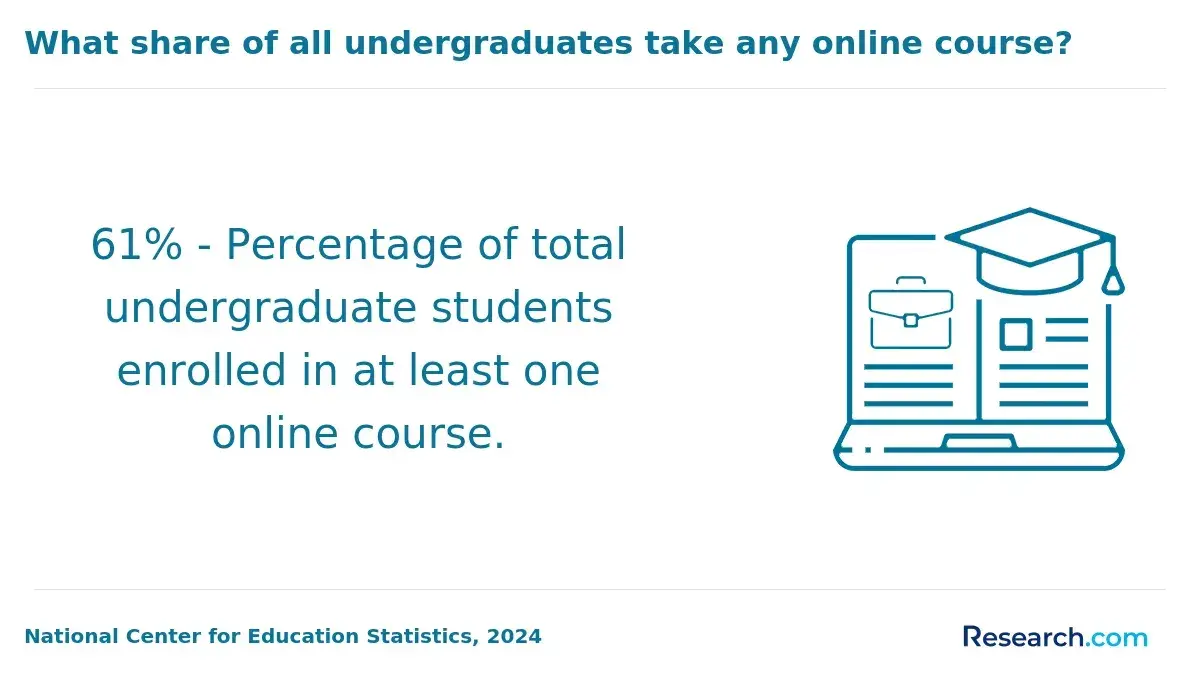
These economic variables directly influence student decision-making about where to pursue their degree, shaping considerations on residency status, potential relocation, and whether to pursue online alternatives. With data from 2024 by the National Center for Education Statistics indicating these price disparities are persistent, students must assess how higher local living costs compound tuition expenses, potentially increasing debt load.
Moreover, states with limited public funding typically shift budget burdens toward tuition, reducing affordability and prompting some students to prioritize institutions in lower-cost states or online programs to maintain financial sustainability. The value proposition in these premium-cost states hinges on factoring long-term employability gains tied to prestigious programs against immediate financial flexibility.
One recent graduate shared that when researching options, they found California's private universities offered robust psychology tracks but required a budget nearly double that of a public university in their home state. Debating whether the prestige and specialization warranted the extra cost, they considered starting in-state and transferring later or using online courses to mitigate expenses.
Their hesitancy arose from uncertainty about whether the investment in a high-cost locality would translate into better job prospects, especially given the accumulating cost of living in metropolitan areas. This detailed comparison and cautious approach helped frame their ultimate decision to prioritize financial aid opportunities and residency status over program name recognition alone.
How Much Does a Psychology Degree Cost by State?
Differences in tuition and living expenses across states have a profound impact on the feasibility of pursuing a psychology degree, with in-state rates at public universities ranging roughly between $6,000 and $15,000 annually, according to 2024 data from the NCES and IPEDS. For example, students from out-of-state often face tuition costs that can more than double, significantly altering financial planning and potentially necessitating additional borrowing or consideration of remote learning options.
These wide variations reflect state-level funding priorities and tuition-setting policies, which directly influence who can afford to enroll locally without relocating or incurring heavy debt burdens. Cost of living further complicates these decisions, as states with higher everyday expenses-such as Massachusetts or California-add $15,000 or more annually to total costs, contrasting sharply with more affordable regions in the Midwest or South.
This dynamic forces students to weigh the value of staying in higher-cost states with possibly more competitive programs and market opportunities against the financial strain of living and studying there. Because targeted financial aid and scholarship availability vary by state and institution, students must carefully assess net costs beyond tuition sticker prices, especially when factoring in long-term returns in local job markets heavily influenced by regional economic conditions.
Ultimately, choosing where to study psychology involves balancing tuition rate disparities, residency status implications, living costs, and the specific financial aid landscape. For many prospective students, states like Wyoming and New Mexico present tangible savings and less debt reliance, while those in states with high tuition and living expenses face challenging tradeoffs that might include relocating, enrolling in online programs, or extending education timelines to manage affordability.
Why Does Psychology Affordability Vary So Much Between States?
Differences in state funding allocation remain a critical factor in shaping Psychology degree cost variations across states. For example, Wyoming and New Mexico's sustained investment in public universities allows them to maintain lower tuition for in-state students, a stark contrast to states like California and New York where high operational costs and living expenses push annual tuition above $15,000, according to the National Center for Education Statistics 2024 data.
Students from low- and middle-income backgrounds must weigh these disparities carefully, as states with limited financial aid programs tend to increase out-of-pocket burdens, particularly for those entering Psychology fields with modest salary prospects. This dynamic compels many learners to consider not only immediate tuition costs but also the long-term return on investment influenced by regional employment patterns and institutional pricing strategies.
The public-versus-private institutional mix further complicates affordability, as states with numerous private colleges often report higher average program prices, skewing overall cost assessments. Residency policies also play a pivotal role; out-of-state tuition differences can be prohibitive, prompting some students to pursue online alternatives or transfer to public institutions with more favorable in-state rates.
These variations in Psychology degree cost differences across states affect enrollment decisions, with budget-conscious learners examining their options beyond local programs, sometimes opting for the cheapest online doctorate pathways to manage expenses and maintain access to quality education without relocating or accumulating prohibitive debt.
How Do In-State and Out-of-State Tuition Rates Affect Psychology Affordability?
Residency-based tuition policies profoundly influence the financial calculus for students pursuing a psychology degree, often creating stark cost disparities that impact program choice and geographic flexibility. For example, data from the National Center for Education Statistics in 2024 indicates average annual in-state tuition at public four-year universities is about $10,500, while out-of-state students face roughly $27,000.
This gap forces students to balance savings from in-state rates against potential benefits of out-of-state or private programs, which might offer stronger specialization or employment prospects but come with heavier debt burdens. Regional reciprocity agreements can mitigate costs, yet eligibility requirements and variable aid availability mean financial planning must also consider net price differences, not just sticker tuition.
Moreover, online psychology programs increasingly level the tuition field by charging uniform rates irrespective of residency, offering a practical path for nontraditional or geographically constrained students. Nonetheless, public institutions' lower resident tuition often coincides with reduced institutional aid compared to private schools, complicating affordability for lower-income learners.
Choosing an out-of-state public university can increase upfront expenses yet may open access to prestigious faculty or specialized research opportunities that enhance long-term career outcomes. Weighing these tradeoffs requires a nuanced understanding of residency reclassification policies, total cost of attendance-including fees and living costs-and available financial support to ensure informed enrollment strategies.
A recent psychology graduate reflected on navigating these decisions after relocating back to their home state post-high school. Despite qualifying for in-state tuition after a year, unexpected bureaucratic delays meant paying out-of-state rates initially, which strained their budget and caused hesitation about continuing at the chosen public university.
They described the process as "frustrating and uncertain," noting that had they known more about residency requirements upfront, their financial planning might have been more confident and less stressful. This experience underscores the critical role residency status plays not just in tuition costs but in shaping practical enrollment decisions and overall educational affordability.
How Does the Cost of Living Impact Overall Psychology Affordability by State?
Cost-of-living differences critically reshape the financial realities for students pursuing a psychology degree across U.S. states. For instance, while tuition might appear comparable, a student in California will incur housing expenses two to three times higher than one in Mississippi, significantly altering the net affordability of their education. These disparities influence decisions around campus residency, commuting, and even consideration of online courses versus in-person attendance, all of which impact total educational costs and time management.
The impact extends beyond rent, as transportation expenses in metro areas with limited public transit add further financial strain, often pushing students to weigh the tradeoff between high living costs and the potential local job market advantages post-graduation. Regional living expenses also affect food, healthcare, and utility costs, adding layers to the calculus of a psychology degree cost relative to state cost of living.
Healthcare premiums and student budgets vary regionally and can exacerbate debt load or force reductions in course loads, lengthening time to degree completion. Inflation trends further complicate these variables, potentially increasing institutional operational costs that students indirectly bear through fees or reduced aid availability.
For budget-conscious learners, understanding these factors alongside the variable financial aid terrain is crucial; some might explore options like bookkeeping certification online as supplementary skills to balance education with part-time work opportunities, thereby offsetting the uneven financial pressure associated with different states.
Which States Offer the Best Value for a Psychology Degree?
Evaluating the true value of a psychology degree requires looking beyond sticker tuition to consider how state-specific factors affect cost-efficiency and outcomes. For example, Wyoming offers below-average in-state tuition combined with a relatively high four-year graduation rate of 55%, which lowers the risk of extended enrollment costs and debt accumulation.
Conversely, New Mexico, while more expensive upfront, offsets cost through accessible financial aid and growing licensure pathways, illustrating that the cheapest option is not always the most financially prudent for students aiming to enter a competitive mental health workforce. States with higher tuition but modest degree completion and job placement rates, such as California and Massachusetts, often increase financial strain without proportional gains in employment prospects.
North Dakota illustrates a different model where reasonable tuition levels pair with sustained employment growth in psychological services, easing post-graduation financial burdens through stronger job markets. Students should weigh residency-based tuition benefits, total cost of attendance-including living expenses-and institutional support that impacts on-time graduation when comparing geographic options. These considerations critically shape the real-world affordability and career viability of pursuing psychology across state lines.
What Financial Aid and Scholarship Opportunities Can Reduce Psychology Costs?
Federal and state financial aid programs critically shape the cost landscape for psychology students, particularly when layered with institutional and employer-sponsored funding. Approximately 30% of undergraduate psychology students receive Pell Grants, which directly reduce out-of-pocket expenses without repayment obligations, a factor that can alter enrollment decisions and degree completion timelines. However, eligibility hinges on timely application and income thresholds, making it imperative for students to navigate these conditions carefully.
Similarly, state grants often prioritize residents and rely on academic standing or enrollment status, which means psychology students relocating for specific programs-such as those outside Texas or Florida, where aid is more generous-may face higher net costs despite nominal tuition rates appearing competitive. Institutional scholarships vary significantly, with larger public universities in mid-cost states typically offering more structured merit- or need-based awards than smaller or private schools, which complicates direct price comparisons.
Reciprocal tuition agreements between neighboring states can expand affordability options but require students to weigh the long-term implications of out-of-state tuition versus residency requirements for aid renewal. Additionally, employer-funded tuition benefits tend to favor part-time or graduate psychology students currently employed, introducing another dimension of tradeoffs, including potential restrictions on program choice or work-study balance.
Collectively, these layered funding sources and their complex eligibility conditions underscore the necessity for students and families to assess aid stacking policies and renewal contingencies as part of a strategic financial plan for degree completion. Students reliant on student loans face slower financial recovery and should prioritize upfront aid opportunities that mitigate borrowing.
The interplay between federal Pell Grants, state-funded programs, and institution-specific awards profoundly affects affordability, especially when compared across states with disparate educational costs and funding climates. This analysis reflects findings from the U.S. Department of Education and underscores how assessing financial aid beyond sticker price enables more informed decisions aligned with both academic goals and realistic budget constraints.
Are Online Psychology Degree Programs More Affordable Than On-Campus Options?
Online psychology degree programs generally offer lower tuition rates-ranging about 15-25% less than equivalent on-campus options-yet this apparent savings often masks complex cost tradeoffs that vary significantly by state and student circumstances. For budget-conscious learners comparing the cost of online versus on-campus psychology degrees by state, it is essential to factor in technology expenses like mandatory hardware and software fees, which can add $500 to $1,000 annually, alongside the waived campus fees typical in online programs.
Moreover, residency restrictions often affect financial aid eligibility for online students, making in-state enrollment a critical consideration to maximize affordability and avoid out-of-state surcharge penalties commonly imposed by many public universities' online offerings. Housing and transportation costs, which typically account for 20-30% of an on-campus student's total budget, represent potential savings for online learners but depend heavily on personal living arrangements and employment flexibility.
Students working part-time while enrolled on-campus may face tighter constraints on hours compared to those pursuing remote study, impacting opportunity costs differently across these modalities. This interplay means the true affordability of online versus campus-based psychology programs cannot be judged solely by sticker price but must include an assessment of lifestyle, work integration, and the availability of state-specific aid programs.
Prospective psychology students should also examine broader workforce implications alongside cost, noting that some specialized campus programs offer access to immersive labs and networking opportunities that online formats may lack. For those willing to weigh these factors, it is possible to find competitive degree paths at an online pace and price, reminiscent of other fields where an online MBA less than $10000 annually represents a precedent of balancing cost and outcome.
Is a Psychology Degree Worth the Cost Based on Career Outcomes and ROI?
Cost disparities across states heavily influence the practical value of a psychology degree, with some regions imposing student debt burdens exceeding $30,000, while others offer more affordable tuition and higher graduation rates. Choosing a high-tuition program without strong completion outcomes can substantially increase borrowing, which may delay financial independence and reduce the economic sustainability of a degree.
Students must weigh how local job market demand for psychology roles intersects with these costs; states like Florida and Texas, for example, combine reasonable program affordability with growing employment prospects, enhancing the overall return on investment. Employment outcomes for psychology graduates vary significantly by educational attainment, with median wages for clinical, counseling, and school psychologists around $81,000 annually, compared to entry-level roles yielding about $45,000, often requiring only a bachelor's degree.
This wage gap underscores the importance of considering graduate school pathways and their added cost and time commitments. Furthermore, opportunity costs and geographic mobility can shape career trajectories, especially in states lacking robust mental health infrastructure. Students evaluating psychology degree return on investment in the United States should look beyond tuition, also factoring in graduation rates, program quality, and alignment with realistic career goals.
Graduates with advanced degrees typically enjoy greater salary stability and diverse career options, including research and specialized counseling, while those focused on undergraduate credentials may face tighter job markets and lower initial earnings. This dynamic creates a complex decision environment, where increased debt in high-tuition states may not be offset without strategic planning for advanced credentials.
For learners contemplating doctoral education, exploring options like online doctorate data science programs illustrates how alternatives in allied fields might influence long-term employability in data-driven behavioral research and analytics.
References
- How to Pay for Your Psychology Education in California - Psychology California https://psychologyca.org/how-to-pay/
- Cost of living crisis and mental health - Money and Mental Health https://www.moneyandmentalhealth.org/cost-of-living-crisis-and-mental-health/
- 50 Most Affordable Selective Small Colleges for a Psychology Degree https://www.bestpsychologydegrees.com/top/affordable-selective-small-colleges-for-a-psychology-degree/
- Program Details: https://www.eastern.edu/academics/online-undergraduate-programs/ba-psychology-online
- Most Affordable Online Psychology Degree Programs: School Reviews https://www.degreesforgood.org/online-degrees/psychology-programs/most-affordable/
- PSYPACTMap - Psychology Interjurisdictional Compact (PSYPACT) https://psypact.gov/page/psypactmap
- Tuition and Fees | The Chicago School https://www.thechicagoschool.edu/admissions/financing-your-education/tuition-fees/
- Graduate Scholarships and Resources for Psychology Students https://www.onlinemastersdegrees.org/student-resources/psychology/
- That Question: “What’s a Psychology Degree Worth, Anyway?" https://www.psychologytoday.com/us/blog/head-of-the-class/201403/that-question-whats-a-psychology-degree-worth-anyway
- The Effects of Rising Student Costs in Higher Education - Ithaka S+R https://sr.ithaka.org/publications/the-effects-of-rising-student-costs-in-higher-education/
Other Things You Should Know About Psychology
Lower tuition costs do not always equate to better outcomes in psychology education. Students must balance affordability with the quality of faculty, research opportunities, and clinical placements available in each state. Opting for the cheapest program without adequate practical experience or specialized concentrations may limit employability and graduate school options. Prioritizing states where reasonably priced programs also maintain strong accreditation and connections with local mental health employers can enhance long-term career prospects despite slightly higher upfront costs.
Yes, states with more stringent licensure criteria often require additional coursework, supervised clinical hours, or examination fees not covered by tuition. Students pursuing psychology degrees in such states should factor these hidden costs when comparing program affordability. These requirements can extend the timeline and financial burden before entering the workforce as a licensed clinician, so paying somewhat more for a program aligned with a state's specific licensure pathway can reduce overall expenses and delays.
Programs that compress psychology coursework into shorter durations may appear cost-effective but often demand intense time commitments and a heavier course load each term. Conversely, more extended programs spread tuition payments and reduce semester workload, which can benefit students balancing jobs or family. Evaluating these tradeoffs helps students determine if paying marginally more for a program that better fits their capacity is worth the investment, especially in states where accelerated formats are common.
Relocating or choosing out-of-state online programs may reduce tuition but can affect clinical training opportunities crucial to psychology degrees. States regulate practicum placements and licensing based on local standards, so remote students might face limited access to essential in-person experiences or longer licensing pathways. Students should prioritize programs-whether local or remote-that provide robust, state-compliant practicum networks supporting licensure and employment rather than focusing purely on upfront cost savings that risk complicating certification and career entry.