2027 Educational Psychology Degree Completion Programs for Working Adults

Co-Founder and Chief Data Scientist
Many working adults face the challenge of completing an educational psychology degree while balancing job demands and personal responsibilities. Programs tailored for degree completion offer flexible scheduling, robust credit transfer policies-often recognizing military and prior learning credits-and accreditation aligned with licensure standards. Unlike generic undergraduate alternatives, these programs prioritize career outcomes and ROI. For example, graduates in this field see a median salary increase of 18% within two years post-completion, underscoring the value of choosing recognized, strategically structured programs. This article examines how to identify quality completion programs to align academic pursuits with professional goals and financial realities.
Key Things to Know About Educational Psychology Degree Completion Programs for Working Adults
- Maximize credit for prior learning by submitting military ACE evaluations or completed coursework-over 60% of programs accept such credits, reducing time to graduation significantly for adults.
- Choose programs accredited by recognized bodies and confirmed by employers-this enhances licensure eligibility and career advancement in educational psychology fields.
- Access financial aid through employer tuition assistance, federal grants, and flexible payment plans designed specifically for working adults balancing education and job responsibilities.
What Are Educational Psychology Degree Completion Programs, and Who Are They Designed For?
Educational psychology degree completion programs for working adults are tailored pathways that differ from traditional four-year or graduate programs by focusing on accelerated pacing, credit-for-prior-learning policies, and flexible scheduling. These features specifically address the demands faced by adults balancing education with work and family responsibilities. Students can significantly reduce time and cost by applying prior college credits, military training, or professional experience toward their degree requirements.
Key characteristics include:
- Accelerated Pacing: Courses are offered in shorter terms or intensive formats to help students complete their degrees faster than traditional programs.
- Credit Transfer and Prior Learning: Policies acknowledge prior college work, including ACE-accredited military training, and relevant career experience, lowering barriers for returning learners.
- Flexible Scheduling: Classes commonly take place online, during evenings, or on weekends to accommodate professional and personal commitments.
- Focused Curriculum: Degree content centers on educational psychology concepts applicable to diverse careers, facilitating advancement or new entry into the field.
The primary audiences served by these programs are adults with some college but no degree, military veterans with ACE-accredited training, working professionals seeking credential-gated promotions, and career changers entering educational psychology. These programs emphasize pathways that combine rigor with real-world flexibility, making them especially relevant for people who need to resume and complete their studies efficiently.
Research from the National Student Clearinghouse, the American Association of State Colleges and Universities (AASCU), and Lumina Foundation confirms the growing role of such degree completion options for adult learners. Students are encouraged to evaluate programs based on transparent credit policies, alignment with licensure standards, and access to financial aid. For those interested in advancing quickly within education fields, the doctorate in education online offers additional accelerated options worth exploring.
How Do Educational Psychology Degree Completion Programs Differ From Traditional On-Campus Degree Programs?
Educational psychology degree completion programs differ markedly from traditional on-campus degrees-especially in ways crucial for working adults balancing career and family commitments. These completion programs provide flexible scheduling options in educational psychology degree programs for working adults-offering evening, weekend, online, or hybrid classes that accommodate diverse work hours. In contrast, traditional programs maintain strict daytime class schedules tied to semester calendars.
- Scheduling Formats: Completion pathways emphasize flexibility with multiple start dates scattered throughout the year and formats designed to reduce conflicts with jobs or caregiving.
- Pacing Options: Accelerated cohort models and self-paced enrollment empower learners to progress at speeds tailored to their lives, unlike traditional semester-based, full-time study demanding continuous presence.
- Residency Requirements: Many completion programs minimize or eliminate on-campus time, allowing most coursework to be done asynchronously online. Traditional programs require regular campus attendance and face-to-face interaction, restricting learner flexibility.
- Credit Transfer and Advising: Streamlined advising focuses on maximizing credit for prior college courses, military ACE-credited training, and professional experience-a vital accommodation not commonly found in traditional programs.
- Enrollment Trends: National Center for Education Statistics (NCES) data reveal rapid growth in completion program enrollment, reflecting their increasing role for adults needing adaptable degree options.
- Credential Equivalence: Despite differences in structure and delivery, the degrees awarded-typically Bachelor of Science or Bachelor of Arts in Educational Psychology-remain identical in credential value to traditional routes.
Understanding these structural differences equips prospective students to select programs that align with their professional aspirations and life obligations. Working adults should also explore financial aid options available through flexible programs and evaluate schools recognized by employers and licensure bodies. For those seeking affordable pathways, researching cheap online universities offering reputable educational psychology degree completion programs can be a practical starting point.
What Prior Credits and Experiences Count Toward a Educational Psychology Degree Completion Program?
Transfer Credits: Completion programs typically accept credits from regionally accredited colleges, though acceptance varies by institution and the accreditation of the original school plays a significant role.
Military Training Credits: Evaluations registered by the American Council on Education (ACE) are broadly recognized; however, some programs may limit acceptance, so veterans should carefully review policies before enrolling.
Professional Certifications: Relevant certifications in educational psychology or allied fields may count for credit depending on the program's criteria and supporting documentation.
Prior Learning Assessment (PLA): Many institutions enable students to earn credit by submitting detailed portfolios or demonstrating knowledge gained through work experience. According to the Council for Adult and Experiential Learning (CAEL), PLA can reduce completion time by up to a year, offering substantial savings on tuition and accelerating degree achievement for adult learners.
Credit-by-Examination: Exams like CLEP and DSST are often accepted for foundational courses, providing a flexible, affordable option to validate existing knowledge and bypass introductory classes.
Since transfer policies differ widely, students should request official transcripts and pursue a pre-enrollment credit evaluation to verify which prior learning will be recognized. Avoid institutions that reject ACE-recommended military credits or impose arbitrary limits without academic rationale-refer to the American Association of Collegiate Registrars and Admissions Officers (AACRAO) guidelines as a benchmark for equitable credit transfer practices.
Reflecting on his own degree completion journey, a professional shared that navigating credit evaluations felt overwhelming initially-"It was a trial to gather all transcripts and document my work and military experiences." However, he found the PLA process empowering, noting that "demonstrating what I already knew saved both time and money, making graduation achievable while balancing a full-time job." His advice for others was to "start early with credit reviews and don't settle for vague answers about transfer policies. Your prior knowledge has value-make sure the program recognizes it."
What Is the Minimum GPA Requirement for Educational Psychology Degree Completion Programs?
Most educational psychology degree completion programs set a minimum cumulative GPA requirement-often between 2.0 and 2.5 on a 4.0 scale-to ensure applicants have met academic standards relevant to their field. Programs may also offer conditional admission to those with lower GPAs, requiring engagement in structured academic support such as tutoring or additional coursework to maintain satisfactory progress.
Many institutions serving adult learners adopt flexible admissions, allowing professional experience or military training credited by ACE to substitute for traditional academic achievements. This open admission approach supports returning adults who may have uneven academic histories but relevant work experience.
GPA criteria typically form one part of a holistic review process, particularly in programs accredited by the Higher Learning Commission and other regional bodies. Admissions committees weigh professional experience, letters of recommendation, and personal statements alongside academic standing to assess overall student readiness.
Returning students with previously low GPAs can benefit from academic forgiveness or fresh-start policies that reset cumulative GPA after a break in enrollment. These measures aim to reduce barriers for adults reengaging with degree completion and align with required academic standing for educational psychology degree completion programs.
Prospective students should request formal pre-admission academic evaluations from programs under consideration. This step clarifies eligibility, helping to avoid unnecessary application effort and offering a realistic assessment of whether a particular program fits their academic standing and career goals.
For those seeking affordability alongside quality, comparing options including the cheapest online psychology bachelor degree programs can be an essential part of decision-making.
How Are Educational Psychology Degree Completion Programs Structured Around Full-Time Work Schedules?
Programs designed for working adults pursuing an educational psychology degree completion often provide flexible formats to suit full-time work schedules-such as evening cohorts, weekend intensives, fully asynchronous online courses, or hybrid blends. These structures allow students to engage outside traditional hours, reducing interference with jobs and personal life. Typically, programs advise a manageable credit load of 6 to 9 credits per term, balancing steady progress with the risk of burnout.
Many degrees utilize a cohort model, where students move together through the curriculum on a set timeline. This approach promotes accountability and peer support, while also offering consistent scheduling that lets students plan work and family commitments well in advance. Research from the National Student Clearinghouse Research Center confirms that adults in these cohort-based programs display higher persistence and graduation rates than those in conventional enrollment setups, underscoring the benefits of structured learning paths.
When considering which program fits best, prospective students should ask about:
- Course Flexibility: Policies on cancellations and make-up opportunities for unavoidable work conflicts.
- Advising Support: Availability of dedicated student success advisors to help manage scheduling challenges and keep progress on track.
- Scheduling Options: How the format accommodates working professionals with dynamic commitments.
Reflecting on her journey, a professional who built a career after completing an educational psychology degree shared how initially juggling full-time employment and study felt overwhelming. She described moments of frustration balancing deadlines with unexpected work demands but emphasized how the cohort's consistent schedule and peer encouragement provided a crucial support system. Her advisor's proactive guidance made adjusting plans less stressful, helping her stay committed without sacrificing job performance. She noted, "It wasn't easy, but knowing that others were progressing alongside me and having a clear roadmap enabled me to keep going." This experience illustrates how well-structured programs can empower working adults to succeed without sacrificing career growth or family life.
Is Online or Hybrid Delivery Available for Educational Psychology Degree Completion Programs?
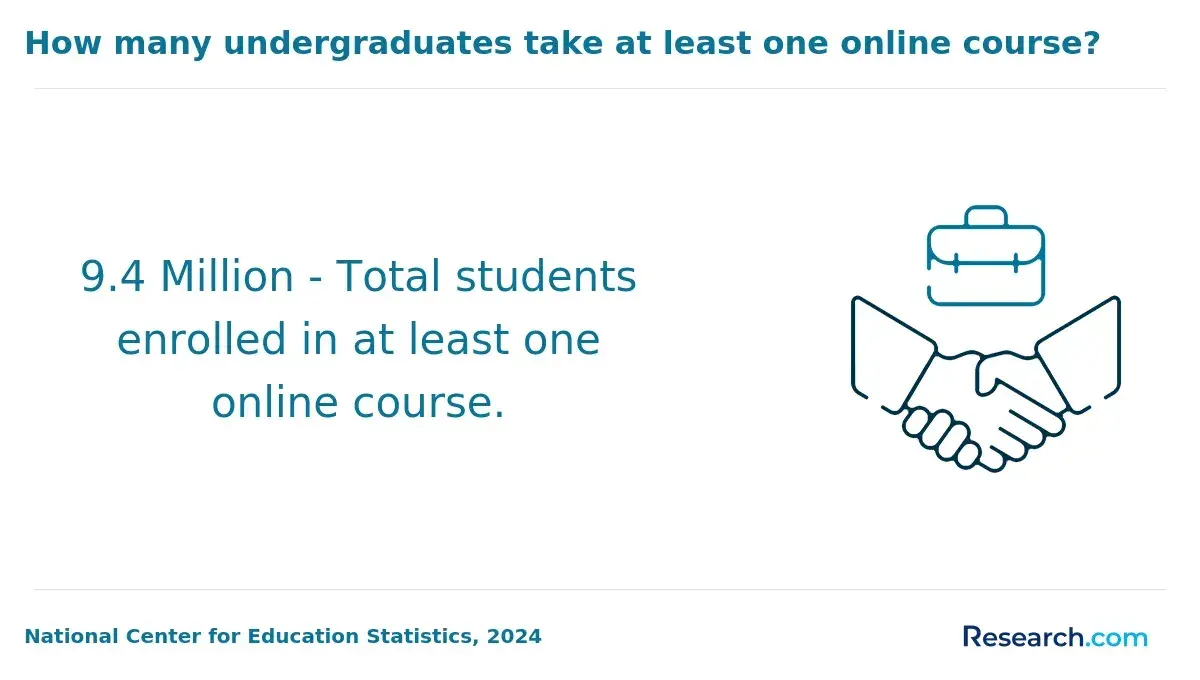
More than 60% of adult learners in degree completion programs choose fully online formats, with around 25% selecting hybrid delivery, according to the 2023 NCES Integrated Postsecondary Education Data System. The Online Learning Consortium highlights how the COVID-19 pandemic accelerated institutions' ability to offer strong online and hybrid educational psychology programs-expanding digital infrastructure and tailored instructional design for remote adult students.
Major delivery formats include:
- Synchronous Online: Live virtual classes via video conferencing that emulate traditional classrooms, allowing immediate interaction but requiring fixed schedules.
- Asynchronous Online: Self-paced courses using pre-recorded lectures, offering flexibility for busy adults but demanding discipline and time management skills.
- Hybrid Models: Mostly online study combined with occasional on-campus sessions, ideal for learners seeking some in-person engagement without frequent commuting.
When evaluating programs, students should scrutinize faculty qualifications-ensuring online instructors hold equivalent credentials to on-campus staff-as well as student-to-faculty ratios that support personalized attention. Availability of virtual academic services, such as tutoring and advising, is essential, alongside confirmation that the institution's regional accreditation fully applies to their online offerings, ensuring program legitimacy and access to federal financial aid.
Prospective learners should reflect on their schedules, learning preferences, and professional goals by asking questions about flexibility, in-person requirements, and support accessibility. This approach helps identify whether fully online, hybrid, or traditional formats best align with individual circumstances and career objectives in educational psychology degree completion.
How Long Does It Take to Complete a Educational Psychology Degree Completion Program?
Estimating the duration to complete an educational psychology degree completion program hinges largely on prior credits and enrollment status. Students entering with about 60 transfer credits typically require around two years of part-time study. Those starting with roughly 90 credits often shorten their timeline to about one year, subject to course availability and program design. Learners with extensive prior learning formally evaluated-such as veterans with ACE-credited military training or portfolio assessments-may finish in under a year when enrolled full-time.
- Credit Transfer: The volume of credits awarded from previous coursework or prior learning assessment (PLA) crucially impacts completion time. Transfer policies vary significantly across institutions, so verifying them early is vital.
- Enrollment Load: Full-time enrollment accelerates progress. However, many mid-career professionals prefer part-time study to manage work and family responsibilities. Even accelerated courses might have minimum duration limits due to cohort scheduling and course sequencing.
- Fixed Program Elements: Mandated requirements like internships, capstone projects, or field experiences often have fixed timelines that cannot be shortened-regardless of credit transfers-shaping the overall time-to-degree.
- Financial Impact: Completing faster decreases total tuition costs and reduces lost income opportunities by limiting time away from full-time career advancement. Early graduation also enables quicker access to higher salary brackets linked to degree credentials.
- Verification Advice: Prospective students should obtain written confirmation from programs specifying average time-to-degree based on their individual credit profile rather than relying solely on advertised minimum timelines that usually assume maximum credits and intensive study.
What Accreditation Should a Educational Psychology Degree Completion Program Hold?
Regional Accreditation: Degree completion programs with regional accreditation-granted by bodies such as the Higher Learning Commission (HLC), the Middle States Commission on Higher Education, and the Southern Association of Colleges and Schools Commission on Colleges (SACSCOC)-carry the highest recognition. Employers, graduate schools, and the federal student aid system widely accept these credentials, facilitating credit transfers and future licensure. For adults seeking accredited educational psychology degree completion programs, regional accreditation standards are critical to ensuring long-term career and educational mobility.
National Accreditation: Organizations like the Distance Education Accrediting Commission (DEAC) provide national accreditation, which generally holds lower status in academic and professional circles. Degrees from nationally accredited institutions often face challenges with credit transfer and may receive limited recognition from employers and graduate programs. This distinction is vital for adults pursuing degree completion, as limited credit acceptance can hinder advancement.
Programmatic Accreditation: Although no accreditor focuses solely on educational psychology, related professional specializations may seek endorsements from organizations such as the Council for the Accreditation of Educator Preparation (CAEP). Unlike programmatic accreditors in other fields-such as ABET for engineering, or AACSB for business-these specialized endorsements impact licensure eligibility, hiring outcomes, and graduate admissions, making them important for career changers aiming to enter or advance in the field.
Accreditation Risks: A growing number of degree completion programs come from institutions with only national accreditation or unrecognized accreditors. Completing one of these programs risks earning a credential that employers, graduate schools, or licensing boards may not recognize, causing financial losses and limited career prospects. Adults should weigh such risks carefully when selecting a program.
Verification: Prospective students must independently verify accreditation status through the U.S. Department of Education's Database of Accredited Postsecondary Institutions and Programs (DAPIP). Relying solely on marketing claims can lead to costly mistakes that affect education and career outcomes.
Working adults pursuing advanced credentials can also explore financial aid options and program scheduling formats that accommodate their lives. To compare quality programs that align with professional goals and financial circumstances, consider resources highlighting affordable options-including choices outside of educational psychology such as human resources online masters.
How Much Do Educational Psychology Degree Completion Programs Cost, and What Financial Aid Is Available?
Costs for educational psychology degree completion programs vary widely based on institution type and enrollment status. Public regional universities generally charge $250 to $450 per credit hour for in-state students, while private nonprofit schools range from $400 to $700 per credit hour. For-profit institutions often exceed $700 per credit hour. Mandatory fees-covering technology, course materials, and required residencies or intensives-can add several hundred to over a thousand dollars per term, affecting the total cost of attendance. Adult learners must evaluate these expenses carefully, especially when comparing programs.
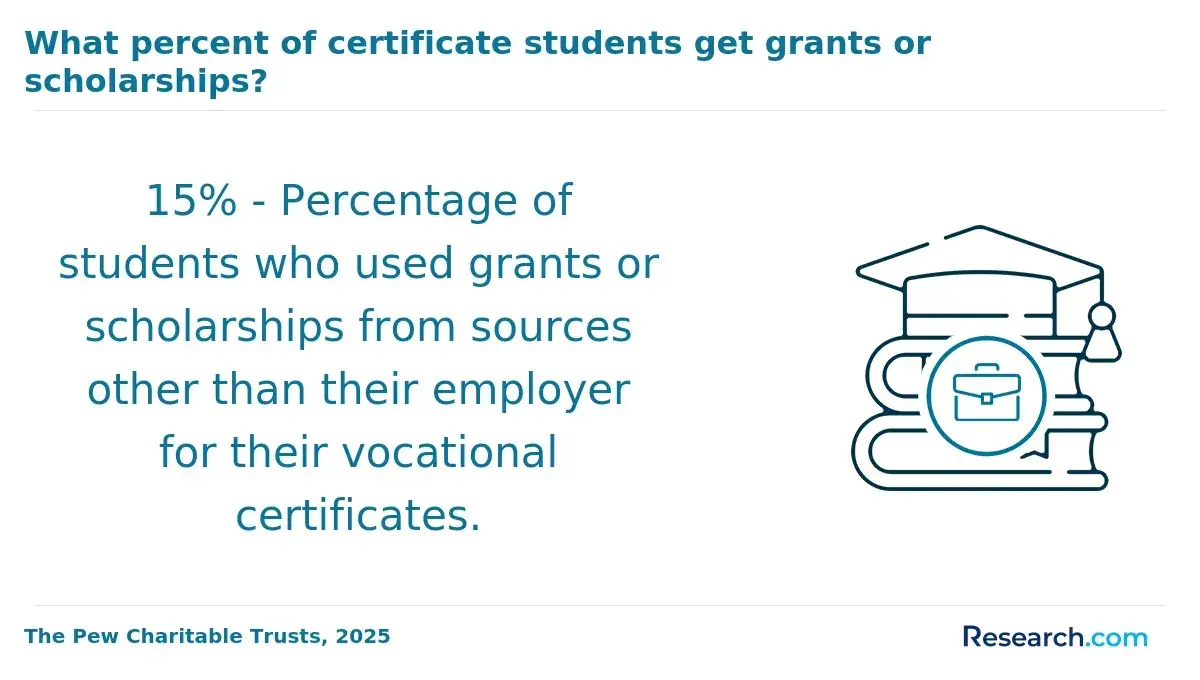
Financial Aid: Multiple financial aid options are available for working adults in educational psychology programs. Pell Grants remain accessible for part-time learners demonstrating financial need. Employer tuition reimbursement programs vary by company and typically require proof of academic progress. Military-affiliated students benefit from GI Bill and MyCAA programs, which significantly reduce out-of-pocket costs. Numerous institutions offer scholarships targeting non-traditional and adult learners. Adult students filing FAFSA independently should explore all such opportunities.
Tax Advantages: Adults paying out-of-pocket for coursework may claim the Lifetime Learning Credit to reduce tax liability. Additionally, employer educational assistance up to $5,250 annually is often excluded from taxable income under IRS Section 127. Given the complexity of tax situations, consulting a tax professional is recommended.
Comparing Total Cost: To effectively compare educational psychology completion programs, students should factor in credit transfer policies-leveraging prior learning reduces required coursework and tuition. Employer reimbursement eligibility and institutional aid post-FAFSA further decrease net costs. Calculating net tuition after aid, combined with credit savings and employment benefits, offers a clearer view of true expenses. This approach underscores why sticker price alone misrepresents actual cost for working adults completing their degrees.
For those weighing degree options broadly, examining related fields can provide insights; consider reviewing the best online computer science degree programs as a comparative model for accelerated education pathways.
What Career Outcomes Can Working Adults Expect After Completing a Educational Psychology Degree?
Completing a bachelor's degree in educational psychology often results in notable career benefits for working adults-benefits grounded in both their academic achievements and practical experience. Data from the College Scorecard and studies by the Georgetown University Center on Education and the Workforce show that degree completers typically earn 15% to 25% more than individuals with some college but no degree, depending on their field and region. This wage increase reflects employers' preference for verified credentials and skill mastery.
Adults who complete a degree while employed often enter the workforce at higher levels than traditional graduates. Their years of work experience offset the time spent completing the degree and help them pursue senior or specialized roles immediately, bypassing many entry-level positions.
- Promotion Eligibility: Graduates frequently qualify for leadership roles that require a completed degree, such as supervisory jobs in education, counseling, or human services.
- Credential-Gated Jobs: Certain positions-especially licensed or certified roles in school support or training coordination-mandate a bachelor's degree.
- Salary Premium: Median earnings data reveal consistent pay advantages, supporting long-term financial gains for degree holders.
- Career Advancement: Alumni report receiving more frequent promotions and growing responsibilities after earning their degree.
- Graduate Program Access: Completing the degree also opens doors to competitive graduate programs, although candidates must verify specific prerequisites.
Prospective students should assess programs carefully-maximizing credit for prior learning, confirming accreditation recognized by employers and licensing authorities, and exploring financial aid designed for working adults. Selecting a degree completion program aligned with personal career goals and life circumstances is essential for maximizing return on investment and ensuring eligibility for targeted roles.
How Do Employers View a Educational Psychology Degree Completed Through a Completion Program?
Surveys from employers-including those by the Society for Human Resource Management (SHRM) and the National Association of Colleges and Employers (NACE)-show that hiring managers prioritize the accreditation status of the institution awarding the educational psychology degree, rather than the path students took to complete it. Whether the degree comes from a traditional program or a completion program that incorporates prior learning assessment (PLA) credits generally matters less than confirming the school's legitimacy.
Accreditation: An accredited institution's degree-regardless of whether it's earned via a completion program-is equally recognized by most employers, ensuring its credibility. Completion program diplomas typically do not differentiate graduates from traditional paths, so candidates should list their degree as officially awarded without specifying the delivery method.
Presentation: When discussing education during interviews, emphasizing the adult-oriented or accelerated format can positively highlight skills like time management and motivation, rather than suggesting shortcuts in academic rigor.
Employer Specifics: Certain sectors require more scrutiny-federal jobs following Office of Personnel Management (OPM) standards and licensed professions governed by state boards may examine degree pathways closely. Prospective students in regulated fields should confirm credential acceptance with licensing agencies or HR before enrolling.
Hiring Priorities: In most private-sector educational psychology roles, relevant experience, demonstrated competencies, and strong references far outweigh concerns about enrollment formats. This positions completion degrees as valued credentials that enhance career prospects rather than presenting lesser alternatives.
What Graduates Say About Educational Psychology Degree Completion Programs for Working Adults
- Ryker: "Completing my educational psychology degree as a working adult was manageable thanks to the flexible scheduling formats-weekend and evening classes allowed me to balance work and study without burnout. I appreciated how the program's accreditation standards ensured that the curriculum was both rigorous and respected within the field, making my degree valuable when pursuing career advancements. Plus, their credit transfer policies recognized my prior coursework, accelerating my path to completion while saving on tuition costs."
- Eden: "Reflecting on my journey through an educational psychology completion program, the most striking feature was how cost considerations were thoughtfully addressed, offering payment plans and scholarships tailored to adult learners. I was impressed by the program's clear focus on career outcomes, which helped me map my studies directly to roles in education and counseling. Structural features, like cohort-based learning and supportive faculty, created a sense of community that is often missing in typical undergraduate alternatives."
- Benjamin: "From a professional standpoint, choosing a high-quality educational psychology degree completion program meant looking for robust accreditation standards and a curriculum aligned with the demands of evolving educational environments. Credit transfer policies were crucial-they reflected a commitment to valuing prior experience and education rather than insisting on starting from scratch. The program's scheduling flexibility was a key factor-I could attend full-time when possible but switch to part-time during busy work seasons, which is a rare advantage compared to more rigid programs."
Other Things You Should Know About Educational Psychology Degrees
On average, working adults can expect to dedicate 10-20 hours per week to a 2027 educational psychology degree completion program. This commitment includes time for online or in-person classes, assignments, and study in addition to their regular work obligations.
Prerequisites typically include an associate degree or equivalent credits, a minimum GPA of 2.5, and occasionally letters of recommendation. Some programs may require a resume highlighting relevant work experience and a personal statement outlining career goals in educational psychology.
Military veterans can use education benefits such as the GI Bill to fund their degree completion in educational psychology. Many programs recognize military training and ACE credits, reducing the time and cost required to graduate. Veterans should consult with program advisors and veterans' affairs offices to navigate benefit eligibility and maximize credit for prior learning.
References
- Educational and Child Psychology https://sheffield.ac.uk/postgraduate/taught/courses/2026/educational-and-child-psychology-doctor
- B.A. in Psychology for Online Degree Completion Program | Gallaudet University https://gallaudet.edu/psychology/b-a-in-psychology-for-online-degree-completion-program/
- Online Degree vs. Traditional: Choosing the Right Path https://beal.edu/online-degree-vs-traditional/
- Most Affordable Online Psychology Degree Programs: School Reviews https://www.degreesforgood.org/online-degrees/psychology-programs/most-affordable/
- Admission Requirements and Criteria https://www.ualberta.ca/en/educational-psychology/prospective-graduate-students/admission-requirements-and-criteria.html
- How employers see your online degree https://www.calcoast.edu/news/truth-about-how-employers-view-your-online-degree
- APA Accreditation Requirements and Standards https://lumivero.com/resources/blog/apa-accreditation/
- Educational Psychology https://online.pennwest.edu/programs/educational-psychology/index.php
- Online Degrees In Educational Psychology | Psychology.org https://www.psychology.org/online-degrees/educational-psychology/
- Educational Psychology: Degrees, Careers & What It Is https://sociology.org/educational-psychology-understanding-how-we-learn/