2027 Educational Psychology Degree Programs You Can Start Without Meeting All Requirements

Co-Founder and Chief Data Scientist
Many prospective students face hurdles-low GPAs, incomplete prerequisites, career gaps, or nontraditional backgrounds-that delay entry into educational psychology degree programs. However, numerous institutions offer conditional admission, allowing early enrollment while requiring completion of bridge courses or submission of alternative credentials. This flexibility supports those balancing professional demands or academic challenges.
Notably, educational psychology professionals earn a median annual salary of $80,370, highlighting the field's attractive ROI across diverse sectors. This article outlines legitimate pathways for admission without full standard requirements-detailing policies, support systems, and academic benchmarks-to help aspiring students navigate early entry and succeed in their degree pursuit.
Key Things to Know About Educational Psychology Degree Programs You Can Start Without Meeting All Requirements
- Conditional admission policies often allow students with incomplete prerequisites to enroll-requiring them to pass specific courses within their first year to maintain good standing.
- Bridge and foundational courses help transfer students and adult learners build necessary knowledge-facilitating smoother transitions into full educational psychology curricula.
- Alternative credential reviews assess professional experience or nontraditional coursework-enabling career changers to earn credit and start degree programs without full transcript requirements.
What Is the Minimum GPA Requirement for a Educational Psychology Degree Program?
GPA requirements for educational psychology degree programs vary widely, reflecting differences in institutional selectivity. Highly selective universities often require GPAs between 3.3 and 3.5, while moderately competitive schools accept applicants with GPAs from 2.7 to 3.2. Open-admission institutions may have minimum GPA standards as low as 2.0. These ranges demonstrate how academic thresholds align with varying levels of program competitiveness and accessibility. Such information is key when exploring what is the minimum GPA requirement for an educational psychology degree program in the United States.
Admissions committees consider more than just raw GPA numbers. They evaluate grade trends-looking for steady improvement-and the rigor of completed coursework. Some programs implement grade replacement policies, allowing stronger grades from repeated courses to replace lower ones in calculating admission GPA. This nuanced approach helps institutions balance quantitative metrics with qualitative insights into an applicant's academic potential.
If your GPA falls below published requirements, you should not assume disqualification. Instead, take these steps first:
- Consultation: Speak directly with an admissions counselor to explain your unique situation and explore options.
- Holistic Review: Request an evaluation that includes work history, letters of recommendation, and relevant experience.
- Conditional Admission: Inquire about provisional acceptance pathways that require meeting specific benchmarks in foundational or bridge courses.
These minimum GPA standards for conditional admission to educational psychology programs often come with academic obligations and timelines designed to help students demonstrate readiness. Many schools support early enrollment through institutional support systems and bridge programs, facilitating progress toward degree completion.
For further insight into accelerated options, consider researching EdD online programs designed for students seeking faster pathways.
Which Educational Psychology Programs Accept Applicants on Academic Probation or With Academic Deficiencies?
Several educational psychology degree programs nationwide offer conditional admission tracks for applicants with academic probation histories or transcript deficiencies-providing flexible pathways designed to support students as they work to improve academic standing. These programs typically require students to meet minimum GPA benchmarks during an initial probationary period and limit credit hours to allow focused progress.
- University of Central State - Regional Accreditation: Students with GPAs below the 3.0 requirement may gain provisional admission but must achieve at least a 2.5 GPA across the first 12 credit hours to maintain enrollment. Monthly advising sessions monitor academic performance and ensure targeted support.
- Midwestern State College - Regional Accreditation: Applicants with academic deficiencies may enroll conditionally, limited to 9 credit hours in the first semester, with a required minimum GPA of 2.7 to continue. Biweekly faculty advisor check-ins help evaluate coursework and strategize study plans.
- Southeastern University - National and Regional Accreditation: This institution offers a bridge program for students lacking prerequisites or on probation, requiring foundational course completion with at least a 3.0 GPA before full track admission. Advisors meet bi-semesterly to monitor steady progress and address challenges.
- Northwest Community College - Regional Accreditation: Offering conditional acceptance to students with professional experience but incomplete transcripts, this college limits initial enrollment to 6 credit hours with a minimum 2.8 GPA requirement. Students receive personalized academic plans updated monthly by advisors.
- Eastern State University - Regional Accreditation: Students admitted on academic probation must maintain a 2.75 GPA for the first 15 credits and attend orientation focused on academic skills development. Mandatory advisor meetings every three weeks review progress and strategize improvements.
Policies can vary widely between undergraduate and graduate educational psychology degree options, and academic probation conditions are frequently revised. Students should verify up-to-date requirements directly with institutional admissions offices to confirm current conditional enrollment options.
Importantly, applicants with academic challenges are not automatically excluded from educational psychology degree programs. A well-crafted personal statement addressing past difficulties candidly-combined with strong letters of recommendation-significantly enhances an applicant's chance of admission. This approach is especially valuable for high school graduates who fell short of GPA thresholds, community college transfer students completing prerequisites, adult learners returning after professional gaps, and career changers whose transcripts may be incomplete but whose work histories are strong.
Those interested in related flexible entry into other fields can also explore opportunities in engineering degrees, which sometimes feature similar conditional admission frameworks.
How Do Conditional Admission and Provisional Enrollment Work for Educational Psychology Degree Seekers?
Conditional admission and provisional enrollment are two distinct flexible entry statuses offered by Educational Psychology programs, often confused due to inconsistent use across institutions. Conditional admission involves specific academic or prerequisite requirements for students who nearly meet program standards-this might include maintaining a minimum GPA (typically between 2.5 to 3.0) and completing certain foundational courses within one or two semesters. Progress under this status is closely monitored, and failure to meet conditions can result in delayed advancement or dismissal. Provisional enrollment, by contrast, is usually a temporary, unclassified status granted while applicants finalize missing documents-such as transcripts or test scores-allowing them to start coursework before formal admission is complete but without assurance of continued enrollment until all paperwork is verified.
A professional who completed an Educational Psychology degree shared his experience, explaining that gaining conditional admission was initially daunting-"I had to carefully plan to raise my GPA while juggling family responsibilities." He highlighted how bridge courses provided essential background he previously lacked, and frequent check-ins with advisors gave him a clear roadmap. "The provisional enrollment was helpful at first, letting me start classes even though my final transcripts were delayed. It felt uncertain until everything was approved, but the program's support made all the difference." This pathway, he noted, "was challenging but genuinely supportive, turning potential barriers into stepping stones toward my career goals."
What Alternative Admission Pathways Are Available for Educational Psychology Programs When Prerequisites Are Not Met?
Applicants who fall short of traditional prerequisites for educational psychology programs can still access several alternative admission pathways that provide necessary flexibility.
- Portfolio Review: This option accepts comprehensive portfolios that showcase academic accomplishments, practical work samples, or reflective essays. Portfolios usually include writing samples, project documentation, recommendation letters, and evidence of relevant skills aligned with educational psychology principles. Institutions must have faculty committees or trained advisors competent in fairly assessing portfolios against prerequisite courses.
- Demonstrated Professional Experience: Candidates with substantial work experience in educational or counseling fields may bypass formal prerequisites by submitting detailed resumes, employer attestations, and reflective narratives linking job roles to educational psychology concepts. Typically offered by schools with part-time or executive-style educational psychology degrees tailored for working adults. Staff knowledgeable in both professional practice and academic standards use structured rubrics to evaluate experiential equivalency.
- Prior Learning Assessment (PLA) Credit: PLA grants credit for informal learning acquired via workshops, online programs, or military training relevant to educational psychology. This pathway is frequently available at community colleges and universities with formal PLA policies and dedicated evaluators. Documentation includes transcripts from non-degree courses and certificates validated against course outcomes.
- Placement Testing: Some institutions permit placement exams to prove competency in prerequisite subjects-such as statistics or developmental psychology-enabling students to bypass required foundational courses. These exams are often found in undergraduate or combined bachelor's/master's educational psychology programs. Effective implementation requires testing centers and faculty experts who develop valid assessments reflecting prerequisite knowledge.
Because many alternative pathways are managed informally or vary by institution, prospective students should proactively reach out to department chairs or program directors rather than relying solely on centralized admissions offices. This direct engagement can uncover flexible admission options that are not prominently advertised. Navigating these routes often involves persistence, thorough documentation, and clear communication with academic staff who understand flexible access to educational psychology programs.
For those exploring foundational or bridge and foundational courses for educational psychology prerequisites, supplementary resources can help. Additionally, community college students seeking smoother transfer experiences might consider an associate degree as a stepping stone toward meeting admission requirements.
Which Educational Psychology Programs Allow Students to Begin While Completing Remaining Prerequisites Concurrently?
Concurrent or co-requisite enrollment allows students to start core educational psychology coursework even while completing outstanding prerequisites. Unlike conditional admission-which sets specific criteria students must meet before full enrollment-this approach enables a simultaneous start, blending foundational classes like introductory statistics or research methods with initial educational psychology courses. This method supports immediate application of prerequisite skills within the core curriculum but demands careful management due to the increased academic load.
Commonly, students pair an introductory stats course alongside a first-semester educational psychology theory class, reinforcing understanding through practical overlap. This dual-track structure challenges students to balance two rigorous subjects at once, necessitating thoughtful scheduling and commitment.
To determine if a program allows concurrent enrollment, students should consult the course catalog to clarify which prerequisites may be taken alongside core classes, meet with academic advisors for tailored advice, and request a degree audit to map a feasible academic plan. These steps help avoid unexpected grading policies or scheduling conflicts.
A professional who built her career after completing an educational psychology degree shared how initially juggling concurrent enrollment was daunting but ultimately rewarding. She described the early anxiety of managing statistics alongside core theory classes-both demanding significant effort-but noted that early advisor support and proactive time management made all the difference. "Starting prerequisites and core courses together was intense, yet it instilled discipline and allowed me to see connections between content immediately," she reflected. Her experience highlights how this pathway can accelerate progress while building resilience and academic skills essential for long-term success.
How Do Community College Partnerships Help Students Enter Educational Psychology Programs Without Full Qualifications?
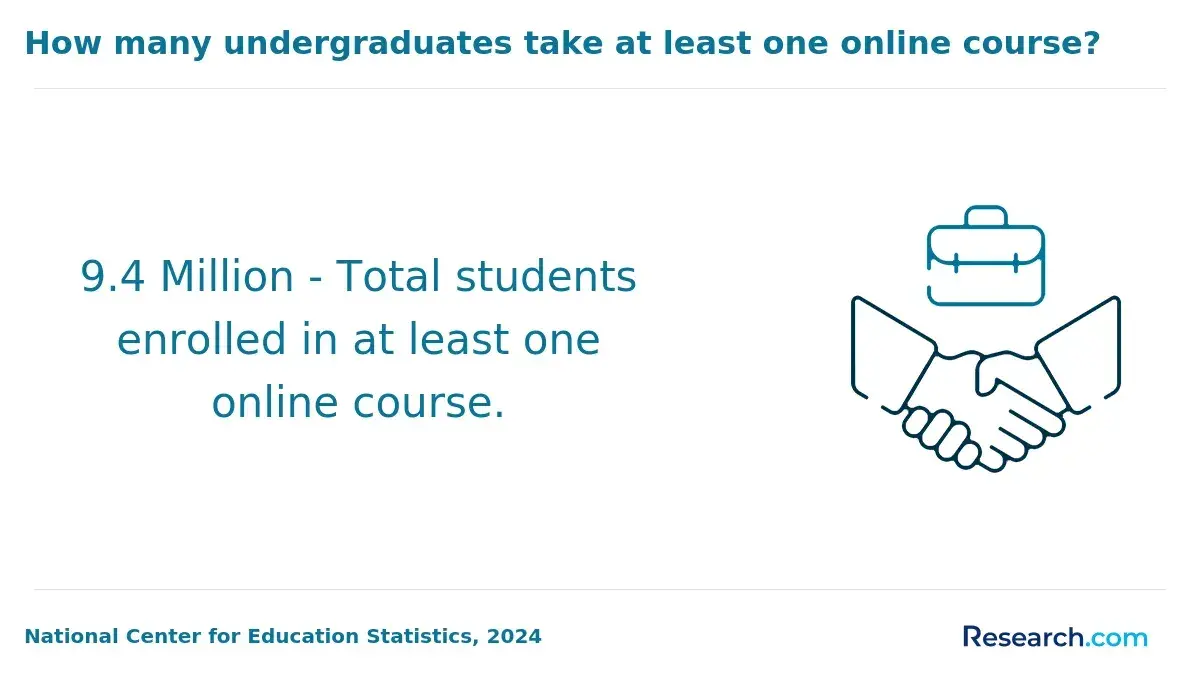
Many students who lack full admission credentials for educational psychology programs start their journey via community college partnerships that enable transfer through structured pathways. These include 2+2 articulation agreements ensuring that credits from a two-year institution apply directly to a bachelor's degree, allowing students to begin foundational coursework early despite initial GPA or prerequisite shortfalls.
Dual-Enrollment Arrangements: Students can take courses simultaneously at community colleges and universities, earning transferable credit while rebuilding academic standing or managing other responsibilities, maintaining steady progress without delay.
Pathway Programs: Specialized community college initiatives focus on completing prerequisites, improving GPA, and developing essential skills-such as statistics and developmental psychology-that four-year admissions committees highly value when reviewing transfer applicants.
Identifying Agreements: Prospective transfer students should check university admissions websites or contact offices to verify any current formal articulation agreements. Without such agreements, transfer remains possible by collaborating closely with advisors, submitting course syllabi during applications, and demonstrating academic competence.
Notably, as of 2023, over 45% of educational psychology bachelor's students started at community colleges-highlighting the growing role of flexible pathways in expanding access to this field.
What Role Do Personal Statements and Letters of Recommendation Play in Gaining Educational Psychology Program Access Without Meeting All Requirements?
When applicants fall short of typical admission metrics-such as GPA, test scores, or completed prerequisites-personal statements and letters of recommendation become essential tools to gain entry into Educational Psychology programs. These documents allow candidates to demonstrate potential beyond numerical transcripts and highlight qualities that admissions committees value.
A compelling personal statement for conditionally admitted students should offer a candid yet forward-looking explanation of any academic difficulties, such as interrupted coursework or low grades, helping reviewers understand context without fixating on negatives. It must also clearly describe how prior experiences-whether professional roles, volunteer activities, or informal learning-have equipped the applicant for the demands of advanced study in Educational Psychology. Importantly, the statement should specify why this particular program aligns uniquely with the candidate's academic ambitions and career path.
Letters of recommendation carry the most weight when they come from supervisors or mentors who directly understand the applicant's intellectual abilities and professional achievements. These endorsements provide tangible evidence of readiness and motivation, far outweighing generic character references or unrelated recommendations.
Which Educational Psychology Programs Offer Bridge or Foundational Courses That Replace Unmet Admission Requirements?
Many universities and private education providers offer intensive, short-term boot camps designed to bring students up to speed on foundational topics. These programs typically do not grant academic credit and are aimed at learners missing prerequisite knowledge or skills. Boot camps often last a few weeks and cost less than full courses.
Although completion might not appear on an official transcript, attendance and sometimes a final assessment can lead to conditional admission into the degree program. Their condensed format suits those seeking rapid preparation, helping students meet requirements quickly without delaying full enrollment.
Post-Baccalaureate Preparatory Sequences: Primarily available at colleges housing graduate-level educational psychology programs, these credit-bearing courses fill undergraduate deficiency areas and are recorded on transcripts. Completion usually counts toward electives or prerequisites within the graduate program. These sequences often extend over one to two academic terms, delaying degree completion accordingly. Their cost aligns with standard tuition rates. This option supports students pursuing formal coursework and academic credit recognition while meeting conditional admission requirements, useful for students exploring foundational courses in educational psychology for conditional admission.
Certificate-Level Prerequisite Bundles: Some institutions offer certificate programs grouping prerequisite courses tailored for educational psychology candidates, often through continuing education departments. These credit-bearing bundles result in a certificate that verifies foundational competence and formally documents preparatory work. Program lengths vary from a semester to a full academic year, with costs reflecting the bundled courses. Certificates provide clear milestones and often guarantee progression into the main degree program, appealing to those needing structured validation of their readiness.
Self-Paced Online Remediation Modules: Increasingly common where flexible admissions exist, these asynchronous online courses allow students to remediate prerequisite gaps at their own pace. Typically credit-earning or pass/fail, they appear on transcripts as prerequisite fulfillment and offer a bridge into degree programs. Their flexible scheduling helps adult learners and career changers balance education with other responsibilities. Costs vary widely but are often below standard tuition fees. Completion timelines depend on individual progress, potentially enabling earlier full enrollment.
Students seeking educational psychology bridge programs for unmet requirements should note these pathways are not always prominently advertised. It's essential to contact admissions offices directly to request detailed information on foundational enrollment options and conditional admission pathways tailored to specific programs. For those evaluating program duration and flexibility, exploring options like a 6 months masters degree online can also complement these foundational bridges.
How Does Work Experience or Professional Background Substitute for Academic Requirements in Educational Psychology Programs?
Work experience and professional background can serve as crucial factors in offsetting unmet academic requirements for educational psychology degree programs, particularly those employing holistic admissions criteria. Admissions committees often recognize relevant practical experience as valid evidence of a candidate's readiness for graduate-level study-especially for applicants relying on work experience as admission criteria in educational psychology programs.
- Recognized Experience: The most valued types include direct involvement in educational environments, counseling roles, developmental psychology work, industry certifications, several years of field-specific employment, leadership or management positions relevant to educational psychology, and contributions such as published research or professional presentations.
- Documentation: Applicants should prepare a professional resume tailored for academic review-emphasizing relevant skills, accomplishments, responsibilities, clear timelines, and the impact of their roles to effectively communicate their competence.
- Supporting Evidence: Admissions committees may request letters of recommendation from supervisors or colleagues able to attest to an applicant's professional expertise and suitability for advanced study-focusing on practical competence rather than solely academic performance.
- Volunteer Work: Meaningful community service or unpaid positions directly linked to educational psychology offer additional proof of commitment and real-world knowledge.
- Application Strategy: Applicants should present their professional background clearly within application materials, sometimes supplemented by reflective essays explaining how this experience complements or compensates for any academic gaps-an approach often considered by programs evaluating professional background substituting academic requirements in educational psychology degrees.
- Important Caution: Prospective students must confirm with admissions offices that their non-academic credentials will be formally reviewed before investing significant effort-since program policies on accepting work experience vary widely.
For those seeking flexible admission options, exploring conditional admission policies or bridge courses can often complement professional experience-while checking resources like masters in therapy programs may offer further insight into supportive pathways.
What Financial Aid and Scholarship Options Are Available to Conditionally Admitted Educational Psychology Students?
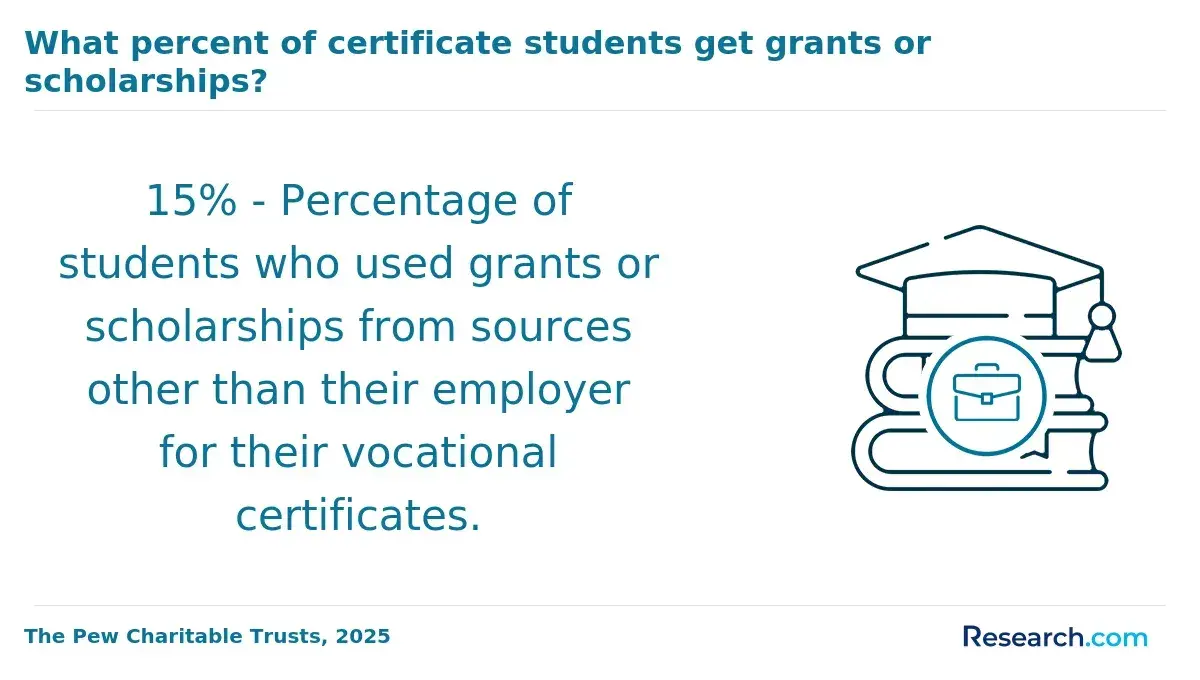
Students admitted conditionally to educational psychology programs can usually apply for federal financial support via the Free Application for Federal Student Aid (FAFSA) if enrolled at least half-time. Continuing to receive this aid depends on maintaining satisfactory academic progress, which often means meeting specific GPA and credit completion standards. Falling short of these benchmarks might cause a temporary suspension of aid until academic improvements are demonstrated.
- Institutional Scholarships: Many colleges and universities provide scholarships aimed at non-traditional, adult learner, or returning students in educational psychology. These awards recognize candidates with interrupted academic histories, including course withdrawals or gaps, and those motivated by career changes or life experience. Students should reach out to their financial aid offices for details on available scholarships and qualifying requirements.
- Private Scholarships: Various private foundations and organizations offer scholarships supporting students with alternative academic backgrounds pursuing educational psychology degrees. These funds often target adult learners, career changers, or individuals demonstrating commitment to the field. Though competitive, they can be valuable supplements to federal and campus-based aid.
- Advisory Consultation: Prospective conditionally admitted students are strongly encouraged to speak with both the financial aid office and their academic advisor before starting enrollment. Understanding how conditional status and enrollment intensity affect aid packages helps avoid unexpected expenses, especially during bridge courses or foundational study periods.
How Do Online Educational Psychology Programs Compare to Campus-Based Programs in Admission Flexibility?
Online educational psychology programs-especially those managed by large public university systems or for-profit institutions-often provide broader admission pathways than traditional campus-based programs. These online options may allow students to begin coursework without meeting all standard prerequisites, accommodating applicants with lower GPAs, incomplete transcripts, or career interruptions.
- Admission Flexibility: Many online programs loosen enrollment requirements by enabling conditional admission. This approach can include prerequisite waivers granted for relevant professional experience or previous academic work, allowing students to progress while completing necessary foundation courses.
- Conditional Enrollment: Applicants admitted conditionally must complete specific refresher or bridge courses early in their studies, meeting set performance benchmarks to continue in the program. This structure ensures academic rigor despite initial gaps in preparation.
- Support Infrastructure: Students in conditional admission tracks should carefully review available support services, which differ widely by institution and delivery method. Such supports often include:
- Dedicated academic advising tailored for online learners to guide degree planning and conditional course requirements
- Access to tutoring and writing centers, though these resources may be virtual and less extensive than on-campus equivalents
- Disability accommodations that follow legal standards but often require proactive requests from students in an online environment
- Mental health services, commonly offered via telehealth but sometimes less immediate than in-person support
- Accreditation and Quality Assurance: Flexible admissions do not suggest lowered academic standards. Prospective students must ensure programs hold recognized regional accreditation and examine graduate success and licensure rates. Confirming rigor and professional recognition safeguards against choosing programs solely for easier entry.
What Graduates Say About Educational Psychology Degree Programs You Can Start Without Meeting All Requirements
- Kim: "Starting the educational psychology program without completing all prerequisites felt challenging at first-but the structured academic obligations made it clear what I needed to focus on. The timeline expectations were realistically paced, allowing me to balance work and study efficiently. What truly stood out was how the program required students to meet specific performance benchmarks to move forward, which kept me motivated and accountable throughout my journey."
- Eden: "Reflecting on my time in the educational psychology degree, I appreciate how the conditional admission policy allowed me to begin even though I hadn't met every requirement upfront. I quickly learned that staying on track with the academic demands-especially submitting assignments on time and maintaining a strong GPA-was essential. The program's clear timeline expectations helped me plan better, making the entire experience feel manageable despite initial doubts."
- Benjamin: "Professionally, the educational psychology program taught me the importance of discipline under conditional admission terms. The academic responsibilities were rigorous-ensuring not only knowledge acquisition but also essential skill development. Adhering to strict performance benchmarks was non-negotiable, and the timeline guidelines reinforced my ability to manage complex coursework effectively, preparing me well for a future career in the field."
Other Things You Should Know About Educational Psychology Degrees
Admission policies for educational psychology degree programs are influenced primarily by regional accrediting bodies such as the Higher Learning Commission and program-specific standards like those set by the American Psychological Association (APA) and the Council for the Accreditation of Educator Preparation (CAEP). These organizations establish quality benchmarks that allow for flexible admission pathways, including conditional acceptance and prerequisite completion plans, provided students demonstrate potential for academic success.
Students interested in early admission should focus on showcasing their relevant experience, strong motivation, and academic readiness through supplemental materials such as recommendation letters and personal statements. Completing bridge or foundational courses beforehand-either at a community college or through online providers-also strengthens their case by demonstrating a commitment to meeting program standards despite initial gaps.
Many programs provide tailored support for conditionally admitted students, including academic advising, tutoring, and access to foundational coursework designed to fill gaps in knowledge. Mentoring and progress monitoring are common features as well, helping students meet performance benchmarks that are critical to maintaining good standing and transitioning to full enrollment status.
References
- Top 25 Online Master's in Educational Psychology https://www.onlinepsychologydegree.info/online-masters-in-educational-psychology/
- Strengthening Pathways to Student Success - Foundation for California Community Colleges https://foundationccc.org/our-work/student-success/strengthening-pathways-to-student-success/
- Personal statements and Letters of Recommendation https://gradschool.wayne.edu/admissions/personal-statement
- Online vs. On-Campus: Which Mode of Learning Is Best for You? https://www.onlinemastersdegrees.org/student-resources/which-mode-of-learning-is-best/
- Interested in a career in Educational Psychology? https://www.aep.org.uk/interested-career-educational-psychology
- View of On-campus, distance or online? Influences on student decision-making about study modes at university https://ajet.org.au/index.php/AJET/article/view/3781/1508
- Master of Education in School & Applied Child Psychology - Future https://werklund.ucalgary.ca/graduate-programs/future-students/programs/masters-programs/med-school-applied-child-psychology
- Educational and Child Psychology https://sheffield.ac.uk/postgraduate/taught/courses/2026/educational-and-child-psychology-doctor
- Best Online Educational Psychology Programs https://www.psychology.org/rankings/best-educational-psychology-programs/
- Educational Psychology https://online.pennwest.edu/programs/educational-psychology/index.php