2027 How to Become a Private School Teacher in Washington: Requirements & Certification

Co-Founder and Chief Data Scientist
Teaching in a Washington private school can be a good fit for educators who want mission-driven classrooms, closer family relationships, or more flexibility than they might find in some public school settings. The path is not always straightforward, though. Private schools in Washington may set their own hiring standards, and expectations can differ by grade level, subject area, religious affiliation, school philosophy, accreditation status, and student population.
This guide explains what aspiring private school teachers in Washington need to know before applying: education expectations, certification options, timelines, costs, salary ranges, job outlook, professional development, legal considerations, and career paths. It is designed for new teachers, career changers, out-of-state educators, and current private school teachers who want to strengthen their credentials or plan their next move.
Quick Answer: How Do You Become a Private School Teacher in Washington?
To become a private school teacher in Washington, you usually need at least a bachelor’s degree, strong subject knowledge, classroom readiness, and the ability to meet the hiring standards of the individual school. A state teaching certificate is not always required for private school employment, but many schools prefer or expect one because it signals formal preparation and can improve competitiveness.
- Washington private schools often have more flexibility than public schools in setting teacher qualifications.
- A Residency Teacher Certificate can strengthen an application, especially for candidates seeking long-term teaching careers.
- Some non-certified applicants may be considered if they have relevant K-12 preparation, specialized subject expertise, or strong teaching experience.
- Private schools serving grades one through twelve must provide at least 1,000 instructional hours or 180 school days each year.
- Kindergarten programs must provide at least 450 hours.
- Applicants should expect background screening, and many schools require fingerprinting before employment.
Key Things to Know Before You Apply
- Certification is helpful but not always mandatory. Washington private schools may hire outside the standard public-school certification route, but certification can make a candidate more credible and portable.
- School-by-school requirements matter. One school may prioritize a state credential, while another may value subject expertise, faith alignment, Montessori training, bilingual skills, or experience with a specific curriculum.
- Instructional-time rules still apply. Private schools are not completely exempt from state expectations; grades one through twelve must meet the minimum instructional-hour or school-day requirements.
- Records and transcripts may work differently. Candidates should understand how each school handles student records, grading, transcripts, and compliance responsibilities.
- Relationship-building is central to the job. Private school teachers often interact closely with families, administrators, donors, and school communities, so communication skills matter as much as lesson planning.
- Hiring may include added costs. Fingerprinting, background checks, interview travel, application materials, and professional attire can create expenses before a teacher receives a job offer.
- What education do Washington private school teachers need?
- How do licensure, applications, and renewal work for private school teachers?
- Can you teach in a Washington private school with only a certificate?
- What do private education programs cost in Washington?
- How long does it take to become a private school teacher?
- What expenses should future private school teachers expect?
- What is the job outlook for private school teachers in Washington?
- What are the most affordable routes into private school teaching?
- How much do private school teachers in Washington earn?
- How can private school teachers build special education expertise?
- How can private school teachers move into creative careers?
- How can private school teachers advance professionally?
- Which specialized certifications can improve teacher credentials?
- What challenges and trends are shaping private school teaching?
- How do mentorship and networking support career growth?
- How can teachers protect work-life balance and reduce burnout?
- What legal and contract issues should private school teachers review?
- What certification options should Washington private school teachers compare?
- How can teachers improve digital teaching skills?
- What other careers can private school teachers pursue?
- What advancement paths are available in private education?
- How can private school teachers use social-emotional learning?
What are the educational requirements for private school teachers in Washington?
Washington private schools generally look for teachers who can demonstrate academic preparation, classroom skill, and alignment with the school’s mission. The exact requirements depend on the institution, but most full-time teaching roles expect a bachelor’s degree, relevant content knowledge, and evidence that the candidate can manage a classroom and support student learning.
| Requirement or qualification | How it affects private school hiring in Washington | What applicants should do |
| Bachelor’s degree | Commonly treated as the baseline qualification for teaching roles, especially in core academic subjects. | Choose a major that matches the grade level or subject you want to teach, or add education coursework if your degree is outside education. |
| Education or pedagogy coursework | Shows preparation in lesson design, assessment, classroom management, and child development. | If your degree is not in education, consider targeted coursework, a teacher preparation program, or supervised teaching experience. |
| Residency Teacher Certificate | Not always required by private schools, but often viewed as a strong signal of professional preparation. | Review state-approved routes if you want broader job options or may later move into public education. |
| Subject-matter expertise | Can be especially valuable in math, science, foreign language, arts, vocational, and advanced courses. | Prepare a portfolio showing lesson samples, student work examples if available, and evidence of content depth. |
| Out-of-state or foreign credentials | May help candidates who have already taught elsewhere, depending on school policy and credential review. | Gather transcripts, credential evaluations, references, and documentation of teaching experience before applying. |
| Specialized training | Useful for schools serving students with specific needs or using distinctive instructional models. | Consider certificates in special education, bilingual education, early childhood education, educational technology, or school-specific methods. |
A bachelor’s degree in education is helpful, but it is not the only possible route. Candidates with degrees in English, mathematics, history, biology, music, art, world languages, theology, business, or other fields may be competitive when their background fits the school’s curriculum. The key is proving that subject knowledge can translate into age-appropriate teaching.
Certification deserves careful thought. A Washington Residency Teacher Certificate may not be legally required by every private school, but it can improve credibility, especially for candidates without extensive classroom experience. It may also protect future mobility if a teacher later wants to apply for public school roles or leadership positions that prefer state-recognized credentials.
Applicants comparing education careers can also review in-demand education career options to understand how private school teaching fits into the broader education labor market.
What is the licensure application and renewal process for private school teachers in Washington?
Licensure for Washington private school teachers is different from licensure for public school teachers. Public school teachers generally need state certification, while private schools may decide which credentials they require for employment. That flexibility does not mean credentials are irrelevant. Many private schools still prefer certified teachers because certification documents formal preparation, supervised practice, and professional standards.
Before applying, candidates should separate three issues: what the state requires of private schools, what the school requires of teachers, and what will make the applicant competitive.
How the process usually works
- Review the job posting carefully. Look for degree requirements, certification preferences, subject-area expectations, faith or mission requirements, and experience requirements.
- Confirm whether certification is required or preferred. Some postings may say certification is optional, while others may require a state credential or equivalent preparation.
- Prepare documentation. Common materials include transcripts, a résumé, references, a teaching philosophy, sample lesson plans, and proof of certification if applicable.
- Complete screening steps. Schools may require fingerprinting, background checks, and other safety-related procedures before hiring.
- Ask about renewal expectations. If the school requires certification, ask whether it expects teachers to maintain, renew, or upgrade that credential.
Teachers who hold a state certificate should track renewal timelines and continuing requirements through the appropriate state channels. Teachers who are not certified should still build a professional development record because schools may consider workshops, graduate credits, conferences, curriculum training, and specialized certificates during promotion or contract renewal decisions.
Can I become a private school teacher in Washington with just a certificate?
In some cases, a teaching certificate can help you qualify for a Washington private school position, but applicants should not assume that a certificate alone will satisfy every employer. Private schools set their own hiring standards, and many still expect a bachelor’s degree, relevant teaching experience, or subject-area preparation.
The practical answer is: yes, some private schools may consider a candidate whose strongest formal credential is a teaching certificate, but hiring depends on the school, the grade level, the subject, and the applicant’s overall readiness. A certificate can be especially valuable when paired with classroom experience, strong references, and a clear teaching portfolio.
An associate degree may be useful for some support, assistant, early learning, enrichment, or specialized roles, but it may not be enough for many lead-teacher positions. Candidates who start with an associate degree should ask whether the school offers a pathway into a lead role after additional coursework, supervised teaching, or completion of a bachelor’s degree.
| Candidate profile | Private school hiring potential | Best next step |
| Certificate plus bachelor’s degree | Often the strongest entry-level profile for classroom teaching roles. | Apply broadly and tailor materials to the school’s mission and curriculum. |
| Certificate without a bachelor’s degree | May be considered by some schools, but opportunities can be more limited. | Contact schools directly and ask whether the role requires a degree. |
| Associate degree plus classroom experience | May fit aide, assistant, early learning, enrichment, or school-specific roles. | Build toward a bachelor’s degree if seeking long-term lead-teacher options. |
| Bachelor’s degree without certification | Can be competitive in private schools, especially for high-demand or specialized subjects. | Add pedagogy coursework, student teaching, tutoring, or alternative certification if needed. |
The safest strategy is to research each school before applying. Ask whether certification is required, whether the school accepts alternative qualifications, and whether new hires receive mentoring during the first year.
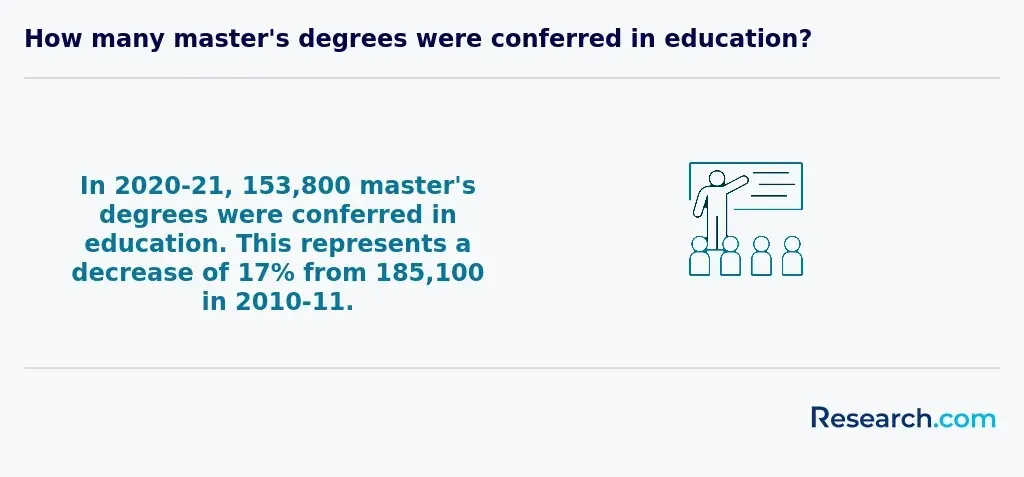
What is the average cost of Private education programs in Washington?
Private education costs matter to future teachers for two reasons. First, tuition levels can affect school resources, salary flexibility, class offerings, and family expectations. Second, teachers who plan to earn degrees or certificates must budget for their own preparation costs.
For 2024, the average annual tuition for private schools in Washington is about $13,346. Elementary tuition averages approximately $13,566, while high school tuition averages about $15,199. Costs can vary widely by institution, location, grade level, religious affiliation, boarding options, program model, and available aid.
| Private education cost point | Amount stated | Why it matters for teachers |
| Average annual private school tuition in Washington for 2024 | $13,346 | Tuition can influence family expectations, school budgets, and available classroom resources. |
| Average elementary tuition | $13,566 | Elementary teachers may work in schools with different pricing structures and family-service expectations. |
| Average high school tuition | $15,199 | High school programs may charge more due to advanced courses, specialized faculty, labs, activities, or college-prep services. |
| Lower-cost private school examples | $1,450, $1,820, $1,935, and over $4,360 | Lower tuition does not automatically mean lower quality, but teachers should ask how schools fund staffing, materials, benefits, and professional development. |
| Columbia River Christian Academy high school tuition | $1,935 | Shows that some private high school options are far below the state average. |
| TLC Montessori elementary tuition | $1,820 | Highlights the range of tuition models available in the state. |
Teachers should not judge a potential employer by tuition alone. A high-tuition school may still have heavy workloads or limited salary growth, while a lower-tuition school may offer a close community and meaningful autonomy. During interviews, ask how the school supports teachers, funds classroom supplies, handles professional development, and communicates with families about tuition-related expectations.
How long does it take to become a private school teacher in Washington?
The timeline depends on where you are starting. A candidate who already has a bachelor’s degree and classroom experience may be able to apply immediately. Someone beginning with no college credits may need several years to complete a degree, gain experience, and become competitive for lead teaching roles.
| Starting point | Possible timeline | What can shorten or lengthen the path |
| Bachelor’s degree in education | A few months to apply, interview, and complete hiring steps | Certification status, references, subject demand, and school hiring calendars can affect timing. |
| Bachelor’s degree outside education | Varies; may require added coursework, experience, or alternative preparation | Tutoring, substitute teaching, youth work, or strong subject expertise can help. |
| Teaching certificate route | About one to two years for many teacher preparation programs | Program format, student teaching requirements, and part-time enrollment can change the timeline. |
| Associate degree | Potentially another two to four years if completing a bachelor’s degree | Transfer credits, full-time enrollment, and prior learning policies can reduce time. |
| Alternative certification | May take less time than some traditional routes | Eligibility rules, school partnerships, fieldwork, and assessment requirements matter. |
Private school hiring can also be seasonal. Many schools make staffing decisions in late winter, spring, and early summer for the following academic year, although openings can appear at any time because of enrollment changes, teacher relocation, or midyear vacancies.
How much does it cost to become a private school teacher in Washington?
The cost of becoming a private school teacher depends on the credential path you choose. The largest expense is usually college tuition, but applicants should also budget for certification, testing, background checks, classroom materials, job-search costs, and continuing education.
| Expense category | Cost information stated | How to manage the expense |
| Bachelor’s degree | $10,000 to over $50,000 annually, depending on the institution | Compare public, private, online, transfer-friendly, and part-time options before enrolling. |
| Master’s degree | $20,000 to $60,000 added cost | Pursue a graduate degree when it clearly supports advancement, specialization, or salary goals. |
| Certification exams and application fees | Several hundred dollars | Confirm which fees apply before starting the process and ask whether an employer reimburses any costs. |
| Professional development | A few hundred to several thousand dollars annually | Ask schools whether they provide stipends, conference funds, tuition support, or in-house training. |
| Job search | Varies by interview travel, attire, application materials, and teaching demonstrations | Create reusable lesson samples, a concise portfolio, and digital interview materials. |
To reduce costs, consider transfer credits, community college pathways, employer-supported professional development, scholarships, part-time study, and programs that combine coursework with supervised field experience. If certification is not required for your target schools, weigh whether earning it now will improve long-term career mobility enough to justify the cost.
What is the job outlook for private school teachers in Washington?
The job outlook for Washington private school teachers depends on enrollment patterns, location, school finances, subject area, teacher turnover, and family demand for private education. Opportunities may be stronger in areas with more private schools, such as larger urban regions, while rural communities may have fewer openings.
Teachers with specialized skills can be more competitive. Schools may seek educators in STEM, foreign languages, special education support, arts, early childhood education, faith-based education, bilingual instruction, and college-preparatory subjects. Candidates who can teach multiple courses, advise student groups, communicate well with families, and support the school’s mission may have an advantage.
- Location affects opportunity. Seattle and other urban areas typically have more private institutions than rural regions.
- Subject expertise matters. Math, science, language, and specialized elective teachers may encounter different demand than general applicants.
- Turnover can create openings. Private schools may have vacancies because of relocation, career changes, compensation concerns, or workload expectations.
- School philosophy influences hiring. Montessori, religious, classical, international, arts-focused, and college-prep schools may look for different teacher profiles.
Educators who want to strengthen language-teaching qualifications may find it useful to compare online master’s in ESL programs, especially if they work with multilingual learners or schools with international communities.
What are the most affordable pathways to becoming a private school teacher in Washington?
The most affordable route is the one that matches your current education level, avoids unnecessary credits, and leads to the type of school you actually want to teach in. Because private schools may be flexible, some candidates can begin teaching without completing the same certification route required for public schools. However, skipping credentials can limit future options, so the decision should be strategic.
| Pathway | Best for | Cost-saving advantage | Main caution |
| Complete a bachelor’s degree using transfer credits | Students starting at a community college or returning with prior credits | Can reduce the number of credits taken at a higher-cost institution. | Confirm transfer policies before enrolling. |
| Alternative certification | Career changers and degree holders outside education | May be faster than returning for a full education degree. | Not every school values alternative routes equally. |
| Private school direct hiring with professional development | Applicants with strong subject expertise or relevant experience | Can allow entry before completing additional credentials. | May limit mobility if the teacher later wants certification-required roles. |
| Targeted certificate or endorsement | Teachers adding a skill such as special education, ESL, or technology | More focused than a full graduate degree. | Verify that the credential is recognized by target employers. |
| Graduate degree later | Teachers seeking leadership, specialization, or higher-level roles | Allows income and career goals to guide the investment. | A master’s degree is expensive if it does not improve opportunities. |
Prospective educators looking for a lower-cost credential route can review the cheapest way to get a teaching credential in Washington. Before choosing any program, ask whether it fits private school hiring expectations, public school certification goals, and your preferred subject or grade level.
How much do private school teachers in Washington make?
Private school teacher pay in Washington varies by school, experience, subject, location, responsibilities, and funding model. Reported salaries can differ widely, so candidates should treat averages as reference points rather than guarantees.
| Salary measure or role | Amount stated | How to interpret it |
| Reported annual salary range for private school teachers | Approximately $85,000 to $155,000 | Actual offers depend on the school, role, experience, and compensation structure. |
| Average earnings | Around $96,976 | Useful as a broad benchmark, not a promised starting salary. |
| Common total pay estimate | About $113,022 | May include more than base salary depending on how compensation is reported. |
| Base salary range | $73,000 to $133,000 | Base pay should be compared separately from bonuses or extra compensation. |
| Additional compensation | $12,000 to $22,000 | May include bonuses, profit-sharing, or other pay elements where available. |
| Art teacher median salary | Approximately $62,099 | Subject area can influence compensation. |
| English teacher median salary | Around $66,588 | Compare by subject, workload, and grade level. |
| Math teacher median salary | About $87,515 | Higher-demand subjects may report different pay levels. |
| Spanish teacher median salary | Roughly $82,014 | Language demand and school program design may affect pay. |
When evaluating an offer, look beyond salary. Ask about health insurance, retirement benefits, tuition remission, paid planning time, class size, required extracurricular duties, summer expectations, professional development funding, and renewal terms. A higher salary may come with a heavier workload, while a lower salary may be offset by stronger benefits or a better work environment.
Teachers pursuing advanced leadership or scholarship-focused roles may want to compare online doctorate degrees in education, particularly if their long-term goals include administration, curriculum leadership, or higher education.
How can private school teachers in Washington enhance their expertise in special education?
Private school teachers increasingly need strategies for supporting students with varied learning, behavioral, and developmental needs. Even when a school does not operate like a public special education system, teachers benefit from knowing how to differentiate instruction, document concerns, collaborate with families, and adapt assessments responsibly.
Useful areas of professional growth include inclusive lesson design, executive-function support, behavior intervention, reading intervention, assistive technology, and family communication. Teachers who want a deeper credentialed pathway can review how to become a special education teacher in Washington.
How can private school teachers transition to creative industries?
Private school teachers often build skills that transfer well outside the classroom: storytelling, presentation, planning, feedback, project design, audience awareness, and creative problem-solving. Those abilities can be useful in curriculum media, instructional design, publishing, educational technology, museum education, training, and digital content roles.
Teachers with visual arts, media, technology, or storytelling strengths may also explore a career in animation, where communication, narrative thinking, and creative development can complement technical training.
How Can Private School Teachers in Washington Advance Their Professional Development?
Professional development should be tied to a teacher’s career direction, not chosen at random. A first-year teacher may need classroom management and lesson design support, while an experienced teacher may benefit more from leadership training, curriculum development, student assessment, or specialized content credentials.
- Ask the school whether it funds conferences, graduate credits, workshops, or curriculum training.
- Build a professional portfolio with lesson samples, assessment examples, student feedback, and reflective practice notes.
- Seek training that solves a real classroom challenge, such as literacy gaps, multilingual learning, technology integration, or behavior support.
- Use annual reviews to discuss advancement, leadership duties, and compensation growth.
Teachers interested in younger learners can compare preschool teacher requirements in Washington to decide whether early childhood education is a useful specialization.
How can private school teachers in Washington upgrade their credentials through specialized certifications?
Specialized certifications can help private school teachers stand out, especially when they match a school’s needs. Valuable options may include early childhood education, special education, bilingual education, educational technology, reading instruction, Montessori training, classical education, faith-based education, or subject-specific credentials.
Teachers considering early learning roles can review early childhood teaching certification and requirements. Before paying for any credential, ask three questions: Will my current school recognize it? Will target employers value it? Will it improve my teaching practice or career mobility?
What are the emerging challenges and future trends for private school teachers in Washington?
Washington private school teachers are working in a changing environment shaped by technology, family expectations, student mental health needs, competition for enrollment, and evolving ideas about career readiness. Schools may expect teachers to use digital platforms, support hybrid learning when needed, personalize instruction, and communicate frequently with families.
AI is also changing the classroom. Teachers need policies for student use of generative tools, academic integrity, writing assignments, feedback, and digital literacy. Rather than banning technology without discussion, many teachers will need to help students understand when tools support learning and when they undermine original thinking.
Teachers comparing broader credential pathways can use how to become a teacher in Washington to understand how private school routes differ from other teaching options.
How can mentorship and professional networking accelerate career growth in Washington’s private schools?
Mentorship is especially useful in private schools because expectations can be highly local. A mentor can explain unwritten norms, family communication practices, grading expectations, classroom culture, and how decisions are made. Networking can also reveal openings before they are widely posted.
- Ask for a mentor during the hiring process or first contract year.
- Join subject-area, grade-level, or independent-school educator groups.
- Attend workshops where administrators and teachers from multiple schools participate.
- Build relationships with teachers in adjacent fields, such as elementary, music, special education, and language instruction.
Educators considering grade-level movement can review how to become an elementary school teacher in Washington to compare expectations for younger learners.
How can private school teachers in Washington achieve work-life balance and prevent burnout?
Private school teaching can be rewarding, but the boundaries can blur. Teachers may be asked to coach, advise clubs, attend evening events, communicate frequently with families, support admissions activities, or create curriculum with limited planning time. Burnout prevention starts with understanding the full job, not just the classroom schedule.
| Burnout risk | Better practice |
| Accepting every extra duty without clarification | Ask which responsibilities are required, paid, optional, or tied to contract renewal. |
| Responding to family messages at all hours | Set communication windows and explain response-time expectations early. |
| Planning from scratch every week | Create reusable units, shared resources, and assessment templates. |
| Working in isolation | Use peer planning, mentoring, and department collaboration. |
| Delaying support until stress becomes severe | Talk with supervisors early about workload, class needs, or resource gaps. |
Some teachers renew their energy by adding creative or specialized subjects. For example, educators interested in arts-based instruction can explore music teaching qualifications in Washington.
What legal and contractual considerations should private school teachers in Washington be aware of?
Private school employment contracts can differ significantly from public school agreements. Teachers should read every term before signing and ask for clarification in writing when language is unclear. Do not rely only on verbal assurances.
- Contract length: Confirm start date, end date, renewal process, and notice deadlines.
- Termination terms: Understand when either party can end employment and whether cause, notice, or severance is addressed.
- Workload: Ask about teaching load, planning periods, duties, advising, coaching, events, and summer obligations.
- Pay and benefits: Review salary schedule, payment timing, health insurance, retirement, tuition remission, and professional development funding.
- Intellectual property: Clarify ownership of curriculum, lessons, videos, and materials you create for the school.
- Dispute resolution: Check whether the contract includes mediation, arbitration, internal grievance steps, or other procedures.
Teachers exploring subject-specific pathways may find comparison value in how to become a history teacher in Washington, particularly when evaluating content preparation and school expectations.
What certification options should private school teachers in Washington explore?
Private school teachers should compare certification options based on career goals. A teacher who wants to remain in one private school network may need different credentials than someone who wants public school mobility, special education expertise, early childhood roles, or administrative advancement.
Good certification decisions begin with employer research. Ask target schools whether they prefer state certification, accept alternative routes, recognize out-of-state credentials, or value specialized certificates. Then compare costs, timelines, supervised teaching requirements, renewal rules, and transferability.
For a broader overview, review teacher certification types and requirements in Washington.
How can private school teachers in Washington upgrade their digital teaching capabilities?
Digital teaching skills are now part of effective instruction, even in fully in-person schools. Teachers may need to manage learning platforms, collect assignments online, use assessment data, communicate with families, support absent students, and teach responsible technology use.
- Learn the school’s learning management system before the first grading period.
- Use digital tools only when they improve learning, feedback, accessibility, or organization.
- Create clear AI and plagiarism expectations for students.
- Build accessible materials for students who need captions, screen-reader compatibility, or flexible formats.
- Use data carefully and ethically; avoid reducing students to platform metrics.
Teachers interested in remote or hybrid education can review how to become a teacher online in Washington.
What other careers can private school teachers in Washington pursue?
Private school teachers can move into several roles that use their communication, planning, leadership, and student-support skills. Some remain in education, while others transition into training, content, counseling-related pathways, or creative industries.
- Instructional designer
- Curriculum writer
- Corporate trainer
- Educational consultant
- Admissions or student success professional
- Tutor or learning specialist
- School administrator
- Educational technology specialist
- Museum, nonprofit, or community education coordinator
Teachers interested in student communication and language development may also compare the route for becoming a speech pathologist in Washington, although that path has its own education and credential requirements.
What career paths are available for Private school teachers in Washington?
Private school teaching can lead to multiple advancement paths. Some teachers deepen their classroom expertise, while others move into leadership, curriculum, consulting, or specialized student support.
| Career path | What the role involves | When it makes sense |
| Lead classroom teacher | Designs instruction, assesses students, communicates with families, and manages the classroom. | Best for educators who want direct student impact. |
| Department chair or grade-level lead | Coordinates curriculum, mentors teachers, and supports instructional consistency. | Good for experienced teachers who want leadership without leaving teaching entirely. |
| Curriculum developer | Creates units, assessments, scope-and-sequence plans, and instructional materials. | Fits teachers who enjoy planning, standards alignment, and instructional design. |
| Specialized instructor | Focuses on areas such as special education support, language acquisition, STEM, music, art, or enrichment. | Works well for teachers with a defined subject or student-support strength. |
| Administrator | Handles school operations, faculty supervision, admissions, student life, or academic programs. | Appropriate for teachers who want broader institutional influence. |
| Consultant or trainer | Provides professional development, school improvement support, or curriculum guidance. | Best for educators with strong expertise and evidence of results. |
Teachers who want a foundational education credential can compare online bachelor’s in education programs to identify flexible routes into teaching or advancement.
How can private school teachers in Washington incorporate social-emotional learning into their classrooms?
Social-emotional learning helps students build self-awareness, relationship skills, emotional regulation, responsible decision-making, and empathy. In private schools, SEL can be especially effective when it aligns with the school’s mission, family culture, advisory structure, and classroom routines.
- Model calm behavior. Students notice how teachers respond to conflict, mistakes, frustration, and uncertainty.
- Use regular check-ins. Short emotional or academic check-ins help teachers identify students who may need support before problems escalate.
- Build collaborative learning routines. Group work should include roles, communication norms, and reflection so students practice teamwork intentionally.
- Teach reflection. Journals, goal-setting sheets, and learning conferences help students understand their strengths and growth areas.
- Practice conflict resolution. Role-play, sentence stems, and restorative conversations can help students handle disagreement respectfully.
- Connect SEL to academics. Literature discussions, project critiques, lab partnerships, and classroom debates all provide natural opportunities to practice social-emotional skills.
SEL should not become an add-on that competes with academics. The strongest approach integrates emotional skills into classroom routines, feedback, group work, and teacher-student relationships.
Common Mistakes to Avoid When Pursuing Private School Teaching in Washington
| Mistake | Why it can hurt you | Better approach |
| Assuming certification is unnecessary everywhere | Some schools prefer or require it, and it can affect long-term mobility. | Check each employer’s requirements and compare certification options before deciding. |
| Choosing a program based only on tuition | A cheaper program may not fit your grade level, subject, or credential goals. | Compare accreditation, field experience, transfer credits, support services, and employer recognition. |
| Ignoring contract details | Private school contracts may include duties or renewal terms that affect workload and income. | Review pay, benefits, termination, duties, and professional development language before signing. |
| Relying only on rankings or reputation | A well-known school may not be the best workplace for your teaching style or needs. | Ask about mentorship, turnover, planning time, family communication, and classroom resources. |
| Assuming salary estimates are guaranteed | Reported pay varies by role, experience, school finances, and total compensation definitions. | Evaluate written offers and ask how base pay, bonuses, and benefits are calculated. |
| Overlooking student support needs | Private school teachers may still serve students with learning differences and mental health needs. | Build skills in differentiation, SEL, family communication, and referral processes. |
Questions to Ask Before Accepting a Private School Teaching Job
- Is state certification required, preferred, or optional for this role?
- What degree, subject-area, or curriculum background does the school expect?
- How many classes, students, preps, duties, and extracurricular responsibilities are assigned?
- What support is available for new teachers during the first year?
- How does the school handle students who need academic, behavioral, or emotional support?
- What is included in compensation besides base salary?
- Does the school fund professional development, graduate study, or certification renewal?
- How are contracts renewed, and what notice is required if either party ends employment?
- What technology platforms, grading systems, and family communication expectations are used?
- How does the school define successful teaching?
Graduate Perspectives on Becoming a Private School Teacher in Washington
-
: "
“Teaching in a Washington private school changed how I think about relationships in education. With fewer students in each class, I can understand how they learn and adjust my lessons more quickly. The freedom to try new approaches has helped me build a classroom where students feel challenged and supported.” — Nelson T.
"
-
: "
“Private school teaching gave me a chance to focus on the whole student, not only test performance. I value the conversations with families and the attention to students’ social and emotional growth. The work is demanding, but the sense of community keeps me invested.” — Michael R.
"
-
: "
“I chose this path because I wanted flexibility in how I connected lessons to real life. My students ask serious questions about their futures, and I can build projects and discussions around those questions. That is what makes the role meaningful to me.” — Kelly J.
"
Related Articles for Nearby States
- 2027 How to Become a Private School Teacher in Oregon: Requirements & Certification
- 2027 How to Become a Private School Teacher in Idaho: Requirements & Certification
- 2027 How to Become a Private School Teacher in Montana: Requirements & Certification
- 2027 How to Become a Private School Teacher in California: Requirements & Certification
- 2027 How to Become a Private School Teacher in Nevada: Requirements & Certification
- 2027 How to Become a Private School Teacher in Utah: Requirements & Certification
- 2027 How to Become a Private School Teacher in Wyoming: Requirements & Certification
- 2027 How to Become a Private School Teacher in Arizona: Requirements & Certification
- 2027 How to Become a Private School Teacher in Colorado: Requirements & Certification
- 2027 How to Become a Private School Teacher in New Mexico: Requirements & Certification
References:
- sbe.wa.gov (n.d.). Private Schools. https://www.sbe.wa.gov/faqs/private_schools
- wfis.org (29 Jul 2016). Becoming a Teacher or Administrator. https://wfis.org/career-paths/teacher-certification
- privateschoolreview.com (12 Nov 2011). Washington Private Schools By Tuition Cost. https://www.privateschoolreview.com/tuition-stats/washington
- Reddit. (29 Jun 2021). Job outlook for teachers/school staff in Seattle?. https://www.reddit.com/r/Seattle/comments/oadcnp/job_outlook_for_teachersschool_staff_in_seattle
- Glassdoor.com (06 Jun 2024). Private School Teacher Pay FAQ in Washington State. https://www.glassdoor.com/Salaries/washington-state-private-school-teacher-salary-SRCH_IL.0,16_IS3020_KO17,39.htm
Key Insights
- Washington private school teachers are not always held to the same certification rules as public school teachers, but certification can still improve hiring prospects and career flexibility.
- A bachelor’s degree is commonly expected for lead teaching roles, while associate degrees or certificates may fit some schools or support positions depending on employer policy.
- Private schools in Washington must meet instructional-time requirements, including 1,000 instructional hours or 180 school days for grades one through twelve and at least 450 hours for kindergarten.
- The cost of entering the profession depends heavily on the route chosen: bachelor’s degree, master’s degree, certification, alternative certification, or direct private school hiring.
- Reported private school teacher salaries in Washington vary widely, so candidates should compare base salary, total compensation, benefits, duties, and contract terms before accepting an offer.
- The strongest candidates combine subject knowledge, classroom skill, family communication, adaptability, and a clear understanding of the school’s mission.
- Before investing in any credential, ask whether it is required by target schools, recognized by employers, and useful for your long-term teaching or leadership goals.
Other Things You Should Know About Becoming a Private School Teacher in Washington
Private school teachers in Washington in 2027 must have a subject specialization relevant to their teaching area, usually demonstrated through a bachelor's degree or equivalent coursework in the subject. Some schools may require a master's degree for specialized subjects.
In 2027, private schools in Washington typically prefer teachers with at least a bachelor's degree. While state certification isn't mandatory for private schools, teaching experience and subject expertise can strengthen your application. Some schools might have specific requirements, so checking individual school policies is recommended.
In 2027, private school teachers in Washington do not need state certification. Each private school sets its own requirements, which often include a bachelor's degree and relevant teaching experience. Some schools may prefer or require particular subject endorsements or advanced degrees.
Private school teachers in Washington must complete a state and FBI fingerprint-based background check before working with students. The check is processed through the Washington State Patrol and transmitted to the Office of Superintendent of Public Instruction, which oversees private school compliance.