
2027 Substitute Teaching License & Requirements in Ohio

Co-Founder and Chief Data Scientist
If you want classroom experience without committing immediately to a full-time teaching contract, substitute teaching in Ohio can be a practical entry point. The role appeals to career changers, education majors, retired professionals, parents seeking flexible work, and aspiring teachers who want to understand school environments before pursuing a permanent license.
Ohio districts rely on substitutes to keep instruction moving when teachers are absent, when vacancies remain open, or when schools need short-term classroom coverage. The opportunity can be flexible, but it is not as simple as walking into a school and signing up. You need to understand Ohio’s substitute license options, background check rules, district hiring processes, pay differences, renewal steps, and the realities of daily classroom management.
This guide explains how substitute teaching works in Ohio, what credentials may be required, how assignments are offered, how much substitutes can earn, and when the role can lead to a longer-term teaching career.
Quick Answer: Becoming a Substitute Teacher in Ohio
- Ohio substitute teachers generally need at least a high school diploma and must obtain the appropriate substitute teaching license or authorization through a local school district, educational service center, or the Ohio Department of Education and Workforce.
- Demand remains favorable because Ohio schools continue to face teacher shortages, absences, and staffing gaps that require flexible classroom coverage.
- Substitute teacher pay in Ohio is often discussed at around $100 per day, though actual rates vary by district, credential level, assignment length, and location.
- What are the requirements to become a substitute teacher in Ohio?
- What are the different types of substitute teaching permits in Ohio?
- How do substitute teachers renew their teaching permit in Ohio?
- How do substitute teachers receive assignments in Ohio districts?
- Can substitute teaching lead to a full-time teaching job in Ohio?
- How much do substitute teachers make in Ohio?
- What is the job outlook for substitute teachers in Ohio?
- What professional development opportunities can enhance a substitute teacher’s career path in Ohio?
- How can substitute teachers effectively manage dynamic classroom environments in Ohio?
- Can substitute teaching pave the way for a private school teaching career in Ohio?
- How long does the transition from substitute teaching to full-time licensure in Ohio take?
- What ethical standards do substitute teachers adhere to in Ohio?
- What are the benefits received by substitute teachers in Ohio?
- What are the common challenges for substitute teachers in Ohio?
- How can substitute teachers further their education and boost career prospects in Ohio?
What are the requirements to become a substitute teacher in Ohio?
Ohio’s substitute teacher requirements depend on the license type, the district’s local hiring standards, and whether the assignment is short-term or long-term. Some candidates enter with a bachelor’s degree, while others may qualify through temporary non-bachelor pathways when a district chooses to use them.
The most important point is that approval is not only a state process. In most cases, a school district or educational service center must sponsor, hire, or approve you before you can work in classrooms.
| Requirement | What it means for applicants | Decision tip |
| Education level | Traditional routes often expect a bachelor’s degree from an accredited institution, but some districts may use a 1-Year Temporary Non-Bachelor’s Substitute Teaching License for candidates who do not have a postsecondary degree and meet local criteria. | Ask the district which license route it uses before paying for transcripts or applications. |
| Background checks | Applicants must complete Bureau of Criminal Investigation (BCI) and Federal Bureau of Investigation (FBI) fingerprinting, and results must be cleared before licensure or employment. | Start this early because districts cannot place you in classrooms until clearance is complete. |
| Licensure application | Candidates apply through the Ohio Department of Education and Workforce and may need identification, transcripts when required, and district employment forms. | Confirm whether the district or educational service center will initiate or approve your application. |
| Local hiring approval | Districts may require an interview, reference checks, board approval, and additional local paperwork. | Do not assume state eligibility guarantees district employment. |
| Orientation and training | Many districts and educational service centers require orientation covering school rules, substitute procedures, safety policies, and classroom expectations. | Choose districts that provide practical support if you are new to teaching. |
| Professional support | Resources such as Ohio’s Human Capital Resource Center can help substitutes stay informed and develop professionally. | Use support resources if you want to move from occasional substitute work into a longer education career. |
If you are deciding whether to pursue more formal education before entering the classroom, compare the substitute route with an education degree pathway. For example, understanding whether an associate degree in education is worth it can help you decide whether to build credentials first or start with substitute experience.
What are the different types of substitute teaching permits in Ohio?
Ohio uses different substitute authorizations to match assignment length, applicant background, and district staffing needs. The right option depends on how long you expect to cover a classroom and whether you already hold a teaching credential.
| Permit or license type | Who it is designed for | Typical use |
| Short-Term Substitute Permit | Individuals who may not hold a full teaching license and are covering a limited assignment. | Allows substitute teaching for up to 20 consecutive days in one assignment. |
| Long-Term Substitute Permit | Substitutes who will remain in the same classroom for more than 20 consecutive days and meet additional requirements. | Used when continuity matters, such as an extended teacher absence or vacancy. |
| Temporary Substitute License | Educators with a valid out-of-state teaching certificate or candidates moving through Ohio licensure requirements. | Helps experienced teachers work while transitioning into Ohio’s system. |
| Emergency Substitute Permit | Qualified individuals approved quickly when schools face urgent staffing needs. | Used during shortages or unexpected coverage gaps, often under more flexible local conditions. |
Before applying, ask the district two questions: which license type it will support and whether the role could become a long-term placement. Long-term work may bring more responsibility, more planning, and different pay rules than day-to-day substitute assignments.
How do substitute teachers renew their teaching permit in Ohio?
Substitute teachers in Ohio renew through the state’s online licensure system, but the process usually depends on district verification. Renewal is not something to leave until the final week before school starts, especially if a background check is due.
- Confirm current employment or district sponsorship. You generally need an Ohio school, district, or employer connection and the employer’s Information Retrieval Number (IRN). The employer’s e-signer must approve the renewal.
- Check fingerprint status. Ohio requires updated FBI fingerprinting every five years. Applicants can review their status through an OHID account.
- Use the CORE system. Renewals are completed through Educator Licensure and Records (CORE). Applicants log in, choose the “Renew” option, and complete the digital application.
- Submit district-requested forms. Some employers require additional electronic documents, deadlines, or annual substitute roster updates.
- Monitor license changes. Ohio’s consolidation of substitute licenses into a single multi-age license means educators with expired long-term or short-term licenses may need to apply under the updated credential structure.
A common mistake is assuming that working the previous school year automatically keeps you active for the next one. Districts may remove substitutes from their lists if paperwork, background checks, or board approvals are incomplete.
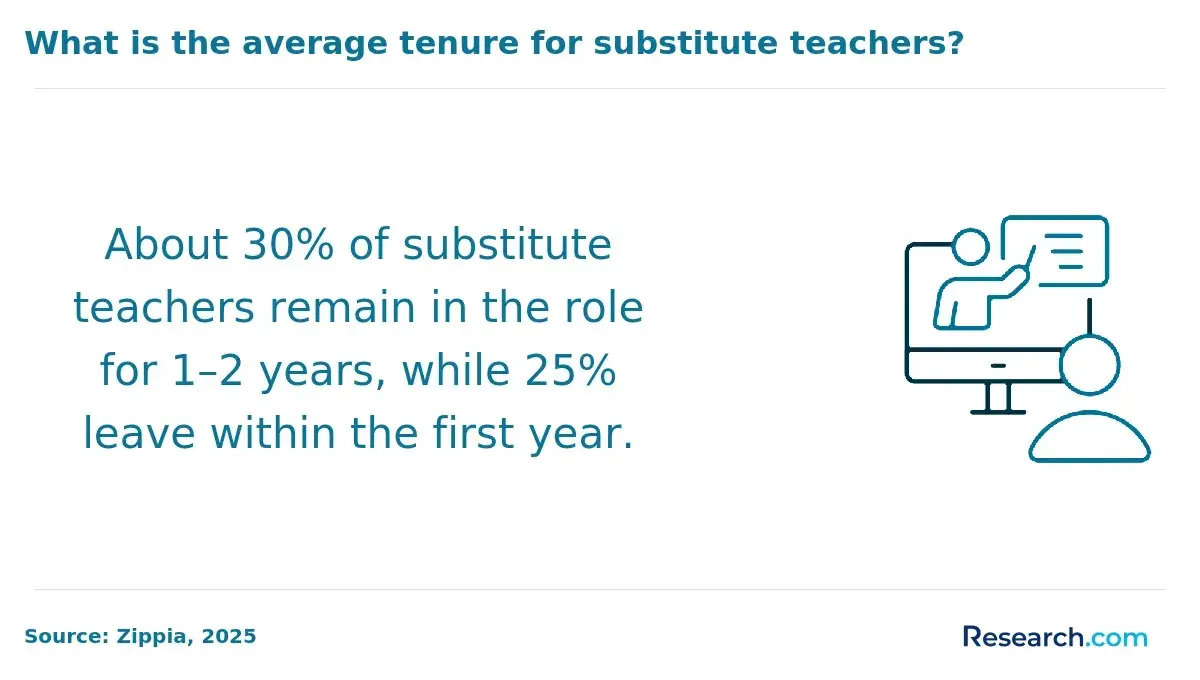
The image below shows that many substitute teachers remain in the role for less than three years. For Ohio substitutes who want continuity, staying ahead of renewals is part of building a dependable professional record.
How do substitute teachers receive assignments in Ohio districts?
Most Ohio substitutes receive work through a combination of online absence systems, district substitute pools, direct notifications, and preferred lists. The process can feel fast-paced because assignments may appear early in the morning, days in advance, or at the last minute.
| Assignment channel | How it works | How to use it well |
| Online absence management systems | Many districts use platforms such as Frontline Education’s Absence Management so substitutes can view and accept jobs by web or mobile app. | Set alerts, check the system often, and update availability accurately. |
| District or regional pools | Substitutes may register with multiple districts or educational service centers to access more openings. | Apply broadly if you need consistent work, especially in smaller communities. |
| Automated notifications | Available jobs may be shared through calls, texts, emails, or in-system alerts. | Respond quickly; desirable assignments may disappear fast. |
| Preferred substitute lists | Schools may give early access or repeat assignments to substitutes with strong performance, reliability, or specialized credentials. | Leave clear notes, follow lesson plans, and build trust with office staff and teachers. |
| Board and local approval procedures | Districts determine their own timelines for board approval and assignment clearance. | Ask when you will be eligible to accept jobs after completing onboarding. |
| Full-time substitute roles | Some districts hire contract substitutes with set salaries to cover daily needs without making them the teacher of record. | Consider this option if you want steadier work but are not ready for full-time licensure. |
| Regional differences | Urban areas such as Cleveland may offer more assignment choice, while rural districts may rely on smaller pools and direct communication. | Match your strategy to your location: app-based in large districts, relationship-based in smaller ones. |
Can substitute teaching lead to a full-time teaching job in Ohio?
Yes. Substitute teaching can become a pathway to a full-time teaching role in Ohio, especially for candidates who use the experience strategically. It allows schools to observe your reliability, classroom presence, communication style, and ability to work with students before you apply for permanent openings.
However, substitute experience alone does not replace full licensure requirements. If your goal is a permanent classroom position, treat substitute teaching as both work experience and a professional audition.
- Start with the correct substitute license. Work through the Ohio Department of Education and Workforce, the district, and required background checks so your eligibility is clear.
- Accept a range of assignments early. Covering different grade levels, subjects, and buildings helps you learn where you fit best.
- Build relationships without overstepping. Administrators, secretaries, teachers, and paraprofessionals often remember substitutes who are prepared and respectful.
- Show dependability. Districts notice substitutes who arrive on time, follow plans, adapt calmly, and communicate issues professionally.
- Apply when positions open. A positive record in the district can strengthen your application, but you still need to meet state and local requirements.
- Ask about extra requirements. Districts may expect additional background checks, training, or endorsements for full-time roles.
- : "A former Ohio high school math substitute described the role as “a new puzzle every day.” He said the license got him into classrooms, but consistency, feedback, and trust helped him earn longer assignments. When a full-time opening appeared, his substitute experience made the transition less intimidating because he already understood the school’s expectations."
The image below shows that many substitute teachers want to move into another education role. In Ohio, that motivation matters: the substitute role can help aspiring teachers test the profession, build references, and identify the grade levels or subjects they want to pursue permanently.

How much do substitute teachers make in Ohio?
The average substitute teacher salary in Ohio is reported at about $40,161 annually, or roughly $19.31 per hour and $3,346 per month. Reported earnings commonly range from $29,500 at the 25th percentile to $47,500 at the 75th percentile, while top earners approach $59,000 per year.
Those figures should be read carefully. Substitute pay can differ sharply depending on the district, the number of days worked, credentials, and whether the assignment is daily or long-term. Some discussions also cite average daily pay around $100 per day, while benefit sections often reference daily rates that usually start around $115.
| Pay factor | How it affects earnings | What to ask before accepting assignments |
| Credential level | Substitutes with full teaching licenses or stronger credentials may receive higher pay, particularly in long-term placements. | Does the district pay different rates for licensed teachers, bachelor’s degree holders, or non-bachelor substitutes? |
| Assignment length | Short-term daily work often pays less than long-term classroom coverage, which may include higher rates after a set period. | When does the long-term rate begin, and does it apply retroactively? |
| District and location | Urban areas such as Cincinnati and Cleveland may offer higher rates than some rural districts. | Are nearby districts paying more for the same credential level? |
| State ranking and funding | Ohio ranks 50th nationally for substitute teacher pay, reflecting broader funding and cost-of-living considerations. | Does the district offer incentives, bonuses, or benefits that offset lower daily pay? |
| Work frequency | Annual earnings depend heavily on how many days you accept and whether work is steady across the school year. | How many average monthly assignments do active substitutes typically receive? |
If your long-term goal is higher pay or leadership in education, additional credentials may help. Some educators compare advanced options such as affordable online EdD programs, though an advanced degree is not necessary for day-to-day substitute teaching.
What is the job outlook for substitute teachers in Ohio?
The outlook for Ohio substitute teachers remains favorable because schools continue to need flexible coverage for absences, vacancies, shortages, and high-need subject areas. Demand is not identical across the state, so applicants should evaluate local conditions rather than relying on a statewide generalization.
- Large urban districts. Columbus, Cleveland, and Cincinnati often need substitutes because of frequent absences, turnover, and open teaching positions. Some schools report zero applications for open teaching positions, which increases pressure on substitute pools.
- Rural and small-town districts. Smaller communities may have fewer available educators, lower pay, and limited local hiring pools, making dependable substitutes especially valuable.
- Statewide shortages. Ohio is described as one of the states facing severe teacher shortages, and substitutes help schools handle immediate staffing needs while districts work on longer-term recruitment.
- High-need fields. Math, science, and special education remain especially challenging areas for staffing, so substitutes with comfort in these subjects may find more opportunities.
- Potential substitute pool. Ohio has over 43,000 individuals with active teaching credentials who are not currently employed in schools, which suggests a large group of potential educators who could reenter through substitute work.
Substitute teaching may also help educators decide whether to pursue graduate study, instructional leadership, or administration. If that is your goal, compare the cost and fit of options such as affordable online master’s degrees in educational leadership before enrolling.
The chart below shows national understaffing by subject area during the 2022–23 school year, including special education, general elementary, and ESL or bilingual education. In Ohio, shortages in these areas can increase demand for substitutes who are willing and able to step into difficult-to-fill classrooms.
What professional development opportunities can enhance a substitute teacher’s career path in Ohio?
Professional development can make a major difference for substitute teachers, especially those who are new to classroom routines. Useful training often focuses on classroom management, student engagement, lesson-plan execution, school technology, special education basics, and crisis procedures.
District workshops and educational service center programs can help substitutes become more confident and more likely to receive repeat assignments. Candidates who want to move beyond substitute work should also review the teacher certification types and requirements in Ohio so they understand which credentials match their long-term goals.
| Development option | Best for | Career value |
| District orientation | New substitutes learning local rules and building procedures | Reduces first-day confusion and helps avoid policy mistakes. |
| Classroom management workshops | Substitutes who struggle with student behavior or transitions | Improves confidence and makes schools more likely to request you again. |
| Technology training | Substitutes working in districts using digital lesson plans or online platforms | Helps you keep instruction moving when the regular teacher is absent. |
| Specialized certification planning | Aspiring full-time teachers | Clarifies which endorsements or licenses may be needed for permanent roles. |
| Mentoring or feedback from teachers | Substitutes seeking long-term assignments | Helps you refine instructional delivery and classroom communication. |
How can substitute teachers effectively manage dynamic classroom environments in Ohio?
Successful substitute teachers do not rely on authority alone. They enter the room with a plan, learn the school’s procedures quickly, and keep students engaged from the first few minutes of class. Classroom management is especially important because students may test boundaries when the regular teacher is absent.
- Start with clear expectations. Introduce yourself, explain the plan for the period, and state the behavior expectations in simple terms.
- Follow the lesson plan first. Teachers and administrators value substitutes who respect the prepared work instead of improvising unnecessarily.
- Use seating charts and names when available. Students respond differently when they realize you are paying attention.
- Keep transitions structured. Many disruptions happen when students finish early or do not know what to do next.
- Document important events. Leave the teacher a concise note about completed work, behavior concerns, absent students, and anything that needs follow-up.
- Ask staff for help early. If a student safety issue or serious disruption occurs, use the school’s support system instead of trying to handle everything alone.
For a broader career overview, see Research.com’s guide on how to become a substitute teacher in Ohio.
Can substitute teaching pave the way for a private school teaching career in Ohio?
Substitute teaching can help candidates build experience that private schools may value, including classroom management, student communication, adaptability, and comfort with different grade levels. Private schools often set their own hiring requirements, so candidates should not assume that public-school substitute authorization automatically meets private-school expectations.
If you are interested in private education, use substitute work to build references, identify your preferred age group, and strengthen your classroom record. Then compare the specific expectations of the schools where you want to apply. Research.com’s guide on how to become a private school teacher in Ohio can help you evaluate that route.
How long does the transition from substitute teaching to full-time licensure in Ohio take?
The timeline varies widely. Some candidates may qualify for full-time licensure within one year through accelerated pathways, while others need the longer route of completing an undergraduate degree, teacher preparation requirements, testing, and district hiring steps.
Your starting point matters most. A candidate who already has a bachelor’s degree and relevant coursework may move faster than someone entering through a non-bachelor substitute pathway. If you are planning the transition, review how many years of college it takes to become a teacher in Ohio so you can estimate the time and cost more realistically.
| Starting point | Likely next step | Planning concern |
| High school diploma or non-bachelor route | Confirm district eligibility, gain classroom experience, and consider education coursework. | You may need a degree for many long-term or full licensure goals. |
| Bachelor’s degree in a non-education field | Explore licensure pathways, teacher preparation, and subject-area requirements. | Coursework and testing may still be required. |
| Out-of-state teacher credential | Use temporary authorization while completing Ohio requirements. | Verify which requirements transfer and which do not. |
| Active substitute with strong district record | Apply for long-term placements or permanent openings when eligible. | Experience helps, but licensure rules still apply. |
What ethical standards do substitute teachers adhere to in Ohio?
Ohio substitute teachers are expected to follow the same professional norms that protect students, schools, and the integrity of instruction. These expectations are grounded in the Licensure Code of Professional Conduct for Ohio Educators, local district policy, and state law.
Ethics are not only about avoiding misconduct. They also shape how substitutes handle confidential information, student behavior, staff relationships, and the responsibility of temporarily leading someone else’s classroom.
- Protect student information. Do not share student grades, behavior details, personal circumstances, or records outside approved school channels.
- Create a respectful classroom. Substitutes must avoid discrimination, harassment, bullying, and favoritism.
- Maintain professional boundaries. Students may seek personal advice or attention, but substitutes must keep interactions appropriate and school-focused.
- Follow district procedures. This includes emergency rules, curriculum expectations, testing integrity, attendance reporting, and classroom protocols.
- Model professional conduct. Substitutes represent the teaching profession through tone, fairness, reliability, and respect.
- Avoid conflicts of interest. Personal relationships or outside interests should not affect classroom decisions.
- Report serious concerns. Ohio substitutes are required to report suspected child abuse or neglect promptly.
- Remain substance-free at work. Sobriety is essential for student safety and professional responsibility.
- Meet legal and employment requirements. Valid authorization, background checks, and contract compliance are necessary for continued eligibility.
- Respect colleagues. Avoid gossip, criticism, or negative commentary about teachers, staff, or students.
One Ohio substitute who completed one of the best online bachelor’s in education programs described the ethical pressure clearly: stepping into a high school math classroom meant honoring both the teacher’s academic plan and the school’s professional standards. She noted that students sometimes wanted personal support, but maintaining boundaries helped her build trust without compromising her role.
What are the benefits received by substitute teachers in Ohio?
Substitute teaching benefits in Ohio vary by district, assignment length, and employment classification. Daily substitutes may receive flexibility but limited benefits, while long-term or contract substitutes may qualify for more structured compensation or support.
| Benefit or incentive | How it may work in Ohio | Who benefits most |
| Flexible scheduling | Substitutes can often choose the days, schools, and assignments they accept. | Parents, retirees, students, and career changers who need schedule control. |
| Competitive daily rates | Daily pay usually starts around $115, and the average hourly rate is reported at $19.31. | Substitutes who can work consistently across multiple districts. |
| Long-term assignment incentives | After completing 60 consecutive days in a role, substitutes may qualify for higher pay scales and additional benefits. | Educators who want stability and deeper classroom experience. |
| Health insurance access | Long-term substitutes may be able to access district health plans, while daily substitutes may not receive full coverage. | Substitutes seeking extended placements rather than occasional work. |
| Professional development | Districts may offer workshops or training to improve classroom skills and readiness. | Aspiring teachers considering an online master’s in education or future licensure. |
| Assignment choice | Substitutes may be able to select preferred schools, grade levels, or subjects. | Those exploring which teaching environment fits them best. |
| Referral and incentive programs | Some districts may offer bonuses or incentives for helping recruit qualified substitutes. | Active substitutes with professional networks in education. |
Always ask for the written substitute handbook or employment terms. Benefits can change depending on whether you are a daily substitute, long-term substitute, contract substitute, or employee of an educational service center.
What are the common challenges for substitute teachers in Ohio?
Substitute teaching can be rewarding, but it is not an easy fallback job. Ohio substitutes often deal with unpredictable schedules, inconsistent school expectations, limited preparation time, and uneven compensation. Understanding these challenges before applying helps you decide whether the role fits your needs.
| Common challenge | Why it matters | Better approach |
| Unpredictable work | Assignments can be irregular, making income and planning difficult. | Register with more than one district or educational service center if allowed. |
| Substitute shortages | Available substitutes may feel pressure to accept assignments quickly or frequently. | Set boundaries around availability so you do not burn out. |
| Limited training | Some substitutes enter classrooms without much formal preparation in pedagogy or behavior management. | Prioritize districts that provide orientation, mentoring, and classroom management support. |
| Classroom management | Students may test limits when their regular teacher is absent. | Use clear expectations, seating charts, structured transitions, and staff support. |
| Low pay and limited benefits | Daily rates and lack of benefits can make substitute teaching hard to sustain long term. | Compare district rates, long-term incentives, and benefit eligibility before committing. |
| Health and safety concerns | The pandemic contributed to the loss of veteran substitutes and heightened safety concerns. | Review district safety policies and know emergency procedures before accepting work. |
| Different district standards | Temporary policies allowing districts to set qualifications can create inconsistent expectations. | Ask each district for its exact requirements instead of assuming they match. |
The chart below highlights what substitute teachers value when choosing assignments, including making a difference, flexibility, and control over scheduling. Those priorities are especially important in Ohio, where inconsistent hours and pay concerns can affect retention.
How can substitute teachers further their education and boost career prospects in Ohio?
Substitutes who want to move beyond occasional classroom coverage should build a deliberate education plan. The best next step depends on whether you want to become a licensed teacher, specialize in a subject area, work in private schools, or move into leadership later.
- Clarify your goal. Decide whether you want daily flexibility, long-term substitute work, full-time teaching, private-school employment, or educational leadership.
- Compare credential requirements. Ohio public schools, private schools, and long-term substitute roles may have different expectations.
- Track your classroom experience. Keep a record of grade levels, subjects, long-term assignments, professional development, and administrator feedback.
- Choose education programs carefully. Look at accreditation, transfer credit policies, field experience requirements, cost, and whether the program aligns with Ohio licensure goals.
- Use online learning strategically. Flexible programs can help working substitutes continue earning while completing coursework. A good starting point is Research.com’s guide on how to become a teacher online in Ohio.
What Substitute Teachers in Ohio Say About Their Careers
- Germaine values substitute teaching because it gives her flexibility to work while still protecting family time. For her, the ability to choose assignments is one of the role’s strongest advantages. Germaine
- Mario sees substitute teaching as a starting point rather than a final destination. His experience in Ohio schools helped him understand how the role can connect to full-time teaching and, eventually, broader education opportunities. Mario
- Princess credits district training and workshops with improving her confidence in the classroom. Professional development helped her feel more prepared when entering unfamiliar schools. Princess
Related Articles for Nearby States
- 2027 Substitute Teaching License & Requirements in Indiana
- 2027 Substitute Teaching License & Requirements in Kentucky
- 2027 Substitute Teaching License & Requirements in West Virginia
- 2027 Substitute Teaching License & Requirements in Pennsylvania
- 2027 Substitute Teaching License & Requirements in Michigan
- 2027 Substitute Teaching License & Requirements in Illinois
- 2027 Substitute Teaching License & Requirements in Virginia
- 2027 Substitute Teaching License & Requirements in Tennessee
- 2027 Substitute Teaching License & Requirements in North Carolina
- 2027 Substitute Teaching License & Requirements in Missouri
References:
- Chocolate for the Teach. Effective student consequences for substitute teachers.
- ClickView Education. Classroom management strategies for substitutes.
- Elevate K-12. Benefits for substitute teachers.
- ESC of Northeast Ohio. Substitute teacher services in Ohio.
- News 5 Cleveland. Ohio substitute teacher shortage coverage.
- Scoot Education. Strategies for challenging student behavior.
- Swing Education. Managing disruptive behavior as a substitute.
- Teaching Exceptional Kinders. Responding when students misbehave for a substitute.
- Toledo Public Schools. Substitute teacher information.
- University of Nevada, Reno. Classroom management tips for substitute teachers.
Key Insights
- Substitute teaching in Ohio is accessible, but eligibility depends on the license type, district sponsorship, background checks, and local hiring approval.
- Short-term and long-term substitute work are different. Long-term assignments may involve more responsibility, higher expectations, and different pay or benefit rules.
- Reported Ohio substitute pay includes about $40,161 annually, $19.31 per hour, and $3,346 per month, but real earnings depend on district rates and how often you work.
- Ohio’s staffing needs create steady opportunities, especially in urban districts, rural districts, and high-need areas such as math, science, and special education.
- Substitute teaching can lead to a full-time role, but only if you also meet Ohio licensure requirements and build a strong professional reputation.
- The biggest mistakes are ignoring district-specific rules, assuming benefits apply to all substitutes, waiting too long to renew, and entering classrooms without a classroom management plan.
- If you want a long-term education career, use substitute teaching as a testing ground: document your experience, seek feedback, pursue relevant training, and choose any degree program with Ohio requirements in mind.
Other Things You Need to Know About Substitute Teaching License & Requirements in Ohio
In 2027, to qualify for a substitute teaching license in Ohio, candidates need a bachelor's degree. The license is valid for one year, and applicants must pass a criminal background check. No additional teaching certificate is required for substitute teaching roles, but districts may have their own specific prerequisites.
The Ohio Department of Education and Workforce issues substitute teaching licenses in 2027. Applicants submit materials through Ohio’s educator licensing system, and school districts verify that the license matches the assignment type before a substitute is allowed to teach.


