
2027 How to Become a Teacher in Texas – What Degree Do You Need to Be a Teacher

Co-Founder and Chief Data Scientist
Becoming a teacher in Texas is not just a matter of earning a degree and applying for a classroom job. You need to choose the right certification route, complete an approved educator preparation program, pass the required exams, and understand how grade level, subject area, school type, and long-term career goals affect your options.
This guide is for aspiring educators, career changers, substitute teachers, paraprofessionals, and current teachers who want to understand how Texas certification works. It explains the traditional and alternative pathways, online degree options, testing and renewal requirements, salary and cost-of-living considerations, support programs, special education opportunities, private school roles, and ways advanced credentials can lead to broader education careers, including doctorate in education jobs.
Texas needs qualified educators. The state reported an attrition rate exceeding 13% during the 2022-23 school year, the highest in over a decade, and the Texas Education Agency reported that this represented nearly 7,000 more teacher losses than the previous academic year. For new teachers, that demand can create opportunity—but only if you understand the requirements before investing time and money in a program.
How to Become a Teacher in Texas Table of Contents
- Texas education workforce overview
- Degree and preparation requirements for Texas teachers
- Online education degrees for future Texas teachers certification route comparison
- Texas teacher licensure application and renewal steps
- Texas teacher certification exams explained testing and application checklist
- Mentorship and support for new Texas teachers
- Shortage solutions and recruitment strategies in Texas schools new-teacher support certification planning
- Special education certification opportunities in Texas
- Emerging roles for Texas educators
- Teacher well-being, retention, and classroom effectiveness
- Top education programs in Texas for 2027
- Private school teacher requirements in Texas
- Professional development for Texas teacher advancement
- Teacher certification compliance steps in Texas
- Substitute teacher qualifications in Texas
- Additional resources for aspiring Texas teachers
- Using an advanced degree to grow your Texas teaching career
- Kindergarten teacher requirements in Texas
- Policy reforms affecting Texas certification and retention early childhood certification graduate study options career resources program options
Quick Answer: How Do You Become a Teacher in Texas?
To become a certified public school teacher in Texas, most candidates need a bachelor’s degree from an accredited institution, completion of an approved Educator Preparation Program, passing scores on the required certification exams, a background check, and approval through the Texas Education Agency certification process. Career changers who already hold a bachelor’s degree may use an Alternative Certification Program instead of completing a traditional undergraduate teacher preparation degree.
The best route depends on your background. First-time college students usually choose a bachelor’s degree with embedded teacher preparation. Degree holders may prefer an alternative or postbaccalaureate certification pathway. Candidates interested in private schools, substitute teaching, special education, kindergarten, or advanced roles should check the requirements for those specific settings before enrolling in a program.
| Candidate type | Most practical path | Why this path may fit |
| First-time college student | Bachelor’s degree with educator preparation | Combines degree coursework, field experience, student teaching, and certification preparation. |
| College graduate changing careers | Alternative Certification Program | Allows qualified degree holders to move into teaching without earning a second bachelor’s degree. |
| Working adult needing flexibility | Approved online or hybrid education program | Can make coursework more manageable while still requiring state-approved certification steps. |
| Future special education teacher | Certification route aligned with special education | Prepares candidates for specialized instructional, compliance, and student support responsibilities. |
| Person exploring teaching before committing | Substitute teaching or paraprofessional work | Provides classroom exposure before investing in a full certification pathway. |
Overview of the Education Industry in Texas
Texas has one of the largest public education systems in the country. During the 2021-22 school year, the public school system included 370,431 teachers in the public school system, including substitute teachers, serving approximately 5.5 million students. That scale creates steady demand for educators, but turnover has made staffing more difficult for districts.
The state’s teacher pipeline is affected by retirements, career changes, workload concerns, compensation pressures, school safety issues, and local labor market competition. One cited statewide analysis found that 99.7% of hires in 2021-22 were needed to replace educators who left their teaching positions in Texas public schools the year before. For aspiring teachers, this means job openings may be available, but the quality of the district, mentoring, workload, and pay structure should matter as much as simply getting hired.
Teacher Salaries in Texas
Texas teacher pay depends on district salary schedules, years of service, credentials, assignment type, and local supplements. On a 10-month contract, the state minimum salary schedule shows that teachers in Texas can earn anywhere from $33,660 to $54,540. Many districts may pay above the state minimum, but candidates should compare actual district salary schedules rather than relying only on statewide ranges.
| Compensation factor | Why it matters before accepting a job |
| District salary schedule | Two districts in the same region may offer different starting salaries and step increases. |
| Contract length | A 10-month salary may not reflect summer income needs, extended contracts, or extra-duty stipends. |
| Certification area | Hard-to-staff areas may have stipends or targeted hiring incentives in some districts. |
| Benefits and retirement | Health coverage, pension participation, and leave policies affect total compensation. |
| Cost of living | A higher salary in a more expensive metro area may not go as far as a lower salary in a lower-cost region. |
Educational Attainment of Teachers
Academic background is a central part of Texas teacher eligibility. In the 2021-22 school year, nearly 43% of Texas public school teachers held an undergraduate degree, while 5.83% had postbaccalaureate education. More than 33% of Texas teachers entered through an alternative certification preparation program route, showing that Texas classrooms include both traditionally trained educators and professionals who transitioned into teaching after earning degrees in other fields.
Teacher Retirement Benefits
Eligible Texas educators participate in the Teacher Retirement System of Texas. TRS benefits may include pension benefits, healthcare benefits, disability support, and death benefits. TRS also extends healthcare benefits to same-sex spouses, which is important for educators evaluating long-term financial security and family coverage.
Cost of Living in Texas
Before deciding where to teach, compare salary with local expenses. Texas is cited as having a cost of living 8% lower than the national average, with housing costs typically 19% lower than the national average. The average monthly rent for a two-bedroom apartment is approximately $1,100, according to RentCafe, 2026. However, Texas is not one uniform housing market. Austin, Dallas-Fort Worth, Houston, San Antonio, border communities, rural districts, and fast-growing suburbs can differ widely in rent, commuting costs, childcare, insurance, and housing availability.
Educational Requirements for Teachers in Texas
Texas public school teachers generally need state certification, and certification starts with the right academic and preparation pathway. The route you choose determines your timeline, field experience, exam requirements, and the grade levels or subjects you may teach.
How to Become a Teacher in Texas: Traditional Route
- Earn a bachelor’s degree from an accredited institution. Most aspiring Texas teachers begin by completing a bachelor’s degree at a college or university that meets state accreditation expectations. Texas Administrative Code requirements refer to institutions accredited by an agency recognized by the Texas Higher Education Coordinating Board. Candidates pursuing certification in Health Science Technology and Trades and Industrial Education may have exceptions to the bachelor’s degree requirement, so those applicants should confirm the specific rules for their certification field.
- Complete an approved Educator Preparation Program. Texas candidates must successfully finish an approved Educator Preparation Program. These programs prepare candidates for specific grade bands and subject areas, and they determine which certification exams apply. Program length can vary, with some taking around four to six months depending on the route and candidate background. Students interested in early childhood, elementary education, special education, ESL certification in Texas, or related preparation such as a child development degree online should make sure the program aligns with the certificate they want.
University Program Route
University-based certification programs can be useful for students who want degree completion and certification preparation in one structured plan. Some programs are designed for undergraduates, while others serve bachelor’s degree holders who want to complete certification coursework and possibly pursue graduate study at the same time. Only approved programs can recommend candidates for Texas teacher certification, so applicants should verify approval status before enrolling.
Alternative Certification Program Route
Alternative Certification Programs give career changers and bachelor’s degree holders a route into teaching without completing a traditional undergraduate education major. ACPs may be offered through universities, school districts, education service centers, community colleges, or private organizations. Programs such as iteach Texas are examples of nontraditional routes that may allow candidates to begin teaching while completing remaining certification requirements. The key is approval: only programs authorized by the state can recommend candidates for a Texas educator certificate.
Traditional vs. Alternative Certification in Texas
| Route | Best for | Main advantage | Possible drawback |
| Traditional bachelor’s degree route | Students starting college or changing majors early | Integrates coursework, fieldwork, and certification preparation over the degree plan. | Usually requires a longer upfront commitment before full-time teaching. |
| University postbaccalaureate route | Degree holders who want structured university coursework | May allow certification preparation while pursuing additional academic credentials. | Can be more expensive or time-intensive than some ACP options. |
| Alternative Certification Program | Career changers with a bachelor’s degree | Can move qualified candidates into classrooms faster than earning another degree. | Requires strong self-management because teaching and certification work may overlap. |
| Online or hybrid program | Working adults, parents, rural candidates, or commuters | Offers scheduling flexibility while completing required coursework. | Must still meet state approval, exam, fieldwork, and placement requirements. |
How Can Online Education Degrees Benefit Teachers in Texas?
Online education degrees can make teacher preparation more accessible for students who cannot relocate, commute regularly, or pause full-time work. For candidates comparing flexible options, an online program may be a practical way to complete coursework while preparing for certification. Some students looking for the easiest education degree may be drawn to online formats, but ease should not be the main selection factor. Approval status, certification alignment, field placement support, cost, faculty access, and exam preparation matter more.
Online programs may include recorded lectures, virtual discussions, digital libraries, online advising, and remote collaboration tools. However, teacher certification is not fully virtual in practice. Candidates still need supervised field experiences, student teaching or internship placements, testing, background checks, and state approval. Before enrolling, ask whether the program is approved for Texas certification and whether it can place you in a school setting near your location.
| Question to ask an online program | Why the answer matters |
| Is the program approved for Texas educator certification? | A degree alone may not qualify you for certification if the preparation program is not approved. |
| Which certificate areas does the program support? | Elementary, secondary, special education, ESL, and subject-specific credentials may require different coursework and exams. |
| How are field placements arranged? | You need to know whether the school finds placements or expects you to secure them. |
| What exam preparation is included? | Certification exams are required, so strong preparation can reduce delays. |
| What is the full cost beyond tuition? | Fees, books, exam costs, background checks, and travel for fieldwork can change affordability. |
Texas Licensure Application and Renewal Process for Teachers
After completing the required preparation and receiving approval to test, candidates move through exam registration, testing, score verification, and certificate application. The process is manageable, but missed steps can delay hiring.
- Confirm the required exam. Your Educator Preparation Program should identify the exam or exams tied to your desired certificate area. Review official preparation materials, testing policies, and exam frameworks before registering.
- Create a testing account and register. Candidates register through the official Texas Educator Certification Examination Program system. Exam fees vary based on the required test and vendor requirements. Texas uses three testing vendors for educator certification exams.
- Schedule the testing appointment. Once your account is active and registration is complete, choose from available dates and locations or formats offered by the testing vendor.
- Request accommodations if needed. Candidates who need alternative testing arrangements, including disability-related accommodations, should submit requests according to vendor procedures before the exam date.
- Review your score report. Many exam results are reported within seven days, while exams with constructed-response assignments may take up to 28 days. Scores are emailed and reported on a 100 to 300 scale, with 240 as the minimum passing score.
- Apply for certification. After passing the required exam, log in to verify your score and complete the certificate application process.
Certification Renewal
Texas standard educator certificates are renewed every five years through an online process. Renewal requires continuing professional education hours, even if a certificate has become inactive. Classroom teachers must complete 150 CPE hours. Educators with administrative or student services certificates, including professionals such as fully certified educational counselors and consultants, must complete 200 CPE hours. Holding multiple certificates does not add separate CPE totals beyond the applicable requirement.
Understanding the Texas Teacher Certification Exam
The Texas teacher certification exam process measures whether candidates have the content knowledge and professional skills needed for the certificate they seek. Depending on the credential, candidates may take assessments under the Texas Educator Certification Examination Program, including Texas Examinations of Educator Standards and Texas Examinations for Master Teachers.
Do not wait until the end of your program to think about testing. Start by confirming the exact exam tied to your grade level and subject area. Then review the official framework, competencies, sample questions, time limits, scoring rules, and retake policies. Candidates in alternative routes should be especially careful because a delayed exam score can affect employment timelines.
If you are comparing certification types or trying to reduce expenses, review options carefully before committing to a route. Guidance on the types of teaching certificates in Texas can help candidates understand how different pathways affect cost, timing, and eligibility.
Texas Certification Exam Preparation Checklist
- Match the exam to the certificate. A secondary math candidate, elementary generalist candidate, and special education candidate may need different tests.
- Use official exam frameworks first. Commercial study tools can help, but the official competency outline should guide your preparation.
- Plan around score reporting windows. Exams with constructed responses may take longer, which can affect job application timing.
- Practice under timed conditions. Content knowledge is not enough if you struggle to complete the exam within the allowed time.
- Keep documentation organized. Save score reports, program approvals, application confirmations, and certification correspondence.
What Support and Mentorship Programs Are Available for New Teachers in Texas?
The first teaching year can be difficult, especially for candidates entering through accelerated or alternative routes. Strong mentoring can help new teachers manage classroom routines, lesson planning, parent communication, assessment, and district expectations.
- Texas Teacher Mentorship Program: New teachers may be paired with experienced educators who provide guidance on instructional planning, classroom management, professional expectations, and school culture.
- Professional development through TEA and regional service centers: Workshops and online sessions may address curriculum planning, student engagement, instructional technology, assessment, and classroom systems.
- Peer support networks: District-level communities of practice can help early-career teachers share resources, troubleshoot common problems, and reduce professional isolation.
- Observation and coaching: Feedback from administrators, mentor teachers, and instructional coaches can help new teachers improve faster than trial and error alone.
When comparing job offers, ask about the actual mentoring structure. A district that says it offers support may still vary in mentor quality, release time, coaching frequency, and workload expectations.
Addressing Teacher Shortages in Texas Through Innovative Solutions
Texas teacher shortages are not solved only by recruiting more candidates. Districts also need to retain educators by improving working conditions, strengthening induction programs, supporting school safety, and making compensation more sustainable. For aspiring teachers, this means the best opportunity is not always the first job offer—it is the job where you can grow, stay, and teach effectively.
Financial Incentives and Affordability
- Salary improvements and retention incentives: Competitive pay and retention bonuses can help districts attract and keep experienced teachers, especially in hard-to-staff areas.
- Loan forgiveness options: Programs such as the Teacher Loan Forgiveness Program may reduce financial pressure for eligible educators serving in high-need settings.
- Scholarships and grants for future teachers: Financial aid targeted to educator preparation can make pathways such as a bachelor of education online degree more attainable.
Alternative Pathways to Certification
Alternative Certification Programs can help Texas bring career changers into classrooms more quickly. These programs are most effective when paired with strong supervision, mentoring, and realistic workload expectations. Candidates should avoid choosing an ACP based only on speed; completion support, placement quality, exam preparation, and district partnerships matter.
Mentorship and Retention
New-teacher support is one of the most practical retention tools. Mentoring should not be limited to a brief orientation. Effective support includes regular coaching, classroom observation, planning help, behavior-management guidance, and time to collaborate with experienced teachers.
How Can Special Education Certification Expand My Teaching Opportunities in Texas?
Special education certification can broaden your employment options because it prepares you to support students with diverse learning, behavioral, communication, and accessibility needs. Teachers in this area often collaborate with general education teachers, families, service providers, and school administrators. They may help develop individualized supports, adapt instruction, monitor progress, and ensure services are delivered appropriately.
If you are considering this pathway, review the requirements for special education teacher certification in Texas. This route can be a strong fit for educators who are patient, organized, legally attentive, and committed to inclusive classrooms. It may be less suitable for candidates who want a narrowly content-focused role with limited documentation or collaboration responsibilities.
What Are the Emerging Educational Roles for Texas Teachers?
Teaching experience can lead to roles beyond a standard classroom assignment. Texas educators may move into curriculum development, instructional coaching, digital learning coordination, assessment support, educational technology leadership, or school library and media services. These roles often require demonstrated classroom success, specialized training, and sometimes graduate education or additional certification.
Educators interested in information literacy, research support, media resources, and digital learning may also explore library-related pathways. Understanding what can you do with masters in library science can help teachers evaluate whether school library, media specialist, or resource coordination roles fit their long-term goals.
How Can Teacher Well-Being Influence Longevity and Effectiveness in Texas Classrooms?
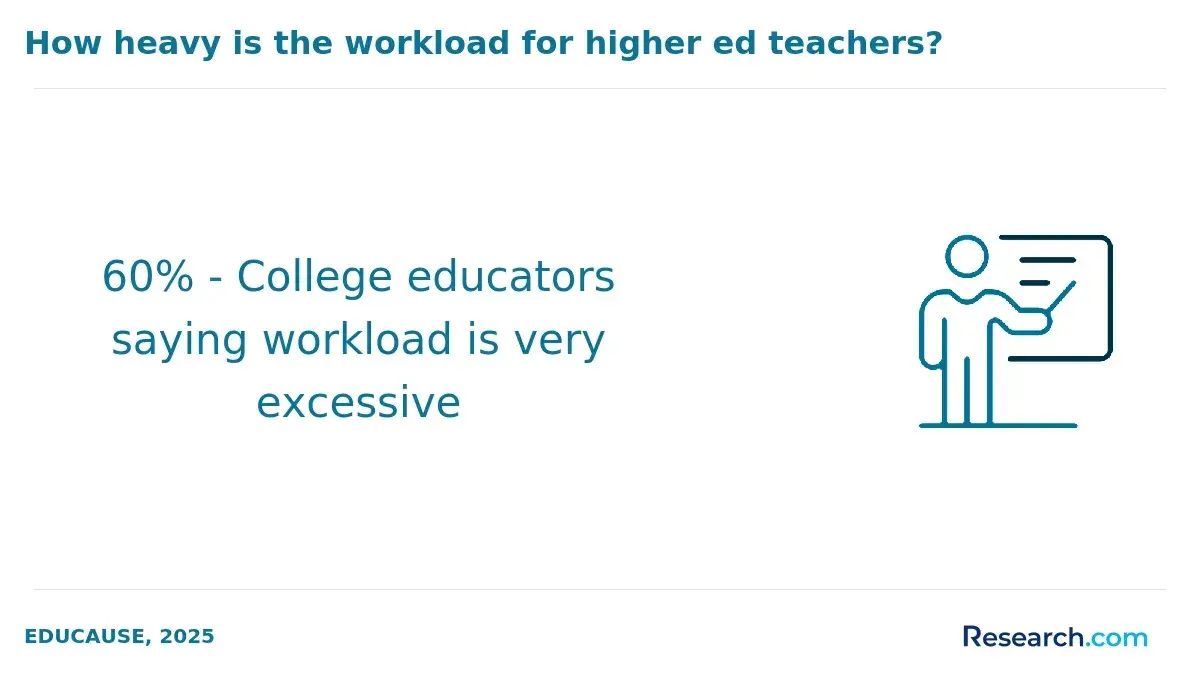
Teacher well-being directly affects retention, classroom climate, and instructional consistency. Heavy workloads, limited planning time, safety concerns, and emotional stress can push educators out of the profession. Candidates should evaluate not only certification requirements but also the kind of school environment where they are likely to succeed.
Before accepting a role, ask about planning periods, class sizes, behavior support, mentor access, administrator responsiveness, collaboration time, and mental health resources. Some educators who want to remain in education but reduce classroom stress may consider related roles, including pathways such as how to be a school librarian in Texas.
List of Top Education Programs in Texas for 2027
Choosing a teacher preparation program should involve more than reputation. Confirm certification alignment, field placement quality, exam pass support, affordability, location, transfer policies, advising, and whether the program prepares you for the grade level and subject you want. Education is sometimes grouped with field of education has the easiest college majors, but teacher preparation requires content knowledge, classroom skill, professional judgment, and state compliance.
1. Texas A&M University — BS in Education EC-Grade 6 Core Subjects/Generalist Certification
Texas A&M University offers a Bachelor of Science in Education program for students pursuing EC-Grade 6 Core Subjects/Generalist certification. The program is designed for future elementary educators and includes both classroom coursework and field-based learning. Students complete 122-124 credit hours and gain experience in early childhood and elementary classroom settings.
2. Texas State University — BS in Education Middle Level Math and Science Certification
Texas State University’s Bachelor of Science in Education program prepares candidates for Middle Level Math and Science Certification through a 120-121 semester credit hour curriculum. Graduates who complete the degree and pass required certification exams can apply for Middle Level Math/Science Composite teacher certification in Texas, qualifying them to teach mathematics and science in grades four through eight.
3. Baylor University — Bachelor of Science in Secondary Education
Baylor University’s Bachelor of Science in Secondary Education prepares future teachers in content areas such as English, Language Arts, Reading, Life Science, Mathematics, Social Studies, and Physical Science. The program is structured for completion within a traditional four-year college plan. During senior teaching internships, students complete Action Research to connect classroom practice with evidence-based improvement.
4. University of Texas Arlington — Bachelor of Arts in History-Secondary Social Studies Education Certification
The University of Texas Arlington offers a Bachelor of Arts in History-Secondary Social Studies Education Certification program built around a 122-hour curriculum. The degree includes university core requirements, history coursework, foreign language study, field experience, and student teaching. Coursework also includes areas such as political science, economics, and geography. Students who complete requirements may pursue State of Texas Teaching Certification examinations through the Texas Education Agency for grades seven to twelve Social Studies.
5. Texas Woman’s University — Bachelor of Science in Education (4-8 English, Language Arts, and Reading)
Texas Woman’s University’s Bachelor of Science Education program prepares students to teach English, language arts, and reading in grades four through eight. The curriculum may include courses such as Advanced Grammar and Composition, American Literature, British Literature, and Literacy Foundations. The undergraduate program requires a minimum of 120 semester hours, with exact totals depending on the selected degree plan and specialization.
What Are the Private School Teacher Requirements in Texas?
Private school requirements in Texas can differ from public school certification rules. Some private schools prioritize subject expertise, teaching experience, faith alignment, specialized credentials, or a strong instructional portfolio. State certification may not always be required, but it can still make a candidate more competitive and portable across schools.
If you are considering this route, review the specific expectations for private school teacher requirements in Texas. Ask each school about degree requirements, background checks, curriculum standards, class size, salary structure, benefits, and whether public school certification is preferred.
How Can Texas Teachers Accelerate Their Career Advancement Through Targeted Professional Development?
Professional development can help teachers move into leadership, specialization, or higher-responsibility roles. Useful training may focus on literacy instruction, STEM teaching, bilingual or ESL education, special education, instructional coaching, classroom technology, assessment design, or department leadership.
Teachers who want to specialize by subject should choose development opportunities that match their certification and long-term job targets. For example, educators interested in language arts roles can review guidance on how to become an english teacher in Texas and then choose coursework, mentoring, and classroom experiences that build subject-specific credibility.
What Are the Key Steps to Navigate Teacher Certification Compliance in Texas?
Certification compliance is easier when you treat it as an ongoing system, not a one-time application. Keep records of your degree, educator preparation program completion, test approvals, exam scores, background checks, certificate status, and CPE hours. Confirm requirements before changing roles, adding a subject area, moving from another state, or letting a certificate lapse.
For a deeper look at certificate categories and state expectations, review teacher certification requirements in Texas. Requirements can vary by grade level, subject, service area, and educator role, so do not assume one certificate covers every assignment.
How Do I Qualify as a Substitute Teacher in Texas?
Substitute teaching can help you test whether classroom work is right for you before committing to a full certification program. Requirements vary by district, but candidates commonly need to complete background checks, attend orientation or training, and meet local education or coursework standards.
Because districts set many substitute requirements, always check the local job posting or human resources office. For a broader overview, see the guide to Texas substitute teacher requirements.
What Additional Resources Can Aspiring Teachers in Texas Use?
Aspiring teachers should combine state guidance, program advising, district hiring information, and career-specific resources. If you want to teach younger students, learning how to become an elementary school teacher in Texas can clarify grade-level expectations, common certification routes, and early career opportunities.
It also helps to speak with current teachers, observe classrooms when possible, compare district salary schedules, attend educator job fairs, and ask preparation programs about exam pass support and placement outcomes. Do not rely only on rankings or marketing claims when choosing a school.
How Can an Advanced Degree Elevate My Teaching Career in Texas?
An advanced degree can support career growth if it aligns with a clear goal. Teachers may pursue graduate study to deepen instructional expertise, move into curriculum roles, prepare for leadership, strengthen research skills, or specialize in areas such as literacy, special education, educational technology, or administration.
Graduate school is not automatically the right move for every teacher. Compare tuition, time commitment, salary benefits, district incentives, certification outcomes, and whether the degree leads to the role you want. Teachers seeking flexible graduate options can explore the easiest master's program for teachers, but program quality, accreditation, and career fit should remain the deciding factors.
What Are the Kindergarten Teacher Requirements in Texas?
Kindergarten teachers need preparation in early childhood development, age-appropriate instruction, classroom routines, literacy foundations, family communication, and social-emotional learning. Candidates should complete a certification pathway that supports early childhood or elementary teaching and pass the required Texas assessments.
Field experience is especially important because kindergarten classrooms require strong behavior systems, developmental awareness, and the ability to teach foundational skills through structured, engaging activities. For more detail, review kindergarten teacher requirements in Texas.
How Do Recent Policy Reforms Impact Teacher Certification and Retention in Texas?
Policy changes can affect certification rules, preparation expectations, funding priorities, teacher support, and retention efforts. Aspiring educators should monitor current Texas Education Agency guidance and confirm requirements directly with approved programs before enrolling. This is especially important for candidates using alternative, online, or out-of-state pathways.
Flexible pathways are increasingly relevant for working adults and rural candidates. If you need a route that fits around work or family responsibilities, review options for how to become a teacher online in Texas while confirming that any online program meets Texas certification expectations.
Common Mistakes to Avoid When Becoming a Teacher in Texas
| Mistake | Better approach |
| Choosing a program without checking Texas approval status | Verify that the Educator Preparation Program can recommend candidates for Texas certification. |
| Picking the fastest route without considering support | Compare mentoring, field placement help, exam preparation, and completion support. |
| Assuming an online degree automatically leads to certification | Confirm certification alignment, required fieldwork, testing, and state approval before enrolling. |
| Looking only at tuition | Include fees, exams, books, background checks, commuting, lost work time, and living costs. |
| Ignoring district working conditions | Ask about mentoring, planning time, class size, safety procedures, administrator support, and turnover. |
| Letting renewal requirements wait until the last minute | Track CPE hours throughout the five-year renewal cycle. |
Final Guidance: Is Becoming a Teacher in Texas Worth It?
Teaching in Texas can be a meaningful and stable career for candidates who understand the certification process, choose an approved preparation route, and enter the profession with realistic expectations about workload, pay, classroom demands, and long-term development. The state’s teacher shortage may create openings, but a successful career depends on more than demand. Program quality, district support, mentoring, certification fit, and personal resilience all matter.
Whether you choose a traditional education degree, an alternative certification program, a specialized pathway, or one of the accredited online degree programs in education, start with the certificate you want and work backward. Identify the grade level, subject, school type, and career direction first. Then choose the program that gets you there with the least unnecessary cost and the strongest preparation.
Key Insights
- Texas certification usually requires several steps: Most public school teachers need a bachelor’s degree, an approved Educator Preparation Program, passing exam scores, a background check, and a state certificate.
- There is more than one route into the classroom: Traditional university programs, postbaccalaureate options, Alternative Certification Programs, and online or hybrid pathways can all work when they are approved and aligned with the right certificate.
- Demand is real, but job quality varies: Texas reported an attrition rate exceeding 13% during the 2022-23 school year, and new candidates should evaluate mentoring, workload, leadership, and local salary schedules before accepting a role.
- Pay should be compared with local costs: Texas teachers on a 10-month contract can earn between $33,660 and $54,540 under the cited minimum salary schedule, but actual compensation depends on district pay scales and benefits.
- Online degrees can help working adults: Flexibility is valuable, but an online education degree must still connect to Texas-approved certification requirements, fieldwork, and exams.
- Specialization can expand opportunities: Special education, ESL, early childhood, secondary content areas, instructional technology, and school library roles can give teachers more career options.
- Renewal is part of the career plan: Texas standard certificates renew every five years, with 150 CPE hours for classroom teachers and 200 CPE hours for administrative or student services certificate holders.
Related Articles for Nearby States
- 2027 How to Become a Teacher in Louisiana – What Degree Do You Need to Be a Teacher?
- 2027 How to Become a Teacher in Oklahoma – What Degree Do You Need to Be a Teacher?
- 2027 How to Become a Teacher in Arkansas – What Degree Do You Need to Be a Teacher?
- 2027 How to Become a Teacher in New Mexico – What Degree Do You Need to Be a Teacher?
- 2027 How to Become a Teacher in Kansas – What Degree Do You Need to Be a Teacher?
- 2027 How to Become a Teacher in Missouri – What Degree Do You Need to Be a Teacher?
- 2027 How to Become a Teacher in Colorado – What Degree Do You Need to Be a Teacher?
- 2027 How to Become a Teacher in Mississippi – What Degree Do You Need to Be a Teacher?
- 2027 How to Become a Teacher in Tennessee – What Degree Do You Need to Be a Teacher
- 2027 How to Become a Teacher in Arizona – What Degree Do You Need to Be a Teacher?
References:
- Ash, A. M. (2025, September 24). Teachers Who Collaborate, Learn at Work Are More Satisfied. Gallup. https://news.gallup.com/poll/695492/teachers-collaborate-learn-work-satisfied.aspx
- EDUCAUSE. (2025). Findings From The 2025 Teaching and Learning Workforce Report. https://events.educause.edu/-/media/files/events/webinar/2025/web2513/slides.pdf
- Kurtz, H. & Baker, L. (2025, March 4). What Teacher Morale Looks Like in Every State. EdWeek. https://www.edweek.org/the-state-of-teaching/teaching-learning/what-teacher-morale-looks-like-in-every-state/2025/03
- Steiner, E. D., Levine, P. R., Doan, S., & Woo, A. (2025). Teacher WellBeing, Pay, and Intentions to Leave in 2025. RAND. https://www.rand.org/pubs/research_reports/RRA1108-16.html
- TRS. (n.d.). Benefit information. Teacher Retirement System of Texas benefit information.
Other Things You Should Know About Becoming a Teacher in Texas
To become a teacher in Texas, you must obtain a bachelor’s degree from an accredited college or university and complete an approved Educator Preparation Program (EPP). You must also pass the relevant Praxis exams for your subject area and grade level.
Texas offers various Alternative Certification Programs (ACPs) such as iteach Texas, which allow individuals to begin teaching while completing necessary certification requirements. These programs are offered by universities, school districts, education service centers, community colleges, and private organizations.
To apply for a teaching license in Texas, you need to complete the EPP, pass the required certification exams, and submit your application through the Texas Educator Certification Examination Program website. You must create a testing account, register for the exam, schedule a test appointment, and apply for the certificate after passing the exam.
The standard educator certificate in Texas is renewed every five years. To renew your license, you must complete continuing professional education (CPE) hours: 150 CPE hours for classroom teachers and 200 CPE hours for individuals with administrative and/or student services certificates.
Teachers in Texas can earn between $33,660 and $54,540 annually on a 10-month contract basis. Salaries vary based on experience, qualifications, and specific teaching positions.
To teach in Texas, a bachelor's degree from an accredited institution is generally required. Additionally, aspiring teachers must complete an approved teacher preparation program and pass the relevant certification exams to obtain a Texas teaching certificate. For those focusing on specific subjects or grade levels, additional qualifications may be needed.
Teachers in Texas receive retirement benefits through the Teacher Retirement System of Texas (TRS). This includes a defined benefit pension plan, health insurance options, and investment opportunities, providing financial security for teachers post-retirement.


