
2027 How to Get Your Teaching Credential

Co-Founder and Chief Data Scientist
Getting a teaching credential is the step that turns teaching from a career goal into a legal qualification for public school employment. The challenge is that the process is not one-size-fits-all: each state sets its own rules for approved programs, exams, background checks, student teaching, renewal, and reciprocity. For career changers, recent graduates, substitute teachers, paraprofessionals, and education majors, the hardest part is often knowing which route fits their timeline, budget, and state requirements.
This guide explains how teaching credentials work in 2027, what requirements you are likely to face, how traditional and alternative certification routes compare, and how to avoid expensive mistakes before enrolling in a program. You will also learn how exams, student teaching, background checks, loan forgiveness, continuing education, and advanced degrees can affect your long-term teaching career.
Quick Answer: How Do You Get a Teaching Credential in 2027?
To earn a teaching credential, you generally need a bachelor’s degree, completion of a state-approved teacher preparation program, required certification exams, supervised classroom experience, a background check, and an application through your state education agency. Public school teachers in all 50 states, the District of Columbia, and Puerto Rico must be licensed or credentialed. The exact path depends on your state, grade level, subject area, and whether you are entering through a traditional education degree, post-baccalaureate program, master’s program, or alternative certification route.
Key Things You Should Know About Getting a Teaching Credential in 2027
- A credential is required for public school teaching. All 50 states, the District of Columbia, and Puerto Rico require public school teachers to hold a credential or license that shows they have met education, training, testing, and safety requirements.
- Testing rules are state-specific. Many states use Praxis exams, but Arizona, Illinois, and Florida use their own certification assessments. Exam fees range from $90 to $209, and candidates must wait 21 days before retaking a failed test.
- Alternative certification can shorten the transition into teaching. Providers such as Teachers of Tomorrow cost between $4,200 and $6,000 and may allow qualified candidates to teach while finishing coursework. Some online options, including Western Governors University, range from $3,975 to $7,000.
- Financial aid can make the credential more affordable. Teachers in qualifying high-need schools may be eligible for up to $17,500 in federal loan forgiveness after five years. Public Service Loan Forgiveness (PSLF) may cancel remaining student loan balances after ten years of qualifying service.
- Your credential is not permanent without renewal. Many states require renewal every 4-5 years and around 150 continuing education hours. Some teachers also pursue National Board Certification, which costs $1,900, to strengthen their professional standing.
- What is a teaching credential and why do you need one?
- How do you choose the right teaching program for 2027?
- What education requirements do you need to meet?
- How do teaching credential requirements vary by state?
- What do you need to know about student teaching?
- What exams do you need to pass for certification?
- What is the return on investment of earning a teaching credential?
- How long does it take to get my teaching credential?
- What background checks and other requirements are necessary?
- What mentorship and support resources are available for new teachers?
- What are the alternative routes to teacher certification?
- Is an education leadership degree a viable next step in my teaching career?
- How can you fund your teaching credential?
- What interdisciplinary careers can leverage my teaching credential?
- Can interdisciplinary studies enhance my teaching strategies?
- How do you maintain and upgrade your teaching credential?
- What advanced degree options can enhance my teaching career?
- How can a doctoral degree advance my teaching and leadership skills?
- Can my teaching credential unlock non-classroom career opportunities?
What is a teaching credential and why do you need one?
A teaching credential is the official authorization issued by a state that permits you to teach in public schools. Some states use the word “license” instead of “credential,” but both refer to the same basic requirement: proof that you have completed approved preparation, demonstrated subject knowledge, passed required assessments, and cleared professional screening.
You need a teaching credential because public schools cannot generally hire unlicensed classroom teachers for standard teaching roles. The credential also signals to families, districts, and state agencies that you understand instructional methods, classroom management, student assessment, and professional ethics. Before choosing a subject or grade level, review where the strongest hiring needs may be by reading What teachers are most in demand right now?.
Typical Steps to Earn a Teaching Credential
Although every state has its own process, most candidates move through the same broad sequence.
- Choose your teaching target. Decide whether you want to teach elementary school, middle school, high school, special education, bilingual education, or a specific subject.
- Complete the required degree. A bachelor’s degree is required in all states, though some fields may consider relevant professional experience alongside academic preparation.
- Enroll in a state-approved preparation program. This may be part of an undergraduate degree, a post-baccalaureate program, a master’s program, or an alternative certification pathway.
- Finish clinical practice or student teaching. Most programs require supervised classroom experience before full licensure.
- Pass required exams. These may include basic skills tests, subject exams, pedagogy assessments, or state-specific tests.
- Complete background screening. Fingerprinting, criminal history review, and sometimes health or drug screening are common requirements.
- Apply through the state education agency. Once your program confirms eligibility, you submit the formal credential application and required documentation.
| Credential Decision | Best Fit | What to Check Before Enrolling |
| Traditional bachelor’s with certification | Students who do not yet have a degree and want a structured path into teaching | State approval, student teaching placement support, subject endorsements, and transfer credit rules |
| Post-baccalaureate certification | Degree holders who need teacher preparation without completing another full bachelor’s degree | Required prerequisites, exam timing, fieldwork requirements, and whether credits apply to a future master’s degree |
| Master’s in teaching | Career changers who want graduate-level preparation and initial certification | Licensure alignment, program length, cost, and whether the program fits working adults |
| Alternative certification | Candidates who already have a bachelor’s degree and want to enter classrooms more quickly | Whether employment is required first, mentoring quality, total fees, and state recognition |
How do you choose the right teaching program for 2027?
The right teaching program is the one that meets your state’s licensure rules, fits your prior education, and prepares you for the grade level or subject you want to teach. A program may look affordable or convenient, but if it is not accepted by your state education agency, it can delay or block your credential.
If you are starting college for the first time, a bachelor’s degree with an embedded teacher preparation sequence may be the most direct option. If you already have a bachelor’s degree, a post-baccalaureate certificate, master’s in teaching, or alternative certification program may be more efficient. If you need flexibility because you work full time or have family responsibilities, an online teacher certification program may be worth considering, as long as it includes approved fieldwork and meets your state’s requirements.
Questions to Ask Before Choosing a Program
- Is the program approved for licensure in my state? Do not rely only on national reputation or online reviews; confirm state approval directly.
- Which grade levels and subjects does it prepare me to teach? Elementary, secondary, special education, bilingual education, and career-technical education may require different tracks.
- How are student teaching placements arranged? Strong programs help place candidates in appropriate classrooms with qualified mentor teachers.
- What exams will I need, and when should I take them? Some programs require exams before admission, while others require them before student teaching or credential recommendation.
- What is the full cost? Compare tuition, fees, exam costs, background checks, textbooks, travel, lost wages during unpaid student teaching, and application fees.
- Does the program support career changers? Adult learners may need evening courses, online coursework, advising, and help navigating employment-based certification.
| Program Feature | Why It Matters | Warning Sign |
| State approval | Determines whether your coursework leads to licensure | The school cannot clearly explain which state credential it prepares you for |
| Clinical experience | Builds classroom readiness and is commonly required for certification | The program leaves candidates to find placements without support |
| Specialization options | Can align your credential with areas such as special education or bilingual education | The program offers only broad coursework with no endorsement guidance |
| Flexible scheduling | Helps working adults complete coursework while meeting fieldwork requirements | Online courses are available, but student teaching cannot be completed near you |
What education requirements do you need to meet?
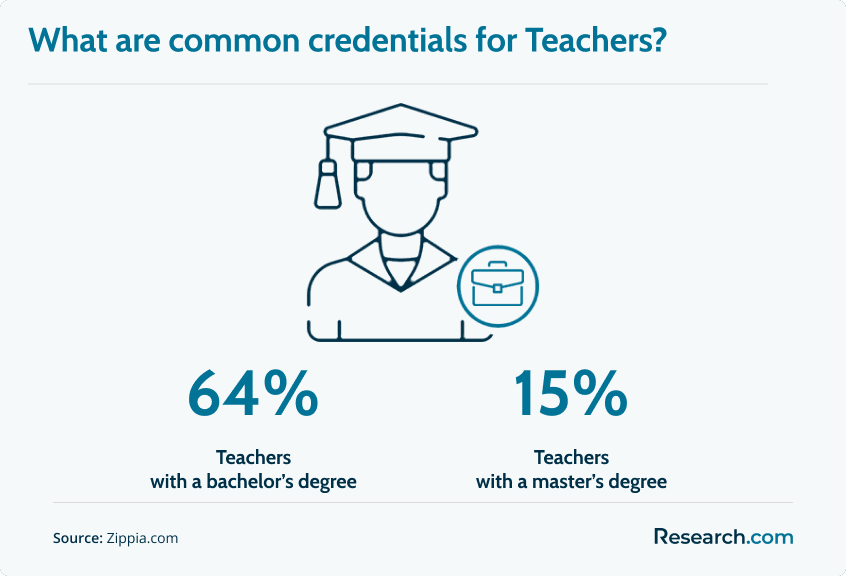
Education requirements depend on your state, intended grade level, subject area, and certification route. At a minimum, K-12 public school teachers need a bachelor’s degree. Most candidates must also complete pedagogy coursework, supervised teaching experience, and subject-specific preparation.
Bachelor’s Degree Requirement
A bachelor’s degree is the baseline academic qualification for public school teachers. The most suitable major depends on the classroom you want to lead.
- Elementary Teachers (K-6): Candidates often major in elementary education or liberal studies. Coursework may include child development, literacy instruction, math methods, classroom management, and assessment.
- Middle and High School Teachers (6-12): Candidates commonly complete a major or substantial coursework in the subject they plan to teach, such as English, science, mathematics, social studies, or world languages. Additional education coursework is often required.
Alternative Pathways for Non-Education Majors
If your degree is outside education, you may still qualify for teacher certification through a route designed for career changers. Common options include:
- Post-baccalaureate teacher preparation programs that provide the education coursework and field experience needed for initial licensure.
- Master’s in Teaching (MAT) programs that combine graduate coursework with certification preparation.
- Alternative certification programs that may allow eligible candidates to teach while completing training requirements.
Some future teachers come from counseling, ministry, social service, or other people-centered careers. For example, someone researching how to start a career in pastoral counseling may already have communication, mentoring, and community-support skills that can be useful in schools, though teaching still requires the proper credential.
Continuing Education and Advanced Degrees
After earning an initial credential, teachers usually need ongoing professional development to renew it. Many educators later pursue:
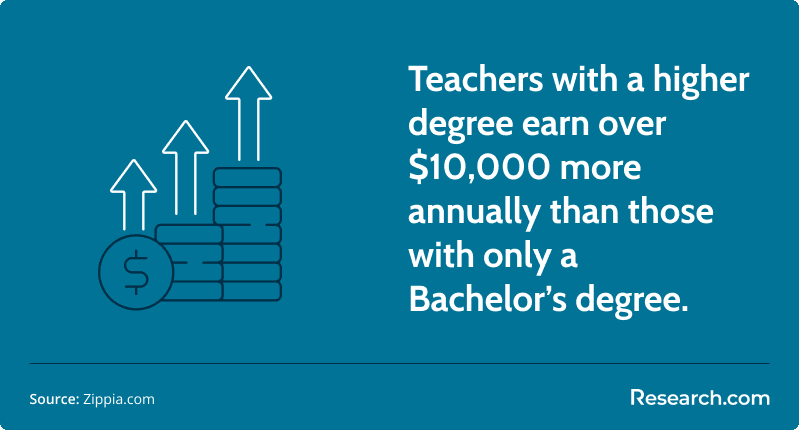
- Master’s degrees to strengthen instructional expertise, qualify for specialist roles, or meet district salary-lane requirements where available.
- National Board Certification to demonstrate advanced teaching practice and deepen professional growth.
- Doctoral degrees for roles in district leadership, school improvement, higher education, research, or education policy.
How do teaching credential requirements vary by state?
Teaching credentials are regulated by states, not by one national licensing office. That means a program or exam that works in one state may not fully satisfy another state’s rules. Even when states share common expectations—such as a bachelor’s degree, teacher preparation, subject knowledge, and a background check—the details can differ sharply.
Before you choose a program, compare your intended path with the teacher certification requirements by state. This is especially important if you live near a state border, plan to move, or are considering an online program based in another state.
What exams do different states require?
Many states use the Praxis series to evaluate academic skills, subject knowledge, and teaching practice. Others use their own assessments. Arizona, Illinois, Michigan, and Florida do not require Praxis and instead rely on different exams. Colorado does not require a basic skills test and requires a Subject Area Competence exam. Because these rules can change, candidates should also verify their state’s certification requirements before registering for exams.
How does reciprocity work for out-of-state teachers?
Reciprocity can make it easier for licensed teachers to move between states, but it does not always mean automatic approval. Some states may accept an out-of-state credential with limited additional steps, while others may require extra testing, coursework, or documentation. Teachers relocating for family, military, or job reasons should contact the receiving state’s licensing office before assuming their current credential will transfer without conditions.
Credentialing systems vary across professions and jurisdictions. For a broader example of how professional roles can be structured differently across systems, see this guide to the differences between micro mezzo and macro social work.
What do you need to know about student teaching?
Student teaching is the supervised classroom experience that helps aspiring educators move from learning about teaching to actually practicing it. In most teacher preparation programs, candidates work with a licensed mentor teacher, observe instruction, plan lessons, teach small groups or full classes, and receive feedback before being recommended for certification.
Student teaching matters because districts want evidence that new teachers can manage a real classroom, adjust instruction, assess student learning, and communicate professionally. It can also be one of the most demanding parts of the process because it may require daytime availability and, in many traditional programs, may be unpaid.
- Programs commonly require a defined number of hours or weeks in a classroom, often across a full semester.
- Candidates are usually supervised by a mentor teacher who observes lessons and provides coaching.
- Assignments often include lesson plans, classroom management reflections, student assessments, and formal evaluations.
- Performance during student teaching may affect whether the program recommends the candidate for certification.
How to Make Student Teaching Count
- Treat it like a long job interview. Schools often notice candidates who are reliable, prepared, and responsive to feedback.
- Keep evidence of your work. Save lesson plans, assessment examples, and reflections that can support future interviews.
- Ask for specific feedback. “How can I improve questioning?” is more useful than “How did I do?”
- Learn school routines. Attendance, parent communication, grading policies, accommodations, and safety procedures are part of classroom readiness.
What exams do you need to pass for certification?
Most states require teacher candidates to pass one or more certification exams before they can receive a credential. The Praxis exams are the most widely used, but states may also require their own tests. Exam fees range from $90 to $209, depending on the assessment. If you do not pass, you may retake the exam, but candidates must wait 21 days between attempts.
Common Praxis Exam Types
- Praxis Core: Evaluates reading, writing, and math skills and may be required before or during teacher preparation.
- Praxis Subject Assessments: Measures content knowledge in specific K-12 teaching fields.
- Praxis Principles of Learning and Teaching (PLT): Focuses on pedagogy, student development, learning theory, and classroom practice.
- Praxis Elementary Education: Content Knowledge for Teaching (CKT): Assesses elementary-level content knowledge and how candidates apply that knowledge instructionally.
| Exam Category | What It Measures | Who May Need It |
| Basic skills assessment | Foundational academic skills such as reading, writing, and math | Candidates entering teacher preparation programs in states that require it |
| Subject-area assessment | Knowledge of the subject or grade band the teacher plans to teach | Middle school, high school, elementary, and specialist candidates depending on state rules |
| Pedagogy assessment | Teaching methods, classroom management, and learning theory | Candidates in states that require evidence of professional teaching knowledge |
| State-specific exam | Content or pedagogy standards set by a state testing system | Candidates in states that do not use Praxis or require additional exams |
What is the return on investment of earning a teaching credential?
The return on investment of a teaching credential depends on your program cost, how quickly you begin earning, the salary schedule in your district, benefits, loan forgiveness eligibility, and whether you later add endorsements or advanced degrees. A credential does not guarantee a specific income, but it is the required entry point for most public school teaching positions and can create access to stable employment, benefits, and advancement pathways.
The labor market also matters. An average of 64,000 high school teaching positions and 106,500 elementary and kindergarten teaching positions open up each year, primarily because of retirements and career changes. These openings do not mean every location or subject has equal demand, so candidates should compare local hiring needs before selecting a specialization.
To improve ROI, choose the least expensive state-approved route that still prepares you well, avoid unnecessary duplicate coursework, apply for grants and forgiveness programs, and consider advanced study only when it supports a clear career goal. If you are already licensed and comparing graduate options, a cost-conscious path such as one of the cheapest online master's in education programs may help reduce the cost of further advancement.
How long does it take to get my teaching credential?
The timeline depends on where you start. A traditional undergraduate route usually includes a four-year bachelor’s degree plus a state-approved credential sequence, which can push the full process to five years or more. Alternative certification may take 12 to 18 months because candidates may complete coursework while teaching, depending on state rules and program design.
Your timeline can lengthen if you enroll part time, need prerequisite coursework, wait for student teaching placement, miss exam deadlines, or need to retake a certification test. Because state requirements drive the final timeline, confirm your path through the relevant teaching requirements by state before committing to a start date.
| Path | Typical Starting Point | General Timeline Mentioned | Best For |
| Traditional undergraduate preparation | No bachelor’s degree yet | Four-year bachelor's degree plus credential preparation, often five years or more | Students planning ahead for a teaching career |
| Post-baccalaureate or MAT route | Bachelor’s degree already completed | Varies by program and state requirements | Graduates who want structured teacher preparation |
| Alternative certification | Bachelor’s degree and subject readiness | Often 12 to 18 months | Career changers and candidates seeking a faster employment-connected route |
What background checks and other requirements are necessary?
Teacher credential applicants must pass screening requirements because they will work with children and school communities. The most common requirement is fingerprint-based criminal history review at the state and federal levels. Serious offenses, especially those involving violence or child safety, may prevent certification, while minor issues such as traffic tickets typically do not affect eligibility.
Applicants may also need verification of their degree, teacher preparation program completion, and any prior professional licenses. To reduce the risk of credential delays, make sure your program is accredited or state-approved and that all transcripts, test scores, and completion forms are submitted correctly. Educators considering broader human services or school support roles may find this guide to master of social work specializations useful when comparing preparation and credentialing pathways.
Each background check costs around $20, and most school districts also require drug testing for new hires. Some states or districts may also require health screenings, such as tuberculosis tests or proof of vaccinations, along with ethics training covering professional conduct, mandated reporting, student privacy, and legal responsibilities.
Common Credentialing Mistakes to Avoid
| Mistake | Why It Can Hurt You | Better Move |
| Choosing a program before checking state approval | You may complete coursework that does not lead to licensure where you want to teach | Confirm approval with the state education agency before enrolling |
| Looking only at tuition | Exam fees, background checks, applications, books, travel, and unpaid fieldwork can change the real cost | Build a full credential budget before comparing programs |
| Assuming online means fully remote | Student teaching and fieldwork usually require in-person classroom placements | Ask how local placements are arranged |
| Waiting too long to schedule exams | Failed attempts and retake waiting periods can delay certification | Map exam dates to program milestones early |
| Assuming reciprocity is automatic | Moving states may trigger added coursework, tests, or paperwork | Contact the receiving state before relocating or accepting a job |
What mentorship and support resources are available for new teachers?
Many districts support first-year teachers through induction programs, mentor assignments, instructional coaching, and professional learning communities. These supports can help new educators manage classroom routines, communicate with families, plan lessons, use assessment data, and respond to student needs without feeling isolated.
New teachers should ask whether a district offers formal release time for mentoring, observation opportunities, curriculum planning support, and help with credential renewal requirements. Professional associations, online teacher communities, and school-based teams can also provide practical advice during the first years in the classroom. Teachers who want long-term leadership growth may eventually explore advanced programs such as fully funded EdD programs online, though a doctoral path is usually a later-career decision rather than a requirement for beginning teachers.
What are the alternative routes to teacher certification?
Alternative certification is designed for people who already have a bachelor’s degree but did not complete a traditional education program. It can be a practical route for career changers, paraprofessionals, substitute teachers, recent graduates in non-education majors, and professionals with subject-matter expertise.
The biggest difference is timing. Traditional programs often require candidates to complete student teaching before becoming the teacher of record. Alternative routes may allow candidates to begin paid teaching while finishing coursework and mentoring requirements, depending on state policy and district hiring rules.
States use different names for these routes, including alternative license, residency license, intern certificate, or shortage area permit. These options are often tied to workforce needs, so availability may vary by subject and location. Teachers who want to specialize after entering the classroom may later consider programs such as masters in special education distance learning to work more effectively with diverse learners.
What are the steps to earn alternative certification?
- Complete a bachelor’s degree. Your degree should usually align with the subject or grade level you plan to teach.
- Confirm state eligibility. Check whether your state requires employment first, preservice training, subject coursework, or specific exams.
- Pass required assessments. These may include the Praxis Series or state-specific tests such as the Florida Teacher Certification Examinations (FTCE) or Michigan Test for Teacher Certification (MTTC).
- Apply to an approved alternative program. Some programs help with placement, while others expect you to secure a teaching job before admission.
- Teach under supervision. Candidates usually complete coursework, mentoring, and performance evaluations while working in a classroom.
- Apply for full certification. After meeting program and state requirements, candidates submit final documentation to the state education department.
How much does alternative teacher certification cost?
Costs vary by provider and state. Teachers of Tomorrow ranges from $4,200 to $6,000, with an initial enrollment fee of $299 and flexible payment plans. Western Governors University (WGU) charges between $3,975 and $7,000. Teach Away’s TEACH-NOW program costs approximately $6,000 to $7,000 for a nine-month certification.
Alternative certification may be less expensive and faster than some university-based routes, but candidates should still compare total costs, mentoring quality, state approval, job placement support, and completion requirements. If your main priority is minimizing tuition, review options such as the cheapest online teaching degree before deciding.
Is an education leadership degree a viable next step in my teaching career?
An education leadership degree can make sense once you have classroom experience and want to move toward department leadership, curriculum coordination, assistant principal roles, school administration, or district-level work. It is not required for initial teacher certification, but it can help teachers build skills in supervision, school improvement, policy implementation, budgeting, and data-informed decision-making.
This path is most useful when you know you want responsibilities beyond your own classroom. If you are comparing affordable graduate programs that connect teaching experience with administrative preparation, explore an education leadership degree.
How can you fund your teaching credential?
You can lower the cost of earning a teaching credential by combining scholarships, grants, employer support, alternative certification, paid residency options, and loan forgiveness. The best funding strategy depends on whether you are an undergraduate student, a degree holder changing careers, or a current school employee seeking licensure.
Loan Forgiveness Programs
Teachers who work in high-need schools or shortage subjects such as math, science, and special education may qualify for federal or state loan forgiveness. The Teacher Loan Forgiveness Program cancels up to $17,500 in student loans after five years in a qualifying school. The Public Service Loan Forgiveness (PSLF) Program may forgive remaining balances after 10 years of qualifying public service.
Scholarships and Grants
Scholarships are available from colleges, states, districts, foundations, and professional associations. The TEACH Grant provides up to $4,000 per year for eligible students who commit to serving in low-income schools. Because grant obligations can convert into repayment requirements if service rules are not met, read the terms carefully before accepting funds.
Alternative Certification and Paid Training
If you already have a bachelor’s degree, alternative certification may allow you to earn income while completing coursework. Some residency models provide stipends while candidates train in classrooms. These routes can reduce opportunity cost, but you should compare mentoring quality, workload, and certification outcomes before choosing the fastest option.
Cost-Saving Checklist
- Confirm that the program is approved for your state credential before paying enrollment fees.
- Ask whether prior credits or professional experience can reduce required coursework.
- Budget for exams, background checks, application fees, and student teaching expenses.
- Apply early for scholarships, TEACH Grant funding, and district-sponsored support.
- Check whether the district where you want to work participates in loan forgiveness-eligible programs.
What interdisciplinary careers can leverage my teaching credential?
A teaching credential can support careers outside the traditional classroom, especially in roles that require instructional design, learning assessment, curriculum planning, training, or public education. Examples may include curriculum development for education technology companies, academic consulting, corporate training, museum education, community education, and school-based program coordination.
Library and information science can also intersect with teaching because librarians and media specialists often teach research skills, digital literacy, and information evaluation. If you are exploring that direction, review possible jobs for library science degree holders to see how instructional skills may apply.
Can interdisciplinary studies enhance my teaching strategies?
Interdisciplinary study can help teachers design lessons that connect subjects instead of treating them as isolated content areas. For example, a project might combine reading, science, data interpretation, and presentation skills. This approach can strengthen critical thinking, collaboration, creativity, and real-world problem solving.
Teachers who want formal preparation in cross-disciplinary curriculum design may compare the best online schools for interdisciplinary studies to find programs that complement a teaching credential rather than duplicate it.
How do you maintain and upgrade your teaching credential?
After you earn a teaching credential, you must keep it active by following your state’s renewal rules. Requirements vary, but teachers commonly need professional development, continuing education, coursework, or documentation of effective teaching practice.
License Renewal and Continuing Education
Most states require teachers to renew their licenses every 4-5 years, typically by completing around 150 continuing education (CE) hours. CE may include district training, professional organization workshops, online courses, graduate classes, or specialized training in areas such as classroom management and teaching neurodivergent students. Some districts may help pay for graduate coursework, and advanced education may support salary movement where district contracts allow it.
Advancing Your Credential
Teachers may upgrade provisional, initial, or entry-level credentials by completing additional coursework, mentored teaching, evaluations, or exams. Educators who move to another state may need to apply again because each state board reviews credentials under its own rules.
Optional National Certifications
National certification is optional, but it can strengthen a teacher’s professional profile. The National Board for Professional Teaching Standards (NBPTS) and The American Board offer national certification pathways. NBPTS’s exam cost is $1,900. Teachers often pursue these credentials to demonstrate advanced practice, prepare for leadership roles, or qualify for specialist opportunities. These steps may also align with masters in education jobs that involve higher responsibility and broader instructional influence.
What advanced degree options can enhance my teaching career?
Advanced degrees can be valuable when they match a clear professional goal. A master’s degree may support specialization, instructional leadership, curriculum design, or salary advancement where district policies recognize graduate credits. An education leadership degree may prepare teachers for administrative roles. A doctoral degree may be appropriate for educators pursuing district leadership, research, policy, or higher education.
Teachers should avoid enrolling in an advanced degree simply because it sounds impressive. Compare cost, accreditation, field requirements, licensure alignment, and career outcomes first. If your goal is leadership and you want an accelerated doctoral route, review options such as EdD programs.
How can a doctoral degree advance my teaching and leadership skills?
A doctoral degree can help experienced educators study school systems, leadership strategy, organizational improvement, research methods, curriculum change, and evidence-based decision-making. It may be useful for teachers who want to influence policy, lead district initiatives, teach in higher education, or design large-scale school improvement efforts.
This path requires a significant commitment, so it is best suited to educators who already understand their leadership direction. If your interests include organizational strategy beyond classroom instruction, compare options such as a PhD organizational leadership online program.
Can my teaching credential unlock non-classroom career opportunities?
Yes. A teaching credential can lead to roles outside daily classroom instruction, particularly when paired with experience, endorsements, graduate study, or specialized skills. Educators may move into curriculum specialist roles, instructional coordination, academic coaching, education consulting, policy support, community education, museum education, library media, or training and development.
The best non-classroom path depends on what you want to do more of: design curriculum, support teachers, lead programs, analyze policy, train adults, or serve communities. Some educators explore library science degree jobs because teaching experience can transfer well to information literacy, research instruction, and learner support.
Here’s What People Have to Say about Getting a Teaching Credential
“The credential process gave me the structure I needed before leading my own classroom. The coursework helped, but the real turning point was supervised practice with students.” – Nancy
“Changing careers felt risky at first. Alternative certification helped me begin teaching while I completed training, so I could build experience and earn income at the same time.” – Malik
“The support system mattered more than I expected. Mentors, classmates, and other teachers helped me understand what successful teaching looks like day to day.” – Jess
Key Insights
- Start with your state, not with a school advertisement. State approval determines whether a program can actually lead to the credential you need.
- Your route should match your background. First-time college students, degree holders, career changers, and current school employees often need different certification pathways.
- Alternative certification can be faster, but it is not automatically easier. You may teach while completing coursework, which can reduce cost but increase workload.
- Exam planning matters. Fees range from $90 to $209, and a failed test can delay progress because candidates must wait 21 days before retaking it.
- Student teaching is more than a requirement. It is where you prove classroom readiness, build references, and learn whether the role fits your strengths.
- Credential costs can be reduced. Loan forgiveness, the TEACH Grant, scholarships, paid training models, and affordable online programs can lower total expense.
- Renewal is part of the career. Most states require renewal every 4-5 years and around 150 continuing education hours, so professional development should be part of your long-term plan.
- A teaching credential can open more than classroom roles. With experience or additional education, teachers can move into leadership, curriculum, consulting, library science, training, policy, or education technology.
References:
- Bureau of Labor Statistics. (n.d.-a). Kindergarten and elementary school teachers. U.S. Department of Labor.
- Bureau of Labor Statistics. (n.d.-b). High school teachers. U.S. Department of Labor.
- Pepperdine University. (n.d.). Understanding state licensure for teaching. Graduate School of Education and Psychology.
- American University. (n.d.). How to become a teacher. School of Education Online.
- Accredited Schools Online. (n.d.). Education certificate.
- National Center for Education Statistics. (n.d.). Public school teachers. U.S. Department of Education.
- National Center for Education Statistics. (n.d.). Fast facts: Teacher qualifications. U.S. Department of Education.
- Education Data Initiative. (n.d.). Student loan forgiveness statistics.
- Zippia. (n.d.). Teacher demographics and statistics in the U.S.
Other Things You Should Know About Getting a Teaching Credential
California and most other states require a fingerprint-based criminal background check before issuing a teaching credential. In California, applicants must clear Live Scan screening through the Commission on Teacher Credentialing, and districts may also require additional local clearance before student teaching or employment.
To obtain a teaching credential in 2027, candidates must pass specific exams, such as the Praxis series or state-required tests. These assessments evaluate subject knowledge and teaching skills to ensure readiness for the classroom. Requirements vary by state, so verify with local education authorities.


