
2027 Shortest Online Addiction Psychology Degree Master's Programs That Pay Well: Cost, Time to Completion, and Salary Outlook

Co-Founder and Chief Data Scientist
Choosing the shortest online addiction psychology master's program is a high-stakes decision: you want to qualify for better counseling, behavioral health, or addiction services roles sooner, but you cannot afford to choose a program that is too rushed, too expensive, or misaligned with licensure expectations. For working adults, the best fast-track option is not simply the program with the fewest months. It is the program that combines a manageable pace, appropriate clinical preparation, transparent tuition, and a curriculum that supports the career path you actually want.
Accelerated online programs have become more attractive as demand for addiction and behavioral health professionals grows. Notably, 35% of students enrolling in online accelerated addiction psychology master's programs complete their degrees in under two years, reflecting interest in faster graduate pathways. This guide explains what the shortest online addiction psychology master's programs typically look like, how many credits they require, what they cost, what specializations may be available, and what career and salary outcomes graduates can reasonably consider.
Key Benefits of the Shortest Online Addiction Psychology Degree Master's Programs That Pay Well
- Shortest online addiction psychology master's programs can be completed in as little as 12 to 18 months, enabling faster entry into professional roles.
- Accelerated formats often reduce tuition costs by limiting semester duration and credit requirements, offering significant savings compared to traditional programs.
- Graduates report increased earning potential, with median salaries for addiction psychologists exceeding $60,000 annually, reflecting strong demand in behavioral health sectors.
What Are the Shortest Online Addiction Psychology Master's Programs Available Today?
The shortest online addiction psychology master's programs are usually accelerated, year-round, or competency-based degrees designed for students who can handle a heavier academic pace. Many fast-track online master's programs can be completed in as little as 12 to 15 months, while other compressed options take 12 to 18 months or 15 to 18 months depending on the curriculum, practicum expectations, and enrollment format.
Students should look beyond the advertised completion time. A short program is only useful if it provides the coursework, supervised experience, and academic quality needed for the intended role. This is especially important in counseling-related fields, where licensure or certification rules may depend on state requirements and specific course content.
- Accelerated master's programs: These programs commonly use condensed terms, continuous enrollment, and limited breaks to help students finish in 12 to 15 months. They can be efficient, but they require strong time management because assignments, readings, and clinical preparation move quickly.
- Competency-based programs: These programs allow students to progress by demonstrating mastery rather than waiting for a traditional semester to end. Motivated students with relevant experience may finish in about 12 to 18 months, though the pace depends heavily on the learner's ability to complete assessments independently.
- Hybrid programs with intensive online coursework: Some programs combine online classes with short residencies, supervised fieldwork, or practicum components. These formats may finish within 15 to 18 months and can be valuable for students who want online flexibility but still need structured applied training.
| Program format | Best fit | Main trade-off |
| Accelerated online | Students who want a structured, fast path with scheduled courses | Less downtime between terms and a heavier weekly workload |
| Competency-based | Self-directed learners who can move quickly through familiar material | Requires discipline and may offer less traditional classroom pacing |
| Hybrid intensive | Students who want online study plus applied or in-person experiences | Residency or practicum requirements may affect scheduling and travel |
For students comparing the shortest online Addiction Psychology master's programs in the US, the strongest choices usually balance speed with accreditation, clinical relevance, faculty support, and total cost. Some learners also compare adjacent graduate pathways, including MBA programs, when they want to combine behavioral health knowledge with management or organizational leadership goals.
A low-credit accelerated addiction psychology master's degree can reduce time away from full earning potential, but students should confirm that the program's requirements support their intended counseling, treatment, prevention, research, or administrative career path.
How Many Credits Are Required for the Shortest Online Addiction Psychology Master's Programs?
The shortest online addiction psychology master's programs typically require between 30 and 36 credits. This credit range is common among accelerated graduate programs because it keeps the curriculum focused on core addiction counseling, assessment, treatment planning, ethics, and applied behavioral health practice. By comparison, traditional master's degrees often require more than 40 credits, especially when they include extensive electives, thesis requirements, or longer field placements.
Credit count matters, but it should not be the only deciding factor. A 30-credit program may be faster and less expensive, yet students pursuing licensure should verify whether the degree includes the required coursework and supervised experience for their state or credentialing body.
- Total credit range: Most accelerated programs fall between 30-36 credits. This can shorten the academic timeline, particularly when the school offers multiple terms per year.
- Core requirements: Short programs usually reduce electives and concentrate on addiction theory, assessment, evidence-informed interventions, ethics, multicultural practice, and treatment planning.
- Capstone or practicum structure: Many programs include a capstone, applied project, or practicum designed to demonstrate professional readiness without adding unnecessary credits. Students should ask how fieldwork is arranged and whether it meets career or licensure expectations.
- Transfer credits: Some schools accept prior graduate credits, which can reduce the number of courses a student must complete. Transfer policies vary, so applicants should request an official evaluation before enrolling.
- Term length and frequency: Condensed terms, multiple start dates, and year-round course availability can make a 30 and 36 credit program much faster than a program with the same credit total but fewer course offerings.
| Question to ask | Why it matters |
| How many credits are required to graduate? | Credit total affects both completion time and tuition cost. |
| Are practicum or capstone credits included? | Applied requirements can influence workload and scheduling. |
| Can prior graduate credits transfer? | Accepted transfer credits may shorten the degree path. |
| Are courses offered every term? | Limited course rotation can delay graduation even in a low-credit program. |
Students comparing the shortest online addiction psychology master's degree credit requirements should match credit totals against professional goals. Those researching other fast-track graduate options may also review cheapest EdD programs to understand how accelerated doctoral and master's pathways differ in length, purpose, and cost.
Are There Specializations Available in the Shortest Online Addiction Psychology Master's Programs?
Yes, some accelerated online addiction psychology master's programs offer specializations, but the selection is usually narrower than in longer programs. Because many fast-track degrees run between 12 and 18 months, schools often prioritize core professional competencies over a long menu of electives. Even so, approximately 65% of online master's programs include at least one concentration, giving students some ability to align the degree with a specific career direction.
The right specialization depends on whether the student wants to work directly with clients, design prevention programs, support people with co-occurring disorders, or move toward research and program development. Applicants should compare the specialization title with actual course content, practicum options, and career outcomes rather than relying on the label alone.
- Clinical addiction counseling: Focuses on therapeutic methods, treatment planning, relapse prevention, and client support for substance use disorders. This path is often most relevant for students pursuing counseling-focused roles.
- Mental health and dual diagnosis: Emphasizes co-occurring mental health and substance use conditions. It can be useful for students who expect to work in integrated behavioral health settings.
- Behavioral addictions: Covers non-substance dependencies such as gambling and internet addiction. This option broadens the student's understanding of compulsive behavior beyond substance use.
- Prevention and education: Focuses on outreach, public health strategies, risk reduction, and community education. It may fit students interested in schools, nonprofits, advocacy, or community-based programs.
| Specialization | Common career alignment | What to verify before enrolling |
| Clinical addiction counseling | Counseling, treatment, rehabilitation, outpatient services | Whether coursework supports relevant licensure or certification goals |
| Mental health and dual diagnosis | Integrated behavioral health and co-occurring disorder services | Depth of training in both addiction and mental health practice |
| Behavioral addictions | Specialized counseling, education, or program development | Whether the program includes applied casework or assessment training |
| Prevention and education | Community outreach, prevention programs, advocacy | Whether courses include program planning and evaluation |
One graduate of an accelerated online addiction psychology master's program described the specialization choice as a way to stay focused during a demanding schedule: "The pace was intense, but choosing a focus helped me concentrate my efforts and avoid feeling overwhelmed." He noted that the compressed format required discipline, but the curriculum was organized around core competencies rather than unnecessary electives. "There were moments I worried about missing nuances, but the curriculum was designed to address core competencies efficiently," he added.
The shortest addiction psychology master's programs usually use a tightly sequenced curriculum that moves students through foundational theory, assessment, treatment methods, ethics, and applied practice in a compressed schedule. Many accelerated programs can be completed within 12 to 18 months and are organized across three and six terms, with students often taking two to three courses per term.
This structure can work well for focused students, especially working professionals who want a clear path to graduation. However, the pace leaves little room for falling behind. Before enrolling, students should review the course calendar, weekly workload expectations, practicum requirements, and whether any courses must be taken in a fixed order.
- Core courses: These courses build the foundation for addiction-focused practice. Common topics include substance abuse treatment, psychological evaluations, counseling ethics, addiction theory, case conceptualization, and treatment planning.
- Electives: Short programs may offer limited electives in areas such as trauma-informed care, behavioral health strategies, prevention, or co-occurring disorders. Electives should strengthen the student's target career path rather than simply fill credit requirements.
- Capstone or project: A final applied project or capstone often allows students to integrate research, theory, and practice. In some programs, this requirement may be connected to community needs, clinical scenarios, or program evaluation.
- Term sequencing: Courses are commonly scheduled back-to-back with minimal breaks. This helps students maintain momentum, but it also means personal, work, and family obligations must be planned around the academic calendar.
| Curriculum component | Purpose in an accelerated program | Student consideration |
| Core coursework | Builds essential knowledge quickly | Check that required topics match your professional goals. |
| Electives or concentration courses | Adds limited customization | Choose options that support your intended work setting. |
| Practicum, capstone, or project | Demonstrates applied readiness | Ask how supervision, site approval, or project evaluation works. |
| Condensed terms | Shortens time to completion | Make sure the weekly workload is realistic. |
A strong accelerated curriculum should feel focused, not thin. Students should be cautious of programs that advertise speed but provide limited information about faculty qualifications, applied learning, student support, or how the curriculum connects to addiction counseling and behavioral health practice.
Accelerated online master's programs in addiction psychology typically cost between $15,000 and $40,000 in total tuition. The average total tuition for such programs is about $28,000. These programs may cost less than traditional programs that often exceed $50,000 because they usually require fewer credits, reduce time enrolled, and allow students to continue working while studying online.
Still, the lowest tuition is not always the best value. Students should compare total program cost, accreditation, faculty support, practicum coordination, graduation timeline, and whether the degree fits their career or licensure goals. A cheaper program can become more expensive if credits do not transfer, required courses are not offered frequently, or students must extend enrollment.
- Average total tuition: This is the full tuition cost for all required courses. It is usually the largest expense and depends on the number of credits, tuition rate, and whether the school charges flat-rate or per-credit pricing.
- Tuition per term: Some programs charge by academic term. Accelerated formats can reduce the number of terms a student pays for, but heavier course loads may require careful budgeting.
- Additional program fees: Technology fees, course materials, practicum-related charges, and examination fees can raise the total cost beyond advertised tuition.
| Cost item | Why it affects affordability | What students should ask |
| Total tuition | Shows the baseline cost of the degree | Is the quoted price for the full program or only one academic year? |
| Per-credit or per-term pricing | Determines how costs change with course load | Will taking more courses per term reduce or increase total charges? |
| Fees | Adds costs beyond tuition | Are technology, practicum, graduation, and resource fees included in the estimate? |
| Time to completion | Can affect both direct costs and lost income | What happens financially if I need to slow down? |
Students researching the cost of accelerated Addiction Psychology master's degrees should request a written cost breakdown before applying. For broader context on degree value and career planning, they may also compare educational pathways through resources on the top degrees in the world.
Many online graduate programs charge the same tuition rate regardless of residency, and about 70% of online graduate programs nationally now offer uniform tuition. This can make accelerated online addiction psychology master's programs easier to budget for, especially for students who live outside the institution's state or may relocate while enrolled.
However, students should not assume every online program uses a single tuition rate. Some schools still distinguish between in-state and out-of-state students, particularly when a program includes hybrid requirements, campus visits, or state-supported tuition rules. The safest approach is to ask for the exact tuition classification in writing.
- Tuition parity: Many online programs use one tuition rate for all online students, removing the higher out-of-state charges often associated with campus-based degrees.
- Residency exceptions: Some schools may charge different rates for certain hybrid, residency, or administrative components. Fully online tracks are less likely to differentiate by residency, but policies vary.
- Program-specific fees: Clinical placement, technology, and required material fees may apply to all students regardless of state residency.
- Additional costs: Licensing exams, textbooks, background checks, software, or local placement requirements generally do not depend on residency but can still affect the total cost.
| Tuition question | Why it matters |
| Is tuition the same for in-state and out-of-state online students? | Determines whether residency affects the base program price. |
| Are any hybrid or residency components required? | Campus-based requirements can create additional travel or fee obligations. |
| Are clinical placement fees separate? | Placement coordination can add costs even when tuition is uniform. |
| Will moving states affect tuition? | Important for online students who may relocate during the program. |
One graduate who completed an accelerated online addiction psychology master's program said uniform tuition made planning much easier: "Knowing upfront what I had to pay made budgeting less stressful, especially since I moved states during my studies." She noted that clinical practice fees still applied, but they were consistent for students in the program. That predictability helped her focus on finishing quickly instead of worrying about unexpected out-of-state charges.
Students should budget for more than tuition when comparing the shortest online addiction psychology master's programs. Tuition usually covers instruction, but accelerated programs may add fees for online systems, admissions processing, clinical coordination, academic resources, and graduation. These charges can change the real cost of a degree, especially when students are choosing between programs with similar tuition rates.
- Technology fee: Supports the online learning platform, software access, digital tools, and technical support. In an accelerated program, reliable access is essential because missed assignments can quickly affect progress.
- Application or enrollment fee: A one-time charge for admissions processing or securing a place in the program. Students applying to multiple schools should include these costs in their comparison.
- Clinical or practicum placement fees: Covers administrative work related to arranging or approving supervised field experiences. These fees can be especially important for students pursuing counseling-related roles or credentials.
- Library or resource fees: May pay for access to research databases, journals, academic support tools, and online library services used throughout graduate coursework.
- Graduation or commencement fee: Usually charged near the end of the program for diploma processing or ceremony participation.
| Fee type | When it may appear | How to evaluate it |
| Technology fee | Each term or course | Ask whether it is included in published tuition estimates. |
| Application or enrollment fee | Before or at the start of enrollment | Confirm whether it is refundable. |
| Clinical or practicum fee | Before fieldwork or applied placement | Ask what placement support the fee actually covers. |
| Library or resource fee | Each term or program period | Check whether required databases and materials are included. |
| Graduation fee | Final term | Include it in the full cost of completion. |
State-specific fees for accelerated addiction psychology master's programs may also apply depending on placement rules, institutional policies, and regulatory requirements. Students comparing counseling-related graduate degrees may find it useful to review the cheapest online MFT programs, since similar online program fees can appear in adjacent mental health fields.
The best way to avoid surprises is to ask each school for a full cost-of-attendance estimate that separates tuition from mandatory and optional fees. This helps students compare programs accurately instead of relying only on advertised tuition.
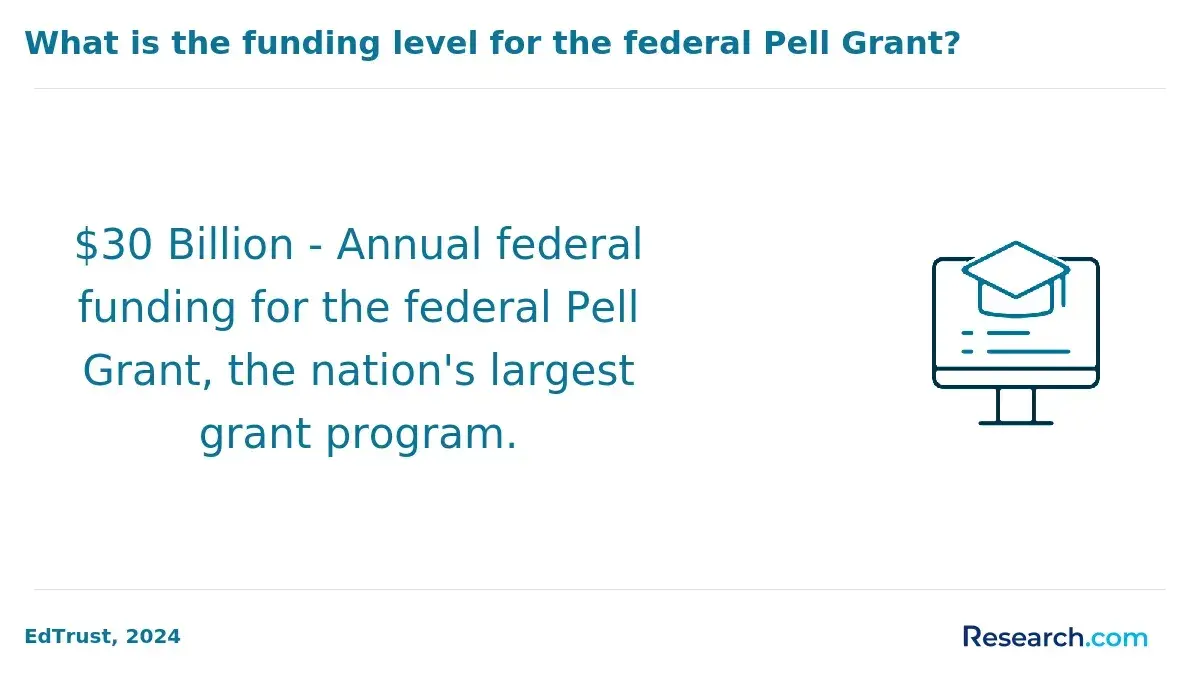
Financial aid can make the shortest online addiction psychology master's programs more accessible, especially for working adults who need to manage tuition while maintaining income. About 60% of online graduate students obtain some form of financial assistance. The most practical approach is to combine several funding sources when eligible rather than relying on one option.
- Federal loans: Graduate students may use federal loans to help cover tuition and eligible education-related expenses. Borrowers should compare repayment options and understand total debt before enrolling.
- Scholarships and grants: These awards may be based on merit, financial need, field of study, or professional goals. Because they do not require repayment, students should search for institutional, community, and professional association opportunities early.
- Employer tuition assistance: Some employers provide reimbursement or direct support for education connected to the employee's current or future role. This can be especially valuable for students already working in behavioral health, healthcare, social services, corrections, or community organizations.
- Institutional aid: Universities may offer grants, scholarships, tuition discounts, or special funding for online or accelerated students. Applicants should ask whether aid is available for their specific program format.
| Aid option | Repayment required? | Best use |
| Federal loans | Yes | Covering tuition and approved education expenses when grants or scholarships are insufficient |
| Scholarships and grants | No | Reducing out-of-pocket cost and total borrowing |
| Employer tuition assistance | Usually no, if conditions are met | Lowering costs for working professionals whose degree supports job duties |
| Institutional aid | Usually no | Making a specific school or accelerated program more affordable |
Students should complete required financial aid forms early, ask whether accelerated enrollment affects aid disbursement, and confirm whether they must take a minimum number of credits to remain eligible. A fast program can reduce time in school, but students still need a borrowing and repayment plan that fits their expected career path.
An online addiction psychology master's degree can prepare graduates for roles in counseling, behavioral health, prevention, case management, treatment coordination, and research support. According to the U.S. Bureau of Labor Statistics, employment for substance abuse, behavioral disorder, and mental health counselors is expected to grow 23% from 2022 to 2032, much faster than the average for all occupations. This demand reflects ongoing need for professionals who can support individuals and communities affected by substance use disorders and related mental health concerns.
Career options depend on the program's curriculum, the student's prior experience, supervised training, and state credentialing rules. In many counseling-related roles, a master's degree alone may not be enough; graduates may also need supervised hours, exams, or a state-issued license or certification.
- Substance abuse counselor: Provides counseling, recovery support, relapse prevention planning, and treatment coordination in rehabilitation centers, outpatient clinics, community agencies, or correctional settings.
- Mental health therapist: Supports clients with emotional, behavioral, and co-occurring concerns. This role often requires state licensure and careful alignment between the degree curriculum and licensing requirements.
- Case manager: Coordinates services, referrals, care plans, housing support, healthcare access, and recovery resources for individuals affected by addiction.
- Prevention specialist: Designs, supports, or evaluates community programs intended to reduce substance use risk and improve public awareness.
- Clinical researcher: Assists with studies on treatment methods, behavioral interventions, program outcomes, or evidence-based practices.
| Role | Common work settings | Key preparation to verify |
| Substance abuse counselor | Rehabilitation centers, outpatient clinics, community agencies | Addiction counseling coursework and supervised practice expectations |
| Mental health therapist | Clinics, private practices, hospitals, behavioral health organizations | Licensure alignment and co-occurring disorder training |
| Case manager | Hospitals, nonprofits, social service agencies, government programs | Care coordination, documentation, and referral skills |
| Prevention specialist | Schools, public health agencies, nonprofits, community coalitions | Program planning, outreach, and evaluation coursework |
| Clinical researcher | Universities, healthcare organizations, research programs | Research methods, ethics, and data interpretation training |
Graduates may find opportunities in government agencies, private practices, nonprofit organizations, healthcare facilities, and community-based organizations. Students interested in the intersection of addiction, courts, corrections, and public safety may also consider how an accelerated criminal justice degree could complement addiction psychology training.
Online addiction psychology master's degree job prospects are strongest when students choose a program that fits their desired work setting and credentialing path. Higher-paying careers with addiction psychology master's degree preparation often depend on experience, specialization, licensure, leadership responsibilities, and employer type.
The salary outlook for graduates of the shortest online addiction psychology master's programs depends on role, location, credentials, employer, and experience. The U.S. Bureau of Labor Statistics reports a median annual salary of around $48,720 for substance abuse, behavioral disorder, and mental health counselors. An accelerated degree can help students return to the workforce or qualify for advancement sooner, but it does not guarantee a specific salary.
Students should treat salary data as a planning benchmark, not a promise. Compensation can vary widely between nonprofit agencies, hospitals, private practices, government programs, outpatient facilities, and leadership roles. Licensure, supervised experience, and specialization can also affect earning potential.
- Geographic location: Pay often varies by state, city, and local demand. Metropolitan areas may offer higher wages, though cost of living may also be higher.
- Work environment: Hospitals, government agencies, private practices, outpatient facilities, and nonprofit organizations may use different pay structures and funding models.
- Experience and credentials: Graduates often increase earning potential as they gain supervised experience, obtain licenses or certifications, and take on more complex responsibilities.
- Specialized expertise: Skills in trauma-informed care, dual diagnosis, behavioral addictions, prevention, or clinical leadership may improve competitiveness for certain roles.
- Employer type: Private sector and outpatient facilities generally offer greater compensation than nonprofit organizations, though benefits, workload, mission fit, and supervision quality also matter.
| Salary factor | How it can affect earnings |
| Licensure or certification | May open access to roles with broader clinical responsibility. |
| Specialization | Can help graduates compete for targeted roles in dual diagnosis, trauma-informed care, or behavioral health. |
| Experience | More supervised and post-graduate experience can support advancement. |
| Employer setting | Pay can differ across hospitals, agencies, private practices, and nonprofits. |
| Location | Regional demand and cost of living can influence compensation. |
The main salary advantage of an accelerated program is timing. Graduates may complete the degree sooner, begin accumulating relevant experience earlier, and move toward credentialing or advancement faster than they would in a longer program.
What Graduates Say About the Shortest Online Addiction Psychology Degree Master's Programs That Pay Well
- : "The cost of my online addiction psychology master's degree was surprisingly affordable compared to other programs I researched, which was a huge relief. Because the program was short, I finished it quicker and saved money on tuition and living expenses. This accelerated path helped me land a higher-paying counseling position faster than I expected. — Mike"
- : "I chose a shorter online addiction psychology master's degree to balance work and studies, and it made a significant difference in how much I had to invest overall. The compressed timeline increased the intensity but reduced the total cost, which felt smart financially. Completing the program so quickly boosted my credentials, leading to a noticeable salary raise in my current role. — Douglas"
- : "Reflecting back, the shortest online addiction psychology master's degree I completed was a strategic decision that paid off both in time and earnings. The reduced duration kept my tuition fees manageable without compromising the quality of education. Professionally, earning that degree accelerated my career advancement and opened doors to positions with better compensation. — Zack"
Other Things You Should Know About Addiction Psychology Degrees
Most online addiction psychology master’s programs require a supervised practicum or internship of 300 to 600 hours, often completed in an approved behavioral health setting. Some states and licensing tracks also require postdegree supervised clinical hours before credentialing for counseling or substance use treatment roles.
Students should have a reliable computer with high-speed internet, a webcam, and microphone for interactive lessons. Familiarity with learning platforms like Blackboard or Canvas is essential, as well as software for assignments, such as Microsoft Office or Google Workspace, which are often used in 2027 programs.
In 2027, the shortest online addiction psychology master's programs typically take 12 to 18 months to complete. This expedited timeline allows students to rapidly acquire specialized knowledge and skills, preparing them for promising careers in addiction treatment and related fields shortly after graduation.
- How a Master's in Addiction Studies Can Transform Your Future https://www.ucumberlands.edu/blog/masters-in-addiction-studies-transform-your-future
- Fastest Online Master's In Counseling Programs https://www.psychology.org/counseling/fastest-online-degrees/
- Substance Abuse Counselor Median Salaries https://www.allpsychologyschools.com/substance-abuse-counseling/salary/
- Accelerated Addiction Counseling Programs | Fast Track Degrees https://www.addiction-counselors.com/blog/accelerated-addiction-counseling-programs/
- Homepage https://onlinecounselingprograms.com/
- 50 Best Master's Degree Programs in Addiction Counseling https://addiction-counselor.org/degrees/masters/
- 2025 Most Affordable Online Master's in Substance Abuse Counseling Degrees https://www.onlineu.com/most-affordable-colleges/substance-abuse-counseling-masters-degrees
- Mental Health Counselor Salary and Career Outlook https://teach.com/online-ed/counseling-degrees/online-masters-mental-health-counseling/careers-and-salary/
- 6 Benefits of an Online Counseling MS | University of Bridgeport https://www.bridgeport.edu/news/benefits-of-online-counseling-ms/
- Master in Counseling Psychology with Addiction Counseling https://www.montreat.edu/online/counseling-psychology-substance-abuse-addiction-counseling/


