2027 Career Advancement Options for Licensed Speech Pathologists

Co-Founder and Chief Data Scientist

Reviewed by Rhea Paul, PhD
SLP Education & Research Expert
Career advancement for licensed speech-language pathologists is no longer limited to seeing a larger caseload or waiting for a senior clinician to leave. SLPs can grow by specializing, supervising, moving into healthcare leadership, teaching, conducting research, consulting, or building a private practice. The right path depends on your license, work setting, clinical interests, risk tolerance, and long-term income goals.
The timing is favorable: employment for speech-language pathologists is projected to grow 17% from 2025 to 2035, much faster than the average for all occupations. This guide explains the main advancement options for licensed SLPs, including education, credentials, specialization, industries, salary factors, continuing education, leadership pathways, and first steps for building a more strategic career plan.
What are the benefits of pursuing a career advancement for licensed speech pathologists?
- Pursuing advanced roles in speech pathology opens doors to various career paths, including teaching, policy development, research, and nonprofit work, allowing professionals to apply their expertise in diverse ways.
- Advanced roles in speech pathology often come with higher salaries, with a mean annual wage of $92,630, reflecting the increased responsibilities and specialized skills required.
- The demand for speech pathologists is projected to grow 17% from 2025 to 2035, providing job stability and security for those pursuing advanced career options.
How can licensed speech pathologists advance their careers?
Licensed speech pathologists can advance by building deeper clinical expertise, taking on leadership responsibilities, adding business or research skills, and positioning themselves for higher-responsibility roles. The best path is not always another degree; for many SLPs, a focused certification, a new work setting, or a supervisory role can create meaningful growth.
- Earn advanced certifications: Recognized credentials, such as ASHA Board Certification in Fluency Disorders or Child Language, can strengthen credibility and signal expertise in a defined clinical area.
- Move into leadership roles: Experienced SLPs can become lead clinicians, supervisors, program managers, clinical directors, or department leaders. These roles often involve staff development, quality improvement, compliance, scheduling, and program design.
- Develop a high-demand specialization: Specializing in areas such as dysphagia, pediatric language disorders, voice, fluency, bilingual services, or neurogenic communication disorders can help an SLP stand out in competitive markets.
- Transition into academia or research: SLPs who enjoy teaching, evidence-based practice, and scholarship may pursue university instruction, clinical education, research coordination, or publication opportunities.
- Open or grow a private practice: Private practice gives SLPs more control over caseload, service model, branding, scheduling, and fees, but it also requires business planning, billing knowledge, marketing, and compliance management.
- Build interdisciplinary expertise: Collaboration with neurologists, psychologists, occupational therapists, audiologists, physicians, educators, and behavioral health professionals can expand clinical judgment and create new referral pathways.
- Engage in advocacy and professional leadership: Serving in organizations such as ASHA, state associations, school committees, or healthcare task forces can increase professional visibility and influence policy, practice standards, and access to care.
A practical way to choose a path is to compare three questions: Do you want more clinical depth, more authority over systems and teams, or more independence? Clinical specialists usually focus on advanced patient care. Leaders focus on people, budgets, and outcomes. Private practitioners focus on both clinical care and business sustainability.
What education and licensure are needed for advanced practice?
Advanced speech pathology roles generally require graduate-level preparation, active state licensure, and ongoing professional development. Requirements vary by state and employer, so SLPs should verify rules with their state licensing board, ASHA, and any school or healthcare employer before enrolling in a program or accepting an expanded role.
- Graduate degree requirement: Most advanced clinical roles require completion of SLP master's programs, typically accredited by the Council on Academic Accreditation (CAA). A doctorate, such as a PhD or EdD, may be useful for professionals pursuing research, university teaching, academic leadership, or specialized scholarly work.
- State licensure: Every state requires licensure to practice. Candidates must complete supervised clinical hours and pass the Praxis Examination in Speech-Language Pathology. Because renewal rules, school-based requirements, and documentation standards differ, maintaining accurate records is essential.
- National certification: The Certificate of Clinical Competence in Speech-Language Pathology, or CCC-SLP, from ASHA can strengthen professional credibility and is often required or preferred by employers.
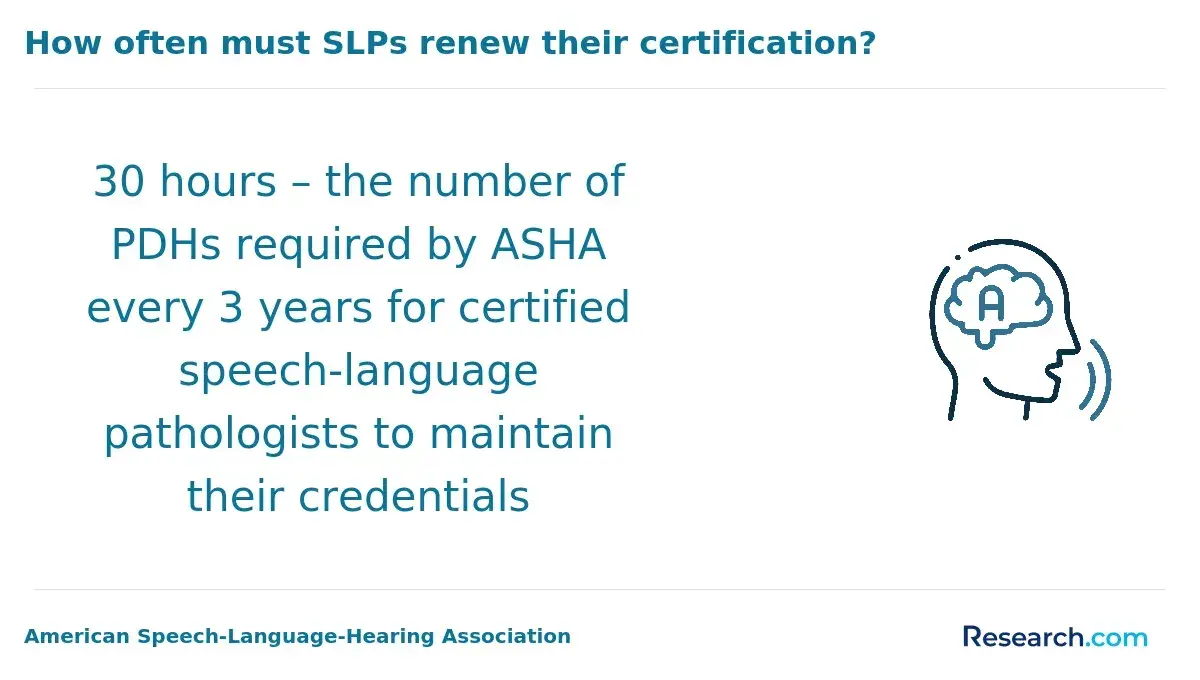
- Continuing education: Licensure and certification usually require ongoing professional development. Many states require 20–30 continuing education hours every renewal cycle, though the exact requirement depends on the jurisdiction.
- Specialized training: SLPs preparing for advanced practice may complete focused coursework, workshops, mentorship, or clinical training in leadership, neuroscience, swallowing, autism, bilingual assessment, communication disorders, or healthcare administration.
For licensed SLPs, the key is to match education to the career goal. A specialty certificate may be enough for a focused clinical niche. A doctorate may be more appropriate for tenure-track teaching or research. A management credential may be more useful for administrative leadership than another clinical credential.
How long do advanced speech pathology programs take to complete?
Advanced speech pathology programs typically take two to four years to complete, depending on degree level, enrollment status, and program format. An SLP online masters program usually requires about two years of full-time study, while doctoral programs, including PhD or clinical doctorates (SLP-D), can take three to four years.
Program length may change if a student enrolls part-time, needs prerequisite coursework, completes clinical placements at a slower pace, or chooses an accelerated option. Online coursework can improve flexibility, but it does not remove clinical training requirements. Students still need supervised practicum experiences, internships, and any required clinical fellowship components before meeting licensure expectations.
Before choosing a program, compare the calendar structure, clinical placement support, graduation requirements, and expected weekly workload. A shorter program is not always better if it limits specialization, creates scheduling conflicts, or makes it harder to complete supervised hours. A longer part-time program may be more realistic for working SLPs who need to maintain income while advancing their credentials.
How much does it cost to pursue advanced speech pathology credentials?
The cost of advanced speech pathology credentials depends on the degree, institution, residency status, delivery format, and clinical requirements. Master’s programs typically range from $30,000 to $70,000, while doctoral programs can exceed $100,000 in total tuition. These figures do not include living expenses, books, technology fees, travel to clinical sites, background checks, exam fees, or clinical fees, which can add several thousand dollars per year.
Cost should be evaluated against the role you are targeting. A high-cost doctoral program may make sense for someone pursuing research, university teaching, or senior leadership, but it may not be necessary for every clinical advancement goal. Likewise, a certificate or continuing education pathway may be more cost-effective for an SLP who wants a sharper specialty rather than a new degree.
- Compare total cost, not just tuition: Include fees, commuting, lost work hours, clinical placement travel, and exam-related expenses.
- Ask about employer support: Some hospitals, school districts, clinics, and rehabilitation facilities offer tuition assistance, professional development funds, or reimbursement for approved training.
- Look for scholarships and grants: Institutional aid, professional association awards, and state workforce programs may reduce out-of-pocket expenses.
- Consider opportunity cost: Full-time study may speed completion but reduce income during enrollment. Part-time study may take longer but preserve employment and benefits.
- Estimate return on investment carefully: Consider likely salary growth, promotion potential, geographic mobility, and whether the credential is required for the role you want.
What are the top specializations in speech-language pathology?
Top speech-language pathology specializations include pediatric services, medical speech pathology, fluency and voice disorders, dysphagia therapy, and bilingual or multicultural practice. The strongest specialization for an individual SLP depends on preferred population, work setting, local demand, and tolerance for medical, educational, or business responsibilities.
- Pediatric speech pathology: Pediatric SLPs diagnose and treat speech, language, social communication, and feeding-related concerns in children. This path often fits professionals who enjoy family collaboration, early intervention, school-based services, and developmental assessment.
- Medical or clinical speech pathology: SLPs in hospitals, rehabilitation centers, skilled nursing settings, and outpatient clinics often work with patients recovering from strokes, brain injuries, neurological disease, or other conditions affecting communication and swallowing.
- Fluency and voice disorders: These specialists support clients with stuttering, vocal strain, resonance issues, and other speech production concerns. The work may involve behavioral therapy, vocal hygiene, technology, and collaboration with medical providers.
- Swallowing therapy: Dysphagia specialists evaluate and treat swallowing difficulties in patients with conditions such as Parkinson’s disease, head injuries, or post-surgical complications. This area often requires strong medical knowledge and careful documentation.
- Bilingual or multicultural speech pathology: Bilingual and culturally responsive SLPs help ensure that assessment and intervention reflect a client’s language background, cultural context, and communication environment.
When choosing a specialization, look beyond interest alone. Consider whether the specialty has enough referral volume in your region, whether you need additional supervised experience, whether the work setting matches your lifestyle, and whether the specialty supports your desired salary, flexibility, or leadership path.
Which industries hire advanced speech pathologists?
Advanced speech pathologists are hired across healthcare, education, private practice, government, nonprofit, research, consulting, and professional services settings. Each industry offers different trade-offs in pay structure, schedule, autonomy, caseload type, benefits, documentation demands, and advancement potential.
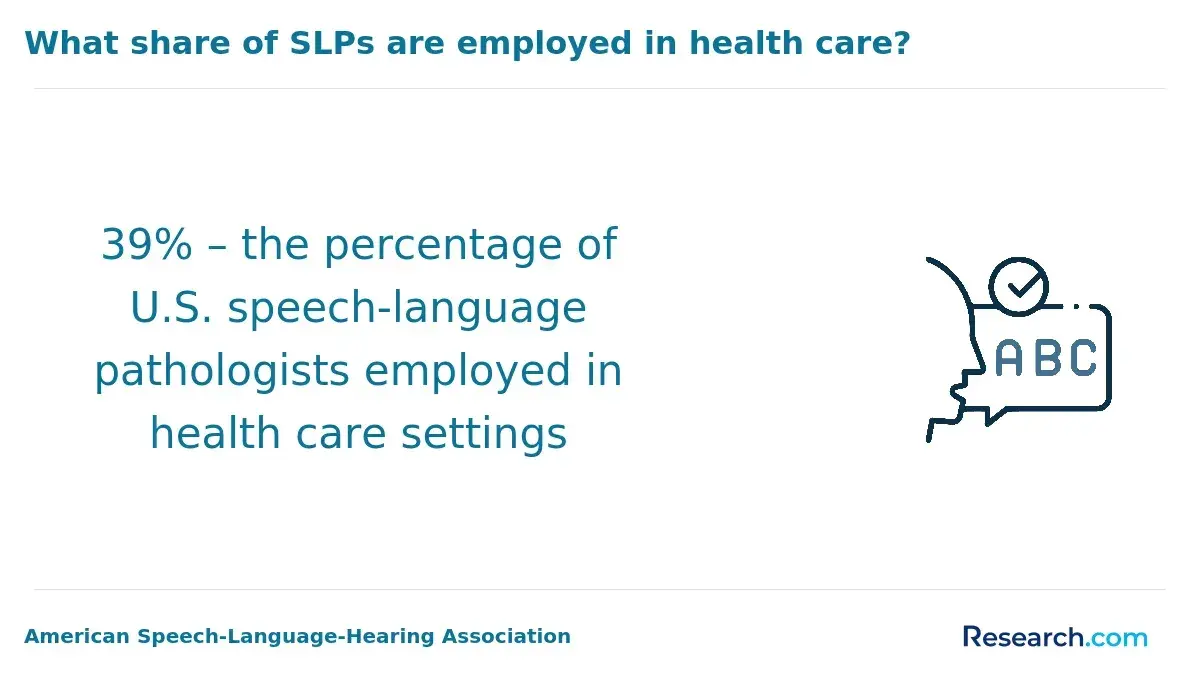
- Healthcare facilities: Approximately 44% of speech pathologists are employed in healthcare settings, including hospitals, rehabilitation centers, and outpatient clinics. These roles may offer exposure to complex medical cases, interdisciplinary teams, and specialized rehabilitation programs.
- Educational institutions: Around 30% work in educational settings such as public and private schools, providing services to students with speech and language disorders. School-based SLPs often work with IEP teams, teachers, families, and administrators.
- Private practices: About 25% are employed in private practice settings, where they can manage their own caseloads and potentially earn higher incomes. Private practice may also require billing, marketing, payer relations, and business management.
- Government and nonprofit organizations: A smaller percentage, approximately 3%, work in government agencies or nonprofit organizations, contributing to public health initiatives and community-based services.
- Professional services: Around 3% are employed in professional, scientific, and technical services, which may involve research, consulting, telepractice support, product development, expert review, or specialized clinical services.
SLPs seeking advancement should compare industries by daily responsibilities, not title alone. A senior role in a school district may involve compliance and program coordination, while a senior role in a hospital may emphasize acute care protocols, staff supervision, and clinical outcomes. The best setting is the one that matches your clinical strengths and long-term career priorities.
What is the average salary for advanced speech-language pathologists?
Licensed speech pathologists earn an average of $97,267 per year, or about $47 per hour in the United States. Actual compensation varies by experience, location, employer type, specialization, work schedule, and whether the SLP holds advanced credentials or supervisory responsibilities.
- Experience level: Speech pathology salary typically rises with years of experience. For example, less than one year earned about $95,312, while over eight years reached about $101,234.
- Geographic location: State and metro area cost of living affects pay, such as California, averaging around $107,286, and Alaska at about $105,292.
- Industry or work setting: Salaries differ by employer type and setting. For instance, professionals in major cities like San Francisco can earn over $121,000 annually.
- Education and credentials: Advanced degrees, specialist certifications, and strong clinical documentation can improve competitiveness. Master’s-degree holders form over 90% of the field.
- Specialization and role complexity: Roles with higher responsibility or unique specializations, such as bilingual SLP or teletherapy, often provide stronger compensation potential than entry-level generalist roles.
Salary should be evaluated alongside benefits, caseload expectations, productivity requirements, paid documentation time, continuing education support, retirement contributions, and schedule flexibility. A higher hourly rate may not be the best offer if it comes with unstable hours, unpaid administrative work, or limited clinical support.
What continuing education and professional development options exist?
Continuing education helps speech pathologists maintain licensure, keep clinical practice current, and prepare for specialization or leadership. The most useful professional development plan is targeted: it should close a specific skill gap, support a credential requirement, or prepare the SLP for a clearly defined role.
- ASHA workshops and seminars: American Speech-Language-Hearing Association events can help SLPs learn about emerging research, clinical techniques, ethics, supervision, and practice management.
- Online CEU courses: Accredited online courses provide flexible ways to earn required continuing education units while balancing work, family, and clinical responsibilities.
- Specialty certifications: Training in areas such as dysphagia, autism, or voice disorders can strengthen clinical expertise and improve professional credibility.
- Professional conferences: Conferences offer networking, exposure to new tools and therapies, and sessions led by experienced clinicians, researchers, and administrators.
- Employer-sponsored training: Healthcare facilities, school districts, and clinics may provide in-house workshops, compliance training, mentorship programs, or reimbursement for approved external courses.
- Mentorship and supervision training: SLPs who want to supervise clinical fellows, graduate students, or junior staff should build skills in feedback, documentation review, ethical supervision, and conflict management.
Avoid choosing CEUs only because they are convenient or inexpensive. Prioritize courses that are evidence-based, relevant to your caseload, accepted by your licensing board or certifying body, and applicable to your next career move.
How can licensed speech pathologists get started in career advancement?
Licensed speech pathologists can begin career advancement by identifying a target role, comparing required credentials, and building a step-by-step plan for experience, training, networking, and documentation. The goal is to avoid random professional development and instead make each credential or job move support a clear outcome.
- Assess your goals: Decide whether you want deeper clinical expertise, leadership, research, teaching, consulting, telepractice, or private practice. Clear goals make it easier to choose the right certification, degree, work setting, or mentor.
- Confirm education and licensure requirements: Make sure you meet the required degree, state licensure, and, when applicable, ASHA certification expectations. Professionals considering accelerated or combined pathways can compare 5 year SLP programs when planning long-term education routes.
- Gain diverse clinical experience: Work with different populations, diagnoses, service delivery models, and interdisciplinary teams. Broad experience can clarify which specialization is worth pursuing.
- Seek mentorship and networking opportunities: Connect with senior SLPs, clinical directors, faculty, private practice owners, and professional associations. Mentors can help you understand the hidden requirements of advanced roles.
- Engage in focused continuing education: Choose workshops, certificates, and training programs that align with your target role rather than collecting unrelated CEUs.
- Track outcomes and accomplishments: Keep records of program improvements, supervision experience, successful initiatives, specialized caseloads, presentations, and measurable clinical contributions. These details strengthen resumes, promotion requests, and leadership applications.
A strong first move is to review job postings for the role you want, then list the credentials, experience, and skills that appear repeatedly. That list becomes your advancement roadmap.
How can speech pathologists pursue leadership and management roles?
Speech pathologists can move into leadership by combining clinical credibility with management skills. Strong leaders understand patient care, but they also know how to supervise staff, manage documentation standards, support compliance, improve workflows, communicate with executives, and evaluate outcomes.
- Clinical director roles: Experienced SLPs may manage therapy departments, oversee staff, review quality standards, support compliance, and coordinate services across teams.
- Program manager positions: SLPs can lead specialized programs in early intervention, school-based therapy, rehabilitation, telepractice, dysphagia care, or outpatient services.
- Supervisory responsibilities: Mentoring junior clinicians, supervising clinical fellows, reviewing documentation, and training staff are practical ways to build leadership experience before applying for formal management roles.
- Advanced degrees in management: A Master of Health Administration or MBA can help SLPs develop business, finance, operations, and strategic planning skills for executive or administrative roles.
- Professional organization leadership: Serving in associations such as ASHA or state-level groups can build visibility, expand networks, and provide experience with committees, advocacy, and policy discussions.
To prepare for management, SLPs should strengthen nonclinical skills that employers often expect from leaders: budgeting, scheduling, conflict resolution, performance evaluation, regulatory compliance, data reporting, and change management. Volunteering for committees or pilot projects can provide leadership evidence before a formal promotion is available.
What is the job outlook and future demand for advanced SLPs?
The job outlook for advanced speech-language pathologists is very strong, with employment projected to grow 15 percent from 2024 to 2034, much faster than the average for all occupations. Demand is supported by aging populations, increased awareness of speech and language disorders, and expanded use of telehealth services.
Future opportunity will not be distributed equally across all roles. Hospitals, rehabilitation centers, schools, outpatient clinics, and telepractice providers may have different hiring needs based on local population trends, reimbursement conditions, and service gaps. SLPs with specialized skills, leadership experience, bilingual capabilities, medical expertise, or strong teletherapy competence may be better positioned for competitive roles.
For long-term planning, licensed SLPs should monitor demand in their region, compare job postings across settings, and invest in credentials that match real hiring patterns. The strongest career strategy is to pair a high-demand clinical skill with evidence of results, reliable licensure compliance, and the ability to collaborate across disciplines.
Other Things You Need to Know About Career Advancement for Licensed Speech Pathologists
Yes. The ASHA Certificate of Clinical Competence in Speech-Language Pathology (CCC-SLP) requires a graduate degree, a passing score on the Praxis Speech-Language Pathology exam, and a supervised clinical fellowship. ASHA also requires ongoing maintenance through professional development, which supports advancement into leadership, specialty, and supervisory roles.
Eligibility criteria typically include holding a current speech-language pathology license and having clinical experience. Some advanced programs may require specific certifications or a certain number of practice hours. Additional prerequisites might involve completing relevant coursework or achieving a minimum GPA in previous academic studies.
References
- U.S. Bureau of Labor Statistics - Speech-Language Pathologists https://www.bls.gov/ooh/healthcare/speech-language-pathologists.htm
- ASHA EdFind - Accredited Speech-Language Pathology Programs https://find.asha.org/ed/
- O*NET OnLine - Speech-Language Pathologists https://www.onetonline.org/link/summary/29-1127.00
- Emerson College - Master of Science (M.S.) in Communication Disorders (Speech@Emerson, online) https://speech.emerson.edu/
- Maryville University - Master of Science in Speech-Language Pathology https://www.maryville.edu/masters/speech-language-pathology/
- University of North Carolina at Greensboro - Speech-Language Pathology, M.A. (Online) https://csd.uncg.edu/graduate/masters-of-arts-online/
- Auburn University, Montgomery - Master of Science in Speech-Language Pathology https://www.aum.edu/degree/ms-speech-language-pathology/
- Abilene Christian University - Master of Science in Speech-Language Pathology (Online) https://acu.edu/academics/graduate/master-of-science-in-speech-language-pathology/