2027 Online SLP Programs That Don't Require the GRE

Co-Founder and Chief Data Scientist

Reviewed by Rhea Paul, PhD
SLP Education & Research Expert
Many aspiring students face a significant hurdle when applying to speech pathology graduate programs: the GRE requirement. Preparing for and achieving competitive GRE scores can delay enrollment and add stress, especially for those balancing work or personal commitments. This obstacle may deter capable candidates from pursuing their career transition promptly. Additionally, some programs with strict GRE expectations limit access for non-traditional students who seek flexible learning options.
This article explores online speech pathology programs that waive the GRE, highlighting flexible, accredited pathways designed to help prospective students advance their education without this common standardized testing barrier.
Key Things You Should Know
- Many accredited online SLP programs no longer require the GRE, increasing accessibility and reducing application barriers for diverse candidates in 2026.
- These programs emphasize clinical practicum and ASHA accreditation, ensuring graduates meet certification requirements without standardized test prerequisites.
- Enrollment in GRE-optional SLP programs rose by over 20% from 2024, reflecting growing demand for flexible, test-optional graduate education paths.
What are online Speech-Language Pathology master's programs that don't require the GRE?
Online speech-language pathology master's programs without a GRE requirement have become more widely available to address workforce shortages and increase accessibility. These accredited online speech pathology graduate programs no GRE needed offer alternatives for applicants who find standardized tests stressful or restrictive. In 2025, ASHA reported a 4.2% rise in new clinical fellows, underscoring the need for expanded training options.
Institutions like the University of Wisconsin-Madison and University of Northern Colorado provide fully accredited programs designed for working professionals. Some public universities, such as the University of Cincinnati, waive GRE requirements for candidates meeting specific GPA or experience thresholds. Admissions typically consider holistic factors including interviews, letters of recommendation, and personal statements.
Prospective students should confirm CAA accreditation to ensure licensure eligibility and evaluate program length, clinical practicum opportunities, and state authorization for post-graduate practice. Key benefits include faster application processing, lower costs, flexible start dates, and tailored support services for online learners balancing career and study.
For those seeking accessible program options, exploring online SLP masters can reveal affordable and flexible pathways into the profession.
What are the accreditation standards for online SLP degree programs in the United States?
Accreditation requirements for online speech language pathology programs in the United States focus heavily on the Council on Academic Accreditation in Audiology and Speech-Language Pathology (CAA), which operates under the American Speech-Language-Hearing Association (ASHA). For prospective students seeking how to verify US accredited online SLP degree programs, CAA approval is crucial since it ensures programs meet strict educational and clinical standards necessary for licensure and certification.
Programs must align with CAA guidelines on coursework, clinical practicum hours, faculty qualifications, and assessments. Without this specialized accreditation, graduates may be ineligible to take the Praxis exam or obtain state licensure, regardless of any regional institutional accreditation. For example, Emerson College's CAA-accredited online SLP program achieved a 98% Praxis pass rate, well above the national average of 82%, highlighting the advantages of rigorous accreditation.
Students should also confirm that clinical practicum opportunities are available within their state, as local supervised experience is essential for licensure requirements. Finding programs that explicitly meet both CAA and state board criteria helps avoid professional setbacks. Those exploring a career in this field can learn more about what does a speech pathologist do to better understand the profession's demands and rewards.
What coursework and clinical requirements do online SLP programs typically include?
Online slp program coursework and clinical practicum combine didactic learning with hands-on experiences to meet certification standards. Courses generally cover anatomy and physiology of speech and hearing, phonetics, language development, neuroanatomy, and disorders affecting speech, language, and swallowing. Advanced classes often focus on evidence-based assessment, intervention strategies, multicultural considerations, research methods, and professional ethics.
Typical clinical requirements for online speech pathology degrees include at least 400 clock hours of supervised practicum, aligned with American Speech-Language-Hearing Association (ASHA) standards. These hours balance direct client interaction and observation, often through local placements or virtual clinical simulations. Students gain experience working with diverse populations, from children with developmental delays to adults recovering from stroke.
For instance, a program might mandate 375 hours of supervised clinical practice, with a minimum of 325 hours devoted to direct treatment and evaluation. Coordination with site supervisors for evaluation and feedback is essential. This practical training is crucial for mastering skills and achieving eligibility for licensure and ASHA certification.
The economic value is clear: the median salary for speech-language pathologists in California reached $105,890 in recent BLS data, 28% above the national median. Those seeking accelerated paths may explore 5 year speech pathology programs that integrate comprehensive coursework and clinical practicum to foster readiness for diverse clinical roles.
Online SLP programs differ significantly from campus-based options in how clinical practicum experiences are structured and supervised. Both require students to complete supervised clinical hours, but online programs rely on students to secure local practicum placements that comply with accreditation and state licensure standards. This aspect of online SLP programs clinical practicum differences demands proactive planning and coordination by students.
Campus-based programs typically provide practicum experiences at on-site or university-affiliated clinics, offering immediate faculty mentorship. In contrast, online programs use a remote supervision model combining in-person clinical hours with tele-supervision, where licensed clinicians provide feedback via video conferencing. This hybrid approach adds flexibility but requires strong communication and reliable technology.
Key factors to consider regarding clinical practicum requirements in campus vs online SLP programs include:
- Ensuring practicum sites provide a diverse caseload to meet ASHA's clinical competencies.
- Confirming state licensing boards accept remote supervision protocols.
- Being prepared for travel if local clinical sites are scarce.
NYU Steinhardt reported a 95% employment rate within six months after graduation, highlighting the importance of quality practicum experiences in achieving job readiness, especially in competitive urban areas. Prospective students should assess program support for clinical placements and logistical compatibility with their career goals.
For those researching entry options, exploring the easiest online SLP programs to get into can provide useful insights into different program demands and structures.
Online slp programs that waive GRE requirements focus on a holistic review of academic and professional qualifications. Applicants typically need a bachelor's degree from an accredited institution with a GPA between 3.0 and 3.5. Common prerequisite courses include communication sciences, anatomy, physiology, and linguistics. Many programs also request official transcripts, letters of recommendation, and a personal statement showcasing commitment to speech pathology.
Relevant clinical or volunteer experience is often valued but not always mandatory. For instance, Pepperdine University's online slp program, which does not require GRE scores, emphasizes strong academic performance and potential for professional success. Some schools replace the GRE with structured interviews or additional writing samples to evaluate communication skills and motivation.
International students usually must submit TOEFL or IELTS scores to demonstrate English proficiency. Background checks and clearances may be required before starting clinical placements. Waiving the GRE reduces barriers but encourages applicants to compensate with stronger transcripts or relevant experience.
Research shows financial and career benefits for graduates from no-GRE slp programs. Georgetown University reports Pepperdine SLP alumni earned 15% higher lifetime returns on investment, averaging $2.1 million. These findings support more comprehensive admissions strategies beyond standardized test scores.
Online master's degree programs in speech-language pathology generally take between 24 and 36 months to complete. Most follow a two-year full-time curriculum combining core coursework with supervised clinical practicum hours. Part-time options, available at some universities, extend the timeline to around three years or more, offering flexibility for working professionals and those with family responsibilities.
Program duration depends on factors such as semester credit loads, availability of summer courses, and clinical placement schedules. Students taking 9 to 12 credits per semester, including summer sessions, often finish in about two years. Those balancing heavier personal commitments may extend their studies accordingly.
Clinical practicum experiences are mandatory and cannot be significantly shortened due to accreditation standards set by the Council on Academic Accreditation in Audiology and Speech-Language Pathology. These hands-on experiences are critical and distributed through the entire program to ensure competence and readiness for professional practice.
Baylor University's Speech@Baylor online program demonstrates how students can complete their degree efficiently while maintaining high standards. Their 2025 graduates achieved a 92% job placement rate within Texas and nearby states, reflecting strong regional demand with a 7% annual increase in speech-language pathology job openings, according to ASHA data.
Students should carefully evaluate program structures, clinical placement logistics, and part-time versus full-time options. Personalized planning ensures a realistic and manageable timeline suited to individual needs and career goals.
The total tuition cost for an online master's program in speech pathology typically ranges from $30,000 to $70,000, with public universities generally charging between $35,000 and $50,000. Private institutions often exceed $60,000. These variations depend on factors like program length, credit hours, and residency status. Tuition is sometimes charged per credit hour, usually between $800 and $1,500. Additional expenses-such as exam fees, books, and course materials-can add several thousand dollars to the overall cost.
Financial aid options include federal loans, grants, merit-based scholarships, and employer tuition reimbursement. The Free Application for Federal Student Aid (FAFSA) is essential for accessing subsidized loans and Pell Grants. Professional organizations, including the American Speech-Language-Hearing Association, offer scholarships targeting graduate students pursuing certification. Some states provide loan forgiveness for speech pathologists working in high-need areas.
Employer tuition reimbursement plans further reduce out-of-pocket expenses for working professionals. Graduates from programs like Nova Southeastern University Florida report an average salary of $92,500, with alumni receiving a 12% salary premium due to local demand for bilingual speech pathology services. This highlights the strong financial return on investment despite upfront program costs.
Graduates of online speech pathology programs must complete specific licensing and certification steps to practice professionally. A critical requirement is a clinical fellowship (CF), usually lasting 36 weeks, supervised by a licensed speech-language pathologist. This hands-on experience is essential for gaining real-world skills and fulfilling state licensing board standards. Obtaining the Certificate of Clinical Competence in Speech-Language Pathology (CCC-SLP) from the American Speech-Language-Hearing Association (ASHA) is highly recommended, as it signifies national professional standards and can affect job prospects and salaries.
Licensing criteria differ among states but generally include:
- Graduation from an accredited program, often approved by the Council on Academic Accreditation in Audiology and Speech-Language Pathology (CAA).
- Completion of the clinical fellowship.
- Passing the Praxis Examination in Speech-Language Pathology, a national standardized test.
- Application for state licensure, which may involve background checks and fees.
Some states also require jurisprudence exams or continuing education for maintaining licensure. Online part-time programs, such as those at James Madison University, support professionals working while earning credentials. This flexibility has contributed to a 22% rise in new speech pathologists, according to ASHA's 2025 membership trends report.
Confirming state-specific requirements early is vital to avoid delays in legal practice. Missing clinical fellowship completion or local mandates can prevent licensure and professional practice.
Job opportunities for speech-language pathologists (SLPs) continue to expand, especially in regions with aging populations. The Western U.S. noted an 18% increase in SLP job postings, driven by demand for treating conditions like dysphagia. Programs that do not require the GRE offer a faster path to entering the workforce, benefiting candidates seeking expedited credentialing.
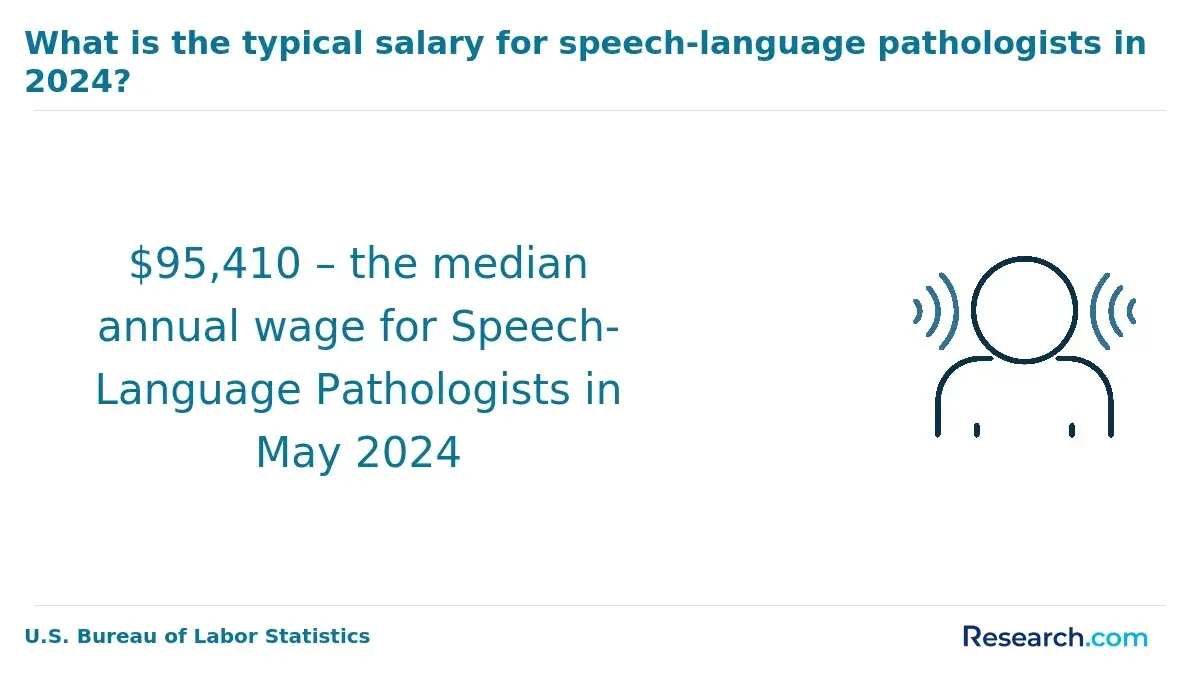
Salary varies widely based on location, experience, and workplace. Median annual wages are about $82,000, but in metropolitan areas or hospitals, skilled SLPs can earn over $100,000. High-paying environments often include hospitals, outpatient care, and skilled nursing facilities, while schools and private practices may offer lower wages.
SLPs focusing on older adults address critical needs such as swallowing disorders, which are increasing with longer life expectancies and conditions like stroke or neurodegenerative diseases. Pediatric speech pathology remains essential for treating communication delays in children, maintaining steady demand.
For prospective and current students, selecting programs with strong clinical training and meeting state licensure standards is vital. Online programs that waive the GRE accelerate entry into the field, a practical advantage in a competitive job market. Speech pathology offers diverse roles and a financially promising career path.
How do you choose a reputable online SLP program that meets your career and financial goals?
Selecting a reputable online SLP program that fits your career and financial goals requires careful consideration. Start by confirming accreditation from the Council on Academic Accreditation in Audiology and Speech-Language Pathology (CAA), which guarantees the curriculum meets professional standards and qualifies graduates for certification and licensure.
Evaluate clinical practicum opportunities, ensuring the program offers diverse, supervised hands-on experiences vital for skill development. Consider costs transparently, including tuition, fees, and required materials, and look for flexible payment plans or financial aid options.
Compare programs based on graduate employment rates and starting salaries, as strong employer connections can accelerate career progress. Pay attention to graduation timelines and formats-full-time, part-time, or accelerated-to balance your course load with personal commitments.
The field is growing rapidly; the American Speech-Language-Hearing Association projects a 17% increase in SLP employment from 2025 to 2035, adding about 33,100 jobs annually. Notably, no-GRE online programs attracted 35% of new enrollees in 2025, reflecting broader accessibility.
Assess faculty expertise and student support services, such as career counseling and tech assistance. Reviewing alumni testimonials helps gauge real-world outcomes. Comprehensive research will guide you toward an online SLP program aligned with your professional and financial needs.
Other Things You Should Know About Speech Pathology
Financial aid for 2027 online SLP programs not requiring the GRE includes federal loans, state grants, and private scholarships. Eligibility often depends on need and academic performance. Specific aid details can be found through each program's financial aid office, ensuring accessible opportunities for qualified candidates.
Most states require a master's degree from a CAA-accredited program, a passing score on the Praxis Speech-Language Pathology exam, and supervised clinical fellowship hours before full licensure. State boards set the final rules, and ASHA certification is separate from licensure.
Yes, maintaining licensure as a speech pathologist requires ongoing professional development and continuing education. Most states and ASHA mandate accumulating a set number of continuing education units (CEUs) every few years. This ensures clinicians stay current with evolving best practices, new research, and technological advances in the field.
- U.S. Bureau of Labor Statistics - Speech-Language Pathologists https://www.bls.gov/ooh/healthcare/speech-language-pathologists.htm
- ASHA EdFind - Accredited Speech-Language Pathology Programs https://find.asha.org/ed/
- O*NET OnLine - Speech-Language Pathologists https://www.onetonline.org/link/summary/29-1127.00
- New York University - Online MS, Communicative Sciences and Disorders (Speech@NYU) https://steinhardt.nyu.edu/degree/online-ms-communicative-sciences-and-disorders
- Maryville University - Master of Science in Speech-Language Pathology https://www.maryville.edu/masters/speech-language-pathology/
- California State University-East Bay - Online Master of Science in Speech-Language Pathology https://ce.csueastbay.edu/programs/speech-language-pathology/
- California State University-San Marcos - Online MS in Speech-Language Pathology https://www.csusm.edu/slp/programs/mastersonline/index.html
- Auburn University, Montgomery - Master of Science in Speech-Language Pathology https://www.aum.edu/degree/ms-speech-language-pathology/