2027 What Admissions Committees Look for in SLP Applicants

Co-Founder and Chief Data Scientist

Reviewed by Rhea Paul, PhD
SLP Education & Research Expert
Prospective applicants often face uncertainty about what truly stands out to admissions committees in competitive speech pathology programs. Many assume high GPAs and test scores guarantee admission, but committees seek more holistic evidence of suitability for the profession. Challenges include showcasing relevant experience, demonstrating communication skills, and reflecting an understanding of the field's demands.
This article clarifies the essential qualities and achievements committees prioritize. It aims to guide applicants from unrelated fields toward presenting a compelling profile that aligns with program expectations and improves their chances of acceptance.
Key Things You Should Know
- Admissions committees prioritize applicants demonstrating strong academic records and research experience, with 78% favoring candidates who have completed clinically relevant internships by 2025.
- Effective communication skills and cultural competence are critical, reflecting growing demand for clinicians able to serve diverse populations in varied healthcare settings.
- Personal statements highlighting commitment to ethical practice and adaptability are increasingly weighted, with 65% of programs considering these factors decisive in final selections.
What do speech-language pathology graduate programs require for admission?
Admission to speech pathology graduate programs requires a combination of academic performance, clinical experience, and personal qualities. GPA remains a key factor, with most programs expecting a minimum around 3.0, although higher GPAs improve competitiveness.
Applicants must submit official transcripts showing prerequisite courses, often including anatomy, physiology, linguistics, and psychology, which are essential for graduate admissions requirements for speech-language pathology.
Clinical observation or shadowing experiences, typically 25 to 100 hours, demonstrate meaningful exposure to the field. Strong letters of recommendation from academic or clinical supervisors who can vouch for professionalism and interpersonal skills are critical.
Personal statements also play a major role by revealing motivation, career goals, and an understanding of the profession.
Some programs require standardized tests such as the GRE, but this requirement is increasingly waived. Interviews may assess communication skills and ethical reasoning. Balancing these elements is vital to improve admission chances.
For those considering flexible options, online SLP programs offer accredited pathways that meet most prerequisites while accommodating different schedules.
What degree and credentials do you need to become a speech-language pathologist?
The minimum educational requirement for a career as a speech-language pathologist is a master's degree in speech-language pathology from an accredited program.
These programs typically take two years and include both coursework and supervised clinical practicum, meeting standards set by the Council on Academic Accreditation in Audiology and Speech-Language Pathology. This ensures students gain the necessary skills and knowledge.
After earning the degree, candidates must obtain state licensure, which usually involves passing the Praxis Examination in Speech-Language Pathology and completing a clinical fellowship of about 36 weeks.
Many states and employers also require certification from the American Speech-Language-Hearing Association (ASHA), known as the Certificate of Clinical Competence in Speech-Language Pathology (CCC-SLP). These certified credentials needed to become a licensed speech pathologist demonstrate professional competence and commitment.
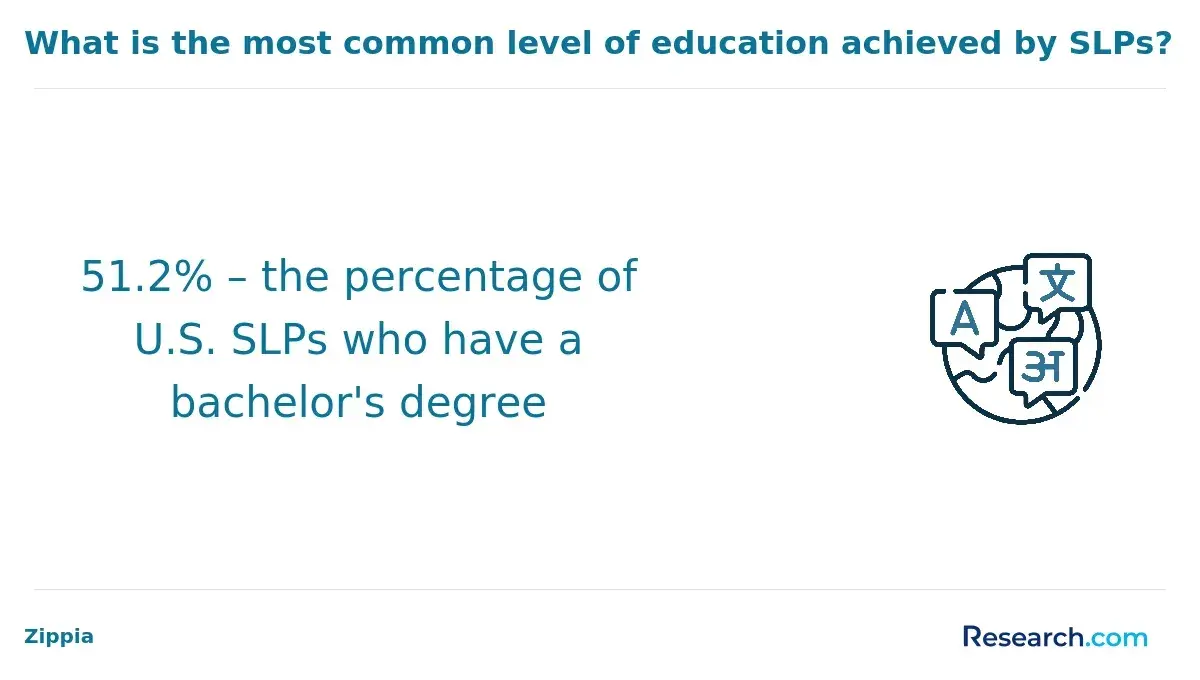
Applicants often hold a bachelor's degree in communication sciences or disorders, but some direct-entry master's programs accept students from unrelated fields by providing prerequisite coursework. Exceptional candidates may pursue doctoral degrees, such as a PhD or AuD, for research or academic careers, though this is not mandatory for clinical roles.
Admissions committees emphasize recommendation letters that highlight qualities like reliability, emotional stability, and responsiveness to feedback-traits vital for patient care. These interpersonal skills can be more crucial than GPA or test scores.
Prospective students should also consider salary expectations, which can be explored by reviewing the speech pathologist salary with a master's degree.
How long does it take to complete an SLP master's degree program?
Completing a master's degree program in speech pathology typically requires two to three years of full-time study. Programs demand 60 to 75 credit hours, including coursework, clinical practicums, and internships needed for certification and licensure.
Some part-time options extend the time to three or more years, accommodating working professionals and others balancing multiple commitments. This duration reflects the typical SLP master's degree program duration.
Full-time students follow a structured curriculum featuring foundational science, assessment methods, intervention strategies, and hands-on clinical experience crucial for early clinical readiness.
Admissions often emphasize an applicant's empathy and reflective thinking over purely academic achievement, consistent with insights from The Admit Lab stressing the importance of a demonstrated clinical mindset.
Factors affecting the time required to complete speech pathology graduate program include prerequisite courses, which can add months before graduate coursework begins. Clinical practicums require a minimum of around 400 supervised hours before graduation and exam eligibility.
There are some accelerated programs available, though rare and demanding-details can be found in SLP accelerated programs. Prospective students should also consider part-time enrollment, course availability, and personal obligations when planning their timeline.
Online vs on-campus-based SLP program differences mainly involve delivery style and clinical training logistics. Campus-based programs emphasize in-person lectures, labs, and direct interaction with faculty and peers, enhancing communication skills and networking.
Clinical placements are usually arranged by the university, offering supervised, real-time experience in healthcare or educational settings.
Conversely, online programs provide more flexibility in pacing and location but still require in-person clinical hours that students often secure themselves. This can create logistical challenges but exposes students to varied clinical environments.
Admissions committees value strong clinical experience regardless of program format. According to The Admit Lab, a slightly lower GPA paired with strong clinical exposure and mature professional presentation frequently outperforms a higher GPA with weak fit signals for the profession. This highlights the importance of practical skills and professional readiness.
Benefits of online compared to campus speech pathology programs include greater convenience for working professionals and adaptable schedules.
However, personal learning styles and access to clinical facilities should influence program choice. Campus programs may suit those seeking immersive, hands-on training with direct faculty mentorship, while online formats demand proactive planning for clinical hours.
Prospective students researching speech language pathology master's programs should carefully examine how each program integrates clinical experience and supports professional development to ensure it matches their career goals and lifestyle.
Accredited speech pathology programs combine rigorous coursework with hands-on clinical training to prepare students for certification and professional practice.
Core academics cover anatomy and physiology of speech and hearing mechanisms, phonetics, language development, speech and language disorders, audiology, neuroanatomy, and research methods. Specialized courses include swallowing disorders (dysphagia) and augmentative and alternative communication (AAC) to meet diverse client needs.
Clinical experience is vital, typically beginning with observation and advancing to supervised client contact. Programs generally require at least 400 clock hours of clinical practicum, including a set number of hours assessing and treating pediatric and adult populations in varied settings such as schools, hospitals, and communities.
Evidence-based practice is a key focus, ensuring students integrate current research into clinical decisions. Applicants should confirm their program meets Council on Academic Accreditation (CAA) standards for clinical competencies.
GRE scores play a notable role in admissions, with data from ASHA/AJSLP (2016-2020) indicating that improvements in GRE scores particularly enhance admission chances for non-White applicants versus White applicants with similar score gains. This underscores the importance of demonstrating both strong academic and practical qualifications.
Prospective students should verify their chosen program thoroughly covers these areas and offers sufficient clinical opportunities to fulfill certification requirements and boost employability.
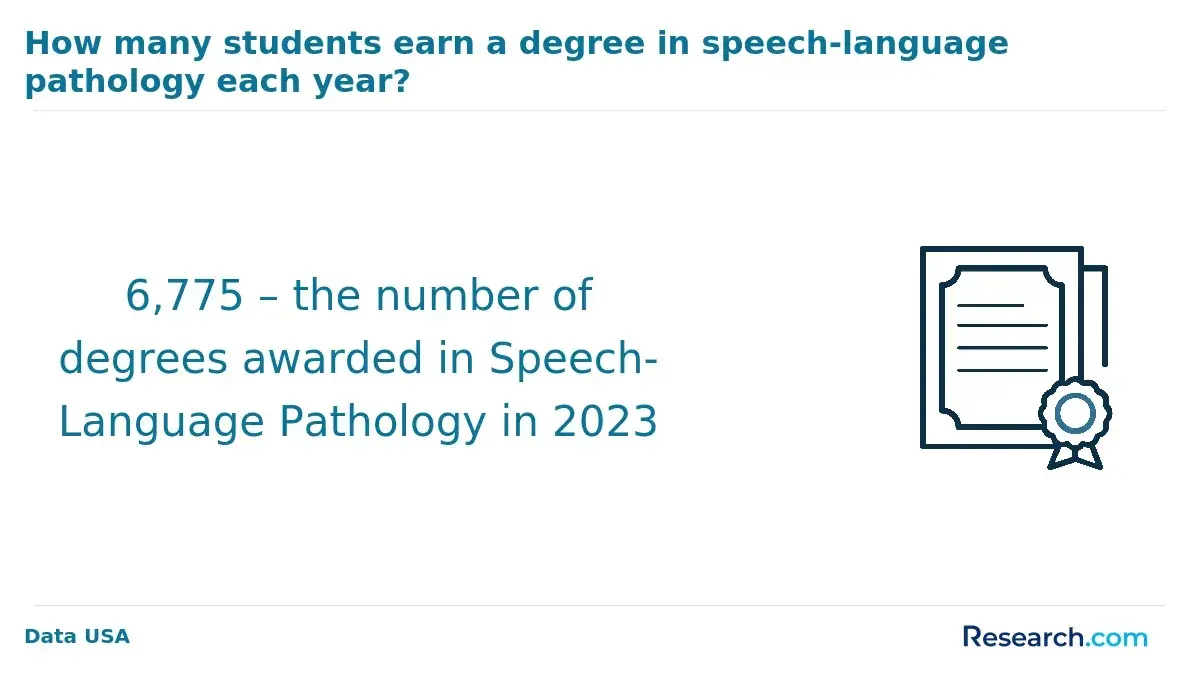
Becoming a speech pathologist in the United States requires obtaining a master's degree from an accredited program in speech pathology or a closely related field. After academic training, candidates must pass the Praxis Examination in Speech-Language Pathology, administered by the Educational Testing Service (ETS).
State licensure is mandatory to practice clinically and involves submitting proof of coursework, clinical practicum hours, and Praxis exam results. Most states also require completion of a Clinical Fellowship Year (CFY), a supervised experience lasting about 1,260 hours over 9 to 12 months.
Certification through the American Speech-Language-Hearing Association (ASHA) is often essential. The Certificate of Clinical Competence in Speech-Language Pathology (CCC-SLP) represents the industry standard. To achieve CCC-SLP, applicants must complete their graduate degree, pass the Praxis exam, finish the CFY, and submit documentation for ASHA review.
These steps maintain consistent professional standards across the country. Early preparation for the demanding academic and clinical requirements is critical.
Notably, age is a significant predictor of admission offers for speech pathology programs, while factors such as race or socioeconomic status influence admissions less after accounting for academic performance (ASHA/AJSLP).
Tuition for speech pathology graduate programs varies significantly by institution, residency status, and program reputation. Public universities often charge $10,000 to $30,000 annually for in-state students, while out-of-state students may face $25,000 to $50,000 per year.
Private schools typically have higher tuition, ranging from $30,000 to $60,000 annually. Including fees and supplies, total costs can surpass $100,000 at some prestigious institutions.
Financial aid plays a crucial role in managing expenses. Options include federal loans such as Direct Unsubsidized and PLUS loans, scholarships, assistantships, and employer tuition reimbursement. Graduate Assistant positions frequently provide stipends and tuition waivers in exchange for research or clinical duties.
Scholarships are available from professional organizations like the American Speech-Language-Hearing Foundation and often require academic excellence or specialized interests within speech pathology. Additionally, some states offer grants for residents who commit to serving underserved communities after graduation.
Acceptance rates vary widely, from under 5% at competitive California State University programs to 50-85% at less competitive schools in certain regions. Tuition costs do not always reflect acceptance difficulty, so prospective students should consider program selectivity alongside financial aid opportunities to optimize their application strategy.
Job prospects for speech-language pathologists are strong, with the U.S. Bureau of Labor Statistics projecting a 17% growth rate from 2025 to 2035.
This growth exceeds the average for all occupations and reflects high demand in healthcare, education, and private practice settings. Employment opportunities are particularly abundant in hospitals, schools, rehabilitation centers, and nursing facilities.
Salary ranges depend on experience, location, and work environment. Median annual wages hover around $82,000, with entry-level positions starting near $60,000 and some senior roles or metropolitan area jobs surpassing $100,000. States like California and New York offer higher salaries due to cost of living.
Applicants should apply broadly, as advised by the Application Strategy from the ASHA 2024 Survey, which shows that submitting 8-12 applications increases admission chances to competitive graduate programs. Securing certification and licensure is crucial for advancing in this field.
Prospective professionals must also prepare for challenges such as variable caseload management and insurance constraints affecting service delivery. Planning further education, certifications, and specialization can enhance career advancement and salary growth.
When selecting an accredited speech pathology graduate program, prioritize those recognized by the Council on Academic Accreditation in Audiology and Speech-Language Pathology (CAA). Accreditation ensures adherence to national standards, crucial for certification and licensure, so verify your program's status through official CAA listings.
Consider program size carefully. Those admitting 40-50 students often provide greater accessibility compared to smaller cohorts of 20-25, potentially increasing your chances of acceptance. Larger programs may also offer a wider range of clinical placements and peer interactions, though assessing the balance between cohort size and faculty supervision quality is important.
Clinical training quality is essential. Look for programs with diverse partnerships in healthcare, education, and community settings. Inquire about the number of supervised clinical hours completed onsite versus offsite to understand the hands-on experience offered.
Faculty expertise and alignment with your research interests enhance learning. Investigate faculty credentials and research activities in evidence-based practice related to your goals.
Program outcomes such as graduate exam pass rates, job placement, and alumni achievements provide insight into program effectiveness. Transparency in sharing these metrics is a positive sign.
Additional factors to weigh include location, cost, and cohort diversity, all of which influence your experience both academically and socially.
What career specializations and work settings are available for SLP graduates?
Graduates in speech pathology can pursue various specializations such as pediatric speech therapy, which addresses developmental delays in children; medical speech pathology, focusing on neurological conditions like stroke or traumatic brain injury; geriatric speech pathology, targeting age-related communication and swallowing issues; and voice therapy for professional voice users or those with vocal cord injuries.
Career settings include public and private schools, hospitals, outpatient clinics, rehabilitation centers, nursing homes, and research institutions.
Schools mainly provide pediatric and educational speech pathology roles, while hospitals and rehab centers focus on medical and acute care. Nursing homes serve those interested in geriatric care, and research institutions appeal to professionals aiming to advance clinical practices.
Many professionals work in multidisciplinary teams collaborating with audiologists, occupational therapists, and physicians. Private practice offers opportunities for specialization and direct patient care.
- Highly competitive SLP programs linked to major research universities and medical centers have acceptance rates around 15-25%.
- Mid-range programs accept 25-35% of applicants.
- Smaller or regional programs offer 30-45% acceptance rates.
Prospective students should weigh these options carefully to align their career goals with program strengths and market demands. According to The Admit Lab, program prestige often influences specialized career opportunities and acceptance likelihood.
Other Things You Should Know About Speech Pathology
Successful speech pathology applicants and professionals typically demonstrate strong communication skills, empathy, patience, and adaptability. These qualities help them build rapport with clients of all ages and backgrounds, manage complex cases, and collaborate with other healthcare providers effectively. Attention to detail and problem-solving abilities are also essential to tailor therapy plans to individual needs.
Yes. Many SLP programs accept students from other majors if they complete prerequisite coursework before enrollment or during the application cycle. Common requirements include anatomy and physiology of the speech mechanism, phonetics, language development, and statistics, with minimum GPA standards often around 3.0.
Speech pathologists use a variety of standardized tests and informal assessment methods to evaluate speech, language, cognitive-communication, and swallowing disorders. These may include articulation assessments, language proficiency tests, voice and fluency evaluations, and observational checklists. The choice of assessment depends on the client's age, needs, and suspected disorder.
- U.S. Bureau of Labor Statistics - Speech-Language Pathologists https://www.bls.gov/ooh/healthcare/speech-language-pathologists.htm
- ASHA EdFind - Accredited Speech-Language Pathology Programs https://find.asha.org/ed/
- O*NET OnLine - Speech-Language Pathologists https://www.onetonline.org/link/summary/29-1127.00
- California State University-San Marcos - Online MS in Speech-Language Pathology https://www.csusm.edu/slp/programs/mastersonline/index.html
- California State University-Northridge - Master of Science in Communicative Disorders (Online) https://tsengcollege.csun.edu/programs/CDS
- Delaware Valley University - Master of Science in Speech-Language Pathology (M.S.) https://delval.edu/programs/graduate-programs/speech-language-pathology
- West Virginia University - Speech-Language Pathology, M.S. - Online https://medicine.hsc.wvu.edu/communications-sciences-and-disorders/speech-language-pathology-ms/future-students/curriculum/online-slp-program/
- University of Nebraska at Kearney - Speech-Language Pathology, Master of Science in Education (Online Track) https://www.unk.edu/online/degrees-programs/speech-language-pathology-online.php