2027 Online SLP Programs With Thesis and Non-Thesis Tracks

Co-Founder and Chief Data Scientist

Reviewed by Rhea Paul, PhD
SLP Education & Research Expert
Many prospective students face uncertainty when choosing between thesis and non-thesis tracks in online slp programs. This decision often hinges on career goals, time commitment, and research interests. For those transitioning from unrelated fields, balancing coursework with professional or personal responsibilities adds complexity.
Understanding the distinctions and implications of each track can clarify the path toward certification and employment. This article explores accredited online slp programs offering both options, highlighting program structures, benefits, and potential outcomes. It aims to guide readers in selecting a track that aligns with their academic goals and career aspirations in speech pathology.
Key Things You Should Know
- In 2026, online SLP programs increasingly offer both thesis and non-thesis tracks, catering to diverse student goals: research-oriented and clinically focused career paths.
- Accredited online programs maintain rigorous clinical practicum requirements, with over 80% of graduates passing the ASHA National Examination on their first attempt.
- Costs for online SLP graduate programs vary widely, but many schools provide financial aid and scholarships specifically for speech pathology students, helping manage tuition expenses.
What Are Online SLP Programs With Thesis and Non-Thesis Tracks?
Online SLP graduate programs with thesis and non-thesis options provide two main pathways for completing speech pathology studies. The thesis track involves original research, requiring students to develop a research question, gather and analyze data, and defend a formal thesis. This route is ideal for those interested in academic careers, research roles, or doctoral studies.
In contrast, distance learning speech pathology programs offering thesis and non-thesis tracks often allow students to choose a non-thesis option that focuses on coursework and clinical training without a research component, which suits learners aiming for quicker entry into professional practice.
Both tracks meet accreditation standards and prepare students for certification, such as the CCC-SLP credential. Many programs include synchronous sessions, asynchronous content, and virtual clinical simulations, making education flexible for working professionals or those in remote areas. Hybrid models allow local clinical placements combined with online coursework and thesis support.
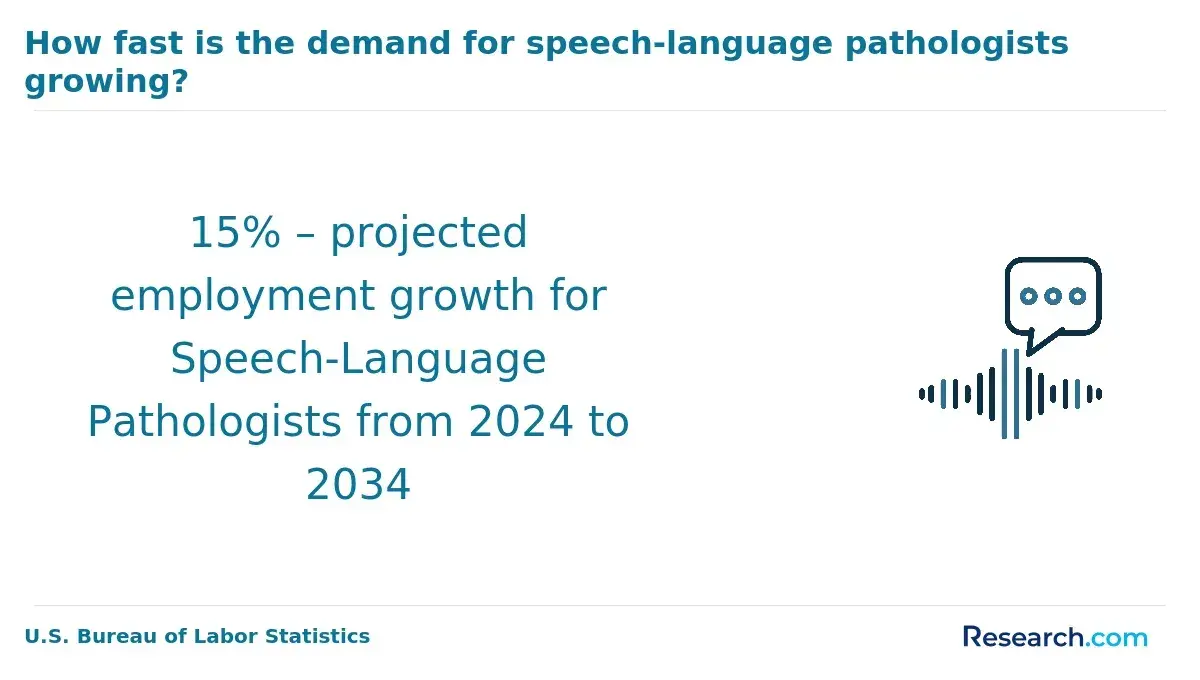
Choosing between these options depends on individual career goals, research interest, and time availability. Students in the thesis track should be prepared for a longer timeline and deeper research involvement, while non-thesis students often benefit from a faster route to licensure and employment. Employment prospects in this field are strong, with a projected growth rate of 17% from 2025 to 2035, much faster than average.
For those exploring accessible online options, reviewing the easiest online SLP programs to get into can provide helpful insights and pathways.
Thesis vs Non-Thesis Tracks in Online SLP Programs?
Thesis and non-thesis options in online speech pathology programs serve different academic and professional objectives. The thesis track centers on original research, requiring a formal written thesis and often an oral defense. It is well suited for those targeting clinical research, academic careers, or doctoral studies, fostering advanced research and critical analysis skills.
In contrast, the non-thesis track emphasizes coursework and practical clinical experiences, usually featuring a capstone project or comprehensive exams instead of research. This pathway is ideal for students seeking faster entry into clinical practice or licensure, typically requiring fewer credits and less time.
Consider these differences when choosing between thesis vs non-thesis tracks in online speech pathology degrees:
- The thesis track prepares students for academia, research roles, and doctoral programs with in-depth research training.
- The non-thesis track focuses on hands-on clinical experience for quicker professional certification and workforce entry.
- Both options meet the academic standards set by the American Speech-Language-Hearing Association (ASHA).
Career outcomes for speech-language pathologists indicate a median annual wage of $97,870. Neither track limits earning potential; however, research experience may open specialized or higher education roles. Explore the medical SLP salary for more detailed information.
Some programs offer hybrid models allowing students to switch tracks if their goals evolve. Confirm with admissions about differences in research advisement, clinical placements, and thesis support to ensure the program aligns with your aims.
Which Accredited Universities Offer Online SLP Programs With Track Options?
Several accredited universities offer online slp programs with thesis and non-thesis options that cater to diverse academic and career goals. Institutions such as the University of Cincinnati and MGH Institute of Health Professions provide master's programs where students can choose a research-focused thesis track or a non-thesis path emphasizing clinical training. This flexibility allows students to either prepare for doctoral-level research or pursue clinical roles directly.
These track choices align with different professional routes: thesis tracks involve original research suited for those aiming for academia or research careers, while non-thesis tracks prioritize hands-on clinical practice. Some programs even permit students to switch tracks during their studies to accommodate evolving career objectives or personal circumstances.
Accredited by the Council on Academic Accreditation in Audiology and Speech-Language Pathology (CAA), schools like Florida State University and the University of North Dakota provide fully online programs with such options.
Prospective students should consider regional salary differences when selecting programs. Speech-language pathologists in states such as California and New Jersey earn over $30,000 more annually than those in lower-paying areas.
Choosing a program with strong clinical placement support in higher-paying states can improve employment outcomes and income potential. For those interested in extended study, 5-year speech pathology programs offer an accelerated path combining undergraduate and graduate coursework.
Admission criteria for online slp master's programs emphasize a bachelor's degree from an accredited institution, often in communication sciences, psychology, health sciences, or related fields. Many programs require prerequisite courses such as anatomy, linguistics, phonetics, and statistics; applicants missing these must complete them prior to enrollment.
Competitive GRE scores remain important although several schools have eased or waived this requirement recently. GPA expectations typically fall between 3.0 and 3.5.
Direct clinical experience-like volunteering or paraprofessional roles in speech therapy-is highly valued and sometimes mandatory. Strong letters of recommendation from academic and clinical supervisors support readiness for graduate study. Personal statements must express clear professional goals and a commitment to diverse populations, reflecting awareness that teletherapy is becoming a key aspect of clinical practice.
Some programs also require interviews or verification of identification for licensing purposes. International applicants face additional criteria such as TOEFL scores and credential verification. To succeed in meeting the requirements for enrolling in online speech pathology master's degrees, candidates should highlight relevant clinical exposure and adaptability to new service models.
For those seeking more guidance on program selection, reviewing a speech language pathologist degree resource can provide practical insights tailored to various admission policies and program competitiveness.
Online speech pathology programs usually take between two and three years to complete, whether students opt for a thesis or non-thesis track. The thesis track includes original research and writing a comprehensive thesis, often extending the timeline by several months. Non-thesis options typically involve additional coursework or a capstone project, allowing for a more accelerated path.
Full-time students often finish in about 24 to 30 months, while part-time schedules can extend beyond three years to accommodate professional and personal commitments. For example, a full-time non-thesis student might complete the program in 24 months, whereas a thesis track student may require 30 to 36 months depending on research demands. It is important to review each program's specific timeline carefully.
Tuition costs vary considerably, ranging from around $700 per credit hour at public universities to over $1,800 at private institutions. Longer durations and the thesis component can increase total expenses.
Choosing between the thesis and non-thesis track impacts both workload and career path: the thesis track is ideal for those pursuing research or doctoral studies, while the non-thesis track is geared toward faster entry into clinical practice.
The cost of online speech pathology (SLP) programs varies widely depending on the university, program length, and whether students choose a thesis or non-thesis track. Tuition typically ranges from $20,000 to $60,000 for the full program. Public universities tend to offer more affordable rates, especially for in-state students, with some charging between $500 and $900 per credit hour. Private schools often have higher tuition fees, sometimes exceeding $1,200 per credit hour.
Thesis tracks can increase overall costs due to extended enrollment and research requirements, while non-thesis programs are generally quicker and less expensive but may still include fees for exams or capstone projects. Additional expenses such as technology fees, textbooks, and testing can add $1,500 to $3,000 to the total cost.
Financial aid, scholarships, and employer tuition reimbursement can help reduce expenses. Some institutions also offer in-state tuition rates to online students regardless of residency, making these programs more accessible.
SLPs find employment in diverse settings including schools, hospitals, private practices, and skilled nursing facilities. Choosing a program that balances cost with career preparation is key to supporting long-term professional success without excessive debt.
- Tuition varies between $20,000 and $60,000
- Public universities charge approximately $500-$900 per credit hour
- Private institutions may exceed $1,200 per credit hour
- Additional fees total $1,500 to $3,000
- Financial aid and scholarships can reduce costs
Online SLP programs in 2026 offer a robust curriculum that balances theoretical knowledge with clinical skills necessary for professional practice. Core courses cover anatomy and physiology of speech and hearing, language development, phonetics, audiology, and communication disorders. Students gain expertise in assessment and intervention techniques for pediatric, adult, and geriatric populations.
Emphasis on evidence-based practices ensures graduates can apply current clinical methods effectively.
Programs usually provide two tracks: thesis and non-thesis. Thesis track students focus on research methodology, data analysis, and original investigations, culminating in a scholarly thesis. This path enhances critical thinking and suits those aiming for academia or research roles. Non-thesis students complete extra clinical practicums or advanced coursework, prioritizing applied skills and clinical readiness.
Supervised clinical practicum hours are integral, addressing varied communication disorders through telepractice and in-person settings. Ethical and professional standards are also emphasized, preparing students for certification. Earning the CCC-SLP credential notably boosts salary potential, highlighting the importance of meeting academic and clinical requirements.
Choosing an accredited program with comprehensive training, including a balance of coursework and practical experience, is essential for those seeking certification and a successful career in speech pathology.
An online speech-language pathology (SLP) degree can open doors to various careers in healthcare, education, and research. Graduates from thesis and non-thesis tracks qualify for clinical roles assessing and treating communication disorders in hospitals, schools, private clinics, and rehabilitation centers. Many clinical jobs require certification from the American Speech-Language-Hearing Association (ASHA), which accredited online programs support.
The thesis option is tailored for students interested in research or academic careers, often leading to doctoral programs and scientific contributions in communication sciences. The non-thesis path emphasizes applied skills for clinical practice rather than research.
Additional career opportunities include administrative and policy roles in healthcare organizations and educational systems, as well as telepractice. This flexibility reflects increased enrollment and wider acceptance of remote learning.
Speech-language pathologists serve diverse populations, including pediatric, geriatric, and neurological patients, and may specialize in augmentative and alternative communication. Median salaries in the U.S. are near $80,000 annually, with higher compensation possible in specialized or supervisory roles.
Choosing between thesis and non-thesis tracks depends on whether your career goals lean toward research and academia or clinical practice. Both routes support licensure and offer rewarding paths within the field of speech-language pathology.
The salary outlook for speech language pathology graduates remains robust, supported by steady demand across various workplaces. According to the U.S. Bureau of Labor Statistics, recent median annual wages for speech language pathologists hover around $97,870, with entry-level salaries starting near $62,900 and seasoned professionals earning more than $100,000. Factors like geographic location, work environment, and education level greatly influence these earnings.
Students enrolled in online SLP programs, whether in thesis or non-thesis tracks, benefit from essential clinical placement opportunities that are crucial for licensure and enhancing job readiness. These placements often take place in schools, hospitals, and private practices, offering diverse experiences that boost employability and salary potential.
Pay rates differ by sector:
- Schools usually provide stable, full-time roles with benefits but lower salaries.Hospitals and rehabilitation centers tend to offer higher wages due to medical skill demands.
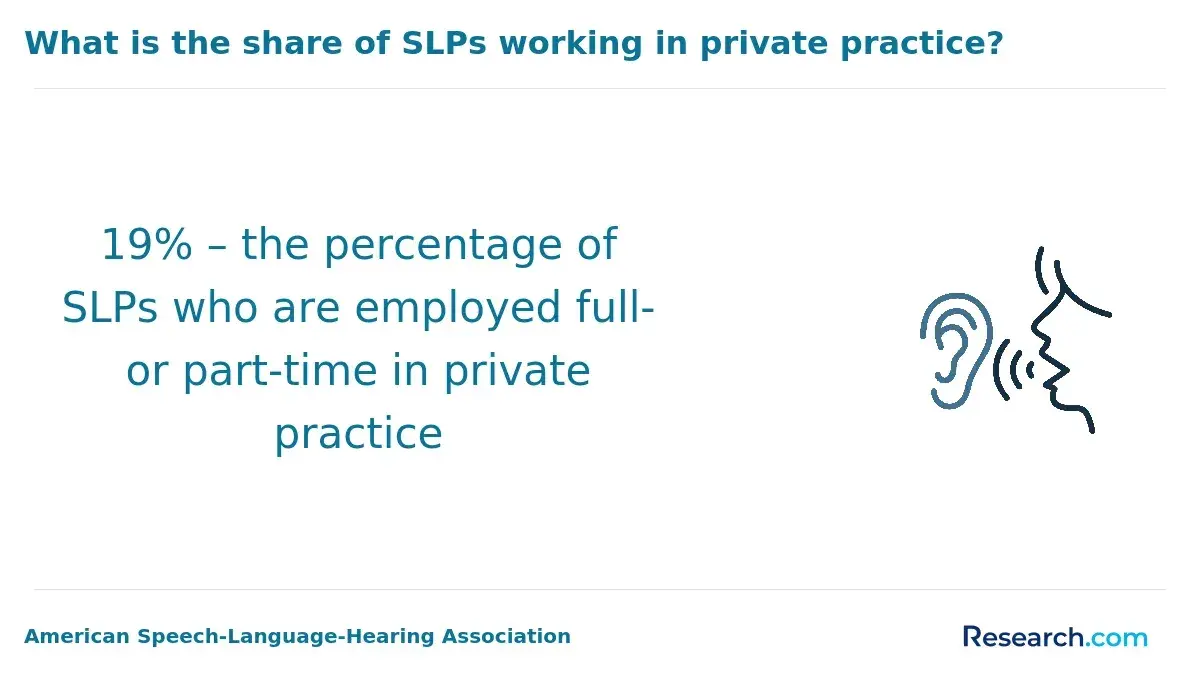
- Private practice and outpatient care often yield the highest pay, though they may involve handling business operations.
- Specialties such as pediatric, geriatric, or neurological speech pathology affect compensation, with advanced certifications and clinical experience supporting career growth.
Prospective students should weigh program costs against these salary expectations and select settings aligned with their career goals.
What Licensing Requirements Apply to SLP Graduates?
Graduates of speech pathology programs in the U.S. must fulfill several licensing requirements to practice professionally. The initial step is earning a master's degree from an accredited program, which may include thesis or non-thesis options. Afterward, candidates complete a supervised clinical fellowship lasting nine months to a year to gain practical experience under professional guidance.
Following the fellowship, passing the Praxis Examination in Speech-Language Pathology, administered by the Educational Testing Service (ETS), is essential. This national exam verifies a standardized skill level among speech-language pathologists. State licensure requirements vary but typically involve passing the Praxis, completing clinical hours, and submitting an application with associated fees.
In addition to state licensure, many states require separate licensing beyond national certification. The American Speech-Language-Hearing Association (ASHA) offers the Certificate of Clinical Competence in Speech-Language Pathology (CCC-SLP), a credential highly valued by employers and insurance companies, although not legally mandatory.
Additional licensing steps often include background checks and continuing education to maintain certification. Speech-language pathologists earn nearly 80% more than the average American worker, demonstrating strong career returns without needing doctoral studies.
Prospective students should carefully review specific state board requirements to prepare for all credentialing steps efficiently.
Other Things You Should Know About Speech Pathology
No. Many 2027 online SLP programs require about 36 to 48 credits for a non-thesis track, while thesis tracks often add 3 to 6 research credits or replace electives with thesis credits. The exact total is set by the university’s graduate catalog and accreditation plan.
Generally, thesis tracks in online SLP programs emphasize research design, data analysis, and academic writing more than non-thesis tracks. They require students to complete an original research project under faculty guidance. This prepares graduates for potential doctoral studies or research-oriented positions in the field.
Non-thesis tracks often prioritize applied clinical skills and practical experiences. Many programs integrate professional seminars, workshops, and internships that promote career readiness. Students in non-thesis tracks gain competencies valued in clinical and educational settings, even without completing a formal research project.
Yes, a master's degree in speech pathology from an accredited online program is recognized the same as one earned on-campus. Accreditation by bodies such as the Council on Academic Accreditation ensures online degrees meet identical academic standards. Employers and licensing boards treat accredited online degrees as valid credentials for professional practice.
- U.S. Bureau of Labor Statistics - Speech-Language Pathologists https://www.bls.gov/ooh/healthcare/speech-language-pathologists.htm
- ASHA EdFind - Accredited Speech-Language Pathology Programs https://find.asha.org/ed/
- Audiology and Speech-Language Pathology Interstate Compact https://aslpcompact.com/compact-map/
- University of Scranton - Master of Science (M.S.) in Speech-Language Pathology https://www.scranton.edu/academics/pcps/health-and-human-performance/programs/speech-language-pathology/index.shtml
- New York University - Online MS, Communicative Sciences and Disorders (Speech@NYU) https://steinhardt.nyu.edu/degree/online-ms-communicative-sciences-and-disorders
- Delaware Valley University - Master of Science in Speech-Language Pathology (M.S.) https://delval.edu/programs/graduate-programs/speech-language-pathology
- Pepperdine University - Master of Science in Speech-Language Pathology https://healthscience.pepperdine.edu/online-masters-in-speech-language-pathology/
- James Madison University - Master of Science (M.S.) in Speech-Language Pathology (Distance Education / Online) https://www.jmu.edu/chbs/csd/online_ms/index.shtml