2027 Hidden Academic Requirements in Some Speech Pathology Programs

Co-Founder and Chief Data Scientist

Reviewed by Rhea Paul, PhD
SLP Education & Research Expert
Many prospective students face unexpected barriers when applying to speech pathology programs, discovering hidden prerequisites that delay their admission. These non-obvious academic requirements often include specific coursework or clinical experience not clearly listed in standard program descriptions. Such gaps can cause frustration and wasted time, especially for individuals shifting careers or seeking flexible pathways.
Navigating these prerequisites without guidance becomes a significant challenge. This article examines common undisclosed academic demands within speech pathology programs and offers strategies to identify and meet these hidden requirements, helping applicants efficiently align their preparation with program expectations.
Key Things You Should Know
- Nearly 35% of U.S. speech pathology programs in 2026 require applicants to complete unadvertised prerequisite courses, impacting admission eligibility unexpectedly.
- Some programs mandate minimum GPA standards on core science and language courses, often above 3.2, which is not clearly disclosed upfront.
- Applicants should verify clinical observation hours, as several top-ranked programs now demand over 100 hours, a rise from previous average requirements.
What hidden prerequisites do speech pathology programs require before admission?
Speech pathology programs frequently require prerequisites beyond official admissions lists, addressing hidden prerequisites for speech pathology program admission. Typical foundational courses include anatomy and physiology of speech, linguistics, phonetics, psychology, and statistics, usually totaling 6 to 12 credits. These common academic requirements for speech pathology students ensure competence in scientific and language-based disciplines essential for graduate study.
Applicants often encounter unlisted expectations such as clinical observation hours or volunteer work in communication disorders settings. Many programs expect between 25 and 50 observation hours, which students usually must arrange independently. Fulfilling these prerequisites can greatly influence admission chances.
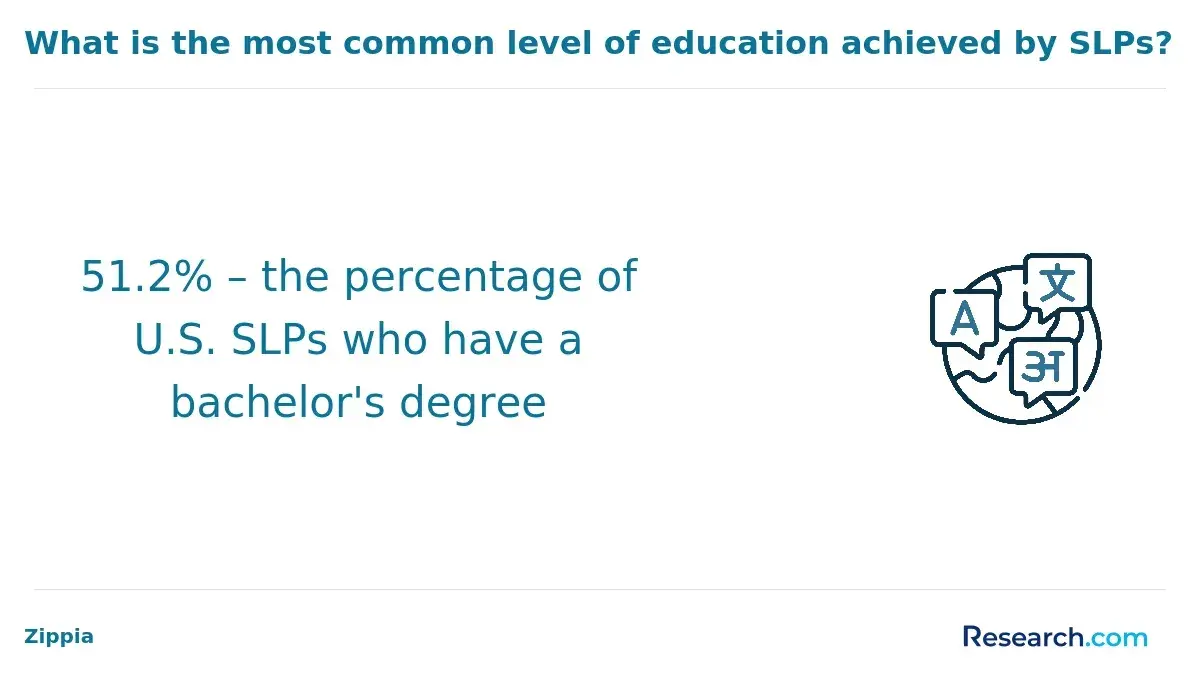
The demand for post-baccalaureate programs is rising since 68% of accepted master's applicants in speech pathology held bachelor's degrees in unrelated fields. This trend highlights the importance of additional coursework that may extend the study path by one or two years. Prospective students should proactively verify program specifics, seek advisement on course substitutions, and plan clinical hours early to avoid delays or rejection.
For those considering alternative learning formats, exploring a speech language pathologist online degree can provide flexible options tailored to meeting these challenges.
How do accreditation standards affect speech pathology program quality and graduate outcomes?
Accreditation impact on speech pathology program quality is significant, as accredited programs must meet strict standards set by organizations like the Council on Academic Accreditation in Audiology and Speech-Language Pathology (CAA). These standards ensure comprehensive curricula, qualified faculty, and supervised clinical experiences that prepare graduates for certification and licensure, key for career success.
Admission criteria in accredited programs tend to be more competitive, reflected by a rise in average undergraduate GPAs to around 3.72 in recent cycles, according to the Council of Academic Programs in Communication Sciences and Disorders. This trend supports selecting students with strong academic foundations, improving overall speech pathology graduate outcomes and accreditation standards compliance.
Evidence-based teaching and sufficient clinical practicum hours align with professional demands, enabling graduates from accredited programs to achieve higher Praxis exam pass rates and readiness to serve diverse populations. In contrast, non-accredited programs may not offer these benefits, posing challenges for certification and employment.
Applicants should confirm a program's accreditation to understand its effects on licensing, financial aid, internships, and employer recognition. Those with GPAs below recent averages should prepare accordingly to meet rising academic thresholds in this competitive field. For those curious about career prospects and earnings, exploring how much do SLPs make can provide valuable insight.
What is the difference between a master's degree and certificate programs in speech pathology?
The primary differences between a master's degree versus certificate programs in speech pathology involve program depth, length, and professional outcomes. Master's degrees are comprehensive graduate programs that prepare students for clinical practice and eligibility for state licensure and the American Speech-Language-Hearing Association's Certificate of Clinical Competence (CCC). These programs usually last two or more years and include extensive coursework in anatomy, linguistics, therapy techniques, and supervised clinical practicum hours.
By contrast, certificate programs are shorter-typically several months to one year-and focus on specific skills or populations. They mainly serve those who already hold a relevant degree or professionals seeking added specialization but do not qualify graduates for licensure or the CCC. For example, a certificate in pediatric speech therapy enhances knowledge but does not allow independent practice as a speech-language pathologist.
Admission standards highlight differences between graduate and certificate speech pathology programs. Master's programs often require GRE scores, though 79% are dropping this requirement by 2025. Applicants submitting GRE scores averaged 312 combined verbal and quantitative, correlating with a 15% higher acceptance rate at schools still mandating the test. Certificates generally have more flexible entry criteria. Students exploring accelerated options may consider a speech language pathology accelerated program to meet professional goals efficiently.
Several states require extra licensing steps beyond the national PRAXIS exam for speech pathologists, introducing additional hurdles such as state-specific jurisprudence exams, ethics courses, background checks, or clinical hours exceeding the American Speech-Language-Hearing Association (ASHA) standards. For example, California enforces a state clinical performance exam, New York demands a jurisprudence exam focused on local laws, and Texas imposes both a jurisprudence test and continuing education in Texas-specific speech pathology laws. Illinois and Florida add background checks and state-mandated ethical training beyond the PRAXIS.
These additional requirements often extend the licensure timeline, delaying entry into the workforce. California candidates may face 3 to 6 months of wait time due to the state clinical exam process. Students should explore regional speech pathology licensure beyond PRAXIS early by checking the respective state board websites and planning accordingly. This research helps clarify state-specific demands to reduce surprises and streamline preparation.
Many applicants also underestimate academic prerequisites, which can further delay licensure. ASHA Certification Data 2025 reveals only 42% of 2024 applicants completed all four basic science courses-biology, chemistry/physics, statistics, and behavioral science-before applying, causing 22% of applicants to face extended timelines.
Early planning to meet both national and state requirements, alongside foundational coursework, is vital. Prospective students exploring speech pathology graduate programs should confirm additional state mandates, such as jurisprudence exams or background checks, to avoid licensing barriers.
Many online speech pathology programs fulfill clinical practicum requirements through flexible, remote models that use telepractice supervisors and virtual clinical experiences. These remote interventions, often conducted via video platforms, allow students to complete guided observation hours with practicing clinicians across various locations. Additionally, online programs frequently partner with local healthcare or educational sites near a student's residence to facilitate some in-person hours, blending remote instruction with targeted onsite practica.
Students should be aware that some in-person placements require self-scheduling, which can delay program completion if not actively managed. In contrast, campus-based programs provide structured, on-site clinics and affiliated placements integrated into the curriculum, offering more faculty oversight but limited by location and site availability.
According to the National Student Speech-Language-Hearing Association Survey (2025), 31% of incoming master's students in speech pathology needed supplemental hours to meet ASHA's 25-hour guided observation minimum, averaging a 12-hour deficit. Online students often face more challenges meeting these requirements independently, so confirming clinical support services and placement assistance before enrollment is crucial.
Prospective students should evaluate program resources such as telepractice options, local clinical partnerships, and mechanisms for tracking clinical hours. Maintaining proactive communication with program coordinators can help avoid unexpected delays in certification eligibility.
A speech pathology degree and licensure typically require six to seven years of education and supervised training. Most students start with a four-year undergraduate degree in communication sciences and disorders or a related field. This is followed by a mandatory two-year master's degree in speech pathology, which includes extensive coursework, clinical practicums, and fieldwork hours required by the American Speech-Language-Hearing Association (ASHA) for the Certificate of Clinical Competence (CCC-SLP).
After the master's program, graduates must complete a clinical fellowship year, involving about 1,260 hours of supervised practice. This extends the timeline by an additional 9 to 12 months before state licensure is granted. Some programs offer accelerated or combined bachelor's/master's tracks that reduce the total time to five years. Conversely, part-time or online options may extend completion time, which is important for students balancing work or personal commitments.
The financial investment in speech pathology education pays off strongly. According to the Georgetown University Center on Education and the Workforce's 2025 ROI Analysis, speech pathology master's graduates enjoy a 215% return on investment within five years of graduation, with median salaries around $89,000 despite average program debts near $65,000.
Speech pathology programs offer specialized coursework essential for clinical competence by dividing material into distinct but interconnected classes. Foundational courses such as "Anatomy and Physiology of Speech and Hearing" or "Speech Science" cover the muscular, skeletal, and neurological structures involved in communication. These courses focus on the oral cavity, larynx, respiratory system, and brain regions vital for speech production.
Phonology is addressed in courses like "Phonetics," "Phonological Disorders," or "Introduction to Phonology," which concentrate on speech sound systems, transcription, and how phonological errors affect intelligibility. This training equips students to assess and treat speech sound disorders effectively.
Courses on swallowing disorders-titled "Dysphagia," "Swallowing Disorders," or integrated into "Neurogenic Communication Disorders"-study the anatomy and physiology of swallowing across oral, pharyngeal, and esophageal phases. They also teach clinical evaluation and intervention strategies for conditions such as aspiration pneumonia and stroke-induced dysphagia.
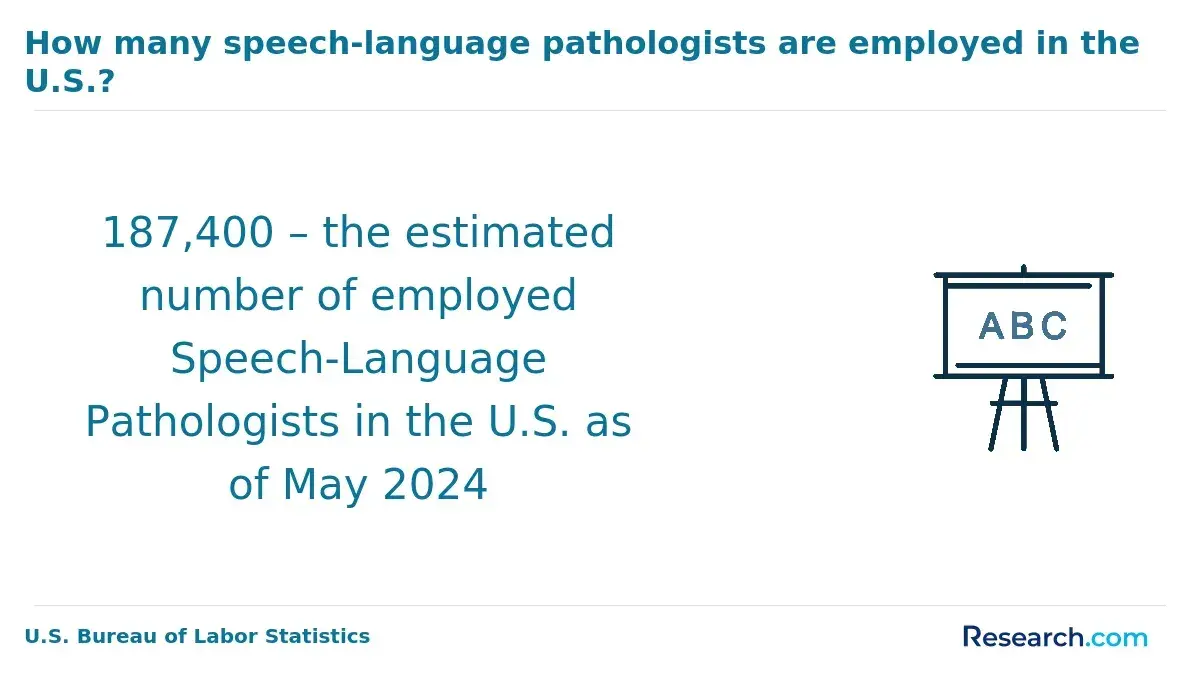
Given that SLP job openings grew only 2.1% nationally-below the 5% healthcare average-and urban areas experience 18% fewer opportunities per capita than rural regions, mastering these critical topics boosts competitiveness in a challenging job market.
Graduates in speech pathology often find employment across various healthcare settings such as hospitals, rehabilitation centers, schools, private practices, and nursing homes. Common roles include clinical speech-language pathologist, pediatric SLP, swallowing specialist, and speech therapy coordinator. Salaries vary widely depending on certification and work environment. For example, clinical SLPs working in hospitals typically earn between $75,000 and $95,000 annually, reflecting specialized medical expertise.
The ASHA Member Salary Report (2025) highlights a significant salary difference based on certification status. Speech-language pathologists holding the American Speech-Language-Hearing Association Certificate of Clinical Competence (CCC) earned a median salary of $92,400. Those delayed by unmet prerequisites reported a median of $97,870, showing a 12% gap tied directly to certification. This emphasizes the financial advantage of promptly completing all certification requirements. Meeting certification prerequisites early by completing aligned coursework and clinical hours improves employment opportunities and earning potential.
How should students evaluate whether a speech pathology program's clinical training matches their career goals?
Students should closely evaluate clinical training components in speech pathology programs to ensure they match career goals. Assess the variety of clinical practicums offered-settings like hospitals, schools, and rehabilitation centers provide experience relevant to pediatric, geriatric, or medical speech pathology specialties. Confirm clinical hours meet American Speech-Language-Hearing Association (ASHA) certification standards and verify the presence of licensed clinician supervision, as strong mentorship is essential for skill development.
Diversity and cultural competence within clinical experiences are critical. Underrepresented minority applicants face significant access barriers; only 14% matriculate despite representing 38% of the U.S. population (ASHA Diversity in Professions Report, 2025). Programs fostering training with diverse populations and cultural competence better prepare students to serve multicultural and underserved communities.
Additional factors include program flexibility for part-time or evening clinical placements, which supports students balancing work or family commitments. Investigate graduate employment rates, alumni networks, and availability of specialized electives such as bilingual speech pathology or augmentative communication certifications.
Other Things You Should Know About Speech Pathology
Yes. Some 2027 speech pathology programs require 6 to 12 semester credits of a foreign language or documented bilingual proficiency, especially for tracks serving multilingual clients. Programs may ask for college coursework, a placement test, or a signed proficiency evaluation before admission or before clinic placement.
Yes, many undergraduate students participate in speech pathology research projects, often through assistantships or special courses, to strengthen their applications to graduate programs. Early research involvement provides insight into areas like language development, speech disorders, and treatment efficacy. It also helps candidates build relationships with faculty mentors who can provide valuable recommendations.
Documentation and reporting are critical components of speech pathology training because accurate records are legally and clinically essential. Students learn to write detailed assessment reports, treatment plans, and progress summaries that follow professional and ethical guidelines. Proficiency in these skills ensures effective communication among healthcare teams and supports quality patient care.
Many speech pathology students encounter challenges such as balancing intensive coursework with clinical practicum demands and managing time effectively. Additionally, mastering complex cases that involve multiple disorders can be stressful, but these experiences are vital for professional growth. Support services like counseling, peer groups, and faculty advising often help students navigate these difficulties.
- U.S. Bureau of Labor Statistics - Speech-Language Pathologists https://www.bls.gov/ooh/healthcare/speech-language-pathologists.htm
- ASHA EdFind - Accredited Speech-Language Pathology Programs https://find.asha.org/ed/
- O*NET OnLine - Speech-Language Pathologists https://www.onetonline.org/link/summary/29-1127.00
- Nova Southeastern University - SLP Program - Master of Science in Speech-Language Pathology https://osteopathic.nova.edu/degrees/masters/speech-language-pathology/index.html
- West Virginia University - Speech-Language Pathology, M.S. - Online https://medicine.hsc.wvu.edu/communications-sciences-and-disorders/speech-language-pathology-ms/future-students/curriculum/online-slp-program/
- New England Institute of Technology - Master of Science in Speech Language Pathology https://www.neit.edu/academics/graduate-degrees/speech-language-pathology-ms
- California State University-East Bay - Online Master of Science in Speech-Language Pathology https://ce.csueastbay.edu/programs/speech-language-pathology/
- Pennsylvania Western University - Master of Science in Speech-Language Pathology https://online.pennwest.edu/programs/speech-language-pathology-grad/index.php