2027 Synchronous vs Flexible Scheduling in Online SLP Programs

Co-Founder and Chief Data Scientist

Reviewed by Rhea Paul, PhD
SLP Education & Research Expert
Applicants transitioning into speech pathology face a critical decision: choose synchronous scheduling with fixed class times or flexible scheduling that allows asynchronous learning.
This dilemma affects daily routines, work-life balance, and the ability to meet clinical hour requirements. Those managing jobs or families risk falling behind in rigid programs, while overly flexible options might lack real-time interaction necessary for skill development.
Understanding the trade-offs is essential for selecting a path that aligns with personal commitments and educational goals. This article explores the key differences between synchronous and flexible scheduling in online speech pathology programs, helping readers make informed enrollment decisions.
Key Things You Should Know
- In 2026, synchronous scheduling requires students to attend live online sessions, fostering real-time interaction but limiting flexibility for working professionals.
- Flexible scheduling allows asynchronous coursework access, enabling 65% of online speech pathology students in 2025 to balance education with employment effectively.
- Programs using hybrid models report a 20% higher student retention by combining structured live classes with self-paced learning options.
What is synchronous vs flexible scheduling in online SLP programs?
Synchronous scheduling in online speech pathology programs requires students to attend live classes or complete activities at specific times, closely aligning with traditional classroom settings.
This format demands real-time interactions through video lectures, scheduled discussions, or exams, benefiting those who thrive with structured routines and direct engagement. However, it can be challenging for working professionals balancing fixed work hours or family responsibilities.
Flexible, or asynchronous, scheduling allows access to course materials, lectures, and assignments at any time, supporting self-paced learning. This model is ideal for students managing personal and professional obligations, such as a working speech pathology professional who completes coursework during evenings or weekends.
In fact, asynchronous options often show higher appeal; data from the ASHA 2025 EdTrends Report reveals that asynchronous online speech pathology programs experienced 28% greater enrollment growth compared to synchronous formats. This trend highlights the growing importance of flexibility for diverse student lifestyles.
- Synchronous programs emphasize scheduled interactions that enhance peer and faculty communication.
- Asynchronous formats offer unmatched flexibility, particularly beneficial for those balancing work or caregiving.
- Hybrid models combine both approaches, blending scheduled sessions with self-paced learning components.
Students frequently inquire about how flexible scheduling affects networking and mentorship. While synchronous programs facilitate immediate engagement, asynchronous learners can still build connections through forums and arranged virtual meetings.
When considering these scheduling options in online speech pathology programs, evaluating program support services is essential. Prospective students seeking to compare options can explore masters in speech pathology online to find programs suited to their scheduling preferences.
What are the key differences between synchronous and flexible online SLP formats?
Synchronous vs flexible scheduling in online speech pathology programs primarily differ in timing and interaction. Synchronous formats require attendance at live sessions, such as video lectures and group discussions, promoting real-time engagement and immediate feedback.
A study published by the Journal of Medical Internet Research shows synchronous learning in health fields like speech pathology boosts student-reported relatedness satisfaction by 15%, enhancing connections with peers and instructors.
Conversely, flexible (asynchronous) formats allow students to access materials at their convenience, ideal for those balancing work or family. This includes recorded lectures and self-paced modules.
However, the same study notes a 22% lower schedule adaptability for synchronous programs, making flexible formats more accommodating for diverse time constraints.
Students exploring differences between synchronous and flexible online speech pathology formats should consider priorities like community interaction versus autonomy. Both require technical reliability and self-discipline. Some programs offer hybrid models combining live and on-demand content to maximize benefits.
For those looking ahead to careers, understanding scheduling options is essential. Career satisfaction can be influenced by how well educational formats fit lifestyle needs. To learn more about earning potential, prospective students can explore insights on speech and language pathologist salary.
Which is better: synchronous or flexible scheduling for online SLP degrees?
Flexible scheduling offers key benefits for online speech pathology degrees, especially for non-traditional students balancing work, family, or other commitments.
Data from the National Center for Education Statistics (IPEDS 2025) shows that flexible scheduling in online graduate programs increased completion rates by 18% for non-traditional students in 2024-2025 cohorts. Such flexibility significantly improves persistence and degree attainment for those whose schedules vary.
Synchronous scheduling requires students to attend live classes at specific times. This format supports students who benefit from real-time interaction and structured learning environments.
For example, those needing immediate feedback during clinical skills practice or valuing consistent peer engagement may find synchronous courses more effective.
Choosing between synchronous vs flexible scheduling benefits in online speech pathology programs depends on personal circumstances and learning preferences:
- Flexible scheduling suits working professionals who need to study during off-hours or weekends.
- Synchronous scheduling fits students who thrive with routine and direct instructor access.
- Caregiving students often benefit from flexibility to manage unpredictable demands.
- Those preparing for the Clinical Fellowship Year might prefer synchronous options for better cohort connections and mentorship.
Flexible scheduling options for online speech pathology degrees typically increase accessibility and completion rates. Synchronous formats foster structured engagement supporting some learning styles and clinical skill development more effectively.
Prospective students should carefully assess their lifestyle and career timelines to choose the best fit. For those exploring program options, the best 5 year speech pathology programs offer various flexible and synchronous scheduling choices to accommodate diverse needs.
Accreditation for online SLP program accreditation requirements in the US is governed by the Council on Academic Accreditation in Audiology and Speech-Language Pathology (CAA), part of the American Speech-Language-Hearing Association (ASHA). CAA accreditation confirms that a program meets strict standards regarding curriculum, faculty qualifications, clinical training, and student outcomes.
Graduates from programs without CAA accreditation are generally ineligible for the ASHA Certificate of Clinical Competence in Speech-Language Pathology (CCC-SLP), which is essential for professional licensure and practice.
US accredited speech pathology programs standards include compliance with CAA rules for supervised clinical hours, faculty expertise, and instructional quality. Programs may offer synchronous or flexible online delivery formats.
Research shows students in flexible tracks achieved 12% higher mean post-instruction learning scores than those in synchronous formats, reflecting significant academic benefits. Flexibility in clinical placements, part-time options, or asynchronous coursework is allowed, provided programs meet CAA's rigorous criteria.
Prospective students should confirm a program's accreditation through the ASHA website before enrolling. State licensure boards require graduation from a CAA-accredited program to issue licenses. Selecting non-accredited programs can limit career options and delay certification, sometimes requiring additional training.
For those exploring options, reviewing trusted resources like online SLP programs is advisable to find suitable and accredited pathways.
Admission to online SLP master's programs generally requires a bachelor's degree from an accredited institution, often in communication sciences, psychology, or related fields.
Applicants should submit transcripts with a minimum GPA around 3.0 and provide letters of recommendation to demonstrate readiness and professionalism. Many programs also request a statement of purpose outlining career goals in speech pathology.
Standardized tests like the GRE may be required but are increasingly waived, especially in mostly asynchronous programs designed for working professionals.
Some programs mandate 50 to 100 hours of prior clinical or volunteer experience with individuals who have communication disorders to ensure foundational familiarity before graduate studies begin.
Admission criteria can vary by program format. Synchronous programs often have stricter scheduling and course completion rules, while flexible programs emphasize self-motivation and independent learning skills. Technical requirements such as stable internet and proficiency with learning management systems are also essential.
Surveys show that 74% of students in mostly asynchronous online SLP programs report greater psychological need fulfillment, along with 20% higher term satisfaction, highlighting the accessibility and appeal of flexible admission pathways for diverse learners balancing work and study.
Synchronous online speech pathology programs usually take between two to three years to complete, following a structured schedule similar to traditional on-campus degrees.
These programs require students to attend live lectures and engage in real-time discussions during set class times. This format suits learners who prefer fixed schedules and direct interaction but may be difficult for those juggling work or personal commitments.
Flexible online speech pathology programs offer wider completion timelines, ranging from 18 months up to four years. Students can progress at their own pace, accelerating their studies or slowing down during busy periods.
For example, working professionals might extend their study duration, while full-time students may finish faster by taking heavier course loads.
According to the ASHA Careers Report 2025, graduates from flexible online master's programs had a 92% job placement rate within six months, compared to 87% for synchronous programs.
Key factors affecting program length include clinical practicum requirements, course availability each semester, and individual learning pace.
- Clinical hours mandated by licensure boards require careful planning and often represent a major portion of program duration.
- Students should assess their time management and personal obligations before choosing between program styles.
This data highlights that both synchronous and flexible scheduling can prepare students for employment while meeting accreditation standards.
Curricula in synchronous and flexible scheduling online speech pathology programs cover the same core competencies required by accreditation bodies, but differ significantly in delivery. Synchronous programs emphasize live, scheduled classes for real-time interaction, immediate feedback, and group discussions.
This format benefits mastering communication techniques, clinical reasoning, and hands-on practice where instructor input is vital.
Flexible or asynchronous programs deliver identical content through recorded lectures, readings, and assignments accessible anytime, supporting self-paced learning and accommodating varied schedules without set login times.
Both formats address key topics such as speech and language development, disorders, diagnostic procedures, intervention strategies, and clinical practicum requirements.
Synchronous programs often include live case studies, role-plays, and interactive simulations, which can clarify complex clinical scenarios effectively. Flexible formats may provide supplementary multimedia resources that allow repeated review and reflection essential for skill consolidation.
According to a 2024 PMC teacher survey, only 35% of speech pathology faculty perceived significant differences in feedback efficacy between synchronous and asynchronous models. This highlights that program design and instructor engagement influence learning quality more than scheduling format.
Prospective students should consider their learning preferences, time availability, and need for real-time support. Working professionals balancing clinical hours might favor flexible scheduling, while those seeking direct interaction may prefer synchronous classes.
Graduates with an online speech pathology degree have diverse career options across healthcare, education, and research. Clinical speech-language pathologists commonly work in hospitals, rehabilitation centers, and private practices, assisting individuals with communication disorders, swallowing difficulties, and voice impairments.
In schools, speech pathologists support children facing speech, language, and social communication challenges.
Other opportunities include early intervention programs for infants and toddlers and geriatric speech therapy focused on age-related communication issues in nursing homes and assisted living facilities.
Telepractice has also grown rapidly, allowing professionals to provide remote therapy, which proves especially valuable for reaching rural populations.
Research and academic roles are available as clinical researchers, university faculty, or program coordinators within speech pathology departments. Additionally, administrative careers in healthcare or school systems, like case management and program development, offer alternative pathways.
Flexible scheduling in online speech pathology programs reduces barriers to completion. Studies indicate a 25% decrease in dropout rates among rural students thanks to improved technology access. This flexibility benefits working adults and caregivers, increasing workforce diversity in speech pathology.
Graduates of online speech pathology (SLP) programs often see a strong salary outlook compared to traditional campus-based degrees. According to data from the Georgetown University ROI Study 2025, flexible online SLP master's degrees deliver an average return on investment (ROI) of 245% over five years.
Median starting salaries for online program graduates average $82,000, which is $4,000 higher than the $78,000 median for those who attend campus-based programs.
This salary difference stems from several advantages of online learning: flexible scheduling allows students to work part-time or full-time while studying, maintaining income and professional growth. This continuity supports stronger professional networks and improved job placement opportunities.
Salary expectations can vary by work setting and geographic region. Graduates employed in healthcare, schools, or private practice may experience different starting salaries influenced by employer type.
Online programs often highlight applied clinical skills aligned with current job market needs, which can boost immediate employability.
For working professionals aiming for salary advancement, the ROI benefits of flexible online programs suggest faster financial and career growth. It's important to evaluate programs with strong clinical partnerships and career support, as these elements correlate with higher starting salaries and quicker progression.
Overall, an online SLP degree with flexibility is a financially sound choice, offering competitive salaries backed by substantial ROI within five years of graduation.
How does job demand look for speech-language pathologists?
The demand for speech-language pathologists (SLPs) is growing, with projections showing that by 2026, 65% of new SLP roles will prefer candidates from flexible online programs. This shift reflects employers' growing need for adaptable professionals who can thrive in hybrid work environments across healthcare and education sectors.
Flexible online programs develop essential skills such as self-motivation and time management, fitting the evolving job market that includes telepractice and hybrid service delivery.
For instance, school districts seek SLPs able to balance direct therapy with consultative roles, while hospitals require clinicians prepared to handle fluctuating patient loads both on-site and remotely.
Job seekers should weigh the benefits of flexible versus synchronous online training. While synchronous programs offer real-time collaboration, flexible formats better simulate the varied scheduling demands and remote services increasingly integral to speech pathology employment.
Key strategies for applicants include emphasizing experience with telepractice technologies and flexible scheduling in resumes and interviews. Staying informed about trends such as hybrid work models and remote clinical care is crucial to stand out in the competitive 2026 labor market for speech pathology.
Other Things You Should Know About Speech Pathology
In 2027, online SLP programs with flexible scheduling allow students to arrange clinical experiences at local facilities, while synchronous programs typically coordinate set times with specific partner facilities. Both formats ensure compliance with ASHA's requirements but differ in scheduling autonomy.
Yes, many programs and professionals choose to specialize in areas such as pediatric speech disorders, neurogenic communication disorders, or voice therapy. Specializations allow clinicians to focus on specific populations or conditions, enhancing their expertise and career opportunities. Specialization often requires additional coursework or clinical experience.
Yes. Many online SLP programs require live attendance for phonetics, anatomy, and clinical methods labs through scheduled video sessions or short campus residencies. Programs often pair these labs with 25–40 practicum observation hours before off-campus clinical placements begin.
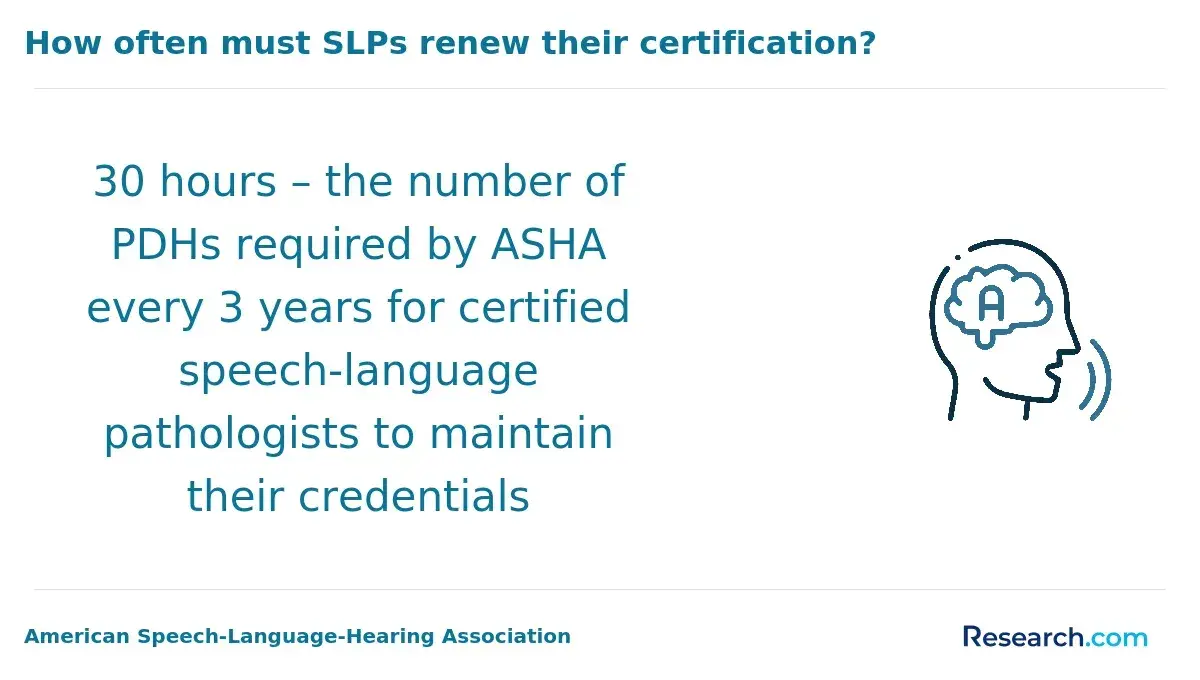
Continuing education is vital in speech pathology to maintain licensure and stay updated on new techniques and research. Professionals must complete a set number of continuing education units (CEUs) regularly. Many universities, professional associations, and online platforms offer courses, workshops, and seminars tailored to practicing clinicians.
- U.S. Bureau of Labor Statistics - Speech-Language Pathologists https://www.bls.gov/ooh/healthcare/speech-language-pathologists.htm
- ASHA EdFind - Accredited Speech-Language Pathology Programs https://find.asha.org/ed/
- O*NET OnLine - Speech-Language Pathologists https://www.onetonline.org/link/summary/29-1127.00
- Auburn University, Montgomery - Master of Science in Speech-Language Pathology https://www.aum.edu/degree/ms-speech-language-pathology/
- University of Nebraska at Kearney - Speech-Language Pathology, Master of Science in Education (Online Track) https://www.unk.edu/online/degrees-programs/speech-language-pathology-online.php
- Abilene Christian University - Master of Science in Speech-Language Pathology (Online) https://acu.edu/academics/graduate/master-of-science-in-speech-language-pathology/
- California State University-San Marcos - Online MS in Speech-Language Pathology https://www.csusm.edu/slp/programs/mastersonline/index.html
- New York University - Online MS, Communicative Sciences and Disorders (Speech@NYU) https://steinhardt.nyu.edu/degree/online-ms-communicative-sciences-and-disorders