2027 SLP Clinical Documentation Skills Students Need to Learn

Co-Founder and Chief Data Scientist

Reviewed by Rhea Paul, PhD
SLP Education & Research Expert
Consider a speech language pathology student struggling to produce clear, concise clinical notes after a complex assessment. Incomplete or inaccurate documentation can delay treatment, hinder communication with colleagues, and compromise patient care.
Mastering clinical documentation is crucial for maintaining professionalism and meeting regulatory standards. This article highlights essential documentation skills every student must acquire, addressing common pitfalls.
It offers practical strategies to enhance accuracy, clarity, and compliance in clinical records. By focusing on these competencies, the article aims to equip students with the tools needed to confidently document and support effective clinical decision-making throughout their careers.
Key Things You Should Know
- Effective clinical documentation skills in 2026 emphasize accuracy in recording patient history and treatment data, crucial for compliance with updated insurance and legal requirements.
- Integration of electronic health records (EHR) proficiency is essential, with over 85% of clinics adopting EHR systems for real-time, secure documentation.
- Students must master standardized assessment reporting to improve interprofessional communication and support evidence-based practice, aligning with 2025 accreditation standards.
What are essential SLP clinical documentation skills?
Accurate, detailed clinical documentation is critical for speech-language pathology (SLP) students to support clinical decision-making and administrative tasks.
Mastery of standardized note formats like SOAP (Subjective, Objective, Assessment, Plan) ensures clarity and consistency in clinical notes and reports, which is essential for effective communication within multidisciplinary teams.
Best practices for SLP clinical notes and reports also include maintaining confidentiality under HIPAA and avoiding subjective language to protect legal and ethical standards.
Proficiency in electronic health records (EHR) systems is increasingly necessary. Students must learn to navigate digital platforms efficiently to record accurate session data, track progress toward measurable goals, and generate reports that meet payer requirements.
These skills help prevent coding mistakes and incomplete documentation, which can cause claim denials and affect reimbursement.
Essential clinical documentation skills for SLP students also involve:
- Recording baseline data and measurable goals to demonstrate treatment effectiveness.
- Detailing therapy modifications to reflect individualized care.
- Incorporating interdisciplinary feedback to support collaborative approaches.
- Meeting documentation deadlines to ensure timely insurance submissions.
According to the Bureau of Labor Statistics, Occupational Outlook Handbook, speech-language pathologists earned a median annual wage of $97,870, highlighting the financial benefits tied to strong documentation abilities.
Students exploring advanced education options can consider the cheapest online SLP master's programs to build these critical skills.
Why is clinical documentation critical in speech pathology?
Clinical documentation best practices in speech pathology are essential for creating accurate, timely, and comprehensive records that track patient progress, treatment plans, and therapeutic outcomes.
Precise documentation facilitates clear communication across multidisciplinary teams, which is crucial for coordinated care. For instance, speech-language pathologists (SLPs) in schools must update student IEP goals and therapy session notes to inform both educators and parents effectively.
The importance of accurate clinical records in speech pathology extends beyond clinical use. Delayed documentation can lead to lost billing opportunities, care gaps, and legal risks.
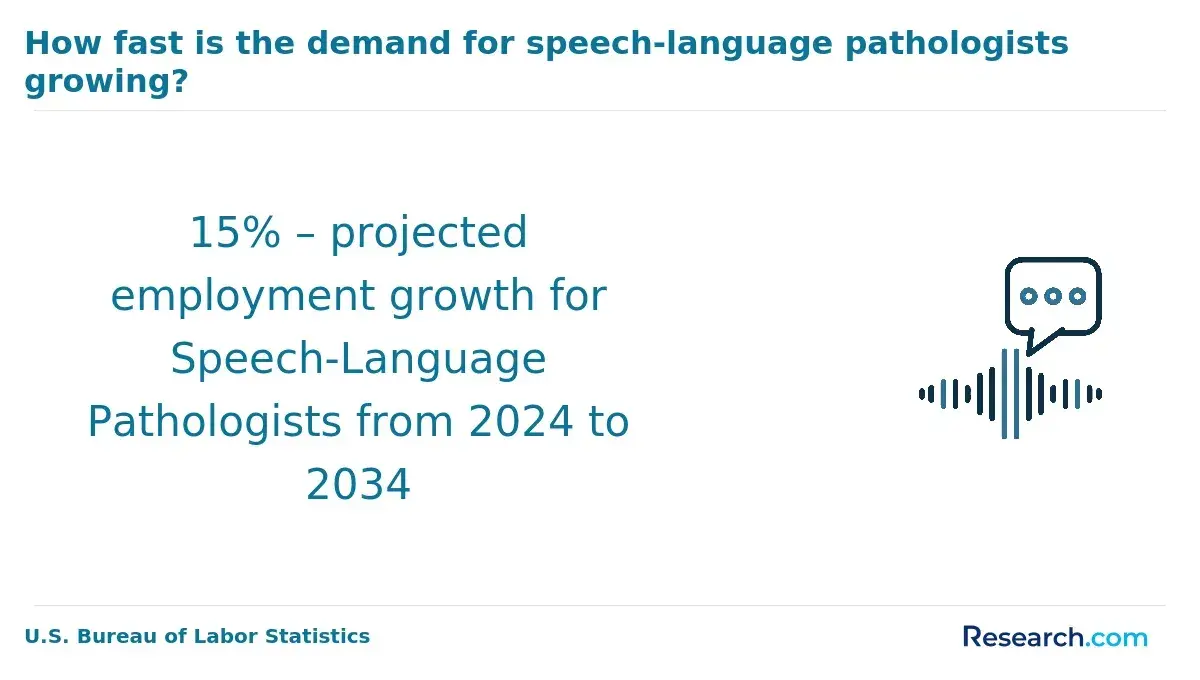
With employment for speech-language pathologists expected to grow by 17% from 2025 to 2035 and approximately 13,300 annual job openings (Bureau of Labor Statistics, Occupational Outlook Handbook), expertise in documentation is vital for career sustainability and professional growth.
Documentation requirements vary by setting, such as outpatient clinics, hospitals, or telepractice. Each environment demands adherence to specific standards for insurance, regulatory compliance, and confidentiality.
Hospital SLPs must generate detailed acute care notes, while outpatient clinics focus on progress reports over longer periods.
Effective clinical documentation supports evaluating treatment effectiveness and adjusting therapy strategies by addressing critical questions like:
- Is the patient meeting expected milestones?
- What modifications are needed for therapy goals?
- Are there contraindications or changes in patient condition?
Mastering clinical documentation reduces errors, improves patient outcomes, and strengthens accountability in speech pathology practice. For those interested in career outlook and speech pathology salary details, refer to the speech pathology salary.
Which SLP degree programs teach clinical documentation best?
Degree programs offering the best clinical documentation training in speech pathology integrate theoretical knowledge with extensive practical experiences that meet ASHA standards. These programs emphasize accurate and timely documentation, often through repeated use of electronic health records, simulation labs, and supervised clinical practicums.
Top clinical documentation courses in speech pathology programs commonly use standardized competency assessments reflecting real-world documentation demands.
For example, analysis of clinical records in dysphagia management highlights the importance of timeliness and precision in provider notes. Programs that incorporate such metrics enhance student proficiency and clinical readiness.
Practical training strategies frequently include:
- Focused workshops on legal, ethical, and regulatory requirements for clinical notes
- Training with various documentation formats, such as SOAP notes and flow sheets
- Regular supervisor feedback emphasizing clarity, completeness, and compliance
- Integration of interprofessional documentation standards for collaborative care
Prospective students should review how documentation accuracy and timeliness are evaluated within assessments and practicums when choosing SLP degree programs with best clinical documentation training. Programs linked to research or clinical centers with published documentation protocols reflect a stronger focus on these competencies.
For those seeking accelerated paths, many 5 year speech pathology programs include robust clinical documentation components aligned with evidence-based evaluation methods proven in clinical settings.
SLP clinical documentation training programs in the United States are embedded primarily within graduate-level speech pathology curricula accredited by the Council on Academic Accreditation in Audiology and Speech-Language Pathology (CAA).
These programs emphasize documenting assessment data, treatment notes, progress reports, and discharge summaries while meeting legal, ethical, and billing standards. Key coursework includes practical application of Electronic Health Records (EHR), legal documentation requirements, and interdisciplinary communication.
Academic curriculum for clinical documentation in speech pathology typically combines multiple elements to develop proficiency:
- Hands-on practicum requiring detailed clinical portfolios, including signed clock hour sheets and supervisor evaluations, critical for ASHA certification
- Training on HIPAA compliance and confidentiality standards
- Simulated documentation exercises focusing on accuracy and completeness
- Instruction using specialized EHR software common in speech pathology settings
Programs also cultivate critical thinking about documentation challenges, addressing client diversity and billing audits. Depending on program focus, such as pediatric versus adult populations, documentation training is tailored accordingly.
Graduates leave equipped to document patient interactions and treatment plans accurately, helping reduce risks from incomplete records and ensuring smooth interdisciplinary coordination.
Prospective students seeking a comprehensive speech language pathologist degree can find programs that integrate these essential clinical documentation skills to meet employer and regulatory expectations.
Online speech pathology programs integrate clinical documentation training through structured coursework and practical exercises aligned with professional standards.
Students are required to master electronic health record (EHR) systems frequently used in clinical settings to ensure accurate, compliant record-keeping. Instruction covers documenting assessments, treatment plans, progress notes, and discharge summaries with an emphasis on clarity and clinical relevance.
Hands-on learning often involves simulated case studies, where students practice clinical report writing based on diverse patient scenarios. This helps address common challenges such as maintaining objectivity, including measurable outcomes, and meeting legal standards.
Instructors provide templates and standardized formats to guide students on essential elements required for professional documentation and insurance purposes.
Documentation in dysphagia management is a significant focus area. A PMC study on Assessment of Dysphagia Management Competence among Practitioners highlights five critical assessment protocols evaluating provider skills in swallow screenings and clinical evaluations. Proper documentation supports patient safety and facilitates interdisciplinary communication.
These elements equip students with clinical documentation skills essential for workplace readiness. Online programs balance theory with practical application, preparing graduates to meet employer and regulatory demands within the United States healthcare system.
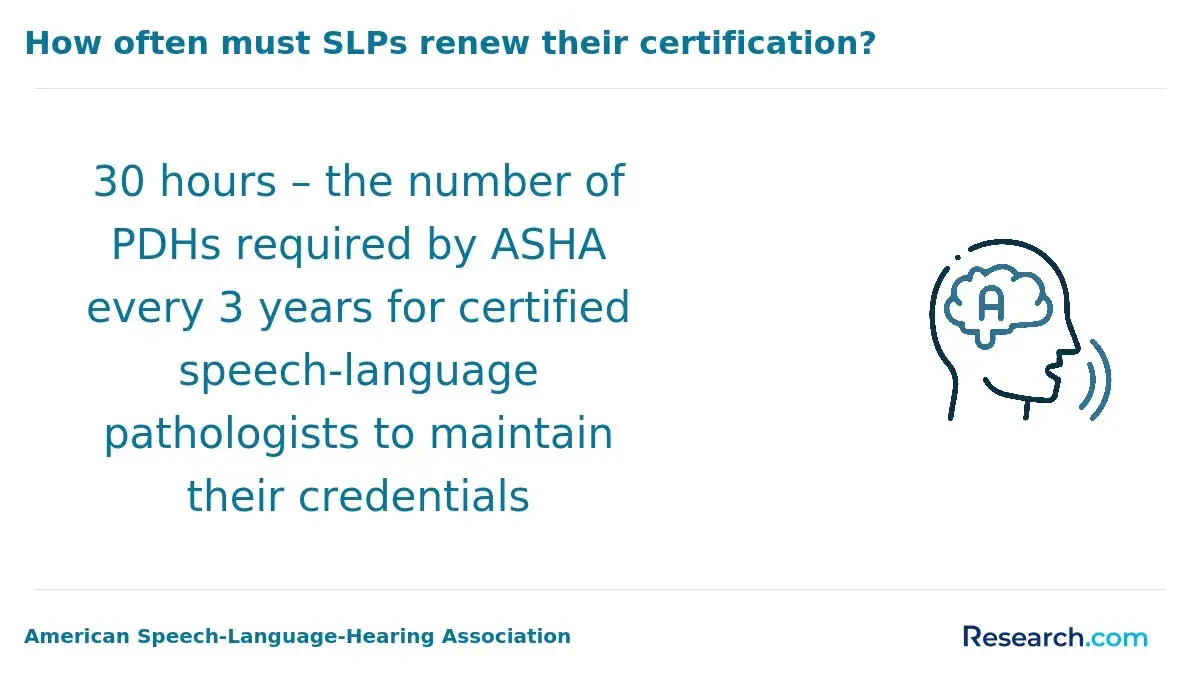
The Council on Academic Accreditation in Audiology and Speech-Language Pathology (CAA), operating under the American Speech-Language-Hearing Association (ASHA), ensures the quality of educational programs in speech pathology documentation. CAA accreditation confirms that programs provide thorough training aligned with professional and ethical standards, especially in clinical documentation.
Accredited programs emphasize accurate instruction in documenting both diagnostic and intervention procedures, including detailed reports for instrumental assessments like the Videofluoroscopic Swallow Study (VFSS).
As highlighted in the PMC study "Assessment of Dysphagia Management Competence among Practitioners," documentation must include precise anatomical measurements and physiological impressions to support patient safety and legal compliance.
Students in CAA-accredited programs gain experience with standard documentation formats and critical clinical data evaluation, covering:
- Accurate narrative and objective record-keeping
- Integration of instrumental assessment findings
- Compliance with HIPAA and ethical documentation requirements
Employers often prefer graduates from these accredited programs, as their documentation skills meet the national certification criteria necessary for the Certificate of Clinical Competence in Speech-Language Pathology (CCC-SLP). For prospective students, choosing a CAA-accredited program provides a solid foundation essential for successful careers in speech pathology.
Admission to speech pathology programs heavily focuses on clinical documentation skills that emphasize accuracy, clarity, and adherence to professional standards. Applicants often must demonstrate foundational knowledge in treatment planning and progress note documentation either before or during enrollment.
For instance, verified experience or coursework in documenting dysphagia management reflects essential competence in pathology-specific treatment plans.
Many programs require submission of sample clinical documents or evidence of completed documentation exercises. Some additionally mandate a minimum number of supervised clinical hours accompanied by detailed notes that showcase sound clinical reasoning. This practical documentation serves as proof of applying theoretical knowledge in real patient cases.
Research shows that presenting three well-documented clinical records validates knowledge in dysphagia pathophysiology, a key element for precise treatment planning documentation. Admission committees may also expect applicants to demonstrate:
- Understanding of clinical terminology and standardized documentation formats
- Ability to write measurable, evidence-based treatment goals
- Clear progress notes showing client response and therapy adjustments
- Compliance with HIPAA and ethical guidelines in recordkeeping
Preparing through exposure to electronic health record systems and practicing structured note-writing is recommended.
Some programs evaluate documentation skills via objective structured clinical examinations (OSCEs). Excelling in these areas at admission enhances acceptance chances and supports smooth integration into demanding clinical training.
SLP programs usually involve about two years of graduate-level study beyond a bachelor's degree, with most students enrolling in a master's program that combines coursework and clinical practicum experience required for certification.
Some accelerated options may reduce this timeline to 18 months, but 24 months remains the standard. Doctoral programs are available but uncommon for initial clinical licensure.
Costs vary significantly. Public universities typically charge between $20,000 and $40,000 per year for in-state students, while out-of-state and private school tuition can exceed $50,000 annually.
Additional expenses include textbooks, clinical fees, and exam preparation resources. Students should also factor in certification and licensing fees.
Financial planning is key, as balancing tuition, living costs, and clinical placement expenses can be challenging. Some programs offer scholarships and assistantships to ease these burdens.
Clinical documentation skills are essential throughout training. Two assessment protocols evaluate providers' ability to document interdisciplinary communication and referrals in dysphagia management, highlighting the importance of strong documentation in healthcare settings, which directly impacts patient outcomes and professional collaboration.
Students targeting healthcare employment should seek programs focusing on these competencies to enhance their career readiness.
Strong clinical documentation skills are critical for speech pathology careers in varied settings, including hospitals, rehabilitation centers, and schools.
Accurate records support patient care coordination, meet education standards, and justify funding for early intervention programs. In private practice, detailed documentation is essential for securing third-party reimbursement and demonstrating clinical effectiveness.
Speech-language pathologists (SLPs) in skilled nursing facilities and outpatient clinics must comply with strict coding and reimbursement regulations.
Their records need to align with insurance requirements to ensure proper authorization and payment. Public health and research roles also demand precise documentation to facilitate data collection and evidence-based practice.
Faculty training graduate students require expertise in documentation and reimbursement standards, a key component for program accreditation.
Key documentation proficiencies include:
- Accurate clinical assessments and diagnostic reports reflecting patient status
- Clear treatment plans with measurable objectives
- Progress notes that regularly document intervention outcomes
- Compliance with state and federal reimbursement regulations
- Timely submission of electronic health records for multidisciplinary coordination
Mastering these skills prepares students and professionals for diverse career paths and meets licensure requirements and industry standards essential for practice success.
What salary and job outlook for SLPs with documentation expertise?
Speech-language pathologists (SLPs) with strong clinical documentation skills often earn higher salaries and enjoy better job prospects. According to the U.S. Bureau of Labor Statistics, the median salary for SLPs is around $97,870, with advanced documentation expertise pushing earnings above this figure.
Employers seek precise and efficient clinical records because accurate documentation affects reimbursement and regulatory compliance. Proficiency in electronic health records (EHR) and related technologies can lead to supervisory or auditing roles, enhancing career advancement.
Job growth for SLPs is projected at 17% from 2025 to 2035, much faster than average, driven by an aging population and greater recognition of communication disorders. Candidates who master documentation technologies, such as the TheraPilot Dashboard that offers real-time productivity tracking, become highly competitive.
As highlighted in Beaming Health's Physical Therapy Statistics, integrating such tools improves both workflow and patient care.
Key skills for students and graduates include:
- Using advanced documentation platforms tailored to SLP practices
- Understanding compliance with HIPAA and payer-specific rules
- Creating clear, concise clinical notes supporting diagnoses and treatments
- Managing time effectively without losing detail
Developing these competencies can open doors to leadership roles like clinical coordinators, with salaries exceeding $90,000.
Expertise in documentation also supports telepractice settings that rely heavily on digital records. Investing in these skills correlates with higher wages and greater job stability in speech pathology careers.
Other Things You Should Know About Speech Pathology
SLPs often work as part of interdisciplinary teams that include physicians, occupational therapists, and psychologists. Effective clinical documentation is essential to communicate progress, treatment goals, and patient responses clearly among team members. Understanding this collaborative process is critical for ensuring cohesive patient care outcomes.
SLP students must record the date of service, start and stop times, treatment minutes, diagnosis code, goals addressed, skilled interventions, patient response, and clinician signature. Medicaid audits often require these details to match the plan of care and the signed supervisory note.
Yes, ethical considerations such as accuracy, confidentiality, and informed consent are critical when documenting clinical interactions. SLPs must ensure their notes reflect objective observations without bias and protect client information in compliance with HIPAA regulations. Training on ethical documentation practices prepares students to uphold professional standards.
- U.S. Bureau of Labor Statistics - Speech-Language Pathologists https://www.bls.gov/ooh/healthcare/speech-language-pathologists.htm
- ASHA EdFind - Accredited Speech-Language Pathology Programs https://find.asha.org/ed/
- ETS Praxis - Speech-Language Pathology (5331) https://praxis.ets.org/test/speech-language-pathology-5331.html
- University of North Carolina at Greensboro - Speech-Language Pathology, M.A. (Online) https://csd.uncg.edu/graduate/masters-of-arts-online/
- University of Scranton - Master of Science (M.S.) in Speech-Language Pathology https://www.scranton.edu/academics/pcps/health-and-human-performance/programs/speech-language-pathology/index.shtml
- Maryville University - Master of Science in Speech-Language Pathology https://www.maryville.edu/masters/speech-language-pathology/
- Idaho State University - Master of Science in Speech-Language Pathology (Online/Distance Education) https://www.isu.edu/slp/programs-offered/slp-graduate-program/
- Emerson College - Master of Science (M.S.) in Communication Disorders (Speech@Emerson, online) https://speech.emerson.edu/