2027 Graduate Assistantships for Speech Pathology Students: What to Know

Co-Founder and Chief Data Scientist

Reviewed by Rhea Paul, PhD
SLP Education & Research Expert
Many prospective graduate students face uncertainty when seeking assistantships that provide financial support and practical experience in speech pathology programs. This challenge intensifies for those transitioning from unrelated fields, as eligible opportunities often require specific knowledge or prior exposure. Navigating application timelines, requirements, and program expectations can hinder timely admission and professional growth.
Understanding the variety of assistantship types and how to secure them can significantly ease this process. This article explores available graduate assistantships, eligibility criteria, and strategic steps to help prospective students secure positions that support both academic advancement and career transition in the field.
Key Things You Should Know
- Graduate assistantships in speech pathology for 2026 offer financial support covering tuition and stipends, with many positions requiring 10-20 hours of teaching or research weekly.
- Acceptance rates for assistantships vary widely but often favor candidates with strong clinical experience and academic records, as 65% of programs reported increased competition in 2025.
- Most assistantships provide valuable practical experience, enhancing employability; nearly 78% of graduates with assistantships secure jobs within six months post-completion.
What are graduate assistantships in speech pathology?
Graduate assistantships in speech pathology programs offer master's or doctoral students valuable work experience combined with academic funding. These positions often include assisting faculty with research, clinical supervision, or administrative duties, providing a stipend, tuition remission, or both. Such roles immerse students in practical training that significantly enhances clinical skills and scholarly knowledge, benefiting those seeking competitive advantage in the field.
Assistantship responsibilities may vary, including conducting assessments, supporting therapy sessions, preparing research materials, or managing clinical and classroom resources. Some programs lean toward research support, while others emphasize clinical engagement. For example, students might collaborate on studies about speech disorders or coordinate clinical practicum schedules for peers.
Key speech pathology graduate assistantship benefits include:
- Financial support that reduces educational costs and limits student loan dependence
- Hands-on clinical experience that strengthens competence and readiness for certification exams
- Professional networking opportunities through close mentorship with faculty and clinicians
Graduates with assistantship experience have demonstrated higher success rates in certification exams. For instance, the University of Washington's Speech-Language Pathology program recorded a 100% Praxis exam pass rate, with 46 students scoring a median of 184 against a 162 passing threshold. This highlights the edge assistantships provide to top performers (University of Washington Department of Speech and Hearing Sciences Student Outcome Data).
Prospective students should apply early for assistantships, as these positions are limited and may require strong academic backgrounds or prior clinical experience. Preparing a compelling application that highlights relevant skills and clear interests in research or clinical work improves chances of securing a role. Exploring the cheapest speech pathology graduate programs can also help students find affordable pathways to advance their careers.
What qualifications are needed for speech pathology assistantships?
Qualifying for graduate assistantships in speech pathology requires a strong academic background and relevant hands-on experience. Candidates generally need a bachelor's degree in communication sciences and disorders or a related field, with a minimum GPA of 3.0. Official transcripts often must show coursework in subjects like anatomy, linguistics, and psychology to meet program prerequisites.
Applicants for these roles should have clinical or volunteer experience working with varied populations, such as children with speech delays or adults with neurological issues. Effective communication skills and the ability to support faculty with teaching, research, or administrative tasks are essential. Graduate assistantship qualifications for speech pathology students often also include submission of strong letters of recommendation from academic or professional supervisors.
A well-crafted statement of purpose highlighting career goals and enthusiasm for speech pathology assistantship positions is typically required. For example, Ball State University's assistantships offer partial tuition remission and a stipend in exchange for 20 weekly hours supporting faculty, demanding good organizational skills and time management.
Successful candidates commonly demonstrate:
- A relevant bachelor's degree with at least a 3.0 GPA
- Clinical or research experience in speech pathology settings
- Strong letters of recommendation
- Clear, focused career objectives
- The ability to balance a 20-hour weekly assistantship workload
Understanding the requirements for speech pathology assistantship positions can help students prepare effectively for these competitive opportunities. For those aiming to explore future income potential, the speech pathologist salary varies widely depending on experience and sector.
How do you apply for graduate assistantships in speech pathology?
When you apply for graduate assistantships in speech pathology programs, carefully review each program's application requirements and deadlines, as they can vary significantly. Most require submitting a formal application via the graduate school portal or department website, including a statement of purpose, recommendation letters, transcripts, and a current resume or CV highlighting clinical or research experience.
Early communication with the speech pathology department can provide insights into available assistantships. Some programs advertise openings, while others consider all applicants for funding during admissions review. Emphasizing your clinical skills, relevant coursework, practicum hours, certifications, or standardized test scores can enhance your chances. Applicants for research-focused assistantships may also need to provide writing samples or research proposals. Interviews, conducted in person or virtually, often follow to discuss goals and clarify expectations.
Maintaining good academic standing is critical; most assistantships require enrollment in a graduate speech pathology program and satisfactory progress. For instance, the University of Washington Department of Speech and Hearing Sciences reports 98.7% of Speech-Language Pathology cohorts completed their program, showing strong academic progress often supports assistantship retention.
For those interested in accelerated options, consider exploring a speech language pathology accelerated program. Following these tips for securing speech pathology graduate assistant positions, including thorough applications and proactive outreach, increases your likelihood of success.
Graduate assistantships for speech pathology students in the United States provide financial support and hands-on experience at universities with accredited communication sciences and disorders programs. Top universities offering speech pathology assistantships include the University of Iowa, University of Wisconsin-Madison, and University of Texas at Austin. These roles often combine teaching, research, or clinical duties to complement academic training.
Responsibilities can range from assisting professors with undergraduate courses to participating in research projects or supporting clinical program administration. Some institutions, such as Boston University and the University of Florida, focus assistantships within clinical practicum settings, helping students develop practical skills while receiving stipends or tuition remission.
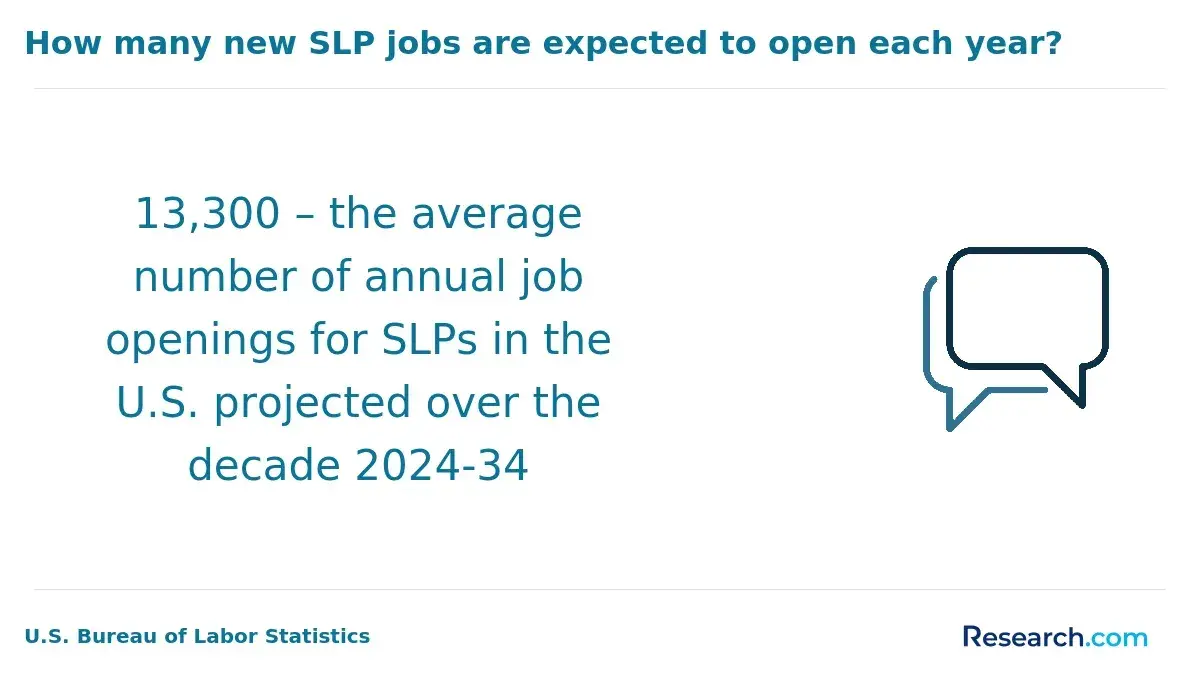
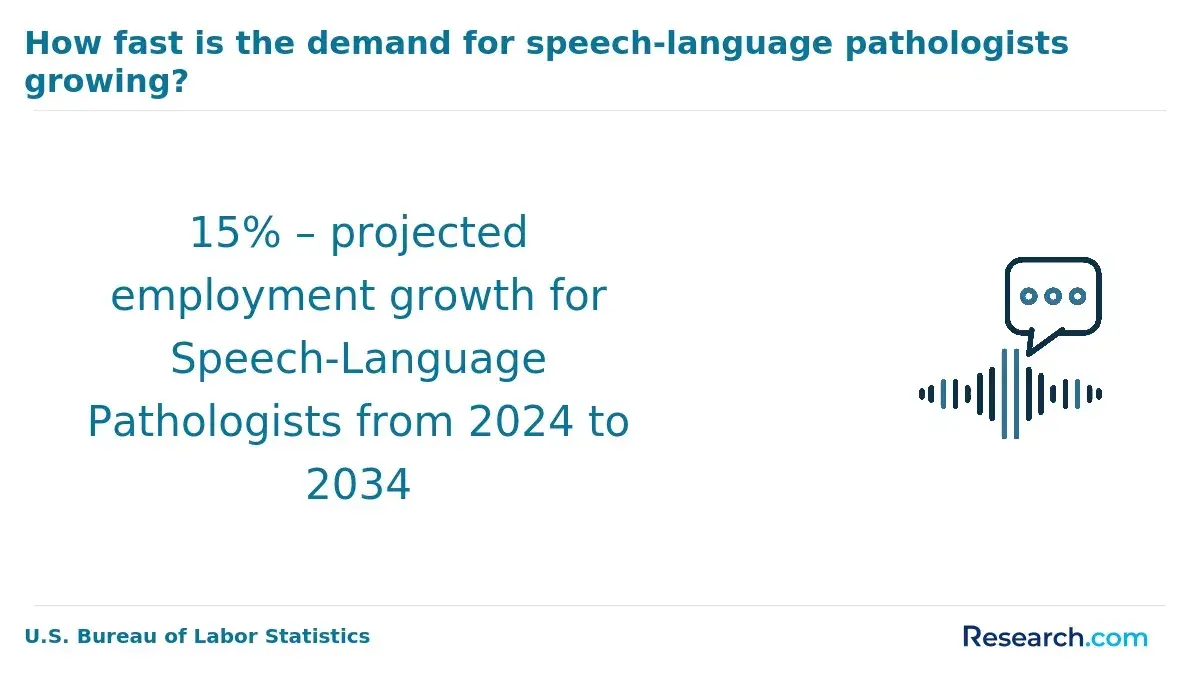
These assistantships are valuable for offsetting education costs, especially as employment for speech-language pathologists is projected to grow 17% from 2025-2035, with about 13,300 annual openings according to the U.S. Bureau of Labor Statistics Occupational Outlook Handbook. Students interested in securing these positions should monitor program websites for deadlines, prerequisites, and role specifics. Limited availability and competition mean early application and strong academic records are important. Geographic preferences matter too, as some states prioritize residents.
Many opportunities are concentrated in institutions with strong research and clinical programs, making them ideal starting points. For those exploring flexible options, online speech language pathology programs can also provide alternative pathways.
Graduate assistantships provide speech pathology students with vital financial support through stipends or tuition waivers, easing the cost of graduate education. This assistance is valuable considering the median annual wage for speech-language pathologists is $97,870, with an hourly rate of $45.87, according to the U.S. Bureau of Labor Statistics Occupational Outlook Handbook.
Assistantships typically include clinical, research, or teaching duties, offering practical experience that builds critical skills. Clinical roles involve patient interaction, helping students hone diagnostic and therapeutic techniques. Research assistantships foster deeper insight into communication disorders and develop skills in data analysis and academic writing. Teaching assistants gain leadership and communication abilities by supporting faculty and mentoring undergraduates.
These roles enhance resumes and improve competitiveness in residency placements and job markets. They also encourage mentorship opportunities with faculty, which can lead to valuable professional networking and references. Students often face challenges balancing coursework with assistantship responsibilities, but strong time management and clear communication with supervisors can help manage these demands.
Overall, assistantships combine financial aid, hands-on training, and professional growth, strengthening speech pathology students' academic and career prospects.
Graduate assistantships in speech pathology typically provide partial financial support rather than full tuition coverage. These assistantships often include stipends or tuition waivers that reduce costs by 25% to 75%, depending on the institution's funding and the responsibilities involved, such as teaching, research, or clinical work. While some assistantships may fully waive tuition, these opportunities are rare and highly competitive.
Many assistantships cover mandatory fees and offer stipends to help with living expenses, but exact benefits vary by program. Students should carefully verify details with their schools to understand the full scope of financial assistance. The University of Washington's Speech-Language Pathology program, enrolling 107 students in Autumn 2024-2025, highlights the strong demand for these positions, indicating their limited availability.
Prospective students should ask about:
- Percentage of tuition covered by their assistantship
- Stipend inclusion and amounts
- Role obligations tied to the assistantship
- Additional scholarships or funding to supplement aid
Being informed about assistantship funding is crucial for effective financial planning in speech pathology education. Early research into specific programs and transparent funding details helps students minimize educational debt and better understand their financial commitments.
Graduate assistantships for online speech pathology programs are available but often limited and competitive. Many institutions offering hybrid or fully online master's programs require some on-campus participation for research, clinical supervision, or teaching duties tied to assistantships. This on-site requirement can restrict opportunities for fully remote students, especially since funding priorities favor traditional, in-person learners.
Students should directly contact program coordinators to clarify eligibility and explore if remote assistantships exist. Some programs have adapted to accommodate online learners by offering research roles, data analysis, or virtual tutoring assistant positions. However, online students may face differences in stipend amounts, teaching load, and benefits compared to on-campus peers.
The University of Washington, recognized for its rigorous speech-language pathology program with a 100% Praxis pass rate and high median scores, primarily awards assistantships to on-campus participants. This highlights how proximity remains important for competitive funding.
To improve chances, prospective remote students should:
- Ask about eligibility restrictions and on-campus commitments
- Investigate research, teaching, or clinical assistantships available for online formats
- Compare assistantship policies across programs
- Build strong academic credentials and relevant experience
Graduate assistantships play a vital role in shaping speech pathology career paths by providing crucial clinical experience and financial support during graduate training. Students engaged in these roles gain practical skills in real-world clinical and research settings, enhancing their resumes and improving employability.
Typical assistantship duties include assisting faculty research, conducting supervised speech therapy sessions, and handling administrative tasks. These responsibilities develop a broad skill set highly valued in healthcare, education, and rehabilitation. For instance, analyzing speech disorders improves diagnostic abilities, while working directly with clients strengthens therapeutic and communication skills.
Financially, assistantships help alleviate tuition and living expenses, allowing students to focus on their training without heavy debt. Institutions such as Ball State University award assistantships during admissions review, prioritizing top candidates. Additional opportunities may be found through university Career Services when departmental funds are limited (Ball State University Department of Speech Pathology and Audiology).
Assistantship experiences also expand professional networks by connecting students with faculty, clinicians, and peers, which aids job placement and provides valuable references. Moreover, these experiences help students pinpoint specializations within speech pathology, such as pediatric or neurological speech therapy.
Prospective students should actively pursue programs offering assistantships or similar financial support, as securing one can differentiate candidates and lay a strong foundation for clinical certification and licensure success.
The average stipend for graduate assistantships in speech pathology ranges from $18,000 to $30,000 annually, influenced by factors like institution type, location, and assigned duties. Programs typically base stipends on a 20-hour workweek during the academic term, with some variation for clinical hours or summer sessions. For instance, students at public universities in California often receive stipends near the higher end due to living costs and state funding, while less urban areas tend toward the lower end of this range.
Assistantships often include valuable benefits such as tuition waivers or partial fee remissions, which enhance the overall financial package. Applicants should inquire about these additional supports to get a clear picture of total aid. Additionally, evolving professional standards-for example, California's updated continuing professional development requirements for speech-language pathologists under Title 16, CCR sections 1399.160-1399.160.4-mean some programs now encourage participation in aligned activities.
Stipend variability also relates to the assistantship focus; clinical roles may differ in pay compared to research or teaching positions. Prospective students should consider workload expectations, required clinical hours, and long-term career alignment. Requesting detailed funding breakdowns from coordinators can help set realistic financial expectations before committing.
How competitive are speech pathology graduate assistantships?
Graduate assistantships in speech pathology are highly competitive due to limited positions and strong demand from qualified candidates. Programs often require applicants to demonstrate academic excellence, relevant clinical experience, and a clear commitment to the field. Advanced skills such as research abilities, bilingual proficiency, and specialized clinical practicum experience can provide a competitive edge, especially in programs known for excellent clinical training and professional networks.
Applicants can improve their chances by:
- Maintaining a GPA above 3.5.
- Gaining hands-on experience through internships or volunteer work.
- Securing strong letters of recommendation from faculty or clinical supervisors.
- Clearly defining career goals related to speech pathology practice or research.
The U.S. Bureau of Labor Statistics projects steady growth in the field, with over 28,000 new speech-language pathologist jobs expected annually. This growth boosts opportunities but also increases competition for assistantships that provide essential financial support and practical training.
Early research into program timelines and criteria is crucial. Networking with faculty and current assistants can reveal effective application strategies. International and non-traditional students may face extra challenges but can enhance their applications by highlighting unique language skills and diverse clinical experiences. Persistence and strategic preparation remain key to securing these valuable positions.
Other Things You Should Know About Speech Pathology
Yes. Many speech pathology graduate assistantships include a partial or full tuition waiver, plus a stipend. Common awards cover 6 to 12 graduate credit hours per semester and may also include health insurance or fee support, depending on the department and funding rules.
Many graduate assistantships require students to commit a specified number of hours weekly, which may limit outside employment. Policies vary by institution, but typically, students are advised to minimize additional work to maintain their academic standing and fulfill assistantship obligations. Some assistantships offer stipends that reduce the need for outside jobs.
To qualify for a 2027 graduate assistantship in speech pathology, students typically need a minimum 3.0 GPA, enrollment in a master's program, and strong communication skills. Applications may require recommendation letters and a personal statement detailing relevant experience and career goals.
- U.S. Bureau of Labor Statistics - Speech-Language Pathologists https://www.bls.gov/ooh/healthcare/speech-language-pathologists.htm
- ASHA EdFind - Accredited Speech-Language Pathology Programs https://find.asha.org/ed/
- ETS Praxis - Speech-Language Pathology (5331) https://praxis.ets.org/test/speech-language-pathology-5331.html
- California State University-East Bay - Online Master of Science in Speech-Language Pathology https://ce.csueastbay.edu/programs/speech-language-pathology/
- Maryville University - Master of Science in Speech-Language Pathology https://www.maryville.edu/masters/speech-language-pathology/
- Idaho State University - Master of Science in Speech-Language Pathology (Online/Distance Education) https://www.isu.edu/slp/programs-offered/slp-graduate-program/
- University of Wisconsin-Eau Claire - Master of Science in Speech-Language Pathology (Online) https://www.uwec.edu/speech-language-and-hearing-sciences-department/graduate-program/speech-language-pathology-online
- Delaware Valley University - Master of Science in Speech-Language Pathology (M.S.) https://delval.edu/programs/graduate-programs/speech-language-pathology