2027 Online Cybersecurity Degrees With Scholarships for Adult Learners

Co-Founder and Chief Data Scientist
Choosing an online cybersecurity degree is a high-stakes decision when you are balancing work, family, tuition, and a career change. The U. S. Bureau of Labor Statistics projects information security analyst employment to grow 33% from 2023 to 2033, signaling strong demand but also rising employer expectations. This guide is for adult learners comparing accredited online programs, scholarships, flexible schedules, and career outcomes. You will learn how degrees differ, what aid to look for, how to check quality, and how to choose a program that fits your budget and goals.
Key Things You Should Know
- Accredited online cybersecurity degrees can work well for adult learners because many offer asynchronous coursework, transfer credit, credit for prior learning, military benefits, employer partnerships, and scholarships that lower the real cost of attendance.
- The BLS lists $120,360 as the 2023 median annual pay for information security analysts, with 33% projected job growth from 2023 to 2033; use these figures as labor-market context, not a guaranteed individual outcome.
- The smartest program choice depends on three checks: institutional accreditation, cybersecurity curriculum depth such as networking, cloud security, risk, and incident response, and verified financial aid rather than advertised tuition alone.
What are online cybersecurity degrees and how do they support mid-career adult learners?
Online cybersecurity degrees are college programs delivered primarily through a learning management system, virtual labs, remote projects, discussion boards, and instructor-led modules. They may be offered at the associate, bachelor's, or master's level and usually cover how to protect networks, systems, data, cloud platforms, and organizations from digital threats.
For mid-career adult learners, the main value is not just convenience. A well-designed online program lets students keep earning income while building skills that connect to IT support, systems administration, risk management, compliance, digital forensics, security operations, or leadership roles. This matters because many adults cannot pause work for a full-time campus schedule.
The table below summarizes common degree levels and when each one makes sense for an adult learner. Use it to match your current experience, time horizon, and career target before comparing individual schools.
| Degree level | Typical fit for adult learners | Common career direction | Decision note |
| Associate degree in cybersecurity or information technology | Adults entering IT for the first time or building transfer credit toward a bachelor's degree | Help desk, junior security technician, network support | Often lower cost, but may not meet degree preferences for analyst roles |
| Bachelor's degree in cybersecurity | Career changers or IT workers who need a recognized credential for analyst, engineering, or federal contractor roles | Security analyst, cyber defense analyst, systems security support | Usually the strongest all-purpose degree option for adults without a prior bachelor's degree |
| Master's degree in cybersecurity | Professionals with IT, business, military, law enforcement, or engineering experience seeking advancement | Security manager, risk lead, cloud security specialist, consultant | Best when it builds on prior experience; it may be too advanced for learners with no technical background |
| Cybersecurity degree completion program | Adults with prior college credits who want to finish a bachelor's degree faster | Analyst, compliance, security operations, technical support leadership | Transfer policy can be more important than sticker tuition |
Adult learners should choose a degree when they need a broad credential, long-term mobility, and access to internships, career services, or employer-recognized coursework. A shorter certificate can make more sense if you already have a degree and only need targeted upskilling in cloud security, governance, or incident response.
How do online cybersecurity programs compare with campus-based options for working adults?
Online and campus-based cybersecurity degrees can lead to similar academic credentials when they come from accredited institutions, but the learning experience is different. Working adults should compare delivery format, lab access, networking opportunities, commuting time, and how much control they need over their weekly schedule.
The comparison below focuses on practical trade-offs rather than assuming one format is automatically better. The best option is the one you can complete while still meeting course, lab, and career preparation requirements.
| Factor | Online cybersecurity degree | Campus-based cybersecurity degree | Best fit |
| Schedule | Often asynchronous or evening-friendly, with weekly deadlines | Fixed class times and in-person lab schedules | Online is usually better for full-time workers and caregivers |
| Hands-on labs | Virtual cyber ranges, simulations, cloud labs, and remote tools | Physical labs, in-person team projects, and campus equipment | Either can work if labs are rigorous and current |
| Networking | Virtual cohorts, faculty office hours, online clubs, career platforms | In-person events, local employer visits, campus recruiting | Campus may help if you need local networking; online can help if you are geographically limited |
| Cost pressure | May reduce commuting, relocation, and parking costs | May include campus fees and transportation costs | Online often lowers indirect costs, but tuition still varies widely |
| Learning style | Requires self-direction and consistent time management | Provides more face-to-face structure | Campus may suit learners who need scheduled accountability |
Online programs are not easier by default. Cybersecurity requires technical practice, reading, troubleshooting, and repeated lab work. If you learn best by asking questions in real time, look for synchronous sessions, live tutoring, faculty office hours, or cohort-based courses rather than fully self-paced instruction.
Adults comparing technology pathways may also look at adjacent fields such as a blockchain degree, especially if they are interested in cryptography, digital assets, fintech security, or distributed systems. Cybersecurity is broader, while blockchain-focused study is more specialized.
Which accredited online cybersecurity degrees offer scholarships and tuition discounts?
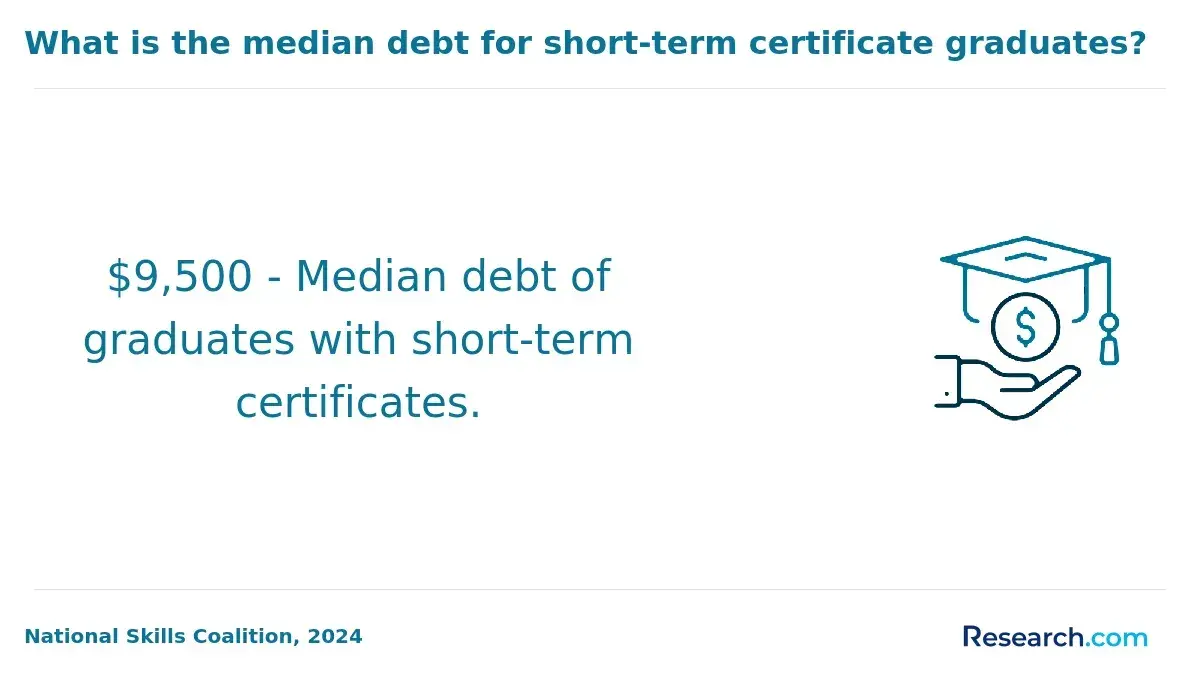
Many accredited online cybersecurity degrees offer scholarships, tuition discounts, or special pricing for adult learners, military students, transfer students, employer partners, and high-need applicants. Because aid rules change, treat school websites and admissions counselors as the final source before enrolling.
Cost comparison should start with total cost, not only per-credit tuition. The College Board reported 2024-25 average published tuition and fees of $11,610 for in-state public four-year institutions, $30,780 for public out-of-state institutions, and $43,350 for private nonprofit four-year institutions; online students may pay different rates, but these benchmarks help you recognize whether a program is unusually expensive or competitively priced.
The table below lists examples of accredited institutions with online cybersecurity-related degrees and commonly advertised aid or discount pathways. Confirm the exact scholarship name, eligibility, renewal rules, and whether the award applies to online students.
| Institution | Online cybersecurity option | Accreditation type to verify | Scholarship or discount angle | Good fit for |
| Western Governors University | Online bachelor's and master's options in cybersecurity | Institutional accreditation | Institutional scholarships and competency-based tuition model | Self-directed adults who can progress steadily through competency units |
| University of Maryland Global Campus | Online cybersecurity bachelor's and master's pathways | Institutional accreditation | Military benefits, transfer-friendly policies, and institutional aid options | Military-affiliated learners and adults with prior college credit |
| Southern New Hampshire University | Online cybersecurity-related bachelor's programs | Institutional accreditation | Employer partnerships, military tuition support, and scholarship options | Adults seeking structured online terms and broad student support |
| Purdue Global | Online cybersecurity and IT security programs | Institutional accreditation | Military tuition reductions, corporate partner benefits, and transfer credit | Working adults seeking career-aligned online coursework |
| Champlain College Online | Online cybersecurity bachelor's and certificate pathways | Institutional accreditation | Partner discounts and adult-focused online tuition policies | Students who want applied security coursework and professional alignment |
Before accepting an offer, ask financial aid staff to estimate your net price after grants, scholarships, employer tuition assistance, transfer credits, technology fees, textbooks, and exam vouchers. A program with higher tuition can sometimes cost less if it accepts more transfer credit or includes certification preparation, while a lower-tuition program can become costly if it requires many extra credits.
Common red flags include scholarships that apply only to the first term, discounts that cannot be combined, unclear technology fees, and programs that advertise "cybersecurity" heavily but offer only one or two security-specific courses. Adults should also ask whether aid remains available if they enroll part time.
What admissions requirements do online cybersecurity programs have for adult and nontraditional students?
Admissions requirements vary by degree level, but online cybersecurity programs often provide flexible entry routes for adult and nontraditional students. Schools may consider previous college credit, military training, professional certifications, work history, placement assessments, or a resume in addition to transcripts.
Most applicants should prepare the following materials early because missing documents can delay admission, financial aid, and transfer evaluation. These items also help you compare whether a program is realistic for your current background.
- Official high school, GED, or college transcripts, depending on degree level and transfer status
- Proof of prior college credits, military education, professional training, or industry certifications for transfer review
- A current resume for programs that consider work experience or require professional background information
- Math, writing, or computing placement requirements if the school uses assessments before enrollment
- FAFSA submission and any scholarship forms required by the institution
- Graduate-level materials such as a bachelor's transcript, statement of purpose, recommendations, or prerequisite coursework when applying to a master's program
Adult learners should pay close attention to prerequisites. Some bachelor's programs welcome beginners and teach networking fundamentals, while some master's programs expect prior coursework or experience in IT, programming, networking, or systems administration. If you have no technical background, a bridge course or undergraduate certificate may reduce frustration.
If your main goal is a faster entry into healthcare administration rather than cybersecurity, comparing the best online schools for medical billing and coding can be more relevant than committing to a technical security degree. This kind of comparison helps adult learners avoid choosing a program that does not match their preferred work environment.
A common mistake is assuming that "open admission" means "low effort." Even flexible online programs require weekly work, lab troubleshooting, and consistent writing. Ask admissions advisors how many hours students typically spend per course each week and whether tutoring is available outside standard business hours.
How long do online cybersecurity degree programs take and what scheduling flexibility is available?
Program length depends on degree level, transfer credit, course load, and whether the program uses traditional semesters, accelerated terms, or competency-based pacing. For adults, the right schedule is usually the one that can be sustained without stopping out after the first busy season at work.
The table below summarizes common timelines. Use it as a planning tool, then ask each school for a personalized degree plan based on your transcripts and weekly availability.
| Program type | Typical completion range | Scheduling features | Adult learner trade-off |
| Associate degree | About 2 years full time; longer part time | General education plus introductory IT and security courses | Lower initial commitment, but may need further study for analyst roles |
| Bachelor's degree | About 4 years full time; faster with transfer credit | Major courses, labs, projects, and electives | Stronger credential, but requires sustained time and financing |
| Bachelor's completion program | Often 1 to 3 years, depending on accepted credits | Upper-division cybersecurity and general education completion | Can be efficient if transfer evaluation is generous |
| Master's degree | Often 1 to 2 years full time; longer part time | Advanced technical, management, risk, or policy coursework | Best for experienced professionals targeting advancement |
| Graduate certificate | Often several months to 1 year | Focused courses in a specific cyber area | Good for upskilling, but not a full degree replacement |
Flexibility can include asynchronous lectures, multiple start dates, eight-week terms, evening live sessions, part-time enrollment, leave-of-absence policies, and competency-based progress. Adults should ask whether courses are offered every term; a program can look flexible but still delay graduation if required courses rotate infrequently.
Time-to-completion should be matched to urgency. If you need a job transition within weeks rather than a multiyear technical degree, a short vocational option such as a 4-week medical assistant program online may be a better fit for immediate workforce entry, while cybersecurity degrees are better suited to building long-term technical mobility.
To protect your schedule, build a weekly study plan before enrolling. A practical approach is to block recurring lab time, choose no more than one difficult technical course in your first term if you are new to IT, and ask whether the school allows temporary part-time enrollment without losing aid eligibility.
What core courses and specializations are included in online cybersecurity curricula?
Online cybersecurity curricula usually combine computing foundations, security theory, applied labs, policy, risk management, and capstone projects. Strong programs do not rely only on lectures; they require students to practice configuring systems, analyzing logs, documenting risks, and responding to simulated incidents.
Most bachelor's-level programs include a mix of the following course areas. These subjects matter because employers often expect graduates to understand both technical controls and the business reasons behind them.
- Networking fundamentals, operating systems, scripting, and systems administration
- Cybersecurity principles, threat modeling, vulnerability management, and secure architecture
- Digital forensics, incident response, malware concepts, and evidence handling
- Cloud security, identity and access management, and secure configuration practices
- Governance, risk, compliance, privacy, and security policy
- Ethical hacking, penetration testing concepts, and defensive security operations
- Capstone projects, virtual labs, or portfolio assignments that demonstrate applied skills
Specializations help adults align the degree with a realistic job target. A student with help desk experience may choose security operations or cloud security, while a manager may choose governance, risk, and compliance. Learners with programming or finance interests may explore cryptography, fintech risk, or distributed systems alongside the broader cybersecurity curriculum.
Current trends are reshaping course content. AI-assisted attacks, automated phishing, cloud misconfiguration, ransomware response, zero-trust architecture, and privacy obligations are increasingly relevant. A program does not need to chase every trend, but it should teach durable skills: networking, identity, risk analysis, logging, secure configuration, and clear technical communication.
Cybersecurity also overlaps with analytics because security teams rely on logs, alerts, anomaly detection, and risk dashboards. Adults who already work with data may compare cybersecurity study with a master in data analytics if they are more interested in security intelligence, fraud detection, or decision-support roles than hands-on systems defense.
How can students verify accreditation and program quality for online cybersecurity degrees?
Accreditation is the first quality check for an online cybersecurity degree. In the U.S., institutional accreditation indicates that a college or university has been reviewed by a recognized accrediting agency, and it affects federal financial aid eligibility, transfer credit, graduate admission, and employer acceptance.
Program quality goes beyond accreditation. A cybersecurity degree should have current technical content, qualified faculty, meaningful labs, student support, and transparent outcomes. The National Security Agency's Centers of Academic Excellence designation can be a useful signal for some programs, but it should not replace broader due diligence.
Use the following steps before you apply or pay a deposit. This sequence helps you avoid common mistakes that can affect cost, transferability, and career value.
- Verify the institution's accreditation through the U.S. Department of Education database or the school's accreditor, not only through marketing pages.
- Check whether the online program is the same credential as the campus program and whether the transcript labels it differently.
- Review the curriculum for hands-on labs, networking, operating systems, cloud security, risk, incident response, and a capstone or portfolio project.
- Ask how many transfer credits will apply to your specific degree plan before comparing final cost.
- Request details about tutoring, technical support hours, career services, internship support, and access to virtual labs.
- Ask whether certification preparation or exam vouchers are included, optional, or entirely separate expenses.
- Look for transparent student outcomes, retention information, and graduate employment support, while remembering that job results vary by location, experience, and effort.
Red flags include unclear accreditation language, pressure to enroll immediately, vague faculty qualifications, outdated course descriptions, no lab environment, weak transfer transparency, and claims that a degree will guarantee a specific job or salary. A credible school will explain limitations rather than promise a fixed outcome.
What entry-level and mid-level cybersecurity careers can graduates pursue?
Cybersecurity graduates can pursue technical, analytical, compliance, and operations roles, but the first job often depends heavily on prior experience. Adult learners coming from IT support, networking, military communications, audit, law enforcement, or business operations may be able to connect past experience to security work more quickly than someone entering technology for the first time.
The table below outlines common entry-level and mid-level roles. It shows what the work typically involves so you can compare job targets before choosing electives or certifications.
| Role | Typical level | Common responsibilities | Useful background |
| Security operations center analyst | Entry to early career | Monitor alerts, triage incidents, escalate threats, document findings | Networking, logging tools, help desk, scripting basics |
| Information security analyst | Entry to mid-level | Assess risks, implement controls, analyze threats, support incident response | IT operations, systems administration, risk awareness |
| Vulnerability management analyst | Early to mid-level | Run scans, prioritize weaknesses, coordinate remediation, track exposure | Networking, operating systems, patch management |
| Governance, risk, and compliance analyst | Entry to mid-level | Map controls, support audits, write policies, assess vendor or regulatory risk | Business, audit, compliance, documentation skills |
| Digital forensics or incident response associate | Early to mid-level | Collect evidence, analyze events, support containment, prepare reports | Forensics coursework, operating systems, careful documentation |
| Cloud security associate | Mid-level | Review cloud configurations, support identity controls, secure workloads | Cloud platforms, systems administration, scripting |
Not every cybersecurity role is entry-level. Many employers prefer candidates who already understand networks, users, endpoints, or business risk. If you are new to technology, plan for a bridge role such as help desk, junior network technician, IT support specialist, or systems support before moving into dedicated security work.
AI is changing day-to-day security work by automating alert enrichment, phishing analysis, code review, and documentation. That does not remove the need for human judgment; it increases the value of professionals who can validate tool outputs, understand context, communicate risk, and avoid blindly trusting automated recommendations.
What are typical salary ranges and earning growth for cybersecurity professionals?
Cybersecurity salaries vary by role, location, employer, clearance requirements, industry, education, certifications, and prior IT experience. A degree can improve eligibility for some jobs, but salary outcomes are not automatic and should be evaluated alongside total education cost and the time needed to move into security work.
The BLS reported a 2023 median annual wage of $120,360 for information security analysts, with the occupational outlook updated in 2024 projecting 33% employment growth from 2023 to 2033. For adult learners, this means the field has strong national demand, but individual pay may be lower at entry level and higher in specialized or senior roles.
The table below gives a practical salary-context view without promising exact earnings. Use it to understand how responsibilities and experience commonly affect earning potential.
| Career stage | Example roles | Salary context | What usually drives growth |
| Entry-level IT bridge | Help desk, IT support, junior network support | Often below dedicated cybersecurity analyst pay | Building troubleshooting, networking, ticketing, and customer communication experience |
| Early cybersecurity | SOC analyst, junior security analyst, vulnerability support | May approach analyst-level pay as responsibilities deepen | Hands-on labs, certifications, incident documentation, tool familiarity |
| Mid-level specialist | Cloud security analyst, incident response analyst, GRC analyst | Can exceed general entry-level IT compensation depending on market and employer | Specialization, business impact, cloud skills, scripting, compliance knowledge |
| Leadership or senior technical | Security engineer, security manager, consultant | Often higher, but typically requires proven experience | Architecture decisions, team leadership, risk ownership, advanced certifications |
To evaluate return on investment, compare net program cost with your likely first step, not only your dream role. An adult learner with five years of IT experience may move toward analyst work faster than a career changer with no technical background, even if both complete the same degree.
Cost control is part of salary strategy. Prioritize transfer credit, employer tuition assistance, military education benefits, scholarships, public tuition options, and programs that include career services or certification preparation. Avoid borrowing based on top-end salary expectations before you have verified realistic entry points in your region.
Which industry certifications complement an online cybersecurity degree for better job prospects?
Industry certifications can complement an online cybersecurity degree by proving tool-specific or role-specific competence. They are especially useful for adult learners because they can connect academic coursework to employer screening requirements, but they work best when paired with labs, projects, and experience.
The table below summarizes common certifications and how they fit different stages. Certification requirements and exam versions change, so confirm current prerequisites and costs before registering.
| Certification | Typical fit | Best paired with | Decision note |
| CompTIA Security+ | Entry-level security foundation | Bachelor's coursework, help desk, networking basics | Often a practical first cybersecurity certification |
| CompTIA Network+ | Networking foundation | Students new to IT infrastructure | Helpful before deeper security study if networking is weak |
| Certified Ethical Hacker | Penetration testing concepts and offensive security awareness | Ethical hacking labs and strong networking knowledge | Better after foundational security and systems skills |
| GIAC certifications | Specialized technical security areas | Incident response, forensics, cloud, or detection roles | Often respected but can be costly |
| CISSP | Experienced security professionals | Management, architecture, risk, and broad security experience | Usually not the first credential for beginners because experience requirements apply |
| Cloud security certifications | Cloud administrators and security specialists | AWS, Azure, Google Cloud, identity, and configuration skills | Useful when targeting cloud security or DevSecOps roles |
A smart certification plan is sequential. Start with networking and security fundamentals if you are new, add vendor or cloud credentials when targeting a specific environment, and pursue advanced certifications only when you have enough experience to benefit from them.
Do not collect certifications randomly. Employers value credentials more when they support a coherent story: degree coursework, hands-on labs, projects, prior work, and a target role. For example, a student aiming for security analytics might combine cybersecurity coursework with log analysis, scripting, and data visualization rather than focusing only on penetration testing.
Other Things You Should Know About Cybersecurity
In 2027, online cybersecurity students generally need a reliable computer and internet connection. Some programs recommend additional software tools like virtual labs. However, most equipment needs are addressed by the program, making it accessible for adult learners.
Yes, many cybersecurity roles require more logic, troubleshooting, networking, and documentation than advanced math. However, cryptography, data analysis, and some engineering paths can be more quantitative, so review course requirements carefully.
Not always. Many private-sector roles do not require a clearance, but defense contractors, federal agencies, and some government-related positions may. A degree can support eligibility, but clearance decisions are handled through separate employer and government processes.
Basic scripting is very helpful, especially with Python, PowerShell, Bash, or SQL. You may not need to become a software developer, but understanding code improves automation, log analysis, vulnerability testing, and communication with technical teams.
References
- Cyber Security Workers: Top Roles and Salaries https://epicdetect.io/blogs-and-news/cyber-security-workers-top-roles-and-salaries
- The Value of an Accredited Cybersecurity Program - ABET https://www.abet.org/the-value-of-an-accredited-cybersecurity-program/
- Cybersecurity Job Pay: 2026 Salary Guide by Role & Experience https://redbudcyber.com/cybersecurity-job-pay-salary-guide/
- How Fast Can I Earn a Cyber Security Degree Online? https://www.degreesforgood.org/online-degrees/cyber-security-programs/accelerated/
- What to Expect During an Online BS in Cybersecurity Program https://www.umassglobal.edu/blog-news/expect-during-online-bs-cybersecurity-program
- 25 Best Online Cybersecurity Degree Programs https://cybersecurityguide.org/online/cybersecurity-bachelors-degree/
- Cybersecurity, B.S. (Adult Program) - Immaculata University https://www.immaculata.edu/academics/degrees-programs/cybersecurity-b-s-adult-professional-studies/
- Cyber Security Degree Online NC | Montreat College https://www.montreat.edu/online/cybersecurity/
- Cybersecurity Career Paths: Entry and Mid-Level Guide https://www.acilearning.com/blog/cybersecurity-career-guide-entry-level-to-mid-level-advancement-overview/
- Cyber Security Salary Guide: What To Expect | Walbrook https://www.walbrook.ac.uk/subjects/cyber-security/cybersecurity-salary-guide/