2027 Online Cybersecurity Degrees With the Most Flexible Credit Transfer Rules

Co-Founder and Chief Data Scientist
Choosing an online cybersecurity degree is harder when you already have college credits, military training, IT certifications, or work experience. Transfer rules can decide whether you finish in one year or four. The stakes are high: the U.S. Bureau of Labor Statistics reports a 2024 median salary of $124,910 for information security analysts, but employers still screen for verified skills and credentials.
This guide helps adult learners, career changers, veterans, and IT workers compare transfer-friendly programs, avoid credit-loss mistakes, and choose a degree path that fits their budget, timeline, and career goals.
Key Things You Should Know
- Most transfer-friendly online cybersecurity bachelor's programs may accept about 90 credits toward a 120-credit degree, while a few schools advertise higher limits; the final number depends on accreditation, course fit, grades, and residency requirements.
- Regional or institutional accreditation matters because many schools reject credits from unaccredited providers, and cybersecurity programs may also carry ABET, CAE-CD, or NSA-aligned designations that can influence employer confidence.
- Cybersecurity remains a strong career field: the BLS lists $124,910 as the 2024 median pay for information security analysts and projects much faster-than-average growth, making credit transfer especially valuable for students trying to reduce time out of the workforce.
What makes an online cybersecurity degree transfer-friendly?
An online cybersecurity degree is transfer-friendly when it gives students multiple ways to apply prior learning toward graduation. That can include college coursework, associate degrees, military training, professional certifications, standardized exams, employer training, or documented work experience. The most flexible programs do not just accept credits; they explain exactly how credits are evaluated before a student commits.
The most important rule is the residency requirement, which is the minimum number of credits you must complete at the degree-granting school. A school may advertise a high transfer maximum, but if it requires 30 credits in residence, a 120-credit bachelor's degree will usually allow no more than 90 credits to transfer.
When comparing programs, look for transfer policies that reduce uncertainty before enrollment. The following features are especially useful because they affect both cost and graduation time:
- High transfer credit cap: Many adult-focused online programs allow up to 75% of a bachelor's degree to transfer, commonly around 90 credits for a 120-credit program.
- Generous certification credit: Some schools award credit for credentials such as CompTIA Security+, Network+, A+, CySA+, PenTest+, Cisco, Microsoft, AWS, or ISC2 certifications.
- Military and workplace learning review: Programs that use ACE, JST, CCAF, or portfolio evaluation can be especially helpful for veterans, reservists, and experienced IT workers.
- Block transfer for associate degrees: A completed associate degree can sometimes satisfy most general education requirements, reducing repeated coursework.
- Pre-enrollment evaluation: The best schools provide an unofficial or preliminary transfer review before you apply or soon after admission.
Veterans and active-duty students should check whether military credits are reviewed through the Joint Services Transcript or Community College of the Air Force records. Students comparing an online cyber security degree for veterans should also ask whether certifications earned during service can count toward technical electives.
A common mistake is assuming that "maximum transfer credits" means all credits will apply. In practice, schools evaluate whether each course matches the degree plan. A general computer course may transfer as an elective but not replace a required course in networking, secure systems, or digital forensics.
Which cybersecurity schools accept the most transfer credits?
The schools below are often considered transfer-friendly because they publish high transfer credit limits or maintain adult-learner policies that recognize prior college, certifications, or military learning. These are not rankings, and they are not guarantees. A student with 90 credits may still need more coursework if prior classes do not match cybersecurity degree requirements.
This table summarizes commonly advertised transfer policies for online cybersecurity or closely related bachelor's pathways. Use it as a short list for further verification with each school's admissions or registrar's office:
| School | Commonly advertised transfer flexibility | Why it may fit transfer students | What to verify before applying |
| University of Maryland Global Campus | Up to 90 transfer credits toward many bachelor's degrees | Strong adult-learner focus, military-friendly processes, and cybersecurity degree options | Whether technical courses meet major requirements rather than only electives |
| Southern New Hampshire University | Up to 90 credits toward a bachelor's degree | Large online infrastructure and broad transfer pathways for prior college work | How older IT courses are treated if technology content has changed |
| Western Governors University | Transfer credit accepted through prior coursework and certifications, subject to evaluation | Competency-based model can help students with existing IT knowledge move faster | Which certifications satisfy specific cybersecurity program requirements |
| Purdue Global | Often allows transfer of up to 75% of a bachelor's degree | Accepts multiple forms of prior learning and offers online IT and cybersecurity pathways | Residency rules and limits on portfolio or experiential credit |
| Liberty University | Often allows up to 75% transfer toward undergraduate degrees | Online bachelor's options and structured transfer support | Accreditation fit and how many upper-division major credits must be completed in residence |
| Franklin University | Advertises high transfer acceptance for bachelor's degree completion students | Designed for working adults with prior credits and applied technology experience | Whether credits from technical colleges or bootcamps are accepted |
| Excelsior University | Known for broad transfer and prior-learning acceptance in degree completion pathways | May be useful for students with large numbers of credits from multiple sources | Capstone, cornerstone, and required institutional credit obligations |
The smartest next step is to request a degree audit, not just a credit count. A degree audit shows which requirements are already satisfied, which credits fall into electives, and which cybersecurity courses you still must complete.
Before choosing a school, ask admissions or transfer staff these questions in writing so you can compare programs fairly:
- How many of my credits apply directly to the cybersecurity major, not just total electives?
- What is the minimum number of credits I must complete at your institution?
- Do you award credit for current IT certifications, and which ones map to required courses?
- Are there limits on the age of computer science, networking, or cybersecurity courses?
- Will my associate degree satisfy general education requirements as a block?
- Can I receive an unofficial transfer estimate before paying an enrollment deposit?
Red flags include vague promises, pressure to enroll before an evaluation, refusal to explain residency requirements, or a transfer review that counts many credits as "free electives" while leaving most major requirements untouched.
How do accreditation rules affect credit transfer in cybersecurity degrees?
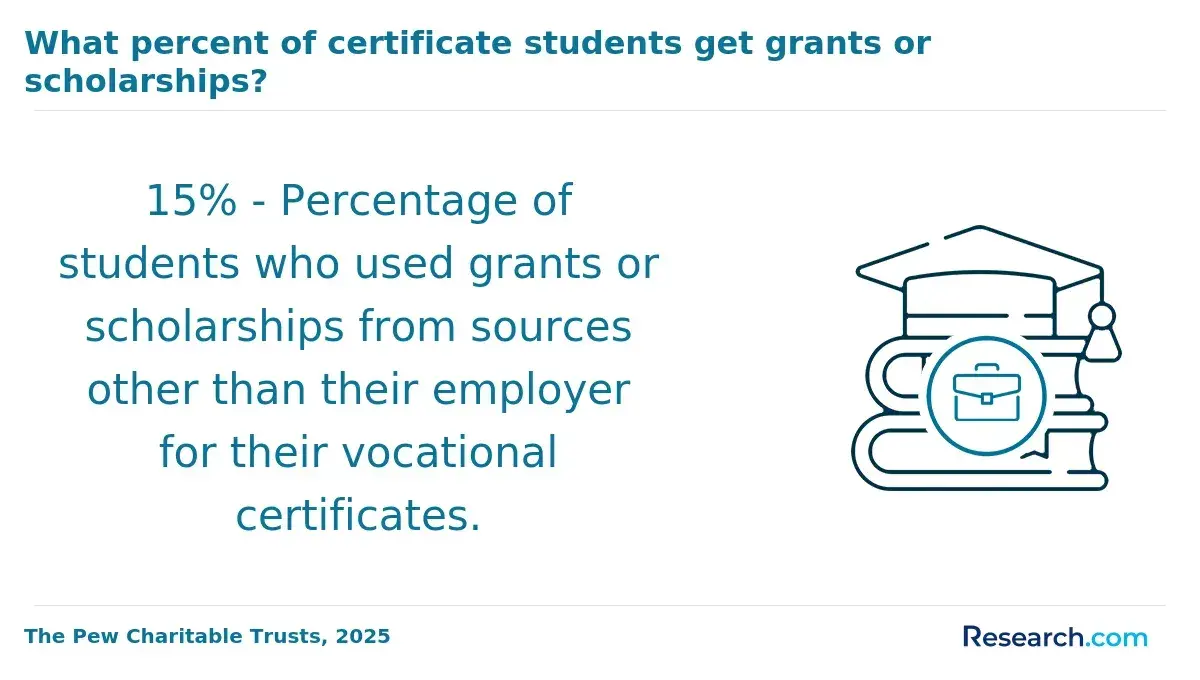
Accreditation is one of the biggest factors in whether cybersecurity credits transfer. In the U.S., most colleges prefer credits from institutions recognized by the U.S. Department of Education or the Council for Higher Education Accreditation. If a prior school lacks recognized accreditation, a receiving university may reject the credits even if the course titles look similar.
For cybersecurity students, accreditation operates at two levels. Institutional accreditation affects the college as a whole and is usually essential for transfer credit, federal financial aid, and graduate school eligibility.
Programmatic recognition, such as ABET accreditation for certain computing programs or NSA Center of Academic Excellence in Cyber Defense designation, can add credibility but does not automatically make credits transferable.
This table explains the main quality signals students are likely to see when comparing cybersecurity programs. The value of each signal depends on your career goal and whether you plan to transfer again later:
| Credential or quality signal | What it means | How it affects transfer decisions |
| Institutional accreditation | The college meets recognized academic and administrative standards | Usually the first requirement for credits to be considered by another accredited school |
| ABET accreditation | Some computing, cybersecurity, or engineering programs meet discipline-specific standards | May strengthen program credibility, especially for technical or graduate pathways |
| NSA CAE-CD designation | The program aligns with federal cybersecurity education standards | May help with employer perception but does not replace a course-by-course transfer review |
| ACE credit recommendations | External training, military learning, or exams have recommended college credit values | Can help schools evaluate nontraditional learning, but each college decides whether to accept it |
Students should also watch for credits earned through bootcamps or vendor training. These can be valuable for skills, but they may not carry academic credit unless they are transcripted, ACE-reviewed, or formally accepted through a school's prior-learning assessment policy.
What admission requirements do online cybersecurity programs usually require?
Online cybersecurity admissions requirements vary by degree level, but bachelor's programs are usually accessible to first-time students, transfer students, and working adults. Selective programs may expect stronger math or computing preparation, while adult-focused programs may place more emphasis on previous credits and professional experience.
Most undergraduate applicants should be ready to provide a small set of documents. These requirements matter because missing transcripts are one of the most common reasons transfer evaluations are delayed:
- High school diploma, GED, or equivalent for first-time college applicants.
- Official transcripts from every college previously attended, even if credits are old or incomplete.
- Minimum GPA, often evaluated overall or based on transferable college coursework.
- Proof of English proficiency for applicants whose prior education was not in English.
- Technology access requirements, such as a reliable computer, broadband connection, and virtualization-capable hardware for labs.
- Optional or required resume for applicants seeking prior-learning, military, or professional experience credit.
Students entering a master's program usually need a bachelor's degree, transcripts, and sometimes prerequisite coursework in programming, networking, statistics, or systems administration. A GRE is less common in many online professional programs, but requirements vary.
If your background is not strictly cybersecurity, do not assume you are unqualified. Many programs admit students from help desk, networking, criminal justice, business analytics, or general IT backgrounds. Students who are more interested in analytics-heavy security roles may also compare a master of data science online with a cybersecurity master's that includes threat intelligence, security analytics, or machine learning electives.
How long does an online cybersecurity degree take to finish?
An online cybersecurity bachelor's degree typically requires about 120 credits. A first-time, full-time student may take around four years, while a student transferring 60 credits from an associate degree may finish in about two years. A student transferring close to 90 usable credits may finish in roughly one year if courses are available in the right sequence and the student can study consistently.
Program format can affect pace as much as transfer credit. Traditional semester programs move in fixed terms, accelerated programs use shorter sessions, and competency-based programs allow students to progress after demonstrating mastery.
The table below shows how transfer credit can change completion time. These are planning estimates, not promises, because course availability, prerequisites, and personal workload can extend the timeline:
| Starting point | Typical remaining credits | Possible completion timeline | Best fit |
| No prior college credit | About 120 credits | About four years full time | Students starting college for the first time |
| Some college credit | About 75 to 90 credits | About two and a half to three years | Students who changed majors or stopped out |
| Completed associate degree | About 60 credits | About two years | Community college graduates seeking a bachelor's completion path |
| High-transfer student | About 30 credits | About one year full time | Students with many applicable credits, certifications, or military learning |
Part-time students should be realistic about workload. Cybersecurity courses often include labs, command-line tools, reports, and troubleshooting. Taking too many accelerated technical classes at once can lead to weak skill development, even if it shortens the calendar.
What cybersecurity courses are included in online degree programs?
Online cybersecurity degree programs combine computing fundamentals with security-specific coursework. A transfer-friendly program should not waive core security competencies simply to speed up graduation; it should place students into the right level based on what they already know.
Most programs include a mix of theory, applied labs, and policy topics. The following course areas are common because they support both technical and governance-focused cybersecurity roles:
- Networking fundamentals: Covers protocols, routing, switching, wireless networks, and secure network design.
- Operating systems and systems administration: Builds familiarity with Windows, Linux, scripting, users, permissions, and system hardening.
- Cybersecurity principles: Introduces confidentiality, integrity, availability, risk, authentication, access control, and defense-in-depth.
- Ethical hacking and penetration testing: Teaches vulnerability discovery, exploitation methods, reporting, and legal boundaries.
- Digital forensics: Focuses on evidence collection, chain of custody, file systems, incident reconstruction, and investigative tools.
- Cloud security: Examines identity management, cloud architecture, shared responsibility, container security, and misconfiguration risks.
- Governance, risk, and compliance: Covers security frameworks, policy, audits, privacy, incident response plans, and business continuity.
- Capstone or practicum: Requires students to solve a realistic security problem, build a portfolio project, or complete an applied assessment.
AI is also changing the curriculum. More programs are adding security automation, adversarial AI awareness, and threat detection using analytics. Students drawn to machine learning, secure automation, or AI governance may want to compare cybersecurity curricula with AI degree programs, especially if their career goal is security engineering for AI-enabled systems.
The main mistake to avoid is choosing the fastest curriculum without checking lab depth. Employers often expect graduates to discuss tools, incidents, and hands-on projects, not just security concepts.
How do online and campus cybersecurity programs compare?
Online and campus cybersecurity programs can lead to similar academic credentials when they are offered by accredited institutions. The better choice depends on how you learn, how much schedule flexibility you need, and whether you want access to in-person labs, clubs, career fairs, or local employer pipelines.
This comparison focuses on decision factors that matter for transfer students and working adults. The right format is the one that helps you finish while building evidence of practical skill:
| Factor | Online cybersecurity degree | Campus cybersecurity degree |
| Schedule flexibility | Usually better for working adults, parents, military students, and shift workers | More fixed class times and commuting requirements |
| Transfer credit convenience | Often designed for adult learners with prior credits from multiple schools | Can be flexible, but some campus programs have tighter sequencing |
| Hands-on labs | Delivered through virtual machines, cloud labs, simulations, and remote environments | May include physical labs, cyber ranges, or in-person equipment access |
| Networking | Requires more intentional outreach through online events, LinkedIn, clubs, and internships | Often easier to access campus clubs, faculty, peer groups, and local recruiters |
| Learning style | Best for self-directed students who can manage deadlines independently | Best for students who benefit from face-to-face structure and immediate support |
Online is usually the better option if your top priorities are keeping your job, using prior credits, and avoiding relocation. Campus may be better if you are a traditional-age student who wants a structured environment, in-person mentoring, or access to specialized physical labs.
Do not assume online means easier. Strong online cybersecurity programs still require technical labs, group work, exams, writing, and troubleshooting. The flexibility is in when and where you learn, not in lower expectations.
Which cybersecurity jobs can a degree prepare you for?
A cybersecurity degree can prepare students for technical, investigative, compliance, and management-oriented roles. Entry-level job titles vary widely, and many students start in IT support, networking, systems administration, or security operations before moving into more specialized roles.
The table below connects common job titles with the type of work they usually involve. Use it to match your degree electives, internships, certifications, and projects to the roles you want most:
| Role | Typical responsibilities | Useful preparation |
| Security analyst | Monitor alerts, investigate suspicious activity, document incidents, and recommend controls | Networking, SIEM tools, incident response, Security+ |
| SOC analyst | Work in a security operations center reviewing logs, triaging alerts, and escalating threats | Linux, scripting, detection tools, home labs, CySA+ |
| Penetration tester | Assess systems for vulnerabilities and report exploitable weaknesses ethically | Web security, networking, scripting, PenTest+, portfolio reports |
| Digital forensics analyst | Collect and analyze digital evidence for incidents, investigations, or legal processes | Forensics tools, evidence handling, operating systems, report writing |
| Cloud security specialist | Secure cloud identities, workloads, storage, and configurations | AWS, Azure, identity management, cloud security labs |
| GRC analyst | Support audits, policies, risk assessments, compliance documentation, and security frameworks | Risk management, NIST frameworks, writing skills, business communication |
A degree is most valuable when paired with experience. Students should look for internships, part-time IT roles, campus or virtual security clubs, capture-the-flag events, and lab-based projects they can explain in interviews.
Cybersecurity also overlaps with healthcare, finance, government, energy, and education. Students interested in healthcare data protection may compare cybersecurity roles with health IT paths, including how health information management degree salary expectations differ from security analyst compensation.
What salaries do cybersecurity degree graduates earn?
Cybersecurity salaries vary by role, location, clearance requirements, experience, industry, and technical depth. The most reliable national benchmark is the U.S. Bureau of Labor Statistics category for information security analysts, which reported a 2024 median salary of $124,910. That figure is not a starting salary guarantee; it reflects the middle of the national wage distribution for workers in that occupation.
Salary potential usually rises when a graduate combines a degree with experience in systems, networking, cloud infrastructure, incident response, or secure software. Entry-level applicants may earn less than the median while they build experience, especially if they enter through help desk, junior analyst, or IT support roles.
The table below shows how salary context should be interpreted across common cybersecurity pathways. It is designed to help you evaluate fit rather than chase a job title based only on pay:
| Career stage | Common roles | Salary interpretation | What helps earnings grow |
| Entry level | Help desk security support, junior SOC analyst, IT technician | Often below national analyst medians because workers are still building applied experience | Hands-on labs, Security+, networking skills, internships |
| Early career | Security analyst, systems security administrator, GRC analyst | More likely to align with broader analyst wage data as responsibilities expand | Incident response experience, cloud exposure, scripting, CySA+ |
| Midcareer | Security engineer, penetration tester, cloud security specialist | Can vary sharply based on specialization, industry, and region | Advanced certifications, project leadership, secure architecture work |
| Senior or leadership | Security architect, security manager, risk leader | Often tied to business responsibility, compliance exposure, and leadership scope | CISSP, management experience, risk strategy, communication skills |
When evaluating return on investment, compare total remaining cost after transfer credit with the likely time needed to finish. A lower tuition rate is helpful, but losing 30 usable credits can make a cheaper school more expensive in practice.
Which certifications matter most for cybersecurity students?
Certifications matter in cybersecurity because they give employers a fast way to verify specific skills. They do not replace a degree for every role, but they can strengthen a resume, satisfy course credit at some schools, and help students qualify for internships or entry-level interviews.
Students should choose certifications based on career stage, not popularity alone. The following sequence is a practical way to think about credentials while earning a degree:
- Start with fundamentals: CompTIA A+ or Network+ can help students who lack IT support or networking experience.
- Add a baseline security credential: CompTIA Security+ is widely recognized for entry-level cybersecurity knowledge and is often aligned with undergraduate coursework.
- Build role-specific depth: CySA+ fits analyst paths, PenTest+ fits ethical hacking, and cloud credentials fit cloud security roles.
- Wait on senior credentials: CISSP is respected but generally more appropriate after substantial professional security experience.
- Ask about credit before paying: If your school awards credit for certifications, confirm the exact course equivalency before scheduling the exam.
Certification value also depends on freshness. Cybersecurity tools and threats change quickly, so expired or outdated credentials may have limited value for transfer credit or hiring.
A useful program will help students connect certifications to coursework rather than treating them as separate add-ons. For example, a networking course may prepare students for Network+, while incident response and monitoring courses may support CySA+ preparation.
Other Things You Should Know About Cybersecurity
Sometimes, but it depends on whether the bootcamp has an academic credit partnership, ACE credit recommendation, or formal evaluation process with the college. Many bootcamps build useful skills but do not automatically carry transferable college credit.
In 2027, institutions like Western Governors University and Purdue University Global stand out for their flexible credit transfer policies. They allow students to transfer previously earned credits from other accredited institutions, maximizing educational investments and reducing time to degree completion.
Usually yes, at least for upper-level labs. Many programs use virtual machines, packet analysis tools, cloud labs, and security software. Ask the school for hardware requirements before enrolling, especially if you plan to use an older laptop.
Yes, but many graduates still enter through help desk, network support, SOC analyst, internship, or junior IT roles. Students with strong labs, internships, certifications, military experience, or prior technical work may have more direct entry options.
References
- Top Cybersecurity Certifications To Earn Today | Splunk https://www.splunk.com/en_us/blog/learn/cybersecurity-certifications.html
- Transfer Credits to a Cybersecurity Program at CTU https://www.coloradotech.edu/degrees/studies/information-systems-and-technology/cybersecurity-transfer-credits
- Cyber Security Salary by State | All Criminal Justice Schools https://www.allcriminaljusticeschools.com/cybersecurity/salary/
- How Long Does it Take to Get a Cybersecurity Degree? | Maryville Online https://online.maryville.edu/online-masters-degrees/cyber-security/resources/how-long-does-it-take-master-degree-cybersecurity/
- Cyber Security Salary: 7 Highest-Paid Cyber Security Jobs | NEIT https://www.neit.edu/blog/cyber-security-salary
- Compare Types of Cybersecurity Degrees | CyberDegrees.org https://www.cyberdegrees.org/listings/
- Top 10 Cybersecurity Certifications https://www.infosecurityeurope.com/en-gb/blog/guides-checklists/top-10-cybsersecurity-certifications.html
- Top Online Schools That Accept Transfer Credits https://www.edvisorly.com/student-guides/online-schools-that-accept-transfer-credits
- ABET Seeks Feedback on Proposed Accreditation Criteria for Cybersecurity Academic Programs - ABET https://www.abet.org/abet-seeks-feedback-on-proposed-accreditation-criteria-for-cybersecurity-academic-programs/
- 25 Best Online Cybersecurity Degree Programs https://cybersecurityguide.org/online/cybersecurity-bachelors-degree/