2027 Online Cybersecurity Degrees With Scholarships for Working Professionals

Co-Founder and Chief Data Scientist
Choosing an online cybersecurity degree while working full time is a cost, time, and career decision. The field is expanding quickly. The U.S. Bureau of Labor Statistics reports a May 2024 median pay of $124,910 for information security analysts and projects much faster-than-average growth for the occupation.
This guide is for adults comparing accredited online programs, scholarships, employer benefits, schedules, and career outcomes. You will learn how to evaluate degree levels, avoid common enrollment mistakes, and choose a program that fits your budget, experience, and promotion goals.
Key Things You Should Know
- For working professionals, the strongest online cybersecurity degree choice is usually an accredited bachelor's completion program or career-focused master's program with asynchronous coursework, transfer credit, hands-on labs, and employer-aligned certifications.
- Cost varies widely, but College Board's 2024 Trends in College Pricing shows average published tuition and fees of $11,610 for in-state public four-year students and $43,350 at private nonprofit four-year institutions, so scholarships, transfer credits, and employer tuition benefits can materially change ROI.
- Cybersecurity degree outcomes depend on role, experience, location, clearance eligibility, and certifications; BLS reported $124,910 median pay for information security analysts in May 2024, but entry-level help desk, SOC, and compliance roles often start below analyst-level pay.
What are the best accredited online cybersecurity degree options for working professionals?
The best accredited online cybersecurity degree is not always the highest-ranked or fastest program. For a working adult, the better choice is the degree level that matches your current experience, target role, weekly study time, transfer credits, and employer reimbursement rules.
Accreditation should be your first filter. Look for institutional accreditation from an agency recognized by the U.S. Department of Education or the Council for Higher Education Accreditation. Program-level recognition can also matter; for cybersecurity, many students prioritize programs aligned with the National Centers of Academic Excellence in Cybersecurity, a federal designation sponsored by the National Security Agency.
The table below compares common online cybersecurity degree options and when each tends to make sense for employed students.
| Degree option | Best fit for working professionals | Typical career use | Key trade-off |
| Associate degree in cybersecurity or information technology | Career changers who need an affordable entry point or plan to transfer later | Help desk, junior security support, network support | May not meet bachelor's-preferred requirements for analyst or federal roles |
| Bachelor's degree in cybersecurity | Adults seeking entry-level analyst roles, promotion eligibility, or a complete undergraduate credential | SOC analyst, security analyst, systems security administrator, risk analyst | Takes longer than a certificate but carries broader employer recognition |
| Bachelor's completion program | Students with prior college credit, military training, or an associate degree | Same as bachelor's degree, often with faster completion | Value depends heavily on transfer credit policy |
| Master's degree in cybersecurity | IT professionals, engineers, auditors, or managers moving into senior security, cloud security, governance, or leadership | Security engineer, cybersecurity manager, cloud security architect, GRC lead | Often expects stronger technical or professional preparation |
| Graduate certificate | Professionals testing the field or adding a focused skill without committing to a full degree | Skill upgrade, internal mobility, certification preparation | May not substitute for a degree in degree-screened jobs |
A bachelor's degree is often the practical baseline for professionals who do not already work in IT. A master's degree usually makes more sense when you already have technical, military, audit, compliance, software, or network experience and want to move into higher-responsibility roles.
If speed is your main constraint, compare accelerated calendars carefully. A fast cyber security degree can be useful for adults with transfer credits, but "fast" should not mean weak labs, limited faculty access, or unclear accreditation.
Before shortlisting programs, use a decision sequence rather than relying only on rankings. This keeps your search focused on fit, not marketing claims:
- Confirm institutional accreditation and, when relevant, NSA CAE alignment.
- Match the degree level to your current background and target job postings.
- Ask for a transfer credit evaluation before estimating time to graduation.
- Check whether courses are asynchronous, synchronous, or hybrid.
- Review lab access, capstone requirements, internship options, and certification mapping.
- Compare net cost after scholarships, employer reimbursement, and transfer credits.
A major red flag is a program that advertises quick job placement without publishing clear curriculum, accreditation status, student support, or total cost. Cybersecurity hiring is skills-based, but employers still scrutinize credibility, hands-on experience, and whether applicants can explain real security decisions.
How do online cybersecurity degrees compare to campus-based programs for adult learners?
Online cybersecurity degrees can be just as legitimate as campus-based programs when they are offered by accredited institutions and include meaningful technical practice. The main difference is not academic quality by default; it is how learning, scheduling, networking, and support are delivered.
For adult learners, the deciding factor is usually flexibility. Online programs reduce commute time and may allow students to study around shift work, caregiving, military obligations, or travel. Campus programs may offer easier access to in-person labs, student clubs, local employer events, and immediate faculty interaction.
The table below summarizes the practical differences that matter most when choosing between online and campus formats.
| Decision factor | Online cybersecurity degree | Campus-based cybersecurity degree | What to ask before enrolling |
| Schedule | Often asynchronous or evening-based | Usually fixed class meeting times | Can I complete required activities outside business hours? |
| Labs | Virtual labs, cloud ranges, remote tools, simulations | Physical labs, campus networks, in-person equipment | Are labs available remotely, and for how many hours each week? |
| Networking | Online cohorts, virtual career fairs, discussion boards | In-person clubs, events, local employer visits | Does the school connect online students to the same career services? |
| Cost structure | May reduce commuting, housing, and relocation costs | May include campus fees and commuting costs | What is the total cost, not just tuition? |
| Learning style | Requires self-management and written communication | More face-to-face accountability | How much instructor interaction is built into each course? |
Online learning is a strong fit if you are organized, comfortable troubleshooting technology, and able to schedule consistent study blocks. It can be a poor fit if you need frequent in-person accountability or do not have reliable internet access, a quiet workspace, or time for lab practice.
Campus learning may be better if you are new to computing and want daily structure, face-to-face tutoring, or access to physical hardware. However, adults should weigh those benefits against commute time and schedule rigidity, especially if missing class could delay graduation.
The best online programs reduce the usual disadvantages of distance learning by offering live office hours, accessible faculty, technical support, cyber ranges, tutoring, career coaching, and active alumni communities. If an online program simply posts readings and exams without guided labs, it may not provide enough applied preparation for security roles.
What types of scholarships and employer tuition benefits support online cybersecurity students?
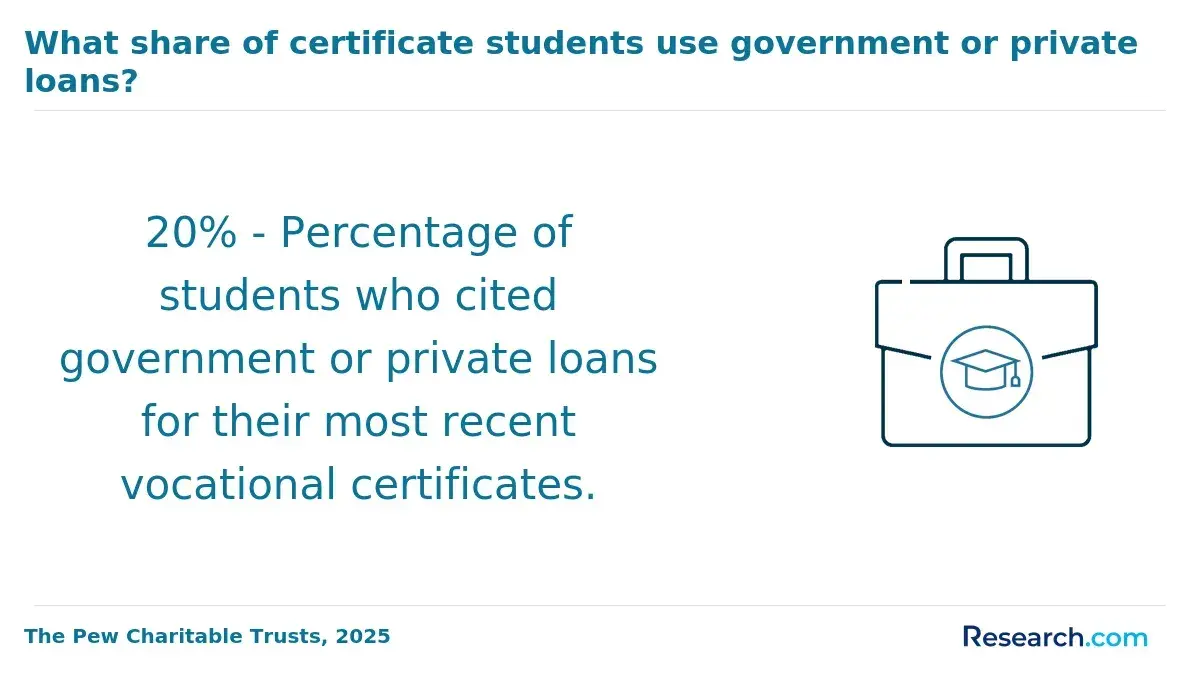
Scholarships and employer tuition benefits can make an online cybersecurity degree significantly more affordable, especially for adults who are balancing tuition with family expenses and reduced study time. The key is to combine multiple funding sources rather than assuming one award will cover everything.
Cybersecurity students may qualify for general institutional aid, major-specific scholarships, workforce grants, military and veteran education benefits, professional association awards, and employer tuition assistance. Some awards are need-based, while others reward academic merit, military service, public service goals, underrepresentation in technology, or a commitment to government cybersecurity work.
Common funding categories include the following, and each has different timing, eligibility, and repayment implications:
- Institutional scholarships: Awards from the college or university, often based on GPA, transfer status, financial need, or major.
- Cybersecurity-specific scholarships: Awards aimed at students pursuing security, information assurance, digital forensics, or critical infrastructure protection.
- Employer tuition assistance: Company-paid or reimbursed tuition, typically capped annually and often tied to continued employment.
- Federal financial aid: Pell Grants for eligible undergraduates, federal loans, and work-study for students who complete the FAFSA and meet eligibility rules.
- Military and veteran benefits: GI Bill benefits, Tuition Assistance, Yellow Ribbon participation, and credit for military training where accepted.
- Service-obligation programs: Funding that may require graduates to work for a qualifying public-sector employer after completion.
Employer tuition assistance deserves special attention. Many companies reimburse only after you pass a course, require the program to relate to your current job, or ask employees to remain with the company for a set period after payment. If you leave early, you may have to repay some benefits.
To avoid missed funding, apply in the right order. First, submit the FAFSA if you are eligible. Second, ask the school for institutional aid and transfer scholarships. Third, contact your employer's HR or learning department before enrolling. Fourth, search for cybersecurity-specific awards with deadlines that may fall months before the term begins.
A common mistake is choosing a program before understanding the employer reimbursement policy. If your employer reimburses only regionally accredited institutions, degree programs related to your position, or courses completed with a minimum grade, those rules should shape your shortlist from the beginning.
What admission requirements and prior experience do online cybersecurity programs typically expect?
Admissions requirements vary by degree level, but online cybersecurity programs usually look for evidence that you can handle technical coursework and complete college-level assignments independently. Prior cybersecurity experience helps, but it is not always required, especially for associate and bachelor's programs.
Undergraduate programs typically require a high school diploma or GED, transcripts, an application, and sometimes placement testing or prerequisite math. Bachelor's completion programs may also require a minimum number of transferable credits.
Graduate programs are more selective and often require a bachelor's degree, a minimum GPA, resume, statement of purpose, and occasionally professional IT experience or prerequisite coursework.
The table below shows what applicants commonly encounter at each level.
| Program level | Typical admission expectations | Prior experience needed? | Best preparation step |
| Associate degree | High school diploma or GED, transcripts, placement readiness | Usually no | Build basic computer, networking, and study skills |
| Bachelor's degree | High school diploma or transfer credits, transcripts, sometimes math readiness | Usually no, but helpful | Complete introductory IT or programming coursework if available |
| Bachelor's completion | Prior college credits, minimum GPA, official transcripts | Not always | Request unofficial transfer reviews from several schools |
| Master's degree | Bachelor's degree, GPA threshold, resume, statement, prerequisites in IT or computing | Often preferred | Document technical projects, certifications, or relevant work experience |
| Graduate certificate | Bachelor's degree or professional background, depending on school | Sometimes | Choose a certificate that can stack into a master's if possible |
If you are new to the field, do not assume that cybersecurity starts with advanced hacking. Strong programs often begin with operating systems, networking, scripting, security principles, risk management, and ethical use of tools. These foundations matter because real security work requires diagnosis, documentation, and judgment, not just tool familiarity.
Applicants with military, help desk, networking, software, audit, law enforcement, or compliance experience should ask whether the school awards credit for prior learning, industry certifications, or military training. Credit policies vary, but they can shorten time to graduation and reduce total cost.
One red flag is a graduate program that admits students with no technical background but provides little bridge coursework. If you do not already know networking, operating systems, or basic scripting, ask exactly how the program helps you close those gaps before advanced security courses begin.
How long do online cybersecurity degrees take and how flexible are class schedules?
Online cybersecurity degree timelines depend on degree level, transfer credits, course load, academic calendar, and whether courses are offered every term. Working professionals should evaluate time-to-completion based on their realistic weekly availability, not the fastest advertised path.
An associate degree commonly takes about two years of full-time study. A bachelor's degree often takes four years from the start, but bachelor's completion students with transfer credit may finish faster. A master's degree commonly takes one to three years, depending on whether the student enrolls full time or part time.
Many online programs use eight-week or accelerated terms. These formats can help motivated adults move quickly, but they compress reading, labs, discussion posts, and projects into shorter windows. A two-course accelerated term can feel intense for someone working full time, especially in technical classes with labs.
The schedule features below are worth comparing because they determine whether a program will actually fit your life.
- Asynchronous classes: You can log in on your own schedule, but assignments still have weekly deadlines.
- Synchronous sessions: Live meetings provide interaction but may conflict with work shifts or family responsibilities.
- Part-time pathways: Slower pacing can protect work-life balance but may extend time to graduation.
- Accelerated terms: Shorter courses can speed completion but increase weekly workload.
- Rolling starts: Multiple start dates can reduce waiting time if you miss a traditional semester deadline.
- Self-paced or competency-based models: Progress may depend on demonstrated mastery, which can benefit students with prior IT experience.
If you are trying to finish quickly, compare the total calendar, not just course length. Some programs advertise accelerated terms but limit how often required cybersecurity courses are offered. Others allow year-round enrollment, which can shorten completion time for students who can handle continuous study.
Professionals comparing adjacent tech pathways may also want to understand workload differences across fields. For example, a data science master online often emphasizes statistics, machine learning, and analytics, while cybersecurity programs emphasize systems defense, risk, networks, and incident response.
A practical rule is to start with one technical course if you have been out of school for a while. After you understand the weekly rhythm of readings, labs, exams, and discussion posts, you can decide whether adding a second course is realistic.
What core courses, specializations, and hands-on labs are included in cybersecurity curricula?
A strong cybersecurity curriculum combines theory, technical practice, policy, and communication. Employers need professionals who can identify risk, secure systems, investigate incidents, explain findings, and work within legal and ethical boundaries.
Core courses usually cover the building blocks of security work. Students should expect a mix of computing fundamentals, defensive security, and governance topics rather than only penetration testing.
- Networking and network security: How systems communicate and how attackers exploit misconfigurations.
- Operating systems security: Windows, Linux, permissions, logs, hardening, and endpoint protection.
- Security fundamentals: Confidentiality, integrity, availability, authentication, cryptography, and access control.
- Incident response: Detection, triage, containment, evidence handling, and post-incident reporting.
- Digital forensics: Collection and analysis of artifacts from devices, networks, or cloud environments.
- Secure programming or scripting: Automation, basic coding, and identifying software vulnerabilities.
- Risk management and governance: Policies, controls, compliance frameworks, and security planning.
- Cloud and enterprise security: Identity, infrastructure, monitoring, and shared-responsibility models.
Specializations help align your degree with a target career path. A student aiming for technical operations may choose cloud security, digital forensics, or penetration testing. A student aiming for leadership or compliance may prefer governance, risk, and compliance, cyber policy, privacy, or security management.
Hands-on labs are especially important for online students. Look for virtual environments where you can practice safely without attacking real systems. Good labs may include packet analysis, vulnerability scanning, log review, malware behavior analysis, firewall configuration, identity management, and incident response simulations.
Capstone projects are another quality signal. A useful capstone requires you to solve a realistic security problem, document your decisions, and present findings to a technical or business audience. That experience can later support interviews because you can explain what you built, tested, analyzed, or defended.
Be cautious with programs that treat cybersecurity as mostly policy with little technical practice, unless your goal is specifically compliance, audit, or management. Also be cautious with programs that focus almost entirely on offensive tools without covering ethics, law, documentation, and defensive operations.
How much do online cybersecurity degrees cost, and what financial aid can reduce expenses?
The cost of an online cybersecurity degree depends on tuition rate, fees, books, technology requirements, transfer credits, course load, and how long you remain enrolled. For working professionals, the net cost after aid matters more than the advertised per-credit price.
College Board's 2024 Trends in College Pricing provides a useful benchmark for comparing degree costs: average published tuition and fees for 2024-25 were $11,610 for in-state students at public four-year institutions and $43,350 at private nonprofit four-year institutions. These figures are not cybersecurity-specific, but they show why institution type, residency rules, and scholarships can strongly affect the final bill.
When estimating cost, ask the school for a full program budget rather than a tuition-only quote. The most important cost categories usually include the following:
- Per-credit tuition and the total number of credits required after transfer evaluation
- Online learning, technology, lab, proctoring, graduation, and student service fees
- Books, software, cloud lab access, certification exam vouchers, or practice platforms
- Residency-based tuition rules for public universities
- Lost income or reduced overtime if you cut work hours to study
- Loan interest if you finance part of the degree
Federal aid can help eligible students, but borrowing should be evaluated carefully. For loans first disbursed during the 2025-26 award year, the U.S. Department of Education lists fixed interest rates of 6.39% for Direct Subsidized and Unsubsidized Loans for undergraduates and 7.94% for Direct Unsubsidized Loans for graduate students. That means the amount borrowed is not the only cost; repayment timing and interest also affect ROI.
Use a net-cost approach before enrolling. This is especially important if you are comparing cybersecurity with other career-training fields, where aid structures and employer reimbursement may differ. For example, resources on financial aid for medical billing and coding can be useful for understanding how program type changes funding options.
To reduce expenses, prioritize steps that lower total credits or out-of-pocket tuition rather than only looking for the lowest sticker price:
- Complete the FAFSA early and review federal, state, and institutional aid eligibility.
- Request transfer evaluations from multiple accredited schools before committing.
- Ask whether certifications, military training, or work experience can earn credit.
- Confirm whether your employer pays upfront or reimburses after grades are posted.
- Choose a course load that helps you avoid withdrawals, repeated classes, or burnout.
- Compare whether certification exam vouchers are included or billed separately.
A common mistake is choosing the cheapest per-credit program without checking how many credits you must complete there. A slightly higher per-credit program that accepts more transfer credit may cost less overall and get you to graduation sooner.
What cybersecurity careers, roles, and promotion pathways can these degrees lead to?
An online cybersecurity degree can support entry into security roles, advancement from IT into cybersecurity, or movement from technical work into leadership. The exact path depends on your prior experience, portfolio, certifications, internships, clearance eligibility, and local employer demand.
Many working adults enter cybersecurity through IT support, systems administration, networking, military cyber roles, software development, audit, or compliance. A degree helps by organizing knowledge, documenting academic preparation, and giving you projects to discuss in interviews. However, most employers still expect evidence that you can apply skills in real environments.
The table below shows common cybersecurity roles and how they often fit into a career progression.
| Role | Typical responsibilities | Common experience level | Degree value |
| Help desk or IT support specialist | Troubleshoot users, devices, accounts, and basic security issues | Entry-level | Builds the technical foundation for security work |
| Security operations center analyst | Monitor alerts, review logs, escalate incidents, document findings | Entry to early career | Connects coursework in networks, logs, and incident response to daily tasks |
| Cybersecurity analyst | Assess threats, implement controls, investigate incidents, support security operations | Early to mid-career | Often aligns well with bachelor's-level preparation |
| Digital forensics analyst | Collect evidence, analyze devices or network artifacts, prepare reports | Mid-career or specialized entry | Benefits from labs, legal coursework, and careful documentation practice |
| Cloud security specialist | Secure cloud identity, infrastructure, monitoring, and configurations | Mid-career | Often strengthened by cloud labs and vendor certifications |
| Governance, risk, and compliance analyst | Map controls, prepare audits, assess risk, support policy compliance | Entry to mid-career | Useful for students with business, audit, or regulatory experience |
| Security engineer | Design, implement, and maintain security tools, controls, and architectures | Mid-career | Often requires technical depth beyond classroom theory |
| Cybersecurity manager | Lead teams, budgets, policies, incident planning, and stakeholder communication | Experienced | Graduate study may help when paired with leadership experience |
Promotion pathways usually move from support and monitoring toward analysis, engineering, architecture, management, or specialized investigations. A degree can help you qualify for postings that require or prefer a bachelor's or master's, but advancement also depends on performance, communication, professional reputation, and continuing skill development.
AI is changing cybersecurity work rather than removing the need for skilled professionals. Security teams increasingly use automation for alert triage, vulnerability prioritization, phishing detection, and log analysis. That trend raises the value of professionals who can validate tool outputs, investigate ambiguous findings, write clear reports, and understand how attackers may misuse automation.
Students who want to work at the intersection of security and automation may also compare cybersecurity with AI degree programs, especially if their long-term goal involves machine learning security, threat detection, or secure AI governance.
The smartest career strategy is to pair the degree with evidence of applied skill. Build a small portfolio of lab reports, scripts, security policy samples, cloud hardening projects, or incident response writeups that can be discussed without exposing confidential employer information.
What are typical cybersecurity salaries and job outlook for degree-holders in the U.S.?
Cybersecurity salaries vary by role, region, industry, experience, certifications, clearance requirements, and whether the job is technical, managerial, or compliance-focused. Degree-holders should use salary data as a planning benchmark, not as a guaranteed outcome.
The strongest national benchmark is the U.S. Bureau of Labor Statistics category for information security analysts. BLS reported a May 2024 median annual wage of $124,910 for this occupation. That figure reflects a national median across workers in the occupation, so new graduates, career changers, and workers in lower-cost regions may see lower offers, while experienced specialists in high-demand markets may see higher compensation.
Job outlook is also favorable. BLS projects employment for information security analysts to grow much faster than the average for all occupations from 2024 to 2034. For students, this means demand is real, but competition still exists for entry-level roles because many applicants are trying to move into cybersecurity at the same time.
The table below provides a practical salary-context view by role type rather than implying that every graduate will immediately earn analyst-level pay.
| Career stage | Example roles | Salary context | What improves competitiveness |
| Entry pathway | Help desk, IT support, junior SOC, network support | Often below the BLS median for information security analysts | Foundational certifications, labs, internships, strong troubleshooting experience |
| Analyst stage | Security analyst, SOC analyst, risk analyst, incident response analyst | Most closely aligned with the BLS information security analyst benchmark | Bachelor's degree, practical projects, SIEM experience, clear documentation skills |
| Specialist stage | Cloud security, forensics, penetration testing, application security | Can vary widely by specialization and employer | Specialized labs, certifications, portfolio evidence, relevant work history |
| Leadership stage | Security manager, GRC lead, security architect, director-track roles | Often tied to years of experience and scope of responsibility | Graduate education, leadership record, business communication, risk ownership |
Location and industry matter. Financial services, defense contractors, cloud providers, healthcare systems, consulting firms, and government agencies may value different combinations of degree level, certifications, clearance eligibility, and regulatory knowledge.
To evaluate ROI, compare the program's net cost against the roles you can realistically target in the next two to five years. If you are new to IT, your first step may be a support or SOC role rather than a senior cybersecurity analyst position. If you already manage systems or networks, the degree may support a faster transition into security engineering, cloud security, or governance roles.
Which industry certifications and security clearances align with online cybersecurity degrees?
Cybersecurity degrees and certifications serve different purposes. A degree provides structured academic preparation, broader theory, writing practice, and credential value. Certifications validate specific job skills, tools, bodies of knowledge, or experience levels. For many working professionals, the strongest plan combines both.
Entry-level students often begin with certifications that cover security fundamentals, networking, or cloud basics. Experienced professionals may pursue advanced credentials in security management, auditing, cloud security, penetration testing, or systems security.
The table below shows how common certifications align with academic and career stages.
| Certification | Typical fit | Best aligned roles | How it complements a degree |
| CompTIA Security+ | Entry-level security fundamentals | SOC analyst, junior security analyst, government contractor support roles | Validates baseline security knowledge while the degree builds depth |
| CompTIA Network+ | Networking foundation | IT support, network support, SOC pathway roles | Helps students who need stronger network fundamentals before advanced security courses |
| ISC2 Certified in Cybersecurity | Early career or career changer | Entry-level security support and foundational roles | Signals commitment while building toward higher-level credentials |
| Certified Ethical Hacker | Offensive security concepts | Penetration testing support, vulnerability assessment | Pairs best with legal, ethical, and defensive coursework |
| GIAC certifications | Specialized technical skill areas | Forensics, incident response, penetration testing, cloud security | Can strengthen a focused specialization but may be costly |
| CISSP | Experienced security professionals | Security manager, architect, senior analyst, consultant | Complements advanced study and professional experience |
| CISA or CISM | Audit, governance, and management pathways | GRC analyst, IT auditor, security manager | Fits students pursuing risk, compliance, or leadership tracks |
Some programs embed certification preparation into courses or include exam vouchers. That can be valuable, but do not choose a degree only because it lists many certifications. Ask whether certification content is integrated into hands-on projects and whether students receive advising on the right exam sequence.
Security clearances are different from certifications. A clearance is a government determination that a person may access classified information for a specific role. You generally cannot obtain one independently just because you are a student.
An eligible employer or agency must sponsor the process. U.S. citizenship is commonly required for many cleared roles, and background investigations consider factors that can vary by case.
If you are targeting federal cybersecurity, defense contracting, or national security work, ask programs whether they have career services familiar with cleared hiring, federal resumes, internships, and cyber competitions. NSA CAE-aligned programs may be especially relevant, but employer requirements still vary by position.
Students comparing security, analytics, and automation credentials should think about how certifications fit a broader technical roadmap. Some professionals combine cybersecurity coursework with cloud, data, or AI training to prepare for roles in threat intelligence, secure automation, and risk analytics.
Other Things You Should Know About Cybersecurity Degrees
Usually, you need a reliable computer, high-speed internet, webcam, and enough memory to run virtual machines or remote lab tools. Many programs provide cloud-based labs, so ask for technical requirements before buying new equipment.
No, but you should expect to learn technical foundations. Many roles require scripting, networking, operating systems, and log analysis more than full-scale software development. Starting with basic Python, Linux, and networking can make coursework easier.
Often yes, but state authorization rules can affect online enrollment. Before applying, confirm that the school is authorized to enroll students in your state and that any internship or practicum rules can be completed where you live.
In 2027, various scholarships are offered to working professionals pursuing online cybersecurity degrees. Notable options include the CyberCorps® Scholarship for Service, the (ISC)² Graduate Cybersecurity Scholarship, and university-specific scholarships like those at the University of Maryland Global Campus, which cater to students balancing work and study.
References
- IT & Cybersecurity Training Tuition & Funding | ACI Learning Tech Academy https://www.acitechacademy.com/it-training-funding-options/
- Hands-On Cybersecurity Training & Instructional Content & Labs | Codio https://www.codio.com/cybersecurity
- How Fast Can I Earn a Cyber Security Degree Online? https://www.degreesforgood.org/online-degrees/cyber-security-programs/accelerated/
- Cyber Security Salary by State | All Criminal Justice Schools https://www.allcriminaljusticeschools.com/cybersecurity/salary/
- How to Pay for a Degree in Cybersecurity | CyberDegrees.org https://www.cyberdegrees.org/resources/how-to-pay-for-a-degree/
- Cybersecurity Job Roles: Explore Key Career Paths https://beal.edu/cybersecurity-job-roles/
- Scholarships for Cybersecurity Students | SANS Technology Institute https://www.sans.edu/external-cybersecurity-scholarships
- What to Expect During an Online BS in Cybersecurity Program https://www.umassglobal.edu/blog-news/expect-during-online-bs-cybersecurity-program