2027 How to Become an Aesthetic Medical Assistant: Salary & Career Paths

Co-Founder and Chief Data Scientist
Becoming an aesthetic medical assistant is a practical career option for people who want a healthcare role that also involves skincare, cosmetic treatments, patient experience, and clinic operations. The job sits between traditional medical assisting and aesthetic medicine: you may prepare exam rooms, support dermatologists or plastic surgeons, educate patients about aftercare, assist with non-surgical cosmetic procedures, and help a med spa or cosmetic clinic run smoothly.
This guide explains what aesthetic medical assistants do, how to enter the field, what certifications may help, how much the role can pay, and where the career can lead. It is designed for students, current medical assistants, skincare professionals, and career changers who want a realistic view of the training, salary, benefits, risks, and advancement paths before investing time and money in this career.
Quick Answer: Is Becoming an Aesthetic Medical Assistant Worth It?
Becoming an aesthetic medical assistant can be worth it if you want hands-on healthcare work in dermatology, cosmetic medicine, plastic surgery, or med spa settings. Most people start by completing a medical assistant certificate or associate degree program, then build aesthetic skills through employer training, workshops, continuing education, or specialty certificates. Pay varies widely, but many aesthetic medical assistants earn between $18 to $30 per hour, with some roles offering bonuses, commissions, or product sales incentives. The broader medical assistant occupation is also projected by the U.S. Bureau of Labor Statistics to grow 15% from 2023 to 2033.
Key Things You Should Know About Becoming an Aesthetic Medical Assistant
- Aesthetic medical assistants usually work in clinical cosmetic settings, including dermatology offices, plastic surgery practices, medical spas, and aesthetic clinics.
- The usual starting point is a medical assistant program, often a one-year certificate or a two-year associate degree, before adding aesthetic-focused training.
- Many employers prefer candidates who hold a Certified Medical Assistant (CMA), Registered Medical Assistant (RMA), or similar credential, especially when the role includes clinical duties.
- Specialty experience may include supporting laser procedures, chemical peels, microneedling, Botox appointments, dermal filler visits, skincare consultations, and post-treatment care.
- Pay depends on state, city, clinic type, experience, certifications, and whether the employer offers commissions or bonuses; many workers earn between $18 to $30 per hour.
- According to the U.S. Bureau of Labor Statistics, employment for medical assistants in general is projected to grow 15% from 2023 to 2033.
- What is an aesthetic medical assistant?
- What does an aesthetic medical assistant do?
- How do you become an aesthetic medical assistant in 2027?
- Which certifications can help aesthetic medical assistants?
- What skills matter most in aesthetic medical assisting?
- How much money do aesthetic medical assistants make?
- What is the career outlook for aesthetic medical assistants?
- What are the advantages of this career path?
- What challenges do aesthetic medical assistants face?
- Can advanced education help with management roles in aesthetic medicine?
- What trends are changing aesthetic medical assisting?
- How can aesthetic medical assistants move up in their careers?
- What related careers can aesthetic medical assistants consider?
- How should you choose a training or certification program?
- How can you build leadership skills for an aesthetic career?
What is an aesthetic medical assistant?
An aesthetic medical assistant is a trained healthcare support professional who works with licensed providers in cosmetic, dermatology, plastic surgery, and medical spa environments. The role combines standard medical assisting duties with patient-facing support for appearance-focused treatments.
The difference between a traditional medical assistant and an aesthetic medical assistant is the setting and treatment focus. A traditional medical assistant may work in primary care, urgent care, pediatrics, or a specialty clinic. An aesthetic medical assistant usually supports services related to skin health, anti-aging treatments, cosmetic procedures, and post-procedure recovery.
Many people enter this specialty after first learning how to become a registered medical assistant. That route builds a clinical base in anatomy, patient intake, infection control, documentation, and office procedures before the worker adds aesthetic training.
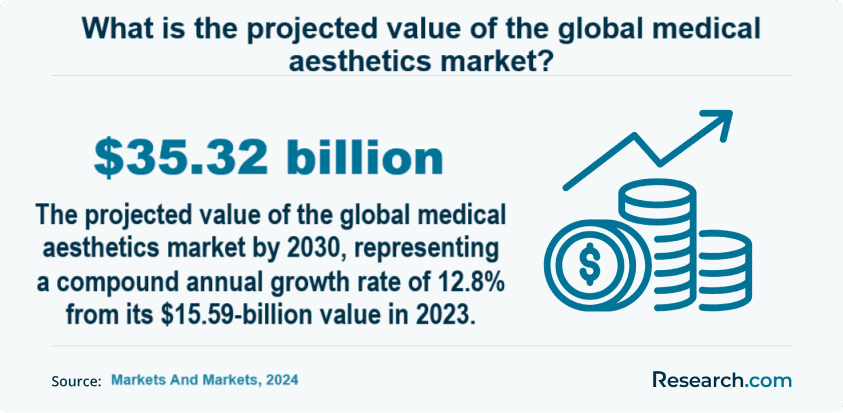
The career is tied to growth in medical aesthetics. Aesthetic medical assistant jobs are seen to be in demand as the global medical aesthetics market is projected to grow, supported by advances in aesthetic treatments and broader acceptance of non-invasive and non-surgical cosmetic products and procedures.
| Role type | Main focus | Common workplaces | Best fit for |
| General medical assistant | Routine clinical and administrative support | Physician offices, clinics, outpatient centers | Students who want broad healthcare experience |
| Aesthetic medical assistant | Clinical support for cosmetic and skin-focused procedures | Med spas, dermatology practices, plastic surgery clinics | People interested in healthcare, skincare, and patient experience |
| Licensed aesthetician | Skin treatments allowed under state licensure | Spas, salons, skincare clinics, med spas | People who want a beauty and skincare role with more independent service delivery |
| Aesthetic nurse | Advanced clinical aesthetic procedures within nursing scope | Cosmetic practices, medical spas, dermatology clinics | Medical assistants willing to pursue nursing education and licensure |
What does an aesthetic medical assistant do?
Aesthetic medical assistants handle a mix of clinical support, patient communication, front-office coordination, and treatment-room preparation. The exact scope depends on state rules, employer policy, provider supervision, and the types of procedures offered by the practice.
- Procedure support: They help licensed providers prepare for services such as Botox appointments, dermal filler visits, chemical peels, microneedling, and laser therapies. This can include setting up supplies, cleaning instruments, preparing rooms, and keeping patients comfortable. Aesthetic medical assistant job description duties may also include measuring vital signs such as temperature and blood pressure, drawing blood samples, handling specimen samples, and applying bandages.
- Patient education: They review pre-treatment instructions, explain aftercare, answer routine questions, and help patients understand what to expect before and after a procedure.
- Administrative work: In many clinics, they schedule visits, update patient files, collect intake forms, document treatment notes, manage payments, and coordinate follow-up appointments.
- Safety and infection control: They clean treatment spaces, restock supplies, follow sanitation procedures, and help the clinic meet health and safety expectations.
- Product and service support: Some employers expect assistants to understand skincare products, treatment packages, and maintenance routines so they can support provider recommendations and patient retention.
The role requires professionalism because patients may be anxious, self-conscious, or uncertain about cosmetic procedures. A strong aesthetic medical assistant can support clinical efficiency while also making the patient feel informed, respected, and comfortable.
| Task area | Examples | Why it matters |
| Clinical preparation | Room setup, equipment preparation, sanitation, supply checks | Reduces delays and supports safe patient care |
| Patient support | Pre-care instructions, aftercare reminders, comfort measures | Improves patient confidence and treatment compliance |
| Documentation | Charts, intake forms, treatment notes, follow-up details | Protects continuity of care and clinic records |
| Business support | Scheduling, payments, product knowledge, retention efforts | Helps the practice maintain smooth operations |
How do you become an aesthetic medical assistant in 2027?
The most common path is to train first as a medical assistant, earn a recognized credential if possible, gain clinical experience, and then add aesthetic training through a clinic, workshop, continuing education course, or specialty certificate.
- Finish high school or earn a GED. A high school diploma or equivalent is the typical entry requirement for medical assistant training programs.
- Complete a medical assistant program. Look for accredited programs offered through medical assistant trade schools, community colleges, vocational schools, or technical institutes. Programs typically take 9 months to 2 years and cover anatomy, medical terminology, clinical procedures, patient care, and administrative skills.
- Consider certification. Certification is not required everywhere, but many employers value credentials such as Certified Medical Assistant (CMA), Registered Medical Assistant (RMA), or Certified Clinical Medical Assistant (CCMA). A recognized credential can make it easier to show that you meet national medical assisting standards.
- Build general clinical experience. Working first in a healthcare setting can help you become confident with patient intake, documentation, infection control, provider support, and clinical workflow.
- Add aesthetic-specific training. Once you understand medical assisting basics, pursue training in laser procedures, chemical peels, skincare systems, microneedling support, cosmetic consult workflows, or injectable appointment support. Some employers train assistants on the job.
- Apply to aesthetic practices. Target dermatology offices, med spas, plastic surgery clinics, and cosmetic practices. Your resume should highlight clinical training, patient service, certifications, relevant skincare knowledge, and any aesthetic procedure exposure.
The chart below shows the most common majors taken by those working as medical assistants, in general:
| Step | Typical purpose | Decision tip |
| Medical assistant education | Build the clinical and administrative foundation | Prioritize accreditation, externship access, and certification preparation |
| Certification | Show employers that you meet recognized standards | Check which credentials local employers prefer before paying exam fees |
| Clinical experience | Develop confidence with patients and providers | Dermatology experience can be especially useful for aesthetics |
| Aesthetic training | Learn procedures, devices, patient expectations, and aftercare | Confirm what you are legally allowed to do in your state and role |
Which certifications can help aesthetic medical assistants?
There is no single universal aesthetic medical assistant license. Instead, most workers combine a general medical assisting credential with specialty training in cosmetic or dermatology-related procedures. Employers may also have their own training requirements based on services offered and state scope-of-practice rules.
Certified Medical Assistant (CMA)
The CMA credential, offered by the American Association of Medical Assistants (AAMA), is a widely recognized option for medical assistants. It can be a strong starting credential before moving into aesthetic settings.
Registered Medical Assistant (RMA)
The RMA, provided by American Medical Technologists (AMT), is another respected medical assisting credential. It can help demonstrate readiness for clinical work and may support a transition into dermatology or cosmetic practices.
Certified Clinical Medical Assistant (CCMA)
The CCMA from the National Healthcareer Association (NHA) emphasizes clinical tasks. It may appeal to students who want a hands-on foundation before working around aesthetic treatments and devices.
Aesthetic-Specific Training Certificates
After general medical assisting training, many assistants pursue procedure-focused education. Common options include:
- Laser Technician Certification: Training often covers safe use of cosmetic laser devices for hair removal, skin resurfacing, and related services.
- Chemical Peel and Microdermabrasion Training: These courses focus on exfoliation, skin renewal, safety precautions, and aftercare.
- Botox and Dermal Filler Training: These programs are often designed for licensed nurses, physicians, or other licensed providers, though some offer assistant-level education for supporting visits and understanding protocols.
- Skincare Product Knowledge and Facial Techniques: Training may be offered by aesthetic schools, skincare brands, or professional education providers.
Continuing Education Units (CEUs)
Continuing education helps aesthetic medical assistants keep up with new devices, skincare products, safety practices, patient communication methods, and clinic protocols. CEUs may be available through workshops, conferences, online courses, or professional organizations.
| Credential or training | Best use | Important caution |
| CMA | General medical assisting credibility | Does not automatically authorize aesthetic procedures |
| RMA | Clinical medical assistant employment preparation | Employer recognition may vary by region |
| CCMA | Hands-on clinical skills foundation | Still may need specialty training for aesthetic settings |
| Laser training | Support or perform laser-related services where allowed | State rules and supervision requirements matter |
| Injectables support training | Understand Botox and filler workflows | Injecting is generally reserved for licensed providers according to applicable scope rules |
What skills matter most in aesthetic medical assisting?
Aesthetic medical assistants need more than basic clinical ability. They work in environments where safety, precision, privacy, communication, and customer experience all affect the quality of care.
Many of these foundations are introduced in what to expect in a medical assistant course:
- Clinical and technical ability: You should be comfortable preparing rooms, sanitizing tools, assisting providers, documenting patient information, and following infection-control protocols. Familiarity with lasers, microneedling equipment, skincare systems, and treatment devices can also help.
- Skin and treatment knowledge: You do not necessarily need to be a licensed aesthetician, but you should understand common skin concerns, treatment goals, aftercare basics, and how different skin types may respond.
- Patient communication: Cosmetic patients often have personal goals and concerns. Clear explanations, calm reassurance, and professional boundaries are essential.
- Attention to detail: Aesthetic medicine leaves little room for careless preparation, missing documentation, or unclear aftercare instructions.
- Product and service awareness: Some roles include discussing skincare products or treatment packages. Ethical recommendations should support patient needs rather than pressure sales.
- Time management: Med spas and clinics may run tight schedules. Good assistants keep rooms ready, patients moving, and providers supported without rushing safety steps.
- Adaptability: Aesthetic medicine changes quickly as new products, devices, and techniques enter the market. Ongoing learning is part of the job.
How much money do aesthetic medical assistants make?
Aesthetic medical assistant salary depends on region, employer type, experience, certification, procedure knowledge, and compensation structure. Because the role can include specialized aesthetic support, some workers earn more than general medical assistants, especially in busy cosmetic practices.
Many aesthetic medical assistants in the United States earn between $18 and $30 per hour, which equals roughly $37,000 to $62,000 annually. Workers with stronger experience, specialty training, or positions in high-demand markets may earn more.
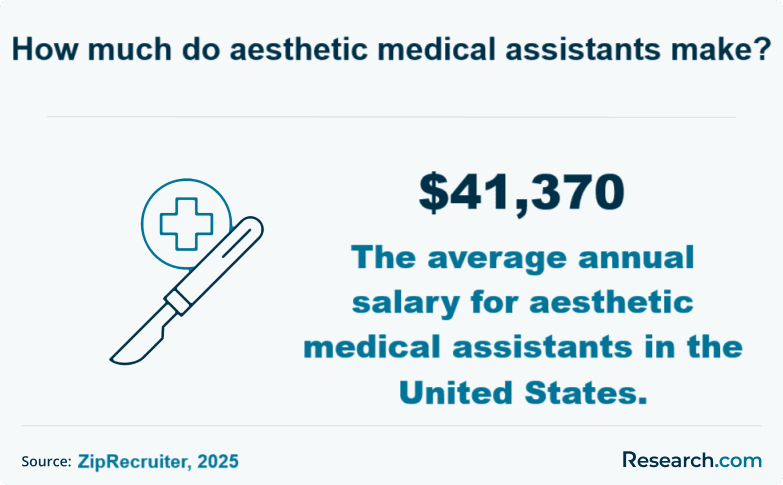
According to ZipRecruiter, the average annual salary for aesthetic medical assistants in the country is $41,370, which translates to an average of about $20 per hour. Salary.com reports that aesthetic medical assistants in the U.S. earn a median annual salary of $43,775, with the lowest 10% earning around $36,279 and the highest 10% earning up to $52,053.
| Salary factor | How it can affect earnings |
| Location | Areas with more cosmetic clinics, med spas, and higher living costs, such as California, New York, or Florida, may offer higher wages. |
| Experience | Entry-level assistants often start lower, while those with proven aesthetic procedure support experience can be more competitive. |
| Certifications and specialty training | Laser, skincare, procedure-support, and medical assisting credentials may improve employability and compensation potential. |
| Facility type | High-end med spas, dermatology offices, and plastic surgery practices may offer bonuses, tips, or commissions in addition to hourly pay. |
| Sales or retention role | Some clinics reward staff who support product sales, treatment packages, or strong patient retention. |
Salary should not be evaluated by base hourly wage alone. Ask employers whether compensation includes commissions, performance incentives, product discounts, continuing education support, weekend expectations, or unpaid training time.
What is the career outlook for aesthetic medical assistants?
The job outlook is supported by two related trends: continued demand for medical assistants and rising consumer interest in non-surgical aesthetic care. Specific labor data for aesthetic medical assistants is limited, but the broader medical assistant category is expected to grow strongly. The U.S. Bureau of Labor Statistics projects employment of medical assistants in general to grow by 15% from 2023 to 2033, much faster than the average for all occupations.
The medical aesthetics market also points to expanding demand. The global medical aesthetics market was valued at $15.59 billion in 2023 and is projected to grow to $35.32 billion by 2030, reflecting a compound annual growth rate of 12.8%.
Key drivers include:
- technological advancements in energy-based devices, such as laser and ultrasound
- increasing disposal incomes
- an aging population
- growing preference for medical aesthetic products and procedures
Many patients choose less invasive services such as Botox, dermal fillers, chemical peels, microdermabrasion, and laser therapies because these options often involve less downtime than surgical procedures. As more practices offer these services, assistants who understand both clinical workflow and patient experience may find more opportunities.
What are the advantages of this career path?
Aesthetic medical assisting can be appealing if you want a healthcare job that is hands-on, patient-centered, and connected to skincare and cosmetic medicine. The benefits are strongest for people who enjoy learning new treatments, working directly with patients, and supporting a polished clinical environment.
- Specialization in a growing healthcare niche: Aesthetic medicine gives medical assistants a focused path beyond general clinical work.
- Patient-facing work with visible outcomes: Many patients seek aesthetic care to improve confidence, comfort, or appearance, which can make the work rewarding.
- Broad skill development: The role combines clinical support, administrative coordination, communication, skincare knowledge, and sometimes sales support.
- Potential for stronger compensation: Some aesthetic settings offer higher wages than general medical assisting roles, especially when bonuses, tips, or commissions are available.
- Exposure to new technology: Assistants may work around lasers, skincare devices, microneedling tools, and other emerging aesthetic equipment.
- Career mobility: The role can lead toward laser technician work, aesthetics licensure, practice management, medical sales, training, or nursing. Some workers eventually pursue a medical assistant to RN degree program to become an aesthetic nurse.
The chart below shows the education levels of medical assistants, in general.
What challenges do aesthetic medical assistants face?
The career has real upsides, but it is not just a beauty-industry job. Aesthetic medical assistants work in healthcare environments where patient safety, documentation, scope-of-practice rules, and provider supervision matter.
| Common challenge | Why it matters | Better approach |
| Unclear scope of practice | Not every assistant can legally perform every aesthetic task | Confirm state rules and employer policies before accepting duties |
| Fast-changing technology | Devices, skincare products, and treatment protocols evolve quickly | Use continuing education and supervised training to stay current |
| High patient expectations | Patients may expect dramatic results or have anxiety about outcomes | Communicate clearly and defer clinical promises to licensed providers |
| Sales pressure | Some clinics emphasize product sales or treatment packages | Keep recommendations ethical, documented, and aligned with provider guidance |
| Busy clinic workflow | Assistants may juggle room turnover, phones, intake, aftercare, and documentation | Build strong scheduling, prioritization, and communication habits |
Additional training can help if you want to move toward operations or management. For example, programs from a healthcare administration online school may be useful for workers who want stronger skills in scheduling systems, compliance, budgeting, and clinic leadership.
Can advanced education help with management roles in aesthetic medicine?
Advanced education is not required for every aesthetic medical assistant, but it can be useful if your goal is to supervise staff, manage a med spa, coordinate operations, or eventually move into healthcare administration. Clinical experience helps you understand patient care; management education can help you understand staffing, compliance, finances, marketing, and service-line planning.
If you already work full time, accelerated options such as the fastest healthcare administration degree online may be worth comparing with part-time programs. The right choice depends on your schedule, budget, transfer credits, employer tuition support, and whether the curriculum is relevant to outpatient clinic management.
What trends are changing aesthetic medical assisting?
Aesthetic medical assisting is being shaped by technology, patient expectations, and the growth of non-invasive cosmetic care. These trends do not eliminate the need for assistants, but they do raise expectations for technical confidence, documentation quality, and patient communication.
- Digital patient management: Clinics increasingly use online intake forms, automated reminders, patient portals, and follow-up systems to improve efficiency.
- Telemedicine and virtual follow-up: Some practices use remote check-ins for consultations, post-procedure questions, or skincare plan follow-up where appropriate.
- Growth of non-invasive procedures: Demand for treatments with minimal downtime continues to shape staffing needs in med spas and dermatology clinics.
- More emphasis on compliance: As aesthetic services expand, clinics must pay close attention to supervision, documentation, consent, sanitation, and state regulations.
- Business skills becoming more valuable: Assistants who understand patient retention, ethical product education, workflow, and operations can stand out.
Workers who want to move into higher-level leadership may benefit from broader business education. For example, a fast track MBA healthcare management online can help develop strategic, financial, and operational knowledge for healthcare settings.
How can aesthetic medical assistants move up in their careers?
An aesthetic medical assistant role can become a long-term career or a stepping stone into more advanced healthcare, skincare, sales, or management roles. Advancement usually requires one of three things: more clinical education, more aesthetic specialization, or stronger business and leadership skills.
- Licensed Aesthetician: Some assistants pursue aesthetician training and state licensure so they can provide more skincare services independently. This can expand the services they are qualified to perform, depending on state rules. Some workers also explore other medical assistant specialties; learning podiatry medical assistant requirements can show how niche clinical skills translate into specialized settings.
- Certified Laser Technician: Laser training can lead to more specialized work in hair removal, skin resurfacing, pigmentation treatments, and related services where permitted.
- Aesthetic Nurse: Medical assistants who want to perform higher-level clinical services may pursue nursing education. Aesthetic nurses and nurse injectors often have broader responsibilities, depending on licensure and state scope rules. If you are comparing specialties, asking what does a pediatric medical assistant do can also help you understand how patient communication and clinical precision differ across settings.
- Practice or Med Spa Manager: Assistants with strong organization, scheduling, staff coordination, and patient service skills may move into operations roles.
- Medical Sales or Product Specialist: Workers with strong product knowledge may transition into selling skincare lines, devices, treatment systems, or medical products. Comparing compensation with the national certified medical assistant salary can help you evaluate whether a sales path fits your financial goals.
- Aesthetic Trainer or Educator: Experienced assistants may train new employees, support vendor education, or teach procedure-support workflows in formal or employer-based programs.
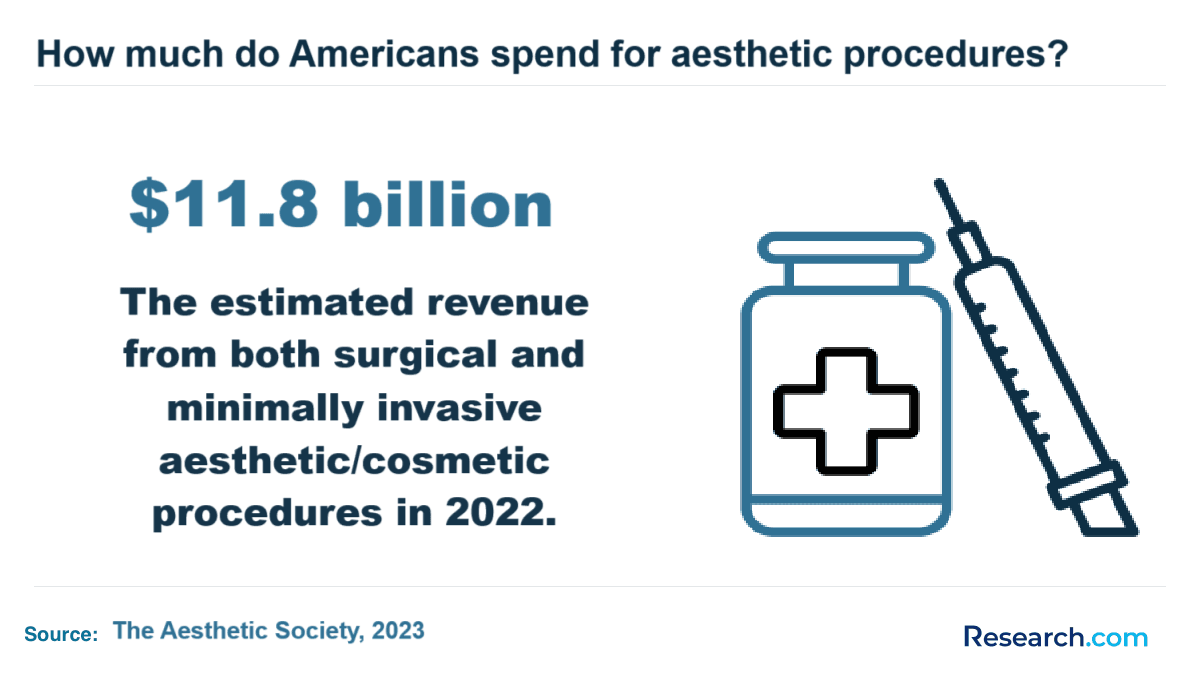
The graphic below shows that Americans are spending more and more for aesthetic procedures. As such, a career in the field of aesthetic medicine is very lucrative and presents a very promising potential for growth and advancement.
What related careers can aesthetic medical assistants consider?
If you start in aesthetic medical assisting, your skills can transfer to several related fields. The best alternative depends on whether you want more clinical responsibility, more independence, more business involvement, or a different patient population.
- Dermatology Medical Assistant: This is a strong fit if you enjoy skin health but want more exposure to medical dermatology, including acne, eczema, psoriasis, biopsies, and skin cancer care.
- Licensed Aesthetician: This path may appeal to workers who want to provide facials, waxing, peels, and other skincare services within their state’s licensure rules.
- Cosmetic or Medical Sales Representative: A background in procedures, products, and patient needs can support a move into skincare, device, or medical product sales.
- Healthcare Administration: If you prefer operations over procedures, your experience with scheduling, records, billing support, and patient communication may translate into front-office or management roles.
- Patient Care Coordinator: This role focuses on guiding patients through consultations, treatment plans, financing steps, follow-up, and aftercare communication.
- Medical Assistant Educator or Trainer: With experience and credentials, you may teach students in medical assistant programs or train new hires in a clinic or med spa.
- Wellness or Holistic Health Coach: Some professionals combine skincare knowledge with broader wellness education, though additional certification may be needed depending on services offered.
How should you choose a training or certification program?
Choosing the right program matters because not all medical assistant or aesthetic training options carry the same value. Before enrolling, compare the program’s accreditation, cost, externship opportunities, certification preparation, hands-on training, faculty experience, and employer reputation.
| Question to ask | Why it matters |
| Is the medical assistant program accredited? | Accreditation can affect certification eligibility, employer trust, transfer options, and financial aid access. |
| Does the program prepare students for CMA, RMA, or CCMA exams? | Certification preparation can strengthen job prospects after graduation. |
| Is there an externship or clinical placement? | Hands-on experience is especially valuable before entering aesthetic settings. |
| Does aesthetic training explain state scope-of-practice limits? | You need to know what tasks you can legally perform and under what supervision. |
| Are devices, techniques, and safety protocols current? | Outdated training may not match modern clinic workflows. |
| What is the total cost, including fees and supplies? | Tuition alone may not show the full price of attendance. |
| Do local employers recognize the credential? | A certificate has more value when clinics in your area trust it. |
Cost is important, but it should not be the only factor. Resources such as affordable online medical assistant programs can help you compare price and flexibility, but you should still confirm accreditation, clinical requirements, and certification outcomes.
How can you build leadership skills for an aesthetic career?
Leadership in aesthetic medicine requires more than being good with patients. If you want to become a lead assistant, trainer, practice manager, med spa director, or business owner, you will need skills in communication, scheduling, staff coaching, compliance, customer service, budgeting, and conflict resolution.
Practical ways to build leadership experience include volunteering to train new hires, learning the clinic’s patient management software, helping improve room-turnover processes, tracking inventory, shadowing a manager, and taking continuing education in healthcare operations. Business programs can also add broader management knowledge; for example, an MBA sports management may offer transferable lessons in operations, marketing, team leadership, and customer experience, even though students should evaluate whether the curriculum fits their healthcare goals.
Common Mistakes to Avoid Before Entering This Career
- Choosing a program without checking accreditation: This can limit certification options and reduce employer confidence in your training.
- Assuming every aesthetic certificate allows you to perform procedures: State laws, licensure rules, and provider supervision determine what you can do.
- Looking only at hourly pay: Benefits, commissions, schedule, tips, continuing education support, and advancement paths also affect the value of a job offer.
- Ignoring general medical assisting skills: Aesthetic clinics still need accurate documentation, infection control, patient intake, and professional clinical support.
- Overpromising results to patients: Treatment outcomes should be discussed carefully and under provider guidance.
- Relying only on rankings or advertisements: Speak with employers, review certification eligibility, and ask programs for outcomes before enrolling.
Here’s What Aesthetic Medical Assistants Have to Say About Their Career
- Working as an aesthetic medical assistant has been incredibly rewarding—I get to help people feel confident while earning a competitive salary. The commission on product sales and bonuses make a real difference financially. I’ve already started training to become a laser technician to grow my career even further. Jane
- I love the fast-paced environment and the variety of treatments I assist with every day. Not only is the pay better than I expected, but I also have a clear path to advance into management. It’s a great mix of beauty, healthcare, and career growth. Sean
- Being an aesthetic medical assistant combines my passion for skincare with real medical experience. The extra certifications I’ve earned have helped me increase my income and build a loyal client base. I can honestly say this job has changed my life. Lou
Key Insights
- Aesthetic medical assisting is best for people who want a clinical support role in cosmetic medicine, dermatology, plastic surgery, or med spa settings.
- The usual pathway is medical assistant training first, followed by certification, clinical experience, and aesthetic-focused continuing education or employer training.
- Many aesthetic medical assistants earn between $18 and $30 per hour; ZipRecruiter reports an average annual salary of $41,370, and Salary.com reports a median annual salary of $43,775.
- The broader medical assistant field is projected by the U.S. Bureau of Labor Statistics to grow 15% from 2023 to 2033, with approximately 119,800 job openings for medical assistants, in general, projected each year from 2023 to 2033 due to growth and replacement needs.
- The global medical aesthetics market was valued at $15.59 billion in 2023 and is projected to grow to $35.32 billion by 2030, supporting demand for trained support staff in aesthetic practices.
- Certifications such as CMA, RMA, and CCMA can improve credibility, but they do not replace state scope-of-practice rules or specialty training.
- Before enrolling in any program, confirm accreditation, certification eligibility, hands-on training, total cost, employer recognition, and whether the curriculum fits your career goals.
- Career growth can lead to laser technician roles, licensed aesthetician work, aesthetic nursing, practice management, patient coordination, medical sales, or education and training roles.
References:
- Salary.com. (2025, April). Aesthetic Medical Assistant Salary in the United States. salary.com.
- The Aesthetic Society. (2023). Aesthetic Plastic Surgery National Databank Statistics. theaestheticsociety.org.
- United States Bureau of Labor Statistics. (2024, April 3). Occupational Employment and Wages: 31-9092 Medical Assistants. BLS.
- United States Bureau of Labor Statistics. (2024, August 29). Occupational Outlook Handbook: Medical Assistants. BLS.
- Zippia. (2025, January 8). Medical Assistant Education Requirements. zippia.com.
- ZipRecruiter. (2025, April 14). Aesthetic Medical Assistant Salary. ziprecruiter.com.
Other Things You Should Know About Becoming an Aesthetic Medical Assistant
In 2027, certifications like the Certified Medical Assistant (CMA) or specific aesthetic certifications can enhance job prospects for aspiring aesthetic medical assistants, though they are not strictly mandatory. It is advisable to pursue certifications to increase competitiveness in the job market.
State medical board rules and nurse-practice laws control what aesthetic medical assistants may do in 2027. In many states, they can prepare patients and assist with procedures, but only licensed clinicians may inject Botox, fill dermal fillers, or perform laser treatments. Independent scope rules vary by state.