2027 Is a Master's in Speech Pathology Worth It in 2026?

Co-Founder and Chief Data Scientist

Reviewed by Rhea Paul, PhD
SLP Education & Research Expert
Imagine holding a bachelor's degree unrelated to healthcare and facing uncertainty about the value of investing time and money into a master's in speech pathology. Many prospective students worry about job prospects, licensure demands, and program flexibility. The decision to pursue this degree involves weighing career shifts against financial and personal commitments. Understanding whether this path offers tangible benefits in current and future job markets is crucial for making informed choices. This article explores the practical advantages and challenges of earning a master's in speech pathology, aiming to guide readers in evaluating if this career pivot aligns with their goals and circumstances.
Key Things You Should Know
- Master's in speech pathology remains essential for clinical certification and licensure, with the Bureau of Labor Statistics projecting a 17% job growth rate from 2025 to 2035.
- The average annual salary for speech-language pathologists in 2025 is approximately $83,000, reflecting strong earning potential compared to many other healthcare professions.
- High demand persists in diverse settings like schools, hospitals, and private practices, supported by increased awareness of speech and communication disorders nationwide.
Is a Master's in Speech Pathology worth it?
A master's in speech pathology offers strong career prospects, with the U.S. Bureau of Labor Statistics projecting an 17% job growth for speech-language pathologists from 2025 to 2035-much faster than the 3% average for all occupations. This demand reflects the value of a master's in speech pathology in the US across multiple healthcare and educational settings.
Graduates are equipped to assess, diagnose, and treat communication disorders in a wide range of populations, enhancing job flexibility and long-term security. The benefits of pursuing a speech pathology master's degree also include competitive salaries, with median annual wages often above $80,000, and opportunities for higher earnings depending on specialization and location.
To maximize employability and professional credibility, students should prioritize programs accredited by the Council on Academic Accreditation in Audiology and Speech-Language Pathology, as this accreditation is crucial for obtaining state licensure and national certification. Clinical practicum hours remain an important requirement, providing essential hands-on experience for successful practice.
For those exploring advanced education options, several affordable and flexible paths exist, including online SLP programs that can accommodate working professionals while meeting licensure requirements.
What jobs can you get with a speech pathology master's?
A master's in speech pathology prepares graduates for diverse roles diagnosing and treating communication disorders. The main career trajectory is as a speech language pathologist, working in schools, hospitals, rehabilitation centers, and private practices. These professionals manage speech, language, cognitive-communication, and swallowing disorders in both children and adults. Specialized positions include pediatric speech pathologists focusing on developmental delays in children and medical speech pathologists aiding patients recovering from strokes or brain injuries.
Additional career options for speech pathology graduates include:
- Educational roles in school districts assessing students with speech and language difficulties.
- Research positions developing innovative therapies or studying communication disorders.
- Corporate opportunities in augmentative and alternative communication technologies.
- Clinical supervision or administrative roles in healthcare or outpatient clinics.
The demand for speech pathology careers in the US continues to rise, supported by a median salary of $97,870 reported by the U.S. Bureau of Labor Statistics, with a 6% wage increase reflecting growing healthcare needs. Licensure is essential to ensure professionals meet regulatory standards and practice independently.
Telepractice offers flexible service delivery, and advanced certifications enable specialization in areas like fluency or neurogenic communication treatment. These high-paying jobs for speech pathology graduates offer job security and a wide range of career pathways for master's-level professionals.
What is the salary for speech-language pathologists?
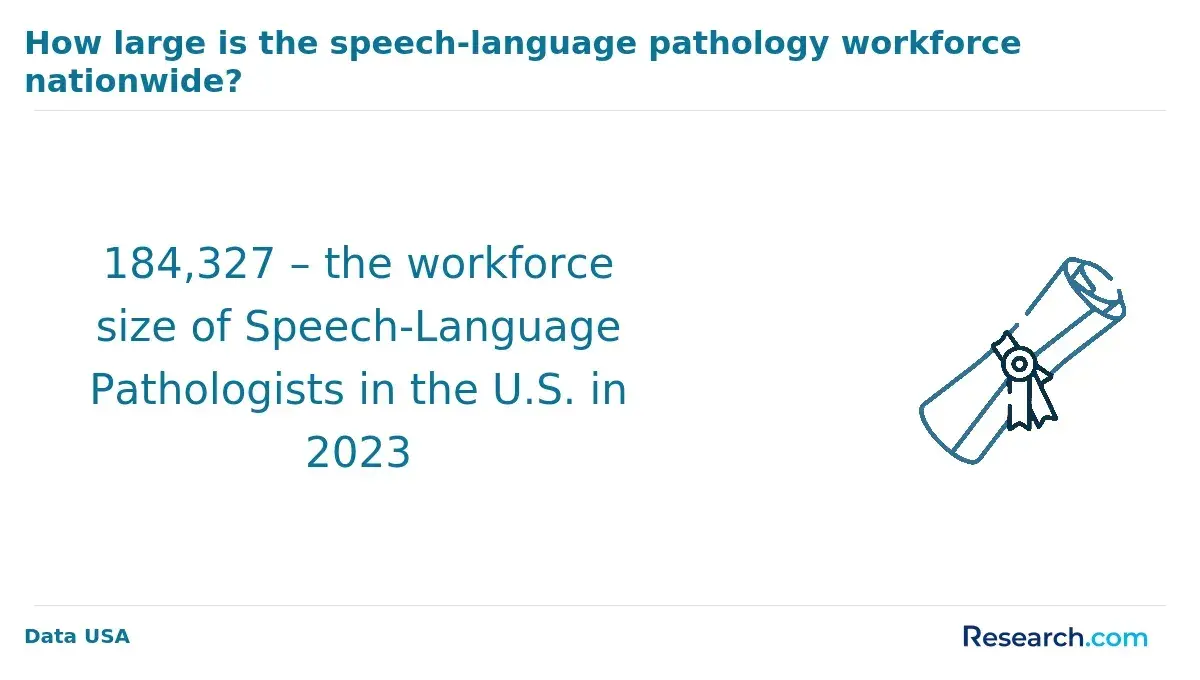
Speech-language pathologists with a master's degree in the United States earn a median annual salary ranging from $80,000 to $90,000, influenced by factors such as location, work setting, and experience. Entry-level positions, commonly available in schools or outpatient clinics, generally start between $60,000 and $70,000, while experienced professionals working in hospitals or private practices can surpass $100,000. Specialized certifications or roles in research and administration further enhance earning potential.
The average earnings for speech pathology professionals in the US demonstrate a strong financial return on investment (ROI). According to Georgetown University's Center on Education and the Workforce 2025 ROI report, graduates recoup their tuition costs in under 2.5 years, a notably short timeframe compared to many healthcare careers. Over a lifetime, those with a master's degree in speech pathology earn approximately $1.2 million more than individuals holding only a bachelor's degree. This premium reflects steady salary growth tied to experience and advanced qualifications.
Regional salary variations also play a significant role. Speech-language pathologists practicing in urban centers or states with high demand, such as California and New York, may earn 10-20% above national averages. Though public school SLPs often receive slightly lower pay than those in private healthcare settings, benefits and job stability can compensate for that difference. For students seeking accelerated pathways, exploring 5 year SLP programs can be a valuable option to enter the field more quickly.
The job outlook for speech pathologists in the United States remains robust, with the U.S. Bureau of Labor Statistics projecting a 17% growth in employment from 2025 to 2035, much faster than average for all occupations. This future demand for speech pathology professionals in America is fueled by factors such as an aging population requiring rehabilitation, increased awareness of communication disorders, and expanded early intervention programs for children. Graduates with a master's degree in speech pathology have promising opportunities in schools, hospitals, rehabilitation centers, private practices, and through telepractice, which broadens access to remote care.
Demand varies by setting and location. Many speech pathologists support children with language delays in educational environments, while others assist stroke survivors or those with brain injuries. Rural and underserved areas often have higher shortages, creating openings for clinicians ready to relocate. Employers also value cultural competence and specialized skills, including bilingual abilities.
Prospective students should consider the financial investment involved. Accredited master's programs with rigorous clinical training average around $45,200 in tuition at public in-state universities for the 2025-2026 academic year. Those seeking flexible options might explore accelerated speech pathology programs online, which can help streamline entry into the profession.
Becoming a speech-language pathologist (SLP) in the U.S. involves completing essential academic and professional milestones mandated by accrediting bodies and state licensure boards. Candidates must earn a master's degree in speech pathology from a program accredited by the Council on Academic Accreditation in Audiology and Speech-Language Pathology (CAA). This graduate curriculum covers subjects such as anatomy, neurophysiology, language development, and clinical methods, combined with extensive supervised clinical practica.
After graduation, candidates undertake a supervised clinical fellowship, typically lasting 36 weeks full-time. This fellowship provides hands-on experience under the guidance of a licensed SLP, helping bridge academic knowledge with independent practice.
The next critical step is passing the Praxis Examination in Speech-Language Pathology, administered by the Educational Testing Service (ETS). This exam is required for state licensure, which also demands completion of the master's degree and clinical fellowship. Some states require continuing education to maintain licensure.
Employment outcomes emphasize the value of this pathway. According to the SpeechPathologyGraduatePrograms.org 2026 rankings report, 98.7% of 2025 SLP master's graduates found employment within six months, with some top programs achieving 100% placement.
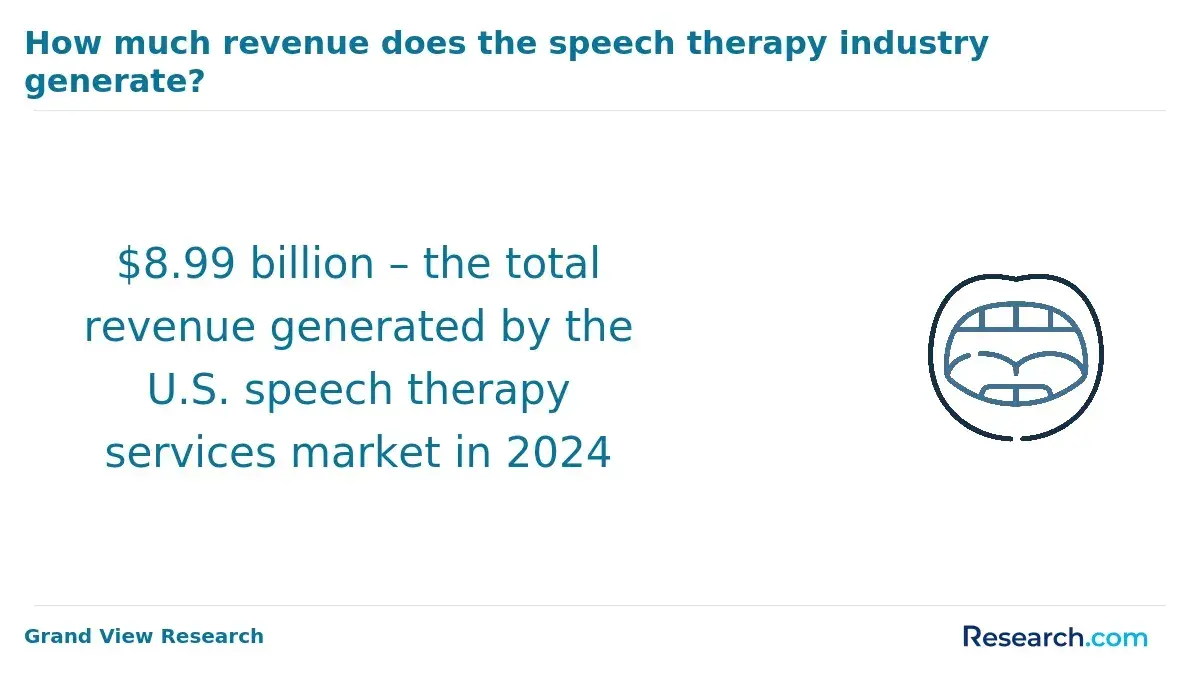
A master's in speech pathology generally takes about two years of full-time study, combining coursework, clinical practicums, and supervised fieldwork required for certification. Some programs may last 2.5 to 3 years for part-time students or those needing extra clinical hours. Accredited programs usually include 400 to 600 hours of clinical experience alongside academic courses to ensure practical skills before graduation.
The final step often involves a clinical fellowship of roughly nine months after graduation, which is necessary for obtaining state licensure. Timeframes differ depending on program format and intensity:
- Accelerated programs may allow completion in under two years but require a heavy course load.
- Part-time or online options can stretch the duration to three years or more to accommodate working professionals.
- Some schools incorporate prerequisites with graduate coursework, extending the overall time to degree.
Students should also plan extra time to prepare for the Praxis exam, a crucial certification exam. Top speech pathology programs reported a 99.2% pass rate on the Praxis exam for recent graduates, notably higher than the national average of 94% according to the Educational Testing Service.
A master's curriculum in speech pathology offers in-depth study and hands-on training focused on communication disorders and their treatment methods. Core subjects include anatomy and physiology of speech and hearing, neuroanatomy related to communication, and the acoustics of speech sounds. Students develop skills in assessing speech and language impairments through standardized tests and observational techniques.
Therapeutic intervention coursework teaches evidence-based approaches for conditions such as aphasia, apraxia, dysarthria, stuttering, and voice disorders. Clinical practicum experiences in hospitals, outpatient clinics, and schools provide essential supervised training to hone diagnostic and treatment skills in real-world settings.
Advanced topics cover pediatric and adult language disorders, swallowing dysfunctions (dysphagia), and cognitive-communication impairments. Training with augmentative and alternative communication (AAC) devices is often included to support clients with severe speech limitations.
Research methods and statistics are incorporated to prepare students for evidence-based practice and further doctoral studies. Ethical and cultural considerations ensure graduates can serve diverse patient populations effectively.
According to the U.S. Bureau of Labor Statistics, medical and outpatient speech-language pathologists earned a median salary of $97,500 in 2025, about 22% higher than school-based SLPs at $80,100. This wage gap reflects how speech pathology programs prepare students for varied career environments and opportunities.
Costs for a master's in speech pathology program in 2026 vary significantly by institution type, location, and delivery format. Public universities generally charge in-state tuition between $20,000 and $40,000, while out-of-state students might pay from $40,000 to $70,000. Private institutions often have tuition fees ranging from $50,000 to over $100,000 for the full degree.
Additional expenses include fees, materials, and clinical practicum costs that can add $2,000 to $5,000 annually. Some programs offer accelerated formats to reduce the overall cost by shortening the time required for completion.
Financial aid options such as scholarships, grants, loans, and work-study are available to help offset tuition and other costs. Many students rely on federal loans but should carefully weigh the debt against potential future income.
Accreditation by the Council on Academic Accreditation in Audiology and Speech-Language Pathology (CAA) is crucial to ensure programs meet professional standards, regardless of cost.
The demand for speech pathologists is rising, driven by an aging population and a 17% increase in dysphagia cases over age 65, which has led to a 17% rise in related job openings between 2035 and 2025, according to the CDC National Center for Health Statistics. Students should consider local job market conditions and salary prospects alongside tuition and program quality.
Speech pathology programs require accreditation from the Council on Academic Accreditation in Audiology and Speech-Language Pathology (CAA) to meet U.S. professional and licensure standards. This accreditation guarantees programs follow strict academic, clinical, and ethical guidelines critical for preparing competent speech-language pathologists. Graduates from non-CAA-accredited programs may encounter obstacles in obtaining certification from the American Speech-Language-Hearing Association (ASHA) and state licensure.
CAA accreditation involves regular evaluation of curricula, faculty credentials, and clinical practicum quality. Accredited programs-whether on-campus, hybrid, or online-offer comparable educational standards. According to SpeechPathologyMastersPrograms.com's 2026 guide, hybrid and online master's degrees typically cost about 18% less, averaging $38,900, making them a cost-effective choice without compromising credential validity.
Prospective students should confirm CAA accreditation via the ASHA website or the institution directly. Some programs may have regional accreditation but lack CAA recognition, which can limit eligibility for the ASHA Certificate of Clinical Competence (CCC-SLP). Additionally, state licensure boards often mandate graduation from a CAA-accredited program to authorize clinical practice.
While regional accreditation assesses general institutional quality, only CAA accreditation certifies the speech pathology curriculum and clinical training. For career progression, licensing, and job opportunities, graduating from a CAA-accredited speech pathology master's program is essential.
How to choose the best speech pathology master's program?
Accreditation by the Council on Academic Accreditation in Audiology and Speech-Language Pathology (CAA) is essential to ensure your master's program qualifies you for the national certification exam and state licensure. Without CAA accreditation, your degree will lack professional recognition.
Clinical training is a cornerstone of effective speech pathology education. Look for programs offering diverse, supervised placements in settings like hospitals, schools, and rehabilitation centers. This exposure sharpens practical skills and adaptability when working with varied populations.
Location can impact salary potential and job opportunities. For instance, California's speech-language pathologists earn a median salary of $112,450, 26% above the national median, compared to $78,200 in Midwest states, based on U.S. Bureau of Labor Statistics data. Choosing a program near high-paying regions may enhance networking and employment prospects.
Faculty expertise and research involvement matter; programs with active speech pathology research provide a richer learning environment and potential student participation in cutting-edge projects.
Consider also program length, tuition costs, and the availability of part-time or online formats, especially if managing work or family commitments.
Evaluate graduate outcomes such as Praxis exam pass rates, employment percentages, and alumni reviews to gauge program quality and return on investment.
Other Things You Should Know About Speech Pathology
Yes, many speech-language pathologists (SLPs) are employed in public and private schools. They provide therapy and support to students with speech, language, and communication disorders, working closely with teachers and parents to help children reach their academic and social potential.
In 2027, career prospects for those with a Master’s in Speech Pathology are promising due to an aging population and increased awareness of speech disorders. Opportunities span educational settings, healthcare facilities, and private practice, offering both stability and a rewarding career.
Yes, certification is generally required to practice as an SLP in the United States. The most common credential is the Certificate of Clinical Competence in Speech-Language Pathology (CCC-SLP) from the American Speech-Language-Hearing Association (ASHA). Additionally, state licensure is required and requirements vary by state.
ASHA’s Certificate of Clinical Competence in Speech-Language Pathology requires a master’s degree, 400 supervised clinical hours, a passing score on the Praxis Speech-Language Pathology exam, and a 36-week Clinical Fellowship. State licensure is separate and usually required for legal practice.
- U.S. Bureau of Labor Statistics - Speech-Language Pathologists https://www.bls.gov/ooh/healthcare/speech-language-pathologists.htm
- ASHA EdFind - Accredited Speech-Language Pathology Programs https://find.asha.org/ed/
- ETS Praxis - Speech-Language Pathology (5331) https://praxis.ets.org/test/speech-language-pathology-5331.html
- California State University-East Bay - Online Master of Science in Speech-Language Pathology https://ce.csueastbay.edu/programs/speech-language-pathology/
- University of Nebraska at Kearney - Speech-Language Pathology, Master of Science in Education (Online Track) https://www.unk.edu/online/degrees-programs/speech-language-pathology-online.php
- New England Institute of Technology - Master of Science in Speech Language Pathology https://www.neit.edu/academics/graduate-degrees/speech-language-pathology-ms
- California State University-San Marcos - Online MS in Speech-Language Pathology https://www.csusm.edu/slp/programs/mastersonline/index.html
- Delaware Valley University - Master of Science in Speech-Language Pathology (M.S.) https://delval.edu/programs/graduate-programs/speech-language-pathology