2027 Is Speech-Language Pathology a Good Career for Career Changers?

Co-Founder and Chief Data Scientist

Reviewed by Rhea Paul, PhD
SLP Education & Research Expert
Many professionals with degrees in unrelated fields face uncertainty when considering a transition into speech-language pathology. They often question whether their background will support a successful career switch and worry about the time, cost, and accreditation requirements. Balancing work, study, and personal responsibilities adds further complexity.
This article addresses these challenges by exploring flexible, accredited pathways into speech-language pathology for career changers. It provides clear insights into educational options, certification processes, and career prospects, helping readers make informed decisions about pursuing this rewarding and impactful healthcare field.
Key Things You Should Know
- Speech-language pathology careers offer strong job growth, projected at 17% through 2035, making it a stable choice for career changers seeking long-term opportunities.
- The field requires a master's degree and certification, which can be completed in 2-3 years, allowing for a relatively quick transition.
- Average salaries range from $70,000 to over $90,000 annually, with opportunities in diverse settings such as schools, hospitals, and private practice.
Is Speech-Language Pathology a Good Career for Career Changers?
Speech-language pathology remains a strong career option for those considering a career change to speech-language pathology. The demand is particularly high in educational settings, where 78.5% of school-based speech-language pathologists report more job openings than qualified candidates, according to ASHA's 2024 Schools Survey. This gap creates excellent opportunities for individuals entering from different professions.
Many career changers find their backgrounds in education, healthcare, psychology, or linguistics provide valuable transferable skills. Programs often offer accelerated or bridge pathways for those who already hold bachelor's degrees, making it easier to transition into the field. For those wondering, is speech-language pathology a viable second career, these flexible program options and growing demand make it a compelling choice.
Most states require a master's degree, clinical experience, and certification through ASHA, which involves significant time and financial investment. Balancing these demands with personal commitments can be challenging, yet manageable with proper planning. Job opportunities are diverse, including schools, hospitals, private practices, and rehabilitation centers, allowing professionals to select work environments best fitting their interests.
For those exploring educational options, many of the easiest online SLP programs to get into provide flexible and affordable routes to certification, supporting smooth career transitions.
What Are the Education Requirements for Speech-Language Pathology?
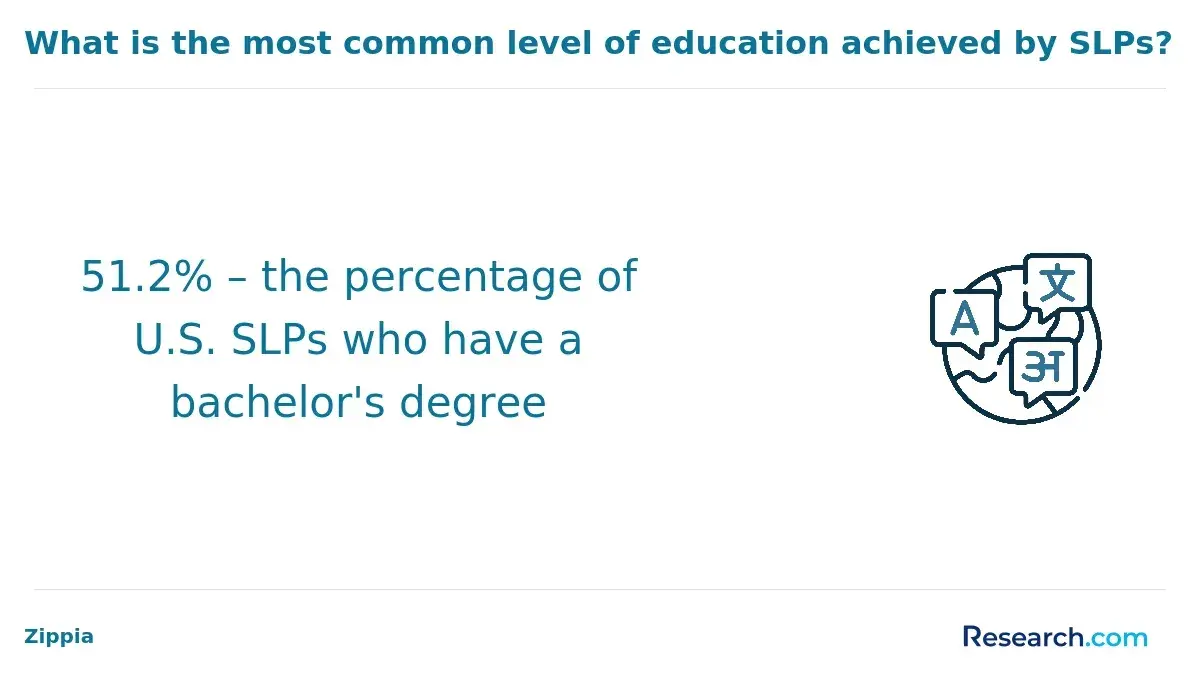
The education requirements for speech-language pathology careers demand a master's degree from an accredited program. A bachelor's degree alone is insufficient, as students must complete graduate-level coursework and clinical practicum experiences to develop skills in diagnosing and treating communication disorders. Accreditation by the Council on Academic Accreditation in Audiology and Speech-Language Pathology (CAA) ensures programs meet standards required for certification and licensure.
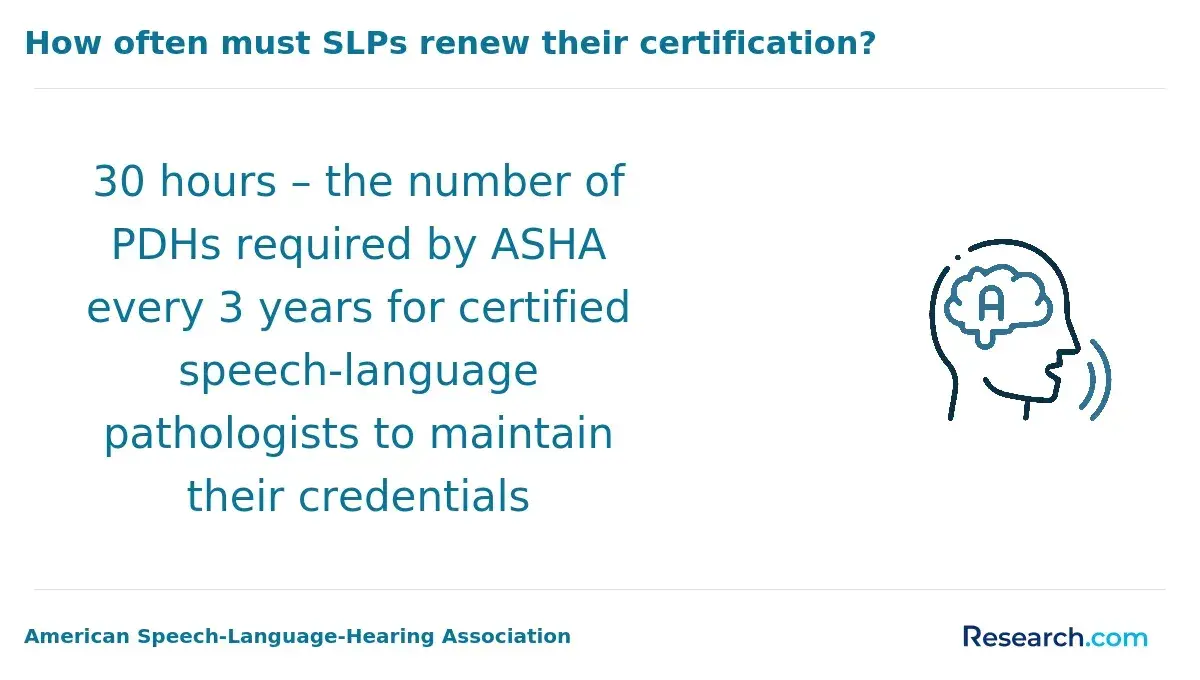
After obtaining a master's degree, candidates must complete a supervised clinical fellowship of about nine months to one year. Licensing varies by state but generally involves passing the national Praxis exam administered by the American Speech-Language-Hearing Association (ASHA) and fulfilling continuing education requirements to maintain licensure.
Career changers can pursue post-bachelor's certificate programs that offer prerequisite undergraduate coursework alongside graduate training, accelerating entry into the field. Demand for speech-language pathologists is projected to grow 17% from 2025 to 2035, reflecting a rapidly increasing need in healthcare and educational settings.
Many prospective students seek information on how to become a speech-language pathologist in the United States, considering both education and career prospects. For those interested in exploring financial and career outcomes, resources like master's in speech pathology provide valuable insights.
How Do You Become a Speech-Language Pathologist?
Becoming a speech-language pathologist in the United States involves completing a master's degree in speech-language pathology from a program accredited by the Council on Academic Accreditation in Audiology and Speech-Language Pathology (CAA). This graduate program typically lasts two years and combines coursework in anatomy, linguistics, speech disorders, and supervised clinical practicum.
Career changers with a bachelor's degree in unrelated fields may enter these programs through full-time, part-time, or online options, sometimes requiring prerequisite courses in sciences or communication disorders.
Licensure is mandatory in all states and requires passing the Praxis Examination in Speech-Language Pathology. While requirements vary by state, they consistently emphasize clinical competency and professional standards.
Certification from the American Speech-Language-Hearing Association (ASHA) as a certified Speech-Language Pathologist (CCC-SLP) is strongly recommended and often required by employers, especially in educational and medical settings. Maintaining this certification requires ongoing continuing education.
Clinical fellowships or practical experiences lasting 9 months to 1 year are essential to build skills and meet licensure or certification standards.
Median salaries for this profession are around $97,870 annually, or about $45.87 per hour, according to the U.S. Bureau of Labor Statistics Occupational Outlook Handbook. Those interested in accelerating their path can explore accelerated SLP programs. Practical knowledge of the educational requirements for speech-language pathology careers ensures good preparation for this growing field.
The job outlook for speech-language pathologists in the United States is promising, with employment growth trends for speech-language pathologists projected to exceed that of many other professions. According to the U.S. Bureau of Labor Statistics, demand is expected to grow by approximately 17% from 2025 to 2035, driven largely by an aging population requiring care for conditions such as stroke recovery, dementia, and swallowing disorders.
Older adults frequently face communication and swallowing challenges that necessitate specialized therapy, resulting in increased need for speech pathology services across hospitals, nursing care facilities, and outpatient settings. Additionally, children with developmental speech and language delays contribute to diverse job opportunities in schools and pediatric environments.
- Growth in healthcare settings including rehabilitation clinics and home healthcare services, where many older patients receive care.
- Rising public awareness and early intervention programs elevating demand in educational and pediatric settings.
- Emergence of telepractice, enabling remote treatment and expanding access particularly in rural areas.
- A broad range of work environments offering stable job security and advancement.
For those considering a career change into this field, completing accredited graduate education and obtaining state licensure are essential steps to boost employability. Prospective students may explore options for SLP online programs that offer flexible pathways into the profession.
The average salary for speech-language pathologists (SLPs) is about $82,000 annually, with entry-level roles starting near $60,000 and experienced professionals earning over $100,000, especially in specialized or leadership positions. Factors such as geographic location, work setting, and education level greatly influence pay.
Regional variations play a significant role. For instance, Alaska sees moderate salary growth but slower job increases, while Arizona shows a high growth rate of up to 44% between 2019 and 2029, alongside competitive salaries. Urban and healthcare hubs often offer higher wages than rural areas, reflecting the local demand and cost of living.
Employment settings also matter: hospitals and private clinics tend to pay more than schools or non-profits. Specializations like pediatric speech therapy or neurogenic disorders often command higher salaries due to expert demand. Career changers should weigh salary differences with factors like cost of living and workload when considering relocation or sector shifts.
Pursuing certifications and advanced degrees can boost earning potential and job security. Reliable data from the U.S. Bureau of Labor Statistics underpin these insights, helping those interested in speech pathology careers make informed financial and professional decisions.
Career changers seeking to enter speech pathology can find accredited graduate programs online that suit working adults' schedules. Many universities offer hybrid formats combining synchronous and asynchronous coursework, allowing students to manage personal and professional commitments while meeting rigorous academic standards.
Typically, students complete coursework remotely but participate in clinical practicums in person at local health facilities or schools, as licensure requires hands-on clinical experience that cannot be fully done online.
Applicants generally need a bachelor's degree in any field, although prerequisite courses in communication sciences such as anatomy, linguistics, and developmental psychology may be required. These foundational classes can often be completed online or at community colleges before formal admission.
Programs increasingly integrate virtual simulation tools and telepractice training, reflecting the profession's rising use of digital service delivery. Speech-language pathologists work across diverse settings-schools, hospitals, and private practices-with a growing number serving in multi-setting roles. This trend highlights the importance of adaptable training incorporating telepractice skills.
Students must confirm that programs are accredited by the Council on Academic Accreditation in Audiology and Speech-Language Pathology (CAA) and comply with state licensure standards. Securing quality clinical placements locally is crucial for licensure eligibility. While online speech pathology programs offer greater accessibility, proactive planning is essential for obtaining required clinical experiences.
Admission to speech pathology graduate programs requires a bachelor's degree, usually in communication sciences and disorders or a related field. Applicants without this background often need prerequisite coursework in anatomy and physiology of speech and hearing mechanisms, phonetics, audiology, and language development to build a solid foundation for graduate studies.
A minimum GPA around 3.0 on a 4.0 scale is typically expected, though more competitive programs may require higher academic standing. GRE scores are often requested but are becoming less common, especially for applicants with relevant experience or strong academic records.
Clinical observation or hands-on experience is vital. Most programs mandate 25 to 50 supervised hours with a licensed speech-language pathologist. For career changers, gaining volunteer or paid positions in healthcare or educational settings helps meet this prerequisite while strengthening applications.
Emerging specialties such as feeding clinics and voice centers show growing demand. Tailoring clinical experiences and coursework toward these areas can enhance educational and employment opportunities, as over half of healthcare-based speech-language pathologists report more job openings than qualified applicants.
Letters of recommendation from instructors or clinical supervisors are essential, along with strong personal statements that clearly express motivations and career goals.
Becoming a speech pathologist as a career changer usually involves two to three years of graduate study, depending on your previous education and the program selected. Most states require a master's degree in speech-language pathology, typically completed within 24 to 36 months after earning a bachelor's degree. If your undergraduate degree is unrelated, prerequisite coursework in biology, linguistics, or communication sciences may be required, which can extend the timeline.
After graduate school, candidates must complete a clinical fellowship of about 36 weeks that provides supervised professional experience. Passing the Praxis examination in speech-language pathology is also required for certification and state licensure.
Accelerated master's programs and post-baccalaureate pathways are available, designed to combine prerequisite and graduate coursework to shorten total completion time. However, availability and flexibility of these options vary by institution.
Regional demand for speech pathologists continues to be high, particularly in Pacific states and growing in the Northeast and Southern U.S. While this may lead to quicker job placement, it does not reduce educational requirements.
Key steps for career changers include:
- Completing necessary prerequisite courses if your degree is unrelated
- Finishing a master's program (24-36 months)
- Passing the Praxis exam
- Completing a 36-week clinical fellowship
- Careful planning helps align expectations with the process of entering this field.
Becoming a speech-language pathologist (SLP) in the US requires completing a master's degree in speech-language pathology from a Council on Academic Accreditation (CAA)-accredited program. This advanced education is crucial to build foundational knowledge and qualify for certification.
Following graduation, candidates must undergo a supervised clinical fellowship, typically lasting nine months full-time or the equivalent part-time. This fellowship offers practical experience under a licensed SLP, helping to develop clinical expertise and professional judgment.
Certification by the American Speech-Language-Hearing Association (ASHA) through the Certificate of Clinical Competence in Speech-Language Pathology (CCC-SLP) is essential. This involves completing the clinical fellowship and passing the Praxis Examination in Speech-Language Pathology, covering topics like speech sound disorders and neurogenic communication disorders.
Licensure requirements vary by state but usually align with ASHA standards. Most states require continuing education and may include background checks or jurisprudence exams to maintain licensure.
Career changers with related bachelor's degrees or healthcare backgrounds might meet some prerequisites more quickly and can leverage their experiences during the fellowship.
The U.S. Bureau of Labor Statistics projects about 13,300 job openings annually for speech-language pathologists between 2024 and 2034, driven largely by retirements. This consistent demand underscores the importance of proper certification and licensure for stable, long-term careers.
How to Choose an Accredited SLP Program for Career Changers?
Choosing an accredited speech pathology program is essential for career changers. Verify accreditation by the Council on Academic Accreditation in Audiology and Speech-Language Pathology (CAA) to ensure the curriculum meets national standards and eligibility for the Praxis exam needed for certification.
Flexibility is important; many programs offer part-time, online, or hybrid options to accommodate busy schedules. Accelerated tracks can also help shorten degree completion time, enabling a quicker career transition.
Clinical practicum experience is critical. Programs connected to diverse settings such as hospitals, schools, and rehabilitation centers give practical exposure that builds competency. This variety also prepares students for roles like travel speech pathologists, which are in demand with competitive pay, according to Pioneer Healthcare Services (2024 analysis).
Evaluate faculty expertise and student support services. Experienced instructors with active professional roles provide current industry knowledge and networking opportunities. Strong advising helps with varying state licensure requirements.
Financial considerations include tuition, scholarships for second-degree students, and employer tuition reimbursement. Budget for additional expenses like certification exams and licensure fees.
Request graduation and certification exam pass rates from admissions to gauge the program's effectiveness in preparing students for success.
Other Things You Should Know About Speech Pathology
To transition into speech-language pathology in 2027, a bachelor's degree in any field is required, followed by a master's program in speech-language pathology. Additionally, completion of clinical hours and passing the Praxis exam are necessary for certification and practice.
After the master’s degree and Praxis exam, new SLPs complete a 36-week Clinical Fellowship under a licensed mentor. ASHA requires at least 1,260 hours of supervised professional experience, with ongoing evaluations before many states grant full licensure and the CCC-SLP credential.
Yes, speech pathologists can specialize in areas like fluency disorders, voice therapy, aphasia, or swallowing disorders. Specialization often requires additional training or certifications beyond the basic degree. These focused skills allow for targeted treatment plans and improved outcomes for specific client populations.
In 2027, speech-language pathology is attractive to career changers due to its diverse work settings, high demand, and the opportunity for meaningful impact. Growing awareness of communication disorders and advancements in technology increase job prospects and flexibility, making it a rewarding choice for those seeking a fulfilling career shift.
- U.S. Bureau of Labor Statistics - Speech-Language Pathologists https://www.bls.gov/ooh/healthcare/speech-language-pathologists.htm
- ASHA EdFind - Accredited Speech-Language Pathology Programs https://find.asha.org/ed/
- Audiology and Speech-Language Pathology Interstate Compact https://aslpcompact.com/compact-map/
- Pepperdine University - Master of Science in Speech-Language Pathology https://healthscience.pepperdine.edu/online-masters-in-speech-language-pathology/
- University of Wisconsin-Eau Claire - Master of Science in Speech-Language Pathology (Online) https://www.uwec.edu/speech-language-and-hearing-sciences-department/graduate-program/speech-language-pathology-online
- California State University-San Marcos - Online MS in Speech-Language Pathology https://www.csusm.edu/slp/programs/mastersonline/index.html
- Abilene Christian University - Master of Science in Speech-Language Pathology (Online) https://acu.edu/academics/graduate/master-of-science-in-speech-language-pathology/
- Emerson College - Master of Science (M.S.) in Communication Disorders (Speech@Emerson, online) https://speech.emerson.edu/