2027 Online SLP Programs With Evening-Friendly Schedules

Co-Founder and Chief Data Scientist

Reviewed by Rhea Paul, PhD
SLP Education & Research Expert
Many prospective students face the challenge of balancing full-time jobs or family responsibilities while pursuing advanced degrees. Traditional on-campus speech pathology programs often demand daytime attendance, limiting options for working professionals seeking career shifts. Evening-friendly online programs offer a solution, providing flexibility without sacrificing the quality of education or accreditation standards. These programs cater to those needing to study outside standard work hours, enabling steady progress toward credentials and licensure. This article explores various accredited online speech pathology programs with schedules designed for evening learners, helping readers identify the best paths to a flexible and effective educational experience.
Key Things You Should Know
- Online slp programs with evening-friendly schedules allow greater flexibility, accommodating over 60% of working students who balance jobs and coursework in 2026.
- Accredited programs increasingly offer hybrid models, with 45% providing synchronous evening classes to support live interaction and clinical training opportunities.
- Graduates from flexible online slp programs report comparable certification exam pass rates, around 85%, aligning with traditional full-time programs' outcomes.
What is a Speech-Language Pathology degree and what do SLPs do?
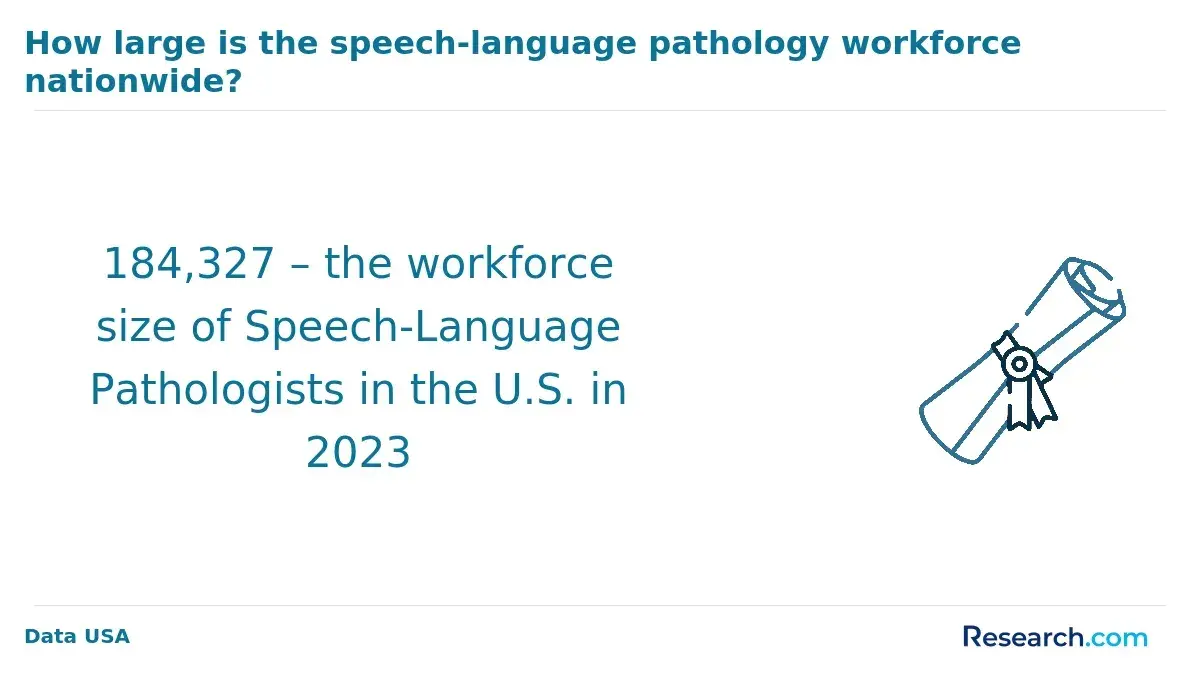
A speech-language pathology degree equips students to assess, diagnose, and treat communication and swallowing disorders across all ages. Speech-language pathologists (SLPs) work with diverse populations, from children with speech delays to adults recovering from stroke or brain injury. The program includes coursework in anatomy, linguistics, cognitive neuroscience, and clinical methods, paired with supervised internships to build practical skills. Graduates earn credentials needed for state licensure and certification from the American Speech-Language-Hearing Association (ASHA).
SLPs collaborate with educators, healthcare professionals, and families to create personalized therapy plans addressing speech, language, voice, fluency, and swallowing challenges. Settings vary widely, including schools, hospitals, rehabilitation centers, and private practice. Evening-friendly speech-language pathology programs in the United States are increasingly sought after, helping working students balance career and education.
According to ASHA's 2025 workforce survey, 68% of working SLP graduate students prefer evening classes. These flexible schedules enable professionals to advance their careers without sacrificing income. Choosing online speech pathology degrees with flexible evening classes can make gaining clinical experience more accessible while maintaining employment.
When selecting a program, consider options with strong faculty mentorship and accessible practicum placements that meet certification standards efficiently. Prospective students can explore a variety of online speech and language pathology programs designed to accommodate busy schedules.
What are the accreditation and licensing requirements for SLP programs in the U.S.?
U.S. accreditation standards for SLP programs ensure students receive quality education aligned with professional certification and state licensure requirements. Programs approved by the Council on Academic Accreditation in Audiology and Speech-Language Pathology (CAA), a committee of the American Speech-Language-Hearing Association (ASHA), meet rigorous academic and clinical training standards. Graduates from a CAA-accredited graduate program are eligible for the Certificate of Clinical Competence in Speech-Language Pathology (CCC-SLP), a credential recognized nationwide and often required for state licensure.
Licensing requirements for speech pathology degrees in the United States typically include a master's degree from an accredited program, completion of a supervised clinical fellowship, and passing the Praxis Examination in Speech-Language Pathology. Some states may also require jurisprudence exams or continuing education for renewal. Researching specific state regulations early is crucial, especially for students seeking evening-friendly programs that accommodate working professionals.
Non-accredited programs may limit licensure and job prospects. The demand for speech-language pathologists is expected to grow 17% from 2025 to 2035, adding approximately 14,500 new jobs annually, according to the U.S. Bureau of Labor Statistics. This growth highlights the importance of meeting established accreditation and licensing standards.
For those considering this field, understanding the speech pathology salary potential alongside accreditation and licensure requirements helps in making informed career decisions.
How do online SLP programs compare to campus-based programs in terms of clinical requirements?
Online speech pathology clinical hour requirements comparison show these programs require similar hands-on, supervised clinical experiences as campus-based programs to meet American Speech-Language-Hearing Association (ASHA) standards. Students must complete around 400 direct client contact hours across diverse populations and disorders. While campus students often access university clinics, online students fulfill clinical training through local partnerships with healthcare facilities, schools, or private practices near their homes. This local placement offers flexible scheduling, which is especially important for evening program students balancing work or family commitments.
The differences in clinical training between online and campus speech pathology programs lie mostly in supervision methods. Online students receive rigorous oversight from assigned clinical supervisors using teleconferencing and recorded session reviews, maintaining comparable competency requirements. Prospective students should verify that online programs provide clear clinical placement support and are accredited so their clinical hours count toward ASHA certification.
Evening-friendly online programs reduce commuting and logistical barriers by emphasizing flexible scheduling and remote supervision. Graduates from these programs enter a competitive job market with strong salary potential; the median annual wage for speech-language pathologists reached $89,290, with top earners above $129,930. Proper clinical experiences prepare students effectively for certification and licensure.
Those interested in accelerated options can explore accelerated speech language pathology programs to advance their careers more quickly.
An accredited online master's program in speech pathology typically balances foundational science, clinical practice, and professional development. Coursework includes anatomy and physiology of speech and hearing mechanisms, phonetics, language development, and neurological bases of communication disorders. Students examine conditions such as aphasia, dysphagia, voice impairments, and fluency challenges like stuttering.
The curriculum structure of evening-friendly speech pathology graduate programs often features asynchronous lectures for working professionals, combined with synchronous virtual labs or group discussions. Flexible pacing helps balance coursework with required clinical hours.
Programs emphasize assessment techniques, diagnostic procedures, and evidence-based interventions. Cultural competence and ethical considerations are integrated to prepare clinicians for diverse populations. Pediatric and adult communication disorders receive specialized focus through electives.
Most programs require supervised clinical practicums, either virtual or in local partner sites near students. These hands-on experiences are critical for clinical fellowship and licensure exams needed to become certified Speech-Language Pathologists (SLPs).
The standard completion requirement ranges from 60 to 75 credit hours, combining theoretical knowledge with applied practice. Students must maintain GPA benchmarks set by accreditation bodies to remain eligible for certification.
According to a Georgetown University Center on Education and the Workforce analysis, graduates of online speech pathology master's programs experience an average lifetime return on investment of $1.2 million after tuition costs. Prospective students interested in the easiest SLP masters to get into can find helpful information.
Applicants to online speech pathology programs typically need a bachelor's degree from an accredited institution, often in communication sciences and disorders or a closely related field. Prerequisite courses usually include anatomy and physiology of the speech mechanism, phonetics, audiology, linguistics, psychology, and statistics. Some programs accept general education degrees but require these prerequisites be completed before advancing.
Admissions standards often involve a minimum GPA around 3.0, sometimes higher for prerequisites. Many programs request GRE scores, though an increasing number have waived this requirement. Official transcripts, letters of recommendation, resumes highlighting clinical or volunteer experience, and personal statements on career goals are commonly required.
Clinical observation hours, generally between 25 and 50, have become more frequent admission components, confirming applicants' familiarity and commitment to the profession.
For working students, evening-friendly schedules help reduce opportunity costs. According to the ASHA EdFinder 2025 report, average tuition for CAA-accredited online speech pathology programs rose 4.2% to about $55,000 total, but such flexible schedules saved approximately $25,000 in foregone wages.
Online speech pathology master's programs typically take two to three years to complete, depending on whether a student attends full-time or part-time. Full-time enrollment often allows completion within two years, while part-time and evening schedules may extend the timeframe closer to three years. This flexibility supports working professionals balancing career and family.
Program length is influenced by credit requirements, which usually range from 60 to 75 graduate credits. Accelerated tracks may enable earlier graduation by increasing course loads or including summer terms. Students with other commitments can take fewer credits per term and benefit from evening or weekend classes to maintain steady progress without compromising quality.
Tuition costs vary widely based on institution type, residency, and fees. Public universities typically charge between $15,000 and $35,000 for the entire program, while private schools can exceed $50,000. Additional costs include textbooks, clinical practicum fees, and technology surcharges. Some institutions offer in-state tuition rates to online students regardless of location, potentially reducing expenses significantly.
Employment outcomes for graduates are strong: 95% of online speech pathology graduates secured jobs within six months of graduating, exceeding the 92% national average for all health professions, based on CAA-ASHA data.
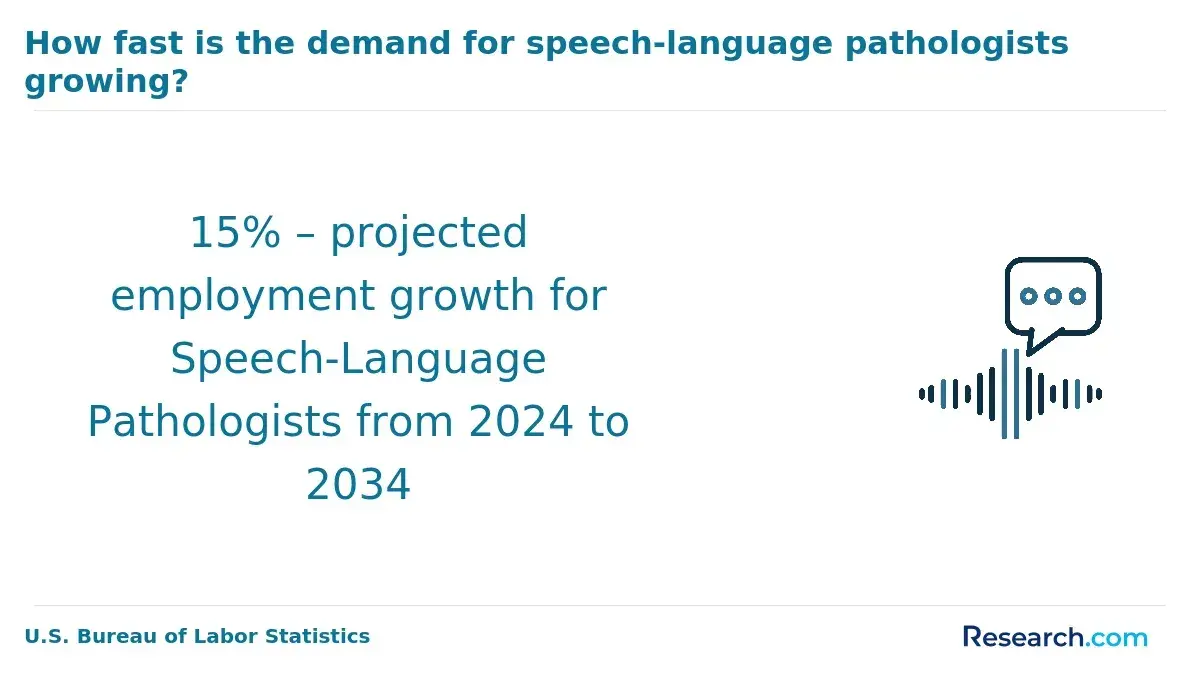
The demand for speech pathology professionals is growing rapidly, with the U.S. Bureau of Labor Statistics projecting a 17% growth rate from 2025 to 2035. Employment opportunities exist in diverse settings such as schools, healthcare facilities, rehabilitation centers, and private practices. Schools increasingly require speech pathology experts to support children with speech or language impairments, while medical facilities need them to assist patients recovering from strokes or injuries.
This demand is fueled by factors like an aging population, the need for early intervention in children with developmental delays, and expanded insurance coverage for communication disorders. Evening-friendly online programs have become a vital option, allowing working adults to upskill without interrupting their jobs. Such programs enhance diversity in the field, with 42% of students in evening speech pathology programs in 2025 identifying as racial or ethnic minorities, compared to 35% in 2023.
Graduates should focus on geographic and setting choices, as rural areas and schools often face the greatest shortages. Networking through professional groups, earning credentials like the CCC-SLP, and securing clinical internships improve job prospects. Telepractice is also expanding, offering remote work options suited for those balancing family or other commitments.
Overall, flexible education models and evolving practice formats provide diverse career paths in speech pathology.
The salary range for speech-language pathologists (SLPs) varies widely based on work setting and specialization. In schools, annual earnings typically range from $65,000 to $80,000, reflecting the demands of working with children and coordination with educators and parents.
Healthcare environments such as hospitals and rehabilitation centers offer higher salaries, generally between $75,000 and $95,000. These roles require advanced clinical skills for complex cases like stroke recovery or swallowing disorders. Skilled nursing facilities and home health services pay between $70,000 and $85,000, focusing on geriatric care.
Specializations also influence income. Pediatric speech sound disorders, autism spectrum disorder, and augmentative and alternative communication specialists usually earn more, with the latter found at the upper compensation range due to technology expertise. Additionally, SLPs certified in swallowing or neurogenic communication disorders often exceed median salaries by 10-15%.
The value of flexible education is supported by retention and completion data. Evening-online speech pathology programs achieve a 92% on-time completion rate, surpassing traditional daytime programs at 85%. Faster completion helps students enter the workforce sooner at competitive salaries.
Accreditation from the Council on Academic Accreditation in Audiology and Speech-Language Pathology (CAA) is essential when selecting an online slp program. It guarantees adherence to professional standards and ensures graduates are eligible for certification and licensure. Evaluating the curriculum in relation to your career goals-whether clinical, educational, or research-focused-helps identify programs offering the best fit. Specialized tracks or electives can strengthen preparation for specific areas within speech pathology.
Flexibility plays a crucial role, especially for working professionals. Programs that provide evening schedules or asynchronous coursework allow students to balance employment and studies effectively. Additionally, clinical practicum options should be investigated carefully-with priority given to those offering placement near your location or telepractice experience, which boosts practical skills and employability.
Consider regional employment trends. For example, California employed approximately 15,100 slps, showing high demand in urban areas where programs accommodating nontraditional schedules supply 28% of new job openings. Targeting programs with strong placement rates and established local connections can improve your chances of success.
Lastly, assess faculty expertise, graduate outcomes, and support services like career counseling. Request completion statistics and certification pass rates as indicators of program quality and postgraduation success. These factors collectively help identify institutions that prepare students effectively for professional speech pathology careers.
What are the steps to become a licensed SLP after completing an online degree?
Becoming a licensed speech-language pathologist after earning an online degree involves completing several key steps regulated by professional and state bodies. First, candidates must graduate from a program accredited by the Council on Academic Accreditation in Audiology and Speech-Language Pathology (CAA). This accreditation aligns with state licensure and certification requirements.
Next, a supervised clinical fellowship is required, typically about 36 weeks or 1,260 hours, under a licensed SLP's guidance. This fellowship provides direct, practical experience and is often scheduled with flexibility to suit professionals trained in the evening.
Passing the Praxis Examination in Speech-Language Pathology, administered by the Educational Testing Service, is essential for obtaining licensure and certification from the American Speech-Language-Hearing Association (ASHA).
Afterward, applicants must submit proof of education, clinical fellowship completion, and exam results to the state licensing board, noting that licensure rules differ by state. Many pursue ASHA's Certificate of Clinical Competence in Speech-Language Pathology (CCC-SLP), which improves employment chances and eligibility for telepractice.
Telepractice is growing rapidly, projected to increase by 17% by 2035, with remote caseloads averaging 35 hours weekly, according to the ASHA 2025 FuturEd report.
Other Things You Should Know About Speech Pathology
Many online SLP master's programs accommodate current professionals by offering evening-friendly schedules, but students generally need to hold a related bachelor's degree before working clinically. Licensed SLPs may continue working while pursuing advanced credentials, though those seeking initial certification typically complete their supervised clinical hours after or near the end of their program.
Yes, several accredited online SLP programs offer part-time tracks, allowing students to spread coursework over a longer period. These options help working adults balance career and study, though part-time students may take longer to complete their clinical requirements and graduate.
ASHA requires 400 supervised clinical practicum hours for the CCC-SLP, including at least 325 hours in direct client contact. Programs must also include at least 25 hours of clinical observation before the practicum begins, and the hours must be completed under qualified supervision.
Students should be comfortable with video conferencing, learning management systems, and digital submission platforms, as programs rely heavily on these tools for lectures, discussions, and assignments. Basic troubleshooting and time management skills are also important to engage effectively in asynchronous and synchronous learning activities.
- U.S. Bureau of Labor Statistics - Speech-Language Pathologists https://www.bls.gov/ooh/healthcare/speech-language-pathologists.htm
- ASHA EdFind - Accredited Speech-Language Pathology Programs https://find.asha.org/ed/
- Audiology and Speech-Language Pathology Interstate Compact https://aslpcompact.com/compact-map/
- University of Nebraska at Kearney - Speech-Language Pathology, Master of Science in Education (Online Track) https://www.unk.edu/online/degrees-programs/speech-language-pathology-online.php
- Abilene Christian University - Master of Science in Speech-Language Pathology (Online) https://acu.edu/academics/graduate/master-of-science-in-speech-language-pathology/
- Ithaca College - Online Master of Science in Speech-Language Pathology https://slponline.ithaca.edu/programs/masters-speech-language-pathology-online
- Auburn University, Montgomery - Master of Science in Speech-Language Pathology https://www.aum.edu/degree/ms-speech-language-pathology/
- Pepperdine University - Master of Science in Speech-Language Pathology https://healthscience.pepperdine.edu/online-masters-in-speech-language-pathology/