2027 Do Employers Respect Online Speech Pathology Degrees?

Co-Founder and Chief Data Scientist

Reviewed by Rhea Paul, PhD
SLP Education & Research Expert
Many professionals with unrelated undergraduate degrees consider online speech pathology programs to shift careers. However, concerns arise about employer perceptions of these online qualifications compared to traditional ones.
Some worry that online degrees might lack credibility or affect job prospects in competitive healthcare settings. This uncertainty can delay career decisions or lead to choosing less flexible, costlier options.
This article examines how employers currently value online speech pathology degrees, exploring factors like accreditation, program reputation, and practical training to guide prospective students toward informed education choices aligned with career success.
Key Things You Should Know
- Employers increasingly recognize online speech pathology degrees, with over 70% stating they view accredited online graduates as equally qualified as those from traditional programs in 2025 surveys.
- Accreditation by bodies like the Council on Academic Accreditation (CAA) remains crucial for employer respect and licensure eligibility, regardless of program delivery method.
- Hands-on clinical experience integrated within online programs is essential; employers prioritize candidates who demonstrate practical skills alongside academic knowledge.
Do Employers Respect Online Speech Pathology Degrees?
Employers increasingly recognize the value of online speech pathology degrees for employment, especially when these degrees come from accredited programs meeting national standards. Accreditation by the Council on Academic Accreditation in Audiology and Speech-Language Pathology (CAA) remains the key factor influencing employer acceptance.
Graduates from accredited online programs earn credentials equivalent to traditional campus degrees, enabling them to pursue necessary licensure, clinical fellowships, and certification for professional practice.
Data from the University of North Carolina at Chapel Hill highlights that 98.5% of students in top online speech pathology master's programs graduated on time, underscoring program rigor and student dedication. This strong graduation rate helps reassure employers about graduates' training quality.
Employers emphasize the importance of clinical experience. Successful online programs integrate supervised clinical practicum locally or through partner sites to meet this demand. Without adequate hands-on clinical hours, candidates may face employer skepticism regardless of degree format.
Regional and employer preferences vary, with some facilities favoring traditional degrees due to longstanding hiring cultures. However, healthcare trends increasingly accept remote learning pathways when candidates demonstrate verified clinical skills, licensure, and strong recommendations.
Prospective students should verify program accreditation and clinical placement opportunities and prepare early for certification exams.
Those exploring options can review online speech pathology programs masters to find accredited, affordable degrees that strengthen employability.
Are Online Speech Pathology Degrees Accredited?
Accreditation is essential for any online speech pathology degree to ensure it meets the standards required for certification and employment.
The primary accrediting body in the U.S. is the Council on Academic Accreditation in Audiology and Speech-Language Pathology (CAA), under the American Speech-Language-Hearing Association (ASHA). Programs accredited by CAA, whether offered online or in traditional formats, follow rigorous academic and clinical training guidelines.
Accredited online speech pathology programs in the US now commonly offer the same curriculum and supervised clinical practicum as on-campus counterparts.
This alignment enables graduates to sit for certification exams like the Certificate of Clinical Competence in Speech-Language Pathology (CCC-SLP), which is critical for state licensure and job eligibility.
The 2023-2024 Communication Sciences and Disorders Education Survey highlighted that 45% of speech pathology master's applicants were admitted with GPAs ranging from 3.08 to 3.98. This reflects no enrollment bias against online candidates and supports the recognition of online speech pathology degree accreditation standards by programs and employers alike.
Applicants should always verify CAA accreditation before enrolling, as unaccredited programs limit certification chances and job prospects. It is also vital to meet state-specific licensure requirements, including supervised clinical hours.
For those aiming to become a highest paid speech pathologist, accredited online programs provide a legitimate and respected path forward.
What Accreditation Do Speech Pathology Programs Need?
Speech pathology programs must have accreditation from the Council on Academic Accreditation in Audiology and Speech-Language Pathology (CAA-ASHA) to meet state licensing requirements for online speech pathology education and be recognized by employers and licensing boards.
CAA-ASHA ensures programs follow rigorous educational standards, including a minimum of 400 clinical clock hours and essential coursework, preparing competent clinicians ready for practice.
Online speech pathology degrees must hold the same CAA-ASHA accreditation to be credible. Accredited online speech pathology degree programs in the US, such as those at Emerson College, demonstrate outcomes like a 100% Praxis exam pass rate, matching or surpassing on-campus results. This confirms accreditation maintains quality regardless of delivery format.
Employers typically require graduation from a CAA-ASHA accredited program when hiring, and most states mandate it for eligibility to earn the Certificate of Clinical Competence (CCC) from ASHA, essential for professional practice. Accreditation also affects financial aid eligibility and credit transferability.
Prospective students should carefully verify accreditation status before enrolling to avoid wasted time or resources. For those exploring timelines, consider options like 5 year speech pathology programs that provide structured pathways to licensure and employment.
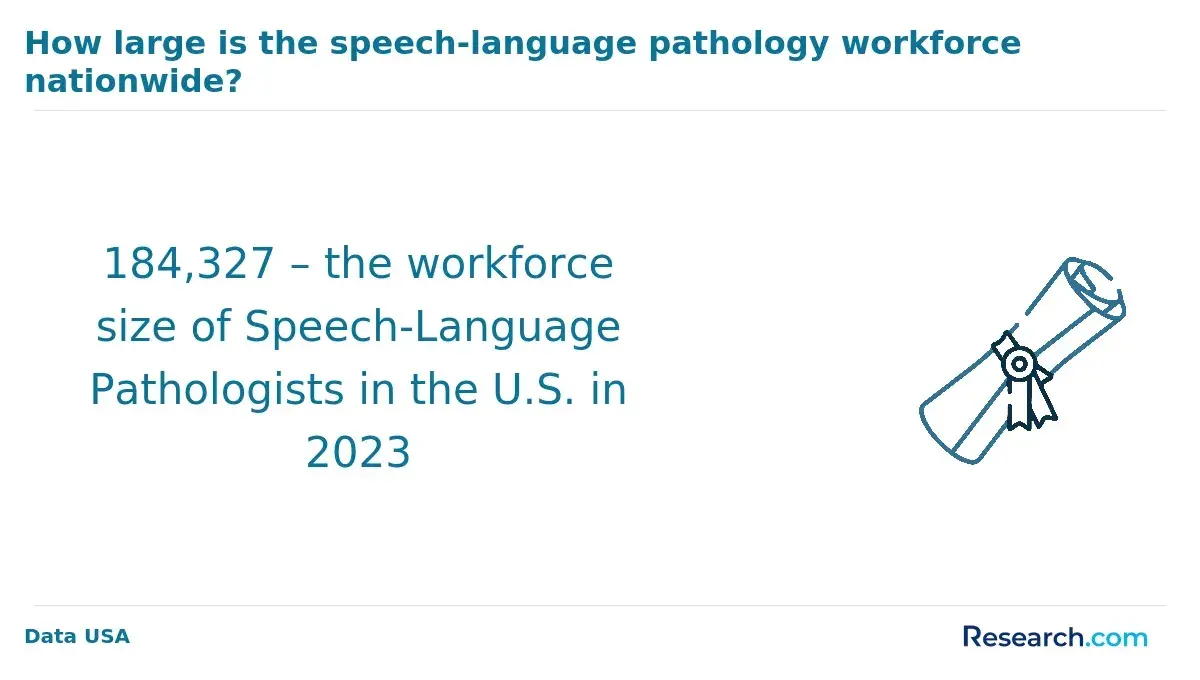
Employers generally regard online speech pathology programs as credible when these programs are accredited and meet certification standards necessary for clinical licensure.
The primary differences between online and on-campus speech pathology programs lie in delivery methods rather than curriculum quality or rigor. Accredited online programs typically require the same supervised clinical hours as traditional on-campus options, ensuring comparable practical training.
Data from Eastern New Mexico University and BLS via OnlineU shows that online SLP graduates have an 85% first-year retention rate and a 68% graduation rate, highlighting strong employability prospects in a field expected to grow by 17% by 2035. This success underscores the value employers place on programs that prepare competent clinicians.
Prospective students seeking an online speech pathology degree recognition in the US should verify accreditation by the Council on Academic Accreditation in Audiology and Speech-Language Pathology (CAA), as this is often required for state licensure and certification by the American Speech-Language-Hearing Association (ASHA).
Online programs with local clinical placements address employer concerns regarding hands-on experience, which is crucial for demonstrating clinical competencies during interviews.
Employers across school systems, healthcare, and private practice sectors show no inherent bias against online degrees when accreditation and clinical requirements are met. For those exploring the best options, explore speech pathology graduate programs that balance accessibility with quality.
Admission requirements for speech pathology degrees vary by level and institution but share key elements. Bachelor's programs generally expect a high school diploma with strong grades in biology and psychology, minimum GPAs around 3.0, and sometimes SAT or ACT scores, though waivers are common for qualified applicants.
Master's programs require a bachelor's degree, preferably in communication sciences, biology, or related fields. Applicants must provide transcripts showing prerequisite coursework in anatomy, physiology, linguistics, and statistics.
Competitive GPAs (3.0 or higher), GRE scores, recommendation letters, and personal statements are often required. Clinical experience through volunteering or shadowing a speech-language pathologist enhances applications.
Doctoral candidates usually hold a master's degree in speech pathology or a similar discipline, with strong academic records and clinical backgrounds. Research proposals and interviews may be part of the process.
Program accreditation is crucial. Graduates from accredited online speech pathology programs report median salaries of $97,870 annually, with a return on investment exceeding 300% within five years post-graduation, according to Data USA's 2025 CIP profile. Accreditation ensures education quality vital for certification and employment.
Prospective students should focus on academic and clinical prerequisites, test requirements, and accreditation status to meet admissions standards successfully.
Speech pathology programs generally take two to four years to complete, depending on the degree and format chosen. A master's degree, the typical requirement for clinical certification, usually requires about two years of full-time study. Accelerated or online options may allow completion in 18 to 24 months, while part-time study can extend the timeline to three or four years.
For students whose bachelor's degrees are unrelated to speech pathology, prerequisite courses and undergraduate studies add two to four years before graduate enrollment. This means the full educational pathway to a master's degree can take four to six years.
Online programs increasingly align with traditional campus programs in both length and rigor. For instance, 96% of Purdue University's 2022-2023 online cohorts passed the Praxis exam on their first try, and 92% of hiring managers view these graduates as equal to those from on-campus programs, according to Purdue University via BestColleges.com.
Doctoral degrees, which focus on research and advanced clinical skills, add another three to four years beyond the master's and are optional for clinical practice.
When planning your education, consider program format, part-time versus full-time options, and prerequisites. These factors influence total duration. Early consultation with program advisors helps clarify timelines and aligns your path with career goals.
The speech pathology degree curriculum develops expertise in communication disorders across all ages. Core courses cover anatomy and physiology of speech and hearing mechanisms, phonetics, audiology, neuroanatomy, and language development.
Students learn about disorders such as articulation issues, aphasia, voice disorders, and cognitive-communication impairments. Clinical practicum provides critical hands-on experience assessing and treating clients under supervision.
Programs integrate theoretical knowledge with applied skills, including standardized assessment techniques and evidence-based treatment methodologies tailored to pediatric, adult, and geriatric populations.
Specialized training often includes swallowing disorders (dysphagia) and augmentative communication for non-verbal patients. Ethics, cultural competence, and biopsychosocial factors are emphasized to prepare students for varied clinical settings.
Most programs require a master's degree to meet ASHA certification standards, qualifying graduates for the Certificate of Clinical Competence. This credential is essential, considering that nearly 8% of U.S. children aged 3-17 have diagnosed speech, language, or swallowing disorders, which fuels high demand for qualified clinicians.
Prospective students should ensure their program offers supervised clinical hours and prepares them for national licensure exams. Programs featuring interprofessional training and research opportunities provide additional value.
Since online degrees differ in clinical placement availability, verifying hands-on experience options is crucial for career readiness.
Speech pathology graduates have diverse career options in healthcare, education, and community services. Many work as licensed speech-language pathologists in hospitals, rehabilitation centers, or private practices, assessing and treating speech, language, and swallowing disorders across all age groups.
Others pursue roles in schools, collaborating with educators to support children facing communication challenges and learning disabilities.
Specialization areas often include pediatric speech therapy, adult neurogenic disorders, and voice therapy. Non-clinical opportunities also exist in research, advancing therapeutic methods and communication science.
Additionally, speech pathology skills are valuable in corporate settings focused on communication coaching, accent modification, and accessibility services for individuals with speech impairments.
Online speech pathology programs have seen significant growth, with enrollment rising 17% between 2035 and 2025. According to the OnlineU 2026 report, just 11% of employers perceive a quality gap compared to in-person degrees, signaling broad acceptance of online education among hiring organizations.
Job candidates should highlight clinical practicum experience and state licensure, as these credentials meet key employer expectations.
Continuing education enhances competitiveness in the strong job market. Telepractice positions have expanded, enabling professionals to deliver services remotely and access wider employment opportunities.
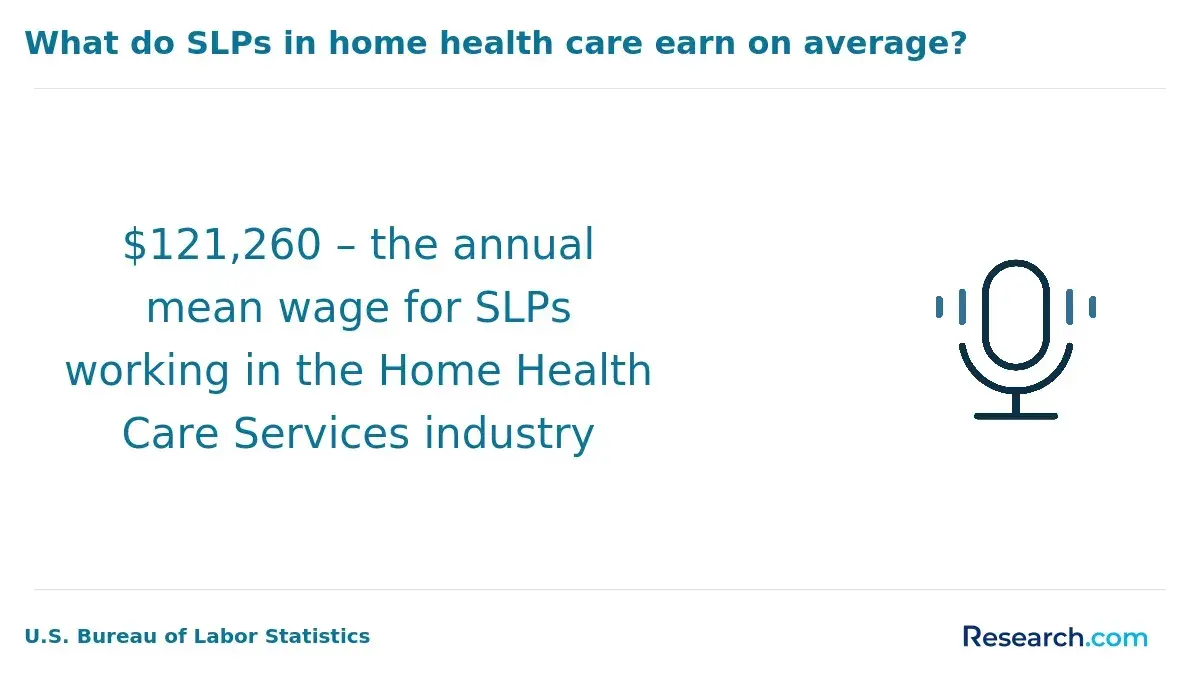
The median annual salary for speech pathologists hovers around $97,870, varying by experience, location, and work environment.
Entry-level professionals often start near $60,000, while those with advanced skills or more years of experience can earn over $100,000 annually. Medical settings such as hospitals and rehabilitation centers generally provide higher pay compared to schools or outpatient clinics.
Key factors affecting salary include:
- Geographic Location: Urban and high cost-of-living areas often offer higher wages.
- Education Level: Advanced certifications or a Clinical Doctorate in speech-language pathology boost earning potential.
- Employer Type: Private healthcare providers tend to pay more than public schools or nonprofits.
- Experience: Senior clinicians and specialists in pediatric or neurogenic disorders command premium salaries.
Job growth for speech pathologists is strong, with demand projected to increase 17% faster than average through 2035.
Approximately 35% of new roles in medical settings are filled by graduates of reputable online degree programs, indicating strong employer acceptance of online education. This upward trend supports reliable income potential, emphasizing the value of targeted education and clinical experience for maximizing earnings.
For those considering an online speech pathology degree, understanding salary ranges alongside industry outlook helps in making informed decisions about investing in one's education and career growth.
What Is the Job Outlook for Speech Pathologists?
Employment for speech-language pathologists is expected to grow by 17% from 2025 to 2035, outpacing the average for all occupations, according to the U.S. Bureau of Labor Statistics.
This surge is fueled by increased demand in schools, healthcare, and rehabilitation centers serving aging populations. Regional differences matter, with urban areas offering more jobs but greater competition, while rural areas often have shortages, creating opportunities for relocation.
Online degrees in speech pathology have gained strong acceptance among employers. Leading programs like Arizona State University enroll over 52,000 students annually and report a 91% employer recommendation rate, as noted in OnlineU 2026 rankings. This shows that reputable online education holds equal value compared to traditional degrees in the eyes of employers.
Job prospects vary by specialization and work setting:
- Pediatric speech pathologists are increasingly needed in schools.
- Clinicians focusing on adult neurological disorders will find more openings in hospitals and rehab clinics.
Certification and state licensure significantly affect hiring potential, so candidates should ensure their credentials meet regional standards.
The speech pathology field remains a promising path backed by growing demand across multiple sectors and improved employer respect for online education.
Other Things You Should Know About Speech Pathology
A successful speech pathologist needs strong communication and interpersonal skills to work effectively with clients of all ages. Critical thinking and problem-solving abilities are also important for diagnosing and treating speech or language disorders. Additionally, patience and empathy help in supporting clients through challenging therapy processes.
Yes, speech pathologists can work in a variety of settings such as private practices, rehabilitation centers, nursing homes, and research institutions. They may also work remotely through telepractice, providing therapy via digital platforms. Employment opportunities extend to government agencies and corporate environments focusing on communication and accessibility.
Continuing education is often required to maintain certification and licensure for speech pathologists. It allows professionals to stay current with the latest research, techniques, and technology in the field. Many states and professional organizations mandate a certain number of continuing education hours every few years.
An online speech pathology degree should come from a program accredited by the Council on Academic Accreditation in Audiology and Speech-Language Pathology (CAA) of ASHA. Most state licensing boards require graduation from a CAA-accredited master’s program, plus the Praxis exam and clinical hours.
- U.S. Bureau of Labor Statistics - Speech-Language Pathologists https://www.bls.gov/ooh/healthcare/speech-language-pathologists.htm
- ASHA EdFind - Accredited Speech-Language Pathology Programs https://find.asha.org/ed/
- Audiology and Speech-Language Pathology Interstate Compact https://aslpcompact.com/compact-map/
- Abilene Christian University - Master of Science in Speech-Language Pathology (Online) https://acu.edu/academics/graduate/master-of-science-in-speech-language-pathology/
- California State University-East Bay - Online Master of Science in Speech-Language Pathology https://ce.csueastbay.edu/programs/speech-language-pathology/
- Delaware Valley University - Master of Science in Speech-Language Pathology (M.S.) https://delval.edu/programs/graduate-programs/speech-language-pathology
- University of Wisconsin-Eau Claire - Master of Science in Speech-Language Pathology (Online) https://www.uwec.edu/speech-language-and-hearing-sciences-department/graduate-program/speech-language-pathology-online
- University of North Carolina at Greensboro - Speech-Language Pathology, M.A. (Online) https://csd.uncg.edu/graduate/masters-of-arts-online/