2027 Clinical Fellowship Year Checklist for New SLP Graduates

Co-Founder and Chief Data Scientist

Reviewed by Rhea Paul, PhD
SLP Education & Research Expert
Entering a clinical fellowship can feel overwhelming for new SLP graduates balancing licensure requirements, clinical hours, and professional development. Many candidates struggle to organize essential tasks and deadlines while managing caseloads and employer expectations. Missing key steps can delay certification and affect career growth.
This article outlines a clear, practical checklist covering licensing processes, documentation, and skill-building milestones. It aims to equip readers with a structured approach to navigate their fellowship year efficiently and successfully transition into independent practice as speech pathologists.
Key Things You Should Know
- The 2026 clinical fellowship year requires 1,260 hours of supervised experience, with at least 80% in direct client contact, as per ASHA standards updated in 2024.
- Documentation accuracy is crucial; maintaining detailed logs and supervisor evaluations ensures compliance with certification and licensure requirements.
- Recent data shows that 65% of new SLPs secure full-time clinical fellowship positions within three months, highlighting the importance of networking and proactive job search.
What is a clinical fellowship year for speech-language pathologists and why is it required?
A clinical fellowship year (CFY) for speech-language pathologists in the US is a required supervised professional experience essential for full ASHA certification. This 36-week full-time or 64-week part-time period bridges academic learning and independent clinical practice. It ensures new graduates refine clinical skills, professional judgment, and ethical standards under mentorship.
Entry-level academic programs don't provide enough supervised experience alone to guarantee competent, safe practice; therefore, clinical fellowship year requirements for speech-language pathologists in the US include applying theory to diverse populations in settings like schools, hospitals, or rehabilitation centers.
Fellows develop competencies working with pediatric, adult neurological, or voice disorders.
Failing to complete the CFY delays earning the Certificate of Clinical Competence (CCC), critical for state licensure and employment. Many new graduates begin their fellowship within six months of graduation to avoid career interruptions.
For those considering further education, there are fully online SLP master's programs that accommodate working professionals seeking flexibility.
Understanding why clinical fellowship is essential for new Speech Pathology graduates highlights the vital transition from academic training to safe, effective independent practice.
What are the eligibility requirements to begin a clinical fellowship year after graduation?
To meet clinical fellowship year eligibility criteria in the United States for 2026, new speech pathology graduates must complete an accredited graduate program through the Council on Academic Accreditation in Audiology and Speech-Language Pathology (CAA).
They also need to fulfill all academic and clinical clock-hour requirements-usually around 400 supervised hours-during their master's or doctoral studies before beginning the clinical fellowship year (CFY).
Requirements to start a clinical fellowship after SLP graduation include obtaining or promptly applying for the Certificate of Clinical Competence in Speech-Language Pathology (CCC-SLP), which is necessary for independent practice post-fellowship.
CFY supervisors must hold valid CCC-SLP certification and have at least nine months of full-time experience after certification. Common CFY settings range from schools and hospitals to rehabilitation centers and private practices.
Graduates should be aware that some states require additional licensure or background checks before starting a CFY, so verifying state-specific requirements is essential to avoid delays.
Beginning applications early is crucial since ASHA's workforce data shows a 17% increase in CFY postings on major job boards from 2035 to 2025, reflecting higher availability but also increased competition.
For those exploring career pathways, understanding what does a speech pathologist do can help align goals and expectations during this transitional phase.
How long does a clinical fellowship year typically last and what is the time commitment?
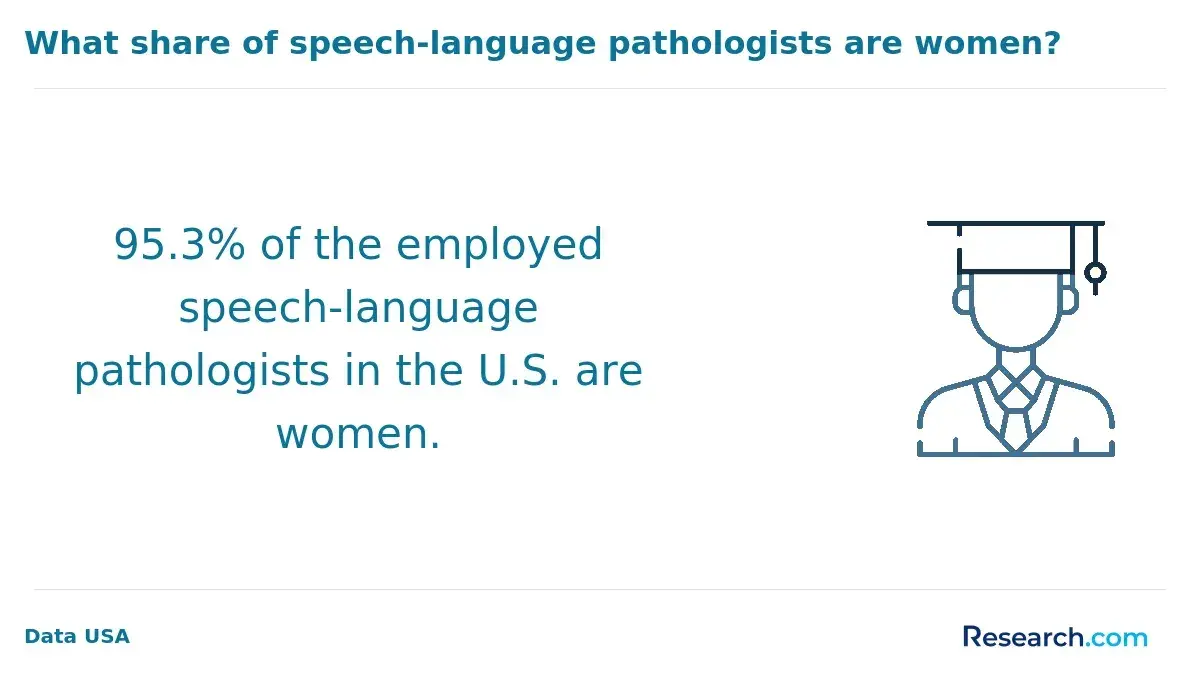
The clinical fellowship year duration for new SLP graduates typically spans 36 weeks or about 9 months of full-time clinical practice, requiring at least 1,260 supervised hours.
Part-time schedules are common and allow for prorated hours based on an extended timeframe. This phase bridges academic training and independent clinical work.
During this period, many clinicians work in various environments such as hospitals, schools, or outpatient clinics. Weekly hours usually range from 30 to 40, but flexible arrangements are possible if total hours are met. The typical time commitment for clinical fellowship in the US also includes direct supervision, with mentors providing at least 36 hours of observation and feedback.
Experienced supervisors are crucial; data from the ASHA CFY Oversight Committee Report shows that only 8% of supervisors had less than two years post-CCC-SLP certification, underscoring the high expertise expected. Clear documentation of clinical hours and supervision is mandatory for ASHA certification.
To successfully fulfill the CFY requirements, fellows should confirm schedules with their mentors early and maintain accurate records. Those interested in advancing their education might explore accelerated speech pathology programs online for faster credentialing options.
Core clinical competencies for speech pathology fellowship focus on applying assessment, intervention, and professional practice skills to prepare fellows for independent clinical roles.
Key skill areas evaluated during clinical fellowship year in speech pathology include conducting comprehensive evaluations for diverse disorders such as articulation, language, fluency, and cognitive-communication impairments.
Fellows must competently select and interpret appropriate standardized and non-standardized assessment tools to develop evidence-based, individualized treatment plans.
Effective intervention skills require adjusting therapy techniques based on client response and documenting progress with clear, timely, and professional reports. Communication with clients, families, and interdisciplinary teams is essential, emphasizing collaborative and ethical care.
Professionalism and efficient time management are crucial. According to the 2025 SLP Now survey, 85% of CFY fellows spent their first week on caseload assignment and system access, delaying direct client contact by four days on average.
This highlights the need for strong administrative skills alongside clinical proficiency. Fellows should develop strategies to balance caseload logistics while maximizing clinical exposure.
Additional competencies include supervised clinical decision-making, compliance with state licensure and certification, and adherence to HIPAA and regulatory standards.
Engaging in reflective practice and continuing education supports ongoing development. Prospective students seeking the easiest speech pathology programs to get into may find these core clinical competencies for speech pathology fellowship crucial for success.
Clinical fellowship placements in speech pathology vary widely depending on the healthcare setting and practice environment. Hospital placements focus on acute care, exposing fellows to diverse, medically complex cases while requiring rapid responses and frequent direct supervision.
Outpatient clinics tend to emphasize long-term therapy with less medically fragile clients and more scheduled supervisory sessions.
School environments often serve children with developmental or learning-related communication disorders, balancing therapy with classroom collaboration. Supervision is usually less frequent but involves specialized educational documentation like Individualized Education Programs (IEPs), which differ significantly from healthcare records.
Tracking clinical hours is critical, as a 2025 ASHA audit found that 22% of clinical fellowship year (CFY) programs exceeded the 20% limit on indirect contact time, risking certification delays.
Indirect activities, such as IEP meetings and report writing, are especially common in school and outpatient settings. Fellows must ensure that direct client contact hours meet ASHA's 1,260-hour requirement to avoid extension of their CFY.
Home health and skilled nursing facilities provide abundant interdisciplinary collaboration opportunities but may present challenges related to travel and documentation.
Prospective fellows should clarify supervision expectations and direct contact requirements before accepting placements. This awareness supports informed decisions aligned with personal learning goals and certification timelines.
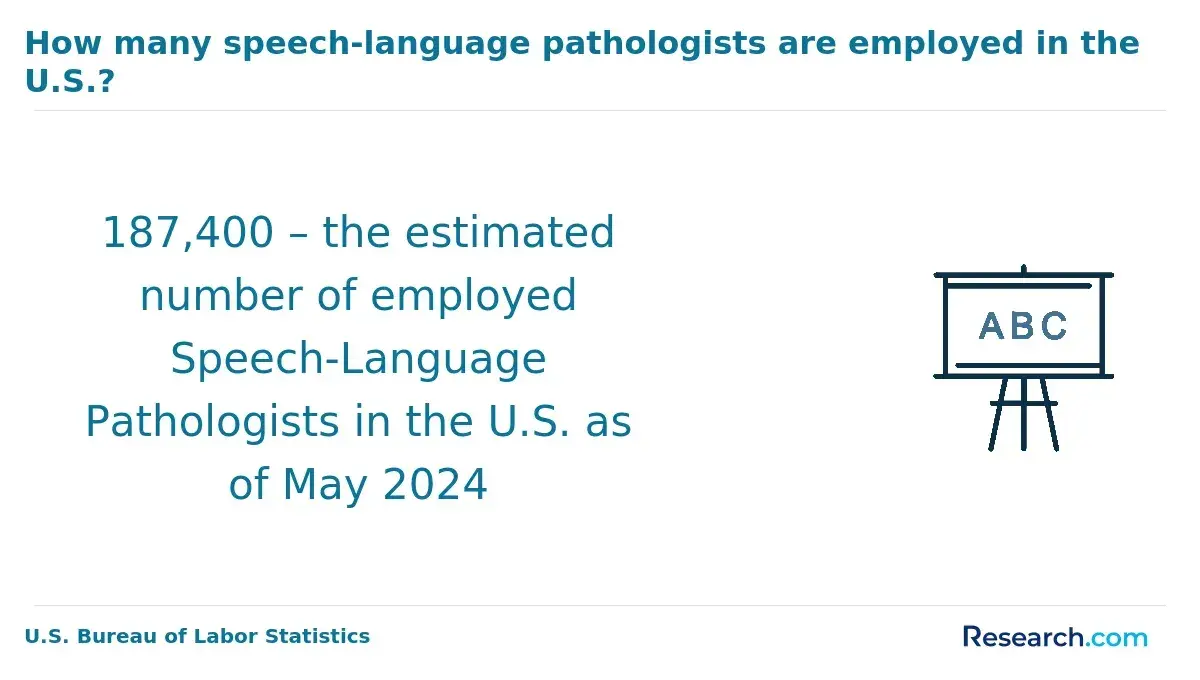
The Praxis Speech-Language Pathology (Praxis SLP) exam is essential for licensure and certification in most U.S. states. Passing it allows candidates to legally practice and begin or complete their clinical fellowship year (CFY). This exam tests foundational knowledge and clinical skills needed for effective post-graduate practice.
Balancing Praxis preparation while managing CFY responsibilities can be challenging. States vary in requirements-some mandate passing the exam before starting the fellowship, while others permit provisional licensure during the CFY if the Praxis is passed by its end. Failing to clear the exam on time can delay full licensure and employment opportunities.
Integrating Praxis study with practical skill development, especially through Clinical Fellowship Skills Inventory (CFSI) competencies, enhances clinical reasoning and intervention planning.
Notably, 76% of fellows achieved high scores on all 21 CFSI skills by midpoint on their first attempt, up from 68% previously, reflecting how clinical competence supports exam success.
Effective preparation strategies include using Praxis practice tests alongside clinical mentorship feedback, targeting areas like differential diagnosis and treatment planning. Understanding your state's specific exam timing and passing criteria is crucial to avoid setbacks in completing the CFY and obtaining full licensure.
Salaries for clinical fellows in speech pathology after the clinical fellowship year (CFY) range widely by work setting, region, and experience. Entry-level salaries typically fall between $55,000 and $70,000 annually. Clinical fellows in public schools often start near $55,000 to $60,000, influenced by district budgets.
In healthcare settings like hospitals or rehab centers, starting pay is usually higher, about $65,000 to $70,000. Geographic factors also play a key role; urban areas and states with higher living costs, such as California and New York, offer more competitive salaries.
Employment outcomes after CFY are positive, with most securing full-time roles within six months. However, around 14% of fellows face remediation due to interpersonal skill challenges identified during midpoint evaluations, according to the NSSLHA's CFY tracking database.
Early recognition and addressing of these issues are vital for career stability. Those in training should actively pursue mentorship and feedback to strengthen professional skills and relationships.
When considering job offers post-CFY, it is important to evaluate benefits beyond salary, such as loan repayment assistance, continued education support, and flexible work schedules.
Networking through professional organizations often uncovers opportunities not publicly advertised. Familiarity with common salary structures and employment pathways helps fellows make informed career decisions and avoid frequent transitional pitfalls.
Choosing a clinical fellowship program that aligns with your career goals requires careful evaluation of clinical settings and patient populations.
Focus on programs offering strong training in areas that match your interests, such as schools, hospitals, or outpatient clinics. For example, specializing in pediatric speech pathology means seeking programs with substantial pediatric caseloads and skilled mentors.
Mentorship quality is crucial. Programs that provide regular, structured supervision from licensed SLPs with relevant expertise offer clearer pathways for skill development. Consider whether the program encourages interdisciplinary collaboration to expand your clinical skills beyond speech pathology.
Practical factors are also important: location, workload, and benefits. The average clinical fellowship year (CFY) salary is about $62,500, reflecting a 9% increase yet remaining below the median salary for licensed SLPs, according to the ASHA 2025 Salary Report.
Evaluate if the salary and benefits, including loan repayment or continuing education support, meet your financial and professional needs, especially considering regional cost-of-living differences.
Investigate the program's reputation, CFY completion, and licensure success rates. Connect with former fellows for honest insights. Finally, ensure the program meets ASHA requirements to confirm your fellowship counts toward certification and licensure.
Completing thorough documentation during the clinical fellowship year (CFY) is vital for new speech pathology graduates. This includes a verified log of supervised clinical hours-both direct client contact and indirect activities-as well as detailed supervisory observation records.
The American Speech-Language-Hearing Association (ASHA) requires a minimum of 1,260 supervised hours, with at least 80 hours consisting of formal supervision through observation or recorded sessions.
Comprehensive case documentation is essential, including assessment findings, treatment plans, progress notes, and post-treatment evaluations. These reports must meet professional and ethical standards that demonstrate sound clinical reasoning and intervention effectiveness.
A professional portfolio should compile all relevant materials: signed supervision verification forms, clinical logs, case reports, competency assessments, and reflective notes. Keeping organized digital or physical copies makes review by credentialing bodies or prospective employers more efficient.
Challenges such as inconsistent supervision or insufficient observation hours are common; ASHA data shows 31% of CFY extensions stem from supervisor changes or observation shortfalls. To prevent delays, fellows should regularly confirm supervision continuity and observation requirements early.
Additionally, some fellows must include supervisor evaluations and proof of compliance with state licensure standards. Early confirmation with ASHA and state boards ensures all documentation aligns with CFY completion standards.
What are the state licensure requirements after completing a clinical fellowship year?
Licensure requirements after completing a clinical fellowship year (CFY) typically involve submitting proof of CFY completion, passing the Praxis Examination in speech-language pathology, and applying for licensure through the respective state boards.
Most states require documentation of at least 1,260 supervised clinical hours, completed under a licensed mentor. However, rules about mentor qualifications, approved settings, and documentation vary by state.
Graduates should promptly begin their licensure applications to avoid delays. Some states have specific deadlines tied to CFY or exam completion, and missing these can result in additional clinical requirements or fees.
It's important to verify whether electronic submission of CFY evaluations and logs is accepted or if notarized physical copies are required.
Key considerations include:
- Meeting state-specific supervised hours and mentor criteria.
- Adhering to deadlines for submitting applications.
- Understanding background check requirements and fees.
- Utilizing state online portals where available, such as in California and New York.
Certification through the CCC-SLP credentialing process is closely linked to timely CFY completion. In 2025, the approval rate for applicants submitting within 30 days of completing CFY reached 98.2%, underscoring the value of submitting all required documentation promptly.
Careful planning ensures smoother transitions from CFY to licensed practice and certification in speech pathology.
Other Things You Should Know About Speech Pathology
During the clinical fellowship year, speech-language pathologists should focus on continuing education in areas such as evidence-based practices, advanced speech and language assessment techniques, and emerging technologies in speech therapy. Staying updated in these areas enhances professional development and improves patient care.
Supervision quality is critical during the clinical fellowship because it directly impacts skill development and clinical decision-making. A knowledgeable and supportive mentor provides valuable feedback, facilitates reflective practice, and guides exposure to diverse caseloads. Effective supervision encourages confidence and promotes adherence to ethical standards and best practices.
New graduates should keep a signed Clinical Fellowship Report and Rating Form, weekly or monthly supervision logs, employment records, and proof of patient contact hours. ASHA requires 36 weeks of full-time experience or the part-time equivalent, plus at least 1,260 hours under the supervision of a qualified mentor.
New speech pathologists often encounter challenges such as managing workload and documentation demands, adjusting to professional roles, and building effective client rapport. Balancing supervision demands with independent responsibilities also requires time management skills. Addressing these challenges early supports professional growth and reduces burnout risk.
- U.S. Bureau of Labor Statistics - Speech-Language Pathologists https://www.bls.gov/ooh/healthcare/speech-language-pathologists.htm
- ASHA EdFind - Accredited Speech-Language Pathology Programs https://find.asha.org/ed/
- O*NET OnLine - Speech-Language Pathologists https://www.onetonline.org/link/summary/29-1127.00
- James Madison University - Master of Science (M.S.) in Speech-Language Pathology (Distance Education / Online) https://www.jmu.edu/chbs/csd/online_ms/index.shtml
- University of Scranton - Master of Science (M.S.) in Speech-Language Pathology https://www.scranton.edu/academics/pcps/health-and-human-performance/programs/speech-language-pathology/index.shtml
- Nova Southeastern University - SLP Program - Master of Science in Speech-Language Pathology https://osteopathic.nova.edu/degrees/masters/speech-language-pathology/index.html
- West Virginia University - Speech-Language Pathology, M.S. - Online https://medicine.hsc.wvu.edu/communications-sciences-and-disorders/speech-language-pathology-ms/future-students/curriculum/online-slp-program/
- Delaware Valley University - Master of Science in Speech-Language Pathology (M.S.) https://delval.edu/programs/graduate-programs/speech-language-pathology