2027 Signs an Online SLP Program May Not Be Worth the Cost

Co-Founder and Chief Data Scientist

Reviewed by Rhea Paul, PhD
SLP Education & Research Expert
Many prospective students face uncertainty when considering an online SLP program, especially given high costs and varying program quality. The challenge lies in determining if the investment will lead to credible certification, quality instruction, and flexible learning that fits busy schedules.
Graduates need assurance their degree will be respected by employers and licensing bodies. This confusion can delay career shifts and increase financial strain.
This article examines key factors that signal whether an online SLP program justifies its cost and offers guidance to help readers make informed decisions about pursuing a flexible, accredited path into the speech pathology industry.
Key Things You Should Know
- Online speech pathology programs often have higher overall costs due to extended timelines and additional technology fees, raising concerns about value compared to traditional in-person options.
- Recent data show that 65% of graduates from online SLP programs report lower clinical readiness, potentially impacting licensure exam success and job placement rates.
- Accreditation discrepancies exist among online programs, making it essential to verify Council on Academic Accreditation (CAA) status to ensure eligibility for certification and employment.
What is a speech-language pathology degree and what do SLPs actually do in practice?
A speech-language pathology degree equips individuals with the skills to assess, diagnose, and treat communication and swallowing disorders across various age groups. This comprehensive education includes anatomy, neurology, linguistics, developmental psychology, and supervised clinical practice.
Graduates earn licensure by fulfilling state requirements, usually involving a master's degree and clinical fellowship. Prospective students can explore options through resources like the best online SLP programs.
Clinical roles of speech-language pathologists extend into schools, hospitals, rehabilitation centers, and private practices. Daily responsibilities often involve:
- Evaluating speech, language, cognitive-communication, and swallowing functions
- Designing personalized treatment plans to address specific impairments
- Implementing therapy to improve articulation, fluency, voice, and comprehension
- Collaborating with educators, healthcare providers, and families to support patient progress
Speech-language pathologists assist diverse populations, from stroke survivors relearning language skills to children with developmental delays improving social communication. They also support patients with autism, traumatic brain injuries, and vocal disorders. A solid understanding of these clinical roles enhances career readiness and service quality.
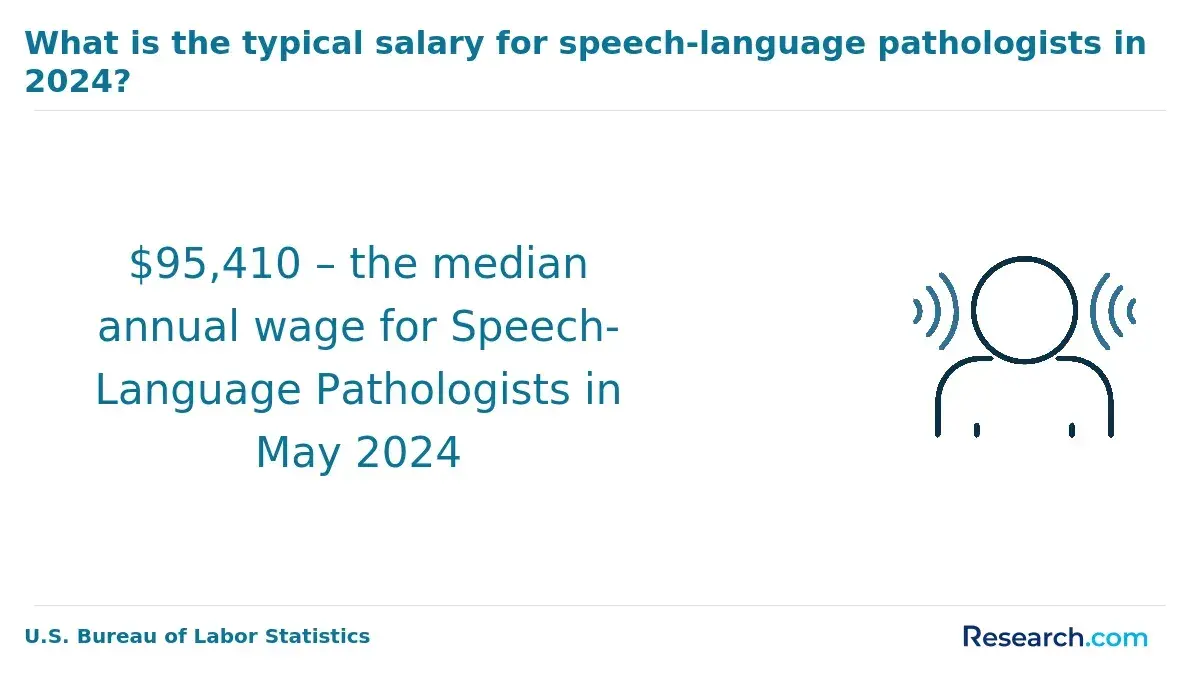
The speech-language pathology degree overview must include financial considerations. According to the Bureau of Labor Statistics, the median annual salary is $95,410, but rising tuition costs can affect the return on investment. Factors such as program quality, clinical opportunities, and local salary variations should inform enrollment decisions.
What are the accreditation and licensing requirements to become a licensed SLP in the United States?
Becoming a licensed speech pathologist in the United States requires completing a graduate degree from a program accredited by the Council on Academic Accreditation in Audiology and Speech-Language Pathology (CAA).
This national accreditation ensures programs meet rigorous professional standards, a critical factor when considering accreditation standards for online SLP programs in the United States. Degrees from non-CAA-accredited programs may not qualify for state licensure.
After graduation, candidates must complete a clinical fellowship (CF) of about 36 weeks of supervised practice, as required by most state licensing boards and the American Speech-Language-Hearing Association (ASHA). Licensing requirements include:
- Graduation from a CAA-accredited SLP program
- Completion of the CF experience
- Passing the Praxis Examination in Speech-Language Pathology
- Submitting an application and paying fees to the state licensing board
Applicants should be aware that online programs may include extra costs such as technology fees ($100-$500 per semester) and distance learning surcharges that increase tuition by 25-50%. These expenses can significantly impact the total cost of education and its return on investment.
Licensing requirements to become a speech pathologist in the U.S. can vary by state, making it vital to verify state-specific rules before enrolling. For those exploring career options and compensation, resources on speech language pathologist jobs provide valuable insights.
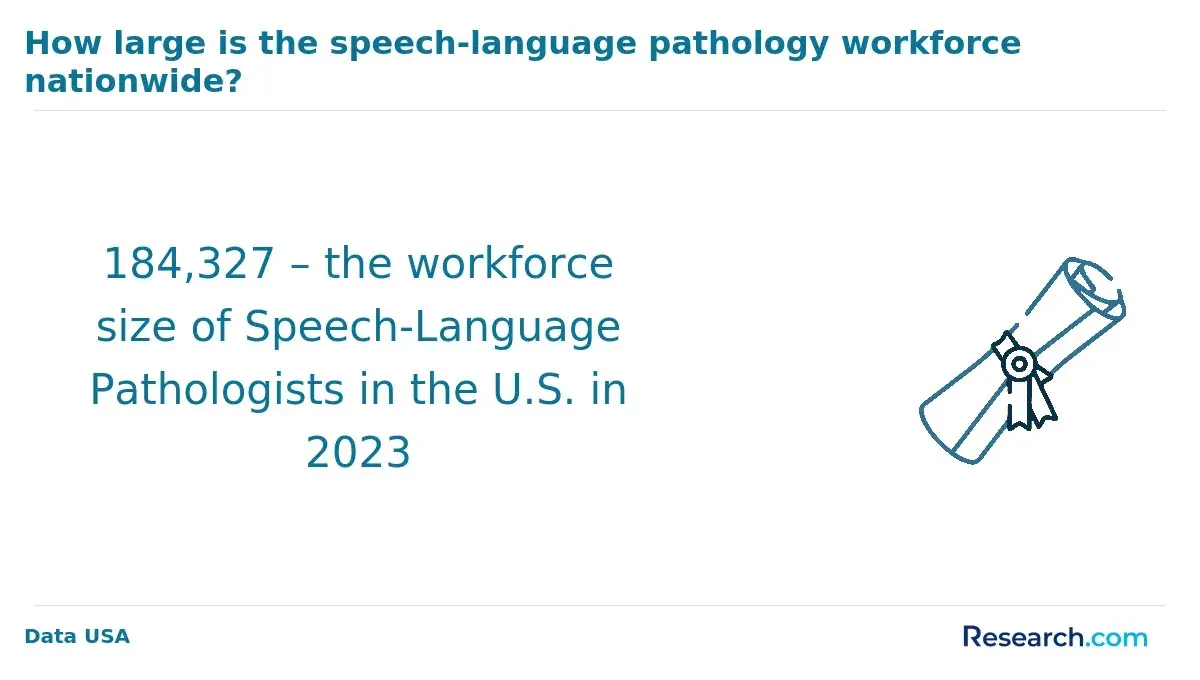
How do online SLP programs compare to campus-based programs in terms of clinical training and hands-on experience?
Online SLP clinical training quality comparison reveals that programs offered remotely often have limited access to supervised, hands-on clinical placements compared to campus-based options. This gap is largely due to fewer opportunities for in-person clinical experience, which is essential for developing practical skills.
Many online students must secure off-campus clinical sites themselves, which can cause delays and introduce additional costs, typically ranging from $200 to $1,000 per semester.
Campus-based programs usually embed clinical hours within their curriculum, providing experience in diverse settings such as hospitals, schools, and specialty clinics, all supervised directly by faculty. This system offers immediate feedback and exposure to a broader range of patient cases, sharpening practical skills.
In contrast, online students may face challenges finding suitable placements, often resulting in fewer supervised hours and less varied caseloads, which can impact readiness and job prospects.
Key considerations for those evaluating hands-on experience differences between online and campus SLP programs include:
- The availability and quality of local clinical placements arranged independently.
- Additional expenses incurred securing off-campus supervision.
- Limited hours under licensed clinical supervision.
Graduates from online programs with minimal clinical exposure often report greater difficulty securing employment due to insufficient practical experience. Prospective students should investigate how online programs manage clinical placements and consider these factors carefully.
For insight on accelerated options that might combine flexibility with comprehensive training, see speech pathology 5 year programs.
The typical cost of an online master's degree in speech pathology ranges from $30,000 to $80,000, varying by institution and program duration. Public universities with in-state tuition tend to be closer to $30,000, while private or out-of-state options often surpass $70,000.
Programs with accelerated timelines or intensive clinical components usually have higher fees, which typically exclude additional costs for clinical practicum, textbooks, and technology.
Financial aid options for online speech pathology programs vary widely. Most students qualify for federal aid through FAFSA, including Direct Unsubsidized Loans and Grad PLUS Loans. Scholarships and grants aimed specifically at speech pathology students are also available but competitive.
Employer tuition assistance and state loan forgiveness programs may reduce costs for working professionals and graduates serving high-need areas. Private loans should be considered a last resort due to higher interest rates.
Students should consider more than just the upfront costs when choosing a program. Affordable online programs have reported Praxis exam pass rates below 80% on the first attempt, while campus-based programs often exceed 90%, influencing licensure and employment prospects. Comparing costs alongside expected financial aid and outcomes is crucial.
For those seeking guidance on selecting programs, resources listing the easiest speech pathology programs to get into can be helpful.
Completing an online speech pathology degree and entering the job market typically takes about two to four years beyond a bachelor's degree. Most students pursue a master's degree, which usually requires two years of full-time study.
Accelerated or part-time online programs may extend this timeline to three or four years depending on course load and clinical placements. Doctoral degrees are less common for entry-level practice and require additional years.
After academic coursework, students must complete supervised clinical hours as required by the American Speech-Language-Hearing Association (ASHA). This clinical fellowship often lasts 9 to 12 months, adding to the timeline before full licensure and employment.
Licensing exams, which vary by state, may take several months after graduation to schedule and complete. Regional job market conditions also influence timelines.
While the U.S. Bureau of Labor Statistics projects 17% national job growth for speech-language pathologists through 2035, urban markets can be saturated, causing longer job searches despite overall growth.
Factors to consider include:
- Program duration and structure
- Local demand and saturation
- Clinical placement support
- Licensure exam preparation resources
Choosing programs with strong practicum partnerships in less saturated regions can reduce delays in career entry. Budgeting time and finances realistically is crucial for success when pursuing an online speech pathology degree.
The job outlook for speech-language pathologists shows a robust 17% growth rate projected from 2025 to 2035 by the U.S. Bureau of Labor Statistics, far exceeding the average for all occupations.
This surge reflects rising demand across healthcare, education, and rehabilitation settings driven by an aging population needing speech treatment after strokes or dementia, expanded early intervention programs for children, and increased awareness of speech therapy in schools.
Many school districts are actively hiring speech-language pathologists to comply with federal mandates and address student needs. However, prospective students should carefully consider education costs versus potential return on investment.
Annual tuition at in-state public institutions averages about $17,500, while some online private programs can exceed $75,000 in total expenses. Starting salaries range between $70,000 and $80,000 nationally, making tuition disparities significant for financial outcomes.
Other important factors include clinical placement assistance, networking opportunities, and program accreditation, elements that strongly affect job placement success. Programs charging over $50,000 without strong career support may not justify their high cost.
Choosing an accredited, cost-effective program is essential for balancing educational investment with career prospects in this expanding field.
The average salary for speech-language pathologists (SLPs) in the United States varies widely, generally ranging from $62,900 to $134,160 annually. According to the U.S. Bureau of Labor Statistics (BLS), the median wage was about $80,480 in 2023, but this depends heavily on work settings and geographic location.
Settings like hospitals and outpatient centers tend to offer salaries above $90,000, reflecting the complexity and demand for specialized clinical skills. Public schools and educational environments usually offer lower pay, often between $60,000 and $70,000, due to funding limitations. Salaries in private practice can vary greatly based on location, client base, and management.
Geographic differences are notable: states such as California and New York report median salaries near $95,000, while Mississippi and West Virginia average closer to $60,000. These variations are significant when planning educational investments and career moves.
Tuition costs should be considered carefully. For instance, WKU's online SLP program charges around $45,000 in tuition, excluding living expenses for required six-week residencies. Reports on platforms highlight high attrition rates related to isolation and burnout in such programs.
Weighing salary potential, cost, and work setting helps prospective students make informed choices about speech pathology education and career paths.
Accredited online speech pathology programs must comply with ASHA's 2026 standards, requiring a minimum of 400 clinical practicum hours. These include 25 hours of observation and 375 hours of direct client contact across diverse settings and populations.
Coursework covers essential topics such as communication sciences, speech and language disorders, audiology, phonetics, anatomy and physiology of the speech mechanism, neuroanatomy, language development, and evidence-based assessment and treatment methods.
Students also study cultural competence and professional ethics to prepare for varied clinical environments. Importantly, clinical practicum hours cannot be fully virtual.
ASHA mandates supervised in-person or telepractice experiences under qualified mentors, which are crucial for licensure and employment. Simulation hours may supplement but cannot replace direct client contact.
Tuition for many private online programs typically ranges from $70,000 to $110,000 without state discounts. Prospective students should verify program accreditation and ensure alignment with ASHA's Clinical Certification Standards to avoid setbacks in career and licensing.
Clarifying how clinical hours are supervised and delivered helps candidates understand program quality and meet licensure eligibility. Careful review of these factors is essential when selecting an online speech pathology program.
Prospective students must verify that any online speech pathology program holds accreditation from the Council on Academic Accreditation in Audiology and Speech-Language Pathology (CAA).
This accreditation is crucial for ensuring that the program meets nationally recognized educational standards required for certification and licensure. Without CAA accreditation, graduates may struggle to obtain state licensure or certification from the American Speech-Language-Hearing Association (ASHA).
Faculty qualifications play a significant role in program quality. Students should look for instructors with relevant credentials, clinical experience, and active involvement in research or the field. Programs with faculty holding doctoral degrees often provide stronger academic rigor and current industry insights.
Clinical practicum opportunities are vital and must clearly meet ASHA's 400-hour supervised clinical requirement. While online programs offer flexibility, hands-on experience remains indispensable.
For example, Fort Hays State University's total online tuition is $19,880 for 57 credits, accessible to all states, yet costs more than some in-state rates, highlighting the importance of balancing tuition against program value.
What are the career pathways and specialization options available after earning an SLP degree?
Graduates with a degree in speech pathology find diverse career pathways across schools, healthcare facilities, and private practices. Each setting demands specific skills and certifications.
For example, school-based roles typically require expertise in pediatric speech disorders like articulation or language delays. Clinical environments often serve adults with neurological impairments such as stroke or traumatic brain injury.
Specializing in fluency disorders (stuttering), voice therapy, swallowing disorders (dysphagia), or augmentative and alternative communication (AAC) can expand job opportunities and lead to higher salaries or advanced positions. Some professionals focus on populations with autism spectrum disorder or cognitive-communication challenges.
Many pursue board certifications in areas like child language or swallowing treatment to strengthen their qualifications. A doctoral degree may open doors to research, teaching, and leadership roles within healthcare administration or policy.
Financial considerations are significant: healthcare master's programs average $23,540 per year in tuition, about $8,000 more than general MS degrees. Early career salaries, especially in school-based or entry-level roles, may not immediately repay this investment.
Prospective students should carefully evaluate how specialization choices impact long-term employability and earnings before committing to costly programs.
Other Things You Should Know About Speech Pathology
In 2027, signs that an online SLP program may not be worth the cost include lack of accreditation, minimal hands-on training opportunities, poor student support services, and low graduation or employment rates. Verifying these aspects ensures you avoid programs that don't meet professional requirements or offer adequate career preparation.
Yes, speech-language pathologists often specialize in specific areas such as pediatric speech disorders, adult neurogenic communication disorders, voice therapy, or fluency issues like stuttering. Some focus on populations with particular conditions such as autism spectrum disorder or traumatic brain injury. Specializations typically require additional training or certification beyond the general SLP degree.
It should hold accreditation from the Council on Academic Accreditation in Audiology and Speech-Language Pathology, or CAA. Programs without CAA accreditation can block access to ASHA certification and may not meet state licensing rules, making the degree risky for licensure and employment.
Continuing education is crucial for speech-language pathologists to maintain licensure and certification, as well as to stay current with evolving best practices and research. Most states require a minimum number of continuing education hours every few years. This ongoing learning ensures clinicians provide effective and evidence-based care throughout their careers.
- U.S. Bureau of Labor Statistics - Speech-Language Pathologists https://www.bls.gov/ooh/healthcare/speech-language-pathologists.htm
- ASHA EdFind - Accredited Speech-Language Pathology Programs https://find.asha.org/ed/
- ETS Praxis - Speech-Language Pathology (5331) https://praxis.ets.org/test/speech-language-pathology-5331.html
- California State University-East Bay - Online Master of Science in Speech-Language Pathology https://ce.csueastbay.edu/programs/speech-language-pathology/
- West Virginia University - Speech-Language Pathology, M.S. - Online https://medicine.hsc.wvu.edu/communications-sciences-and-disorders/speech-language-pathology-ms/future-students/curriculum/online-slp-program/
- Maryville University - Master of Science in Speech-Language Pathology https://www.maryville.edu/masters/speech-language-pathology/
- California State University-Northridge - Master of Science in Communicative Disorders (Online) https://tsengcollege.csun.edu/programs/CDS
- Ithaca College - Online Master of Science in Speech-Language Pathology https://slponline.ithaca.edu/programs/masters-speech-language-pathology-online