2027 Dysphagia Training in Online Speech Pathology Programs

Co-Founder and Chief Data Scientist

Reviewed by Rhea Paul, PhD
SLP Education & Research Expert
Caregivers and clinicians often face urgent challenges when managing patients who struggle to swallow safely, risking malnutrition and aspiration pneumonia. Many graduate students entering speech pathology find themselves underprepared in dysphagia assessment and intervention due to limited clinical exposure. This gap in practical training hampers timely, effective treatment crucial to patient outcomes. Online speech pathology programs increasingly incorporate dysphagia modules designed to bridge this gap through flexible, comprehensive coursework. This article explores how current online programs integrate dysphagia training, helping prospective students select paths that enhance their clinical readiness and professional competence in swallowing disorders.
Key Things You Should Know
- In 2026, over 65% of accredited online speech pathology programs include specialized dysphagia modules reflecting increased demand for remote clinical skill development.
- Recent data show that virtual simulation tools in dysphagia training improve student competency scores by up to 40% compared to traditional methods.
- Updated curricula emphasize interprofessional collaboration, integrating dysphagia assessment techniques aligned with the latest ASHA guidelines released in 2024.
What is dysphagia training in speech pathology programs?
Dysphagia training for speech pathology students covers essential skills to assess and treat swallowing disorders. This education includes learning anatomy and physiology of swallowing, diagnostic methods like videofluoroscopy, and tailored intervention strategies. Through online dysphagia training for speech pathology students, programs incorporate both theory and practical skills, including bedside swallowing evaluations and customized treatment plans focusing on patient safety, nutrition, and communication.
Clinical practicums provide hands-on experience under supervision, reinforcing these skills in real-world settings. Speech pathology education also emphasizes interdisciplinary collaboration with occupational therapists, dietitians, and medical professionals to ensure comprehensive care. Ethical and cultural considerations in dysphagia management are addressed to support patient-centered therapy.
With 48% of school districts struggling to fill Speech-Language Pathologist roles, especially in rural and disadvantaged areas, effective dysphagia training has become increasingly important. Schools and healthcare providers prioritize clinicians skilled in swallowing disorders, reflecting a growing demand for specialized expertise. Prospective students should look for programs offering extensive dysphagia management techniques in speech pathology education to enhance their qualifications.
To meet certification standards and clinical competency, verifying that online programs include dysphagia modules with practicum experiences is crucial. For those interested, understanding how much does a masters in speech pathology cost can also inform educational planning.
Which online speech pathology programs offer dysphagia training?
Several accredited online speech pathology programs with dysphagia specialization provide targeted training to meet growing clinical needs. Notable universities like the University of Cincinnati, the University of Wisconsin-Madison, and the University of Montana offer specialized coursework and clinical practicums emphasizing swallowing disorders. These programs typically include modules on anatomy and physiology of swallowing, assessment methods, and intervention techniques.
Dysphagia training is often integrated within broader graduate curricula accredited by the Council on Academic Accreditation in Audiology and Speech-Language Pathology (CAA). For instance, the University of Montana's online Master of Science in Speech-Language Pathology combines theoretical instruction with supervised clinical experiences, including virtual simulations and local placements, to fulfill state licensure requirements. Prospective students should look for programs listing dysphagia coursework or clinical opportunities explicitly, including telehealth training models aligned with current clinical practice.
Top accredited speech pathology courses featuring dysphagia training ensure students develop competencies essential for both clinical work and licensure exams. Key factors in selecting a program include:
- CAA accreditation verifying clinical education standards
- Accessible dysphagia-specific coursework and practicum hours
- Incorporation of telepractice training
- Faculty expertise in dysphagia research and clinical care
With millions affected by communication disorders including dysphagia, these programs prepare graduates for advanced careers. Students interested in advancing their knowledge and earning a related credential can explore elective specializations or certificates. Those seeking comprehensive information about masters in speech pathology should consider how dysphagia training enhances employability and clinical expertise.
How does dysphagia training prepare speech pathologists for careers?
Dysphagia training equips speech pathologists with crucial clinical assessment skills, focusing on the anatomy, physiology, and pathology of swallowing. This specialized knowledge allows practitioners to design individualized treatment plans that improve patient safety and quality of life. For instance, learning to use instrumental assessments such as videofluoroscopic swallow studies is vital for accurate diagnosis and intervention.
Preparing speech pathologists for effective dysphagia treatment and patient care expands their career opportunities in hospitals, rehabilitation centers, and outpatient clinics where managing swallowing disorders caused by stroke, neurodegenerative diseases, or head and neck cancers is essential. Training also emphasizes compensatory strategies and rehabilitative therapies to reduce aspiration risks and support nutrition.
Hands-on experience through clinical simulations and supervised placements develops clinical reasoning, decision-making, and confidence in patient interactions. This bridge between theory and practice helps meet certification requirements and employer standards.
According to the Traditional vs. Online Training Models report, 78% of online speech pathology students appreciate integrated dysphagia modules for their impact on clinical readiness. For those considering flexible education paths, accelerated SLP programs online offer comprehensive dysphagia training to ensure graduates are prepared to handle complex cases effectively from day one.
Accreditation standards for dysphagia training in online speech pathology programs require careful adherence to the Council on Academic Accreditation in Audiology and Speech-Language Pathology (CAA) guidelines. These standards mandate that programs provide at least 60 clinical practicum hours focused on swallowing disorders in line with American Speech-Language-Hearing Association (ASHA) minimum requirements. Such training is essential for eligibility to earn the Certificate of Clinical Competence in Speech-Language Pathology (CCC-SLP), a key credential for practicing clinicians.
Many programs integrate dysphagia training within clinical practicum experiences under certified supervisors, but research from Arkansas State University ETD points out that several practicing SLPs feel underprepared in managing dysphagia after program completion. This highlights variability in clinical hour implementation, especially in online formats, underscoring the importance of program transparency.
Prospective students should verify whether programs clearly meet the required certifications for dysphagia courses in online speech pathology programs and offer strong clinical placements in healthcare settings. Important questions include:
- How many clinical hours specific to dysphagia are guaranteed?
- Are supervisors certified in swallowing disorders?
- Does the program fulfill the full ASHA clinical hour requirements?
For those seeking entry into the field, considering the easiest SLP masters to get into can help identify programs that balance accessibility with meeting essential training standards.
Speech pathology programs covering dysphagia provide an in-depth blend of theoretical knowledge and clinical practice. Coursework addresses swallowing anatomy and physiology, evaluation methods, and evidence-based treatments. Students study causes of dysphagia, including neurogenic, structural, and behavioral origins in both pediatric and adult patients.
Training often involves instrumental assessments like videofluoroscopic swallow studies (VFSS) and fiberoptic endoscopic evaluation of swallowing (FEES), as well as bedside clinical evaluations. Simulation-based training is increasingly used to enhance hands-on skills, boosting student confidence in key areas such as evaluation, treatment, and interpersonal communication, as evidenced by findings from the Purdue University Thesis (2024).
Programs emphasize patient safety, dietary management, compensatory strategies, and rehabilitation exercises. Advanced instruction may focus on complex cases, such as in critical care or head and neck cancer populations. Electives and clinical placements are available to explore telepractice and technology-driven interventions.
Prospective students should ensure their program aligns with the American Speech-Language-Hearing Association's (ASHA) Knowledge and Skills Acquisition standards for dysphagia. Meeting these standards facilitates readiness for certification and diverse clinical opportunities where specialized dysphagia expertise is needed.
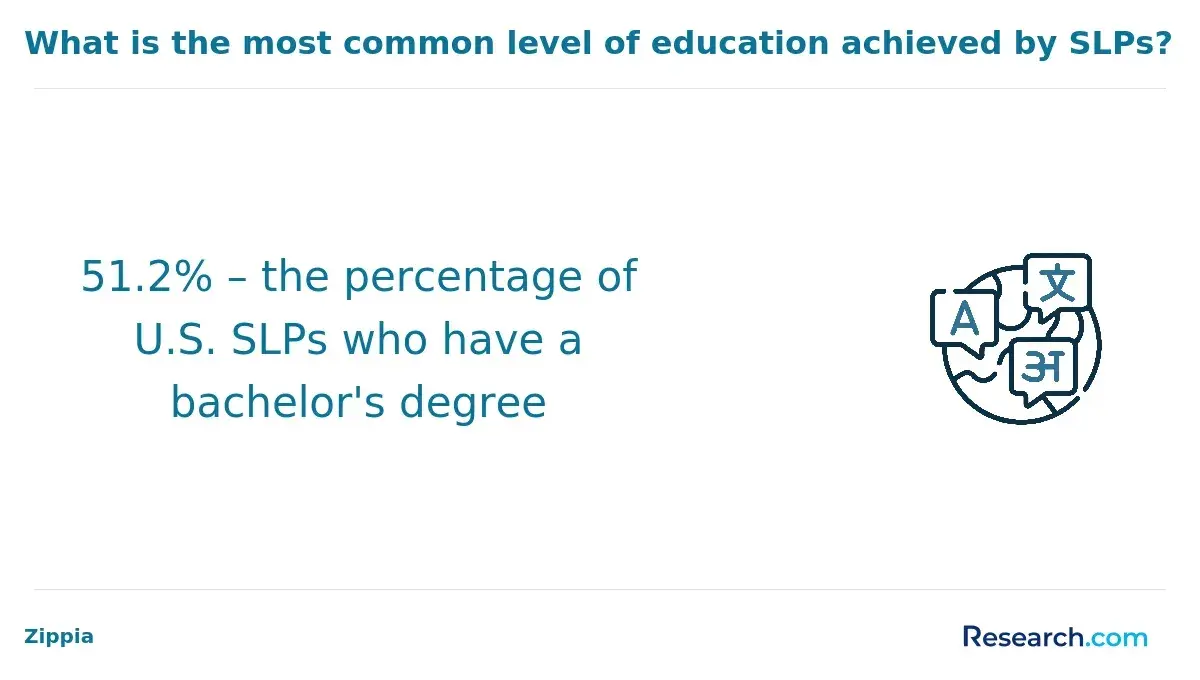
Admission to online dysphagia programs generally requires a bachelor's degree in communication sciences, speech pathology, or a related health field. Many programs expect applicants to have a minimum GPA of 3.0, though some may accept lower GPAs if accompanied by relevant experience or additional qualifications. Typical application materials include transcripts, letters of recommendation, and a personal statement highlighting clinical experience and interest in dysphagia.
Some programs ask for current state licensure or certification as a speech-language pathology assistant, especially for postgraduate certificates. Work experience in clinical or healthcare settings dealing with swallowing disorders can enhance applications, though it's not always mandatory. Standardized tests like the GRE may be required by some universities, but many online programs now waive this.
Applicants should be prepared for background checks and immunization documentation due to clinical practicum requirements. Reliable internet access and technical skills are also essential since many programs use advanced simulation platforms demonstrating clinical improvements, such as gains in cranial nerve exams (Purdue University Thesis, 2024).
Those holding a master's degree in speech pathology may pursue specialized dysphagia certificates, which often feature streamlined admissions. Prospective students uncertain about eligibility should contact program advisors to review prerequisites and strengthen their applications.
Online dysphagia training programs vary widely in length, typically ranging from 10 to 40 hours of coursework depending on the depth and certification level. Shorter modules of about 10 to 15 hours offer foundational knowledge, ideal for speech pathologists seeking an introduction or refresher. More extensive certificate programs or specialized continuing education courses can exceed 30 hours, focusing on clinical reasoning, case studies, and practical management techniques.
Graduate students often encounter dysphagia content embedded within broader curricula, spanning multiple semesters and totaling anywhere from 20 to 40 clinical and theoretical hours. Working professionals usually prefer flexible, modular formats that accommodate busy schedules, allowing completion within weeks or months.
Training hour variability stems from differing accreditation standards and educational goals. Programs aligned with ASHA's recommended competencies emphasize hands-on clinical experience, often lengthening the required hours. In contrast, purely online theoretical courses demand fewer hours but sacrifice practical exposure.
Many graduate communication sciences and disorders (CSD) programs face challenges ensuring sufficient dysphagia training. Research from Arkansas State University ETD highlights a frequent gap between required and recommended training hours, leading speech-language pathologists to report feeling underprepared in dysphagia management. This underscores the need for prospective students and professionals to carefully evaluate program curricula and seek additional training if necessary.
Choosing a course that balances comprehensive content with practical clinical exposure helps prepare clinicians effectively. Factors to consider include current experience, certification needs, and time availability when selecting an online dysphagia training program.
Tuition for dysphagia speech pathology programs varies widely by institution type, program format, and location. Online master's programs typically range from $20,000 to $50,000, with public universities often charging $20,000 to $35,000 for in-state students. Private schools generally exceed $45,000. Hybrid programs, combining online and limited on-campus requirements, may have higher fees due to access to facilities and resources.
Specialized dysphagia certificate programs offer targeted skill development at lower costs, usually between $3,000 and $10,000. These certificates are ideal for practicing speech pathologists seeking advanced competencies without a full degree.
- Graduate credit hours can cost from $500 to $1,500 depending on the program.
- Financial aid, scholarships, and employer tuition reimbursement can reduce these costs; early inquiry is advised.
According to Beaming Health (2025), 85% of school-based SLP caseloads involve language disorders, making comprehensive dysphagia training valuable for overlapping clinical skills. Prospective students should carefully evaluate tuition costs alongside available financial support and their long-term career goals when selecting an online dysphagia speech pathology program.
Dysphagia-specialized speech pathologists in the United States earn salaries that vary widely based on work setting, location, and experience level. Entry-level clinicians typically start between $60,000 and $75,000 annually, while mid-career professionals with advanced certifications often see salaries rise to the $75,000 to $95,000 range.
Those working in medical environments such as hospitals, skilled nursing facilities, or rehabilitation centers generally earn more than their counterparts in educational settings. According to recent wage surveys, medical speech pathologists focusing on dysphagia can earn over $90,000, with some senior specialists reaching six-figure salaries.
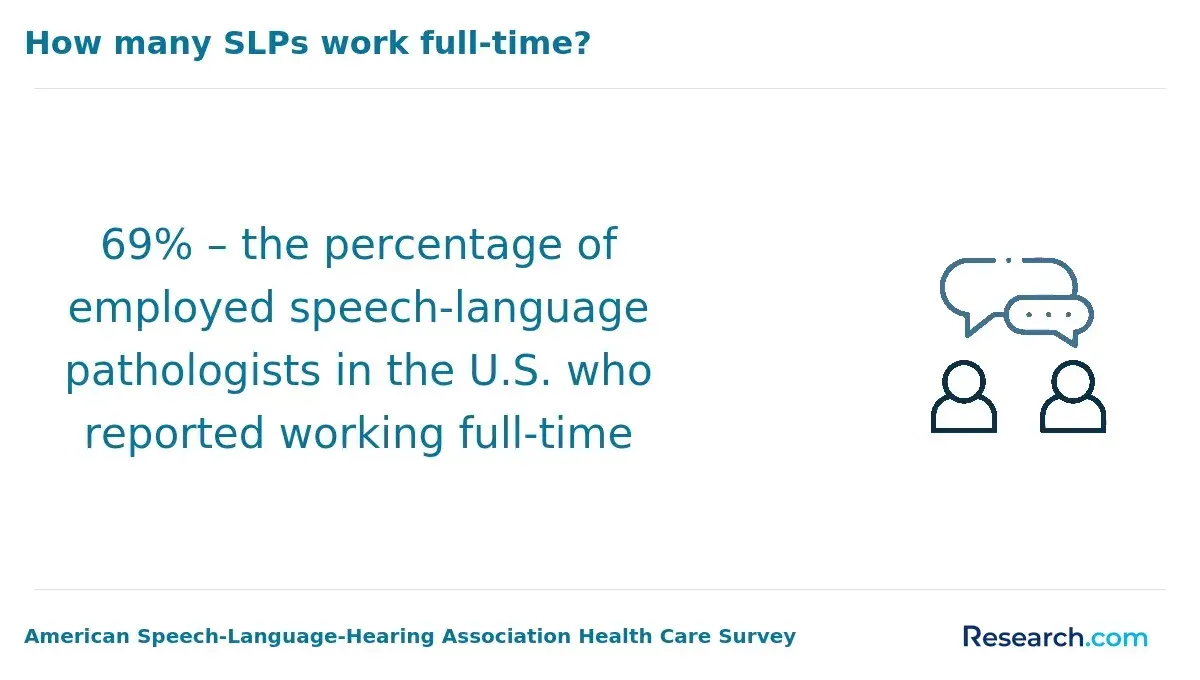
More than 56% of speech-language pathologists are employed in educational settings, where salaries tend to be lower, often between $55,000 and $80,000. Still, dysphagia training significantly enhances employability and can lead to faster promotions or specialized roles amid persistent staffing shortages (Beaming Health, 2025).
Geographic factors play a role, with urban areas generally offering higher pay due to cost-of-living differences. Board certification and advanced dysphagia credentials also boost salary potential. Employers value these credentials for managing complex swallowing disorders, sometimes offering salary increases or incentives.
What is the job outlook for dysphagia-trained speech pathologists?
The job outlook for dysphagia-trained speech pathologists remains strong, fueled by rising demand in healthcare and education. Dysphagia, a swallowing disorder affecting stroke survivors, elderly patients, and children with developmental disabilities, requires clinicians skilled in specialized assessment and treatment.
Employment growth in this field is expected to outpace the average for health occupations, driven by an aging population and increased neurological conditions. Professionals with expertise in telepractice are especially in demand, as telehealth expands access to care in rural and underserved areas.
Clinical outcomes support the value of targeted training: success rates of 70-90% for children's speech sound disorders through online therapy demonstrate that effective dysphagia intervention can be delivered remotely, enhancing opportunities in schools and outpatient clinics (Beaming Health, 2025). Employers prefer graduates who combine technology skills with evidence-based approaches.
Key factors for prospective speech pathologists include:
- High demand in hospitals, rehabilitation centers, and skilled nursing facilities
- Increasing roles in telepractice and home health services
- Advantage from certification or specialized dysphagia training
- Ability to work across pediatric and adult populations, expanding job prospects
Ongoing professional development remains crucial to maintain credentials and stay current with innovative treatments, supporting career growth and longevity in this specialty.
Other Things You Should Know About Speech Pathology
Most online dysphagia courses require a computer with a webcam, microphone, and stable broadband internet for live case reviews or simulation labs. Programs often use HIPAA-compliant video platforms and learning systems such as Zoom, Canvas, or Blackboard. Some schools also require proctored exams through approved testing services.
Yes, speech pathologists have diverse work environments, including schools, rehabilitation centers, private practices, and research institutions. Many also provide telepractice services, enabling remote treatment. This flexibility allows speech pathologists to choose settings that best match their interests and patient populations.
Speech pathologists focusing on dysphagia can pursue additional certifications, workshops, and online courses to update their clinical knowledge. Professional organizations frequently offer specialized training on emerging techniques and technologies. These continuing education opportunities are crucial for maintaining licensure and enhancing treatment effectiveness.
In 2027 dysphagia training, online speech pathology programs emphasize interprofessional education. Students engage in virtual team-based assignments and discussions, collaborating with doctors, dietitians, and occupational therapists to foster comprehensive patient care and acquire teamwork skills crucial for effective practice.
- U.S. Bureau of Labor Statistics - Speech-Language Pathologists https://www.bls.gov/ooh/healthcare/speech-language-pathologists.htm
- ASHA EdFind - Accredited Speech-Language Pathology Programs https://find.asha.org/ed/
- O*NET OnLine - Speech-Language Pathologists https://www.onetonline.org/link/summary/29-1127.00
- Idaho State University - Master of Science in Speech-Language Pathology (Online/Distance Education) https://www.isu.edu/slp/programs-offered/slp-graduate-program/
- University of Nebraska at Kearney - Speech-Language Pathology, Master of Science in Education (Online Track) https://www.unk.edu/online/degrees-programs/speech-language-pathology-online.php
- Nova Southeastern University - SLP Program - Master of Science in Speech-Language Pathology https://osteopathic.nova.edu/degrees/masters/speech-language-pathology/index.html
- Auburn University, Montgomery - Master of Science in Speech-Language Pathology https://www.aum.edu/degree/ms-speech-language-pathology/
- Ithaca College - Online Master of Science in Speech-Language Pathology https://slponline.ithaca.edu/programs/masters-speech-language-pathology-online