2027 How to Become a Criminal Psychologist in Wisconsin

Co-Founder and Chief Data Scientist
Becoming a criminal psychologist in Wisconsin usually means preparing for licensed psychology practice with a forensic or criminal justice focus. This path is best for students who want to evaluate behavior in legal contexts, work with people involved in the justice system, support rehabilitation, consult with attorneys or courts, and apply psychological science to questions of crime, competency, risk, trauma, and treatment.
The decision matters because the field requires years of education, supervised experience, and state licensure. It can lead to meaningful work, but it is not a quick-entry career. This guide explains the academic route, recommended majors, program selection factors, licensure steps, internships, salary expectations, job outlook, work settings, ethical issues, and career-building strategies for aspiring criminal psychologists in Wisconsin.
Quick Answer: How to Become a Criminal Psychologist in Wisconsin
- Most Wisconsin criminal psychologists need a doctoral degree in psychology, supervised professional experience, and state licensure through the Wisconsin Department of Safety and Professional Services.
- A bachelor’s degree in psychology, criminal justice, sociology, or a related field is a common starting point, followed by graduate study in psychology, clinical psychology, counseling psychology, or forensic psychology.
- Wisconsin’s psychologist licensure process includes completing required education, supervised experience, the Examination for Professional Practice in Psychology, application forms, fees, and submission through the LicensE platform.
- The job outlook cited for psychologists, including criminal psychology-related roles, is 5% from 2020 to 2030, with demand influenced by mental health needs in courts, corrections, law enforcement, and community programs.
- The average salary for criminal psychologists in Wisconsin is approximately $93,681 per year, or about $45.04 per hour, though earnings vary by employer, location, specialization, degree level, and experience.
- Academic requirements for criminal psychologists in Wisconsin
- Best undergraduate majors for this career path
- How to choose a criminal psychology program in Wisconsin
- Wisconsin psychologist licensure steps
- Internship and field experience options
- Job outlook for criminal psychologists in Wisconsin
- Criminal psychologist salary in Wisconsin
- Legal and ethical challenges
- Collaboration with family therapists
- How long the path takes
- Value of interdisciplinary study
- Additional certifications and career growth
- Emerging research trends
- Criminal psychology vs. social work
- Licensure maintenance and continuing education
- Common work settings in Wisconsin
- Trauma-informed counseling skills
- Cultural competence in Wisconsin practice
- Advanced roles for criminal psychologists
- Professional resources in Wisconsin
- Substance abuse counseling as a complementary skill
What are the academic requirements to become a criminal psychologist in Wisconsin?
Wisconsin does not license a separate profession called “criminal psychologist.” In practice, people who use this title are typically licensed psychologists who have built expertise in forensic psychology, criminal behavior, correctional mental health, risk assessment, victimology, or legal consultation. That means the academic path must satisfy psychology licensure standards, not only criminal justice interests.
| Stage | Typical purpose | Why it matters for criminal psychology |
| Bachelor’s degree | Build a foundation in psychology, research, statistics, human behavior, and the justice system. | Prepares students for graduate admission and helps them understand behavioral, social, and legal factors linked to crime. |
| Master’s degree | Deepen knowledge in psychology, forensic psychology, assessment, counseling, or research. | May strengthen doctoral applications and can support certain related roles, but it may not be enough for independent psychologist practice. |
| Doctoral degree | Complete advanced preparation through a PhD or PsyD in psychology, often with forensic or clinical training. | Generally required for psychologist licensure and for higher-level evaluation, treatment, consultation, and expert witness work. |
| Clinical training | Complete supervised practica, internships, and postdoctoral experience. | Provides direct experience with assessment, diagnosis, treatment planning, ethical practice, and forensic or correctional populations. |
| Research requirement | Complete a thesis, dissertation, or major doctoral research project. | Develops the evidence-based reasoning needed for forensic reports, testimony, and program evaluation. |
- Bachelor’s degree: Students usually begin with psychology or a closely related major. Strong preparation includes abnormal psychology, developmental psychology, social psychology, research methods, statistics, criminology, and legal studies.
- Master’s degree: A master’s in psychology, forensic psychology, counseling, or a related area can help students gain specialized knowledge. It may also make an applicant more competitive for doctoral study or supervised roles.
- Doctoral degree: Advanced forensic and criminal psychology work generally requires a PhD or PsyD in psychology. Programs at institutions such as the University of Wisconsin-Madison and Marquette University can help students develop assessment, intervention, and research skills relevant to this field.
- Supervised clinical experience: Students should expect substantial supervised training through practica, internships, or postdoctoral placements. The original pathway commonly cites around 1,500 hours of practical training as an important benchmark for developing competence.
- Research training: Doctoral study often includes a thesis or dissertation. This is especially useful for forensic work because criminal psychologists must interpret evidence carefully, write defensible reports, and avoid conclusions that go beyond the data.
A practical way to think about the path is this: the criminal justice focus gives your career direction, but psychology licensure gives you the authority and credibility to practice as a psychologist. Students should verify every program’s licensure alignment before enrolling.
What undergraduate majors are recommended for aspiring criminal psychologists in Wisconsin?
The best undergraduate major is the one that prepares you for graduate-level psychology while also giving you enough exposure to criminal justice, social systems, and research. Psychology is the most direct option, but it is not the only useful starting point.
| Undergraduate major | Best fit for students who want to... | Courses to prioritize |
| Psychology | Prepare for graduate psychology programs and understand behavior, mental disorders, testing, and treatment. | Abnormal psychology, forensic psychology, research methods, statistics, personality, cognitive psychology, developmental psychology. |
| Criminal justice | Understand policing, courts, corrections, criminal law, and offender management. | Criminology, corrections, legal systems, juvenile justice, victimology, criminal behavior. |
| Sociology | Study how communities, inequality, institutions, family systems, and social conditions influence behavior. | Deviance, social problems, race and ethnicity, family sociology, research methods, social theory. |
| Double major or minor combination | Build both psychological and justice-system knowledge before graduate school. | Psychology plus criminal justice, sociology, statistics, legal studies, or social work-related coursework. |
- Psychology: This is the most common route for students who plan to enter graduate psychology programs. Coursework in abnormal psychology and forensic psychology is especially relevant because criminal psychologists must understand diagnosis, behavior patterns, risk, and treatment needs.
- Criminal justice: This major helps students understand law enforcement, corrections, sentencing, courts, and community supervision. Programs such as those at the University of Wisconsin-Platteville can support students interested in justice-system roles.
- Sociology: Sociology is valuable for students who want to understand crime in context. It can strengthen your ability to interpret how poverty, trauma, neighborhood conditions, family systems, and institutions influence criminal behavior.
Students who major outside psychology should take enough psychology prerequisites to remain competitive for graduate admission. Research methods and statistics are especially important because doctoral psychology programs expect students to understand evidence, measurement, and data interpretation.
What should students look for in a criminal psychology program in Wisconsin?
Choosing a program is one of the most important decisions on this career path. A program may sound relevant because it uses terms such as “forensic,” “criminal behavior,” or “justice,” but students must look deeper. The key question is whether the program supports the licensure, training, and career outcomes you actually need.
- Accreditation and licensure alignment: Confirm whether the program meets standards recognized by the Wisconsin Psychology Examining Board or a relevant national accrediting organization. Accreditation affects licensure eligibility, internship access, transferability, and employer confidence.
- Total cost, not just tuition: Public universities in Wisconsin may list average annual tuition in the $10,000 to $15,000 range, while private universities may charge upwards of $30,000 per year. Also compare fees, books, transportation, internship costs, technology requirements, and lost income if you study full time.
- Specialization options: Look for coursework or training in forensic assessment, correctional psychology, victimology, trauma, risk assessment, competency issues, or criminal behavior. The University of Wisconsin-Milwaukee is cited as having a strong forensic psychology emphasis, while Marquette University may place more attention on victimology.
- Supervised field experience: Strong programs help students access practica, internships, clinics, community agencies, correctional settings, victim services, research labs, or legal-system placements.
- Faculty expertise: Review faculty biographies, publications, clinical backgrounds, and forensic practice experience. Mentorship matters because this field requires judgment, ethical discipline, and careful report writing.
- Research fit: If you are considering a PhD, compare faculty research areas. If you are considering a PsyD, examine clinical training depth, internship match support, and assessment training.
| Question to ask before enrolling | Why it matters |
| Does this program meet Wisconsin psychologist licensure requirements? | A degree that does not support licensure can limit independent practice options. |
| What forensic or criminal justice placements are available? | Experience in courts, corrections, mental health clinics, or victim services can improve career readiness. |
| Who supervises clinical or forensic training? | Qualified supervision is essential for ethical and competent practice. |
| How much debt will I take on, and what jobs can graduates realistically pursue? | Salary outcomes vary, so students need an ROI plan before committing. |
| Does the program prepare students for the EPPP and state licensure paperwork? | Licensure preparation can reduce delays after graduation. |
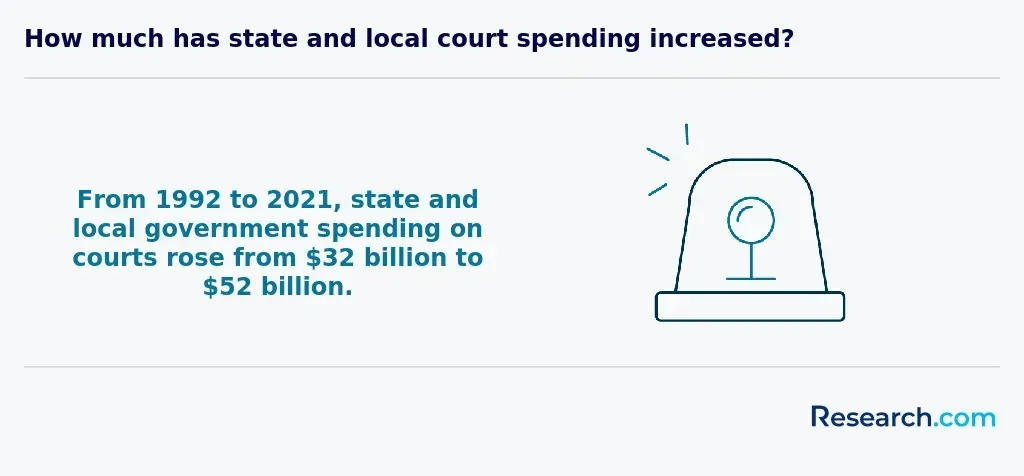
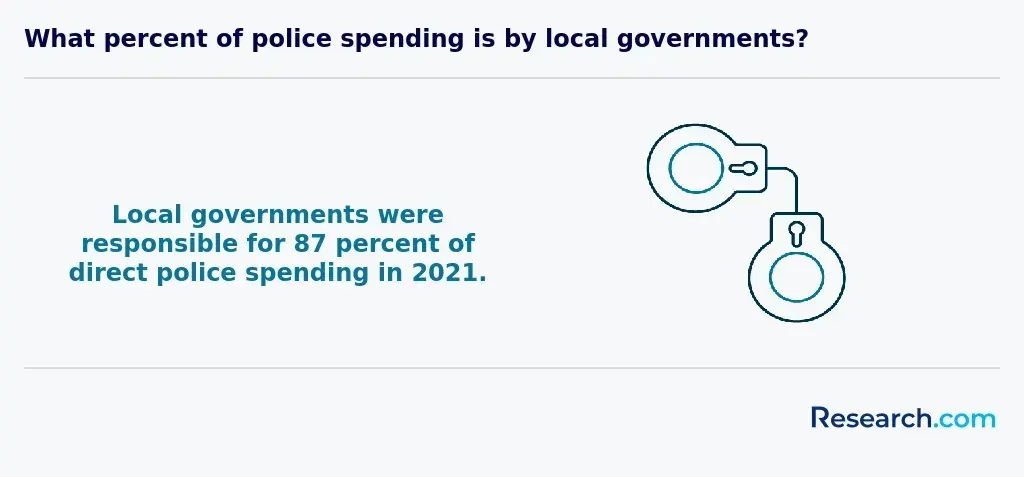
The chart below illustrates the different types of expenditures of state and local governments.
What are the steps for obtaining licensure as a criminal psychologist in Wisconsin?
To work as a licensed psychologist in Wisconsin, candidates must follow the state process administered by the Wisconsin Department of Safety and Professional Services. Students should always verify current requirements directly with DSPS because forms, fees, and procedures can change.
- Earn the required doctoral degree: Complete a doctoral degree in psychology from a regionally accredited institution. This degree is the foundation for psychologist licensure in Wisconsin.
- Complete supervised experience: After the doctorate, complete one year of supervised experience in psychology under a supervisor who holds a valid psychologist license.
- Apply for authorization to test: Submit the required materials so your application can be reviewed and you can be approved for the national exam.
- Pass the Examination for Professional Practice in Psychology: The EPPP is used to assess professional knowledge and competency in psychology.
- Submit required forms: The application process may include Credentialing Information (Form 634), Authorization for Release of FBI Information, and Verification of Supervised Practice (Form 2555).
- Pay required fees: Applicants must pay the licensure fees listed by DSPS.
- Use the LicensE platform: Wisconsin applicants submit and track applications through LicensE, the state’s online licensing system.
Licensure is separate from specialization. After becoming licensed, psychologists who want to work in forensic or criminal psychology often pursue targeted supervised experience, continuing education, consultation, and specialized training in assessment, testimony, corrections, ethics, and risk evaluation. Students interested in evidence analysis and the broader justice system may also compare psychology training with forensic science schools.
Are there internship opportunities for criminal psychologists in Wisconsin?
Yes. Wisconsin offers several types of internship, practicum, volunteer, and field training opportunities that can help students understand the overlap between psychology and the justice system. Availability depends on the student’s degree level, background checks, program partnerships, and supervision requirements.
- Wisconsin Department of Corrections: Students may find opportunities connected to community supervision, offender rehabilitation, reentry, probation, parole, or correctional mental health. These settings can show how psychological needs, risk, accountability, and treatment intersect.
- University of Wisconsin School of Medicine and Public Health: Psychology internship training with a clinical science emphasis may include tracks or experiences relevant to forensic and criminal psychology interests.
- Victim services organizations: These placements help students understand trauma, crisis intervention, advocacy, and the psychological impact of crime on survivors and families.
- Community mental health centers: Some centers serve clients with legal involvement, substance use concerns, trauma histories, serious mental illness, or court-related treatment needs.
- Research labs and university clinics: Students interested in assessment, violence prevention, recidivism, trauma, or legal decision-making can gain research experience that strengthens graduate applications.
When comparing internships, ask whether the placement provides supervised client contact, report-writing experience, exposure to multidisciplinary teams, and training in confidentiality and mandated reporting. Students planning for graduate school can also review online forensic science degree requirements if they want a broader understanding of forensic education pathways.
What is the job outlook for criminal psychologists in Wisconsin?
The job outlook cited for psychologists, including criminal psychology-related roles, is a projected growth rate of 5% from 2020 to 2030. The field also aligns with a national expectation of approximately 14,000 new psychology positions each year. These figures should be interpreted carefully because “criminal psychologist” is often grouped under broader psychologist categories rather than tracked as a separate occupation.
Several conditions support continued need for psychologists with forensic and justice-system expertise in Wisconsin:
- Greater attention to mental health needs among people involved in the criminal justice system.
- Demand for psychological evaluations, risk assessments, competency-related opinions, and expert testimony.
- Expansion of treatment, diversion, reentry, and rehabilitation programs in correctional and community settings.
- Growing recognition that trauma, substance use, and serious mental illness can affect public safety and legal outcomes.
Competition can still be significant, especially for forensic specialty roles. Candidates can improve their prospects by gaining supervised experience in correctional facilities, courts, victim services, law enforcement-adjacent programs, crisis services, or community mental health. Networking, research experience, and strong assessment skills also matter.
How much do criminal psychologists in Wisconsin make?
Criminal psychologists in Wisconsin earn an average annual salary of approximately $93,681, or about $45.04 per hour. This amount is slightly below the national average cited for the profession. However, salary figures for this specialty can vary because job titles and responsibilities differ across corrections, healthcare, academia, consulting, government, and private practice.
| Factor | How it can affect pay |
| Location | Urban markets such as Milwaukee may offer different salary levels than rural areas because of employer mix, caseloads, and demand. |
| Employer type | Government agencies, hospitals, universities, private practices, and consulting firms may use different pay structures. |
| Degree level | Doctoral-level psychologists generally qualify for a wider range of licensed roles than professionals with only a master’s degree. |
| Experience | Experienced psychologists may move into leadership, expert witness, consulting, or specialized assessment roles. |
| Specialization | Skills in forensic assessment, court testimony, risk evaluation, trauma, substance use, or correctional treatment can influence opportunities. |
Students should not treat the average salary as a guarantee. Before enrolling in an expensive program, compare total debt, expected time to licensure, likely starting roles, and whether a forensic psychology master’s degree is a useful step or whether a doctoral pathway is necessary for your goals.
The chart below shows the annual salary of probation officers and correctional treatment specialists, one of the other roles criminal psychologists can take.
What are the legal and ethical challenges faced by criminal psychologists in Wisconsin?
Criminal psychologists work at the intersection of treatment, evaluation, public safety, and legal decision-making. That makes ethics central to the job. A poorly written report, unclear role boundary, or unsupported conclusion can affect a person’s liberty, treatment access, family relationships, or legal outcome.
- Confidentiality limits: Clients, attorneys, courts, agencies, and correctional systems may all have different expectations. Psychologists must explain what is private, what may be disclosed, and who receives reports.
- Dual-role conflicts: Treating someone and later evaluating that same person for court can create bias or ethical problems. Clear boundaries are essential.
- Objectivity: Forensic opinions must be based on data, validated methods, and professional judgment rather than pressure from attorneys, agencies, or public opinion.
- Competence: Psychologists should not accept forensic tasks without appropriate training in the legal question, assessment tools, population, and jurisdictional context.
- Cultural fairness: Evaluations should account for language, disability, trauma, cultural background, and socioeconomic context without excusing unsupported conclusions.
Students can build ethical judgment through supervised training, forensic coursework, and programs at psychology colleges in Wisconsin that emphasize assessment, ethics, and evidence-based practice.
Can Criminal Psychologists Collaborate with Family Therapists for Holistic Rehabilitation?
Yes. Family systems often shape a person’s risk factors, support network, trauma history, and reintegration after incarceration or court involvement. Criminal psychologists may collaborate with family therapists when a client’s treatment plan involves parenting, domestic conflict, youth behavior, family reunification, or reentry support.
This collaboration works best when each professional’s role is clear. The criminal psychologist may focus on risk, diagnosis, forensic questions, or treatment planning, while the family therapist may address communication, boundaries, attachment, and household stability. Students interested in this complementary field can review how to become a marriage and family therapist in Wisconsin.
How long does it take to become a criminal psychologist in Wisconsin?
The path is long because criminal psychology generally requires doctoral-level psychology training and licensure. A common timeline starts with a four-year bachelor’s degree, followed by two to seven years of graduate education depending on the degree structure, specialization, research requirements, internship, and supervised experience.
| Step | Typical time commitment | Decision point |
| Bachelor’s degree | Four years | Choose psychology, criminal justice, sociology, or a related major with strong research preparation. |
| Graduate study | Two to seven years | Decide whether a master’s, PhD, PsyD, or combined pathway best matches your licensure and career goals. |
| Internship and supervised experience | Varies by program and licensure stage | Seek placements that offer forensic, correctional, clinical, or legal-system exposure. |
| Licensure process | Varies by application readiness and exam timing | Complete state forms, supervised practice verification, EPPP requirements, and fees. |
For a broader breakdown of psychology degree timelines, see How long is a psychology degree?.
How can interdisciplinary studies enhance a criminal psychology career in Wisconsin?
Criminal psychology rarely operates in isolation. The strongest professionals understand psychology, law, evidence, trauma, substance use, social systems, and correctional practice. Interdisciplinary study can help you communicate with attorneys, forensic scientists, social workers, probation officers, clinicians, and law enforcement professionals.
- Forensic science: Helps psychologists understand evidence collection, lab processes, and the limits of physical evidence.
- Criminal justice: Builds familiarity with courts, policing, corrections, sentencing, and supervision.
- Social work or counseling: Strengthens understanding of community resources, crisis response, and case management.
- Public health: Adds perspective on prevention, substance use, violence, trauma, and population-level interventions.
- Data analysis: Supports research, program evaluation, and evidence-based risk assessment.
Students who want to pair psychology with investigative training may explore the route to a forensic science degree in Wisconsin.
How can additional certifications enhance career prospects in Wisconsin?
Certifications do not replace psychologist licensure, but they can signal focused expertise. They may be useful for professionals who want to strengthen skills in crisis intervention, forensic interviewing, behavioral analysis, trauma treatment, correctional care, or substance use treatment.
Before paying for a certification, ask three questions: Is it recognized by employers in your target setting? Does it require meaningful training and supervised practice? Will it help you serve clients more ethically and effectively? Credential comparisons, such as the LBA vs BCBA difference, can help professionals understand how credentials vary in scope, regulation, and career relevance.
What Are the Emerging Research Trends Shaping Criminal Psychology in Wisconsin?
Current criminal psychology practice is increasingly shaped by evidence-based assessment, trauma-informed care, data-informed decision-making, and closer collaboration between researchers and justice-system agencies. Professionals are paying more attention to how neuropsychological factors, substance use, adverse childhood experiences, and community conditions affect behavior and treatment response.
Technology and analytics can support risk assessment, program evaluation, and treatment planning, but they also raise important cautions. Tools must be validated, interpreted by trained professionals, and monitored for bias. Criminal psychologists should avoid treating data outputs as automatic answers. Additional behavioral training, including learning how to become a board certified behavior analyst in Wisconsin, may complement work with behavior change, intervention planning, and structured treatment models.
How Does Criminal Psychology Compare to Social Work in Wisconsin?
Criminal psychology and social work can both support people affected by crime, trauma, incarceration, and community instability, but the training and job functions differ. Criminal psychologists typically focus on assessment, diagnosis, forensic evaluation, treatment planning, expert consultation, and psychological research. Social workers often emphasize case management, advocacy, resource coordination, family support, crisis response, and community-based intervention.
| Field | Primary focus | Common settings | Best fit for students who want to... |
| Criminal psychology | Behavioral assessment, forensic evaluation, treatment, risk, and legal consultation. | Corrections, courts, hospitals, private practice, universities, forensic programs. | Conduct psychological evaluations, provide expert opinions, treat justice-involved clients, or study criminal behavior. |
| Social work | Client support, advocacy, systems navigation, community intervention, and case management. | Community agencies, hospitals, schools, courts, correctional reentry programs, nonprofits. | Connect people with services, support families, advocate for clients, and address social needs. |
Students deciding between the two should compare licensure requirements, preferred job duties, salary expectations, and tolerance for long doctoral training. Reviewing social worker education requirements in Wisconsin can help clarify the differences.
How Do Criminal Psychologists Maintain Licensure and Advance Their Education in Wisconsin?
Licensure is not a one-time milestone. Wisconsin psychologists must keep their credentials current and stay informed about changes in ethics, assessment practices, law, trauma treatment, and state regulations. Continuing education can also help professionals move into more specialized forensic roles.
- Track renewal deadlines and required documentation through the appropriate Wisconsin licensing system.
- Choose continuing education that directly supports your practice area, such as forensic assessment, expert testimony, correctional mental health, suicide risk, trauma, cultural competence, or substance use.
- Maintain records of completed training in case of audit or employer review.
- Consult experienced forensic psychologists when accepting unfamiliar legal questions or high-stakes evaluations.
For details on renewal expectations and licensing procedures, review the Wisconsin psychology license requirements.
Where do criminal psychologists in Wisconsin typically work?
Criminal psychologists in Wisconsin may work in many settings because their skills apply to evaluation, treatment, consultation, research, and program design. The right setting depends on whether you prefer clinical care, legal work, public service, research, or independent practice.
- Correctional facilities: Psychologists in Department of Corrections settings may conduct psychological evaluations, provide therapy, manage crises, support rehabilitation, and work with individuals who have serious mental health needs or sex offense histories. Columbia Correctional Institution and Oshkosh Correctional Institution are examples of correctional settings where psychology services may be relevant.
- Private practice: Some professionals provide forensic assessments, legal consultation, expert testimony, or treatment services. Private practice requires strong ethics, business skills, referral networks, and documentation discipline.
- Academic institutions: Colleges and universities employ psychologists for teaching, research, supervision, and program development. These roles suit professionals who want to train future practitioners or study criminal behavior and justice-system interventions.
- Nonprofit organizations: Nonprofits focused on reentry, victim services, violence prevention, mental health, or rehabilitation may employ psychologists to design programs, evaluate outcomes, or provide clinical services.
- Hospitals and community mental health agencies: These settings may serve clients with legal involvement, trauma, substance use, serious mental illness, or court-ordered treatment needs.
Students can use forensic psychology internships to test which environment fits their strengths before committing to a specialization.
How Can Criminal Psychologists Enhance Their Trauma-Informed Counseling Skills?
Trauma-informed practice is essential in criminal psychology because many justice-involved individuals, victims, witnesses, and families have experienced violence, neglect, loss, or chronic instability. A trauma-informed psychologist does not assume trauma excuses behavior; instead, the psychologist understands how trauma can affect memory, emotion regulation, risk, trust, and treatment engagement.
- Study trauma-focused assessment and evidence-based interventions.
- Learn crisis response, suicide risk assessment, and safety planning.
- Build skills in motivational interviewing and de-escalation.
- Understand secondary traumatic stress and professional burnout.
- Use supervision when working with complex trauma, violence, or victimization cases.
Professionals who want to broaden counseling skills can compare related routes such as the fastest way to become a counselor in Wisconsin.
How Can Criminal Psychologists Enhance Cultural Competence in Wisconsin?
Cultural competence affects every part of criminal psychology: interviewing, diagnosis, testing, risk assessment, treatment planning, testimony, and rapport. Wisconsin practitioners may serve clients from different racial, ethnic, rural, urban, tribal, immigrant, religious, linguistic, and socioeconomic communities. Bias or cultural misunderstanding can weaken both clinical care and forensic conclusions.
- Use assessment tools appropriately for the client’s language, culture, education, disability status, and background.
- Seek training in cultural humility, implicit bias, and culturally responsive interviewing.
- Consult colleagues or interpreters when cultural or language factors may affect conclusions.
- Consider how poverty, trauma, discrimination, family structure, and community context may influence behavior.
- Avoid overgeneralizing from cultural background; evaluate the individual, not a stereotype.
Psychologists who want to strengthen cross-setting practice may also review how to become a school psychologist in Wisconsin, especially if they are interested in youth, families, assessment, and educational systems.
What types of advanced roles can criminal psychologists explore in Wisconsin?
Experienced criminal psychologists can move beyond entry-level clinical or assessment work into specialized, leadership, consulting, and academic roles. These opportunities usually require licensure, strong documentation skills, forensic training, and a reputation for sound professional judgment.
- Forensic services department director: Leads forensic psychology services, supervises staff, oversees evaluations, and helps maintain standards for treatment and assessment programs. Agencies such as the Wisconsin Department of Corrections may seek professionals with this leadership background.
- Forensic consultant: Advises attorneys, courts, agencies, or organizations on psychological issues in legal cases. This work may involve report review, case strategy consultation, or expert interpretation of behavioral evidence.
- Jury consultant: Applies psychology and research methods to help legal teams understand juror attitudes, decision-making, and case themes.
- Forensic clinician: Assesses and treats people involved with the legal system, including offenders, victims, and individuals referred for court-related concerns. Facilities such as the Healing Center in Milwaukee may employ professionals with relevant trauma and forensic experience.
- Expert witness: Provides testimony based on psychological evaluation, scientific literature, and professional expertise. This role requires clarity, impartiality, and the ability to explain complex findings in court.
If you are still clarifying the specialty, start by learning what is a forensic psychologist and speak with licensed professionals about their daily work before choosing a graduate path.
What professional resources are available to criminal psychologists in Wisconsin?
Professional organizations, conferences, workshops, and university events can help students and licensed psychologists stay current, find mentors, and learn how forensic psychology is practiced in Wisconsin.
- Wisconsin Forensic Psychology Association: Offers opportunities to learn about forensic practice, ethics, assessment, and professional collaboration.
- Wisconsin Psychological Association Annual Conference: Brings together psychologists and mental health professionals for training, research updates, networking, and workshops that may include forensic topics.
- Wisconsin Forensic Unit workshops: Useful for professionals involved in forensic evaluations, competency-related work, and legal standards.
- American Psychological Association events: National and regional webinars, conferences, and divisions can support continuing education and forensic psychology networking.
- Local universities and colleges: Institutions such as the University of Wisconsin-Milwaukee may host lectures, seminars, and research events related to psychology and criminal behavior.
Students should use these resources early. Attending events before graduate school can help you understand the profession, identify supervisors, and avoid choosing a program based only on marketing language.
What Criminal Psychologists in Wisconsin Say About Their Careers
- "Pursuing a career in psychology in Wisconsin has been incredibly rewarding. The sense of community here allows me to connect deeply with my clients, and the diverse range of mental health issues we address makes every day unique and fulfilling." - Louise
- "Working as a psychologist in Wisconsin has given me the opportunity to contribute to mental health awareness in underserved areas. The support from local organizations and the collaborative spirit among professionals have made my journey not only impactful but also deeply enriching." - Gretchen
- "I chose to practice psychology in Wisconsin because of its beautiful landscapes and strong emphasis on work-life balance. The ability to help individuals navigate their challenges while enjoying the tranquility of nature has brought me immense joy and satisfaction in my career." - Jim
Can Criminal Psychologists Augment Their Practice by Integrating Substance Abuse Counseling?
Yes. Substance use is common in many justice-involved populations, and criminal psychologists who understand addiction can build more realistic treatment plans. Substance abuse counseling skills can support assessment, relapse prevention, diversion programs, reentry planning, and collaboration with treatment courts or community providers.
This does not mean every criminal psychologist must become an addiction counselor. It means the ability to recognize co-occurring substance use, coordinate care, and apply evidence-based intervention principles can make forensic and correctional work more effective. Professionals interested in this complementary path can review how to become a substance abuse counselor in Wisconsin.
Common mistakes to avoid when planning this career
- Choosing a program because the title sounds forensic: Always verify licensure alignment, supervised training, faculty expertise, and outcomes.
- Assuming a master’s degree is enough for psychologist practice: Many advanced psychologist roles require doctoral education and state licensure.
- Ignoring total cost: Compare tuition, fees, living expenses, internship costs, exam fees, and time out of the workforce.
- Waiting too long to gain field experience: Volunteer work, research, internships, and supervised placements can clarify whether you actually like correctional, forensic, or victim-service settings.
- Overlooking ethics: Forensic work demands objectivity, careful boundaries, and defensible conclusions. Strong clinical skills alone are not enough.
- Assuming salaries are guaranteed: The cited Wisconsin average of approximately $93,681 is useful, but actual pay depends on employer, experience, credentials, location, and specialization.
- Relying only on rankings: Rankings can be a starting point, but fit, accreditation, training quality, and licensure outcomes matter more.
Key Insights
- Criminal psychology in Wisconsin is usually a specialization within licensed psychology, not a separate license. Plan around psychologist licensure first.
- The most direct academic route is a bachelor’s degree, graduate psychology training, a doctoral degree, supervised experience, the EPPP, and Wisconsin DSPS licensure.
- Psychology is the strongest undergraduate major for graduate preparation, but criminal justice and sociology can add valuable context when paired with psychology prerequisites.
- Program choice should be based on accreditation, licensure alignment, supervised forensic experience, faculty expertise, research fit, and total cost.
- Internships in corrections, victim services, community mental health, university clinics, and research settings can help students build experience before committing to a specialty.
- The cited Wisconsin average salary is approximately $93,681 per year, but students should evaluate debt and career goals carefully because earnings vary widely.
- Ethics, cultural competence, trauma-informed practice, and substance use knowledge are not optional add-ons; they are central to competent criminal psychology work.
- The best candidates combine psychological science, legal awareness, strong writing, supervised experience, and the discipline to remain objective under pressure.
Related Articles for Nearby States
- 2027 How to Become a Criminal Psychologist in Minnesota
- 2027 How to Become a Criminal Psychologist in Iowa
- 2027 How to Become a Criminal Psychologist in Illinois
- 2027 How to Become a Criminal Psychologist in Michigan
- 2027 How to Become a Criminal Psychologist in Indiana
- 2027 How to Become a Criminal Psychologist in Missouri
- 2027 How to Become a Criminal Psychologist in Ohio
- 2027 How to Become a Criminal Psychologist in South Dakota
- 2027 How to Become a Criminal Psychologist in Nebraska
- 2027 How to Become a Criminal Psychologist in Kentucky
References:
- dsps.wi.gov (2012). Department of Safety and Professional Services. Wisconsin psychologist licensing information https://dsps.wi.gov/Pages/Professions/Psychologist/Default.aspx
- forensicpsychologyonline.com (n.d.). BECOME A FORENSIC PSYCHOLOGIST IN WISCONSIN. Forensic psychology in Wisconsin overview https://www.forensicpsychologyonline.com/states/become-a-forensic-psychologist-in-wisconsin/
- docs.legis.wisconsin.gov (2024). Chapter Psy 2. Wisconsin administrative code for psychology https://docs.legis.wisconsin.gov/code/admin_code/psy/2
- psychologydegree411.com (2013). Wisconsin Psychology Licensure Requirements. Wisconsin psychology licensure guide https://www.psychologydegree411.com/licensure/wisconsin/
- psychologyschoolguide.net (2024). Accredited Forensic Psychology Programs in Wisconsin – Updated for 2024. Forensic psychology programs in Wisconsin https://www.psychologyschoolguide.net/guides/schools-for-forensic-psychology-programs-in-wisconsin/
- careervillage.org (2024). What classes, major, and minor should I get so I can become a Forensic Psychologist?. Forensic psychology major and course advice https://www.careervillage.org/questions/840873/what-classes-major-and-minor-should-i-get-so-i-can-become-a-forensic-psychologist
- forensicpsychologyedu.org (2015). How to Become a Forensic Psychologist in Wisconsin. Forensic psychologist career path in Wisconsin https://www.forensicpsychologyedu.org/wisconsin/
- O*Net OnLine. (n.d.). Wisconsin Employment Trends: 19-3033.00 - Clinical and counseling psychologists. https://www.onetonline.org/link/localtrends/19-3033.00?st=WI
- ZipRecruiter. (n.d.). Criminal Psychologist Salary in Wisconsin. https://www.ziprecruiter.com/Salaries/Criminal-Psychologist-Salary--in-Wisconsin
- State of Wisconsin - Department of Safety and Professional Services. (n.d.). DSPS Psychologist. https://dsps.wi.gov/Pages/Professions/Psychologist/Default.aspx
- US BLS. (n.d.). Occupational Outlook Handbook: Psychologists. https://www.bls.gov/ooh/life-physical-and-social-science/psychologists.htm
Other Things to Know About Being a Criminal Psychologist in Wisconsin
Criminal psychologists who provide psychology services in Wisconsin are licensed by the Wisconsin Department of Safety and Professional Services, which works with the Examining Board of Psychology. Applicants must meet state education, supervised experience, and examination requirements before they can practice independently in 2027.
In Wisconsin, criminal psychologists must complete 40 hours of continuing education every two years to maintain their license. This includes courses approved by the Wisconsin Psychology Examining Board, covering subjects like ethics, professional development, and fields relevant to criminal psychology.