
2027 New Mexico Psychology Licensure Requirements – How to Become a Psychologist in New Mexico

Co-Founder and Chief Data Scientist
Becoming a licensed psychologist in New Mexico is a serious education, training, and licensing commitment, but it can also place you where mental health services are urgently needed. America’s Health Rankings placed New Mexico at 43 among all US states, and the state continues to face difficult public health pressures, including drug deaths, economic hardship, and widespread mental health concerns. One in five adults in the region have shown symptoms of a mental illness, even though America’s Health Rankings also notes a “high supply of mental health providers.”
This guide explains how to become a psychologist in New Mexico, what education and supervised experience you need, how the license application works, which programs may fit different goals, and what career paths are available after licensure. It is written for prospective psychology students, graduate applicants, current psychology majors, and professionals considering a New Mexico psychology license or a related career in psychology.
Quick Answer: How do you become a licensed psychologist in New Mexico?
To become a licensed psychologist in New Mexico, you generally need a psychology-related undergraduate education, a qualifying doctoral degree in psychology, 3,000 hours of supervised experience, passing scores on the Examination for Professional Practice in Psychology (EPPP) and the Examination of Ethics and New Mexico Jurisprudence, and approval from the New Mexico Psychologist Examiners Board. After licensure, psychologists must renew their license every two years and complete 40 hours of continuing professional education.
New Mexico Psychology License Requirements
- Psychology workforce and mental health demand in New Mexico
- Education requirements for New Mexico psychology licensure
- Application, exams, renewal, and continuing education
- How to choose a psychology program in New Mexico
- Top psychology programs in New Mexico for 2027
- Psychology specializations that fit New Mexico’s needs
- Pathways into substance abuse counseling in New Mexico
- Using online education to strengthen a New Mexico psychology career
- Moving from psychology licensure into behavior therapy
- Challenges psychologists should expect in New Mexico
- Considering social work to expand mental health impact
- Becoming a school psychologist in New Mexico
- Building a criminal psychology career in New Mexico
- Why cultural competence matters in New Mexico practice
- Using telehealth to reach more New Mexico clients
- Career opportunities for psychologists in New Mexico
- Other mental health licenses and certifications in New Mexico
- Additional credentials that can expand practice options
- How an LPC license may complement psychology practice
Overview of the Psychology Industry in New Mexico
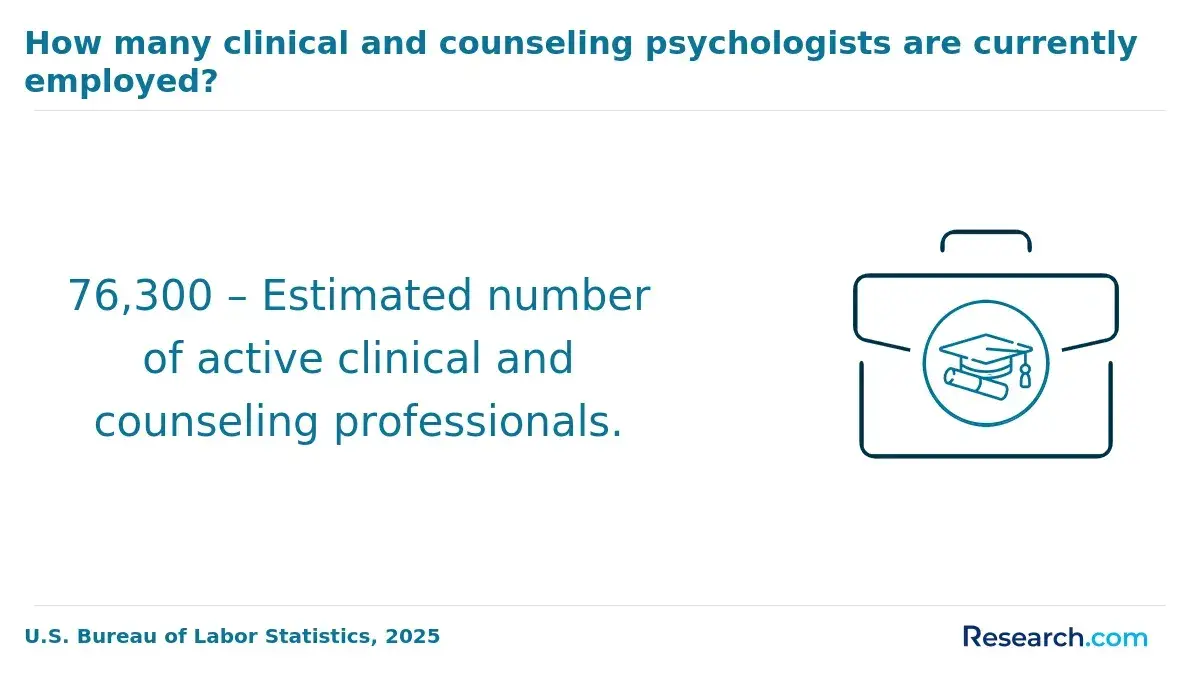
New Mexico’s need for mental health professionals is tied to both clinical demand and access problems. Depression remains a major concern: two out of five high school students have felt sad or hopeless in the past year, and 19% of adults have a history of depression. The state also has an existing psychology workforce. According to the United States Bureau of Labor Statistics, New Mexico employs 540 school psychologists, 220 clinical and counseling psychologists, 130 psychology instructors, and 130 psychologists in all other categories. Even with these professionals in the field, reporting from the Las Cruces Sun-News describes demand that continues to exceed available care.
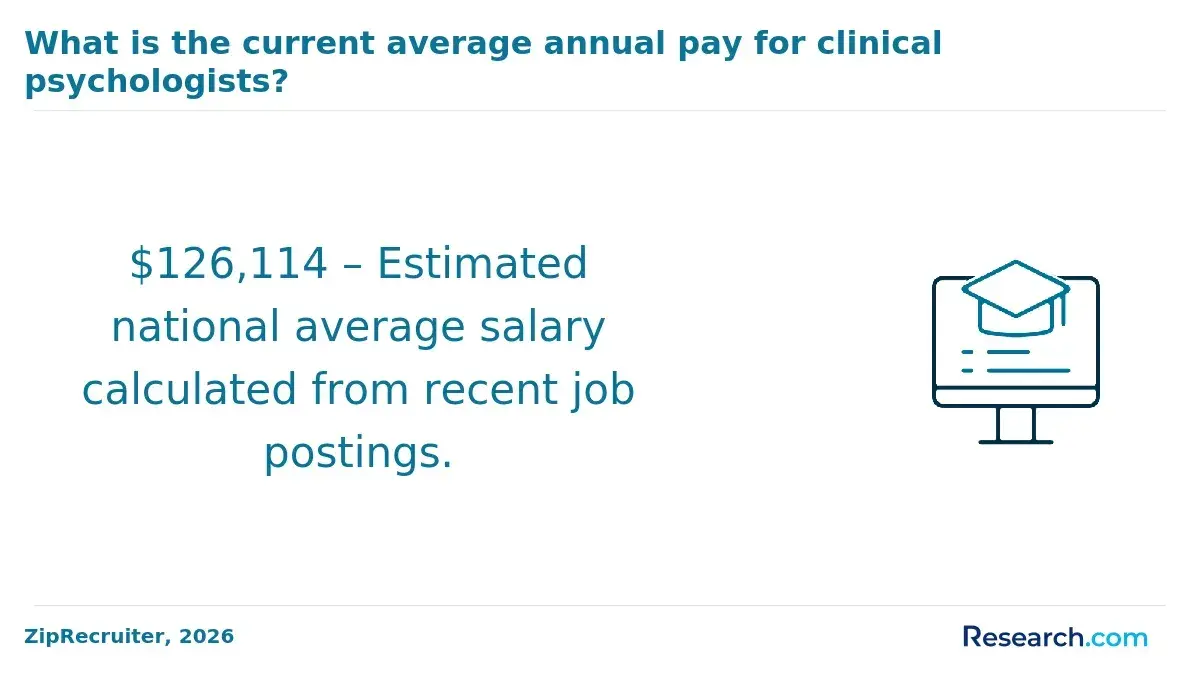
Pay can be another reason psychology graduates look closely at New Mexico. BLS data show average annual salaries of $102,000 for clinical and counseling psychologists, $95,100 for psychologists in all other categories, $94,050 for school psychologists, and $58,840 for psychology instructors. The state employment rate is 3.6%, which is lower by 0.2% than the national average.
Licensure also depends on exam readiness. The Association of State and Provincial Psychology Boards reported EPPP results for New Mexico State University and the University of New Mexico, with a combined passing rate of 73.28%. Applicants should still evaluate individual program outcomes, supervision quality, and licensure alignment rather than relying on one figure alone.
| New Mexico psychology labor market factor | What the current data says | Why it matters to students |
| Mental health need | One in five adults in the region have shown symptoms of a mental illness; 19% of adults have a history of depression | Students can prepare for work in communities where access, prevention, and treatment capacity matter |
| School mental health | Two out of five high school students have felt sad or hopeless in the past year | School psychology and youth-focused clinical training may be especially relevant |
| Current workforce | 540 school psychologists, 220 clinical and counseling psychologists, 130 psychology instructors, and 130 psychologists in all other categories | New graduates enter an established field, but underserved areas may still face gaps |
| Average annual pay | $102,000 for clinical and counseling psychologists; $95,100 for psychologists in all other categories; $94,050 for school psychologists; $58,840 for psychology instructors | Salary potential should be weighed against graduate school cost, time, and licensure requirements |
New Mexico Psychology Licensure Requirements: Educational Requirements
The academic path to psychology licensure in New Mexico starts with broad undergraduate preparation and ends with doctoral-level training. Students should understand early that psychology licensure is different from earning a psychology degree. A bachelor’s degree can support entry-level human services, research assistant, case management, or graduate school preparation, but independent practice as a psychologist requires a qualifying doctorate and supervised experience.
Students comparing psychology degree types and career outcomes should focus on whether each program supports their intended role. Clinical practice, research, school psychology, behavior analysis, counseling, forensic work, and organizational psychology can require different coursework, field placements, and credentials.
Step 1: Earn a Bachelor’s Degree
The New Mexico Psychologist Examiners Board expects candidates to complete appropriate academic preparation in psychology or closely related areas, such as school psychology or clinical counseling, through a postsecondary institution that provides full-time psychology study. A bachelor’s degree is the usual starting point because it gives students time to build research literacy, statistical reasoning, writing skills, and knowledge of human behavior before applying to graduate study.
Major choice should be intentional. Zippia reports that 37% of licensed psychologists in the US majored in psychology, 35% studied clinical psychology, 12% completed counseling psychology, 2% majored in mental health counseling, and 14% pursued other degrees. Students interested in workplace behavior, leadership, and organizational systems may also compare a business psychology degree with a traditional psychology major.
Step 2: Decide Whether You Need a Master’s Degree First
New Mexico psychology licensure ultimately requires doctoral education, but the route to the doctorate can vary. Some students move directly from a bachelor’s program into a doctoral program, while others first complete a master’s degree to strengthen research experience, improve admission competitiveness, or meet a specific doctoral program’s requirements. A flexible option, such as an online master’s degree in psychology, may help working students build graduate-level preparation before applying to a doctorate.
Step 3: Earn a Qualifying Doctorate in Psychology
The New Mexico Psychologist Examiners Board recognizes doctoral programs accredited by the Association of State and Provincial Psychology Boards (ASPPB) or the American Psychological Association (APA) when evaluating psychology license applications. This requirement applies to both Doctor of Psychology (PsyD) and Doctor of Philosophy (PhD) programs.
A PsyD is often more practice-oriented, while a PhD commonly places stronger emphasis on research and academic training. Either degree can support licensure when it meets state requirements. The best choice depends on whether the student wants to prioritize direct clinical practice, research, teaching, health psychology, school-based practice, forensic work, or another specialty. According to the American Psychological Association, 43% of psychologists practice Clinical Psychology, 15% practice Counseling Psychology, 10% practice School Psychology, 8% practice Health Psychology, and 6% work in Clinical Child and Adolescent Psychology.
| Education stage | Typical purpose | Decision point for New Mexico applicants |
| Bachelor’s degree | Builds foundational knowledge in psychology, research, statistics, writing, and human behavior | Choose a major that supports graduate school goals and future specialization |
| Master’s degree | May strengthen graduate preparation or satisfy a doctoral program requirement | Confirm whether the doctoral programs you want require or prefer master’s-level study |
| Doctoral degree | Provides advanced training required for psychologist licensure | Verify APA or ASPPB-recognized accreditation before enrolling |
| Supervised experience | Connects academic training to supervised professional practice | Track hours carefully and confirm that supervisors and settings meet Board expectations |
Step 4: Complete the Required Supervised Experience
New Mexico psychology licensure candidates must complete 3,000 hours of supervised experience. The requirement includes 1,500 hours for practicum activities, 1,500 hours for a doctoral internship, and 750 hours for a doctoral internship not accredited by the APA. Remaining required hours are completed through supervised postdoctoral work. Applicants should keep organized documentation throughout training because these records must be submitted with the license application.
New Mexico Psychology Licensure Requirements: Application and Renewal Process
The New Mexico psychology license process is manageable when applicants treat it as a sequence: prepare documents, apply through the state system, pass required exams, wait for Board review, then maintain the license through continuing education and timely renewal.
License Application
Candidates begin by creating an account in the New Mexico Professional Licensing User System and submitting a psychology license application. The application package includes the $125 application fee, verification that education requirements have been met, documentation of supervised experience, three reference letters from licensed practicing psychologists, and a completed application to sit for the EPPP.
After receiving approval to take the EPPP, candidates must earn a score of at least 500. Applicants who do not pass must request permission to retake the exam later. After passing the EPPP, candidates must also pass the Examination of Ethics and New Mexico Jurisprudence, which tests knowledge of state psychology and healthcare laws and policies. The required passing score is at least 70%.
The Board reviews the application, exam results, education records, supervised experience documentation, and references before issuing a license. Once approved, the candidate may practice as a licensed psychologist in New Mexico. The license is valid for two years.
Maintaining the License
New Mexico licensed psychologists must complete 40 hours of continuing professional education (CPE) during each two-year renewal period. Required content includes at least 2 hours in cultural diversity, at least 4 hours in equity and inclusion, and at least 4 hours in ethics. Continuing education is not just an administrative requirement; it helps practitioners stay current with ethical standards, clinical practices, and community needs. Professional groups such as the New Mexico Psychological Association may offer continuing education discounts and home study options.
CPE activities can include workshops, seminars, classes, service on the Board worth up to 20 hours, obtaining certification worth up to 15 hours, symposia, independent programs, and field-related publications. For publications, the first author receives eight hours, the second author receives six hours, the third author receives four hours, and each additional author receives two hours.
License Renewal
Psychologists renew through the New Mexico Professional Licensing User System after completing the CPE requirement. Renewal requires a $500 fee and documentation verifying completed continuing education. Licenses renew biennially, and applications should be submitted on or before July 1. Late applicants are placed on delinquent status and must pay an additional $100.
| Licensure step | Requirement | Practical advice |
| Initial application | $125 application fee, education verification, supervised experience documentation, three psychologist references, and EPPP application | Request transcripts and references early so your file is not delayed |
| EPPP | Minimum score of 500 | Use program pass-rate data and structured preparation plans when choosing a school |
| Ethics and New Mexico Jurisprudence exam | Minimum score of 70% | Study state-specific laws and professional rules, not only general ethics |
| Continuing education | 40 hours every two years, including cultural diversity, equity and inclusion, and ethics hours | Track certificates as you complete them instead of waiting until renewal |
| Renewal | $500 fee; due on or before July 1 | Missing the deadline adds $100 and creates delinquent status |
Choosing the Right Institution for Your Psychology Journey in New Mexico
The best psychology program is not always the most famous or the cheapest. For New Mexico licensure, the strongest choice is the program that fits your intended license, specialization, supervision needs, budget, and exam preparation. Students should evaluate accreditation first, then examine faculty expertise, research fit, internship access, field placement quality, and support for EPPP preparation.
If you plan to become a clinical psychologist, prioritize doctoral programs that meet Board expectations and offer strong clinical training. If you are still at the undergraduate stage, focus on programs with research methods, statistics, writing, advising, and opportunities to work with faculty. Students comparing local options can also review Research.com’s guide to the best psychology colleges in New Mexico as a starting point rather than a final decision tool.
Questions to Ask Before Enrolling
- Is the program properly accredited? Doctoral applicants should confirm APA or ASPPB-recognized accreditation when licensure is the goal.
- Does the curriculum match your intended specialty? Clinical, school, health, forensic, and organizational psychology require different preparation.
- What supervised training placements are available? Ask where students complete practicum, internship, and postdoctoral experiences.
- How does the program support EPPP preparation? Look for advising, exam outcomes, and structured licensure guidance.
- What is the full cost? Compare tuition, fees, books, travel, living costs, and the impact of full-time versus part-time study.
- Will the program work with your location and responsibilities? New Mexico students may need flexible options because of work, family, rural travel, or community commitments.
List of Top Psychology Programs in New Mexico 2027
New Mexico offers several psychology programs that can support different stages of the licensure pathway. Some are best suited for undergraduate preparation, while others support doctoral-level research or clinical training. The programs below should be compared by accreditation, cost, field experience, faculty fit, specialization, and alignment with New Mexico psychology licensure requirements.
| Program | Degree level and focus | Length | Cost per credit | Credits | Accreditation listed |
| University of New Mexico Doctorate Degree in Psychology | Doctoral study with concentrations in Clinical Psychology, Cognition, Brain & Behavior, Diversity/Multicultural Psychology, Evolution & Development, Health Psychology, and Quantitative Psychology | 7 years | $461.70 (in-state); $1248.10 (out-of-state) | Not available | American Psychological Association |
| Eastern New Mexico University Bachelor of Science or Arts in Psychology | Undergraduate psychology program covering emotion, motivation, perception, memory, learning, research methods, statistics, social psychology, and experimental psychology | 4 years | $280.75 (in-state); $363.27 (out-of-state) | 120 | Higher Learning Commission |
| New Mexico State University Ph.D. in Psychology | Doctoral program with specializations in Engineering Psychology, Cognitive Psychology, and Social Psychology; students complete a master’s degree before the Ph.D. stage | 3 to 4 years | $154.73 (in-state); $475.80 (out-of-state) | 40 to 70 | National Association of School Psychologists |
| New Mexico Tech Bachelor of Science in Psychology | Undergraduate program emphasizing major concepts, empirical findings, theory, communication, scientific inquiry, social responsibility, and professional development | 4 years | $307.60 (in-state); $882.73 (out-of-state) | 120 | Higher Learning Commission |
| New Mexico Highlands University Major in Psychology | BA or BS option emphasizing research, statistics, psychological research methods, developmental psychology, and the history of psychology; master’s concentrations include General Psychology and Clinical/Counseling Psychology | 4 years | $296 (in-state); $501 (out-of-state) | 120 | Master’s in Psychology and Counseling Accreditation Council |
How to Use This Program List
Students should not choose from a list based on rank alone. A doctoral applicant seeking clinical licensure should place accreditation, supervised training, faculty match, and EPPP readiness above convenience. An undergraduate student should look for advising, research opportunities, affordability, and graduate school placement support. If your goal is school psychology, forensic psychology, addiction work, or behavior therapy, verify whether the program’s coursework and placements support that pathway before applying.
What are the pathways to specialize in substance abuse counseling in New Mexico?
Substance abuse counseling can be a strong specialization in New Mexico because addiction-related needs intersect with mental health, public safety, family stability, and community health. Psychologists who want to work in this area should look for graduate coursework in addiction, assessment, evidence-based intervention, relapse prevention, trauma, and co-occurring disorders. Supervised experience in treatment centers, hospitals, community clinics, or integrated behavioral health settings can also be important.
This pathway may involve credentials outside a psychology license, depending on role and setting. For a focused explanation of the counseling route, review Research.com’s guide on becoming a substance abuse counselor in New Mexico.
Can an online education enhance my New Mexico psychology career?
Online education can help New Mexico students and working professionals access psychology coursework without relocating, especially when local options are limited. A psychology degree online may be useful for undergraduate completion, career advancement, or preparation for graduate study. However, licensure-focused students must confirm that any online program meets accreditation, practicum, internship, and state eligibility requirements.
Online study is most useful when it solves a real access problem and still provides quality advising, faculty interaction, research training, and supervised field experience. It is less useful if the program is inexpensive but does not align with licensure, transfer, or graduate admission requirements.
In-Demand Psychology Specializations in New Mexico
New Mexico’s mental health needs make some psychology specializations especially relevant. Students should choose a focus based on both community need and personal fit, because specialization affects coursework, supervised placements, exams, job settings, and long-term career options.
| Specialization | Why it matters in New Mexico | Training to look for |
| Clinical Psychology | Clinical psychologists assess, diagnose, and treat conditions such as depression, anxiety, substance use disorders, and complex co-occurring concerns | Psychological assessment, psychotherapy, crisis intervention, ethics, practicum, internship, and supervised clinical work |
| Substance Abuse Counseling | Addiction treatment is closely connected to New Mexico’s broader mental health and public health challenges | Addiction counseling, evidence-based interventions, relapse prevention, trauma-informed care, and supervised treatment experience |
| School Psychology | Youth mental health concerns make school-based assessment, prevention, and intervention important | Child development, educational assessment, behavioral intervention, consultation, and school-based field experience |
| Health Psychology | Behavioral health and physical health are often treated together in hospitals, clinics, and community health settings | Behavioral medicine, integrated care, chronic illness, prevention, and interdisciplinary practice |
| Forensic or Criminal Psychology | Legal, correctional, and public safety settings may need psychological assessment and expert input | Forensic evaluation, abnormal psychology, ethics, legal standards, and supervised fieldwork in justice-related settings |
Students who need a flexible doctoral route can explore online PsyD programs, but they should verify clinical training requirements, residency expectations, internship compatibility, and New Mexico licensure eligibility before enrolling.
How can I transition from a psychology license to a behavior therapist role in New Mexico?
A licensed psychologist who wants to add behavior therapy services should first identify the target population and practice model. Behavior therapy may involve work with children, people with developmental disabilities, clients with behavioral disorders, or individuals needing structured behavioral interventions. The transition usually requires targeted postgraduate training, supervised behavioral health experience, and, in some cases, a specialized credential.
Before adding behavior therapy to a practice, confirm whether your education and supervised experience meet the standards for the services you plan to provide. Professional associations, accredited internships, continuing education, and consultation with experienced behavior therapists can help close skill gaps. For a broader requirements overview, see Research.com’s guide to becoming a behavior therapist.
What are the unique challenges psychologists face in New Mexico?
Psychologists in New Mexico often work at the intersection of clinical need, geography, poverty, cultural diversity, and limited access. Preparing for these realities can make practice more effective and reduce burnout.
- Substance use complexity: Psychologists may see clients with substance use disorders combined with trauma, depression, family stress, or legal problems. Specialized addiction training can be valuable.
- Economic hardship: Poverty can affect transportation, housing, insurance coverage, treatment consistency, and the ability to pay for care. Psychologists may need strong referral networks and knowledge of community resources.
- Rural access barriers: Some communities are far from specialty mental health providers. Telehealth, integrated care, and outreach partnerships can help, but technology and broadband access may still limit reach.
- Cultural and linguistic needs: Effective practice may require culturally responsive assessment, bilingual services, consultation with community leaders, and respect for local Hispanic, Native American, and other cultural traditions.
- Workforce pressure: When demand exceeds available care, psychologists may face high caseloads, long waitlists, and difficult triage decisions.
Should I Consider Social Work to Broaden My Mental Health Impact in New Mexico?
Social work can complement psychology by adding stronger preparation in case management, community resources, advocacy, social determinants of health, and systems-level intervention. For professionals who want to work beyond individual therapy, social work training may support roles in community agencies, hospitals, schools, nonprofits, and public programs.
This route is not a substitute for psychologist licensure, but it can broaden how a mental health professional understands families, poverty, housing instability, trauma, and access barriers. If you are comparing credential options, review Research.com’s guide on the degree path for social workers in New Mexico.
How can I pursue a career as a school psychologist in New Mexico?
School psychology is a focused path for professionals who want to work with children, adolescents, families, teachers, and school systems. Preparation typically emphasizes child development, educational assessment, learning differences, behavioral intervention, consultation, and prevention. Candidates should choose graduate training that aligns with state and district expectations for school-based practice.
Because school psychologists often work inside educational systems, their role differs from private clinical practice. They may conduct evaluations, support students with disabilities, collaborate on intervention plans, consult with teachers, and help address emotional or behavioral concerns that affect learning. For a step-by-step guide, see how to become a school psychologist in New Mexico.
How can I become a criminal psychologist in New Mexico?
Criminal psychology combines psychological knowledge with legal, correctional, and investigative contexts. Students interested in this path should seek training in abnormal psychology, forensic assessment, psychological evaluation, ethics, trauma, violence risk, and legal standards. Field experience in correctional facilities, courts, law enforcement settings, or forensic clinics can be especially useful.
This specialty requires careful attention to professional boundaries because forensic work often involves legal consequences, expert testimony, and high-stakes evaluation. For a focused roadmap, review how to become a criminal psychologist in New Mexico.
How Does Cultural Competence Enhance Practice Success in New Mexico?
Cultural competence is central to effective psychology practice in New Mexico. The state includes Hispanic, Native American, rural, immigrant, and other communities with distinct histories, traditions, languages, and relationships to healthcare systems. Psychologists who understand these contexts are better prepared to build trust, avoid harmful assumptions, and adapt care to the client’s values and lived experience.
Useful preparation can include continuing education, supervision from culturally experienced clinicians, bilingual training, community immersion, and consultation with local organizations. Professionals who want to move into counseling services quickly can compare related pathways in Research.com’s guide to the shortest route to becoming a counselor in New Mexico.
How can telehealth integration boost my psychology practice in New Mexico?
Telehealth can help psychologists reach clients in rural and underserved parts of New Mexico, reduce travel barriers, and offer more flexible scheduling. It can also support continuity of care when transportation, distance, disability, weather, or work schedules make in-person sessions difficult.
Before offering telehealth, psychologists should review state rules, privacy requirements, emergency planning, informed consent, technology security, and interstate practice limits. Some clinicians also pursue complementary counseling credentials to expand service models. For related requirements, see Research.com’s overview of New Mexico LPC license requirements.
What are the career opportunities for psychologists in New Mexico?
Licensed psychologists in New Mexico can work in hospitals, private practice, schools, universities, community mental health centers, correctional settings, tribal health organizations, nonprofit agencies, government programs, and integrated care clinics. The strongest opportunities often depend on specialty, supervised experience, language skills, rural practice interest, and willingness to work with high-need populations.
Clinical and counseling psychologists may provide assessment, psychotherapy, crisis intervention, and treatment planning. School psychologists support students through testing, behavioral consultation, and intervention. Forensic and criminal psychology specialists may assist courts, correctional systems, or legal teams. Psychologists with organizational interests may work in employee wellness, leadership development, workplace conflict, and human resources consulting.
Students deciding whether the field is worthwhile should compare licensure with related options. Research.com’s guide on what you can do with a psychology degree can help separate bachelor’s-level roles from graduate-level and licensed psychology careers.
What other licenses and certifications are available for mental health professionals in New Mexico?
Psychologist licensure is not the only mental health credential available in New Mexico. Depending on your goals, you may also consider counseling, marriage and family therapy, social work, addiction counseling, behavior analysis, or school-based credentials. For example, professionals interested in couples and family systems can review the MFT license in New Mexico.
Choosing among licenses should be based on the clients you want to serve, the services you want to provide, the education you can commit to, and the settings where you want to work. Multiple credentials may expand practice options, but each one has its own education, supervision, exam, fee, and renewal requirements.
What additional certifications can expand my practice in New Mexico?
Additional certifications can help licensed psychologists document focused expertise, add services, or qualify for specialized roles. Behavior analysis is one example for professionals who want to work with structured behavioral interventions and complex behavioral needs. Credentials should be chosen strategically; a certification is most valuable when it supports your actual client population, referral network, and scope of practice.
For a detailed route into behavior analysis, see Research.com’s guide on how to become a BCBA in New Mexico.
Can obtaining an LPC license bolster my practice in New Mexico?
An LPC credential may complement psychology training for professionals who want broader counseling flexibility or who are comparing multiple mental health career routes. However, licensed psychologists should not assume that an additional license is automatically necessary. The value depends on practice goals, reimbursement considerations, client needs, and whether the credential legally expands the services you can provide.
If you are considering this option, compare education, supervision, exam, and renewal rules carefully. Research.com explains the process in its guide on how to become an LPC in New Mexico.
Common Mistakes to Avoid When Pursuing Psychology Licensure in New Mexico
- Choosing a doctoral program without checking accreditation: Licensure-focused students should confirm that the program meets New Mexico Board expectations before enrolling.
- Looking only at tuition: Total cost includes fees, books, travel, internship relocation, exam fees, lost work time, and living expenses.
- Assuming online automatically means licensure-ready: Online programs can be useful, but practicum, internship, and doctoral accreditation requirements still matter.
- Waiting too long to document supervised hours: Keep organized records throughout practicum, internship, and postdoctoral training.
- Ignoring specialization fit: A strong general psychology program may not be the best match for school psychology, forensic work, addiction services, or health psychology.
- Relying only on rankings: Rankings can help with discovery, but licensure alignment, supervision access, faculty fit, and cost are more important for individual decisions.
- Assuming salary outcomes are guaranteed: Pay varies by setting, experience, specialty, location, caseload, and employment type.
Is getting a New Mexico psychology license worth it?
A New Mexico psychology license can be worth pursuing if you want independent practice authority, advanced clinical responsibility, and the ability to serve communities with clear mental health needs. The license can support roles in clinical practice, schools, health systems, forensic settings, community programs, and specialized behavioral health services.
The trade-off is significant. You must commit to doctoral education, 3,000 hours of supervised experience, required exams, fees, and continuing professional education. It is a strong path for students who are committed to advanced psychological practice, but it may not be the most efficient option for those who primarily want counseling, social work, school-based support, or case management roles. Those students should compare psychology licensure with LPC, MFT, social work, BCBA, and substance abuse counseling pathways before deciding.
Key Insights
- New Mexico has clear mental health demand: The state ranks 43 among all US states in America’s Health Rankings, and one in five adults in the region have shown symptoms of a mental illness.
- Licensure requires more than a psychology degree: Candidates need doctoral education, 3,000 supervised hours, a passing EPPP score of at least 500, a New Mexico jurisprudence score of at least 70%, and Board approval.
- Program choice affects licensure readiness: Accreditation, supervised placements, EPPP support, specialization fit, and total cost should matter more than name recognition alone.
- New Mexico salaries can be competitive: Reported average annual pay includes $102,000 for clinical and counseling psychologists, $95,100 for psychologists in all other categories, and $94,050 for school psychologists.
- Specialization should match community need: Clinical psychology, school psychology, substance abuse counseling, health psychology, and forensic-related work may be especially relevant in New Mexico.
- Telehealth and cultural competence are practical necessities: Rural access barriers and diverse communities make technology, cultural responsiveness, and community partnerships important parts of effective practice.
- Licensure is worthwhile for the right goal: If you want independent psychologist practice, the path can be valuable; if you want a faster counseling or community-based role, compare related credentials before committing to a doctorate.
Related Articles for Nearby States
- 2027 Arizona Psychology Licensure Requirements – How to Become a Psychologist in Arizona
- 2027 Colorado Psychology Licensure Requirements – How to Become a Psychologist in Colorado
- 2027 Texas Psychology Licensure Requirements – How to Become a Psychologist in Texas
- 2027 Utah Psychology Licensure Requirements – How to Become a Psychologist in Utah
- 2027 Oklahoma Psychology Licensure Requirements – How to Become a Psychologist in Oklahoma
- 2027 Nevada Psychology Licensure Requirements – How to Become a Psychologist in Nevada
- 2027 Kansas Psychology Licensure Requirements – How to Become a Psychologist in Kansas
- 2027 Wyoming Psychology Licensure Requirements – How to Become a Psychologist in Wyoming
- 2027 Nebraska Psychology Licensure Requirements – How to Become a Psychologist in Nebraska
- 2027 California Psychology Licensure Requirements – How to Become a Psychologist in California
References:
- American Psychological Association (2026). CWS Data Tool: Degrees in Psychology. American Psychological Association
- BLS (2026, February 27). Economy at a Glance New Mexico. BLS
- BLS (2024, May). Occupational Employment and Wage Statistics. Area: New Mexico. BLS
- BLS (2026, February 11). THE EMPLOYMENT SITUATION — January 2026. BLS
- KFF (2025, December 31). Mental Health Care Health Professional Shortage Areas (HPSAs). KFF
- NAMI (2025, March). Mental Health in New Mexico. NAMI
- New Mexico Department of Health. Mental health data report. New Mexico Department of Health
- New Mexico Regulation & Licensing Department. FAQs. New Mexico Regulation & Licensing Department
- New Mexico Regulation & Licensing Department. Fees. New Mexico Regulation & Licensing Department
- New Mexico Regulation & Licensing Department. Psychology Rule Book. New Mexico Regulation & Licensing Department
- Zippia (2025, January 8). BEST COLLEGES AND MAJORS FOR LICENSED PSYCHOLOGISTS. Zippia
Other Things You Should Know About The New Mexico Psychology Licensure Requirements
The New Mexico Board of Psychologist Examiners oversees psychologist licensing in the state. It reviews applications, sets licensure rules, and handles renewal and discipline under New Mexico regulations. Applicants must follow board standards for education, supervised experience, and examination before a license is issued.
In 2027, psychologists in New Mexico must complete 40 hours of continuing education every two years. This includes six hours in cultural competence and ethics, as required by the New Mexico Board of Psychologist Examiners for license renewal.
Licensed psychologists in New Mexico must complete 40 hours of continuing professional education (CPE) every two years, including specific hours in cultural and ethnic diversity and ethics. You must submit your renewal application and documentation of CPE completion by July 1 of the renewal year, along with a $500 renewal fee.
In 2027, New Mexico requires aspiring psychologists to complete 3,000 hours of supervised experience. This includes at least 1,500 hours after earning a doctoral degree. The supervised experience must be under the direction of a licensed psychologist and meet the state’s structured guidelines.


