2027 How to Become a Criminal Psychologist in Virginia

Co-Founder and Chief Data Scientist
Becoming a criminal psychologist in Virginia usually means preparing for licensed psychology practice with a forensic or criminal justice focus. The role can involve evaluating defendants, supporting courts with psychological opinions, treating people in correctional or forensic settings, consulting with attorneys or agencies, and helping justice systems understand the behavioral factors behind crime.
This guide is for students, career changers, and psychology graduates who want a practical roadmap for entering the field in Virginia. You will learn what degree path is typically required, which undergraduate majors make sense, how Virginia licensure works, where internships may be available, what salary and job outlook data show, and how to choose a program without overlooking accreditation, supervised experience, or career fit.
The timing matters. Virginia’s violent-offense clearance rate was 52.58% by December 2023, slightly above the US rate of 51.32% (Federal Bureau of Investigation, 2024). At the same time, the state has faced law enforcement staffing gaps, including 351 Virginia State Police vacancies in November 2024 (Bellamy, 2024). Criminal psychologists do not replace investigators, but they can support public safety through assessments, treatment planning, risk analysis, expert consultation, and work with justice-involved populations.
Quick Answer: How to Become a Criminal Psychologist in Virginia
The most direct route is to earn a bachelor’s degree in psychology, criminal justice, sociology, or a related field; complete graduate training in psychology with forensic coursework or experience; gain supervised clinical or forensic experience; and meet Virginia Board of Psychology requirements for licensure if you plan to practice independently as a psychologist. In Virginia, “criminal psychologist” is not typically a separate license. Most professionals in this area are licensed psychologists who specialize in forensic, correctional, legal, or criminal justice applications.
- Psychologist employment in the US is projected to grow by 7% from 2023 to 2033 (US BLS, 2024).
- Clinical and counseling psychologists in the US earned a 2023 median annual wage of $96,100 and a median hourly wage of $ 46.20. In Virginia, clinical and counseling psychologists had a median hourly wage of $43.04 (US BLS, 2024).
- Virginia students often consider institutions such as George Mason University, Virginia Commonwealth University, and the University of Virginia for psychology, forensic psychology, criminal justice, or related training. Students should verify institutional accreditation, program-level accreditation where applicable, and whether a program supports the licensure path they need.
- Internships, practicums, research experience, and professional networking are especially important because forensic psychology positions often require more than classroom knowledge.
- What education do you need to become a criminal psychologist in Virginia?
- Which undergraduate majors are best for aspiring criminal psychologists?
- How should you choose a criminal psychology or forensic psychology program in Virginia?
- What are the Virginia licensure steps for psychology practice?
- Where can students look for internships and field experience?
- What is the job outlook for criminal psychologists in Virginia?
- How much can criminal psychologists earn in Virginia?
- Where do criminal psychologists usually work?
- What advanced roles can experienced criminal psychologists pursue?
- Are accelerated psychology degrees useful for this career?
- What professional resources are available in Virginia?
- What soft skills matter most in criminal psychology?
- How can interdisciplinary collaboration improve practice?
- How do changing regulations affect criminal psychologists?
- Why does substance abuse training matter in forensic work?
- How can research trends create career opportunities?
- How can school and criminal psychologists work together?
- What ethical and legal issues should students understand?
- How is technology changing criminal psychology practice?
- How can community-based work expand a psychologist’s impact?
- How can continuing education and networking support advancement?
What education do you need to become a criminal psychologist in Virginia?
Virginia students should think of criminal psychology as a specialization built on formal psychology training. A bachelor’s degree can open the door to entry-level human services, research, case support, or criminal justice roles, but independent psychological assessment, diagnosis, treatment, and expert forensic work generally require graduate education and licensure.
The academic path usually follows this sequence:
- Earn a bachelor’s degree. Psychology is the most direct major, but criminal justice, sociology, criminology, social work, and related social science fields can also prepare students for graduate study if they include research methods, statistics, abnormal psychology, and behavioral science coursework.
- Build forensic-relevant experience early. Students should seek research assistant roles, crisis services experience, victim advocacy exposure, correctional volunteer work, court observation, or internships with agencies that serve justice-involved clients.
- Complete graduate training. A master’s degree can support some related roles, but many psychologist-level positions require a doctoral degree. Students interested in forensic work should look for courses or placements in forensic assessment, psychological testing, ethics, criminal behavior, competency, risk assessment, trauma, substance use, and correctional mental health.
- Complete supervised clinical experience. Virginia requires supervised professional experience for licensure. Students should confirm that internships, practicums, and postdoctoral placements satisfy the requirements for the license they plan to pursue.
- Prepare for research and writing. Graduate programs often require a thesis, dissertation, capstone, or major research project. Strong writing matters because forensic work depends heavily on clear, defensible reports.
| Stage | Purpose | What to prioritize |
| Bachelor’s degree | Builds the academic base for psychology and criminal justice work | Research methods, statistics, abnormal psychology, developmental psychology, criminology, and writing-intensive courses |
| Field exposure | Helps students test whether forensic or correctional work is the right fit | Internships, volunteer work, research labs, court-related settings, crisis programs, or victim services |
| Graduate degree | Provides advanced clinical, assessment, and research preparation | Forensic coursework, supervised assessment practice, faculty expertise, and licensure alignment |
| Supervised experience | Develops professional judgment before independent practice | Qualified supervisors, documentation, legal-ethical training, and forensic populations when available |
| Licensure and specialization | Allows eligible professionals to practice within Virginia’s legal framework | EPPP preparation, Virginia jurisprudence requirements, continuing education, and forensic mentorship |
Students who are also considering evidence-based investigative or laboratory paths may want to compare psychology training with forensic science programs near you. Forensic science and criminal psychology overlap in legal settings, but they prepare students for different types of work.
Which undergraduate majors are best for aspiring criminal psychologists?
The best undergraduate major depends on the kind of work you want to do later. If your goal is licensed psychological practice, psychology is usually the strongest foundation. If you want to understand policing, courts, corrections, and legal systems, criminal justice can be valuable. If you are interested in social factors behind crime, sociology can add important context.
- Psychology: This major gives students the strongest preparation for graduate psychology programs. Courses in abnormal psychology, cognitive psychology, personality, development, psychological testing, statistics, and research design help students understand behavior and mental disorders.
- Criminal Justice: This path focuses on law enforcement, courts, corrections, criminal law, policy, and justice administration. It is useful for students who want to work closely with legal systems or understand how psychological findings are applied in criminal cases.
- Sociology: Sociology helps students analyze crime through social structures, inequality, group behavior, family systems, communities, and institutions. It can be especially helpful for students interested in prevention, reentry, juvenile justice, or community-based interventions.
| Major | Best fit | Potential limitation |
| Psychology | Students aiming for graduate psychology training and eventual licensure | May need electives or minors to understand criminal law and justice systems |
| Criminal Justice | Students interested in courts, corrections, policing, victim services, or justice policy | May need extra psychology, statistics, and research coursework for graduate psychology admissions |
| Sociology | Students focused on crime prevention, social causes of crime, juvenile systems, or community programs | May need additional clinical psychology coursework before applying to psychology graduate programs |
Students do not have to choose only one lens. A psychology major with a criminal justice minor, a criminal justice major with psychology prerequisites, or a sociology major with research and mental health coursework can all be reasonable options. The key is to check graduate program prerequisites early so you do not discover missing coursework in your senior year.
How should you choose a criminal psychology or forensic psychology program in Virginia?
Program choice matters because not every psychology or criminal justice program prepares students for the same outcome. Some programs are research-focused. Others are designed for clinical licensure. Some offer forensic electives but do not provide forensic placements. Before enrolling, students should compare programs based on licensing alignment, supervised experience, cost, faculty expertise, and career outcomes.
- Accreditation and licensure fit: Confirm the school’s institutional accreditation and, for doctoral clinical psychology training, whether the program structure supports Virginia licensure. Students should also ask whether internship or practicum placements meet professional standards.
- Forensic coursework: Look for classes in forensic assessment, criminal behavior, law and psychology, psychological testing, trauma, substance use, ethics, correctional psychology, and expert testimony.
- Faculty background: Faculty with forensic, correctional, clinical, court, or law enforcement-related experience can help students understand real practice expectations and build useful professional contacts.
- Internships and practicums: A strong program should help students find supervised placements in settings such as hospitals, courts, correctional environments, community mental health organizations, research centers, or agencies that serve justice-involved clients.
- Cost and funding: Compare total program cost, fees, commuting or relocation expenses, assistantships, scholarships, and the financial implications of full-time versus part-time study.
- Graduate placement outcomes: Ask where graduates work, how many pursue licensure, and whether alumni enter forensic, clinical, correctional, or legal consulting roles.
| Question to ask before applying | Why it matters |
| Does this program support the license I eventually need in Virginia? | A program may be academically strong but still not be the right path for psychologist licensure. |
| Are forensic placements available, or only forensic electives? | Employers often value supervised practical experience, not just classroom exposure. |
| Who supervises clinical or forensic work? | Qualified supervision affects training quality and licensure documentation. |
| What is the full cost of attendance? | Tuition alone does not show the real financial commitment. |
| Can I speak with current students or alumni? | Students and graduates can explain workload, placement quality, and career support more candidly than brochures. |
What are the Virginia licensure steps for psychology practice?
Virginia does not generally license a separate profession called “criminal psychologist.” If you plan to conduct psychological assessments, provide clinical services, diagnose mental health conditions, or practice independently as a psychologist, you must follow the Virginia Board of Psychology licensure process for the relevant psychology license.
For aspiring criminal psychologists, the licensure process commonly includes the following elements:
- Complete required graduate education. Candidates must meet Virginia’s education standards for the psychology license they seek. Students should compare their program curriculum with the Virginia Board of Psychology requirements before enrolling.
- Document supervised professional experience. Applicants must complete a minimum of 1,500 hours of supervised professional experience. The experience must be properly supervised and documented, and some experience may be integrated into doctoral training if it satisfies the applicable criteria.
- Pass required examinations. Candidates must pass the Examination for Professional Practice in Psychology (EPPP). They must also complete a Virginia jurisprudence exam covering state laws and regulations that govern psychology practice.
- Submit the licensure application. Applicants provide the Virginia Board of Psychology with required materials, which may include transcripts, supervision verification, examination documentation, and other forms.
- Maintain compliance after licensure. Licensed psychologists must practice within their competence, follow ethical rules, maintain appropriate documentation, and complete continuing education as required.
Students should not assume that any online or out-of-state program automatically qualifies them for Virginia licensure. Before committing to a program, compare it with the Virginia psychology license requirements and contact the appropriate board or program advisor if anything is unclear.
Where can students look for internships and field experience?
Internships and practicums help students decide whether they are suited for forensic and criminal justice settings. The work can involve serious mental illness, trauma, victimization, legal pressure, security protocols, and high-stakes documentation. Students should seek placements that provide supervision, clear responsibilities, and exposure to ethically appropriate work for their training level.
- Central State Hospital in Petersburg: Central State Hospital in Petersburg may provide doctoral internship opportunities in clinical psychology. Relevant training may include exposure to forensic and inpatient populations, serious mental illness, and treatment in structured settings.
- Federal Bureau of Investigation (FBI): FBI internships may expose students to areas connected to behavioral analysis, investigations, or crime-related research. These opportunities are competitive and may require background checks, eligibility screening, and early application planning.
- Local law enforcement agencies: Agencies such as the Arlington County Police Department may offer internships or volunteer roles connected to victim support, community outreach, investigations, or public safety services.
- National Center for Missing and Exploited Children: Internships may relate to child advocacy, missing children cases, exploitation prevention, research, or forensic-adjacent support work.
Students should also consider hospitals, community mental health agencies, crisis programs, juvenile justice programs, reentry organizations, victim advocacy offices, and university research labs. A placement does not have to use the title “criminal psychology” to be relevant. Experience with assessment, trauma, substance use, crisis intervention, corrections, or court-involved populations can still strengthen a future forensic psychology application.
If you want a flexible undergraduate route before graduate training, a forensic science degree online may be worth comparing with psychology and criminal justice options, especially if you are still deciding between behavioral and evidence-focused career paths.
What is the job outlook for criminal psychologists in Virginia?
The national outlook for psychologists is positive, with employment for psychologists projected to grow by 7% between 2023 and 2033 (US BLS, 2024). For Virginia, demand is shaped not only by general mental health needs but also by shortages and service gaps across many communities. The Old Dominion has 93 out of 133 localities categorized by the federal government as mental health professional shortage areas (Virginia Health Care Foundation, 2022).
Criminal psychology opportunities can appear in several forms: forensic assessment, correctional mental health, court-related evaluation, competency-related services, victim services, juvenile justice, research, reentry programs, and consultation. However, job titles vary. Students should search broadly for forensic psychologist, clinical psychologist, correctional psychologist, behavioral health clinician, forensic clinician, psychological associate, research analyst, and court services-related roles.
Career prospects are strongest for candidates who combine clinical competence with legal-system knowledge. Graduate training, supervised forensic experience, strong report writing, and comfort working with multidisciplinary teams can make a major difference.

How much can criminal psychologists earn in Virginia?
There is no single salary category for “criminal psychologist” in federal wage data, so clinical and counseling psychologist figures are often used as a useful reference point. Clinical and counseling psychologists in the US had a 2023 median annual wage of $96,100 and a median hourly wage of $ 46.20. In Virginia, clinical and counseling psychologists had a median hourly wage of $43.04 (US BLS, 2024).
Actual earnings can differ based on employer, licensure status, doctoral versus master’s-level preparation, years of experience, location, specialization, and whether the psychologist works in government, hospitals, private practice, consulting, academia, or correctional settings. Forensic work that involves expert testimony or specialized assessment may require advanced credentials and experience before it becomes a reliable source of income.
| Factor | How it can affect pay |
| Licensure | Independent licensure can open roles involving diagnosis, assessment, treatment, supervision, and private practice. |
| Graduate degree level | Doctoral training is commonly required for psychologist-level practice and many forensic assessment roles. |
| Employer type | Government agencies, hospitals, universities, courts, correctional systems, and private practices may use different pay structures. |
| Location | Urban and rural areas can differ in cost of living, staffing needs, and available forensic services. |
| Specialized expertise | Experience in assessment, correctional mental health, trauma, substance use, juvenile justice, or expert testimony can improve competitiveness. |
Students comparing salary potential should also evaluate debt, years of training, supervised experience requirements, and the type of work they actually want to do. For a broader look at related options, review common forensic psychology career paths.
Where do criminal psychologists usually work?
Criminal psychologists and forensic-focused psychologists in Virginia can work in public, private, academic, and clinical settings. The right workplace depends on whether the professional is primarily interested in assessment, therapy, consultation, research, teaching, policy, or program leadership.
- Government agencies: Federal, state, and local agencies may employ psychologists or behavioral specialists for assessment, treatment planning, consultation, training, research, or work with justice-involved populations. Settings may include correctional systems, courts, public safety agencies, or related public programs.
- Mental health facilities: Hospitals and behavioral health organizations may serve defendants, offenders, victims, people with severe mental illness, and individuals referred through legal or correctional systems.
- Academic institutions: Colleges and universities may hire professionals for teaching, research, supervision, forensic psychology training, or program development. George Mason University and the University of Virginia are examples of Virginia institutions connected to psychology and forensic education or training.
- Private practice and consulting: Experienced licensed psychologists may provide forensic evaluations, expert testimony, attorney consultation, treatment, risk-related opinions, or specialized assessment services.
- Community and nonprofit programs: Some professionals work in reentry programs, victim services, juvenile justice initiatives, crisis response, domestic violence programs, or substance use treatment settings.
Because job titles vary widely, students should explore both psychology and criminal justice employment categories. A guide to forensic psychology jobs can help clarify how these roles differ across courts, clinics, agencies, and consulting environments.
What advanced roles can experienced criminal psychologists pursue?
Advanced roles usually require a combination of graduate education, licensure, supervised experience, strong documentation skills, and a clear specialization. Criminal psychologists who develop expertise in forensic assessment, correctional treatment, legal consultation, research, or program administration may move into more senior positions over time.
- Forensic clinician: Provides assessment and treatment services for people involved in the legal system, often in hospitals, correctional settings, community agencies, or court-related programs.
- Senior clinical psychologist: Leads or supervises clinical work, reviews evaluations, mentors staff, and contributes to treatment planning for complex cases.
- Forensic psychologist: Conducts evaluations for legal contexts, may consult with attorneys or courts, and may provide expert testimony when qualified.
- Clinical director: Oversees mental health programs in correctional facilities, hospitals, rehabilitation centers, or community programs, with responsibility for quality, compliance, staffing, and treatment models.
- Research analyst: Studies criminal behavior, mental health outcomes, treatment effectiveness, justice policy, or forensic assessment practices. This path may be especially suitable for professionals who prefer data and policy work over direct clinical practice.
Students interested in adjacent justice-system careers may also compare these roles with criminology degree jobs, which can include research, policy, law enforcement administration, corrections, and prevention-focused work.
Are accelerated psychology degrees useful for this career?
An accelerated advanced degree can help some students move faster through part of their academic pathway, but speed should never be the only criterion. Criminal psychology work often requires depth: supervised assessment practice, ethical training, research competence, legal knowledge, and maturity in high-pressure settings. A faster program is only worthwhile if it still supports the credential, licensure, internship, and specialization requirements you need.
An accelerated option may make sense if you already have relevant undergraduate preparation, can handle an intensive workload, and have confirmed that the program aligns with your career goals. It may be risky if it reduces access to mentorship, supervised practice, research experience, or licensure preparation. Working professionals who need flexible scheduling can compare an accelerated psychology degree online with traditional graduate programs before deciding.
| Accelerated degree may be a good fit if... | Consider a traditional route if... |
| You already know you want psychology-focused graduate study. | You are still deciding between psychology, law, forensic science, counseling, and criminal justice. |
| You can manage compressed coursework and field requirements. | You need more time for research, internships, or clinical skill development. |
| The program clearly supports your intended license or next degree. | You are unsure whether the program meets Virginia requirements. |
| You need flexibility because of work or family responsibilities. | You learn best through in-person supervision and structured campus support. |
What professional resources are available in Virginia?
Professional resources help students and practitioners stay current on legal standards, ethics, assessment methods, treatment models, and justice-system practices. They also create networking opportunities, which can be important in a specialized field where internships, supervision, and referrals often come through professional relationships.
- Preventing Suicide Among Youth Involved in the Legal System: The Institute of Law, Psychiatry, and Public Policy and the University of Virginia offer this live online training, which focuses on suicidal thoughts among youth involved in legal matters and practical support strategies for clinicians.
- Virginia Academy of Clinical Psychologists (VACP): The VACP connects mental health professionals across Virginia and offers conferences and professional development opportunities.
- Virginia Department of Criminal Justice Services (DCJS): DCJS training programs can help professionals understand law enforcement, public safety, and justice-system training priorities.
Students should also look for university speaker events, psychology association meetings, forensic mental health trainings, local court education sessions, correctional mental health workshops, and continuing education connected to trauma, risk assessment, substance use, ethics, and report writing.
What should students ask criminal psychologists before choosing this path?
Instead of relying only on program marketing or job titles, students should speak with professionals who already work in forensic, correctional, clinical, or court-connected roles. Informational interviews can reveal what the day-to-day work actually involves, including paperwork, court deadlines, difficult cases, safety protocols, emotional strain, and ethical boundaries.
- Ask about the work setting: “What percentage of your time is spent on assessment, therapy, report writing, meetings, court preparation, or testimony?”
- Ask about preparation: “Which courses, internships, or supervisors helped you most, and what training do you wish you had completed earlier?”
- Ask about emotional demands: “How do you manage exposure to trauma, violence, victimization, or high-conflict legal cases?”
- Ask about career progression: “What entry-level roles led to your current position, and what credentials made the biggest difference?”
- Ask about fit: “Who tends to thrive in this work, and who might be happier in another branch of psychology?”
What soft skills matter most in criminal psychology?
Technical training is essential, but soft skills often determine whether a psychologist can function well in forensic and criminal justice settings. Criminal psychologists must listen carefully, ask precise questions, notice behavioral cues, and communicate findings in language that courts, attorneys, clinicians, correctional staff, and clients can understand.
- Objective judgment: Forensic work requires neutrality, especially when referral questions come from adversarial legal settings.
- Clear writing: Reports must be organized, defensible, and understandable to non-psychologists.
- Emotional steadiness: Professionals may encounter trauma, aggression, manipulation, severe mental illness, or distressing case details.
- Ethical confidence: Psychologists must maintain boundaries, explain limits of confidentiality, and avoid taking on work outside their competence.
- Collaboration: Cases often involve attorneys, judges, law enforcement, social workers, physicians, correctional officers, families, and community agencies.
Students interested in behavior-focused credentials can also examine how to become a board certified behavior analyst in Virginia. Behavior analysis is a different professional path, but it can help students understand assessment, intervention design, and data-driven practice.
How can interdisciplinary collaboration improve practice?
Criminal psychologists rarely work in isolation. A strong forensic or correctional case plan may require input from social workers, attorneys, probation officers, physicians, school staff, substance abuse counselors, victim advocates, and law enforcement professionals. Collaboration improves decision-making because each discipline sees a different part of the person’s situation.
For example, a psychologist may assess mental health symptoms, while a social worker may identify housing instability, family stress, benefits eligibility, or community resources. Understanding social worker education requirements in Virginia can help psychology students appreciate how social work roles complement forensic and clinical services.
How do changing regulations affect criminal psychologists?
Regulatory standards affect who can practice, what services can be offered, how records must be maintained, and what professionals must do to remain in good standing. Criminal psychologists should track Virginia licensure rules, board guidance, continuing education expectations, telepsychology standards, documentation requirements, and ethical updates.
Students should build the habit of checking primary sources rather than relying only on school pages or informal advice. For a practical starting point, review the Virginia psychology license requirements before selecting a graduate program or supervised placement.
Why does substance abuse training matter in forensic work?
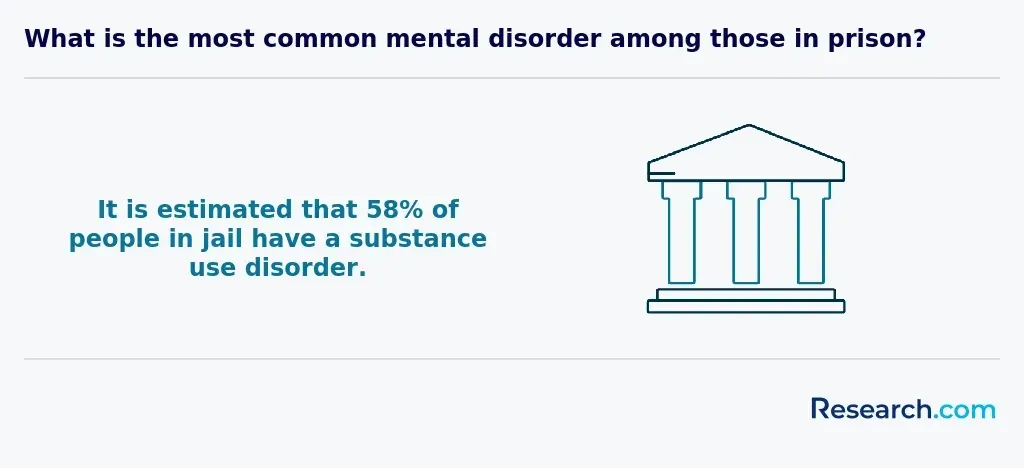
Substance use issues often intersect with criminal behavior, victimization, probation requirements, treatment compliance, risk assessment, and reentry planning. Criminal psychologists who understand substance abuse interventions can make more useful recommendations and collaborate more effectively with treatment teams.
This does not mean every criminal psychologist must become a substance abuse counselor. It does mean students should take coursework or training in addiction, co-occurring disorders, motivational interviewing, relapse prevention, trauma, and evidence-based treatment planning when possible. Those considering a related credential can explore what it takes to become a substance abuse counselor in Virginia.
How can research trends create career opportunities?
Research literacy is a career advantage in criminal psychology. Courts, hospitals, correctional systems, and agencies increasingly expect assessments and interventions to be grounded in evidence rather than personal opinion. Professionals who can interpret studies, evaluate risk tools, measure outcomes, and explain limitations clearly are better prepared for complex roles.
Students can build this strength by joining research labs, presenting at conferences, assisting with data collection, reading forensic psychology journals, and learning basic statistical interpretation. Virginia students comparing research opportunities can start with psychology colleges in Virginia and then examine faculty interests, labs, and graduate placement outcomes.
How can school and criminal psychologists work together?
Some forensic concerns begin long before adulthood. School psychologists and criminal psychologists may both encounter trauma exposure, aggression, learning challenges, family instability, behavioral risk, bullying, substance use, or juvenile justice involvement. Collaboration can support earlier identification and better referral pathways.
School psychologists typically focus on educational settings, assessments, interventions, and student support systems, while criminal psychologists may work in legal, correctional, clinical, or forensic contexts. Students who are drawn to youth-focused prevention should compare criminal psychology with how to become a school psychologist in Virginia.
What ethical and legal issues should students understand?
Forensic psychology creates ethical challenges that students must take seriously. The client, referral source, and legal decision-maker may not be the same person. Confidentiality may be limited. Reports can influence liberty, treatment, custody, sentencing, or public safety decisions. Poor documentation or unclear boundaries can harm both the client and the professional.
- Informed consent: Individuals should understand the purpose of an evaluation, who requested it, and how information may be used.
- Confidentiality limits: Forensic evaluations often have different confidentiality rules than therapy.
- Competence: Psychologists should not accept specialized forensic work without appropriate training and supervision.
- Objectivity: The psychologist’s role is to provide professional opinion, not to advocate for one legal side unless specifically working in a clearly defined consulting role.
- Documentation: Notes, test data, reports, and communications must be handled carefully because they may become part of legal proceedings.
Students comparing ethics across mental health fields can also review how to become a marriage and family therapist in Virginia, especially if they are deciding between forensic psychology and family-systems practice.
How is technology changing criminal psychology practice?
Technology is changing how psychologists gather information, conduct some services, manage records, analyze data, and collaborate with other professionals. Telepsychology, digital documentation systems, online training, structured assessment tools, and data analysis platforms can improve efficiency when used appropriately. At the same time, psychologists must remain careful about privacy, test security, informed consent, data quality, and the limits of technology-assisted conclusions.
Students interested in the evidence and investigation side of criminal cases may also explore forensic science degree in Virginia. Digital evidence, laboratory analysis, and forensic psychology are separate areas, but criminal psychologists benefit from understanding how modern investigations use technical evidence.
How can community-based work expand a psychologist’s impact?
Not all criminal psychology work happens in courts or correctional facilities. Community-based initiatives can reduce risk factors, support victims, improve reentry outcomes, and connect people with treatment before problems escalate. Psychologists may contribute to restorative justice programs, crisis response models, violence prevention, juvenile diversion, trauma-informed care, and reentry planning.
Community work is also useful for students who want helping roles but are not sure they want the full psychologist pathway. If you are comparing counseling and psychology routes, review the fastest way to become a counselor in Virginia and compare scope of practice, training length, licensure, and career settings.
How can continuing education and networking support advancement?
Criminal psychology is not a field where graduation ends the learning process. Laws change, assessment tools evolve, treatment models improve, and ethical standards require constant attention. Continuing education helps psychologists remain competent, while networking helps them find supervisors, referral sources, research partners, mentors, and career opportunities.
Professionals can strengthen their careers by attending state and national conferences, joining psychology associations, participating in forensic consultation groups, completing training in specialized assessment tools, and seeking mentorship from experienced forensic practitioners. Those who need doctoral-level preparation with flexible scheduling may compare online PsyD programs while carefully checking licensure alignment and supervised training options.
Common mistakes to avoid when planning this career
| Mistake | Why it creates problems | Better approach |
| Choosing a program because it sounds “forensic” | A title does not guarantee licensure preparation, supervised placements, or strong assessment training. | Compare curriculum, accreditation, faculty expertise, internship access, and licensure fit. |
| Ignoring Virginia licensure requirements until graduation | Missing coursework or supervised experience can delay or block the intended career path. | Review board requirements before applying and again before beginning internships. |
| Focusing only on tuition | Total cost includes fees, books, commuting, lost wages, relocation, and the length of training. | Estimate total cost of attendance and compare it with realistic salary and career goals. |
| Assuming online programs automatically qualify for licensure | Licensure rules depend on program structure, supervised training, and state requirements. | Ask the program directly how it supports Virginia licensure and verify with official sources. |
| Waiting too long to get field experience | Graduate programs and employers often value demonstrated commitment and practical exposure. | Seek research, volunteer, internship, crisis, advocacy, or justice-related experience early. |
| Underestimating writing demands | Forensic work often depends on reports that may be reviewed by attorneys, courts, supervisors, or agencies. | Take writing-intensive courses and seek feedback on clinical, research, and policy writing. |
Related Articles for Nearby States
- 2027 How to Become a Criminal Psychologist in West Virginia
- 2027 How to Become a Criminal Psychologist in Maryland
- 2027 How to Become a Criminal Psychologist in North Carolina
- 2027 How to Become a Criminal Psychologist in Tennessee
- 2027 How to Become a Criminal Psychologist in Kentucky
- 2027 How to Become a Criminal Psychologist in Pennsylvania
- 2027 How to Become a Criminal Psychologist in South Carolina
- 2027 How to Become a Criminal Psychologist in Ohio
- 2027 How to Become a Criminal Psychologist in Delaware
- 2027 How to Become a Criminal Psychologist in New Jersey
References:
- Bellamy, A. (2024, November 18). Virginia State Police making efforts to tackle staffing shortage, retain troopers. 8News. https://www.wric.com/news/virginia-news/vsp-staffing-shortage-vacancies
- Federal Bureau of Investigation. (2024, January 01). Crime Data Explorer. https://cde.ucr.cjis.gov/LATEST/webapp/#/pages/explorer/crime/crime-trend
- ForensicPsychologyEdu.org. (n.d.). How to Become a Forensic Psychologist in Virginia. https://www.forensicpsychologyedu.org/virginia
- ForensicPsychologyOnline.com. (n.d.). BECOME A FORENSIC PSYCHOLOGIST IN VIRGINIA. https://www.forensicpsychologyonline.com/states/become-a-forensic-psychologist-in-virginia
- George Mason University. (n.d.). Forensic Psychology. https://psychology.gmu.edu/undergraduate/application/forensic-psychology
- Glasmeier, A. K. & Massachusetts Institute of Technology. (2024). Living Wage Calculation for Virginia. https://livingwage.mit.edu/states/51
- PsychologySchoolGuide.net. (2024, December 11). Popular Accredited Forensic Psychology Programs and Schools in Virginia [2025]. https://www.psychologyschoolguide.net/forensic-psychology-programs-schools-in-virginia
- University of Virginia. (n.d.). Forensic Psychology. https://med.virginia.edu/psychiatry/residency/postdoctoral-fellowships-in-medical-psychology/forensic-psychology
- US Bureau of Labor Statistics. (2024, April 03). May 2023 State Occupational Employment and Wage Estimates: Virginia. Occupational Employment and Wage Statistics. https://www.bls.gov/oes/2023/may/oes_va.htm
- US Bureau of Labor Statistics. (2024, April 03). Occupational Employment and Wages, May 2023, 19-3033 Clinical and Counseling Psychologists. Occupational Employment and Wage Statistics. https://www.bls.gov/oes/2023/may/oes193033.htm
- US Bureau of Labor Statistics. (2024, August 29). Psychologists. Occupational Outlook Handbook. https://www.bls.gov/ooh/life-physical-and-social-science/psychologists.htm
- Virginia Legislative Information System. (n.d.). Administrative Code: 18VAC125-20-54. Education requirements for clinical psychologists. https://law.lis.virginia.gov/admincode/title18/agency125/chapter20/section54
Key Insights
- In Virginia, criminal psychology is usually a specialization within licensed psychology practice, not a standalone license.
- The strongest route is psychology-focused education with forensic coursework, supervised clinical experience, and careful alignment with Virginia Board of Psychology requirements.
- Psychology, criminal justice, and sociology can all be useful undergraduate majors, but students aiming for psychologist licensure should make sure they complete the prerequisites needed for graduate psychology programs.
- Internships and practicums are not optional extras. They help students build practical skills, confirm career fit, and compete for forensic or correctional roles.
- Salary potential depends on licensure, degree level, employer, specialization, experience, and location. The most relevant wage benchmark is clinical and counseling psychologist data, not a separate criminal psychologist category.
- Before enrolling in any program, verify accreditation, licensure alignment, supervised placement options, total cost, and graduate outcomes.
- The best-prepared criminal psychologists combine clinical skill, legal-system knowledge, research literacy, ethical judgment, strong writing, and the ability to collaborate across disciplines.
Other Things to Know About Being a Criminal Psychologist in Virginia
To become a criminal psychologist in Virginia by 2026, expect to spend approximately 8-12 years. This includes earning a bachelor's degree in psychology (4 years), a master's degree if required (2 years), and a doctoral degree (2-6 years), along with supervised professional experience.
To become a criminal psychologist in Virginia in 2027, you'll need to complete a doctoral degree in psychology, typically a Ph.D. or Psy.D. Then, obtain state licensure through supervised experience and passing the Examination for Professional Practice in Psychology (EPPP).
In Virginia, aspiring criminal psychologists typically need to earn a PhD or a PsyD in psychology to practice as a licensed forensic psychologist. The Virginia Board of Psychology mandates that candidates complete a doctoral program accredited by the American Psychological Association (APA) to ensure a comprehensive understanding of psychological principles and practices.
- A PhD focuses on research and academic training, while a PsyD emphasizes clinical practice.
Both degrees require extensive supervised experience, often including internships in forensic settings.
This rigorous educational pathway is essential, as it equips professionals with the necessary skills to assess and understand criminal behavior, contributing to effective interventions and legal processes in the state.