2027 Theology Affordability by State: Where Students Pay the Most and Least

Co-Founder and Chief Data Scientist
Choosing between theology programs can be financially daunting when tuition rates in one state exceed another’s by thousands of dollars annually. Because careers in ministry, religious education, and nonprofit work often yield modest starting salaries, this disparity forces students to carefully weigh upfront costs against the risk of long-term debt. A recent 2025 study found that theology students studying in high-cost states or paying out-of-state tuition borrow up to 45% more on average, a financial burden that can heavily restrict their postgraduate vocational choices. Beyond base tuition, fluctuating regional living expenses and the varying availability of state-level or denominational aid complicate the true cost of attendance. This article examines theology affordability by state to reveal where students face the highest and lowest financial barriers, guiding prospective students toward informed, sustainable enrollment decisions.
Key Things to Know About Theology Affordability by State
- States with lower in-state tuition often present higher living costs, increasing total Theology degree expenses; this tradeoff challenges budget planners to assess comprehensive affordability beyond sticker tuition rates.
- Employers in states with higher average tuition and cost of attendance tend to expect graduates with stronger practical ministry skills, prompting students to balance credential cost with workforce readiness.
- Limited in-state financial aid availability delays enrollment or increases borrowing for many, signaling that cheapest state options may restrict timely access and elevate debt burdens for Theology students.
- Which States Have the Most Affordable Theology Degree Programs? Most Affordable State Programs
- Which States Have the Highest Theology Degree Costs? Highest State Tuition Costs
- How Much Does a Theology Degree Cost by State? Degree Costs by State
- Why Does Theology Affordability Vary So Much Between States? State Affordability Variations
- How Do In-State and Out-of-State Tuition Rates Affect Theology Affordability? In-State vs. Out-of-State Rates
- How Does the Cost of Living Impact Overall Theology Affordability by State? Living Costs and Affordability
- Which States Offer the Best Value for a Theology Degree? Best Value State Degrees
- What Financial Aid and Scholarship Opportunities Can Reduce Theology Costs? What Financial Aid and Scholarship Opportunities Can Reduce Theology Costs?
- Are Online Theology Degree Programs More Affordable Than On-Campus Options? Are Online Theology Degree Programs More Affordable Than On-Campus Options?
- Is a Theology Degree Worth the Cost Based on Career Outcomes and ROI? Degree ROI and Outcomes
Which States Have the Most Affordable Theology Degree Programs?
States with consistently affordable theology degree programs typically reflect deliberate public investment in higher education, prioritizing access through lower in-state tuition and robust financial aid. These policies create a structural advantage for residents, making programs in Wyoming, Mississippi, and New Mexico notably less costly compared to national averages recorded by the National Center for Education Statistics and College Scorecard. For example, a student pursuing a theology degree in Mississippi might save thousands annually on tuition and fees due to aggressive state funding models and targeted scholarships, a tradeoff not easily replicated by out-of-state enrollees who face significantly higher costs. Such disparities in pricing and aid require prospective theology students to weigh not only sticker price but residency status and the availability of need-based support when making enrollment decisions.
The state-by-state comparison of affordable theology degrees reveals how regional cost of living and institutional pricing intertwine with residency policies to shape net affordability and long-term educational value. A working adult in New Mexico, for instance, may benefit not only from lower tuition but also from expanding accredited online options that reduce housing and commuting expenses, easing degree completion alongside job responsibilities.
Conversely, states relying heavily on tuition revenue often result in steeper costs that extend beyond tuition to living expenses, complicating budgeting and increasing reliance on loans. Those evaluating programs must consider that these state-level differences influence enrollment patterns, affect retention and completion timelines, and ultimately impact how employers perceive a theology graduate's preparedness and financial indebtedness over time, underscoring the need to integrate cost analysis with career and academic planning.
Budget-conscious students may also explore adjacent fields with accelerated pathways, such as accelerated certified medical assistant programs, which can offer quicker entry to workforce opportunities and provide a financial buffer while completing or supplementing theology studies. This strategic approach highlights the practical implications of choosing where and how to pursue a theology degree, reflecting the nuanced, context-dependent realities facing students who must reconcile affordability with educational and professional objectives across differing state landscapes.
Which States Have the Highest Theology Degree Costs?
Additionally, reduced state subsidies for public universities in these regions often lead to tuition increases, placing a significant financial burden on students. For example, a theology student attending a private seminary in New York may encounter sharply higher fees compared to a counterpart in a state with more extensive public funding and lower living costs, creating a critical tradeoff between institutional reputation and financial sustainability.
Residency status further complicates affordability, as out-of-state learners frequently face tuition surcharges that can double or triple program costs. This dynamic can influence decisions to pursue online programs or remain within state boundaries to minimize expenses. The concentration of private religious-affiliated colleges in these costly states also limits broader access to financial aid, reducing flexibility for financially constrained students. According to 2024 data from the National Center for Education Statistics, annual total costs including tuition, housing, and fees in these high-cost states can exceed $50,000, intensifying concerns about debt load and long-term return on investment for prospective theology students.
A recent graduate from a northeastern seminary recalled grappling with the financial implications of attending school out of state. Initially weighing options across several states, they were deterred by steep nonresident tuition and costly urban living expenses, which nearly led to deferring enrollment. After an extensive comparison of online versus local offerings and conversations with financial aid advisors, they chose an in-state public university with a smaller but well-regarded theology program. The student noted that balancing program quality against cost was a constant challenge and emphasized the often-overlooked importance of factoring in hidden expenses like transportation and housing fluctuations when estimating true affordability.
How Much Does a Theology Degree Cost by State?
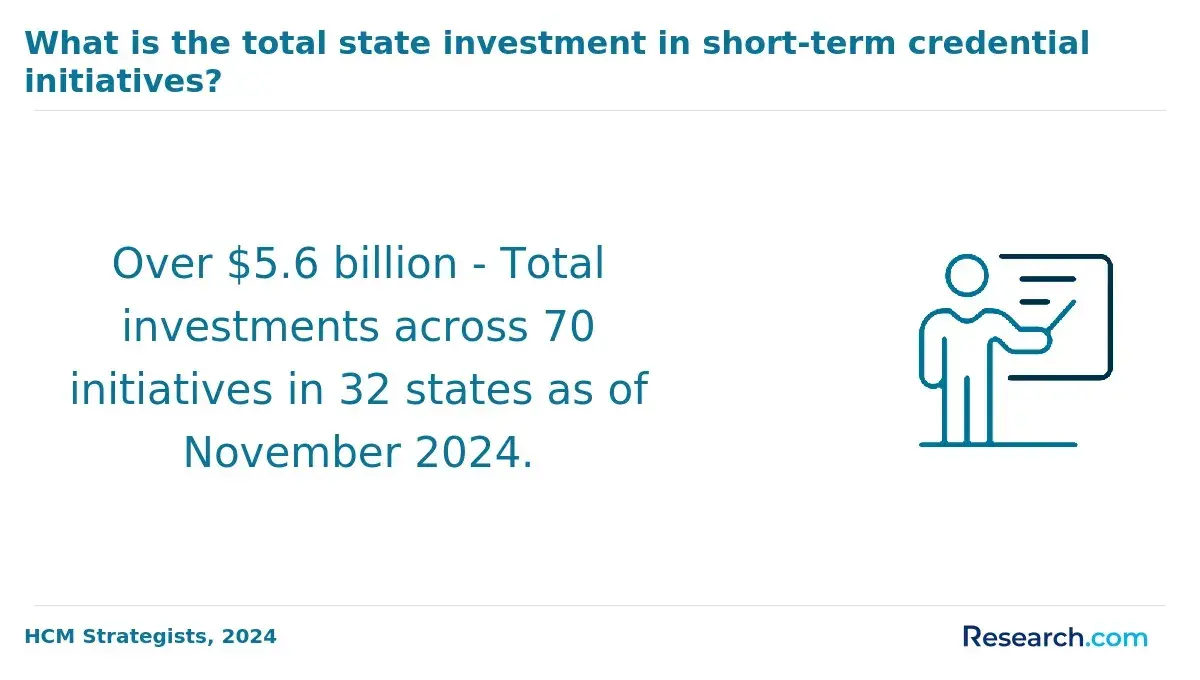
Costs for earning a Theology degree vary sharply by state, largely driven by differences in public versus private institution tuition and residency-based pricing policies. For example, public university tuition at four-year schools ranges from about $5,000 annually in states like Wyoming to over $15,000 in California, a disparity that can substantially impact out-of-state students who often pay double the in-state rates. This pricing structure influences whether students opt to relocate, choose online programs, or limit themselves to local institutions, as borrowing beyond affordable levels may lengthen repayment time and restrict post-graduate financial flexibility.
Living expenses further complicate regional cost comparisons; a degree pursued in high-cost states such as New York or California frequently pushes total annual outlays beyond $30,000, while states in the Midwest or South may keep combined tuition and living costs closer to $15,000-$20,000. This disparity means that even identical tuition figures can translate into very different financial commitments depending on local housing and transportation markets. Additionally, variations in state-funded financial aid and grant availability can mitigate sticker price differences but add complexity to budgeting, reinforcing the need for prospective students to assess full cost-of-attendance rather than tuition alone.
These factors shape enrollment trends and accessibility, as students weighing Theology programs must consider not only sticker price but also the long-term return relative to local job markets and wage outcomes. For instance, a student from Texas might find substantially lower costs attending an in-state public seminary versus a private institution in Massachusetts, balancing educational quality with practical debt limits. Ultimately, understanding the intersection of state policies, institutional types, and regional economic conditions is crucial for making informed decisions about financing theological education and managing career-related financial risks.
Why Does Theology Affordability Vary So Much Between States?
Affordability differences in theology degree programs across states largely hinge on how state governments prioritize public higher education funding. According to 2024 data from the National Center for Education Statistics, regions like the Midwest and Northeast tend to allocate more funding per student, lowering tuition costs at public institutions and increasing accessibility. In contrast, states with a higher concentration of private religious colleges-especially in the South and West-often exhibit elevated tuition due to less reliance on state subsidies and more dependence on tuition revenue. This disparity affects enrollment behaviors as budget-conscious students may seek in-state public options or consider transferring to states with stronger funding, though higher local living expenses in some states can offset those tuition savings.
How Do In-State and Out-of-State Tuition Rates Affect Theology Affordability?
Residency-based tuition differences sharply affect the true cost of pursuing a Theology degree, often dictating which programs are financially viable without incurring excessive debt. Public universities average about $10,600 annually for in-state students but charge around $27,000 for out-of-state attendees, according to 2024 NCES data-more than double the price. This gap compels many prospective Theology students to carefully weigh relocating to establish residency or to seek programs within regional reciprocity compacts that offer discounted out-of-state rates. Such decisions must factor in not only sticker price but also how state funding formulas and financial aid availability align with a student's long-term educational and vocational goals.
Private Theology institutions, while typically uniform in tuition regardless of residency, often present higher overall costs, usually surpassing $35,000 annually, which can constrain budget-conscious students. Meanwhile, online Theology degrees frequently remove residency cost disparities altogether, providing a consistent pricing model that appeals to non-traditional students balancing work and family commitments. However, reliance on online options also entails tradeoffs in networking and institutional reputation that may influence employability and ministry placement over time. Ultimately, cost considerations entwine with enrollment strategies, such as pursuing in-state status or leveraging reciprocity programs, to shape a student's pathway to affordable, outcome-driven Theology education.
One graduate recalls initially registering as an out-of-state student, unaware that a potential residency reclassification could substantially reduce tuition after their first year. The surprise of the higher costs caused hesitation about continuing at their chosen university, leading them to consult financial aid advisors and eventually coordinate their living situation to meet residency requirements. This strategic adjustment helped lower debt and allowed a more focused commitment to their studies, underlining how residency status can unexpectedly alter educational affordability and influence practical enrollment decisions in Theology programs.
How Does the Cost of Living Impact Overall Theology Affordability by State?
Tuition figures alone do not capture the full financial commitment required to complete a theology degree due to significant variations in state-level living expenses. For example, a student enrolling in a program in California or New York faces housing costs nearly double the national average, which can eclipse any tuition savings found in less expensive states. These elevated rent prices, combined with higher food and healthcare costs typical of those regions, force students to reconsider enrollment decisions, financial aid dependency, and potential debt burdens. This geographic disparity highlights how cost-of-living variations across states and their effect on theology degree affordability extend beyond tuition to shape broader educational planning.
Hence, a nuanced understanding of regional living expenses and theology education costs comparison by state is essential for making informed decisions. Low tuition alone does not guarantee affordability when housing, transportation, and healthcare expenses can dramatically increase the total cost. Prospective theology students must weigh these factors carefully to align educational goals with realistic budget constraints and long-term employability prospects within their chosen state's economic context.
Which States Offer the Best Value for a Theology Degree?
States differ significantly in how tuition policies and living costs impact the true affordability of a Theology degree, making simple sticker price comparisons insufficient for budgeting or enrollment decisions. For example, Texas balances relatively low in-state tuition near $10,000 annually with graduation rates above 50%, which together indicate students are more likely to complete their degree without excessive debt. Conversely, North Carolina combines moderate public funding and a network of private religious institutions that often provide meaningful financial aid, improving net costs and supporting timely degree completion linked to regional workforce demand in ministry and counseling roles.
Ohio similarly presents a viable option for theology students, with public and private offerings that maintain reasonable tuition levels while sustaining completion rates around 55%, contributing to a favorable return on investment when considering post-graduation earnings aligned with local job markets. However, the lowest-cost states may omit factors like program breadth or direct denominational pathways, underscoring that choosing the cheapest option alone can limit career outcomes. Prospective students must also weigh residency qualifications for in-state tuition or the feasibility of relocating to leverage those benefits, as well as the potential impact of living expenses on the total cost of attendance.
In practice, students pursuing a Theology degree should prioritize a composite view of tuition, degree completion likelihood, financial aid accessibility, and local economic conditions rather than headline price tags. While states with prestigious programs like California or New York may carry heavier debt with uncertain employment returns, those balancing affordability with reasonable educational outcomes-such as Texas, North Carolina, and Ohio-offer more grounded financial pathways that better align with workforce realities for theology graduates.
What Financial Aid and Scholarship Opportunities Can Reduce Theology Costs?
Federal and state financial aid programs critically shape the net cost of a theology degree, but their effectiveness hinges on complex eligibility rules and location-specific policies. For example, Pell Grants offer need-based, non-repayable support up to $7,395 annually, providing a baseline for many students, yet state grants-averaging $3,500-can vary widely, often reflecting a state's budget priorities and higher education system. A student living in a state with tuition reciprocity agreements can reduce out-of-state expenses by as much as 50%, but this benefit requires careful timing and proof of residency, which may exclude part-time enrollees or those with interrupted schooling.
Institutional scholarships and merit awards create additional layers, though their availability and renewability often depend on the institution's endowment and academic performance standards, posing a tradeoff between access and sustained support. Employer-sponsored tuition benefits represent an increasingly relevant funding source for ministry professionals, but policies differ drastically by employer, and some restrict coverage to certain religious vocations or require ongoing employment commitments. Importantly, about 85% of undergraduate theology students access financial aid of some kind, yet how these packages stack-balancing need-based aid, merit scholarships, and state funding-demands upfront planning to prevent gaps that can prolong time to degree or increase loan reliance.
For budget-conscious students comparing colleges across states, understanding these nuances is essential: aid renewal conditions, residency criteria, and enrollment status rules substantially impact total affordability. Decisions to enroll full-time versus part-time or to select institutions with stronger funding infrastructures can influence both immediate costs and long-term employability prospects by affecting access to internships, mentorship, and networking integral to ministry careers.
Are Online Theology Degree Programs More Affordable Than On-Campus Options?
Cost differences between online and on-campus theology degree programs are nuanced and depend heavily on factors like residency status, institutional pricing, and ancillary expenses. While tuition for online theology degrees is often 15-25% lower due to savings on facilities and administrative overhead, students must weigh these savings against potential technology fees and the need for reliable hardware and internet access. For budget-conscious learners, particularly those comparing theology degree program cost comparison data across states, housing and transportation costs for on-campus students can add $8,000 to $12,000 annually, making online options more financially practical in high-cost regions.
Affordability also hinges on financial aid policies, which vary between online and traditional programs. Some online students face limitations in accessing federal or institutional scholarships, complicating direct cost comparisons and influencing decisions depending on eligibility. Additionally, the flexible scheduling of many online theology programs plays a critical role for working adults balancing employment with education, reducing opportunity costs. However, those who qualify for substantive campus-based scholarships or live near low-cost institutions might find on-campus education competitively priced in certain cases. Prospective students should factor in how these dynamics interact with their personal circumstances when considering affordable online theology degrees in the United States.
Practical decision-making involves assessing these tradeoffs alongside long-term career goals and the specific delivery model of the program. For those seeking accelerated study, for instance, comparing programs with others like the accelerated nurse practitioner program offerings in healthcare fields highlights the importance of flexible formats and financial planning. Ultimately, the best choice balances tuition affordability, work-study logistics, and aid access within the realities of theology degree program cost comparison frameworks.
Is a Theology Degree Worth the Cost Based on Career Outcomes and ROI?
Tuition disparities across states significantly shape the practical value of a theology degree, with higher costs often translating into greater debt burdens that can outweigh moderate starting salaries typically ranging from $35,000 to $45,000 within five years of graduation. Comparing career outcomes and earnings for theology graduates by state reveals that students in lower-cost regions face fewer financial barriers and may achieve a better return on investment, especially if their programs offer higher graduation rates and align with local demand in religious or nonprofit sectors. Prospective students must weigh these affordability differences against opportunity costs, including delayed workforce entry and geographic mobility, to fully assess the financial viability of their degree choices.
Theology degree return on investment in the United States also depends heavily on non-tuition factors such as program quality, accreditation, and paths to advanced degrees, which can increase income potential and broaden career options beyond clergy roles. Since about 62% of theology graduates secure employment within five years, understanding employer expectations in your region is vital; some may prioritize graduates with counseling or educational skills linked to theology studies. Budget-conscious learners might also explore alternatives in related fields offering clearer salary trajectories and may benefit from data resources like the online speech pathology school cost analyses for comparative insights.
References:
- Costs & Financial Aid https://ctschicago.edu/costs-financial-aid/
- Find Theology Degrees by State - TheologyDegree.org https://www.theologydegree.org/states/
- Talbot School of Theology Loans & Scholarships - Biola University https://www.biola.edu/financial-aid/scholarships-and-aid/grad/talbot
- The State of Theology https://thestateoftheology.com/
- Lowering the Cost of Living for American Families - Center for American Progress https://www.americanprogress.org/article/lowering-the-cost-of-living-for-american-families/
- Tuition & Fees https://breyerstate.com/tuition-fees/
- Your Affordable Online Seminary — TheosSeminary https://www.theosseminary.com/blog/affordable-online-seminary
- Average Cost of College by State [2025]: Tuition + Fees https://educationdata.org/average-cost-of-college-by-state
- Is College Worth It? A Comprehensive Return on Investment Analysis - FREOPP https://freopp.org/whitepapers/is-college-worth-it-a-comprehensive-return-on-investment-analysis/
- God And Mammon: An Exploration Between Income And Religion https://religionunplugged.com/news/2023/11/2/god-and-mammon-an-exploration-of-income-and-religion-in-the-united-states
Other Things You Should Know About Theology
State tuition rates often reflect local funding priorities and institutional size, but lower cost does not always translate to better career outcomes in theology. In states with higher tuition, programs may be more established and better connected to local religious organizations or denominational bodies, which can significantly enhance internship and employment prospects. Students prioritizing hands-on ministry experience or denominational alignment might choose a costlier state if those connections improve their long-term vocational viability.
More affordable theology programs, especially those in less populous states, sometimes offer fewer course options or less faculty specialization, which can increase students' workload by limiting elective choices or requiring heavier reading loads. Conversely, costlier programs might provide more structured curricula and faculty support, reducing stress but increasing financial strain. Learners should factor whether a cheaper program's potential for increased self-directed study aligns with their capacity and learning style, as this influences both academic success and timely graduation.
Employers within religious institutions or faith-based nonprofits often value denominational affiliation and program reputation over cost, but extremes of affordability sometimes signal smaller or newer programs lacking broad recognition. A highly affordable degree might be academically sound but less recognized beyond the issuing state or denomination, potentially limiting mobility. Students targeting national or interdenominational careers should weigh whether savings on tuition justify the possibility of added barriers in employer recognition across regions.
Prioritizing affordability without regard for program specialization can lead to lower satisfaction or missed career alignment. Some states with higher tuition offer unique theology concentrations-such as social justice ministry or intercultural theology-that better match evolving ministry contexts but come with price premiums. Budget-conscious students should first identify essential theological emphases for their career goals and then determine whether paying more in a particular state produces a better long-term return through tailored training and ministry engagement.