
2027 Iowa Psychology Licensure Requirements – How to Become a Psychologist in Iowa

Co-Founder and Chief Data Scientist
Becoming a licensed psychologist in Iowa is a long but clearly defined process: you need the right doctoral education, supervised clinical experience, a passing score on the Examination for Professional Practice in Psychology (EPPP), and approval from the Iowa Board of Psychology. This guide is for students, career changers, master’s-level mental health professionals, and doctoral candidates who want to understand what the Iowa psychology licensure path actually requires before investing years of study and training.
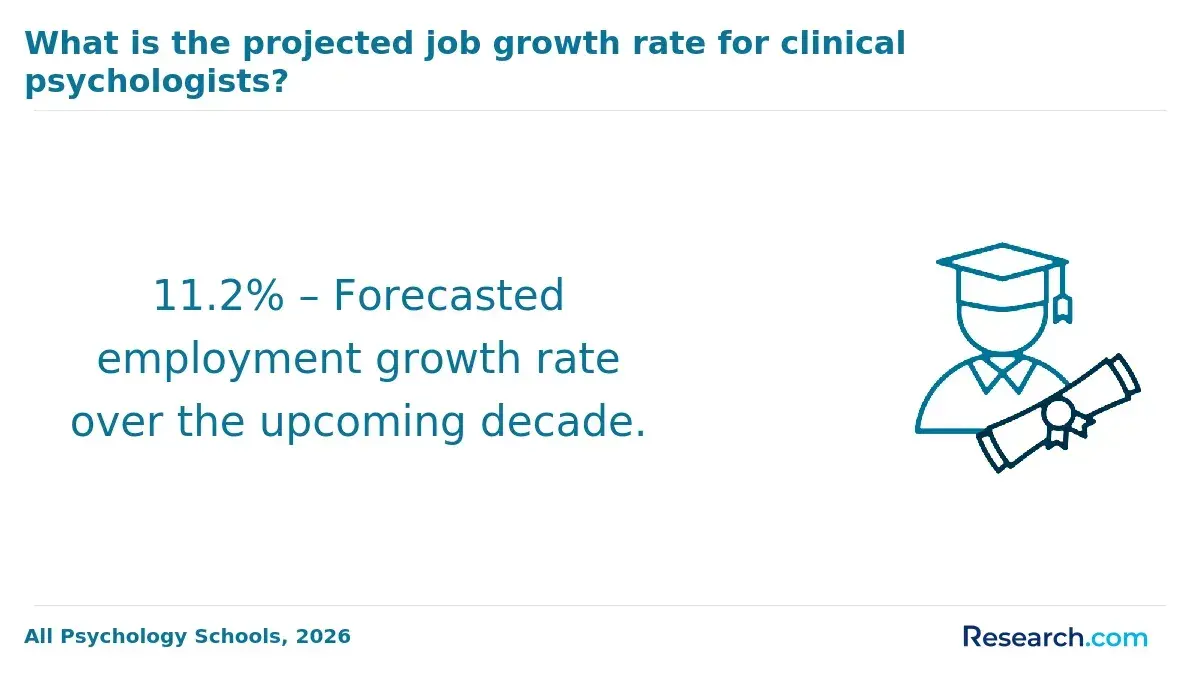
Iowa’s mental health workforce needs make this decision especially important. According to the latest data provided, Iowa anticipates an 11.2% job growth for clinical, counseling, and school psychologists from 2024 to 2034, with approximately 90 job openings each year. This article explains the licensure steps, education requirements, career settings, salary expectations, specialization options, internship strategies, and common mistakes to avoid so you can make a more informed plan.
Quick Answer: How do you become a psychologist in Iowa?
To become a licensed psychologist in Iowa, you generally need to earn a doctoral degree in psychology, complete supervised professional experience, pass the EPPP, submit an application to the Iowa Board of Psychology, and meet continuing education requirements after licensure. Most clinical, counseling, and school psychologist roles require a PhD, PsyD, or qualifying doctoral degree, not only a bachelor’s or master’s degree.
| Requirement | What it means for Iowa applicants | Why it matters |
| Doctoral education | Earn a PhD, PsyD, or closely related doctoral degree that meets Iowa licensing standards. | This is the core academic requirement for psychologist licensure. |
| Supervised experience | Complete 1,500 hours during doctoral training and an additional 1,500 post-doctoral hours. | Supervision shows that you can apply psychological knowledge safely in practice. |
| EPPP exam | Pass the Examination for Professional Practice in Psychology. | The exam measures readiness across major psychology knowledge areas. |
| State application | Apply through the Iowa Board of Psychology with required records and fees. | The board determines whether your education, experience, and exam results meet state requirements. |
| License renewal | Complete ongoing continuing education after becoming licensed. | Renewal requirements help psychologists stay current with legal, ethical, and clinical standards. |
Key benefits of becoming a psychologist in Iowa
- Iowa’s path to psychologist licensure is structured around doctoral study, supervised practice, examination, and continuing education.
- The state reports positive employment indicators for clinical, counseling, and school psychologists, including a projected annual job growth rate of 1.2% through 2030 and about 90 job openings each year.
- In 2024, clinical and counseling psychologists in Iowa earned an average annual salary of $87,360, school psychologists earned an average of $68,250, and postsecondary psychology teachers earned approximately $89,870.
- Iowa employment figures include about 540 clinical and counseling psychologists, 440 school psychologists, and 310 postsecondary psychology teachers.
- The field can be worth pursuing for people prepared for doctoral-level training, supervised practice, ethical responsibility, and emotionally demanding work.
- Postsecondary psychology teaching also shows favorable demand, especially for professionals interested in research, instruction, and academic career paths.
- Steps to become a psychologist in Iowa
- Education requirements for Iowa psychologist licensure
- Mental health industry outlook in Iowa
- Psychologist job outlook in Iowa
- Psychologist salaries in Iowa
- Where psychologists work in Iowa
- What psychologists do
- Top Psychology Programs in Iowa for 2027
- Is becoming a psychologist in Iowa worth it?
- Networking opportunities for aspiring Iowa psychologists
- Additional certifications that can broaden psychology practice in Iowa
- How Iowa psychology students can secure stronger internships
- Accredited online PsyD programs and Iowa licensure planning
- Sports psychology specialization in Iowa
- Common challenges psychologists face in Iowa
- Social work qualifications and Iowa mental health careers
- Preparing for Iowa licensure examinations
- Specializing in criminal psychology in Iowa
- Accelerated mental health training options in Iowa
- How an Iowa LPC license can affect a counseling career
- Other Iowa licensure options for mental health professionals
- Using BCBA certification to expand practice in Iowa
- How a master’s in applied behavior analysis can support career growth
- Continuing education and renewal requirements for Iowa psychologists
- Best educational pathways for future Iowa psychologists
What are the steps to become a psychologist in Iowa?
The Iowa psychologist licensure process is best viewed as a sequence. Each step builds on the previous one, and skipping accreditation, supervised hour rules, or documentation can delay licensure.
- Complete undergraduate preparation. Start with a bachelor’s degree that gives you a foundation in psychology, statistics, research methods, human development, and behavioral science.
- Choose whether a master’s degree fits your plan. A master’s degree is not always a separate requirement because some doctoral programs admit students after the bachelor’s degree or include master’s-level work within the doctorate.
- Earn a qualifying doctoral degree. Iowa psychologist licensure generally requires a PhD, PsyD, or approved doctoral-level psychology education.
- Complete supervised professional experience. Iowa requires 1,500 hours of supervised professional experience during doctoral training and another 1,500 post-doctoral hours.
- Pass the EPPP. The Examination for Professional Practice in Psychology is the national licensing exam used to assess core professional knowledge.
- Submit your state application. Apply to the Iowa Board of Psychology with education records, supervised experience documentation, exam results, and required fees.
- Maintain the license. After approval, psychologists must keep up with continuing education and renewal rules.
Licensure planning checklist
| Before you apply | Question to ask | Risk if you skip it |
| Program accreditation | Does the doctoral program meet Iowa licensing expectations? | You may complete a degree that does not support licensure as expected. |
| Supervised hours | Who verifies the 1,500 doctoral and 1,500 post-doctoral hours? | Incomplete or poorly documented hours can delay approval. |
| Internship placement | Does the program help students secure appropriate clinical training sites? | You may struggle to find supervised experience on schedule. |
| Exam preparation | When should you begin preparing for the EPPP? | Waiting too long can slow the transition from training to licensure. |
| Career fit | Do you want clinical practice, school services, research, teaching, or consulting? | You may choose the wrong degree type or specialization. |
What Iowa psychology graduates say about their degrees
-
: "
Online psychology study made it possible for me to keep working full time while moving deeper into the field. Being able to use course materials from wherever I was helped me stay consistent, and the degree has moved me closer to my goal of becoming licensed. — Rod
"
-
: "
Managing health issues while studying was difficult, but the online format gave me the flexibility I needed. Faculty support and accessible learning tools helped me continue, and I now feel better prepared to contribute to mental health advocacy. — Kirk
"
-
: "
Studying psychology online changed how I approached my education. The individual support and interactive coursework made the program feel practical, and I left with stronger skills for the psychology path I want to pursue. — Sophia
"
What are the educational requirements for Iowa psychologist licensure?
Iowa psychologist licensure requires advanced education, but students do not all reach that point through the same route. The right path depends on your current education level, whether you want clinical authority as a psychologist, and whether you are open to related mental health credentials such as counseling, social work, marriage and family therapy, or behavior analysis.
1. Bachelor’s degree
A bachelor’s degree is usually the first academic step. It does not always have to be in psychology, but students from other majors may need prerequisite courses before entering graduate study. A typical bachelor’s degree takes four years and includes 120 course credits. Strong preparation usually includes abnormal psychology, developmental psychology, research design, statistics, biological bases of behavior, social psychology, and writing-intensive coursework.
This stage is also where many students begin narrowing their interests. Someone comparing routes to therapy careers or searching for child psychology degree options should use the undergraduate years to gain volunteer experience, research exposure, and a realistic understanding of graduate school expectations.
2. Master’s degree
A master’s degree can strengthen your preparation, but it is not always a standalone requirement for psychologist licensure. Some doctoral programs accept students after the bachelor’s degree, while others prefer or require graduate-level preparation. A master’s program may be useful if you want to improve your doctoral application, explore a specialty, or qualify for non-psychologist mental health roles.
Working adults may compare campus-based study with online master’s programs in psychology, especially if they need schedule flexibility. Before enrolling, confirm whether the program is intended for doctoral preparation, counseling licensure, research, applied behavior analysis, or another outcome.
3. Doctoral degree
The doctoral degree is the major academic requirement for becoming a licensed psychologist in Iowa. Common options include a Doctor of Psychology (PsyD), a Doctor of Philosophy (PhD) in psychology, or a closely related doctoral field such as educational psychology when it satisfies state requirements. A PhD often emphasizes research and academic training, while a PsyD commonly emphasizes clinical practice, although both may include assessment, intervention, ethics, research, and supervised applied training.
4. Supervised professional experience
After and during doctoral training, candidates must complete supervised experience that connects classroom knowledge to real clients, cases, and professional responsibilities. Iowa documentation referenced in the original source identifies 1,500 hours of supervised practice, including at least 1,000 hours involving direct client contact. Applicants should confirm current requirements with the Iowa Board of Psychology before relying on any single program description.
| Education level | Typical role in the pathway | Best fit | Important caution |
| Bachelor’s degree | Builds academic foundation for graduate study. | Students starting psychology, human services, research, or pre-clinical preparation. | A bachelor’s degree alone does not qualify someone to practice as a licensed psychologist. |
| Master’s degree | May improve readiness for doctoral study or support related mental health careers. | Students who want specialization, stronger applications, or alternate licensure options. | Not every psychology master’s degree leads to clinical licensure. |
| PhD | Provides doctoral-level psychology training, often with strong research emphasis. | Students interested in research, academia, clinical science, or advanced practice. | Program focus, accreditation, and internship access matter more than the degree name alone. |
| PsyD | Provides doctoral-level training often centered on professional practice. | Students primarily interested in assessment, therapy, and applied clinical work. | Online or hybrid formats still need appropriate supervised clinical components. |
Passing the EPPP
The Examination for Professional Practice in Psychology, commonly called the EPPP, is a required licensing exam for Iowa psychologist applicants. It is administered by the Association of State and Provincial Psychology Boards and evaluates whether candidates understand the professional knowledge expected of psychologists.
Exam content spans major areas of psychology, including biological bases of behavior, cognitive-affective bases of behavior, social and cultural bases of behavior, assessment, diagnosis, intervention, ethics, and professional practice. Passing the EPPP does not replace Iowa’s education or supervision requirements, but it is a key milestone before independent practice.
How to prepare for the EPPP without wasting time
- Start with the exam blueprint. Use the official content areas to organize your study plan instead of reading randomly.
- Schedule consistent review blocks. Short, repeated study sessions usually work better than last-minute cramming.
- Use practice questions carefully. Review why each answer is right or wrong rather than memorizing question wording.
- Connect exam topics to supervised experience. Clinical examples can make assessment, ethics, and intervention concepts easier to retain.
- Ask recent candidates what helped. Mentors and peers can identify study resources that match your learning style.
What is the state of the mental health industry in Iowa?
Iowa’s mental health field includes private practices, schools, hospitals, community mental health centers, universities, correctional settings, and public programs. The state’s need for mental health professionals is shaped by access issues, rural service gaps, demand for counseling and assessment, and the continued integration of behavioral health into broader healthcare systems.
The original data reports an average annual salary for a psychologist in Iowa of $107,910 and notes that 26% of Iowa adults with symptoms of anxiety and/or depressive disorder did not receive the counseling or therapy they needed. Those figures point to two realities at once: psychology can offer meaningful professional opportunities, but access to care remains uneven.
In 2024, Iowa had 980 professionals employed as clinical, counseling, and school psychologists, and projections for 2030 indicate an employment figure of 1,210. This supports a favorable long-term picture for trained psychology professionals, although actual hiring can vary by region, employer, funding, and specialization.
Iowa has also received $550,000 in funding from the Justice and Mental Health Collaboration Program to strengthen local and state responses for individuals with mental health disorders and co-occurring mental health substance use disorders. For psychologists interested in forensic, community, crisis, or public-sector work, these kinds of initiatives are worth monitoring.
Students comparing psychology specialties should also understand earning differences across roles. Research.com’s guide to higher-paying psychology careers can help you compare clinical, organizational, academic, and specialized psychology paths before committing to a graduate program.
Current trends affecting Iowa psychologists
- Telehealth is now part of normal service delivery. Psychologists increasingly need to understand remote assessment limits, privacy rules, documentation standards, and when in-person care is more appropriate.
- Rural access remains a major workforce issue. Psychologists who can serve smaller communities may find meaningful opportunities, but they should prepare for broader caseloads and referral challenges.
- Employers expect stronger interdisciplinary collaboration. Psychologists often work with physicians, school teams, social workers, counselors, behavior analysts, and public agencies.
- AI tools are changing administrative workflows. AI may assist with scheduling, documentation support, literature review, or measurement-based care, but psychologists remain responsible for clinical judgment, confidentiality, and ethical decision-making.
- Credential planning matters more than ever. Students should avoid assuming that any psychology degree automatically leads to licensure, reimbursement eligibility, or independent practice.
What is the job outlook for psychologists in Iowa?
The job outlook for psychologists in Iowa is favorable based on the data provided, but the strongest opportunities depend on specialization, licensure status, location, and willingness to work in high-need settings. Postsecondary psychology teachers have 52 projected annual job openings and a job growth rate of 4.8% through 2032. Clinical, counseling, and school psychologists have approximately 40 job openings annually, with a projected annual job growth rate of 10.4% through 2032.
These figures suggest steady demand, but they should not be read as a guarantee of employment for every graduate. Doctoral program reputation, internship quality, supervised experience, licensure timing, assessment skills, and professional network can all affect hiring outcomes.
How much do psychologist in Iowa make?
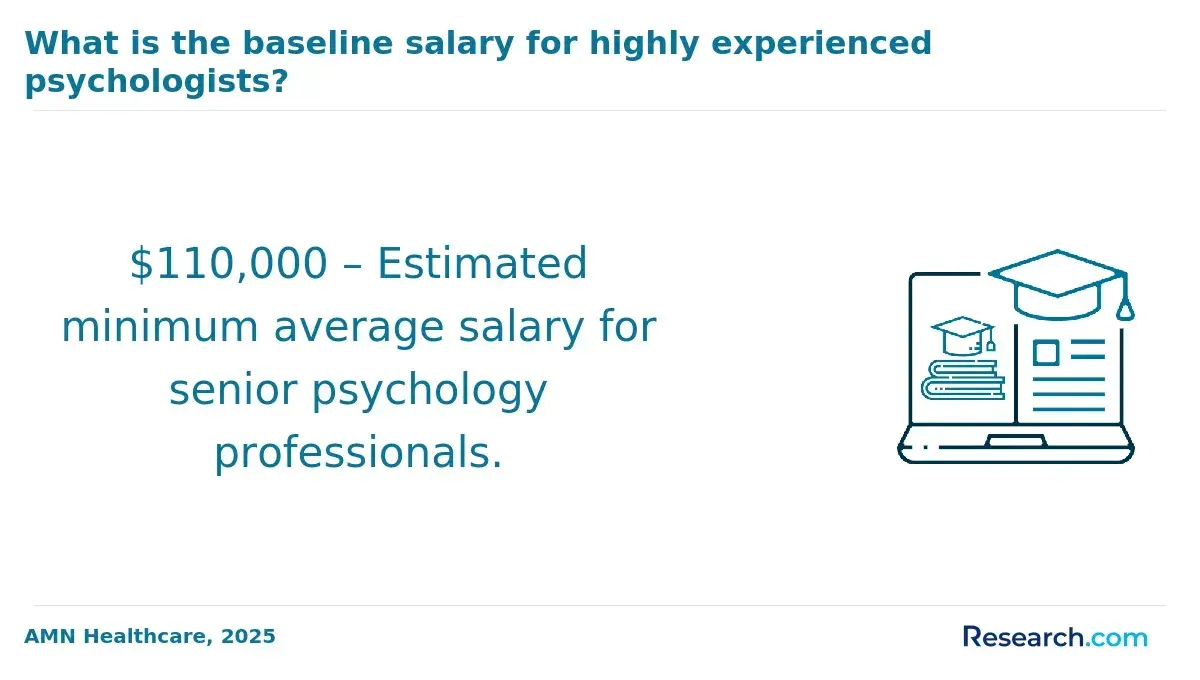
Psychologist pay in Iowa varies by role, employer, location, years of experience, specialization, and whether the psychologist works in private practice, education, healthcare, government, or academia. The salary figures provided in the source differ by occupational category and data source, so applicants should use them as planning benchmarks rather than guaranteed earnings.
| Role or category | Reported Iowa salary figure | What to consider |
| Clinical and counseling psychologists | Average annual salary of $87,360 in 2024 | Income may vary by caseload, setting, insurance participation, specialization, and experience. |
| School psychologists | Average annual salary of $68,250 in 2024 | School calendars, district budgets, and certification rules can affect total compensation. |
| Postsecondary psychology teachers | Approximately $89,870 in 2024 | Academic salaries often depend on rank, institution type, research expectations, and contract length. |
| Psychologists across all specializations | Average annual salary of $101,830 in 2026 | This broader figure may combine different psychology roles and should be compared carefully. |
| Psychologist average noted elsewhere in the source | $107,910 on average | Check the occupational definition and source methodology before using this number for ROI planning. |
Because doctoral training can take years and may require substantial tuition, opportunity cost, and supervised work, salary should be compared against total program cost, debt, licensure timeline, and expected employment setting. Students evaluating return on investment can review Research.com’s discussion of whether a psychology degree is worth it.
Where can I work as a psychologist in Iowa?
Licensed psychologists in Iowa work across healthcare, education, community, government, research, and private-sector settings. The best work environment depends on whether you prefer therapy, assessment, crisis services, teaching, research, consulting, or program development.
| Work setting | Common responsibilities | Best fit for |
| Hospitals and clinics | Assessment, diagnosis, therapy, consultation with medical teams, behavioral health integration. | Psychologists who want interdisciplinary clinical work. |
| Schools and universities | Student evaluation, intervention planning, teaching, research, supervision, student support. | Professionals interested in youth, education, learning, or academic careers. |
| Private practice | Individual therapy, couples or family services, psychological testing, practice management. | Clinicians who want autonomy and are prepared for business responsibilities. |
| Community mental health centers | Therapy, crisis support, group services, care coordination, work with underserved populations. | Psychologists committed to access, public service, and broad clinical work. |
| Research institutions | Study design, data analysis, publication, grant activity, intervention research. | Psychologists drawn to science, evaluation, and academic contribution. |
| Corporate and organizational settings | Employee wellness, workplace assessment, organizational consulting, training, selection support. | Professionals interested in workplace behavior and applied psychology. |
If you are asking, what can you do with a master’s degree in psychology, the answer may include research assistant, behavioral specialist, human services, case management, program coordination, or preparation for doctoral study. However, master’s-level psychology roles do not usually carry the same independent practice authority as licensed psychologist roles.
The source also reports that psychologists in Iowa can expect around $74,763 for entry-level positions in these organizations, while professionals with more than 10 years of experience can expect salaries up to $159,567. These figures should be checked against current employer postings and role definitions before making financial plans.
What do psychologist do?
Psychologists study behavior, emotion, cognition, development, relationships, and mental health. In practice, they may evaluate clients, diagnose psychological conditions, provide therapy, administer assessments, design interventions, conduct research, teach students, consult with organizations, or support public mental health programs.
The day-to-day work varies by specialty. A clinical psychologist may spend much of the week conducting therapy and assessment. A school psychologist may evaluate learning and behavioral needs, collaborate with teachers, and support intervention plans. A postsecondary psychology teacher may teach courses, advise students, publish research, and supervise graduate trainees.
- Assessment: Using interviews, tests, observations, and records to understand a client’s functioning.
- Diagnosis: Identifying mental health, developmental, cognitive, or behavioral conditions when appropriate.
- Intervention: Providing therapy, behavior plans, consultation, or psychoeducation.
- Research: Studying human behavior and evaluating what works in treatment, education, or organizations.
- Collaboration: Working with families, physicians, educators, attorneys, social workers, counselors, or agencies.
- Advocacy: Supporting policies and programs that improve mental health access and outcomes.
For this work, the source reports that psychologists in Iowa make $107,910 on average.
Top Psychology Programs in Iowa for 2027
Psychology program rankings should be used as a starting point, not as the only reason to enroll. The best program for you depends on your career goal, degree level, accreditation, supervised training access, cost, faculty expertise, research opportunities, online flexibility, and whether the curriculum supports licensure or certification requirements.
How Research.com evaluates schools
Research.com’s rankings are based on a structured review process using our ranking methodology. Program and institutional information is evaluated with data sources such as the IPEDS database from the National Center for Education Statistics, Peterson’s database and Distance Learning Licensed Data Set, and the College Scorecard. These sources help assess program availability, institutional characteristics, cost, and student outcome information.
Program snapshot
| Program | Degree level | Program length | Cost | Credits | Accreditation listed |
| Upper Iowa University Associate of Arts in Psychology | Associate of Arts | 4 years | $10,497 annually (resident); $27,683 (non-resident) | 120 | Higher Learning Commission (HLC) |
| Grinnell College Psychology Major | Psychology major | 4 years | $64,342 annually | 32 | Higher Learning Commission (HLC) |
| Drake University MS in Applied Behavior Analysis | Master of Science | 5 semesters | $11,932 annually | 45 | Behavior Analyst Certification Board (BACB) |
| University of Iowa Ph.D. in Psychology | Doctoral degree | 5 years | $10,964 annually (residents); $32,927 annually (non-residents) | 72 | Psychological Clinical Science Accreditation System (PCSAS) |
Upper Iowa University Associate of Arts in Psychology
The Associate of Arts in Psychology at Upper Iowa University introduces students to core ideas in human behavior, cognition, and psychological theory. It can suit students who want a lower-division entry point before continuing into a bachelor’s program or a related helping profession. Because the listed program details include a 4-year length and 120 credits, students should verify the current catalog requirements directly with the university before applying.
- Program Length: 4 years
- Cost: $10,497 annually (resident); $27,683 (non-resident)
- Required Credits to Graduate: 120
- Accreditation: Higher Learning Commission (HLC)
Grinnell College Psychology Major
Grinnell College’s psychology major uses a liberal arts framework and emphasizes research, evidence, and close faculty-student learning. Students interested in graduate study may benefit from small classes, research participation, and a curriculum that develops analytical and scientific reasoning. This option is especially relevant for students considering doctoral study, research careers, or interdisciplinary applications of psychology.
- Program Length: 4 years
- Cost: $64,342 annually
- Required Credits to Graduate: 32
- Accreditation: Higher Learning Commission (HLC)
Drake University MS in Applied Behavior Analysis
Drake University’s Master of Science in Applied Behavior Analysis focuses on behavior-analytic principles and intervention strategies. The program is relevant for students who want to work with individuals with behavioral needs, including people with autism spectrum disorder. Coursework and supervised practical experience are designed to prepare graduates for behavior analysis roles and Board Certified Behavior Analyst preparation.
- Program Length: 5 semesters
- Cost: $11,932 annually
- Required Credits to Graduate: 45
- Accreditation: Behavior Analyst Certification Board (BACB)
University of Iowa Ph.D. in Psychology
The University of Iowa’s Ph.D. in Psychology is a research-intensive doctoral pathway with advanced coursework, faculty mentorship, and specialization opportunities. It can be a strong fit for students seeking doctoral-level scholarship, academic careers, or advanced psychological research training. Applicants should compare faculty research areas, funding, clinical or applied training opportunities, and licensure relevance before applying.
- Program Length: 5 years
- Cost: $10,964 annually (residents); $32,927 annually (non-residents)
- Required Credits to Graduate: 72
- Accreditation: Psychological Clinical Science Accreditation System (PCSAS)
Is being a psychologist worth pursuing in Iowa?
Becoming a psychologist in Iowa can be worth it if you are committed to doctoral-level education, supervised practice, ethical responsibility, and long-term professional development. The state’s reported job growth, salary potential, and need for mental health services support the value of the career path, but the decision should be based on more than employment projections.
| Choose this path if... | Consider another route if... |
| You want to diagnose, assess, treat, research, teach, or consult at a doctoral professional level. | You want to enter the workforce quickly and do not want doctoral study. |
| You are comfortable with years of graduate education and supervised training. | You prefer a master’s-level counseling, social work, MFT, or ABA pathway. |
| You want flexibility across clinical, school, academic, research, or consulting roles. | You are primarily interested in coaching, case management, or human services roles that do not require psychologist licensure. |
| You can manage emotional demands, documentation, ethics, and liability responsibilities. | You want a role with less clinical risk or less responsibility for diagnosis and treatment decisions. |
The strongest candidates usually plan backward from their desired role. If you want independent clinical practice, verify doctoral licensure requirements early. If you want school-based work, check school psychology requirements. If you want behavior intervention, applied behavior analysis may be a better match. If you want psychotherapy but not doctoral study, counseling, social work, or marriage and family therapy may be more efficient routes.
What networking opportunities are available for aspiring psychologists in Iowa?
Networking matters in psychology because internships, practicum sites, research assistantships, supervision, job leads, and mentorship often come through professional relationships. In Iowa, students can build connections through university departments, faculty research labs, clinical training sites, conferences, and professional associations such as the Iowa Psychological Association.
- Join professional organizations. Student memberships can provide access to events, legislative updates, continuing education, and practitioner contacts.
- Attend university talks and colloquia. Guest lectures and research presentations help students meet faculty and professionals outside their immediate program.
- Ask faculty about research roles. Research experience can strengthen doctoral applications and internship competitiveness.
- Use supervised placements strategically. Treat every practicum or internship site as both training and professional reputation-building.
- Maintain a professional online presence. LinkedIn and professional forums can help students follow Iowa employers, alumni, and psychology organizations.
What additional certifications can expand a psychologist’s practice in Iowa?
Additional certifications can help psychologists serve more specific populations, build referral relationships, or add structured treatment tools. Examples may include substance use treatment, behavior analysis, forensic assessment, trauma-focused practice, or specialty work with children and families. The right credential depends on your license, scope of practice, employer, and client population.
Psychologists who want to broaden services related to substance use can review Research.com’s guide on how to become a substance abuse counselor in Iowa. Before enrolling in any certification, confirm whether it changes your legal scope of practice, qualifies you for reimbursement, or mainly supports professional development.
How can psychology students in Iowa maximize their chances of securing competitive internships?
Internships are not just resume items. For future psychologists, they are part of the supervised training pipeline and can influence specialty development, professional references, licensure readiness, and job placement. Competitive sites usually look for students who show academic strength, maturity, cultural responsiveness, documentation skills, and relevant experience.
Start before applications are due
- Research sites early. Begin identifying potential clinical, counseling, school, research, or community placements well before the formal application window.
- Track prerequisites. Some internships expect prior assessment experience, specific coursework, therapy hours, or experience with particular populations.
- Use career fairs and department events. University events can introduce students to hospitals, clinics, agencies, schools, and research programs.
Build a targeted application
- Customize your resume or CV. Highlight coursework, assessment training, research, volunteer work, and client-facing experience that match the site.
- Write a specific cover letter. Explain why the placement fits your training goals instead of sending a generic statement.
- Prepare strong references. Ask supervisors or faculty who can describe your clinical judgment, reliability, writing, ethics, and interpersonal skills.
Gain experience before you need it
- Volunteer in relevant settings. Crisis lines, community programs, schools, and mental health organizations can build early exposure.
- Join research projects. Research assistantships help students develop data, writing, and analytical skills that many graduate programs value.
- Seek supervised client-contact opportunities when appropriate. Experience with documentation, intakes, observation, or psychoeducation can strengthen readiness.
Use mentoring and networking
- Meet with faculty advisors regularly. Advisors can help you identify realistic sites and avoid mismatches.
- Talk with advanced students. Students who recently completed placements often know which sites offer strong supervision.
- Attend Iowa Psychological Association events. Professional gatherings can help students understand employer expectations and specialty trends.
Accredited Online PsyD Programs: A Pathway to Licensure in Iowa
Online and hybrid PsyD programs can be useful for Iowa students who need flexibility, but they require careful verification. A doctoral program may offer online coursework while still requiring in-person practicum, internship, assessment training, residency experiences, or supervised clinical placements. For licensure planning, convenience should never outweigh accreditation, clinical training quality, and state board compatibility.
Why accreditation should come first
Accreditation signals that a program has been reviewed against recognized academic and professional standards. For aspiring psychologists, accreditation can affect internship eligibility, employer recognition, licensure portability, and confidence that the curriculum covers expected competencies. Students should prioritize programs that meet the expectations of licensing boards and should confirm Iowa-specific requirements before enrolling.
When an online PsyD may make sense
- You cannot relocate but can complete required in-person training at approved sites.
- You need a schedule that supports work or family responsibilities.
- The program has clear practicum and internship support for students in Iowa.
- The curriculum, supervision model, and accreditation align with Iowa licensure goals.
Questions to ask before choosing an online PsyD
- Is the program accredited in a way that supports psychologist licensure?
- Does the program help Iowa students secure practicum and internship sites?
- How are assessment skills taught and evaluated?
- What are the residency or in-person requirements?
- What percentage of students complete the program, obtain internships, and pursue licensure?
- Will the Iowa Board of Psychology accept this degree and training structure?
Students comparing doctoral options can review Research.com’s guide to accredited online PsyD programs and then confirm all licensure details directly with the Iowa Board of Psychology.
Can specializing in sports psychology enhance your career in Iowa?
Sports psychology can broaden a psychologist’s work beyond traditional clinical settings by focusing on performance, motivation, injury recovery, team dynamics, and mental skills training. In Iowa, this specialization may be relevant to universities, athletic programs, rehabilitation providers, private practice, and performance-focused consulting.
This path is strongest for professionals who already have a solid foundation in clinical, counseling, or applied psychology and then add specialized training related to athletes and performance environments. Students interested in this direction can review Research.com’s career guide for becoming a sports psychologist.
What are the most common challenges faced by psychologists in Iowa?
Iowa offers meaningful opportunities for psychologists, but the work can be demanding. Students should understand the practical challenges before choosing a doctoral program or specialty. This is especially important for those planning child, school, rural, crisis, or community-based practice. If you are focused on youth mental health, review child psychologist education requirements early so your coursework and training support your goal.
- Workforce shortages: High demand can increase caseload pressure, especially in underserved communities.
- Rural access barriers: Psychologists serving rural areas may face long travel distances, fewer referral options, and limited specialty resources.
- Burnout risk: Heavy documentation, trauma exposure, crisis work, and complex cases can affect well-being.
- Licensure complexity: Education, supervision, exams, and renewal requirements require careful tracking.
- Telehealth and technology demands: Psychologists must understand ethical, privacy, assessment, and clinical limitations when using remote tools.
- Financial pressure during training: Doctoral study can involve tuition, reduced income, relocation, and unpaid or modestly paid training periods.
Common mistakes to avoid
| Mistake | Why it creates problems | Better approach |
| Choosing a program based only on tuition or convenience | A low-cost or flexible program may not support licensure, internship placement, or your specialty. | Compare accreditation, outcomes, supervised training, faculty expertise, and total cost. |
| Assuming every psychology degree leads to licensure | Many psychology programs are academic, research-focused, or non-clinical. | Ask the program exactly which licenses graduates commonly pursue. |
| Ignoring supervised hour documentation | Missing records can delay or complicate licensure applications. | Keep signed supervision records, hour logs, and site details throughout training. |
| Waiting too long to prepare for the EPPP | Exam delays can postpone licensure and job eligibility. | Create a study plan before your application timeline becomes urgent. |
| Relying only on rankings | A highly ranked school may still be a poor match for your location, specialty, or finances. | Use rankings alongside licensure fit, placement support, and ROI analysis. |
| Assuming online programs automatically meet Iowa rules | Licensure boards may require specific training, supervision, or accreditation standards. | Verify requirements with the Iowa Board of Psychology before enrolling. |
Could Social Work Qualifications Expand My Mental Health Career in Iowa?
Social work can be a strong alternative or complementary mental health pathway in Iowa because it combines counseling, advocacy, case management, resource navigation, and systems-level intervention. It may appeal to people who want client-centered work but also want to address housing, family systems, healthcare access, crisis support, and community resources.
If you are comparing psychology with social work, review Research.com’s guide explaining what degree you need to be a social worker in Iowa. Social work does not replace psychologist licensure, but it may fit students who want a different training timeline, broader community focus, or a master’s-level clinical pathway.
How can I effectively prepare for licensure examinations in Iowa?
Licensure exam preparation should be organized, documented, and aligned with official requirements. Start by reviewing Iowa Board of Psychology guidance, then build an EPPP study schedule around the exam’s content areas. Avoid collecting too many study materials; it is usually more effective to master a few high-quality resources and practice applying concepts.
- Confirm your eligibility and timing with the Iowa Board of Psychology.
- Map study blocks to the major EPPP domains.
- Use practice questions to diagnose weak areas.
- Review ethics, assessment, diagnosis, intervention, and research methods repeatedly.
- Join a study group only if it keeps you accountable and focused.
- Ask licensed psychologists or supervisors for advice on high-yield preparation habits.
Students considering school-based practice can also review Research.com’s guide on how to become a school psychologist in Iowa.
How can I specialize in criminal psychology in Iowa?
Criminal psychology applies psychological knowledge to legal, correctional, investigative, and public safety contexts. Professionals in this area may work with risk assessment, competency questions, offender treatment, victim services, correctional programs, expert consultation, or research on criminal behavior.
To move toward this specialty, students should seek coursework in forensic psychology, assessment, psychopathology, ethics, legal systems, trauma, substance use, and violence risk. Practicum or internship experience in correctional, court-related, law enforcement, or forensic mental health settings can be especially valuable. For a more focused pathway, review Research.com’s guide on how to become a criminal psychologist in Iowa.
Can accelerated training programs fast-track my mental health career in Iowa?
Accelerated programs can shorten certain education timelines, but they cannot eliminate state licensure requirements. Any faster pathway must still satisfy Iowa rules for education, supervised experience, examination, and scope of practice. Be especially cautious with programs that promise rapid entry into clinical work without clearly explaining accreditation and licensing outcomes.
People who want to enter counseling work more quickly may compare psychology with counseling pathways. Research.com’s guide to the shortest path to become a counselor in Iowa can help you understand alternatives. Before enrolling, verify that the program is recognized by the relevant Iowa licensing board.
How can an Iowa LPC license impact my counseling career in Iowa?
An Iowa LPC license can be a practical alternative for people who want to provide counseling services but do not want to complete a psychology doctorate. It can also complement psychology-related training by supporting work in community agencies, private practice settings, behavioral health programs, or interdisciplinary care teams, depending on qualifications and scope.
Because LPC requirements differ from psychologist licensure requirements, students should compare degree level, supervised experience, examination, and renewal rules. Research.com’s guide to Iowa LPC license requirements explains that pathway in more detail.
What other licensure options are available for mental health professionals in Iowa?
Psychologist licensure is not the only route into Iowa’s mental health workforce. Depending on your goals, you may also consider counseling, social work, marriage and family therapy, substance abuse counseling, school psychology, or applied behavior analysis. These paths differ in education level, scope of practice, supervision rules, and the populations they commonly serve.
For example, students interested in couples, families, and relational therapy can explore the MFT license in Iowa. The original article notes that this path requires a master’s or doctoral degree in marriage and family therapy or a related field, supervised experience, and passing the Association of Marital and Family Therapy Regulatory Boards (AMFTRB) exam.
How can obtaining BCBA certification boost my professional practice in Iowa?
Board Certified Behavior Analyst training can expand career options for professionals interested in behavior assessment, intervention planning, autism services, school consultation, developmental disabilities, and behavior-focused treatment. BCBA certification is distinct from psychologist licensure, but the skill set can complement clinical, educational, or community-based work.
This credential may be especially useful for professionals who want structured behavior-change tools and measurable intervention plans. To understand the certification process, review Research.com’s guide on how to become a BCBA in Iowa.
How can a master's in applied behavior analysis expand my professional trajectory in Iowa?
A master’s in applied behavior analysis can prepare students for specialized work with behavior assessment, intervention design, data-based decision-making, and support for clients with behavioral needs. It may lead to roles in schools, clinics, autism service providers, developmental disability programs, or community agencies.
This degree can be useful for people who want a focused behavioral science pathway rather than a broad doctoral psychology route. To compare possible outcomes, read Research.com’s guide, what can I do with a master’s in applied behavior analysis?.
What are the continuing education and licensure renewal requirements for practicing psychologists in Iowa?
Licensed psychologists in Iowa must complete continuing education and renew their licenses according to state rules. Continuing education helps psychologists stay current with clinical research, ethics, legal obligations, assessment practices, cultural competence, telehealth, and specialty developments. Because requirements can change, practicing psychologists should monitor Iowa Board of Psychology updates rather than relying only on older program materials or secondhand summaries.
Professionals who are comparing psychologist renewal rules with counseling requirements can review Research.com’s guide on how to become an LPC in Iowa. Similar to psychology, counseling licensure also involves ongoing professional responsibilities after initial approval.
What are the best educational pathways for aspiring psychologists in Iowa?
The best educational pathway depends on the job you want at the end. Students who want to become licensed psychologists should plan for doctoral education and supervised experience. Students who want related mental health roles may find a master’s-level counseling, social work, MFT, school psychology, or ABA pathway more direct.
| Career goal | Likely education path | Best next step |
| Licensed psychologist | Bachelor’s degree, possible master’s degree, PhD or PsyD, supervised experience, EPPP. | Compare doctoral programs for accreditation, training sites, and Iowa licensure fit. |
| School-based psychology work | Psychology or education foundation followed by specialized school psychology training. | Confirm Iowa school psychology requirements before choosing a graduate program. |
| Licensed counselor | Master’s-level counseling education, supervised experience, and LPC requirements. | Compare LPC programs with psychology doctoral programs before deciding. |
| Social work practice | Social work degree pathway with licensure planning. | Review Iowa social work education and licensing requirements. |
| Applied behavior analysis | ABA-focused master’s degree and BCBA preparation if desired. | Verify coursework, supervised experience, and certification alignment. |
| Academic psychology career | Research-focused graduate study, often a PhD. | Evaluate faculty research fit, funding, publications, and teaching opportunities. |
Undergraduate students can begin by comparing the best colleges for psychology in Iowa, then narrowing programs by research opportunities, advising, graduate placement, cost, and experiential learning. Graduate applicants should go further: ask whether the program’s graduates become licensed, where they complete internships, what supervision support exists, and how the curriculum prepares students for the EPPP.
Key Insights
- To become a licensed psychologist in Iowa, you generally need doctoral education, supervised professional experience, a passing EPPP score, state board approval, and continuing education after licensure.
- Iowa’s reported outlook is positive, including 11.2% job growth for clinical, counseling, and school psychologists from 2024 to 2034 and approximately 90 job openings each year.
- Salary varies significantly by specialization and source: the article’s figures include $87,360 for clinical and counseling psychologists, $68,250 for school psychologists, $89,870 for postsecondary psychology teachers, $101,830 across all specializations in 2026, and $107,910 as another reported average.
- A psychology bachelor’s or master’s degree can support career progress, but it does not automatically qualify you to practice independently as a licensed psychologist.
- Program choice should be based on licensure fit, accreditation, supervised training access, cost, faculty expertise, and career outcomes—not rankings alone.
- Online PsyD programs may work for Iowa students, but only if accreditation, practicum, internship, and Iowa Board of Psychology requirements align.
- Alternative paths such as LPC, MFT, social work, substance abuse counseling, school psychology, and BCBA certification may be better for students who want different timelines, scopes of practice, or client populations.
- The biggest mistakes are choosing a program without verifying licensure eligibility, underestimating supervised hour documentation, focusing only on tuition, and assuming salary or employment outcomes are guaranteed.
Related Articles for Nearby States
- 2027 Minnesota Psychology Licensure Requirements – How to Become a Psychologist in Minnesota
- 2027 Wisconsin Psychology Licensure Requirements – How to Become a Psychologist in Wisconsin
- 2027 Illinois Psychology Licensure Requirements – How to Become a Psychologist in Illinois
- 2027 Nebraska Psychology Licensure Requirements – How to Become a Psychologist in Nebraska
- 2027 South Dakota Psychology Licensure Requirements – How to Become a Psychologist in South Dakota
- 2027 Missouri Psychology Licensure Requirements – How to Become a Psychologist in Missouri
- 2027 Kansas Psychology Licensure Requirements – How to Become a Psychologist in Kansas
- 2027 Indiana Psychology Licensure Requirements – How to Become a Psychologist in Indiana
- 2027 North Dakota Psychology Licensure Requirements – How to Become a Psychologist in North Dakota
- 2027 Michigan Psychology Licensure Requirements – How to Become a Psychologist in MI
References:
- Indeed. (2026). Psychologist salary in Iowa. Retrieved from Indeed
- Iowa Workforce Department. (n.d.). Data visualization: Occupational projections. Iowa Workforce Development. Retrieved from Iowa Workforce Department
- O*NET OnLine. (n.d.). Iowa employment trends: 19-3033.00 - Clinical and counseling psychologists. O*NET OnLine.
- U.S. Bureau of Labor Statistics. (2025, August 28). Psychologists. Retrieved from BLS.
- U.S. Department of Justice. (n.d.). Improving Iowa's response to individuals with serious mental illness. Bureau of Justice Assistance.
Other Things You Should Know About How to Become a Psychologist in Iowa
To become a licensed psychologist in Iowa in 2027, you must hold a doctoral degree in psychology, complete 1,500 hours of supervised professional experience, pass the EPPP, and complete the Iowa Law Examination. Continuing education is required to maintain licensure.
In 2027, to become a licensed psychologist in Iowa, you must complete a doctoral degree in psychology from an APA-accredited program. Additionally, you'll need to fulfill a minimum of 1,500 hours of supervised professional experience, which is part of the postdoctoral requirement for licensure.
To complete a practicum or internship in Iowa in 2027, you must be enrolled in an approved doctoral program in psychology that includes at least 1,500 hours of supervised professional experience. This experience must be conducted under the supervision of a licensed psychologist and meet the criteria set by the Iowa Board of Psychology.


