2027 Surgical Tech Degree Popularity by Gender, Region, and Degree Level

Co-Founder and Chief Data Scientist
When a prospective surgical tech student compares programs, noticing that enrollment in Southern states has surged by 18% since 2022 while Northeastern institutions report stagnant or declining numbers, questions arise beyond mere popularity. This geographic disparity signals varying regional workforce demands and potentially differing educational access or program reputations. Simultaneously, the rising female enrollment-now comprising over 80% of new students nationally-may influence classroom dynamics and peer networking but also raises questions about gendered professional expectations and support systems. Understanding these layered trends is crucial as enrollment patterns shape perceptions of program quality, career opportunities, and long-term sector viability.
This article examines surgical tech degree popularity by gender, region, and degree level to clarify these complex patterns and inform strategic student decisions.
Key Things to Know About Surgical Tech Degree Popularity by Gender, Region, and Degree Level
- Female enrollment dominates Surgical Tech degrees at over 85%, reflecting persistent gendered workforce patterns; this may limit diversity efforts but aligns with employer expectations for a predominantly female labor pool.
- Regional variance shows higher Surgical Tech degree uptake in Southern states, suggesting localized workforce demands and influencing where graduates may find more abundant job opportunities but potentially less geographic mobility.
- Associate degrees hold 70% share versus certificates or bachelor's, highlighting a tradeoff between quicker entry and depth of study; this affects career advancement prospects and timing for elevated credentials.
- Key Things to Know About Surgical Tech Degree Popularity by Gender, Region, and Degree Level Key Things to Know About Surgical Tech Degree Popularity by Gender, Region, and Degree Level
- How Does Job Market Demand Influence Surgical Tech Degree Popularity? Market Demand and Degree Popularity
- How Does Online Surgical Tech Degree Enrollment Compare to Traditional Campus Programs? Online vs. Campus Enrollment
- What Degree Level Is Most Common Among Surgical Tech Students? Most Common Degree Levels
- How Do Enrollment Trends Differ Between Associate, Bachelor's, Master's, and Doctoral Surgical Tech Degrees? Enrollment Trends by Degree Level
- How Popular Is the Surgical Tech Degree Compared to Other College Majors? Degree Popularity vs. Other Majors
- Why Is the Surgical Tech Degree More Popular in Certain States and Regions? Regional Popularity Drivers
- What Demographic Groups Are Driving Growth in Surgical Tech Degree Programs? Growth by Demographic Groups
- What Is the Future Outlook for Surgical Tech Degree Enrollment by Gender, Region, and Degree Level? What Is the Future Outlook for Surgical Tech Degree Enrollment by Gender, Region, and Degree Level?
- How Have Surgical Tech Degree Enrollment Trends Changed Over the Past Decade? How Have Surgical Tech Degree Enrollment Trends Changed Over the Past Decade?
- Where Is the Surgical Tech Degree Most Popular Across the United States? Geographic Popularity Analysis
How Does Job Market Demand Influence Surgical Tech Degree Popularity?
Employer demand for surgical tech professionals significantly shapes enrollment patterns, but this influence varies notably by region and degree level. For instance, parts of the Southeast and West experiencing hospital expansions and surgical staff shortages see sustained growth in surgical tech program participation as openings outpace local supply. However, even within high-demand areas, the complexity of state-specific licensing requirements and available program capacity can restrict how quickly enrollment responds to labor market signals. These dynamics create uneven regional labor trends affecting surgical tech program popularity, especially when combined with competition from adjacent allied health fields.
Gender participation in surgical tech education also reflects nuanced labor market realities. Although surgical tech roles have historically attracted a predominantly female workforce, increasing preference among employers for bachelor's degrees or additional certifications may alter enrollment profiles by encouraging more diverse candidates to pursue advanced qualifications. Moreover, certificate and associate degree pathways remain common due to their alignment with entry-level expectations, yet shifting employer criteria around skills and credentials could widen demographic representation over time. Prospective students evaluating these programs should consider specialized offerings like a healthcare management certificate as a complementary asset that aligns with evolving workforce demands.
Enrollment trends often diverge from pure demand figures; student financial constraints, program limits, and awareness gaps mean strong labor needs do not guarantee immediate popularity growth. This is especially evident when comparing certificate versus higher-degree pathways where the tradeoff between time investment and employability becomes critical. Understanding how these factors interplay helps clarify why job market demand for surgical tech degrees, while a key driver, only partially explains degree popularity. Insight into these enrollment dynamics supports more informed, long-term decision-making for those considering surgical tech education as a foundation for sustainable healthcare careers.
How Does Online Surgical Tech Degree Enrollment Compare to Traditional Campus Programs?
Enrollment patterns illustrate that online surgical tech programs primarily serve adults balancing work and family obligations, often from rural or underserved regions where relocating for campus training is impractical. Despite a nearly 18% increase in online health sciences enrollments from 2020 to 2023 reported by the National Center for Education Statistics, these programs still lag behind traditional campus options in total students due to the essential hands-on clinical components. Campus-based programs attract a younger demographic, typically recent high school graduates who benefit from in-person support and immediate access to clinical sites, factors linked to slightly higher graduation rates. This divergence in student profiles highlights how modality shapes not just access but also retention and completion in the field.
The practical necessity of local clinical placements constrains purely online surgical tech paths, especially at the bachelor's degree level, which remains largely campus-oriented. Employers consistently emphasize competencies verified through direct clinical evaluation, making it critical for online or hybrid programs to meet these rigorous standards to maintain parity in job readiness. While growth in online certificates and associate degrees suggests expanding flexibility, prospective students must navigate these tradeoffs between convenience and hands-on training quality. Consequently, program format directly influences who enrolls, how they progress, and ultimately their preparation for workplace demands.
A surgical tech student from a small town chose an online associate degree after finding no nearby campus programs offering sufficient clinical partnerships. Initially skeptical about peer interaction and hands-on skills due to the remote format, the student appreciated the balance it offered between evening job shifts and coursework. Still, occasional visits to affiliated hospitals for clinical rotations were non-negotiable and required careful scheduling. This experience underscored the practical complexities behind enrollment decisions, where geography and life constraints weigh heavily against the perceived popularity or traditional appeal of campus programs.
What Degree Level Is Most Common Among Surgical Tech Students?
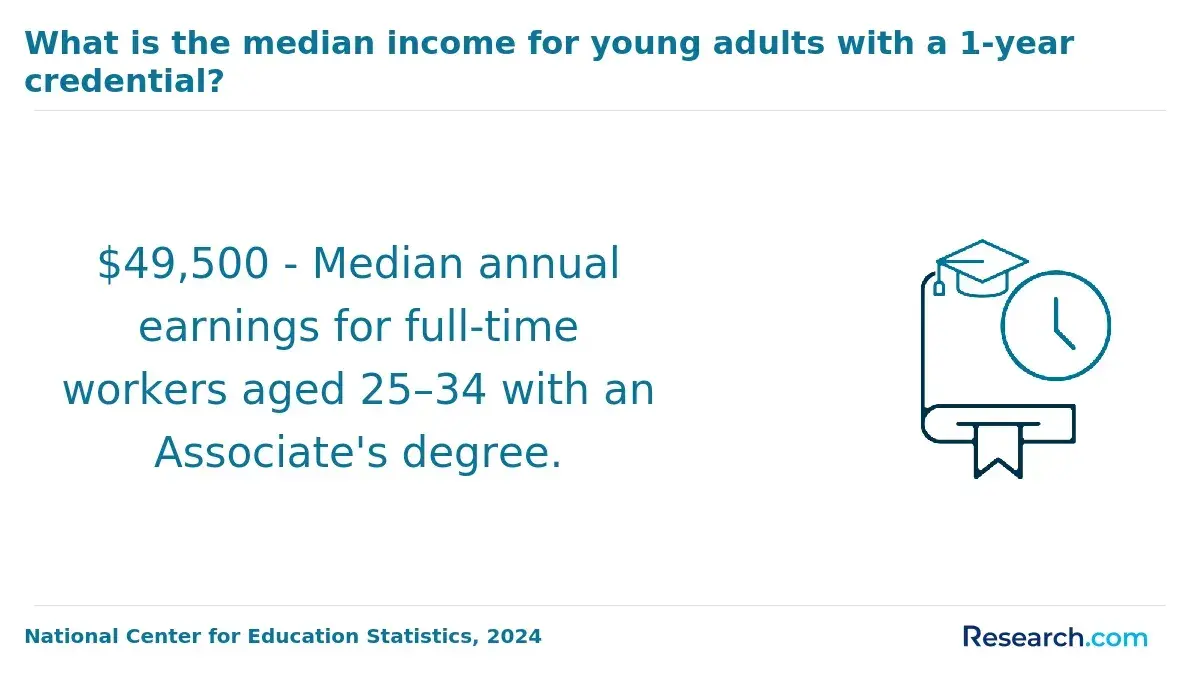
The associate degree dominates surgical tech education, largely because it aligns directly with employer certification requirements and entry-level job qualifications. According to 2024 data from the National Center for Education Statistics and IPEDS, over 70% of surgical technologist students pursue an associate degree, reflecting its status as the most accessible and efficient pathway into the field. This trend is reinforced by widespread program availability at community colleges and technical schools, which offer practical training combined with flexible formats like online and hybrid options that meet diverse student needs.
Bachelor's and graduate degrees in surgical technology remain niche options, primarily chosen by students targeting roles beyond direct surgical support, such as management, education, or research. These degrees entail longer time commitments and higher costs, with fewer programs nationally, which limits their appeal to those focused on immediate certification and workforce entry. Master's and doctoral programs account for less than 5% of enrollment, often linked to advanced academic or specialized career goals, illustrating the clear divide between frontline practitioner credentials and advanced professional or scholarly pursuits in the field.
Regional variations also influence degree-level enrollment, with urban centers hosting more bachelor's and graduate offerings tied to specialized healthcare systems, while rural areas rely heavily on associate degree training to meet local workforce demands. Prospective students must weigh the associate degree's practicality and industry acceptance against the limited but strategically valuable opportunities bachelor's and higher degrees provide for those aiming beyond standard surgical tech roles. This distinction shapes both individual educational planning and broader workforce development considerations within the surgical technology sector.
How Do Enrollment Trends Differ Between Associate, Bachelor's, Master's, and Doctoral Surgical Tech Degrees?
Enrollment patterns for associate versus bachelor's surgical tech degree programs reveal strategic choices tied to workforce entry and career progression. With over 75% of students opting for associate degrees as their gateway, this pathway reflects a practical response to employer demand for technicians who can quickly supply clinical skills. In contrast, the bachelor's level, capturing roughly 15% of enrollees, appeals to those seeking roles that merge clinical expertise with healthcare administration, despite higher costs and longer completion times. This shift in enrollment underscores how rising employer emphasis on interdisciplinary competence influences program selection and student demographics within the surgical tech field.
Master's and doctoral surgical tech programs demonstrate limited yet steady growth, concentrated among professionals targeting specialized leadership, education, or research roles. Regional differences in master's and doctoral surgical tech programs highlight their presence primarily in urban areas with large academic medical centers, reflecting accessibility constraints and niche demand. These graduate degrees often function more as academic or strategic career levers than direct clinical preparation. For students weighing options, pursuing advanced degrees entails trade-offs between extended education duration and unlocking specialized career trajectories-one reason many may instead seek the cheapest online master's in nutrition as an alternate pathway supporting related healthcare expertise.
How Popular Is the Surgical Tech Degree Compared to Other College Majors?
The relatively low popularity of the surgical tech degree compared to broader health science or nursing programs reflects its narrowly defined role within healthcare education rather than a lack of occupational demand. Data from the National Center for Education Statistics and IPEDS show that while nursing programs produce over 200,000 bachelor's graduates annually, surgical tech associate degrees graduate only about 15,000 to 20,000 students per year. This limited scale aligns with surgical tech's specialized technical focus, which draws a smaller, more targeted student body primarily interested in operating room roles rather than expansive healthcare administration or patient management careers.
Enrollment growth in surgical tech programs tends to be moderate but steady, concentrated in states with extensive hospital networks such as California and Texas. Unlike fields with significant graduate-level pathways, surgical tech education remains mostly confined to associate and certificate levels, which inherently narrows its footprint in higher education. This can affect program availability and peer networks, often resulting in smaller cohort sizes that may offer fewer specialization options but also reduce competition for clinical placements, creating a distinct dynamic for students weighing surgical tech against more populous majors.
A former surgical tech student recalled feeling uncertain when choosing the program due to its relatively small class sizes compared to popular nursing courses. Academic advisors cautioned that while demand remains stable, the degree's niche status meant fewer electives and limited geographic mobility in some regions. However, the student appreciated the clearer pathway to employment and the focused curriculum, noting that the program's popularity-or lack thereof-reflected a practical balance between specialized skills and consistent workforce need rather than overall prestige or exposure.
Why Is the Surgical Tech Degree More Popular in Certain States and Regions?
The uneven popularity of the surgical tech degree across states reflects more than simple student preference; it reveals how local healthcare market dynamics and educational infrastructure shape workforce pipelines. States like California, Texas, and Florida, with extensive hospital networks and large healthcare sectors, generate strong employer demand that directly influences enrollment. This local demand creates robust practical training opportunities, making certain programs more attractive and often yielding better job placement outcomes. In contrast, regions lacking such concentration face challenges in offering comparable clinical experiences, affecting the perceived value of the degree and student networking potential within healthcare markets.
Policy decisions and educational accessibility significantly drive regional enrollment disparities. Medicaid expansions and increased healthcare funding in the Southeast and Southwest have supported growth in surgical tech programs at community colleges, aligning with local labor shortages and creating viable entry points for adult learners and underrepresented demographics. Additionally, the availability of flexible or hybrid instruction formats contributes to sustained interest, especially among women, who compose the majority of enrollees. Such factors illuminate why the regional factors influencing surgical tech degree popularity include a complex interplay of economic incentives, demographic shifts, and institutional capacity rather than uniform student interest alone.
Students comparing the value of their training programs should also consider how regional market conditions affect long-term career trajectories. Enrollment patterns mirror where surgical tech roles are expanding, impacting opportunities for early-career professionals to build meaningful networks and secure employment. The impact of these trends extends to allied health fields broadly, with connections possible to other disciplines such as dietitian master's programs, which often follow similar geographic and policy-driven enrollment patterns.
What Demographic Groups Are Driving Growth in Surgical Tech Degree Programs?
Shifting gender dynamics in surgical tech degree programs reflect broader labor market pressures to diversify a field historically dominated by women. While women continue to represent over three-quarters of enrollees nationally in 2024, a near 10% rise in male enrollment since 2020 indicates a gradual but meaningful change in workforce composition. This evolution aligns with healthcare employers' efforts to address persistent staffing shortages by recruiting from a wider demographic pool, which may ultimately influence program culture, instructional approaches, and peer cohort interactions within training institutions.
Regionally, enrollment increases are concentrated in the South and Midwest, with states like Texas and Ohio leading growth due to expanded healthcare infrastructure and community college capacity. These regional hotspots signal where demand for surgical tech professionals aligns closely with local labor market needs, while other areas, particularly some Western states, face stagnation linked to fewer accredited programs and higher living costs discouraging enrollment. The demographic rise of adult learners aged 25 to 40, often balancing work and family commitments, has driven increased uptake of online and hybrid program formats, highlighting the critical role of flexible delivery methods in enabling mid-career transitions into stable healthcare roles.
Demographic shifts also include increased participation from Hispanic and Native American students, now constituting roughly 20% of enrollees, and a significant share of first-generation college students-both signaling the program's expanding accessibility and its function as a vehicle for socioeconomic mobility. These trends necessitate that educators and policymakers consider tailored support services to retain diverse student populations, while employers must anticipate a more varied talent pool whose unique experiences can enrich but also challenge traditional training paradigms and workplace integration within surgical technology settings.
What Is the Future Outlook for Surgical Tech Degree Enrollment by Gender, Region, and Degree Level?
Enrollment in Surgical Tech degree programs is poised to evolve notably with nuanced shifts in demographics and regional healthcare demands shaping its trajectory. While the overall occupational growth rate is projected at 12% from 2022 to 2032 according to the U.S. Bureau of Labor Statistics, the distribution of this growth will reflect deeper structural factors. Increasing male participation, rising from a historical 15% baseline, reflects deliberate efforts to diversify the field amid persistent workforce shortages, potentially expanding recruitment pools but also challenging traditionally gendered perceptions of allied health roles.
Geographically, program availability and enrollment intensity are closely tied to healthcare infrastructure and population trends. States like California, Texas, and Florida continue to anchor majority enrollments due to established medical centers, yet expanding population centers in the Southeast and Southwest may soon prompt institutional adjustments to meet growing local training needs. These regional disparities influence the accessibility of clinical placements and educational resources, particularly for students in rural or underserved areas, thereby affecting program completion rates and long-term career stability.
Degree level preferences remain clinically and operationally significant, with associate degrees dominating due to their faster completion and direct job readiness. Nonetheless, a modest but meaningful increase in bachelor's degree enrollment-fueled by students pursuing expanded scope of practice or upward mobility-is reshaping program offerings. Online and hybrid formats are gaining traction to accommodate diverse learner needs, though maintaining sufficient clinical partnerships remains critical to preserving training quality and employability outcomes. Prospective students should weigh these educational modalities against workforce expectations and geographic constraints in mapping realistic pathways.
How Have Surgical Tech Degree Enrollment Trends Changed Over the Past Decade?
Long-term enrollment shifts in surgical tech degree programs reveal enduring gender imbalances and regional disparities that shape workforce supply and career pathways. Women dominate the field, constituting over 85% of enrollees and graduates, reflecting historical occupational patterns while recent modest rises in male participation signal incremental diversification. These demographic dynamics influence employer expectations and culture within surgical settings, with gender representation affecting perceptions of role suitability and acceptance. The sustained predominance of associate degrees underlines the profession's technical focus, though growing bachelor's degree enrollment-up about 8%-suggests rising demand for advanced skills and upward mobility, which carries implications for job competitiveness and wage potential.
Examining changes in surgical tech degree popularity by region over ten years highlights the influence of local labor markets and healthcare infrastructure expansion. The South and West regions outpace the Northeast in enrollment growth, corresponding with their faster hospital and outpatient service development amid aging populations. This uneven regional pattern affects program availability, student demand, and strategic decisions for those seeking geographic flexibility versus targeted employment hubs. Additionally, the advent of online and hybrid programs has mitigated some access barriers, catering to non-traditional students and those balancing work commitments, thereby stabilizing enrollment despite pandemic-related disruptions. Students comparing pathways may also consider advancing from surgical tech credentials to other allied health degrees, as seen in related fields where rapid options like an RN to BSN in 3 months program emerge, signaling broader shifts toward expedited career progression routes across healthcare education.
Where Is the Surgical Tech Degree Most Popular Across the United States?
Surgical tech degree popularity tends to concentrate in specific states and regions due to the interplay of healthcare industry density, population demographics, and educational infrastructure. The South and Midwest, for example, exhibit higher enrollment owing to extensive hospital networks and aging populations that increase demand for surgical procedures. This regional clustering also reflects how program availability and workforce needs align, with community colleges and technical schools in metropolitan hubs expanding surgical tech program offerings to meet local labor market demands. These factors create a more competitive and resource-rich environment for students in these areas compared to states with smaller healthcare footprints.
Such geographic concentrations directly affect student opportunities, influencing access to specialized clinical placements and professional networking crucial for early career development. Regions with stable or growing surgical tech demand provide graduates with stronger employment prospects and potential for skill advancement. However, uneven distribution also means prospective students outside these key areas may face limited program choices or weaker job markets, complicating their educational and career planning. The regional popularity of surgical tech programs in the US thus reflects practical tradeoffs between program accessibility, market saturation, and long-term career viability.
Current data from the National Center for Education Statistics highlights Texas, Florida, and Ohio as leaders in surgical tech degree completions, underscoring the importance of local healthcare systems in driving enrollment. Prospective students evaluating where to study or work should consider these demand patterns alongside program quality and labor market projections, including forecasts of regional job growth. For those exploring allied health fields more broadly, comparing such trends with credentials like the cheapest online PhD in counseling can provide additional perspective on educational investments and workforce outcomes.
References
- Addressing The Surgical Tech Shortage: A Better Staffing Solution - Partners https://partners.medcerts.com/blog/addressing-the-surgical-tech-shortage-a-better-staffing-solution
- How Changing College Majors Are Reshaping the Future Workforce — The Burning Glass Institute https://www.burningglassinstitute.org/bginsights/how-changing-college-majors-are-reshaping-the-future-workforce
- Advancements in Surgical Technology: Shaping the Future of Healthcare | Eastwick College https://eastwick.edu/news/advancements-in-surgical-technology-shaping-the-future-of-healthcare/
- What is a Surgical Technologist? | What Does a Surgical Tech Do? https://www.berks.edu/what-is-a-surgical-technologist/
- SURGICAL TECHNOLOGY https://www.stchas.edu/programs-courses/programs/surgical-technology.php
- Surgical Technologist - Explore Healthcare Careers - Mayo Clinic College of Medicine & Science https://college.mayo.edu/academics/explore-health-care-careers/careers-a-z/surgical-technologist/
- Is Surgical Tech a Good Career? 9 Pros and Cons You Need to Know https://www.rasmussen.edu/degrees/health-sciences/blog/is-surgical-tech-a-good-career-pros-and-cons/
- Surgical Technologist Career: Job Outlook & Salary Insights https://www.ach.edu/blog/surgical-technician-job-outlook/
- Your 2025 Career Outlook: Surgical Technologists - Supplemental Health Care https://shccares.com/blog/allied-health/your-surgical-technologist-career-outlook-2025/
- Surgical Technologist Salary: How Much Do Surgical Techs Earn Worldwide? - Surgical Teck https://surgicalteck.com/surgical-technologist-salary-worldwide-guide/
Other Things You Should Know About Surgical Tech
Gender imbalances in surgical tech programs often reflect broader workplace dynamics that can impact your educational and professional experience. Women dominate enrollment, especially in associate degree paths, which can mean more tailored support networks but might also yield gendered expectations in clinical settings. Men considering the field should weigh how gender representation affects mentorship availability and workplace culture in their region. Prioritizing programs with strong diversity initiatives can help mitigate these disparities and better prepare students for inclusive team environments.
Regions with low surgical tech program availability often correlate with fewer local clinical internship sites and employers familiar with recent graduates. This can restrict hands-on learning experiences and initial job placements, forcing students to consider relocation or longer commutes. However, some states with fewer programs compensate by having concentrated healthcare hubs that value well-trained surgical techs highly. Choosing a program in a less-saturated market demands proactive career networking and may require being flexible about geographic mobility after graduation.
Associate degrees in surgical tech provide quicker entry with manageable course loads but may limit advancement opportunities compared to bachelor's programs, which require more commitment but open doors to higher-paying or supervisory roles. Candidates who need to balance work, family, or financial constraints should prioritize associate programs for practical workforce entry. Conversely, students aiming for long-term clinical leadership or education roles should weigh the heavier workload and longer time to completion of bachelor's degrees as an investment in career versatility.
Programs with a higher proportion of male surgical tech students sometimes have stronger affiliations with large hospital systems, offering more intensive clinical rotations and robust job placement support tailored to specialized surgical areas. This may result in more comprehensive hands-on experiences but also could mean competitive peer environments. Prospective students, especially women considering such programs, should evaluate whether the culture and clinical opportunities align with their learning preferences and career goals rather than solely following gender enrollment trends.